基本情報
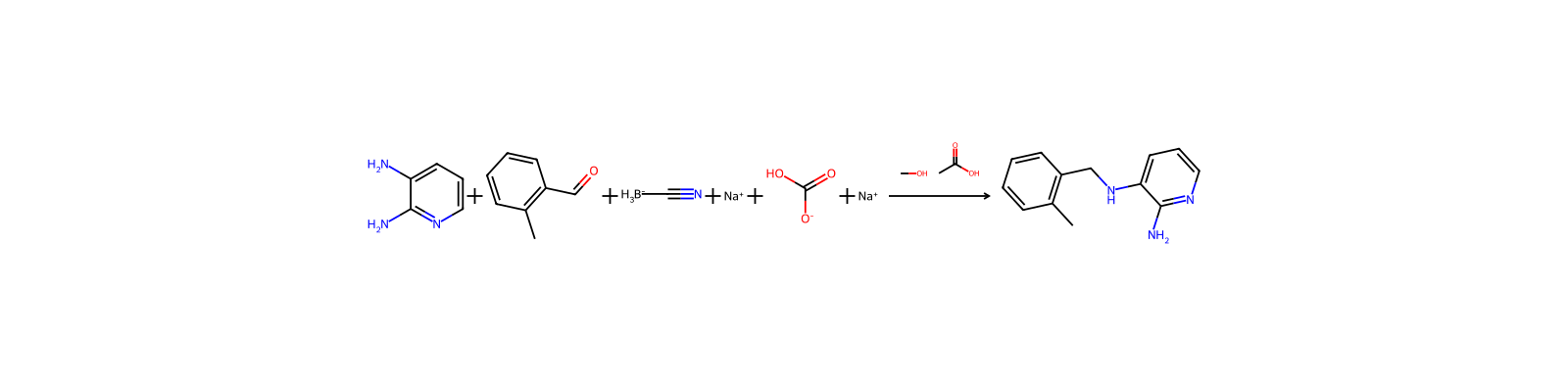
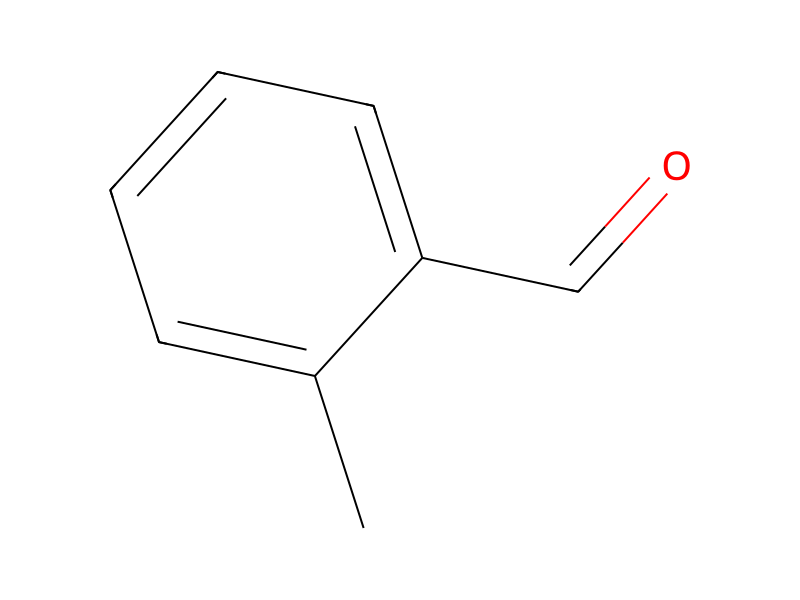
- 標準SMILES
Cc1ccccc1C=O- InChIKey
BTFQKIATRPGRBS-UHFFFAOYSA-N- 分子式
- C8H8O
- 平均分子量
- 120.15 g/mol
- 単同位体質量
- 120.05751488
概要
O-tolualdehyde is a clear liquid. (NTP, 1992)
名称と識別子
- 優先名称
- 2-Methylbenzaldehyde
- IUPAC
- 2-methylbenzaldehyde
- 英語名
- TOLUALDEHYDES
- 分子式
- C7H6O
- 分子量
- 106.12194
名称と別名
2-MethylbenzaldehydeO-TOLUALDEHYDE529-20-42-Tolualdehyde2-Formyltolueneo-Tolylaldehydeo-Toluylaldehydeo-Methylbenzaldehydeo-Toluic aldehydeBenzaldehyde, 2-methyl-o-MethylbenazldehydeToluic aldehyde
名称をさらに表示
TOLUALDEHYDEtolylTOLUALDEHYDESar-TolualdehydeMETHYLBENZALDEHYDEtolualdehydes, mixtureTOLUALDEHYDES USP/EP/BPTOLUALDEHYDES (MIXED O,M,P)TOLUALDEHYDES(MIXEDORTHO,META,PARA)
DTXSID1022051Q7E5H6W6BGNSC-103152DTXCID102051CHEBI:27434FEMA NO. 3068, O-RefChem:475958208-452-2
データベース識別子
- CAS
1334-78-7、529-20-4- PubChem CID
- 10722
- DTXSID
DTXSID1022051- ChEMBL
CHEMBL1487138- ChEBI
CHEBI:27434- UNII
- Q7E5H6W6BG
- EC Number
- 208-452-2
- Nikkaji
- J6.680J
物性
構造計算による物性
- XLogP
- 2.1
- 極性表面積
- 17.1 Ų
- 水素結合供与体数
- 0
- 水素結合受容体数
- 1
- 回転可能結合数
- 1
- 重原子数
- 9
- 形式電荷
- 0
- 複雑度
- 98.7
実験および物理化学的性質
Chemical ClassesOther Classes -> Benzaldehydes
SpringerMaterials Properties13C nuclear magnetic resonance spectrum
LogP
log kow = 2.26
2.26
Density
1.0386 at 66 °F (NTP, 1992) - Denser than water; will sink
1.0328 g/cu cm at 20 °C
Flavoring AgentsEU Flavoring substances
Color/FormLiquid
Solubility
less than 1 mg/mL at 68 °F (NTP, 1992)
Slightly soluble in water; soluble in carbon tetrachloride, ethanol, ethyl ether, benzene; very soluble in acetone
Flash Point153 °F (NTP, 1992)
Boiling Point
392 to 396 °F at 760 mmHg (NTP, 1992)
200 °C
BP: 94 °C at 10 mm Hg
200.00 to 201.00 °C. @ 760.00 mm Hg
Melting Point< 25 °C
Vapor Pressure
1 mmHg at 140 °F ; 8.0 mmHg at 163 °F; 26.0 mmHg at 207 °F (NTP, 1992)
0.33 [mmHg]
Refractive Index
Index of refraction: 1.5423 at 19 °C/alpha; 1.5650 at 19 °C/beta; 1.5798 at 19 °C/gamma
Index of refraction: 1.5462 at 20 °C/D
Index of refraction: 1.5430 at 25 °C/D; 1.549 at 19 °C/D
物理化学的性質
- 沸点
- 164.15 °C · 164.15°C (rough estimate)
- 比重(密度)
- 0.9651 · 0.9651 (rough estimate)
- 屈折率
- 1.48 · 1.4800 (estimate)
- FEMA
- 3068 · 3068 | TOLUALDEHYDES (MIXED O,M,P)
- 臭い (Odor)
- 1 %。スイートチェリーケミカルクマリン粉末 · ジプロピレングリコール中1.00%。スイートチェリーケミカルクマリン粉末
- においのタイプ
- フルーティーな
- JECFA Number
- 866 · 866
- 化粧品成分の機能
- 香料
- LogP
- 2.26 · 2.26
- EPAの化学物質情報
- Methylbenzaldehyde (1334-78-7)
化学的性質
化学的特性Tolualdehydes, mixed o-, m-, p-, have a sweet and herbaceous odor reminiscent of bitter almond.
安全と法規制
GHS分類
GHS Classification
Danger
H302 (64.1%): Harmful if swallowed [Warning Acute toxicity, oral]
P260, P261, P264, P264+P265, P270, P271, P280, P301+P317, P301+P330+P331, P302+P352, P302+P361+P354, P304+P340, P305+P351+P338, P305+P354+P338, P316, P317, P319, P321, P330, P332+P317, P337+P317, P362+P364, P363, P403+P233, P405, and P501 (click each P-code to see the statement)
Aggregated GHS information provided per 78 reports by companies from 11 notifications to the ECHA C&L Inventory. Each notification may be associated with multiple companies.
危険有害性情報
Regulatory Information
Chemical: Benzaldehyde, 2-methyl-
Commission Regulation (EC) No 1565/2000 (Repealed by Com. Implementing Reg. (EU) No 872/2012)
Benzaldehyde, 2-methyl-: Does not have an individual approval but may be used under an appropriate group standard
Fire HazardsThis chemical is combustible. (NTP, 1992)
Health HazardsSYMPTOMS: Symptoms of exposure to this compound may include irritation.
Hazards Summary
Tolualdehydes demonstrate skin irritation in rabbits and skin sensitization in guinea pigs; Low orders of oral and dermal acute toxicity; No evidence of skin sensitization using dilute solutions of tolualdehydes on human volunteers; [HSDB] May cause irritation; [NTP] An irritant; Harmful by ingestion; [Alfa Aesar MSDS] See Benzaldehyde.
Reactive GroupAldehydes
Reactivity ProfileO-TOLUALDEHYDE is incompatible with strong bases and strong reducing agents. It is also incompatible with strong oxidizers. It may react with ketones, sulfuric acid, nitric acid, caustics and ammonia. (NTP, 1992).
Air and Water ReactionsInsoluble in water.
Hazard Classes and CategoriesAcute Tox. 4 (64.1%)
安全と保護具
Fire FightingFires involving this material can be controlled with a dry chemical, carbon dioxide or Halon extinguisher. A water spray may also be used. (NTP, 1992)
First Aid
EYES: First check the victim for contact lenses and remove if present. Flush victim's eyes with water or normal saline solution for 20 to 30 minutes while simultaneously calling a hospital or poison control center. Do not put any ointments, oils, or medication in the victim's eyes without specific instructions from a physician. IMMEDIATELY transport the victim after flushing eyes to a hospital even if no symptoms (such as redness or irritation) develop.
Nonfire Spill Response
SMALL SPILLS AND LEAKAGE: If you spill this chemical, FIRST REMOVE ALL SOURCES OF IGNITION. Then, use absorbent paper to pick up all liquid spill material. Your contaminated clothing and absorbent paper should be sealed in a vapor-tight plastic bag for eventual disposal. Solvent wash all contaminated surfaces with 60-70% ethanol followed by washing with a soap and water solution. Do not reenter the contaminated area until the Safety Officer (or other responsible person) has verified that the area has been properly cleaned.
Disposal Methods
SRP: The most favorable course of action is to use an alternative chemical product with less inherent propensity for occupational exposure or environmental contamination. Recycle any unused portion of the material for its approved use or return it to the manufacturer or supplier. Ultimate disposal of the chemical must consider: the material's impact on air quality; potential migration in soil or water; effects on animal, aquatic, and plant life; and conformance with environmental and public health regulations.
Personal Protective Equipment (PPE)
RECOMMENDED RESPIRATOR: Where the neat test chemical is weighed and diluted, wear a NIOSH-approved half face respirator equipped with an organic vapor/acid gas cartridge (specific for organic vapors, HCl, acid gas and SO2) with a dust/mist filter. (NTP, 1992)
毒性情報
Environmental Fate
TERRESTRIAL FATE: Based on a classification scheme(1), an estimated Koc value of 54(SRC), determined from a structure estimation method(2), indicates that 2-methylbenzaldehyde is expected to have high mobility in soil(SRC). Volatilization of 2-methylbenzaldehyde from moist soil surfaces is expected to be an important fate process(SRC) given an estimated Henry's Law constant of 3.0X10⁻⁵ atm-cu m/mole(SRC), developed using a fragment constant estimation method(3). 2-Methylbenzaldehyde is not expected to volatilize from dry soil surfaces(SRC) based upon an estimated vapor pressure of 0.34 mm Hg(SRC), determined from a fragment constant method(4). A yeast strain grown with both 2-methylbenzaldehyde and either sucrose or pyruvate biodegraded 2-methylbenzaldehyde to small amounts of the respective aromatic alcohol(5). The yeast strain grown with 2-methylbenzaldehyde and pyruvate degraded 2-methylbenzaldehyde to its respective carbinol(5).
AQUATIC FATE: Based on a classification scheme(1), an estimated Koc value of 54(SRC), determined from a structure estimation method(2), indicates that 2-methylbenzaldehyde is not expected to adsorb to suspended solids and sediment(SRC). Volatilization from water surfaces is expected(3) based upon an estimated Henry's Law constant of 3.0X10⁻⁵ atm-cu m/mole(SRC), developed using a fragment constant estimation method(4). Using this Henry's Law constant and an estimation method(3), volatilization half-lives for a model river and model lake are 1.5 and 14 days, respectively(SRC). According to a classification scheme(5), an estimated BCF of 30(SRC), from its log Kow of 2.26(6) and a regression-derived equation(3), suggests the potential for bioconcentration in aquatic organisms is moderate(SRC). 2-Methylbenzaldehyde is not expected to undergo hydrolysis in the environment due to the lack of functional groups that hydrolyze under environmental conditions(3). A yeast strain grown with both 2-methylbenzaldehyde and either sucrose or pyruvate biodegraded 2-methylbenzaldehyde to small amounts of the respective aromatic alcohol(7). The yeast strain grown with 2-methylbenzaldehyde and pyruvate degraded 2-methylbenzaldehyde to its respective carbinol(7).
ATMOSPHERIC FATE: According to a model of gas/particle partitioning of semivolatile organic compounds in the atmosphere(1), 2-methylbenzaldehyde, which has an estimated vapor pressure of 0.34 mm Hg at 25 °C(SRC), determined from a fragment constant method(2), is expected to exist solely as a vapor in the ambient atmosphere. Vapor-phase 2-methylbenzaldehyde is degraded in the atmosphere by reaction with photochemically-produced hydroxyl radicals(SRC); the half-life for this reaction in air is estimated to be 21 hrs(SRC), calculated from its rate constant of 1.8X10⁻¹¹ cu cm/molecule-sec at 25 °C(3). 2-Methylbenzaldehyde has a maximum absorbance wavelength of 280 nm(4) and therefore may be susceptible to direct photolysis by sunlight(SRC).
Toxicity Summary
IDENTIFICATION AND USE: 2-Methylbenzaldehyde is a liquid. It is slightly soluble in water; soluble in carbon tetrachloride, ethanol, ethyl ether, AND benzene, and very soluble in acetone. No information could be located on its useS. HUMAN EXPOSURE AND TOXICITY: No evidence of skin sensitization was found in volunteers treated with dilute solutions. Monitoring and effluent data indicate that the general population may be exposed to this chemical by inhalation of ambient air, and ingestion of certain foods. ANIMAL STUDIES: Tolualdehyde was a skin irritant in rabbits. Sensitization reactions have been reported in guinea pigs. In rats, the acute oral and dermal toxicity were low. In rats, the pituitary gland weight was reduced following repeated oral administration .There was no evidence of mutagenicity in Salmonela typhimurium bacterial tests.
Plant Concentrations2-Methylbenzaldehyde was detected at trace amounts in garlic(1).
Effluent Concentrations
2-Methylbenzaldehyde has been identified in exhaust gases from gasoline engines, diesel engines and in diesel blowby(1). 2-Methylbenzaldehyde was found in highway tunnels in Tuscarora; light duty trucks emitted 0.023 mg/km traveled or 0.335 mg/L fuel used, heavy duty trucks emitted 0.305 mg/km traveled or 0.962 mg/L fuel used(2). 2-Methylbenzaldehyde was not detected in the emissions of gasoline powered motor vehicles with catalyst equipped engines but was measured at 45,000 ug/km for non-catalyst equipped engines(3). Fine aerosol emission rates of 2-methylbenzaldehyde from heavy-duty diesel trucks, noncatalyst-equipped, and catalyst-equipped automobiles were 15.2, 2.8, and 5.0 ug/km, respectively(4). 2-Methylbenzaldehyde was not detected in road dust particles collected from paved streets in a residential area of Pasadena, CA in May 1988, was detected in brake lining particles at a concn of 0.48 ug/g of particle sample and in tire wear particles at a concn of 4.1 ug/g of particle sample(5). Operation of a four-stroke outboard motor resulted in the exhaust emission of 2.9 mg/10 min of 2-methylbenzaldehyde into the water(6). 2-Methylbenzaldehyde was detected at 1.87 ug/cu m in the effluent of an incineration plant in Germany(7). 2-Methylbenzaldehyde was detected in the emissions of cookstoves in China using wheat crop residue, wood, kerosene, and liquid propane gas at concns of 5.2, 10.2, 9.3, and 20.8 mg/kg, respectively(8).
Soil Adsorption/Mobility
Using a structure estimation method based on molecular connectivity indices(1), the Koc of 2-methylbenzaldehyde can be estimated to be 54(SRC). According to a classification scheme(2), this estimated Koc value suggests that 2-methylbenzaldehyde is expected to have high mobility in soil.
Natural Pollution Sources2-Methylbenzaldehyde was detected at trace amounts in garlic(1).
Atmospheric Concentrations
URBAN/SUBURBAN: 2-Methylbenzaldehyde, analyzed in Athens, Greece, June to December 2000, was detected at Patission Street at concns of 1.2-5.9 ug/cu m(1). 2-Methylbenzaldehyde was detected in air from San Paulo, Brazil at 0.032-0.131 ppb in samples taken July 1988(2). 2-Methylbenzaldehyde was detected in Santiago, Chile atmospheric samples at <0.08-0.22 ppbv in Nov 2003(3).
RURAL/REMOTE: 2-Methylbenzaldehyde, analyzed outside of Athens, Greece, June to December 2000, was not detected at Likovrisi(1). 2-Methylbenzaldehyde was identified in forest air collected in the Southern Black Forest, Germany, at unreported concentrations(2). 2-Methylbenzaldehyde was detected, not quantified in a forest in Tsukuba, Japan in samples taken April 1985(3).
SOURCE DOMINATED: A field monitoring study along a highway in Raleigh, NC in May 1983 detected 2-methylbenzaldehyde levels of 0.00-1.56 ppb; the primary source of the 2-methylbenzaldehyde was considered to be exhaust from cars and trucks(1).
Human Toxicity Excerpts/SIGNS AND SYMPTOMS/ No evidence of skin sensitization was found in volunteers treated with dilute solutions. /Tolualdehydes/
Artificial Pollution Sources
2-Methylbenzaldehyde presence in exhaust emissions(1-5), in brake lining and tire wear particles(6), incineration plant effluent(7) and in the emissions of cookstoves using various fuel sources(8) may result in its direct release to the environment(SRC).
Environmental Biodegradation
PURE CULTURE: The rates of formation of aromatic carbinol and aromatic alcohol from a yeast culture grown in both 2-methylbenzaldehyde and sucrose are 0.00 and 0.32 g/L, respectively for a 1 hr incubation(1). The rates of formation of aromatic carbinol and aromatic alcohol from a yeast culture grown in both 2-methylbenzaldehyde and pyruvate are 0.10 and 0.06 g/L, respectively, for a 1 hr incubation(1).
Environmental Bioconcentration
An estimated BCF of 30 was calculated in fish for 2-methylbenzaldehyde(SRC), using a log Kow of 2.26(1) and a regression-derived equation(2). According to a classification scheme(3), this BCF suggests the potential for bioconcentration in aquatic organisms is moderate(SRC), provided the compound is not metabolized by the organism(SRC).
Volatilization from Water/Soil
The Henry's Law constant for 2-methylbenzaldehyde is estimated as 3.0X10⁻⁵ atm-cu m/mole(SRC) using a fragment constant estimation method(1). This Henry's Law constant indicates that 2-methylbenzaldehyde is expected to volatilize from water surfaces(2). Based on this Henry's Law constant, the volatilization half-life from a model river (1 m deep, flowing 1 m/sec, wind velocity of 3 m/sec)(2) is estimated as 1.5 days(SRC). The volatilization half-life from a model lake (1 m deep, flowing 0.05 m/sec, wind velocity of 0.5 m/sec)(2) is estimated as 14 days(SRC). 2-Methylbenzaldehyde's Henry's Law constant indicates that volatilization from moist soil surfaces may occur(SRC). 2-Methylbenzaldehyde is not expected to volatilize from dry soil surfaces(SRC) based upon an estimated vapor pressure of 0.34 mm Hg(SRC), determined from a fragment constant method(3).
安全データ
- tsca
- TSCA listed
- 毒性
- LD50 oral in rat: 2250mg/kg
- 有毒物質データの
- 1334-78-7(Hazardous Substances Data)
化学と産業
薬理情報
Metabolism/Metabolites
p-Tolualdehyde was oxidized to p-toluic acid by resting cells of pseudomonas aeruginosa. Perillaldehyde dehydrogenase, isolated from soil pseudomonad, catalyzed the oxidn of m- & p-tolualdehyde but not o-tolualdehyde.
Aldehydes are readily oxidized to organic acids. Oxidation of aldehydes is catalyzed by aldehyde dehydrogenase, which has been found in the brain, erythrocytes, liver, kidney, heart, and placenta. /Aldehydes/
Cellular LocationsCytoplasm
用途と製造
Uses
Has been detected in exhaust of internal combustion engines, in emissions from waste incineration and cook stoves, in brake lining and tire particles, and in trace amounts in garlic; [HSDB] Related compounds find uses in perfumes, pharmaceuticals, as dyestuff intermediates, and flavoring agents; [NTP]
Methods of Manufacturing
2-Methylbenzaldehyde can be produced by partial oxidation of o-xylene, e.g., in acetic acid with cobalt salts as catalysts and bromine compounds as promoters. It can also be obtained from 2-methylbenzyl chloride by gas-phase oxidation at 350-450 °C in the presence of AL2O3-V2O5 catalysts. In the Sommelet reaction, 2-methylbenzyl chloride reacts with hexamethylenetetramine to form 2-methylbenzaldehyde. This reaction can also use industrial chlorination mixtures containing small amounts of highly chlorinated products in addition to 2-methylbenzyl chloride and unreacted o-xylene.
Prepared by reacting nitropropane with o-xylyl bromide in the presence of sodium ethanoate.
応用分野
天然物の起源Reported found in roasted nuts, tomato, cooked beef, beef fat, cider, coffee, tea and elderberry juice.
使用Perfumes, pharmaceutical and dyestuff intermediate, flavoring agent.
調製方法
製造方法By oxidation of o-, m-, or p-xylene (chemical or electrolytical oxidation).
上流・下流製品情報
上流原料
下流製品
サプライヤー12 社
上海道鞅科技有限公司QQ:3150471267 13381681725 · [email protected]
上海超岚化工科技中心(原宁波市超明生物科技有限公司)13301662590 · [email protected]
陕西缔都医药化工有限公司+86-29-81139210 +86-17392587031 · [email protected]
上海昂提生物科技有限公司13764913901 · [email protected]
湖北鑫杰成化工科技有限公司18008658050 18008658050 · [email protected]
BOC Sciences[email protected]
上海研易宝医药科技有限公司13661744693 · [email protected]
Shaanxi Dideu New Materials Co. Ltd18192503167 · [email protected]
上海易恩化学技术有限公司400-400-1332688 18019345275 · [email protected]
常州优瑞医药科技有限公司18168818882 · [email protected]
BOC Sciences+1-631-485-4226 · [email protected]
广东翁江化学试剂有限公司0751-2815983 13927872582 · [email protected]
関連反応
182 件
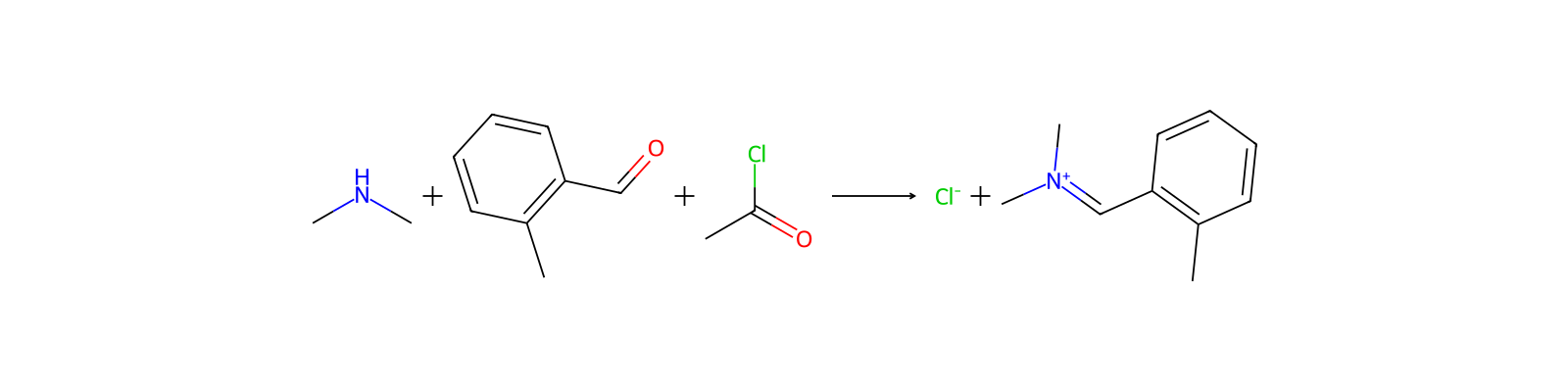
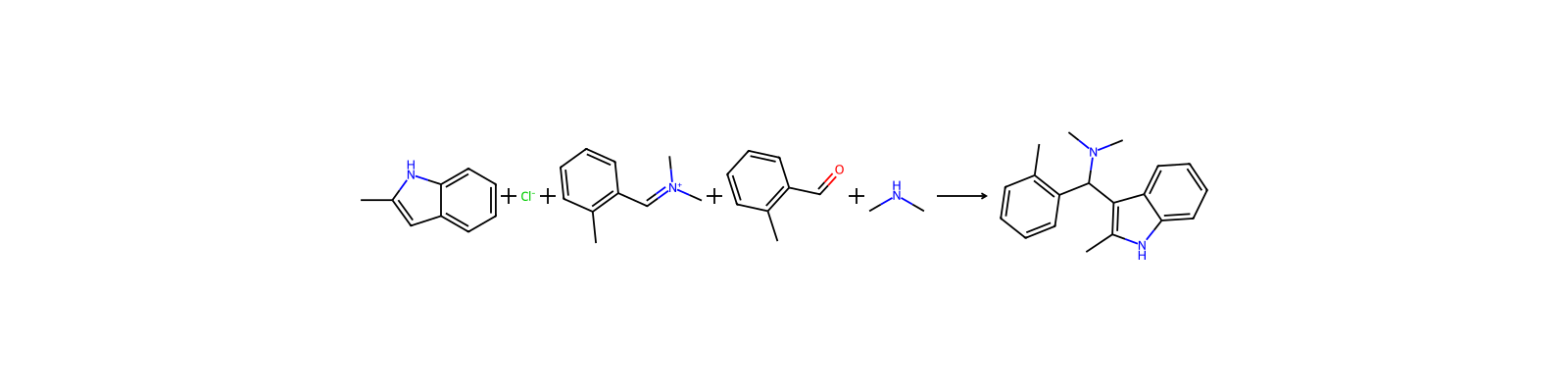

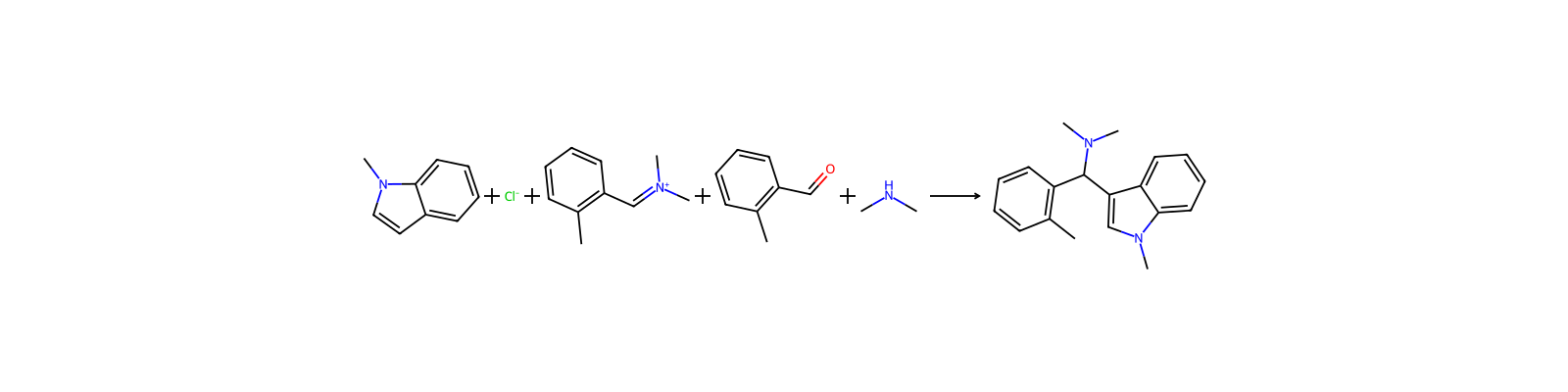
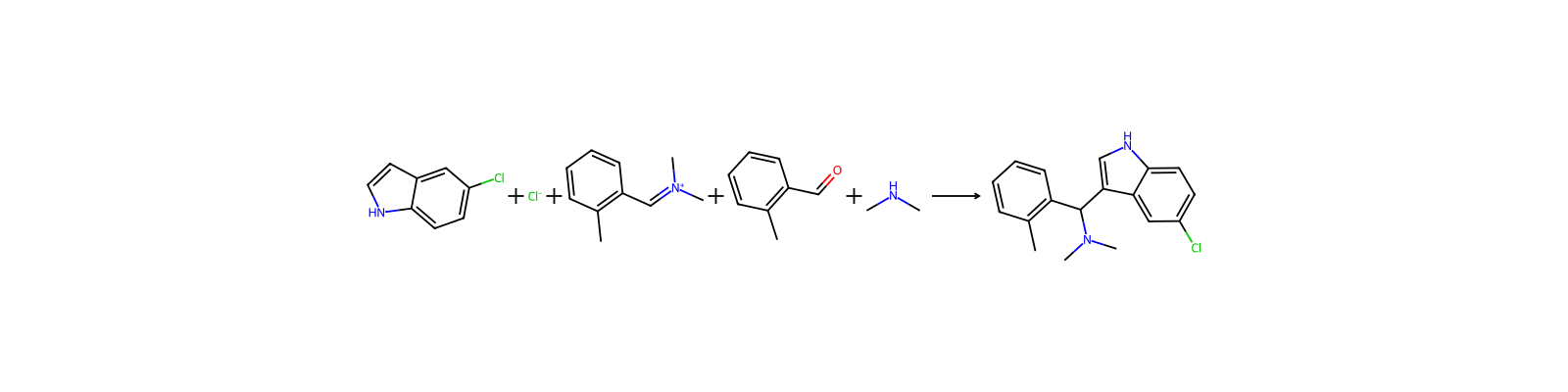
関連ノート
読み込み中…