
基本情報
- 標準SMILES
COc1cccc(N)c1- InChIKey
NCBZRJODKRCREW-UHFFFAOYSA-N- 分子式
- C7H9NO
- 平均分子量
- 123.15 g/mol
- 単同位体質量
- 123.06841391
名称と識別子
- 優先名称
- 3-Methoxyaniline
- IUPAC
- 3-methoxyaniline
- 現地名
- m-アニシジン
- 英語名
- m-Anisidine
- 分子式
- C7H9NO
- 分子量
- 123.15
名称と別名
m-Anisidine3-METHOXYANILINE536-90-3m-Methoxyaniline3-Aminoanisole3-MethoxybenzenamineBenzenamine, 3-methoxy-m-Aminoanisolem-Anisylamine1-Amino-3-methoxybenzene3-methoxyphenylamineDTXSID8024529
名称をさらに表示
m-アニシジン3-メトキシベンゼン-1-アミン3-メトキシベンゼンアミン1-メトキシ-3-アミノベンゼンm-アミノアニソール3-メトキシアニリンm-メトキシアニリン3-アニシジン1-アミノ-3-メトキシベンゼンmアニシジン3‐アニシジン(3‐メトキシアニリン)標準品M‐アニシジンm-アニシジン, 98%3-アニシジン(3-メトキシアニリン)標準品m-アニシジン標準品META-ANISIDINEJABJMJAJBJMm-Anisidinm-anisidien
JXA144KX2Im-AminomethoxybenzeneNSC-76313-Aminophenol methyl etherDTXCID604529RefChem:154857208-651-43-Anisidine
データベース識別子
- CAS
536-90-3- PubChem CID
- 10824
- DTXSID
DTXSID8024529- ChEMBL
CHEMBL1500995- ChEBI
CHEBI:194944- UNII
- JXA144KX2I
- EC Number
- 208-651-4
- Nikkaji
- J1.593H
物性
構造計算による物性
- XLogP
- 0.9
- 極性表面積
- 35.3 Ų
- 水素結合供与体数
- 1
- 水素結合受容体数
- 2
- 回転可能結合数
- 1
- 重原子数
- 9
- 形式電荷
- 0
- 複雑度
- 85
実験および物理化学的性質
LogP
log Kow = 0.93
0.93
Density
1.096 at 68 °F (NTP, 1992) - Denser than water; will sink
1.1 g/cm³
Color/FormPale yellow, oily liquid
Solubility
less than 1 mg/mL at 66 °F (NTP, 1992)
Slightly soluble in carbon tetrachloride; soluble in ethanol, ethylene, acetone, benzene
Solubility in water, g/100ml at 20 °C: 2.05
Flash Point
greater than 235 °F (NTP, 1992)
126 °C (259 °F) - closed cup
>112 °C
Boiling Point
484 °F at 760 mmHg (NTP, 1992)
251 °C
251 °C
Melting Point
30 to 34 °F (NTP, 1992)
-1 °C
Vapor Pressure
15.4 mmHg at 75 °F ; 21.8 mmHg at 115 °F; 32 mmHg at 144 °F (NTP, 1992)
0.07 [mmHg]
7.5X10⁻² mm Hg at 25 °C
Vapor pressure, Pa at 25 °C: 0.31
Refractive IndexIndex of refraction = 1.5797 at 20 °C/D
Physical Description
M-anisidine appears as pale yellow oily liquid or dark red liquid. (NTP, 1992)
Light yellow liquid; [Merck Index] Dark red liquid; [Sigma-Aldrich MSDS]
PALE YELLOW OILY LIQUID.
Dissociation ConstantspKa = 4.24 (conjugate acid)
Kovats Retention Index
1198.1;1229;1229
2176
物理化学的性質
- 融点
- 1 · −1-1 °C(lit.)
- 沸点
- 251 °C · 251 °C(lit.)
- 比重(密度)
- 1.096 g/mL · 1.096 g/mL at 25 °C(lit.)
- 屈折率
- 20 · n20/D 1.581(lit.)
- 闪点
- 230 °F · >230 °F
- 貯蔵温度
- 2 · 2-8°C
- 溶解性
- 18 g/リットル · 18g/リットル
- 外見
- 液体
- 酸解離定数(Pka)
- 4.23 · 4.23(at 25℃)
- 色
- クリアイエロー~ブラウン
- 水溶解度
- 0.1 g/100 · <0.1 g/100 mL で 19 ºC
- Merck
- 14 · 14,667
- BRN
- 386119 · 386119
- Henry's Law Constant
- 9 · 9.0×101 mol/(m3Pa) at 25℃, Abraham et al. (1994)
- InChI
- 1S/C7H9NO/c1-9-7-4-2-3-6(8)5-7/h2-5H,8H2,1H3
- InChIKey
- NCBZRJODKRCREW-UHFFFAOYSA-N
- SMILES
- COc1cccc(N)c1
- LogP
- 0.93 · 0.930
- CAS データベース
- 536 · 536-90-3(CAS DataBase Reference)
- NISTの化学物質情報
- 3 · Benzenamine, 3-methoxy-(536-90-3)
- EPAの化学物質情報
- m-Anisidine (536-90-3)
化学的性質
化学的特性Light yellow oily liquid with have characteristic amine (fishy) odors. soluble in alcohol, ether, benzene and dilute acid, slightly soluble in water. Anisidine exists as ortho-, meta-, and paraisomers.
安全と法規制
GHS分類
GHS Classification
Danger
H301+H311+H331 (39%): Toxic if swallowed, in contact with skin or if inhaled [Danger Acute toxicity, oral; acute toxicity, dermal; acute toxicity, inhalation];H301 (40.3%): Toxic if swallowed [Danger Acute toxicity, oral];H302 (59.7%): Harmful if swallowed [Warning Acute toxicity, oral];H311 (45.5%): Toxic in contact with skin [Danger Acute toxicity, dermal];H315 (93.5%): Causes skin irritation [Warning Skin corrosion/irritation];H319 (93.5%): Causes serious eye irritation [Warning Serious eye damage/eye irritation];H331 (40.3%): Toxic if inhaled [Danger Acute toxicity, inhalation];H335 (55.8%): May cause respiratory irritation [Warning Specific target organ toxicity, single exposure; Respiratory tract irritation];H371 (37.7%): May cause damage to organs [Warning Specific target organ toxicity, single exposure];H372 (36.4%): Causes damage to organs through prolonged or repeated exposure [Danger Specific target organ toxicity, repeated exposure];H400 (98.7%): Very toxic to aquatic life [Warning Hazardous to the aquatic environment, acute hazard];H410 (98.7%): Very toxic to aquatic life with long lasting effects [Warning Hazardous to the aquatic environment, long-term hazard]
P260, P261, P262, P264, P264+P265, P270, P271, P273, P280, P301+P316, P301+P317, P302+P352, P304+P340, P305+P351+P338, P308+P316, P316, P319, P321, P330, P332+P317, P337+P317, P361+P364, P362+P364, P391, P403+P233, P405, and P501 (click each P-code to see the statement)
Aggregated GHS information provided per 77 reports by companies from 8 notifications to the ECHA C&L Inventory. Each notification may be associated with multiple companies.;Information may vary between notifications depending on impurities, additives, and other factors. The percentage value in parenthesis indicates the notified classification ratio from companies that provide hazard codes. Only hazard codes with percentage values above 10% are shown. For more detailed information, please visit ECHA C&L website.
危険有害性情報
Regulatory Information
Chemical: Benzenamine, 3-methoxy-
Status: Active Update: 01-09-2017 https://echa.europa.eu/registration-dossier/-/registered-dossier/20544
3-Anisidine: Does not have an individual approval but may be used under an appropriate group standard
DOT LabelPoison
Fire Hazards
This chemical is probably combustible. (NTP, 1992)
Combustible. Gives off irritating or toxic fumes (or gases) in a fire.
Fire PotentialCombustible
Health Hazards
SYMPTOMS: Symptoms of exposure to this compound may include irritation of the skin, eyes, mucous membranes and upper respiratory tract. Other symptoms may include headaches and cyanosis. It can cause dizziness and an increase in red blood cell Heinz bodies. Vertigo and an increase in sulfhemoglobin may occur. Drowsiness has been reported. The onset of symptoms may be delayed 2 to 4 hours or longer. Symptoms of exposure to a related compound include methemoglobinemia, skin sensitization, corneal damage, and liver and kidney damage.;ACUTE/CHRONIC HAZARDS: This compound is very toxic by ingestion, inhalation and skin contact. It is an irritant of the skin, eyes, mucous membranes and upper respiratory tract. It is readily absorbed through the skin. When heated to decomposition it emits toxic fumes of carbon monoxide, carbon dioxide and nitrogen oxides. (NTP, 1992)
Hazards Summary
May induce methemoglobinemia; [ICSC] A 42-day oral study of rats demonstrated effects suggestive of adverse effects on the hematopoietic system, liver, and kidney (LOAEL of 12 mg/kg/day); No parturition and decreased gestation index at 300 mg/kg/day (possible lethality in early fetal stages); [OECD SIDS] A strong skin, eye, and mucous membrane irritant; [HSDB] A skin and strong eye irritant; May induce methemoglobinemia; Harmful by ingestion; [Sigma-Aldrich MSDS] See o-Anisidine and p-Anisidine.
Reactive GroupEthers;Amines, Aromatic
UN ClassificationUN Hazard Class: 6.1; UN Pack Group: III
Special Reports
Organization for Economic Cooperation and Development; Screening Information Data Set for m-Anisidine, 536-90-3. This OECD Initial Assessment of HPV Chemicals is part of a series of OECD SIDS documents published by UNEP Chemicals to facilitate the access to information needed for health and environmental risk assessments of chemicals.[Available from, as of April 28, 2010: http://www.chem.unep.ch/irptc/sids/OECDSIDS/sidspub.html]
Reactivity ProfileM-ANISIDINE is incompatible with strong oxidizers. It is also incompatible with acids, acid chlorides, acid anhydrides and chloroformates. (NTP, 1992)
Atmospheric Standards
This action promulgates standards of performance for equipment leaks of Volatile Organic Compounds (VOC) in the Synthetic Organic Chemical Manufacturing Industry (SOCMI). The intended effect of these standards is to require all newly constructed, modified, & reconstructed SOCMI process units to use the best demonstrated system of continuous emission reduction for equipment leaks of VOC, considering costs, non air quality health & environmental impact & energy requirements. Anisidine is produced, as an intermediate or a final product, by process units covered under this subpart. /Anisidine/
Chemical DangersOn combustion, forms toxic fumes including nitrogen oxides. Reacts with strong oxidants. This generates fire hazard.
安全と保護具
Fire Fighting
Fires involving this material can be controlled with a dry chemical, carbon dioxide or Halon extinguisher. A water spray may also be used. (NTP, 1992)
Use water spray, dry powder, foam, carbon dioxide.
First Aid Measures
Fresh air, rest. Refer for medical attention.
Remove contaminated clothes. Rinse skin with plenty of water or shower.
First rinse with plenty of water for several minutes (remove contact lenses if easily possible), then refer for medical attention.
Rinse mouth. Do NOT induce vomiting. Give one or two glasses of water to drink. Refer for medical attention .
First Aid
EYES: First check the victim for contact lenses and remove if present. Flush victim's eyes with water or normal saline solution for 20 to 30 minutes while simultaneously calling a hospital or poison control center. Do not put any ointments, oils, or medication in the victim's eyes without specific instructions from a physician. IMMEDIATELY transport the victim after flushing eyes to a hospital even if no symptoms (such as redness or irritation) develop.;SKIN: IMMEDIATELY flood affected skin with water while removing and isolating all contaminated clothing. Gently wash all affected skin areas thoroughly with soap and water. If symptoms such as redness or irritation develop, IMMEDIATELY call a physician and be prepared to transport the victim to a hospital for treatment.;INHALATION: IMMEDIATELY leave the contaminated area; take deep breaths of fresh air. If symptoms (such as wheezing, coughing, shortness of breath, or burning in the mouth, throat, or chest) develop, call a physician and be prepared to transport the victim to a hospital. Provide proper respiratory protection to rescuers entering an unknown atmosphere. Whenever possible, Self-Contained Breathing Apparatus (SCBA) should be used; if not available, use a level of protection greater than or equal to that advised under Protective Clothing.;INGESTION: DO NOT INDUCE VOMITING. If the victim is conscious and not convulsing, give 1 or 2 glasses of water to dilute the chemical and IMMEDIATELY call a hospital or poison control center. Be prepared to transport the victim to a hospital if advised by a physician. If the victim is convulsing or unconscious, do not give anything by mouth, ensure that the victim's airway is open and lay the victim on his/her side with the head lower than the body. DO NOT INDUCE VOMITING. IMMEDIATELY transport the victim to a hospital. (NTP, 1992)
Safe StorageWell closed. Separated from food and feedstuffs and strong oxidants.
Fire Fighting Procedures
Use dry chemical, carbon dioxide, or alcohol foam extinguishers. Vapors are heavier than air and will collect in low areas. Vapors may travel long distances to ignition sources and flashback. Vapors in confined areas may explode when exposed to fire. Storage containers and parts of containers may rocket great distances, in many directions. If material or contaminated runoff enters waterways, notify downstream users of potentially contaminated waters. Notify local health and fire officials and pollution control agencies. From a secure, explosion-proof location, use water spray to cool exposed containers. If cooling streams are ineffective (venting sound increases in volume and pitch, tank discolors or shows any signs of deforming), withdraw immediately to a secure position ... The only respirators recommended for fire fighting are self-contained breathing apparatuses that have full facepieces and are operated in a pressure-demand or other positive-pressure mode. /Anisidines/
If material is involved in fire: Extinguish fire using agent suitable for type of surrounding fire. (Material itself does not burn or burns with difficulty.) Keep run-off water out of sewers and water sources. /Anisidines/
Storage Conditions
Store in tightly closed containers in a cool, dark, well-ventilated area. Protect against sunlight and strong oxidizers. Metal containers involving the transfer of this chemical should be grounded and bonded. Where possible, automatically pump liquid from drums or other storage containers to process containers. Drums must be equipped with self-closing valves, pressure vacuum bungs, and flame arresters. Use only non-sparking tools and equipment, especially when opening and closing containers of this chemical. Sources of ignition, such as smoking and open flames, are prohibited where this chemical is used, handled, or stored in a manner that could create a potential fire or explosion hazard. A regulated, marked area should be established where this chemical is handled, used, or stored ... /Anisidines/
Cleanup Methods
Spill handling: Evacuate persons not wearing protective equipment from area of spill or leak until clean-up is complete. Remove all ignition sources. Collect powdered material in the most convenient and safe manner and deposit in sealed containers. Ventilate area of spill or leak. Cover with sand and soda ash (9:1). After mixing, collect material in the most convenient and safe manner and deposit in sealed containers. If material or contaminated runoff enters waterways, notify downstream users of potentially contaminated waters. It may be necessary to contain and dispose of this chemical as a hazardous waste. Contact your Department of Environmental Protection or your regional office of the federal EPA for specific recommendations. /Anisidines/
Collect leaking liquid in sealable containers. Do NOT let this chemical enter the environment.
Environmental considerations - land spill: Dig a pit, pond, lagoon, holding area to contain fluid or solid material. /SRP: If time permits, pits, ponds, lagoons, soak holes, or holding areas should be sealed with an impermeable flexible membrane liner./ Cover solids with a plastic sheet to prevent dissolving in rain or fire fighting water. Dike surface flow using soil, sand bags, foamed polyurethane, or foamed concrete. Absorb bulk liquid with fly ash, cement powder or commercial respondents. /Anisidines/
Environmental considerations - water spill: Use natural barriers or oil spill control booms to limit spill travel. Use natural deep water pockets, excavated lagoons, or sand bag barriers to trap material at bottom. Remove trapped material with suction hoses. /Anisidines/
Environmental considerations - air spill: Apply water spray or mist to knock down vapors. /Anisidines/
Nonfire Spill Response
SMALL SPILLS AND LEAKAGE: If you spill this chemical, FIRST REMOVE ALL SOURCES OF IGNITION. Then, use absorbent paper to pick up all liquid spill material. Your contaminated clothing and absorbent paper should be sealed in a vapor-tight plastic bag for eventual disposal. Solvent wash all contaminated surfaces with 60-70% ethanol followed by washing with a soap and water solution. Do not reenter the contaminated area until the Safety Officer (or other responsible person) has verified that the area has been properly cleaned.;STORAGE PRECAUTIONS: You should protect this chemical from exposure to light. Keep the container tightly closed under an inert atmosphere, and store under refrigerated temperatures. (NTP, 1992)
Disposal Methods
SRP: The most favorable course of action is to use an alternative chemical product with less inherent propensity for occupational harm/injury/toxicity or environmental contamination. Recycle any unused portion of the material for its approved use or return it to the manufacturer or supplier. Ultimate disposal of the chemical must consider: the material's impact on air quality; potential migration in soil or water; effects on animal and plant life; and conformance with environmental and public health regulations.
Dissolve in combustible solvent (alcohols, benzene, etc.) and spray solution into furnace equipped with afterburner and scrubber or burn spill residue on sand and soda ash absorbent in a furnace. /Anisidines/
Spillage DisposalPersonal protection: chemical protection suit including self-contained breathing apparatus. Do NOT let this chemical enter the environment. Collect leaking and spilled liquid in sealable containers as far as possible.
Preventive Measures
If material not on fire and not involved in fire: Keep material out of water sources and sewers. Build dikes to contain flow as necessary. Attempt to stop leak if without undue personal hazard. /Anisidines/
Personnel protection: Keep upwind. Avoid breathing vapors or dusts ... Do not handle broken packages unless wearing appropriate personal protective equipment. Avoid bodily contact with the material. /Anisidines/
SRP: The scientific literature for the use of contact lenses by industrial workers is inconsistent. The benefits or detrimental effects of wearing contact lenses depend not only upon the substance, but also on factors including the form of the substance, characteristics and duration of the exposure, the uses of other eye protection equipment, and the hygiene of the lenses. However, there may be individual substances whose irritating or corrosive properties are such that the wearing of contact lenses would be harmful to the eye. In those specific cases, contact lenses should not be worn. In any event, the usual eye protection equipment should be worn even when contact lenses are in place.
Isolation and Evacuation
Excerpt from ERG Guide 153 [Substances - Toxic and/or Corrosive (Combustible)]:;IMMEDIATE PRECAUTIONARY MEASURE: Isolate spill or leak area in all directions for at least 50 meters (150 feet) for liquids and at least 25 meters (75 feet) for solids.;SPILL: Increase the immediate precautionary measure distance, in the downwind direction, as necessary.;FIRE: If tank, rail tank car or highway tank is involved in a fire, ISOLATE for 800 meters (1/2 mile) in all directions; also, consider initial evacuation for 800 meters (1/2 mile) in all directions. (ERG, 2024)
毒性情報
Ecotoxicity Values
LD50 Quail (Cotunix, sp.) oral 562 mg/kg
LC50; Species: Oryzias latipes (Orange-red killifish); Conditions: semi-static; Concentration: 620 mg/L (w/v) for 24 hr
LC50; Species: Oryzias latipes (Orange-red killifish); Conditions: semi-static; Concentration: 420 mg/L (w/v) for 48 hr
LC50; Species: Oryzias latipes (Orange-red killifish); Conditions: semi-static; Concentration: 240 mg/L (w/v) for 96 hr
For more Ecotoxicity Values (Complete) data for m-Anisidine (6 total), please visit the HSDB record page.
Environmental Fate
TERRESTRIAL FATE: Based on a classification scheme(1), an estimated Koc value of 30(SRC), determined from a log Kow of 0.93(2) and a regression-derived equation(3), indicates that m-anisidine is expected to have very high mobility in soil(SRC). The pKa of m-anisidine is 4.24(4), indicating that this compound will partially exist in the cation form in the environment and cations generally adsorb more strongly to soils containing organic carbon and clay than their neutral counterparts(5). Volatilization of the neutral species of m-anisidine from moist soil surfaces is not expected to be an important fate process(SRC) given an estimated Henry's Law constant of 1.1X10⁻⁷ atm-cu m/mole(SRC), using a fragment constant estimation method(6). m-Anisidine is not expected to volatilize from dry soil surfaces(SRC) based upon a vapor pressure of 7.50X10⁻² mm Hg at 25 °C(7). Biodegradation of m-anisidine varies depending on the conditions of the test and concns of the test sample and inoculum. It did not biodegrade during a Japanese MITI test(8), but degraded 60% to 100% after 30 days during another screening test using a variance of the Modified OECD test(9). Half-lives of 2 to 3 weeks in non-adapted sludge and <2 weeks in adapted sludge were reported(10).
AQUATIC FATE: Based on a classification scheme(1), an estimated Koc value of 30(SRC), determined from a log Kow of 0.93(2) and a regression-derived equation(3), indicates that m-anisidine is not expected to adsorb to suspended solids and sediment(SRC). Volatilization from water surfaces is not expected for the neutral species(4) based upon an estimated Henry's Law constant of 1.13X10⁻⁷ atm-cu m/mole(SRC), developed using a fragment constant estimation method(5). According to a classification scheme(6), an estimated BCF of 3.2(SRC), from its log Kow(2) and a regression-derived equation(7), suggests the potential for bioconcentration in aquatic organisms is low(SRC). m-Anisidine degraded 37% in river water and 17% in seawater after 3 days during Cultivation Method screening test(8,9).
ATMOSPHERIC FATE: According to a model of gas/particle partitioning of semivolatile organic compounds in the atmosphere(1), m-anisidine, which has a vapor pressure of 7.50X10⁻² mm Hg at 25 °C(2), is expected to exist solely as a vapor in the ambient atmosphere. Vapor-phase m-anisidine is degraded in the atmosphere by reaction with photochemically-produced hydroxyl radicals(SRC); the half-life for this reaction in air is estimated to be 1.9 hours(SRC), calculated from its rate constant of 2.0X10⁻¹⁰ cu cm/molecule-sec at 25 °C(SRC) that was derived using a structure estimation method(3). m-Anisidine absorbs light at 285 nm(4); therefore, it will undergo direct photolysis by sunlight(SRC).
Adverse EffectsMethemoglobinemia - The presence of increased methemoglobin in the blood; the compound is classified as secondary toxic effect
Exposure RoutesThe substance can be absorbed into the body by inhalation of its vapour, through the skin and by ingestion.
Signs and Symptoms
Blue lips, fingernails and skin. Dizziness. Headache. Nausea. Confusion. Convulsions. Unconsciousness.
See Inhalation.
Effluent ConcentrationsAnisidine (isomer not specified) has been identified in the effluent from chemical industries located in Kingsport, TN (Sept 1974), Morristown, TN (Sept 1974) and on the Upper Catawba River, TN (Aug 1974)(1).
ICSC Environmental DataThe substance is toxic to aquatic organisms.
Soil Adsorption/Mobility
The Koc of m-anisidine is estimated as 30(SRC), using a log Kow of 0.93(1) and a regression-derived equation(2). According to a classification scheme(3), this estimated Koc value suggests that m-anisidine is expected to have very high mobility in soil. The pKa of m-anisidine is 4.24(4), indicating that this compound will partially exist in the cation form in the environment and cations generally adsorb more strongly to soils containing organic carbon and clay than their neutral counterparts(5).
Human Toxicity Excerpts
/SIGNS AND SYMPTOMS/ Short term exposure: ... can be absorbed through the skin, eyes, or mucous membranes, thereby increasing exposure. Contact with anisidines can irritate the eyes, skin, and respiratory tract, can cause a burning sensation and skin rash. Exposure can interfere with the blood's ability to carry hemoglobin (methemaglobinemia). This can cause headache, dizziness, cyanosis of the skin and lips. Higher levels can cause difficult breathing, collapse, and death. Long term exposure: Related aromatic amines are carcinogens ... Repeated exposure to these isomers may cause anemia, skin allergy, lung irritation, and bronchitis; nerve and kidney damage. /Anisidines/
Artificial Pollution Sourcesm-Anisidine's production and use in the synthesis of 4-amino-6-methoxy-1,3-benzenedisulfonyl chloride(1) may result in its release to the environment through various waste streams(SRC).
Environmental Biodegradation
AEROBIC: m-Anisidine, present at 100 mg/L, reached 0% of its theoretical BOD in 4 weeks using an activated sludge inoculum at 30 mg/L in the Japanese MITI test(1). Half-lives of 2 to 3 weeks in non-adapted inoculum and <2 weeks in adapted inoculum during an adapted, semistatic OECD biogradability test and dynamic Pitter test(2). m-Anisidine degraded 37% in river water obtained from Mino River, Japan and 17% in seawater obtained from Akashi Beach, Japan after a 3-day incubation period using the Cultivation Method screening test(3-4). m-Anisidine did not degrade using the Modified OECD test, but degraded approximately 60% after 28 days using the same procedure with a modified activated sludge (1.5 mL/L) inoculum and a test sample concn of 60 mg/L. When the inoculum concn was raised to 10 mL/L m-anisidine degraded completely(5).
Environmental Bioconcentration
An estimated BCF of 3.2 was calculated for m-anisidine(SRC), using a log Kow of 0.93(1) and a regression-derived equation(2). According to a classification scheme(3), this BCF suggests the potential for bioconcentration in aquatic organisms is low(SRC).
法規制情報
Regulatory Information
Chemical: Benzenamine, 3-methoxy-
Status: Active Update: 01-09-2017 https://echa.europa.eu/registration-dossier/-/registered-dossier/20544
3-Anisidine: Does not have an individual approval but may be used under an appropriate group standard
Atmospheric Standards
This action promulgates standards of performance for equipment leaks of Volatile Organic Compounds (VOC) in the Synthetic Organic Chemical Manufacturing Industry (SOCMI). The intended effect of these standards is to require all newly constructed, modified, & reconstructed SOCMI process units to use the best demonstrated system of continuous emission reduction for equipment leaks of VOC, considering costs, non air quality health & environmental impact & energy requirements. Anisidine is produced, as an intermediate or a final product, by process units covered under this subpart. /Anisidine/
安全データ
- F
- 8
- wgk
- 1
- tsca
- TSCA listed
- rtecs
- BZ5408000
- ridadr
- UN 2431 6.1/PG 3
- 毒性
- cyt-ham:ovr 160 mg/L EMMUEG 10(Suppl 10),1,87
- hs_code
- 29222200
- risk_code
- 22-36/37/38-50/53-51/53-33-26/27/28
- 化審法
- (3)-682
- 消防法
- 危-4-3-III
- hazard_code
- Xn,N,T+
- safety_code
- 26-60-61-45-36/37-28B
- hazard_class
- 6.1
- packing_group
- III
- 環境リスク評価
- 3-メトキシアニリン(536-90-3)
- Hazard Classifications
- Acute Tox. 3 DermalAcute Tox. 3 InhalationAcute Tox. 3 OralAquatic Acute 1Aquatic Chronic 1STOT RE 2
- ストレージクラス
- 6.1C - Combustible acute toxic Cat.3toxic compounds or compounds which causing chronic effects
- 有毒物質データの
- 536-90-3(Hazardous Substances Data)
化学と産業
薬理情報
Absorption, Distribution and ExcretionThe substance can be absorbed into the body by inhalation of its vapour, through the skin and by ingestion.
用途と製造
Uses
Used to make azo dyes; [Merck Index] Also used to make pharmaceuticals and textile-processing chemicals; [HSDB]
Anisidines are used in the manufacture of azo dyes, pharmaceuticals, textile-processing chemicals. /Anisidines/
Intermediate for dyestuffs.
4-Amino-6-methoxy-1,3-benzenedisulfonyl chloride is obtained by adding sodium chloride to m-anisidine and chlorosulfuric acid while cooling with ice and then heating.
Methods of Manufacturing
3-Methoxyaniline may be prepared by methylation of 3-aminophenol under alkaline conditions, but it is more usual to protect the amino group and to methylate 3-acetylaminophenol, followed by hydrolysis.
Reduction of 3-nitrophenol and methylation to 3-nitroanisole followed by reduction gives m-anisidine.
General Manufacturing InformationBenzenamine, 3-methoxy-: ACTIVE
応用分野
用途有機合成原料。
使用m-Anisidine is a highly poisonous monosubstituted aniline used as corrosion inhibitorsfor aluminum, copper and other metals in acidic solutions.
一般的な説明M-anisidine appears as pale yellow oily liquid or dark red liquid. (NTP, 1992)
調製方法
純化方法o-Isomer impurity can be removed by steam distillation. Another possible impurity is the precursor 3-nitroanisole which can be removed as for the preceding o-isomer and fractionating using an efficient column. It is a yellow liquid. [Gilman & Kyle J Am Chem Soc 74 3027 1952, Bryson J Am Chem Soc 82 4858 1960, Kadaba & Massie J Org Chem 22 333 1957, Beilstein 13 IV 953.]
上流・下流製品情報
上流原料
下流製品
サプライヤー50 社
国药集团化学试剂有限公司86-21-63210123 · [email protected]
梯希爱(上海)化成工业发展有限公司021-67121386 · [email protected]
衢州润东化工有限公司0570-8789886 18892685668 · [email protected]
上海阿拉丁生化科技股份有限公司400-6206333 13167063860 · [email protected]
上海泰矶林实业有限公司02150630626 17717886015 · [email protected]
河北创海生物科技有限公司+86-86-13131129325 · [email protected]
爱斯特(成都)生物制药股份有限公司+86-28-85122536 85324413 · [email protected]
科瑞迪化学400-821-5857 021-64326257 · [email protected]
Syntechem Co.,Ltd[email protected]
上海迈瑞尔生化科技有限公司4006356688 18621169109 · [email protected]
阿法埃莎(中国)化学有限公司400-6106006 · [email protected]
安耐吉化学&3A(安徽泽升科技股份有限公司)400-0056266 · [email protected]
上海速博化学科技有限公司21-54820552 17702105771
上海瀚鸿科技股份有限公司021-54306202 13764082696 · [email protected]
嘉兴市艾森化工有限公司0573-85285100 18627885956 · [email protected]
苏州施亚生物科技有限公司86(512)5235 8471 17715136450 · [email protected]
山东西亚化学有限公司13355009207 13355009207 · [email protected]
玛雅试剂+86 (573) 82222445 (0)18006601000 452520369 · [email protected]
四川库利南科技有限公司400-1166-196 18981987031 · [email protected]
天津希恩思生化科技有限公司400 638 7771 · [email protected]
南京维奥化工有限公司Please Send Email 18652950785 · [email protected]
艾科试剂4008-755-333 18080918076 · [email protected]
上海思域化工科技有限公司86-21-34053660 · [email protected]
赛默飞世尔科技(中国)有限公司800-810-5118 · [email protected]
北京伊诺凯科技有限公司400-810-7969 010-59572699 · [email protected]
南京诺利斯医药科技有限公司13901585132 · [email protected]
江苏艾康生物医药研发有限公司025-66113011 13913916777 · [email protected]
TCI AMERICA800-4238616 · [email protected]
TOKYO CHEMICAL INDUSTRY CO., LTD.03-36680489 · [email protected]
TCI Europe320-37350700 · [email protected]
卡迪亚医药科技有限公司0371-86615086 18203638366 0371-86159066 13526786601
上海贤鼎生物科技有限公司4009209199 · [email protected]
深圳康特腾科技有限公司86-0755-86635001 · [email protected]
上海睿升化工科技有限公司+86-021-50935922
上海灏云化工科技有限公司021-68367562 · [email protected]
北京环宇世纪化学科技有限公司hysj_bj.com
上海将来实业股份有限公司021-61552785 · [email protected]
南京克迪特贸易有限公司025-52164950 · [email protected]
HBCChem, Inc.+1-510-219-6317 · [email protected]
日照力德士化工有限公司010-51268198 · [email protected]
美岚实业(上海)有限公司021-58958189 · [email protected]
上海爱蝶实业有限公司021-58957966 18930537195 · [email protected]
成都零六生物科技有限公司400-1166-196 13458535857 · [email protected]
广拓化学(上海)有限公司021-60899189-8001 18918189673 · [email protected]
上海御略医药科技有限公司021-60345187 13671753212 · [email protected]
上海麦克林生化科技股份有限公司15221275939 15221275939 · [email protected]
杭州杰恒化工有限公司0571-87396432 · [email protected]
上海嵩爰化工科技有限公司010-1234567 18521000990 · [email protected]
上海有朋化工有限公司021-69005955 13701776567 · [email protected]
上海凯赛化工有限公司021-33516722 13701817765 · [email protected]
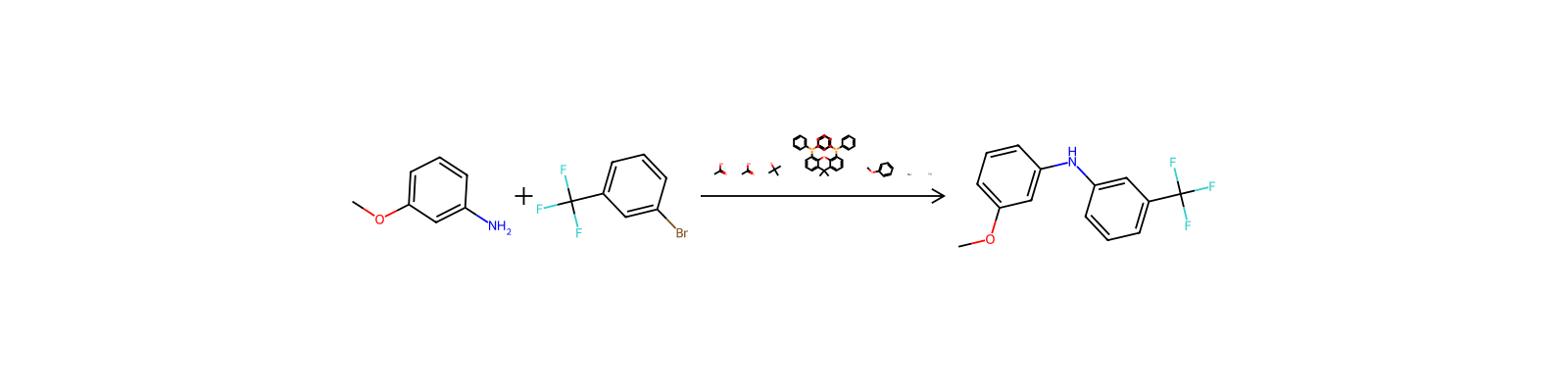
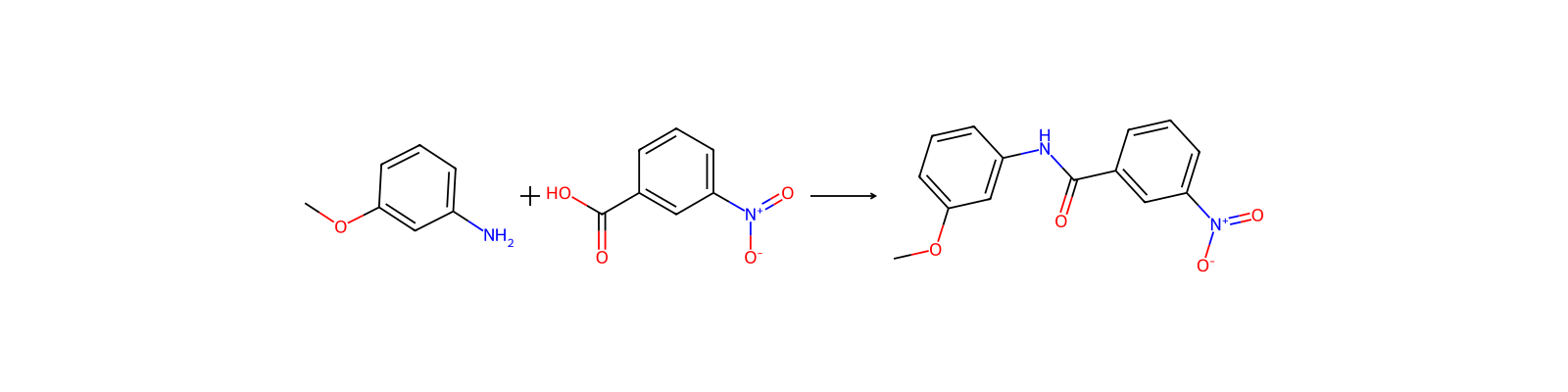
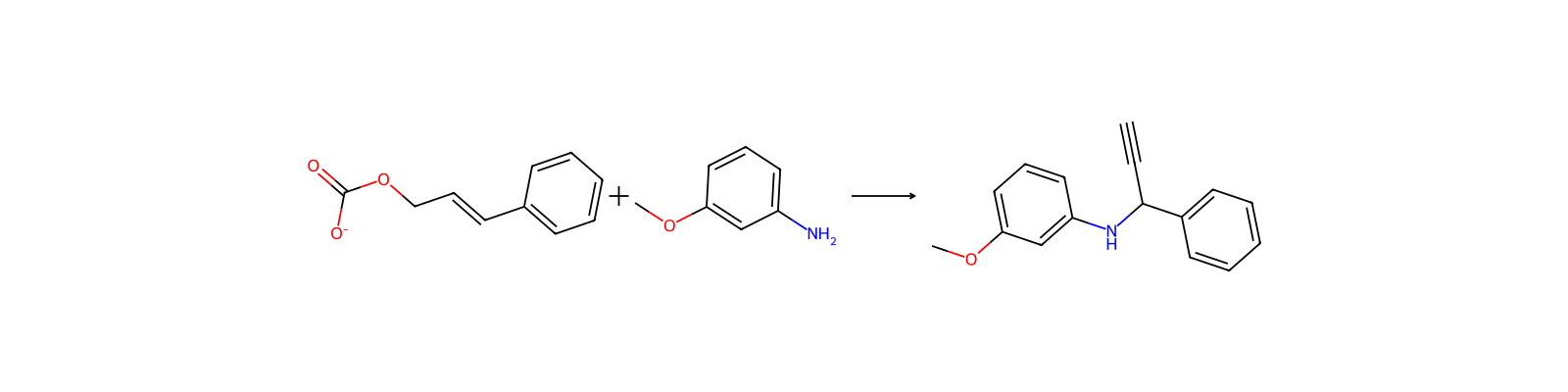
関連反応
552 件





関連ノート
読み込み中…