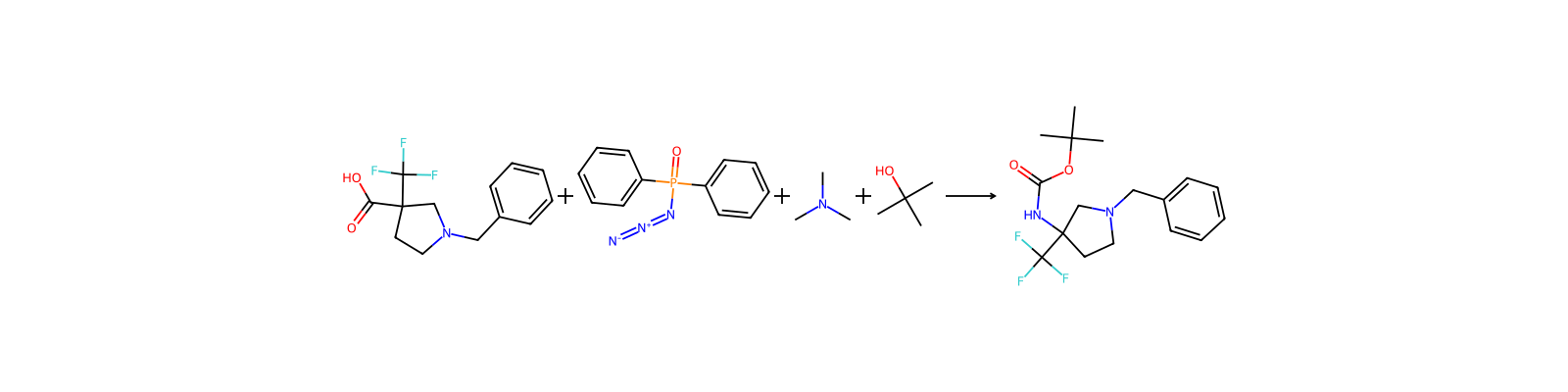

基本情報
- 標準SMILES
CN(C)C- InChIKey
GETQZCLCWQTVFV-UHFFFAOYSA-N- 分子式
- C3H9N
- 平均分子量
- 59.11 g/mol
- 単同位体質量
- 59.07349929
概要
Trimethylamine, anhydrous appears as a colorless gas with a fishlike odor at low concentrations changing to ammonia-like odor at higher concentrations. Shipped as a liquid under its own vapor pressure. Contact with the unconfined liquid can cause frostbite from evaporative cooling or chemical type burns. The gasis corrosive and dissolves in water to form flammable, corrosive solutions. Gas is an asphyxiate by the displacement of air. Produces toxic oxides of nitrogen during combustion. Prolonged exposure to heat can cause the containers to rupture violently and rocket. Long-term inhalation of low concentrations or short -term inhalation of high concentrations has adverse health effects.
名称と識別子
- 優先名称
- Trimethylamine
- IUPAC
- N,N-dimethylmethanamine
- 現地名
- トリメチルアミン水溶液 3 0 %
- 英語名
- Trimethylamine
- 分子式
- C3H9N
- 分子量
- 59.11
名称と別名
trimethylamineN,N-dimethylmethanamine75-50-3Methanamine, N,N-dimethyl-N-TrimethylamineDimethylmethaneamine(CH3)3NFEMA No. 3241DTXSID2026238LHH7G8O305Trimethylamine, anhydrousDTXCID106238
名称をさらに表示
トリメチルアミン (約25%メタノール溶液, 約3.2mol/L)トリメチルアミン (約28%水溶液, 約4.3mol/L)N,N-ジメチルメタンアミントリメチルアミンN,N-ジメチルメチルアミントリメチルアミン,エタノール溶液トリメチルアミン溶液トリメチルアミン水溶液トリメチルアミン (約13%テトラヒドロフラン溶液, 約2mol/L)トリメチルアミン (約25%イソプロピルアルコール溶液, 約3mol/L)トリメチルアミン (約25%エタノール溶液, 約3mol/L)トリメチルアミン (約13%アセトニトリル溶液, 約2mol/L)トリメチルアミン (約8%トルエン溶液, 約1mol/L)30% トリメチルアミン溶液トリメチルアミン30%水溶液トリメチルアミン(30%水溶液)30%トリメチルアミン溶液トリメチルアミン 溶液トリメチルアミン水溶液 3 0 %トリメチルアミン (約8% N,N-ジメチルホルムアミド溶液)Methylamine, N,N-dimethyl-TRIMETHYLAMINE HCLFEMA 3241TRIMETHYLAMINN, N-DIMETHYLMETHYLAMINE HCLai3-15639TMA solutionTrimethylamide
CHEBI:18139RefChem:6328200-875-0N,N,N-trimethylamineTrimethylamine anhydrousUN1083UN1297NMe3
データベース識別子
- CAS
75-50-3- PubChem CID
- 1146
- DTXSID
DTXSID2026238- ChEMBL
CHEMBL439723- ChEBI
CHEBI:18139- UNII
- LHH7G8O305
- EC Number
- 200-875-0
- Nikkaji
- J1.457E、J1.943.802C
物性
構造計算による物性
- XLogP
- 0.3
- 極性表面積
- 3.2 Ų
- 水素結合供与体数
- 0
- 水素結合受容体数
- 1
- 回転可能結合数
- 0
- 重原子数
- 4
- 形式電荷
- 0
- 複雑度
- 8
実験および物理化学的性質
Chemical Classes
Nitrogen Compounds -> Amines, Aliphatic
Flammable agents - 4th degree
DrugsPharmaceuticals -> Metabolite of Levocarnitine
pHStrong base
SpringerMaterials Properties15N nuclear magnetic resonance spectrum
FragrancesFragrance Ingredient (Trimethylamine) -> IFRA transparency List
LogP
log Kow = 0.16
0.16
0.2
-0.3
Odor
Pungent, fishy, ammoniacal
Fishy, amine odor
A fish-like odor at low concentrations changing to an ammonia-like odor at higher concentrations.
Taste
Old fish
Saline taste
Food AdditivesFLAVORING AGENT OR ADJUVANT -> FDA Substance added to food
Density
0.633 at 68 °F (USCG, 1999) - Less dense than water; will float
0.6356 (NTP, 1992) - Less dense than water; will float
0.6709 at 0 °C/4 °C
Saturated liquid density= 40.890 lb/cu ft @ 35 °C
Saturated vapor density= 0.29910 lb/cu ft @ 70 °C
Relative density (water = 1): 0.6 (liquid)
Flavoring AgentsEU Flavoring substances
Viscosity5.1564X10-4 Pa.sec at 200 K
物理化学的性質
- 融点
- -117 °C · -117 °C (lit.)
- 沸点
- 3 · 3-4 °C (lit.)
- 比重(密度)
- 0.63 g/mL · 0.63 g/mL at 20 °C (lit.)
- 蒸気密度
- 2.09 · 2.09 (vs air)
- 蒸気圧
- 430 mm · 430 mm Hg ( 25 °C)
- 屈折率
- 20 · n20/D 1.357
- FEMA
- 3241 · 3241 | TRIMETHYLAMINE
- 闪点
- 38 °F · 38 °F
- 貯蔵温度
- 5 °C · Store at +5°C to +30°C.
- 溶解性
- 10 ppm · 水に非常に溶けやすく、アルコール、エーテル、ベンゼン、トルエン、キシレン、エチルベンゼン、クロロホルムに溶けにくい 最大許容濃度: TLV 10 ppm (24 mg/m3) および STEL 15 ppm ( 36 mg/ m3) (ACGIH 1986)
- 外見
- 液体
- 酸解離定数(Pka)
- pKb (25°): 4.13
- 色
- 無色
- PH
- a strong base (pH 9.8)
- 臭い (Odor)
- 腐った魚、腐った卵、ゴミ、尿のようなにおい。
- においのタイプ
- 魚の臭いがします
- 由来生物
- synthetic
- 爆発限界(explosive limit)
- 11.6 % · 11.6%
- 臭気閾値(Odor Threshold)
- 0.000032 ppm · 0.000032ppm
- 水溶解度
- 8.9 e+005 · 水に可溶、8.9e+005 mg/L。
- 凝固点
- -117.1 ℃ · -117.1℃
- 比熱容量
- 2.33 J/ · Cp(liquid): 2.33 J/(g·K); Cp(gas): 1.55 J/(g·K), at 25℃
- Merck
- 14 · 14,9710
- JECFA Number
- 1610 · 1610
- BRN
- 956566 · 956566
- Henry's Law Constant
- 9.9 · 9.9×10-2 mol/(m3Pa) at 25℃, Burkholder et al. (2019)
- Dielectric constant
- 2.9 · 2.9(4℃)
- 安定性
- 安定。塩基、酸、酸化剤、真鍮、亜鉛、マグネシウム、アルミニウム、水銀、酸化水銀、酸塩化物、酸無水物を含む多くの物質と互換性がありません。吸湿性。とても燃えやすい。空気と爆発性混合物を容易に形成します。
- InChI
- 1S/C3H9N/c1-4(2)3/h1-3H3
- InChIKey
- GETQZCLCWQTVFV-UHFFFAOYSA-N
- SMILES
- CN(C)C
- LogP
- 0.06 · 0.06
- CAS データベース
- 75 · 75-50-3(CAS DataBase Reference)
- EPAの化学物質情報
- Trimethylamine (75-50-3)
化学的性質
化学的特性Trimethylamine is compressed gas or liquid. Flammable gas. Shipped as a compressed gas, it may be present in an aqueous solution. It has a strong, fishy, ammoniacal odor. The Odor Threshold is 0.00011-0.87 ppm. Warning: The Odor Threshold range is so broad that odor alone should not be used as a warning of potentially hazardous exposures.
化学性质常温で気体であり,水に微溶
安全と法規制
GHS分類
GHS Classification
Danger
H220: Extremely flammable gas [Danger Flammable gases]
P203, P210, P222, P261, P264, P264+P265, P271, P280, P302+P352, P304+P340, P305+P354+P338, P317, P319, P321, P332+P317, P362+P364, P377, P381, P403, P403+P233, P405, and P501 (click each P-code to see the statement)
Danger
H224: Extremely flammable liquid and vapor [Danger Flammable liquids]
P210, P233, P240, P241, P242, P243, P260, P261, P264, P270, P271, P280, P301+P317, P301+P330+P331, P302+P361+P354, P303+P361+P353, P304+P340, P305+P354+P338, P316, P317, P321, P330, P363, P370+P378, P403+P235, P405, and P501 (click each P-code to see the statement)
危険有害性情報
Regulatory Information
Chemical: Methanamine, N,N-dimethyl-
Commission Regulation (EC) No 1565/2000 (Repealed by Com. Implementing Reg. (EU) No 872/2012)
Methanamine, N,N-dimethyl- is listed on the EPA's Chemical Data Reporting (CDR) system. Manufacturers and importers of Methanamine, N,N-dimethyl- are required to report information about their production and use of this chemical to the EPA under the Toxic Substances Control Act (TSCA). (40 eCFR Part 711)
Status: Active Update: 08-09-2022 https://echa.europa.eu/registration-dossier/-/registered-dossier/14936
Trimethylamine, anhydrous: HSNO Approval: HSR001014 Approved with controls
The New Jersey Worker and Community Right to Know Act requires public and private employers to provide information about hazardous substances at their workplaces. (N.J.S.A. 34:5A-1 et. seq.)
DOT Label
Flammable Gas
Flammable Liquid Corrosive
Fire Hazards
FLAMMABLE. Flashback along vapor trail may occur. Vapor may explode if ignited in an enclosed area. Vapor is heavier than air and may travel a considerable distance to a source of ignition and flash back. (USCG, 1999)
Excerpt from ERG Guide 132 [Flammable Liquids - Corrosive]:
· Flammable/combustible material.
· EXTREMELY FLAMMABLE.
Extremely flammable. Gives off irritating or toxic fumes (or gases) in a fire. Gas/air mixtures are explosive.
Extremely flammable. Gives off irritating or toxic fumes (or gases) in a fire. Vapour/air mixtures are explosive.
Fire Potential
Flammable gas.
A very dangerous fire hazard when exposed to heat or flame.
Trimethylamine is a flammable gas or liquid.
Health Hazards
VAPOR: POISONOUS IF INHALED. Irritating to eyes, nose, and throat. LIQUID: Will burn skin and eyes. Harmful if swallowed. (USCG, 1999)
Excerpt from ERG Guide 132 [Flammable Liquids - Corrosive]:
· May cause toxic effects if inhaled or ingested.
· May cause toxic effects if inhaled.
Hazards Summary
Has a highly offensive odor at < 1 ppm; TLV Basis is irritation (skin, eyes, and upper respiratory tract); [ACGIH] Liquid causes first degree burns on short exposure. [CHRIS ] Corrosive to skin; [Quick CPC] Possible frostbite from contact with liquid; [NIOSH] May cause permanent eye injury; Transient visual effects (blue haze or halo vision) occur at low concentrations; [CHEMINFO] May cause respiratory tract irritation and pulmonary edema; [ICSC]
DOT ID and Guide
1297 132
1083 118
1083 118(anhydrous)
1297 132(aqueous solution)
Reactive Group
Amines, Phosphines, and Pyridines
Amines, Phosphines, and Pyridines
EC Classification
Symbol: F+, Xn; R: 12-20-37/38-41; S: (2)-16-26-39
Symbol: F+, C; R: 12-20/22-34; S: (1/2)-3-16-26-29-36/37/39-45; Note: B
UN Classification
UN Hazard Class: 2.1
UN Hazard Class: 3; UN Subsidiary Risks: 8; UN Pack Group: I
Reactivity Alerts
Highly Flammable
Highly Flammable
Reactivity Profile
TRIMETHYLAMINE neutralizes acids in exothermic reactions to form salts plus water. May be incompatible with isocyanates, halogenated organics, peroxides, phenols (acidic), epoxides, anhydrides, and acid halides. Flammable gaseous hydrogen may be generated in combination with strong reducing agents, such as hydrides. Contamination of an ethylene oxide tank with trimethylamine caused an explosion [BCISC Quart. Safety Summ., 1966, 37, 44].
TRIMETHYLAMINE, AQUEOUS SOLUTION neutralizes acids in exothermic reactions to form salts plus water. May be incompatible with isocyanates, halogenated organics, peroxides, phenols (acidic), epoxides, anhydrides, and acid halides. Flammable gaseous hydrogen may be generated in combination with strong reducing agents, such as hydrides. Contamination of an ethylene oxide tank with trimethylamine caused an explosion [BCISC Quart. Safety Summ., 1966, 37, 44].
安全と保護具
Fire Fighting
Excerpt from ERG Guide 118 [Gases - Flammable - Corrosive]:
Excerpt from ERG Guide 132 [Flammable Liquids - Corrosive]:
Shut off supply; if not possible and no risk to surroundings, let the fire burn itself out. In other cases extinguish with powder, carbon dioxide. In case of fire: keep cylinder cool by spraying with water. Combat fire from a sheltered position.
Use water in large amounts, alcohol-resistant foam, dry powder, carbon dioxide. In case of fire: keep drums, etc., cool by spraying with water.
First Aid Measures
Fresh air, rest. Half-upright position. Artificial respiration may be needed. Refer for medical attention.
ON FROSTBITE: rinse with plenty of water, do NOT remove clothes. Refer for medical attention .
First rinse with plenty of water for several minutes (remove contact lenses if easily possible), then refer for medical attention.
Fresh air, rest. Half-upright position. Artificial respiration may be needed. Refer for medical attention.
Remove contaminated clothes. Rinse skin with plenty of water or shower. Refer for medical attention .
First rinse with plenty of water for several minutes (remove contact lenses if easily possible), then refer for medical attention.
Accidental Release Measures
· CALL 911. Then call emergency response telephone number on shipping paper. If shipping paper not available or no answer, refer to appropriate telephone number listed on the inside back cover.
· ELIMINATE all ignition sources (no smoking, flares, sparks or flames) from immediate area.
· CALL 911. Then call emergency response telephone number on shipping paper. If shipping paper not available or no answer, refer to appropriate telephone number listed on the inside back cover.
· ELIMINATE all ignition sources (no smoking, flares, sparks or flames) from immediate area.
First Aid
INHALATION: remove victim to fresh air and call a doctor; give artificial respiration and oxygen if needed.
EYES: First check the victim for contact lenses and remove if present. Flush victim's eyes with water or normal saline solution for 20 to 30 minutes while simultaneously calling a hospital or poison control center. Do not put any ointments, oils, or medication in the victim's eyes without specific instructions from a physician. IMMEDIATELY transport the victim after flushing eyes to a hospital even if no symptoms (such as redness or irritation) develop.
General First Aid:
General First Aid:
(General first aid procedures)
Safe Storage
Fireproof. Cool.
Fireproof. Well closed. Separated from strong acids, oxidants, aluminium, copper, copper alloys, zinc, zinc alloys and mercury.
Firefighting Hazards
Vapors are heavier than air and will collect in low areas. Vapors may travel long distances to ignition sources and flashback. Vapors in confined areas may explode when exposed to fire. Containers may explode in fire. Storage containers and parts of containers may rocket great distances, in many directions.
Vapors are heavier than air and may travel to a source of ignition and flash back. Aqueous solutions are flammable unless diluted extensively.
Cylinders and tanks may rocket under fire conditions.
Exposure Control and Personal Protection
· Wear positive pressure self-contained breathing apparatus (SCBA).
· Wear positive pressure self-contained breathing apparatus (SCBA).
2.0 [ppm]
Fire Fighting Procedures
Suitable extinguishing media: Use water spray, alcohol-resistant foam, dry chemical or carbon dioxide.
Advice for firefighters: Wear self-contained breathing apparatus for firefighting if necessary.
Use water spray to cool unopened containers.
If material on fire or involved in fire: Do not extinguish fire unless flow can be stopped. Use water in flooding quantities as fog. Cool all affected containers with flooding quantities of water. Apply water from as far a distance as possible. /Trimethylamine, anhydrous/
For more Fire Fighting Procedures (Complete) data for Trimethylamine (8 total), please visit the HSDB record page.
Storage Conditions
Keep container tightly closed in a dry and well-ventilated place. Recommended storage temperature 2-8 °C Contents under pressure. Moisture sensitive. Refrigerate before opening. Storage class (TRGS 510): Gases.
Store separately from all other flammable materials. Prior to working with this chemical you should be trained on its proper handling and storage. Before entering confined space where this chemical may be present, check to make sure that an explosive concentration does not exist. Trimethylamine must be stored to avoid contact with strong oxidizers (such as chlorine, bromine, and fluorine) and mercury since violent reactions occur. Sources of ignition, such as smoking and open flames, are prohibited where trimethylamine is used, handled, or stored in a manner that could create a potential fire or explosion hazard. Use only nonsparking tools and equipment, especially when opening and closing containers of trimethylamine. Wherever trimethylamine is used, handled, manufactured, or stored, use explosion-proof electrical equipment and fittings. Procedures for the handling, use, and storage of cylinders should be in compliance with OSHA 1910.101 and 1910.169, as with the recommendations of the Compressed Gas Association.
Avoid oxidizing materials, acids, and sources of halogens. Store in cool, dry, well-ventilated location.
Cleanup Methods
ACCIDENTAL RELEASE MEASURES: Personal precautions, protective equipment and emergency procedures: Use personal protective equipment. Avoid breathing vapors, mist or gas. Ensure adequate ventilation. Remove all sources of ignition. Evacuate personnel to safe areas. Beware of vapors accumulating to form explosive concentrations. Vapors can accumulate in low areas. Environmental precautions: Prevent further leakage or spillage if safe to do so. Do not let product enter drains. Methods and materials for containment and cleaning up: Clean up promptly by sweeping or vacuum.
Environmental considerations: Land spill: Dig a pit, pond, lagoon, holding area to contain liquid or solid material. Dike surface flow using soil, sand bags, foamed polyurethane, or foamed concrete. Absorb bulk liquid with fly ash, cement powder, or commercial sorbents. Neutralize with sodium bisulfate (NaHSO4). /SRP: If time permits, pits, ponds, lagoons, soak holes, or holding areas should be sealed with an impermeable flexible membrane liner./ /Trimethylamine, anhydrous/
Environmental considerations: Land spill: Dig a pit, pond, lagoon, holding area to contain liquid or solid material. Dike surface flow using soil, sand bags, foamed polyurethane, or foamed concrete. Absorb bulk liquid with fly ash, cement powder, or commercial sorbents. Apply "universal" gelling agent to immobilize spill. Neutralize with sodium bisulfate (NaHSO4). /SRP: If time permits, pits, ponds, lagoons, soak holes, or holding areas should be sealed with an impermeable flexible membrane liner./ /Trimethylamine, aqueous solutions/
Environmental considerations: Water spill: Use natural barriers or oil spill control booms to limit spill travel. Use surface active agent (e.g. detergent, soaps, alcohols), if approved by EPA. Inject "universal" gelling agent to solidify encircled spill and increase effectiveness of booms. If dissolved, in region of 10 ppm or greater concentration, apply activated carbon at ten times the spilled amount. Add sodium bisulfate (NaHSO4). Use mechanical dredges or lifts to remove immobilized masses of pollutants and precipitates. /Trimethylamine, anhydrous/
For more Cleanup Methods (Complete) data for Trimethylamine (12 total), please visit the HSDB record page.
Nonfire Spill Response
Excerpt from ERG Guide 118 [Gases - Flammable - Corrosive]:
Excerpt from ERG Guide 132 [Flammable Liquids - Corrosive]:
Disposal Methods
SRP: Recycle any unused portion of the material for its approved use or return it to the manufacturer or supplier. Ultimate disposal of the chemical must consider: the material's impact on air quality; potential migration in air, soil or water; effects on animal, aquatic and plant life; and conformance with environmental and public health regulations. If it is possible or reasonable use an alternative chemical product with less inherent propensity for occupational harm/injury/toxicity or environmental contamination.
SRP: Wastewater from contaminant suppression, cleaning of protective clothing/equipment, or contaminated sites should be contained and evaluated for subject chemical or decomposition product concentrations. Concentrations shall be lower than applicable environmental discharge or disposal criteria. Alternatively, pretreatment and/or discharge to a permitted wastewater treatment facility is acceptable only after review by the governing authority and assurance that "pass through" violations will not occur. Due consideration shall be given to remediation worker exposure (inhalation, dermal and ingestion) as well as fate during treatment, transfer and disposal. If it is not practicable to manage the chemical in this fashion, it must be evaluated in accordance with EPA 40 CFR Part 261, specifically Subpart B, in order to determine the appropriate local, state and federal requirements for disposal.
Product: Burn in a chemical incinerator equipped with an afterburner and scrubber but exert extra care in igniting as this material is highly flammable. Offer surplus and non-recyclable solutions to a licensed disposal company. Contact a licensed professional waste disposal service to dispose of this material; Contaminated packaging: Dispose of as unused product.
毒性情報
TreatmentKidney dialysis is usually needed to relieve the symptoms of uremic syndrome until normal kidney function can be restored.
Interactions
Quinine specifically blocks connexin 36 (Cx36), one of the proteins that form gap junction channels. Quinine suppressed ictal /SRP: seizure/ epileptiform activity in in vitro and in vivo studies without decreasing neuronal excitability. In this study, we considered the possible mechanism of anticonvulsant effects of quinine (1, 250, 500, 1000 and 2000 uM, i.c.v.) in the pentylenetetrazole (PTZ) model of seizure. Thus, we used trimethylamine (TMA) (0.05 uM, 5 uM, 50 uM), a gap junction channel opener, to examine whether it could reverse the effects of quinine in rats. Intracerebroventricular (i.c.v.) injection of quinine affected generalized tonic-clonic seizure (GTCS) induced by PTZ by increments in seizure onset and reducing seizure duration. Additionally, pretreatment with different doses of TMA (i.c.v.) attenuated the anticonvulsant effects of quinine on the latency and duration of GTCS. It can be concluded that quinine possesses anticonvulsant effects via modulation of gap junction channels, which could contribute to the control of GTCS.
Target OrgansEyes, skin, respiratory system
Health EffectsChronic exposure to uremic toxins can lead to a number of conditions including renal damage, chronic kidney disease and cardiovascular disease.
Ecotoxicity Values
EC50; Species: Anabaena subcylindrica (Blue-green algae) axenic, 1-3x10+7 cells/mL; Conditions: freshwater, static, 25 °C, pH 7.2; Concentration: 2.58x10⁻⁷ ug/cell for < or =3 hr; Effect: physiology, nitrogen fixation
EC50; Species: Anabaena subcylindrica (Blue-green algae) axenic, 1-3x10+7 cells/mL; Conditions: freshwater, static, 25 °C, pH 7.2; Concentration: 2.04x10⁻⁷ ug/cell for < or =3 hr; Effect: physiology, decreased photosynthesis
EC50; Species: Chlorella ellipsoidea (Green algae) axenic; Conditions: freshwater, static, 25 °C, pH 7.2; Concentration: 2.4x10⁻⁸ ug/cell for 90 min; Effect: physiology, decreased photosynthesis
LC50; Species: Oryzias latipes (Medaka) length 2 cm, weight 0.2 g; Conditions: freshwater, static, 25 °C; Concentration: 1000000 ug/L for 24 hr
LC50; Species: Oryzias latipes (Medaka) length 2 cm, weight 0.2 g; Conditions: freshwater, static, 25 °C; Concentration: 1000000 ug/L for 48 hr /Conditions of bioassay not specified in source examined/
Environmental Fate
TERRESTRIAL FATE: Based on a classification scheme(1), an estimated Koc value of 7(SRC), determined from a structure estimation method(2), indicates that trimethylamine is expected to have very high mobility in soil(SRC). The pKa of trimethylamine is 9.8(3), indicating that this compound will exist almost entirely in cation form in the environment and cations generally adsorb more strongly to soils containing organic carbon and clay than their neutral counterparts(4). Sorption coefficients for trimethylamine adsorption on montmorillonite, kaolinite and Flax Pond sediment were 15, 2 and 7 mL/g, respectively(5). The trimethylamine cation adsorbed strongest to the negatively-charged montmorillonite via electrostatic interactions(5). Volatilization of the cation from moist soil is not expected because cations do not volatilize(SRC). Trimethylamine is expected to volatilize from dry soil surfaces(SRC) based upon its vapor pressure of 1610 mm Hg at 25 °C(6). Microbial production of dimethylamine from trimethylamine in soil was found to be greater under acidic conditions than at near neutral pH and greater under aerobic conditions than anaerobic conditions(7). Degradation products formed under aerobic conditions include dimethylamine, formaldehyde, formate and carbon dioxide(8), while products formed under anaerobic conditions include dimethylamine, ammonia and methane(9).
AQUATIC FATE: Based on a classification scheme(1), an estimated Koc value of 7(SRC), determined from a structure estimation method(2), indicates that trimethylamine is not expected to adsorb to suspended solids and sediment(SRC). A pKa of 9.8(3) indicates trimethylamine will exist almost entirely in the cation form at pH values of 5 to 9 and, therefore, volatilization from water surfaces is not expected to be an important fate process(SRC). Trimethylamine is not expected to undergo hydrolysis in the environment due to the lack of functional groups that hydrolyze under environmental conditions(4). According to a classification scheme(5), an estimated BCF of 3(SRC), from its log Kow of 0.16(6) and a regression-derived equation(2), suggests the potential for bioconcentration in aquatic organisms is low. Trimethylamine incubated in a marine sediment slurry underwent about 35% removal in 12 hrs, as measured by production of carbon dioxide and methane(7). Degradation products formed under aerobic conditions include dimethylamine, formaldehyde, formate and carbon dioxide(8), while products formed under anaerobic conditions include dimethylamine, ammonia and methane(9). Trimethylamine achieved 92% of its Theoretical BOD in 2 weeks using an activated sludge inoculum in the Japanese MITI test(10).
ATMOSPHERIC FATE: According to a model of gas/particle partitioning of semivolatile organic compounds in the atmosphere(1), trimethylamine, which has a vapor pressure of 1610 mm Hg at 25 °C(2), is expected to exist solely as a gas in the ambient atmosphere. Gas-phase trimethylamine is degraded in the atmosphere by reaction with photochemically-produced hydroxyl and nitrate radicals(SRC); the half-lives for these reactions in air are estimated to be 6 hours and 76 days(SRC), calculated from respective rate constants of 6.09X10⁻¹¹(3) and 4.4X10⁻¹⁶(4) cu cm/molecule-sec at 25 °C(SRC). Trimethylamine does not contain chromophores that absorb at wavelengths >290 nm(5) and, therefore, is not expected to be susceptible to direct photolysis by sunlight(SRC).
Food Survey ValuesTrimethylamine has been identified as a volatile component of boiled beef(1).
Adverse EffectsDermatotoxin - Skin burns.
Exposure Routes
The substance can be absorbed into the body by inhalation.
The substance can be absorbed into the body by inhalation of its vapour and by ingestion.
inhalation, ingestion (solution), skin and/or eye contact
Endogenous, Ingestion, Dermal (contact)
Milk ConcentrationsTrimethylamine was detected at 4 mM in commercial milk(1).
Toxicity Summary
IDENTIFICATION AND USE: Trimethylamine (TMA) is a colorless gas. It is used in the manufacture of quaternary ammonium compounds, as an insect attractant, as a warning agent for natural gas, and as a corrosion inhibitor. It is also a synthetic flavor ingredient. HUMAN STUDIES: Potential symptoms of overexposure to TMA are irritation of the eyes, skin, nose, throat, and respiratory system, as well as cough, dyspnea, delayed pulmonary edema, blurred vision, corneal necrosis, and skin burns. Direct contact with liquid may cause frostbite. Trimethylaminuria or 'fish odor syndrome' described in human patients is due to excessive excretion into body fluids and breath of TMA derived from the enterobacterial metabolism of dietary precursors. Comparison of the effects of administration of antibiotics (metronidazole, amoxicillin, neomycin) on gut bacterial production of TMA from choline showed they all reduced TMA production to a limited extent, with neomycin being most effective. ANIMAL STUDIES: Tests of single drops of aqueous solution applied to animal eyes have shown that 1% solution causes severe irritation, 5% causes hemorrhagic conjunctivitis, and 16.5% causes a severe reaction with conjunctival hemorrhages, corneal edema, and opacities, followed by some clearing but much vascularization. TMA is an emetic in dogs at an oral dose of 1000 mg/kg. At the same oral dose, TMA induced emesis and produced anorexia, paralysis, and death in pigs within 48 hours. In a repeated inhalation exposure study, groups of rats were exposed 6 hr/day, 5 days/week for 2 weeks at 0, 75, 250, or 750 ppm TMA vapor. After 10 exposures, histopathologic examination revealed concentration-dependent degenerative changes in the nasal olfactory and respiratory mucosa at all exposure levels. A similar degeneration of the tracheal mucosa was observed at 250 and 750 ppm. In mice, intraperitoneal injections (daily from day 1 to 17 of gestation) of TMA at 2.5 and 5 mmol/kg/day significantly decreased fetal body weight but not the placental weight or maternal body weight gain, however, 5 of 11 mice treated with 5 mmol/kg TMA died. TMA was tested in as many as 5 Salmonella typhimurium strains (TA 1535, TA 1537, TA 97, TA 98, and TA 100) in the presence and absence of metabolic activation. TMA was negative in these tests at doses of 0.010, 0.033, 0.10, 0.33 and 1.0 mg/plate. The highest ineffective dose tested in any S. typhimurium strain was 1.000 mg/plate. ECOTOXICITY STUDIES: TMA caused inhibition to nitrifiers. Inhibition tests were conducted by using the oxygen utilization rate test with an enhanced nitrifier culture.
Uremic toxins such as trimethylamine are actively transported into the kidneys via organic ion transporters (especially OAT3). Increased levels of uremic toxins can stimulate the production of reactive oxygen species. This seems to be mediated by the direct binding or inhibition by uremic toxins of the enzyme NADPH oxidase (especially NOX4 which is abundant in the kidneys and heart) (A7868). Reactive oxygen species can induce several different DNA methyltransferases (DNMTs) which are involved in the silencing of a protein known as KLOTHO. KLOTHO has been identified as having important roles in anti-aging, mineral metabolism, and vitamin D metabolism. A number of studies have indicated that KLOTHO mRNA and protein levels are reduced during acute or chronic kidney diseases in response to high local levels of reactive oxygen species (A7869).
Average Daily IntakeAnnual consumption is 416.67 lb. Individual consumption is 0.0003631 mg/kg/day.
法規制情報
Atmospheric Standards
This action promulgates standards of performance for equipment leaks of Volatile Organic Compounds (VOC) in the Synthetic Organic Chemical Manufacturing Industry (SOCMI). The intended effect of these standards is to require all newly constructed, modified, and reconstructed SOCMI process units to use the best demonstrated system of continuous emission reduction for equipment leaks of VOC, considering costs, non air quality health and environmental impact and energy requirements. Trimethylamine is produced, as an intermediate or a final product, by process units covered under this subpart.
CERCLA Reportable Quantities
Persons in charge of vessels or facilities are required to notify the National Response Center (NRC) immediately, when there is a release of this designated hazardous substance, in an amount equal to or greater than its reportable quantity of 100 lb or 45.4 kg. The toll free number of the NRC is (800) 424-8802. The rule for determining when notification is required is stated in 40 CFR 302.4 (section IV. D.3.b).
Clean Water Act Requirements
Trimethylamine is designated as a hazardous substance under section 311(b)(2)(A) of the Federal Water Pollution Control Act and further regulated by the Clean Water Act Amendments of 1977 and 1978. These regulations apply to discharges of this substance. This designation includes any isomers and hydrates, as well as any solutions and mixtures containing this substance.
DHS Chemicals of Interest (COI)
Trimethylamine
1
10000
Flammable chemical that can be released at a facility.
安全データ
- F
- 3-10
- OEB
- A
- OEL
- TWA: 10 ppm (24 mg/m3), STEL: 15 ppm (36 mg/m3)
- wgk
- 1
- tsca
- TSCA listed
- rtecs
- YH2700000
- ridadr
- UN 1083
- PRTR法
- 第一種指定化学物質
- hs_code
- 29211100
- risk_code
- 36/37/38-34-20/22-12-41-37/38-20-11
- 化審法
- 優先評価化学物質
- 安衛法
- 有機則 第二種有機溶剤等
- 消防法
- 危-4-1-II
- hazard_code
- Xi,C,F+,Xn,F
- safety_code
- 26-36-45-36/37/39-16-29-39-3
- hazard_class
- 2.1
- DOT Classification
- 2.1 (Flammable gas)
- 毒劇物取締法
- 劇物
- 自然発火温度
- 374 °F
- 環境リスク評価
- トリメチルアミン(75-50-3)
- Hazard Classifications
- Acute Tox. 4 InhalationEye Dam. 1Flam. Gas 1APress. Gas Liquefied gasSkin Irrit. 2STOT SE 3
- ストレージクラス
- 2A - Gases
- 有毒物質データの
- 75-50-3(Hazardous Substances Data)
化学と産業
薬理情報
Biological Half-LifeIn rats, TMA was 81% available after oral administration, reached a peak blood level 1 hour after oral administration, and was cleared with a half-life of 2 to 2.5 hours.
Metabolism/Metabolites
When administered to humans, dogs, or rabbits, /trimethylamine/ is partly degraded to ammonia and subsequently to urea, and oxidized to trimethylamine oxide.
The Sperber technique of infusion into the renal portal circulation in chickens was used to investigate in vivo the renal tubular transport and renal metabolism of trimethylamine (TMA). When 14C-TMA was infused at a rate of 1 x 10(-9) mol/min the transport efficiency (TE), that is, the tubular excretion of the (14)C-label relative to excretion of simultaneously infused paminohippuric acid, was 0.70. Progressive addition of unlabeled TMA up to infusion rates of 1 x 10(-5) mol/min produced a progressive fall in the TE of the (14)C-label. Identification of the (14)C-label excreted in the urine revealed that approximately 85% of the infused (14)C-TMA was excreted by the infused kidney as a single metabolite over the entire range of infusions. By use of the techniques of low-voltage electrophoresis, high-voltage electrophoretic mobility-pH profile, and gas chromatography/mass spectrometry, the renal metabolite was found to be identical with standard (14)C-trimethylamine oxide (TMAO). At a TMA infusion rate of 1.5 x 10(-6) mol/kg/min reaching the infused kidney, the rate at which TMAO was formed and excreted by the kidney was 0.12 x 10(-6) mol per g of kidney per min. When (14)C-TMAO was infused into chickens its TE was 0.11, which was not evidence for active excretory transport. Infused TMA was almost entirely metabolized in vivo to its N-oxide, TMAO, which then entered the urine. The renal tubular excretion of (14)C during infusion of (14)C-TMA was inhibited by the cationic blocker of transport, quinine, and by the anionic blocker of transport, probenecid.
Humans ingest substantial amounts of choline and lecithin as part of common foods. Physicians have recently begun administering large doses of these compounds to individuals with neurological diseases. A significant fraction of ingested choline is destroyed by enzymes within gut bacteria, forming trimethylamine (TMA), dimethylamine (DMA) and monomethylamine (MMA). Some of these methylamines are eventually excreted into the urine, presumably after being absorbed and carried to the kidneys via the bloodstream. The methylamines formed after choline is eaten could be substrates for the formation of nitrosamines, which have marked carcinogenic activity. Twenty-seven millimoles of choline chloride, choline stearate or lecithin were administered to healthy human subjects. It was found that these treatments markedly increased the urinary excretion of TMA, DMA and MMA, with choline chloride having the greatest effect. Rats were treated with 2 mmol/kg b.wt. of choline chloride or lecithin, and it was found that these treatments significantly increased urinary TMA excretion and did not alter DMA or MMA excretion. Our choline chloride preparation contained no MMA, DMA or TMA; however, it was found that our choline stearate and all the commercially available lecithins tested were contaminated with methylamines. Prior removal of methylamines from our lecithin preparation minimized the effect of oral administration of this compound on methylamine excretion in urine of rats and humans.
Flavin-containing monooxygenase form 3 (FMO3) is one of the major enzyme systems that protect humans from the potentially toxic properties of drugs and chemicals. Flavin-containing monooxygenase form 3 converts nucleophilic heteroatom-containing chemicals and endogenous materials to polar metabolites, which facilitates their elimination. For example, the tertiary amine trimethylamine is N-oxygenated by human flavin-containing monooxygenase form 3 to trimethylamine N-oxide, and trimethylamine N-oxide is excreted in a detoxication and deoderation process. In normal humans, virtually all trimethylamine is metabolized to trimethylamine N-oxide. In a few humans, trimethylamine is not efficiently metabolized to trimethylamine N-oxide, and those individuals suffer from trimethylaminuria, or fishlike odor syndrome. Previously ... mutations of the flavin-containing monooxygenase form 3 gene that cause trimethylaminuria /were identified/. /The authors/ report two prevalent polymorphisms of this gene (K158E and V257M) that modulate the activity of human monooxygenase form 3.
For more Metabolism/Metabolites (Complete) data for Trimethylamine (10 total), please visit the HSDB record page.
Uremic toxins tend to accumulate in the blood either through dietary excess or through poor filtration by the kidneys. Most uremic toxins are metabolic waste products and are normally excreted in the urine or feces.
Absorption, Distribution and Excretion
The absorption, distribution, and biotransformation of TMA ... /was/ followed in rats given intravenous doses of 1 to 2 g/kg. TMA was rapidly distributed to tissues, especially the liver. In rats, TMA was 81% available after oral administration, reached a peak blood level 1 hour after oral administration, and was cleared with a half-life of 2 to 2.5 hours. When fed a synthetic diet, clearance showed a two-fold reduction. Conversion of TMA to its metabolite, trimethylamine-N-oxide, proceeded slowly in liver homogenates. In humans, TMA is formed in the intestinal tract from dietary choline. Large doses of choline result in disproportionately higher formation and urinary excretion of TMA. In newborn dairy calves, fecal trimethylamine levels are clearly higher in milk-fed calves and show huge elevations in diarrheic cases. Although fish is a major source of TMA in the diet, strawberries, kale juice, and garlic have been shown to increase urinary TMA levels.
TMA penetrated both rat and human skin readily when applied to the epidermal surface with flux rates ranging from 3.4 to 265 ug/sq cm/hour in rats and from 0.98 to 92.7 ug/sq cm/hour in humans with dose applications of 0.1, 1, and 10 mg per 0.32 sq cm skin membrane. Both rat and human skin could act as a reservoir and evidence exists for small but detectable N-oxide forming during passage through the skin.
... About 50% of the dose of trimethylamine hydrochloride (administered orally to dogs) was eliminated unchanged together with traces of dimethylamine, suggesting that trimethylamine was N-dealkylated.
It can be absorped through the skin and/or eye contact, inhalation, and ingestion (solution).
For more Absorption, Distribution and Excretion (Complete) data for Trimethylamine (6 total), please visit the HSDB record page.
Tissue LocationsEpidermis
用途と製造
Uses
Used in organic synthesis, as an insect attractant, and as a warning gas in natural gas; [Merck Index] Also used as a flotation agent; It is a natural decomposition product of plants and animals; [ACGIH]
Metal Extraction and Refining [Category: Industry]
For trimethylamine (USEPA/OPP Pesticide Code: 211601) ACTIVE products with label matches. /SRP: Registered for use in the USA but approved pesticide uses may change periodically and so federal, state and local authorities must be consulted for currently approved uses./
Organic synthesis, especially of choline salts, warning agent for natural gas, manufacture of disinfectants, flotation agent, insect attractant, quaternary ammonium compounds, plastics.
Reported uses (ppm):
Manufacture of pesticides, textile dyes, and photochemicals
ImpuritiesAmmonia, no more than 0.2% by wt of solution; formaldehyde, no more than 0.3% by wt of solution
U.S. Exports(1972) 2.4X10+9 GRAMS
U.S. Imports(1972) 3.69X10+8 GRAMS
U.S. Production
2023: 50,000,000 - <100,000,000 lb
(1972) 1.3X10+10 GRAMS
(1974) 1.30X10+10 GRAMS
(1981) 34,557X10+3 lb
(1984) 1.39X10+10 g
For more U.S. Production (Complete) data for Trimethylamine (9 total), please visit the HSDB record page.
Consumption Patterns
89% AS A CHEM INT FOR CHOLINE CHLORIDE (ANIMAL FEED SUPPLEMENT); AND 11% IN OTHER APPLICATIONS (1972)
CHEMICAL PROFILE: Methylamines. Tri: choline chloride, 80%; others, including biocides and slimicides, 20%.
CHEMICAL PROFILE: Methylamines. Demand: 1987: 190 million lb; 1988: 195 million lb; 1992 /projected/: 205 million lb (Foreign trade is small). /Methylamines/
CHEMICAL PROFILE: Methylamines: Trimethylamine: Demand: 74 million pounds.
Consumer UsesNot Known or Reasonably Ascertainable
Industry UsespH regulating agent
Methods of Manufacturing
Preparation from paraformaldehyde and ammonium chloride; ... by the action of formaldehyde and formic acid on ammonia ... .
Interaction of methanol and ammonia over a catalyst at high temperature. The mono-, di-, and trimethylamines are produced, and yields are regulated by conditions. Method of purification: Azeotropic or extractive distillation.
Although methylamines can be prepared by a variety of methods including alkylation of ammonia with methyl halides, alkylation of ammonium chloride with methanol, hydrogenation of hydrogen cyanide, reductive amination of carbon monoxide or carbon dioxide, and addition of ammonia to dimethylether, commercial processes involve reaction of methanol with ammonia. Reactions occur in the vapor phase over one or more fixed bed reactors to form the corresponding mono-, di-, and tri-methylamines. The technology to manufacture methylamines ... involves use of a solid acid catalyst for the methanol amination reaction. An equilibrium distribution of MMA, DMA, and TMA is produced that favors TMA at low ammonia:methanol molar ratios. For example, at an ammonia:methanol molar ratio of 1, the equilibrium product composition is 17 mol% MMA, 21 mol% DMA, and 62 mol% TMA.
Methylamines are prepared commercially by the exothermic reaction of methanol with ammonia over an amorphous silica - alumina catalyst at 390 - 430 °C. All three possible methylamines are produced. The reaction proceeds to thermodynamic equilibrium, whose position is governed by the temperature and the nitrogen-carbon ratio ... The crude reaction mixture consists essentially of excess ammonia; mono-, di-, and trimethylamines; reaction water; and unconverted methanol. Purification is generally effected in a train of four to five distillation columns.
Formulations/Preparations
Bull Run Fly Attractant (Bull Run Scientific, VBT): Active ingredient: sucrose 42.1%; indole 0.2%; yeast 5.5%; egg solids 18.0%; and trimethylamine 2.8%.
Starbar Fly Attractant (Central Garden & Pet Company): Active ingredient: indole 0.2%; cis-9-tricosene 1.0%; egg solids 20.5%; and trimethylamine 0.6%.
Grades: Anhydrous 99% minimum; aqueous soln 25, 30, 40%.
Sold as 25% water solution or as liquified gas.
For more Formulations/Preparations (Complete) data for Trimethylamine (6 total), please visit the HSDB record page.
Use Classification
Fragrance Ingredients
Flavouring Agent -> FLAVOURING_AGENT -> JECFA Functional Classes
Flavoring Agents -> JECFA Flavorings Index
General Manufacturing Information
Plastics Material and Resin Manufacturing
Methanamine, N,N-dimethyl-: ACTIVE
MOLASSED SUGAR-BEET PULP, BECAUSE OF ITS HIGH CONTENT OF BETAINES, CAUSES MILK TO BE TAINTED FROM FORMATION OF TRIMETHYLAMINE.
応用分野
解説トリメチルアミン天然に広く存在し,動物,植物質が分解するときに生じる.その母体としては,グリシンベタイン,コリン,またはレシチンなどが考えられる.ギ酸アンモニウムをホルムアルデヒドと熱して製造する.魚類の腐敗臭をもつ無色の気体.融点-124.0 ℃,沸点3.5 ℃.d40"0.6709.nD0"1.3631.Ka25 7.4×10⁻⁵.[CAS 75-50-3]森北出版「化学辞典(第2版)
用途有機合成原料。
用途塩化コリン原料、逆性石けん?イオン交換樹脂原料、医薬?農薬?カチオン活性剤原料
用途医薬農薬原料等
天然物の起源TMA is widely distributed in the environment as a normal constituent of animal and plant tissue and as a result of its formation during the decay of organic matter in plants, animals, fish, sewage and animal waste (Graedel 1978; Hippe et al 1977; Oremland et al 1982). The amine is formed primarily as the result of microbial degradation of the plant and animal constituents betaine and choline and from bacterial reduction of trimethylamine oxide, a common constituent of aquatic organisms. It also occurs naturally in a variety of foodstuffs and in tobacco smoke and these are the most likely sources of human exposure (HSDB 1988).Numerous strains of bacteria isolated from various sources have been found capable of growing on TMA (HSDB 1988). Degradation products formed under anaerobic conditions include dimethylamine, formaldehyde, formate and C02, while under aerobic conditions, TMA is converted to dimethylamine, ammonia and methane.
使用Trimethylamine is used as a warning agent for natural gas, a synthetic flavor (fish) ingredient, and in the synthesis of photochemicals, choline salts, flotation agents, dyes, pesticides, ion-exchange resins, cationic starches, and intense sweeteners (HSDB 2006). Organic synthesis, especially of choline salts, warning agent for natural gas, manufacture of disinfectants, flotation agent, insect attractant, quaternary ammonium compounds, plastics.
一般的な説明A colorless gas with a fishlike odor at low concentrations changing to ammonia-like odor at higher concentrations. Shipped as a liquid under its own vapor pressure. Contact with the unconfined liquid can cause frostbite from evaporative cooling or chemical type burns. The gasis corrosive and dissolves in water to form flammable, corrosive solutions. Gas is an asphyxiate by the displacement of air. Produces toxic oxides of nitrogen during combustion. Prolonged exposure to heat can cause the containers to rupture violently and rocket. Long-term inhalation of low concentrations or short -term inhalation of high concentrations has adverse health effects.
使用用途トリメチルアミンは、多くのものに使用されていますが、一般的に気体の状態ではなく、水に溶かして30~40%程度の水溶液状態で使用されることが多いです。水との溶解性は高く、水とは任意の比率で混和します。 具体的には、の原料や、繊維油剤、逆性せっけん、医薬品の原料として使用されます。また、身近なものでは、するめいか、にしん、ぼらなどの脂肪分の少ない魚の加工品、すずき等の生魚の食品中に元から存在しており、欧米においては、菓子類、肉製品、冷凍乳製品、清涼飲料等の様々な食品に香り付け、風味の向上を目的に食品添加物として使用されることも多いです。 日本国内での扱いは、食品衛生法において添加物として使用することは差し支えないが、香りを付ける目的以外には使用してはならないとされています。
調製方法
製造方法Trimethylamine can be synthesized from paraformaldehyde and ammonium chloride, by the reaction of formic acid, formaldehyde, and ammonia, and by interaction of methanol and ammonia with a catalyst at high temperature.
Trimethylamine (TMA) is produced by several methods: from the reaction of ammonia and methanol; from paraformaldehyde and ammonium chloride; by the action of formaldehyde and formic acid on ammonia; and by the interaction of methanol and ammonia over a catalyst at high temperature (Hawley 1981; HSDB 1988). TMA is sold as an aqueous solution or as a liquefied gas (Windholz et al 1983) in which the aqueous solution is available as 25, 30, and 40% and anhydrous as 99% minimum. The impurities consist of ammonia at no more than 0.2% by weight of solution and formaldehyde at no more than 0.3% by wt. of solution (Rick 1985). U.S. production was estimated to be approximately 15,322 tons in 1984 (HSDB 1988).
製造方法1. トリメチルアミンの製造方法 トリメチルアミンは、最も基本的な第3級アミンで、工業的にはとを脱水触媒の存在下で反応させて製造します。 1. メチルアミンの合成 まずは、メタノールとアンモニアの混合物を、1.0~2.1MPaの加圧下で、などの脱水触媒に450~500℃で通し、モノメチルアミン、、トリメチルアミンの3種類のメチルアミンの混合物を合成します。 モノメチルアミンの生成 CH3OH + NH3 → CH3NH2 + H2O ジメチルアミンの生成 2CH3OH + NH3 → (CH3)2NH2 + 2H2O トリメチルアミンの生成 3CH3OH + NH3 → (CH3)3NH2 + 3H2O 2. 脱水・蒸留によるトリメチルアミンの分離 生成物を加圧下で蒸留して、原料のメタノールと生成した水を分離した後、アンモニアとトリメチルアミンの共沸混合物を留出させることで、モノメチルアミンとジメチルアミンを分離させます。最後に、アンモニアとトリメチルアミンの共沸混合物を抽出蒸留してトリメチルアミンを回収します。
合成方法メタノールとアンモニアの混合物を加圧下,脱水触媒に450?500℃で通しトリメチルアミンを得る
純化方法Dry triethylamine by passing the gas through a tower filled with solid KOH. Water and impurities containing labile hydrogen were removed by treatment with freshly sublimed, ground, P2O5. It has been refluxed with acetic anhydride, and then distilled through a tube packed with HgO and BaO. [Comyns J Chem Soc 1557 1955.] For more extensive purification, trimethylamine is converted to the hydrochloride, crystallised (see below), and regenerated by treating the hydrochloride with excess aqueous 50% KOH, the gas is passed through a CaSO4 column into a steel cylinder containing sodium ribbon. After 1-2 days, the cylinder is cooled to -78o and hydrogen and air are removed by pumping. [Day & Felsing J Am Chem Soc 72 1698 1950.] Me3N has been distlled from trap-to-trap and degassed by freeze-pump-thaw [Halpern et al. J Am Chem Soc 108 3907 1986]. It is commercially supplied in a pressure tin. [Beilstein 4 H 43, 4 I 322, 4 II 553, 4 III 99, 4 IV 134.]
上流・下流製品情報
上流原料
下流製品
サプライヤー50 社
国药集团化学试剂有限公司86-21-63210123 · [email protected]
梯希爱(上海)化成工业发展有限公司021-67121386 · [email protected]
上海阿拉丁生化科技股份有限公司400-6206333 13167063860 · [email protected]
南通润丰石油化工有限公司66017690 19952660367 · [email protected]
山东昱轩化工产品有限公司18953919089
山东金悦源新材料有限公司18615186228 · [email protected]
江苏星科元信息科技有限公司400-605-7200 15335295587
湖南省华中特种气体有限公司0734-8755555 15674722888 · [email protected]
南京兰亚化工贸易有限公司+86-25-8331-5620 · [email protected]
上海凯曼化工科技有限公司021-021-50400622 15618790390 · [email protected]
上海迈瑞尔生化科技有限公司4006356688 18621169109 · [email protected]
江苏普乐司生物科技有限公司0513-66017706 18551496367 · [email protected]
阿法埃莎(中国)化学有限公司400-6106006 · [email protected]
安耐吉化学&3A(安徽泽升科技股份有限公司)400-0056266 · [email protected]
上海瀚鸿科技股份有限公司021-54306202 13764082696 · [email protected]
聊城金信达新材料有限公司13370978787
吉良化学21-62165282 · [email protected]
济南世纪通达化工有限公司15605418165
上海景颜化工科技有限公司13817811078 · [email protected]
山东艺鸿化工有限公司15253143303 15269100373
山东洛恒化工产品有限公司17306359933
山东西亚化学有限公司13355009207 13355009207 · [email protected]
玛雅试剂+86 (573) 82222445 (0)18006601000 452520369 · [email protected]
四川库利南科技有限公司400-1166-196 18981987031 · [email protected]
天津希恩思生化科技有限公司400 638 7771 · [email protected]
斯百全化学(上海)有限公司021-021-021-67601398-809-809-809 15221380277 · [email protected]
艾科试剂4008-755-333 18080918076 · [email protected]
上海思域化工科技有限公司86-21-34053660 · [email protected]
赛默飞世尔科技(中国)有限公司800-810-5118 · [email protected]
北京伊诺凯科技有限公司400-810-7969 010-59572699 · [email protected]
TOKYO CHEMICAL INDUSTRY CO., LTD.03-36680489 · [email protected]
成都零六生物科技有限公司400-1166-196 13458535857 · [email protected]
上海恒岳化工科技有限公司51691706 13391095697 · [email protected]
上海麦克林生化科技股份有限公司15221275939 15221275939 · [email protected]
成都润泽本土化工有限公司13096311329 028-88469284 616445927 · [email protected]
池州凯隆进出口贸易有限公司[email protected]
Sigma-Aldrich西格玛奥德里奇(上海)贸易有限公司021-61415566 800-8193336 · [email protected]
深圳振强药物研发有限公司+86-0755-66853366 +86-13670046396 · [email protected]
石家庄通洋进出口有限公司[email protected]
康迪斯化工(湖北)有限公司13343438265 · [email protected]
九鼎化学(上海)科技有限公司4009209199 · [email protected]
广东翁江化学试剂有限公司0751-2815987 13927875076 · [email protected]
厦门志信化学有限公司+86-5922680277 +86-13806087780 · [email protected]
昆山中莱特贸易有限公司0512-55170668 13913095008;13770601296 · [email protected]
sgtlifesciences pvt ltd+91-8790379245 · [email protected]
成都润泽本土化工有限公司028-88469284 18000562381 · [email protected]
康幸生物科技(上海)有限公司021-61556450 15800904410
上海思言生物科技有限公司021-50908862,442785678,326799392 18721037013 · [email protected]
上海源叶生物科技有限公司13636370518 · [email protected]
山东西亚化学有限公司4009903999 13395398332 · [email protected]
補足説明
定義ChEBI: Trimethylamine is a tertiary amine that is ammonia in which each hydrogen atom is substituted by an methyl group. It has a role as a human xenobiotic metabolite and an Escherichia coli metabolite. It is a tertiary amine and a member of methylamines. It is a conjugate base of a trimethylammonium.
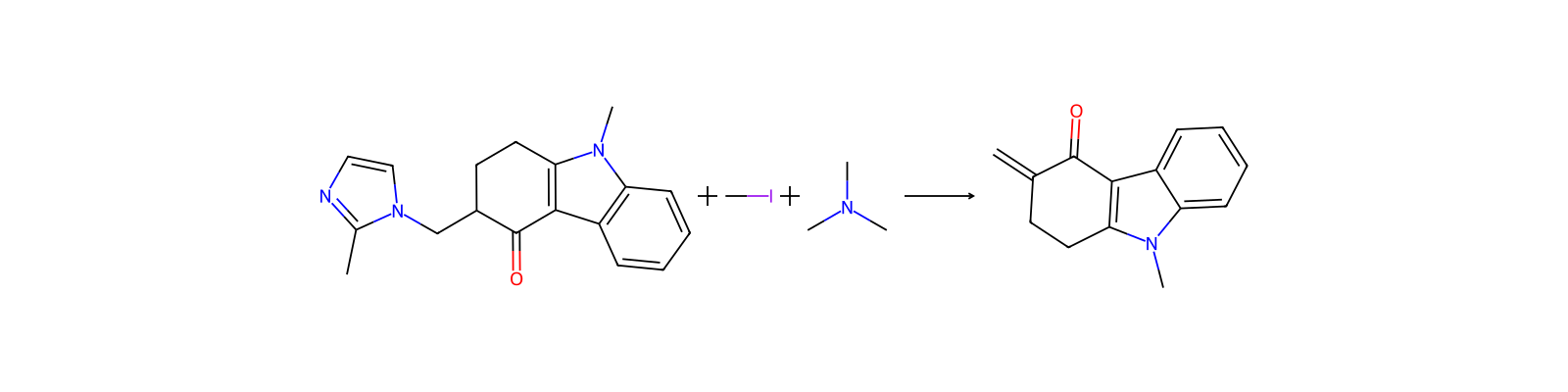
関連反応
466 件



関連ノート
読み込み中…