
HRID 29659反応物として
4-Nitroanthranilic acid

619-17-0Nc1cc([N+](=O)[O-])ccc1C(=O)OUEALKTCRMBVTFN-UHFFFAOYSA-N4-nitroanthranilic acid appears as orange prisms or orange powder. Sweet taste. (NTP, 1992)
619-17-0DTXSID8020963CHEMBL1603870CHEBI:75335less than 0.1 mg/mL at 72 °F (NTP, 1992)
INSOL IN WATER; SLIGHTLY SOL IN HOT WATER; VERY SOL IN ALCOHOL, ETHER & ACETONE; SOL IN XYLENE
514 to 518 °F (decomposes) (NTP, 1992)
269 °C
4-nitroanthranilic acid appears as orange prisms or orange powder. Sweet taste. (NTP, 1992)
Orange solid; [HSDB]
安全情報は参考情報です。供給元の安全データシート(SDS)、適用法令、専門家による評価に代わるものではありません。
Warning
H315 (97.9%): Causes skin irritation [Warning Skin corrosion/irritation]
P261, P264, P264+P265, P271, P280, P302+P352, P304+P340, P305+P351+P338, P319, P321, P332+P317, P337+P317, P362+P364, P403+P233, P405, and P501 (click each P-code to see the statement)
Aggregated GHS information provided per 47 reports by companies from 9 notifications to the ECHA C&L Inventory. Each notification may be associated with multiple companies.
Used as a research chemical; Not commercially produced in the US; [HSDB] Formerly used as a dye intermediate; [NTP]
RESEARCH CHEMICAL
(1977) No Data
(1979) No Data
(1977) No Data
(1979) No Data
(1977) NOT PRODUCED COMMERCIALLY IN US
(1979) NOT PRODUCED COMMERCIALLY IN US
用途有機合成原料。
一般的な説明Orange prisms or orange powder. Sweet taste.
純化方法Crystallise the acid from water, EtOH (m 271o) or aqueous EtOH (m 269o). The acetyl derivative has m 217o (from EtOH), m 222o (from aqueous EtOH). [Chapman & Stephen J Chem Soc 1796 1925, Beilstein 14 II 234, 14 III 975, 14 IV 1087.]


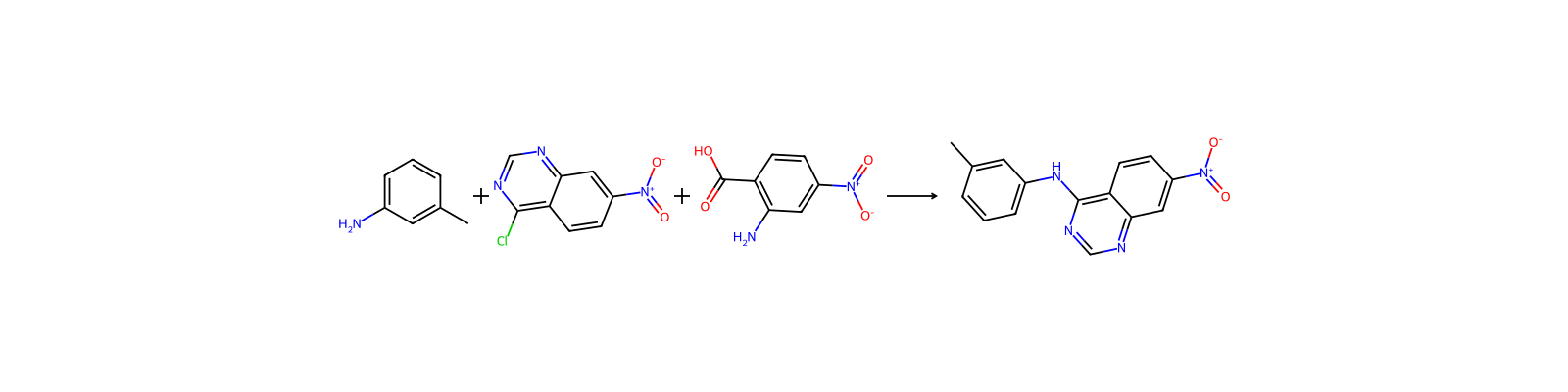


化学的特性Orange crystalline powder
EYES: First check the victim for contact lenses and remove if present. Flush victim's eyes with water or normal saline solution for 20 to 30 minutes while simultaneously calling a hospital or poison control center. Do not put any ointments, oils, or medication in the victim's eyes without specific instructions from a physician. IMMEDIATELY transport the victim after flushing eyes to a hospital even if no symptoms (such as redness or irritation) develop.
SMALL SPILLS AND LEAKAGE: Should a spill occur while you are handling this chemical, FIRST REMOVE ALL SOURCES OF IGNITION, then you should dampen the solid spill material with 60-70% ethanol and transfer the dampened material to a suitable container. Use absorbent paper dampened with 60-70% ethanol to pick up any remaining material. Seal the absorbent paper, and any of your clothes, which may be contaminated, in a vapor-tight plastic bag for eventual disposal. Solvent wash all contaminated surfaces with 60-70% ethanol followed by washing with a soap and water solution. Do not reenter the contaminated area until the Safety Officer (or other responsible person) has verified that the area has been properly cleaned.
RECOMMENDED RESPIRATOR: Where the neat test chemical is weighed and diluted, wear a NIOSH-approved half face respirator equipped with an organic vapor/acid gas cartridge (specific for organic vapors, HCl, acid gas and SO2) with a dust/mist filter. (NTP, 1992)
The following link will take the user to the National Toxicology Program (NTP) Test Agent Search Results page, which tabulates all of the "Standard Toxicology & Carcinogenesis Studies", "Developmental Studies", and "Genetic Toxicity Studies" performed with this chemical. Clicking on the "Testing Status" link will take the user to the status (i.e., in review, in progress, in preparation, on test, completed, etc.) and results of all the studies that the NTP has done on this chemical. [http://ntp-apps.niehs.nih.gov/ntp_tox/index.cfm?fuseaction=ntpsearch.searchresults&searchterm=619-17-0]
4-Nitroanthranilic acid
TR-109: Bioassay of 4-Nitroanthranilic Acid for Possible Carcinogenicity (CASRN 619-17-0) (1978 )
06/29/78
No Evidence
No Evidence
No Evidence
4-NITROANTHRANILIC ACID ADMIN IN DIET OF FISCHER 344 RATS (1.5 & 0.46, TIME-WEIGHTED AVG CONCN) & B6C3F1 MICE (1.0 & 0.46) FOR 78 WK. NO STATISTICALLY SIGNIFICANT INCR IN TUMOR INCIDENCE OBSERVED.
4-Nitroanthranilic acid was evaluated mutagenicity in the Salmonella/microsome preincubation assay using the standard protocol approved by the National Toxicology Program. 4-Nitroanthranilic acid was tested at doses of 0.0033, 0.010, 0.033, 0.10, 0.333, 1.0, 2.2, 3.3, and 3.333 mg/plate in as many as 5 Salmonella typhimurium strains (TA1535, TA1537, TA97, TA98, and TA100) in the presence and absence of rat or hamster liver S-9. 4-Nitroanthranilic was positive with and without activation in strains TA1535 and TA100. The lowest positive dose tested was 0.010 mg/plate in strain TA1535.
4-Nitroanthranilic acid (4NAA) was evaluated for the induction of sex-linked recessive lethal mutations in Drosophila melanogaster by the National Toxicology Program. Canton-S wild-type males were treated with concentrations of the test chemical that result in approximately 30% mortality. Following treatment, males were mated individually to 3 harems of Basc virgin females to produce 3 broods for analysis. The concentrations of 4NAA tested by injection (150 ppm) or feeding (2000 ppm) were negative in this assay.
A bioassay of 4-nitroanthranilic acid for possible carcinogenicity was conducted using Fischer 344 rats and B6C3F1 mice. /The cmpd/ was administered in the feed, at either of two concentrations, to groups of 50 male and 50 female animals of each species. The high and low time weighted avg concentrations used were, respectively, 1.5 and 0.46% for rats and 1.0 and 0.46 for mice. After a 78 wk period of chemical administration, the rats were observed for an additional period of up to 32 wk and the mice for an additional period of up to 17 wk. For rats 50 animals of each sex were placed on test as low dose controls and 25 animals of each sex were placed on test as high dose controls. For mice 50 animals of each sex were placed on test as controls for each dosed group. ... Under the conditions of this bioassay evidence was not provided for the carcinogenicity of 4-nitroanthranilic acid in Fischer 344 rats or B6C3F1 mice. Levels of Evidence of Carcinogenicity: Male Rats: Negative; Female Rats: Negative; Male Mice: Negative; Female Mice: Negative.
定義ChEBI: 4-nitroanthranilic acid is an aminobenzoic acid that is anthranilic acid with a nitro substituent at position 4. It has a role as a mutagen. It is an aminobenzoic acid and a nitrobenzoic acid. It is functionally related to an anthranilic acid.