
基本情報
- 標準SMILES
C=C(C)C(=O)OCCO- InChIKey
WOBHKFSMXKNTIM-UHFFFAOYSA-N- 分子式
- C6H10O3
- 平均分子量
- 130.14 g/mol
- 単同位体質量
- 130.06299418
概要
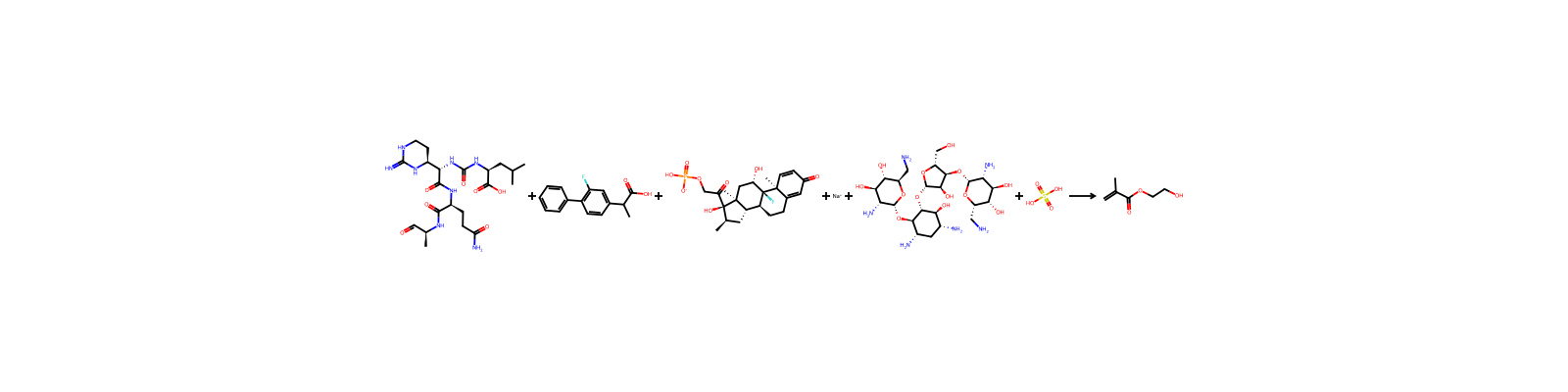
2-hydroxyethyl methacrylate is an enoate ester that is the monomethacryloyl derivative of ethylene glycol. It has a role as an allergen and a polymerisation monomer. It is functionally related to a methacrylic acid and an ethylene glycol.
名称と識別子
- 優先名称
- 2-Hydroxyethyl Methacrylate
- IUPAC
- 2-hydroxyethyl 2-methylprop-2-enoate
- 現地名
- メタクリル酸2-ヒドロキシエチル
- 英語名
- 2-Hydroxyethyl methacrylate
- 分子式
- C6H10O3
- 分子量
- 130.14
名称と別名
2-HYDROXYETHYL METHACRYLATE868-77-9Glycol methacrylateHydroxyethyl methacrylateEthylene glycol methacrylateGlycol monomethacrylate2-(Methacryloyloxy)ethanol2-HydroxyethylmethacrylateMhoromerMonomer MG-1Ethylene glycol monomethacrylate2-Propenoic acid, 2-methyl-, 2-hydroxyethyl ester
名称をさらに表示
メタクリル酸2-ヒドロキシエチルエチレングリコールメタクリラートN5-メチル-L-グルタミン2-ヒドロキシエチル=2-メチルプロペノアートメタクリル酸グリセリルメタクリル酸(2-ヒドロキシエチル)2-ヒドロキシエチルメタクリレートモノマー2-ヒドロキシエチルメタクリラート2-ヒドロキシエチルメタクリレート2-ヒドロキシエチルメタクリラートモノマーメタクリル酸グリコール2-メチルプロペン酸2-ヒドロキシエチルモノマーMG-12ヒドロキシエチルメタクリレトメタクリル酸 2-ヒドロキシエチル2-ヒドロキシエチル=メタクリレート2-ヒドロキシエチル=メタクリラートHEMAメタクリル酸2‐ヒドロキシエチルメタクリル酸2-ヒドロキシエチル, 97%, STAB. WITH CA 500PPM 4-METHOXYPHENOLHEMAN5-Methyl-L-glutamine1,2-ETHANEDIOL MONO(2-METHYLPROPENOATE)2-methyl-2BisoMer HEMAHydroxyethyl Methacrylat
DTXSID7022128beta-Hydroxyethyl methacrylateEthylene glycol, monomethacrylateMonomethacrylic ether of ethylene glycol6E1I4IV47VCHEBI:34288NSC-24180DTXCID202128
データベース識別子
- CAS
12676-48-1、868-77-9- PubChem CID
- 13360
- DTXSID
DTXSID7022128- ChEMBL
CHEMBL1730239- ChEBI
CHEBI:34288- UNII
- 6E1I4IV47V
- EC Number
- 212-782-2、927-388-2
- Nikkaji
- J53.687C
物性
構造計算による物性
- XLogP
- 0.5
- 極性表面積
- 46.5 Ų
- 水素結合供与体数
- 1
- 水素結合受容体数
- 3
- 回転可能結合数
- 4
- 重原子数
- 9
- 形式電荷
- 0
- 複雑度
- 117
実験および物理化学的性質
PolymersPlastics & Rubber -> (Meth)acrylates
CosmeticsCosmetic ingredients (HEMA) -> CIR (Cosmetic Ingredient Review)
LogP
log Kow= 0.47
0.42
Density
1.034 @ 25 °C/4 °C
1.07 g/cm³
1.034 @25 °C
Viscosity8.4 mm²/s at 20 °C
Color/FormClear mobile liquid
Solubility
Miscible with water and soluble in common org solvents
Solubility in water: miscible
Flash Point
97 °C (closed cup)
97 °C c.c.
Boiling Point
67 °C @ 3.5 mm Hg
250 °C (calculated)
67 °C @760 [mm Hg]
DecompositionWhen heated to decomp it emits acrid smoke and irritating fumes.
Melting PointFP: -12 °C
Vapor DensityRelative vapor density (air = 1): 4.5
物理化学的性質
- 融点
- -12 °C · -12 °C
- 沸点
- 67 °C3.5 · 67 °C3.5 mm Hg(lit.)
- 比重(密度)
- 1.073 g/mL · 1.073 g/mL at 25 °C(lit.)
- 蒸気密度
- 5 · 5 (vs air)
- 蒸気圧
- 0.01 mm · 0.01 mm Hg ( 25 °C)
- 屈折率
- 20 · n20/D 1.453(lit.)
- 闪点
- 207 °F · 207 °F
- 貯蔵温度
- 2 · 2-8°C
- 溶解性
- クロロホルム、メタノール(微量)
- 外見
- 液体
- 酸解離定数(Pka)
- 13.83 · 13.83±0.10(Predicted)
- 色
- クリア
- 臭い (Odor)
- エステル様
- 水溶解度
- 溶ける
- 凝固点
- -20 · -20
- BRN
- 1071583 · 1071583
- Henry's Law Constant
- 4.6 · 4.6×101 mol/(m3Pa) at 25℃, Duchowicz et al. (2020)
- 安定性
- 不安定 - 安定剤なしでは重合する可能性があります。安定化のためにジエチレングリコールモノメタクリレート、ジエチレングリコールジメタクリレート、メタクリル酸を少量使用または含有させることができる。強力な酸化剤、フリーラジカル開始剤、過酸化物、鋼とは相容れない。密閉容器は加熱するとポリマーの暴走により爆発する恐れがあります。
- 化粧品成分の機能
- ネイルスカルプティング
- InChI
- 1S/C6H10O3/c1-5(2)6(8)9-4-3-7/h7H,1,3-4H2,2H3
- InChIKey
- WOBHKFSMXKNTIM-UHFFFAOYSA-N
- SMILES
- CC(=C)C(=O)OCCO
- LogP
- 0.42 at · 0.42 at 25℃
- CAS データベース
- 868 · 868-77-9(CAS DataBase Reference)
- NISTの化学物質情報
- 2 · 2-Hydroxyethyl methacrylate(868-77-9)
- EPAの化学物質情報
- 2 · 2-Hydroxyethyl methacrylate (868-77-9)
化学的性質
化学的特性colourless liquid
安全と法規制
GHS分類
GHS Classification
Warning
H315: Causes skin irritation [Warning Skin corrosion/irritation]
P261, P264, P264+P265, P272, P280, P302+P352, P305+P351+P338, P321, P332+P317, P333+P317, P337+P317, P362+P364, and P501 (click each P-code to see the statement)
This chemical does not meet GHS hazard criteria for 0.2% (3 of 1898) of reports.
Warning
H315 (94.3%): Causes skin irritation [Warning Skin corrosion/irritation]
危険有害性情報
Regulatory Information
Chemical: 2-Propenoic acid, 2-methyl-, 2-hydroxyethyl ester
2-Propenoic acid, 2-methyl-, 2-hydroxyethyl ester is listed on the EPA's Chemical Data Reporting (CDR) system. Manufacturers and importers of 2-Propenoic acid, 2-methyl-, 2-hydroxyethyl ester are required to report information about their production and use of this chemical to the EPA under the Toxic Substances Control Act (TSCA). (40 eCFR Part 711)
Status: Active Update: 16-05-2023 https://echa.europa.eu/registration-dossier/-/registered-dossier/15124
2-Hydroxyethyl methacrylate: Does not have an individual approval but may be used under an appropriate group standard
Other Safety InformationIMAP assessments - 2-Propenoic acid, 2-methyl-, 2-hydroxyethyl ester: Human health tier II assessment
Fire HazardsCombustible. Above 97 °C explosive vapour/air mixtures may be formed.
Fire Potential30% GRADE (WITH XYLENE) IS FLAMMABLE; MODERATE FIRE RISK.
Hazards Summary
Allergic contact dermatitis reported in a laboratory technician and in the printing industry; A skin and eye irritant; [HSDB] Hydrolyzed forming methacrylic acid and ethylene glycol; A mild skin and moderate eye irritant; Possesses skin sensitizing properties with equivocal results in human patch testing; [Reference #2] A skin and severe eye irritant; May cause skin sensitization; [Alfa Aesar MSDS]
FDA RequirementsHomopolymers and copolymers of 2-Hydroxyethyl methacrylate is an indirect food additive for use only as a component of adhesives.
EC ClassificationSymbol: Xi; R: 36/38-43; S: (2)-26-28; Note: D
Chemical Dangers
The substance will polymerize due to heating, on contact with peroxides, and under the influence of light. Heating may cause violent combustion or explosion. This produces acrid smoke. The substance may spontaneously polymerize if it is not stabilized.
Hazard Classes and Categories
Skin Irrit. 2 (94.3%)
Eye irritation - category 2A
Serious eye damage/eye irritation - Category 2A
Serious eye damage/eye irritation - Category 2
Skin corrosion/irritation - Category 2
Skin Irrit. 2
Skin, Eye, and Respiratory IrritationsIrritating to eyes and skin.
安全と保護具
Fire FightingUse water spray, dry powder, alcohol-resistant foam. In case of fire: keep drums, etc., cool by spraying with water.
First Aid Measures
Fresh air, rest. Refer for medical attention.
First rinse with plenty of water for at least 15 minutes, then remove contaminated clothes and rinse again. Refer for medical attention .
First rinse with plenty of water for several minutes (remove contact lenses if easily possible), then refer for medical attention.
Rinse mouth. Do NOT induce vomiting. Give one or two glasses of water to drink. Refer immediately for medical attention.
Safe StorageStore only if stabilized. Keep in the dark. Cool. Ventilation along the floor.
Storage Conditions
Temp during storage must be kept low to minimize formation of peroxides and other oxidation products. ... Storage temp below 30 °C are recommended for the polyfunctional methacrylates. ... The methacrylate monomers should not be stored for longer than one year. Shorter storage times are recommended for the aminomethacrylates, ie, three months, and the polyfunctional methacrylates, ie, six months. Many of these cmpd are sensitive to UV light and should, therefore, be stored in the dark. The methacrylic esters may be stored in mild steel, stainless steel, or aluminum. /Methacrylic acid & derivatives/
Disposal Methods
SRP: At the time of review, criteria for land treatment or burial (sanitary landfill) disposal practices are subject to significant revision. Prior to implementing land disposal of waste residue (including waste sludge), consult with environmental regulatory agencies for guidance on acceptable disposal practices.
Spillage Disposal
Personal protection: chemical protection suit and filter respirator for organic gases and vapours adapted to the airborne concentration of the substance. Collect leaking liquid in covered containers. Absorb remaining liquid in sand or inert absorbent. Then store and dispose of according to local regulations.
Preventive Measures
... Hazard is the generation of considerable exothermic heat in some of the reactions, so that high pressures & temp may develop. This danger ... should be borne in mind when designing plant. Awareness of the dangers and of good engineering design are essential to safety. Employees should be instructed about the necessity of cleansing the skin if it is contaminated by materials which are irritants or skin-absorbed. With careful design, however, and complete enclosure of those processes where toxic chemicals or intermediates occur, dangerous exposures can be avoided. /Acrylic acid & derivatives/
SRP: Contaminated protective clothing should be segregated in such a manner so that there is no direct personal contact by personnel who handle, dispose, or clean the clothing. Quality assurance to ascertain the completeness of the cleaning procedures should be implemented before the decontaminated protective clothing is returned for reuse by the workers. Contaminated clothing should not be taken home at end of shift, but should remain at employee's place of work for cleaning.
SRP: The scientific literature for the use of contact lenses in industry is conflicting. The benefit or detrimental effects of wearing contact lenses depend not only upon the substance, but also on factors including the form of the substance, characteristics and duration of the exposure, the uses of other eye protection equipment, and the hygiene of the lenses. However, there may be individual substances whose irritating or corrosive properties are such that the wearing of contact lenses would be harmful to the eye. In those specific cases, contact lenses should not be worn. In any event, the usual eye protection equipment should be worn even when contact lenses are in place.
Eye PreventionWear safety spectacles or eye protection in combination with breathing protection.
Fire PreventionNO open flames. Above 97 °C use a closed system and ventilation.
Inhalation RiskNo indication can be given about the rate at which a harmful concentration of this substance in the air is reached.
Skin PreventionProtective gloves. Protective clothing.
Exposure PreventionPREVENT GENERATION OF MISTS!
毒性情報
Ecotoxicity Values
LC50 Pimephales promelas (fathead minnows) 0.99 g/l/96 hr (95% confidence limit 0.90-1.1 g/l); age 30 days old, water hardness 45.6 mg/l calcium carbonate, temp 24.9 °C, pH 7.66, dissolved oxygen 7.1 mg/l, alkalinity 44.4 mg/l (CaCO3), Tank vol: 2.0 l, additions: 18 vol/day (flow-through bioassay)
Environmental Fate
TERRESTRIAL FATE: Based on a classification scheme(1), an estimated Koc value of 43(SRC), determined from a log Kow of 0.47(2) and a regression-derived equation(3), indicates that 2-hydroxyethyl methacrylate is expected to have very high mobility in soil(SRC). Volatilization of 2-hydroxyethyl methacrylate from moist soil surfaces is not expected to be an important fate process(SRC) given an estimated Henry's Law constant of 4.6X10⁻⁹ atm-cu m/mole(SRC), using a fragment constant estimation method(4). 2-Hydroxyethyl methacrylate is not expected to volatilize from dry soil surfaces(SRC) based upon a vapor pressure of 0.126 mm Hg(5). Screening tests indicate that 2-hydroxyethyl methacrylate is readily biodegradable; it reached 92-100% of its theoretical BOD in 2 weeks using an activated sludge inoculum(6).
AQUATIC FATE: Based on a classification scheme(1), an estimated Koc value of 43(SRC), determined from a log Kow of 0.47(2) and a regression-derived equation(3), indicates that 2-hydroxyethyl methacrylate is not expected to adsorb to suspended solids and sediment in water(SRC). Volatilization from water surfaces is not expected(3) based upon an estimated Henry's Law constant of 4.6X10⁻⁹ atm-cu m/mole(SRC), developed using a fragment constant estimation method(4). According to a classification scheme(5), an estimated BCF of 1.3(SRC), from the log Kow(2), suggests the potential for bioconcentration in aquatic organisms is low. Hydrolysis of 2-hydroxyethyl methacrylate may be a significant process under basic conditions based upon a hydrolytic half-life of 4 hours at pH 11 for the structurally similar butyl acrylate(6); half-lives for butyl acrylate at pH 7, 8, and 9 were 4 years, 150 days, and 15 days(SRC), respectively, based upon a hydrolytic rate constant of 0.053 L/mole-sec(8). Screening tests indicate that 2-hydroxyethyl methacrylate is readily biodegradable; it reached 92-100% of its theoretical BOD in 2 weeks using an activated sludge inoculum(7).
ATMOSPHERIC FATE: According to a model of gas/particle partitioning of semivolatile organic compounds in the atmosphere(1), 2-hydroxyethyl methacrylate, which has a vapor pressure of 0.126 mm Hg at 25 °C(2), is expected to exist solely as a vapor in the ambient atmosphere. Vapor-phase 2-hydroxyethyl methacrylate is degraded in the atmosphere by reaction with photochemically-produced hydroxyl radicals(SRC); the half-life for this reaction in air is estimated to be 16 hours(SRC) from its estimated rate constant of 2.4X10⁻¹¹ cu cm/molecule-sec at 25 °C(3). Because the structurally similar ethyl methacrylate does not absorb light in the environmental spectrum above 290 nm(4), direct photolysis of 2-hydroxyethyl methacrylate is not expected to occur(SRC).
Adverse EffectsSkin Sensitizer - An agent that can induce an allergic reaction in the skin.
Toxicity Summary
Based on available data, the CIR Expert Panel concluded that...HEMA is safe as used in nail enhancement products when skin contact is avoided. Products containing these ingredients should be accompanied with directions to avoid skin contact, because of the sensitizing potential of Methacrylates.
Safe for use in cosmetics, with qualifications
Signs and Symptoms
Cough. Sore throat.
Redness.
Redness.
Sore throat. Aspiration hazard!
Soil Adsorption/Mobility
The Koc of 2-hydroxyethyl methacrylate is estimated as approximately 43(SRC), using a log Kow of 0.47(1) and a regression-derived equation(2). According to a classification scheme(3), this estimated Koc value suggests that 2-hydroxyethyl methacrylate is expected to have very high mobility in soil.
Human Toxicity Excerpts
LAB TECHNICIAN DEVELOPED ALLERGIC CONTACT DERMATITIS ASSOC WITH NAUSEA, DIARRHEA, & PERSISTENT PARESTHESIA OF FINGERTIPS. HYDROXYETHYLMETHACRYLATE WAS DEMONSTRATED TO PASS THROUGH VINYL GLOVES.
2-Hydroxy-ethyl methacrylate and di- and tetra-ethylene glycol dimethacrylates have produced contact sensitization in workers in the printing industry.
Artificial Pollution Sources2-Hydroxyethyl methacrylate's production and use in acrylic resins, enamels, and as a binder for non-woven fabrics(1) may result in its release to the environment through various waste streams(SRC).
Environmental Biodegradation2-Hydroxyethyl methacrylate, present at 100 mg/l, reached 92-100% of its theoretical BOD in 2 weeks using an activated sludge inoculum and the Japanese MITI test(1).
Environmental BioconcentrationAn estimated BCF of 1.3 was calculated for 2-hydroxyethyl methacrylate(SRC), using a log Kow of 0.47(1). According to a classification scheme(2), this BCF suggests the potential for bioconcentration in aquatic organisms is low.
Volatilization from Water/Soil
The Henry's Law constant for 2-hydroxyethyl methacrylate is estimated as 4.6X10⁻⁹ atm-cu m/mole(SRC) using a fragment constant estimation method(1). This Henry's Law constant indicates that 2-hydroxyethyl methacrylate is expected to be essentially nonvolatile from water surfaces(2) and from moist soil surfaces(SRC). 2-Hydroxyethyl methacrylate is not expected to volatilize from dry soil surfaces(SRC) based upon a vapor pressure of 0.126 mm Hg(3).
Non-Human Toxicity Excerpts
TOXICOLOGICALLY, HYDROXYETHYL METHACRYLATE APPEARS ALMOST THREE TIMES AS TOXIC AS THE METHACRYLIC ETHYL ESTER.
INTRACORNEAL IMPLANTS OF PLASTIC FOILS MADE WITH HYDROXYETHYLMETHACRYLATE OR HYDROXYETHYLACRYLATE PLUS ETHYLENEGLYCOL DIMETHACRYLATE IN RABBITS PRODUCED EDEMA, VASCULARIZATION, NECROSIS, & ULCERATION & EVEN CHANGES IN THE PLASTICS THEMSELVES. CAUSATIVE AGENT NOT IDENTIFIED.
THE TOXICITY OF 6 ACRYLATES AND 6 METHACRYLATES, INCLUDING 2-HYDROXYETHYL METHACRYLATE, WAS DETERMINED IN RATS AND FISH. ALL THE ESTERS WERE LESS TOXIC THAN ACRYLAMIDE AND ACRYLONITRILE. METHACRYLATES WERE APPROXIMATELY 5-FOLD LESS TOXIC THAN ACRYLATES. FOR A GIVEN SERIES, TOXICITY DECREASED WITH INCREASING LENGTH OF THE CARBON CHAIN.
METHACRYLIC ACID ADMIN IV INCR RESPIRATORY RATE, DECR HEART RATE, & PRODUCED ELECTROCARDIOGRAM CHANGES IN ANESTHETIZED DOGS. METHACRYLIC ACID, METHYL, N-PROPYL, N-BUTYL, ISOBUTYL, AND HYDROXYETHYL METHACRYLATES PRODUCED A BIPHASIC RESPONSE, AN ABRUPT FALL IN BLOOD PRESSURE FOLLOWED BY A SECONDARY RISE. 2-ETHYLHEXYL, ISODECYL, LAURYL, AND TERT-BUTYLAMINOETHYL METHACRYLATES PRODUCED ONLY A HYPOTENSIVE EFFECT. DIMETHYLAMINOETHYLMETHACRYLATE PRODUCED ONLY A HYPERTENSIVE EFFECT.
TWENTY-ONE DIFFERENT ACRYLATE & METHACRYLATE COMPOUNDS, INCLUDING 2-HYDROXYETHYL METHACRYLATE, WERE SCANNED FOR THEIR ABILITY TO INDUCE CONTACT SENSITIVITY, USING 5 DIFFERENT SENSITIZATION PROTOCOLS. CONTACT REACTIONS OF VARYING INTENSITIES WERE PRODUCED TO ALL THE MONO-, DI-, AND TRIACRYLATES TESTED. METHACRYLATES DID NOT SENSITIZE GUINEA PIGS.
法規制情報
FDA RequirementsHomopolymers and copolymers of 2-Hydroxyethyl methacrylate is an indirect food additive for use only as a component of adhesives.
安全データ
- wgk
- 1
- tsca
- TSCA listed
- rtecs
- OZ4725000
- 毒性
- LD50 orally in Rabbit: 5050 mg/kg LD50 dermal Rabbit > 3000 mg/kg
- hs_code
- 29161490
- risk_code
- 36/38-43-36/37/38
- 化審法
- (2)-958, (2)-1044
- 消防法
- 危-4-3-III
- hazard_code
- Xi
- safety_code
- 26-36/37-28A-28
- Hazard Classifications
- Eye Irrit. 2Skin Irrit. 2Skin Sens. 1
- ストレージクラス
- 10 - Combustible liquids
- 有毒物質データの
- 868-77-9(Hazardous Substances Data)
化学と産業
薬理情報
Metabolism/MetabolitesSMALL QUANTITIES OF METHACRYLATES MAY READILY BE METABOLIZED BY SAPONIFICATION INTO THE ALCOHOL AND METHACRYLIC ACID. THE LATTER MAY FORM AN ACETYL-COENZYME DERIVATIVE, WHICH THEN ENTERS THE NORMAL LIPID METABOLISM. /METHACRYLATES/
用途と製造
Uses
CIR ingredient: HEMA
Frequently used in UV-curable inks and coatings; also used in adhesives, artificial nails, dental materials, and lacquers; [HSDB] Used in dentistry as one of the main volatile acrylates along with methyl methacrylate; [Reference #1] Used as a monomer in the synthesis of polymers (used in paints, adhesives, coatings, dental adhesive systems, etc.) for dental prosthetics, and for geotechnical grouting in construction work; [Reference #2]
Painting (Pigments, Binders, and Biocides) [Category: Paint]
Acrylic resins; binder for nonwoven fabrics; enamels.
IN OPTOMETRY UTILIZED AS BASIC MATERIAL FOR CONTACT LENSES; AS DENTAL FILLER; IN PHARMACEUTICAL AREAS AS A DRUG RELEASE CONTROL MEDIUM; IN MEDICINE AS A SYNTHETIC WOUND DRESSING COMPONENT; AS A HYDROGEL FOR ORGAN GRAFTING; FOR SURFACE TENSION CONTROL IN BIOENGINEERING.
CROSSLINKING MONOMER FOR THERMOSET & UV CURABLE ACRYLICS.
U.S. Imports(1983) 1.36X10+9 g /Acrylates & Acrylic Acid/
U.S. Production2023: 10,000,000 - <25,000,000 lb
Consumer UsesIntermediate
Industry UsesMonomers
Methods of Manufacturing
The methacrylates can be synthesized by catalytic oxidation of isobutylene and subsequent esterification with the appropriate alcohol, or by reacting acetone with hydrocyanic acid and subsequent esterification in sulfuric acid with the appropriate alcohol. /Methacrylic esters/
REACTION OF METHACRYLIC ACID WITH ETHYLENE OXIDE; TRANSESTERIFICATION OR ESTERIFICATION OF ETHYLENE GLYCOL WITH EITHER METHYL METHACRYLATE OR METHACRYLIC ACID.
Hydroxyalkyl methacrylates are prepared by the addition of methacrylic acid to the epoxide ring of alkylene oxides to form hydroxyalkyl methacrylates, ie, beta-hydroxyethyl and hydroxypropyl methacrylate. Oxides other than ethylene oxide give isomeric products; commercial hydroxypropyl methacrylate has about a 2-to-1 ratio of 2-hydroxypropyl methacrylate to 1-methyl-2-hydroxyethyl methacrylate. Effective catalysts include tertiary amines, anion-exchange resins, ferric chloride, and lithium methacrylate.
Formulations/Preparations
The 30% solution is made with xylene. Grades: 30%; 96%.
An inhibitor is usually added to solutions to prolong shelf life.
Commercial products contain hydroquinone methyl ether or similar polymerization inhibitors.
Household ProductsInformation on 4 consumer products that contain 2-Hydroxyethyl methacrylate in the following categories is provided:
General Manufacturing Information
Adhesive Manufacturing
2-Propenoic acid, 2-methyl-, 2-hydroxyethyl ester: ACTIVE
METHYL METHACRYLATE, AND IN GENERAL THE METHACRYLIC ESTERS, POLYMERIZE MUCH LESS READILY THAN THE CORRESPONDING ORDINARY ACRYLATES. NONE THE LESS, THEY ARE STABILIZED BY ADDING HYDROQUINONE OR PYROGALLOL, PARTICULARLY IN THE PRESENCE OF METALLIC COPPER. /METHACRYLATES/
In hydrogel contact lenses
応用分野
用途熱硬化性塗料、接着剤
用途熱硬化性塗料?接着剤?コンタクトレンズ原料
用途有機合成原料。
説明2-Hydroxyethyl methacrylate (HEMA) is a widely used monomer compound employed in the preparation of poly(2-hydroxyethyl methacrylate) (PHEMA) and its derivatives. PHEMA is a favourable biomaterial primarily utilised in the production of hydrogel medical materials. HEMA is a raw material for contact lenses, paints, adhesives, resin modifiers, photosensitive resins, paper processing agents, and similar products.
使用2-Hydroxyethyl methacrylate is used for preparation of hydrophilic polymers for biomedical devices.
一般的な説明2-Hydroxyethyl methacrylate (HEMA) is biocompatible in nature. Polymeric hydrogel scaffold can be produced by polymerizing HEMA in water.
調製方法
純化方法Dissolve the ester in water and extract with n-heptane to remove ethylene glycol dimethacrylate (checked by gas-liquid chromatography and by NMR) and distil it twice under reduced pressure [Strop et al. J Phys Chem 80 694 1976]. [Beilstein 2 IV 1530.]
上流・下流製品情報
上流原料
下流製品
サプライヤー50 社
国药集团化学试剂有限公司86-21-63210123 · [email protected]
梯希爱(上海)化成工业发展有限公司021-67121386 · [email protected]
上海阿拉丁生化科技股份有限公司400-6206333 13167063860 · [email protected]
济南新晨化工有限公司15318808971 15318808971
北京安司莫森技术有限公司010-82954736 13391601435 · [email protected]
Syntechem Co.,Ltd[email protected]
上海迈瑞尔生化科技有限公司4006356688 18621169109 · [email protected]
阿法埃莎(中国)化学有限公司400-6106006 · [email protected]
安耐吉化学&3A(安徽泽升科技股份有限公司)400-0056266 · [email protected]
Esstech Inc.+1 (610) 521-3800 · [email protected]
北京绿百草科技发展有限公司010-61136123 · [email protected]
上海瀚鸿科技股份有限公司021-54306202 13764082696 · [email protected]
合肥天健化工有限公司551-65418679 15856988503;15837135945 · [email protected]
孝感深远化工有限公司15527621225; 15527621225 · [email protected]
山东西亚化学有限公司13355009207 13355009207 · [email protected]
玛雅试剂+86 (573) 82222445 (0)18006601000 452520369 · [email protected]
四川库利南科技有限公司400-1166-196 18981987031 · [email protected]
天津希恩思生化科技有限公司400 638 7771 · [email protected]
Connect Chemicals GmbH+49 2102 2077 19 · [email protected]
斯百全化学(上海)有限公司021-021-021-67601398-809-809-809 15221380277 · [email protected]
上海源叶生物科技有限公司13636370518 · [email protected]
艾科试剂4008-755-333 18080918076 · [email protected]
上海思域化工科技有限公司86-21-34053660 · [email protected]
赛默飞世尔科技(中国)有限公司800-810-5118 · [email protected]
北京伊诺凯科技有限公司400-810-7969 010-59572699 · [email protected]
TCI AMERICA800-4238616 · [email protected]
TOKYO CHEMICAL INDUSTRY CO., LTD.03-36680489 · [email protected]
TCI Europe320-37350700 · [email protected]
深圳振强药物研发有限公司0755-66853366 13670046396 · [email protected]
北京环宇世纪化学科技有限公司hysj_bj.com
上海湄水化工科技有限公司021-60549325 18616193163
上海将来实业股份有限公司400-0066400 13621662912 · [email protected]
上海将来实业股份有限公司021-61552785 · [email protected]
HBCChem, Inc.+1-510-219-6317 · [email protected]
日照力德士化工有限公司010-51268198 · [email protected]
美岚实业(上海)有限公司021-58958189 · [email protected]
上海爱蝶实业有限公司021-58957966 18930537195 · [email protected]
成都零六生物科技有限公司400-1166-196 13458535857 · [email protected]
广拓化学(上海)有限公司021-60899189-8001 18918189673 · [email protected]
雷丁试剂0510-85629785 18013409632 · [email protected]
上海恒岳化工科技有限公司51691706 13391095697 · [email protected]
杭州宇昊化工科技有限公司0571-82693216 · [email protected]
上海麦克林生化科技股份有限公司15221275939 15221275939 · [email protected]
杭州杰恒化工有限公司0571-87396432 · [email protected]
青岛瑞那斯高分子材料有限公司0532-0532-86867058 18562606086 · [email protected]
上海有朋化工有限公司021-69005955 13701776567 · [email protected]
北京海力扬化学科技有限公司13718199399 · [email protected]
北京欣赛维化学科技有限公司010-56218822 13717722232 · [email protected]
四川海诺威科技有限公司13708085536 13708085536 · [email protected]
江苏艾康生物医药研发有限公司025-66028182 17714375163 · [email protected]
補足説明
定義HEMAは、メタクリル酸2-ヒドロキシエチルの表示名称である。本品は、次の化学式で表されるメタクリル酸2-ヒドロキシエチルである。
定義2-Hydroxyethyl methacrylate is an enoate ester that is the monomethacryloyl derivative of ethylene glycol.
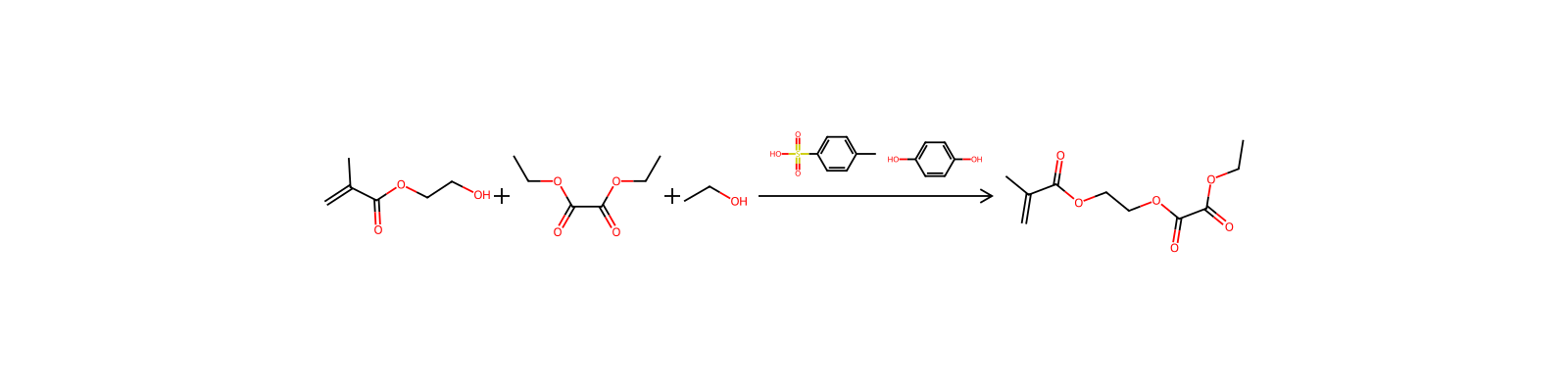
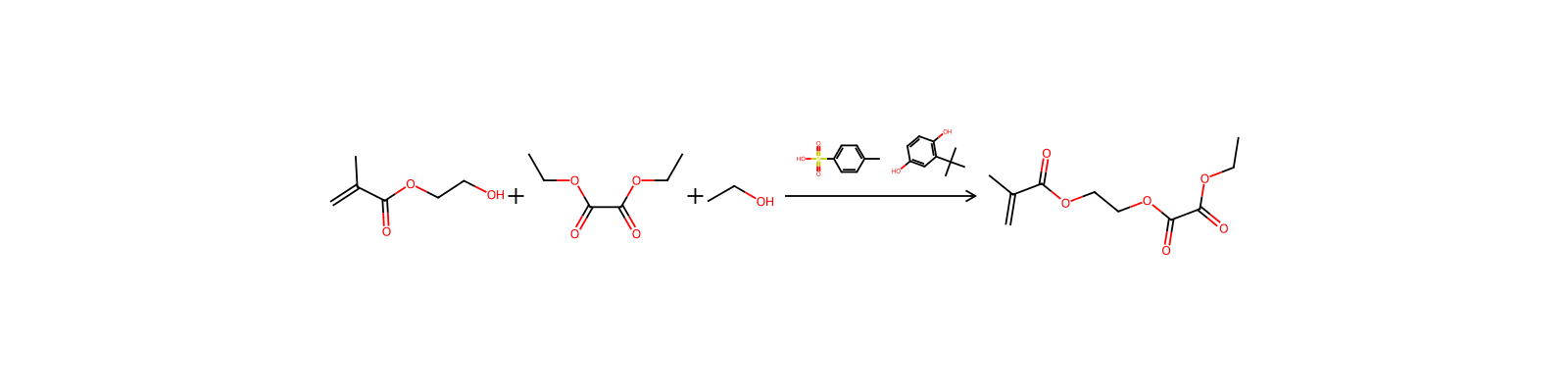
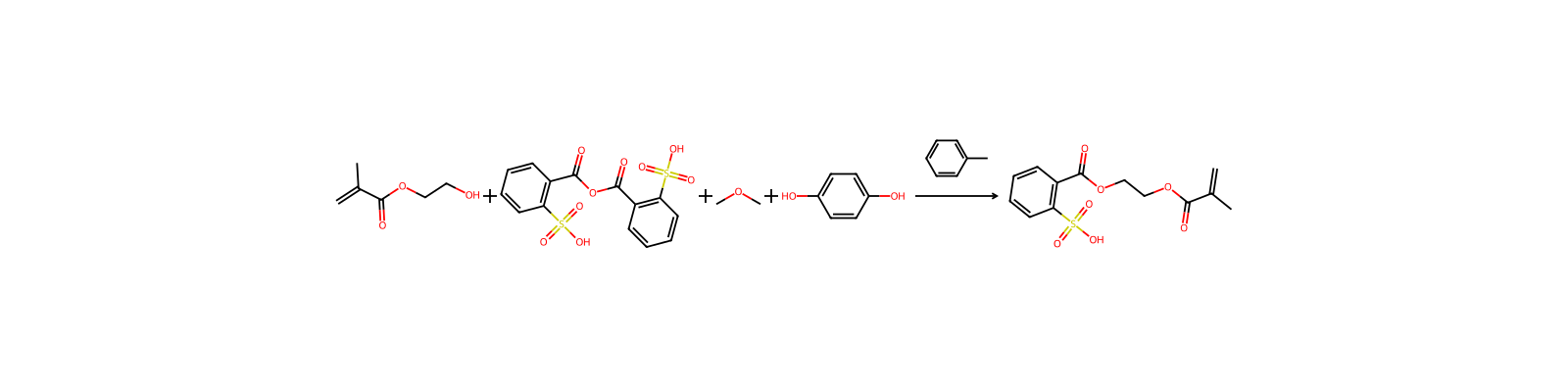
関連反応
234 件



関連ノート
読み込み中…