
シクロプロピルアセチレン
Cyclopropylacetylene
データを補完しています。しばらくしてからページを更新すると最新の内容を表示できます

基本情報
- CAS
6746-94-7- 標準SMILES
C#CC1CC1- InChIKey
NPTDXPDGUHAFKC-UHFFFAOYSA-N- 分子式
- C5H6
- 平均分子量
- 66.1 g/mol
- 単同位体質量
- 66.04695019
名称と識別子
- 優先名称
- Cyclopropylacetylene
- IUPAC
- ethynylcyclopropane
- 現地名
- シクロプロピルアセチレン
- 英語名
- Cyclopropylacetylene
- 分子式
- C5H6
- 分子量
- 66.1
名称と別名
Cyclopropylacetylene6746-94-7ethynyl cyclopropaneDTXSID80217795EC 425-430-1RefChem:581231DTXCID30140286425-430-1614-067-4EthynylcyclopropaneCyclopropyl acetylenecyclopropane, ethynyl-
名称をさらに表示
シクロプロピルアセチレンエチニルシクロプロパンシクロプロピルアセチレン, 97%1-エチニルシクロプロパンシクロプロピルエチン1-シクロプロピルエチンCPACCylopropylethylnenCylopropyl acetyleneCyclopropyl acetylenCyclopropylacethyleneCYCLOPROPYL ACETHLENEethylnyl-cyclopropane
Cyclopropane,ethynyl-MFCD02181090C5H6cyclopropylethyne336800-75-0Cyclopropylethyne; Ethyne, cyclopropyl-; EthynylcyclopropaneEthynylcyclopropane; Cyclopropylethyne;cyclopropyl ethyne
データベース識別子
- CAS
6746-94-7- PubChem CID
- 138823
- DTXSID
DTXSID80217795- UNII
- CYA9F6WH2T
- EC Number
- 425-430-1、614-067-4
- Nikkaji
- J798.432D
物性
構造計算による物性補完中
- XLogP
- 1.5
- 極性表面積
- 0 Ų
- 水素結合供与体数
- 0
- 水素結合受容体数
- 0
- 回転可能結合数
- 0
- 重原子数
- 5
- 形式電荷
- 0
- 複雑度
- 69.3
実験および物理化学的性質
SpringerMaterials PropertiesCoriolis coupling
物理化学的性質
- 融点
- 294 °C · 294 °C (decomp)
- 沸点
- 79 · 79-80 °C
- 比重(密度)
- 0.7801 · 0.7801
- 屈折率
- 20 · n20/D 1.4480
- 闪点
- -5 °F · -5 °F
- 貯蔵温度
- 2 · 2-8°C
- 溶解性
- クロロホルム、酢酸エチル
- 外見
- 液体
- 比重
- 0.797 · 0.797
- 色
- 無色透明~薄黄色
- 水溶解度
- 水にわずかに溶ける。
- InChI
- InChI=1S/C5H6/c1-2-5-3-4-5/h1,5H,3-4H2
- InChIKey
- NPTDXPDGUHAFKC-UHFFFAOYSA-N
- SMILES
- C1(C#C)CC1
- CAS データベース
- 6746 · 6746-94-7(CAS DataBase Reference)
- NISTの化学物質情報
- Cyclopropylacetylene(6746-94-7)
安全と法規制
安全情報は参考情報です。供給元の安全データシート(SDS)、適用法令、専門家による評価に代わるものではありません。
GHS分類
GHS Classification
Danger
H225: Highly Flammable liquid and vapor [Danger Flammable liquids]
P210, P233, P240, P241, P242, P243, P264, P264+P265, P273, P280, P302+P352, P303+P361+P353, P305+P354+P338, P317, P321, P332+P317, P362+P364, P370+P378, P403+P235, and P501 (click each P-code to see the statement)
Danger
H225 (96.1%): Highly Flammable liquid and vapor [Danger Flammable liquids]
P210, P233, P240, P241, P242, P243, P264, P264+P265, P273, P280, P302+P352, P303+P361+P353, P305+P354+P338, P317, P321, P332+P317, P362+P364, P370+P378, P403+P235, and P501 (click each P-code to see the statement)
危険有害性情報
Regulatory InformationStatus: Active Update: 05-09-2011 https://echa.europa.eu/registration-dossier/-/registered-dossier/1000
Hazard Classes and Categories
Flam. Liq. 2 (96.1%)
Flam. Liq. 2 (85.7%)
Flammable liquid - category 2
Flam. Liq. 2
安全データ
- wgk
- 2
- ridadr
- UN 1294 3/PG 2
- hs_code
- 29021990
- risk_code
- 11-36/37/38-48/20-63-65-67-52/53-41-38-4-37/38-22
- 化審法
- (3)-4334
- 消防法
- 危-4-1-II
- hazard_code
- F,Xn,Xi
- safety_code
- 26-36/37-62-37/39-16-61-33-9-36/37/39-39
- hazard_class
- 3
- packing_group
- II
- Hazard Classifications
- Aquatic Chronic 3Eye Dam. 1Flam. Liq. 2Skin Irrit. 2
化学と産業
応用分野
使用Cyclopropylacetylene is used as an organic chemical synthesis intermediate.
調製方法
製造方法Cyclopropylacetylene was prepared in a two-step procedure by dichlorination of cyclopropyl methyl ketone with phosphorus pentachloride (PCl5) followed by double dehydrohalogenation with a strong base. This sequence presented significant scale-up problems with low overall yields (20-25%). Similarly, cyclopropylacetylene has been prepared by base-induced dehydrohalogenation of bromovinylcyclopropane . Cyclopropylacetylene has also been prepared from the 1-trimethylsilyl derivative of cyclopropylacetylene, which was prepared by treatment of 5-chloro-1-trimethylsilyl-1-pentyne with lithium diisopropylamide at 78°C followed by warming to room temperature.
上流・下流製品情報
上流原料
関連反応
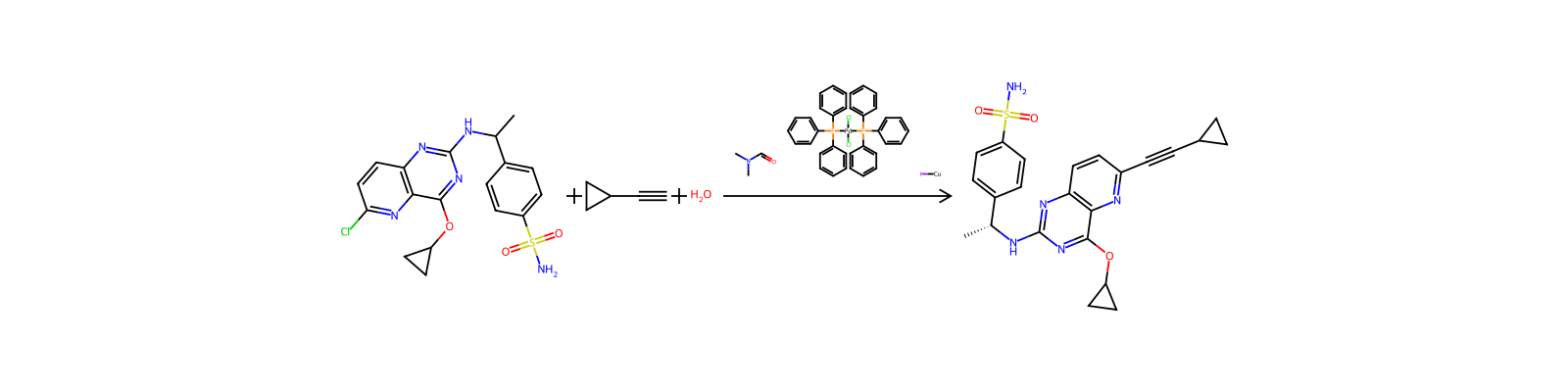
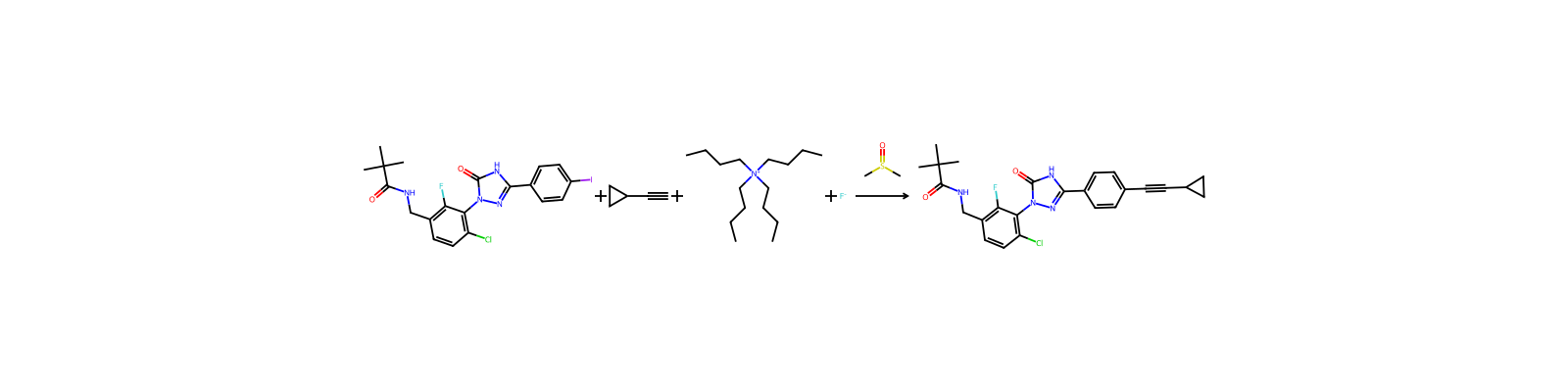
225 件




化合物ノート
読み込み中…