反応式

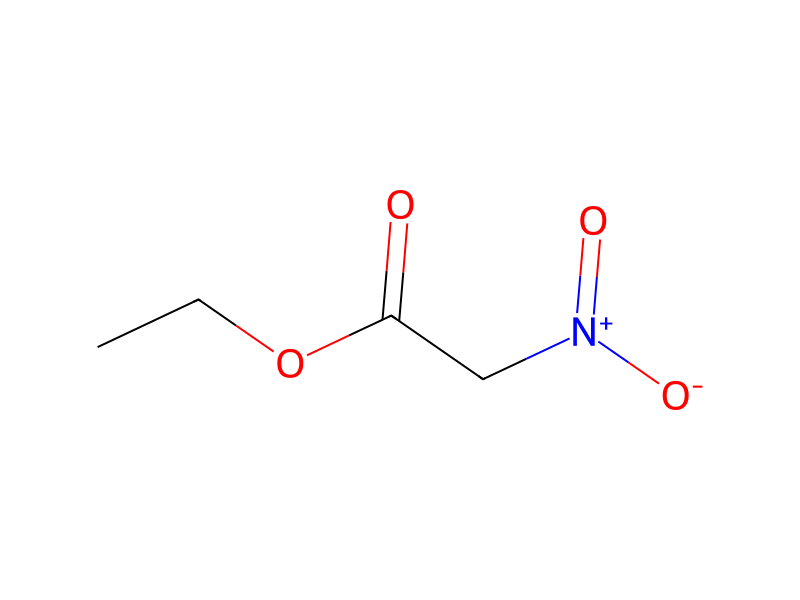
[C:1]([CH:3]1[CH2:5][CH2:4]1)#[CH:2].[N+:6]([CH2:9][C:10]([O:12][CH2:13][CH3:14])=[O:11])([O-])=[O:7].C1N2CCN(CC2)C1>C(O)C>[CH:3]1([C:1]2[O:7][N:6]=[C:9]([C:10]([O:12][CH2:13][CH3:14])=[O:11])[CH:2]=2)[CH2:5][CH2:4]1参加物
5




実験手順
A solution of ethynylcyclopropane (0.40 mL; 4.58 mmol), ethyl 2-nitroacetate (1.30 mL; 11.46 mmol), and 1,4-diazobicyclo[2.2.2]octane (DABCO, 0.053 g; 0.458 mmol) in ethanol (3 mL) was irradiated in a microwave oven at 150° C. for 20 min and was then evaporated. The residue was dissolved in ethyl acetate and the solution was washed with water. The organic layer was evaporated and the residue was purified by flash chromatography on silica gel (eluent: 20 to 100% of dichloromethane in heptane) to afford 0.765 g (92%) of ethyl 5-cyclopropylisoxazole-3-carboxylate as a yellow oil.
後処理
- customwas then evaporated
- dissolutionThe residue was dissolved in ethyl acetate
- washthe solution was washed with water
- customThe organic layer was evaporated
- customthe residue was purified by flash chromatography on silica gel (eluent: 20 to 100% of dichloromethane in heptane)
出典と根拠
- ORDレコード
- ord-9e524bd03fb64855931146cbd86ab99c
- 出典データセット
- uspto-grants-2016_09
- 特許番号
- US09434722B2
関連ノート
読み込み中…