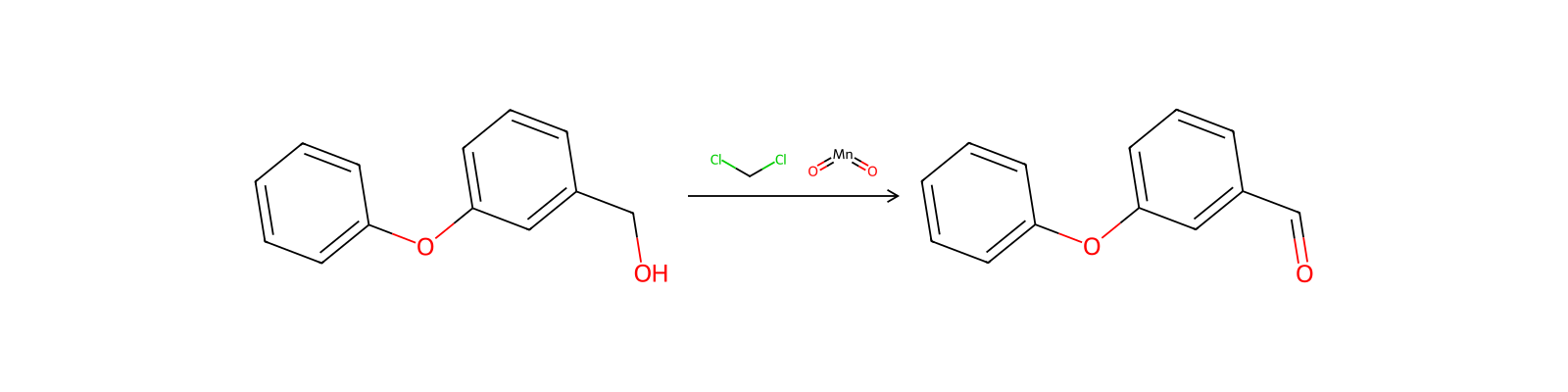
二酸化マンガン
Manganese dioxide
基本情報
- CAS
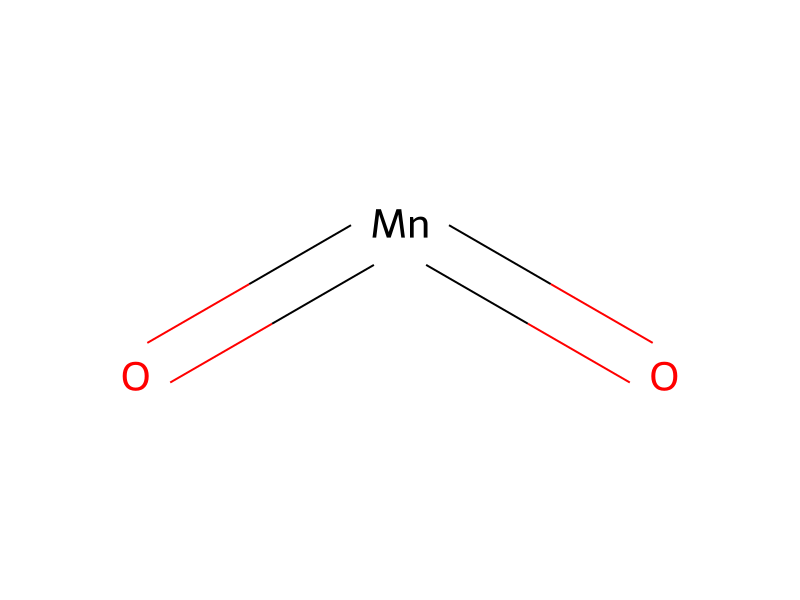
1313-13-9- 標準SMILES
[O]=[Mn]=[O]- InChIKey
NUJOXMJBOLGQSY-UHFFFAOYSA-N- 分子式
- MnO2
- 平均分子量
- 86.937 g/mol
- 単同位体質量
- 86.927872
概要
Manganese dioxide is a manganese molecular entity with formula MnO2. It is a metal oxide and a manganese molecular entity.
名称と識別子
- 優先名称
- Manganese dioxide
- IUPAC
- dioxomanganese
- 現地名
- 二酸化マンガン
- 英語名
- Manganese dioxide
- 分子式
- MnO2
- 分子量
- 86.94
名称と別名
Manganese dioxideManganese peroxideManganese BlackManganese binoxideMangandioxidManganese superoxideCement BlackBlack manganese oxideBOG manganesePyrolusite BrownMangaanbioxydeMangaandioxyde
名称をさらに表示
二酸化マンガン二酸化マンガン(粉末)二酸化マンガン(活性)二酸化マンガン(粒状)酸化マンガン(IV)(粉末)酸化マンガン(IV)(活性)酸化マンガン(IV)(粒状)酸化マンガン()過酸化マンガン二酸化マンガン(Ⅳ)二酸化マンガン(Ⅳ),電解粉末二酸化マンガン(Ⅳ),分解粉末二酸化マンガン,粉末二酸化マンガン,粒状NANO R型二酸化マンガンNANO 二酸化マンガン(カドミウムイオン吸着触媒) 硝酸処理品NANO 二酸化マンガン(パラジウムイオン吸着触媒) 塩酸処理品NANO 二酸化マンガン(金錯体吸着触媒)NANO 二酸化マンガン(空気電池カソード触媒)NANO 二酸化マンガン(亜ヒ酸吸着触媒) 硫酸処理品MnO2MANGANESE(IV) OXIDEdioxomanganesePYROLUSITEACTIVATED MANGANESE DIOXIDEoxidizing agentManganese oxide (MnO2)MANGANESE (IV) DIOXIDEManganese(IV) oxide, precipitated active, 88%Mangoxe
BraunsteinBruinsteenManganese (bioxyd de)Manganese (dioxyde de)Manganese (biossido di)Manganese (diossido di)C.I. 77728Manganese dioxide, ore of Chapter 26
データベース識別子
- CAS
1313-13-9、197667-28-0、301678-04-6- PubChem CID
- 14801
- DTXSID
DTXSID501314019- ChEBI
CHEBI:136511- EC Number
- 215-202-6、824-986-4
- Nikkaji
- J96.288K
物性
構造計算による物性
- 極性表面積
- 34.1 Ų
- 水素結合供与体数
- 0
- 水素結合受容体数
- 2
- 回転可能結合数
- 0
- 重原子数
- 3
- 形式電荷
- 0
- 複雑度
- 18.3
実験および物理化学的性質
Chemical ClassesMetals -> Manganese Compounds, Inorganic
SpringerMaterials Propertiesdielectric constant
Density
5.0 g/cm³
5.08 @25 °C
SolubilitySolubility in water: none
Decomposition535 °C
Physical Description
Dry Powder; Large Crystals; CBI; Large Crystals; Other Solid; Wet Solid; Dry Powder
Natural form is steel-gray when in lumps and black when powdered; The artificial precipitate in a brownish-black solid; Both usually have some manganese oxide and water; [Merck Index] Brown odorless powder; [Alfa Aesar MSDS]
BLACK-TO-BROWN POWDER.
物理化学的性質
- 融点
- 535 °C · 535 °C (dec.) (lit.)
- 比重(密度)
- 5.02 · 5.02
- 蒸気圧
- 0 · 0-0Pa at 25℃
- 貯蔵温度
- 30 °C · Store below +30°C.
- 溶解性
- 0.001 g/l · <0.001g/l 不溶
- 外見
- 粉
- 色
- グレー
安全と法規制
安全情報は参考情報です。供給元の安全データシート(SDS)、適用法令、専門家による評価に代わるものではありません。
GHS分類
GHS Classification
Warning
H302: Harmful if swallowed [Warning Acute toxicity, oral]
P261, P264, P270, P271, P301+P317, P304+P340, P317, P330, and P501 (click each P-code to see the statement)
This chemical does not meet GHS hazard criteria for 0.8% (11 of 1416) of reports.
Warning
H302+H332 (12.5%): Harmful if swallowed or if inhaled [Warning Acute toxicity, oral; acute toxicity, inhalation]
危険有害性情報
Regulatory Information
Chemical: Manganese oxide (MnO2)
Manganese oxide (MnO2) is listed on the EPA's Chemical Data Reporting (CDR) system. Manufacturers and importers of Manganese oxide (MnO2) are required to report information about their production and use of this chemical to the EPA under the Toxic Substances Control Act (TSCA). (40 eCFR Part 711)
REACH registered substance: Manganese dioxide (EC: 215-202-6)
Manganese (IV) oxide: HSNO Approval: HSR003741 Approved with controls
Other Safety InformationIMAP assessments - Manganese oxides: Human health tier II assessment
Fire HazardsNot combustible but enhances combustion of other substances.
Hazards Summary
Inhalation of dust may cause diseases of the lungs (bronchitis and pneumonia) and CNS (manganism); [ICSC] A strong oxidizer; [Merck Index] Harmful by ingestion, inhalation; May cause irritation; [Alfa Aesar MSDS] See Manganese and linked occupational diseases.
EC ClassificationSymbol: Xn; R: 20/22; S: (2)-25
Chemical Dangers
Decomposes above 553 °C . This produces manganese(III)oxide and oxygen, which increases fire hazard. The substance is a strong oxidant. It reacts violently with combustible and reducing materials. This generates fire and explosion hazard. Reacts with aluminium on heating.
化学と産業
薬理情報
Metabolism/Metabolites
Manganese is absorbed mainly via ingestion, but can also be inhaled. It binds to alpha-2-macroglobulin, albumin, or transferrin in the plasma and is distributed to the brain and all other mammalian tissues, though it tends to accumulate more in the liver, pancreas, and kidney. Manganese is capable of existing in a number of oxidation states and is believed to undergo changes in oxidation state within the body. Manganese oxidation state can influence tissue toxicokinetic behavior, and possibly toxicity. Manganese is excreted primarily in the faeces. (L228)
用途と製造
Uses
Naturally occurs as the mineral pyrolusite, which is the source of manganese and all its compounds; Used to make manganese steel, as an oxidizer, in dry cell alkaline batteries, for making amethyst glass, decolorizing glass, and painting on porcelain, faience, and majolica; The precipitate is used in electrotechnics, pigments, browning gun barrels, as drier for paints and varnishes, and for printing and dyeing textiles; [Merck Index] See Manganese.
Steel Producing [Category: Industry]
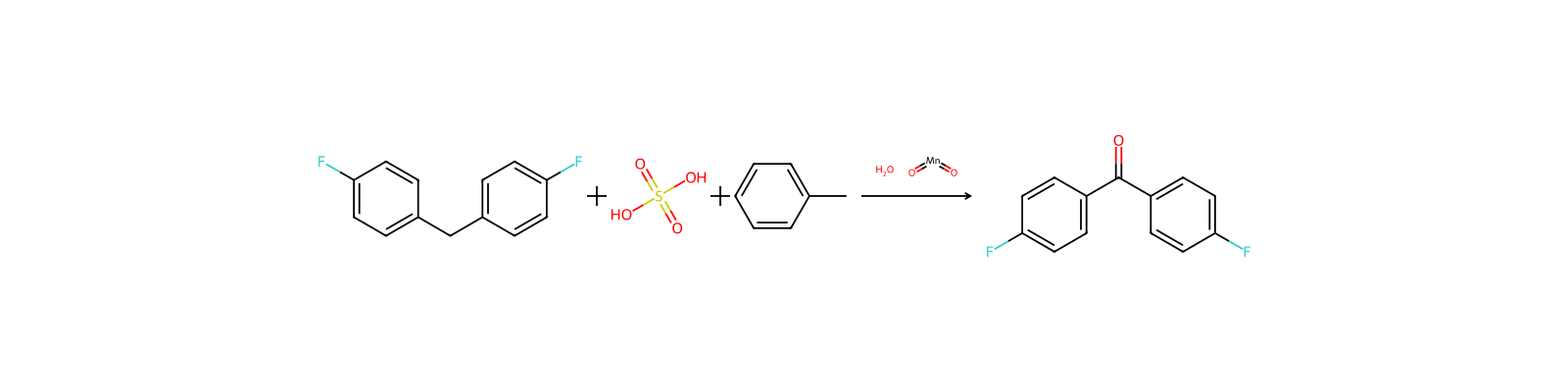
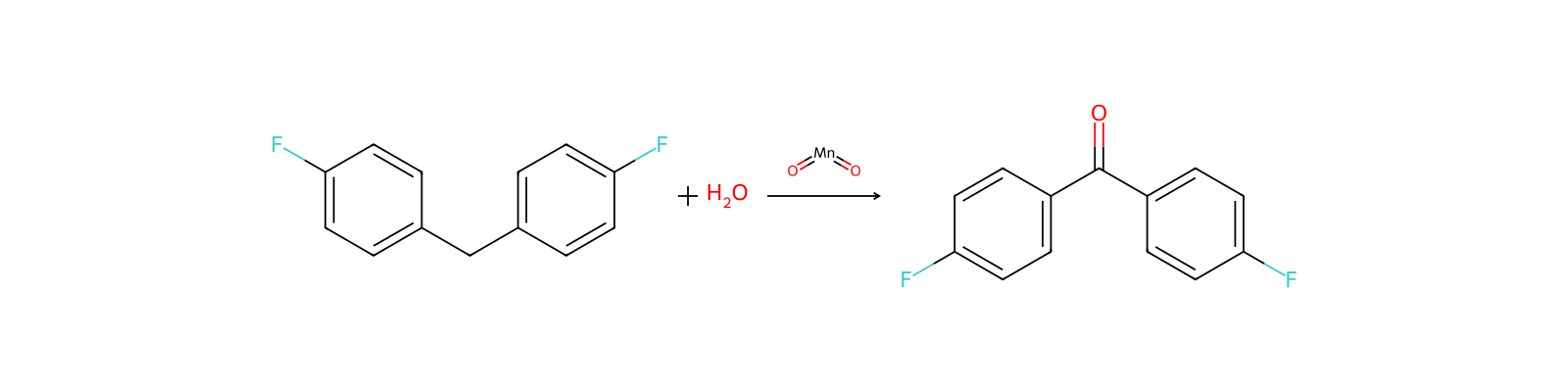
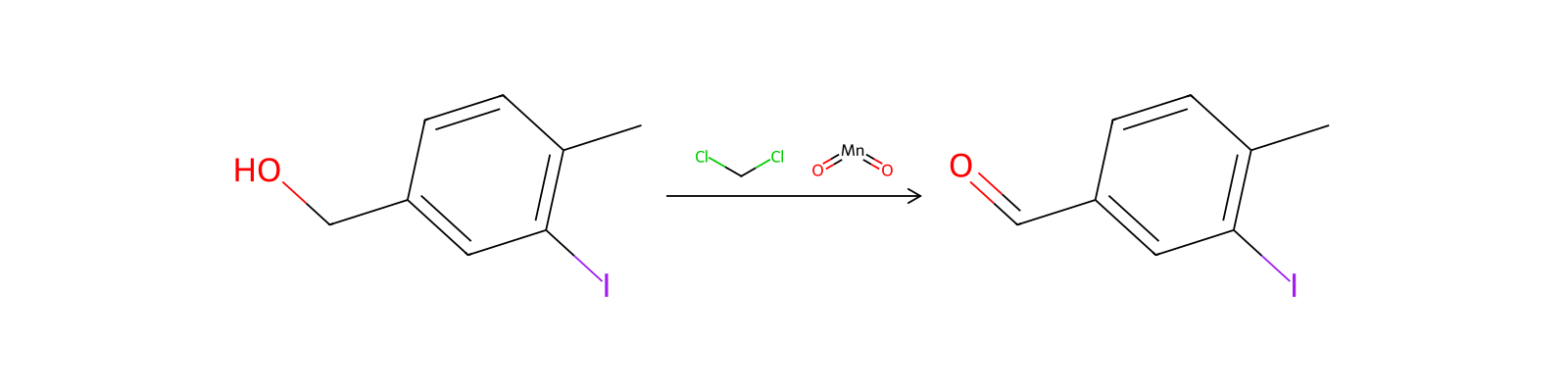
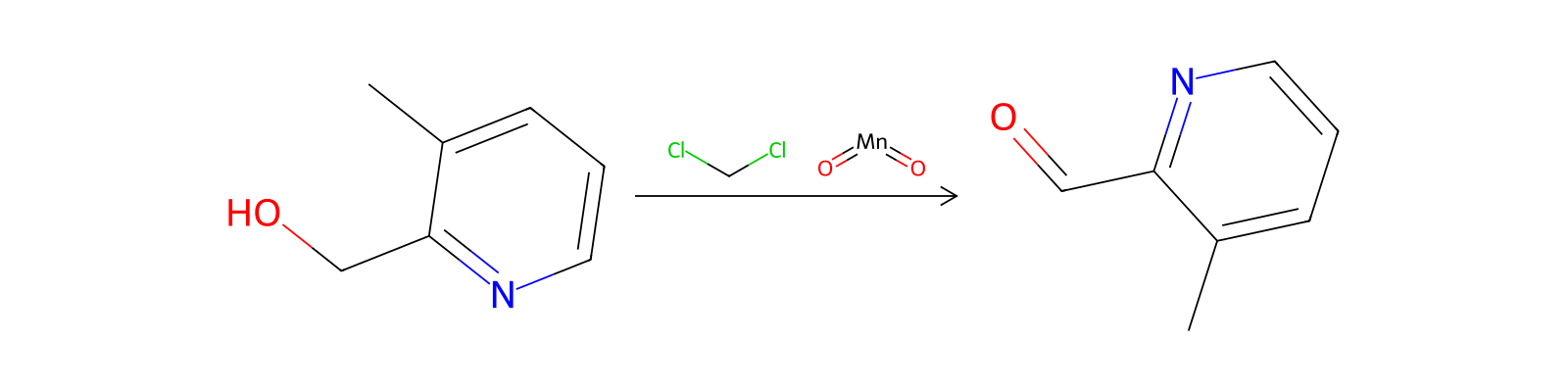
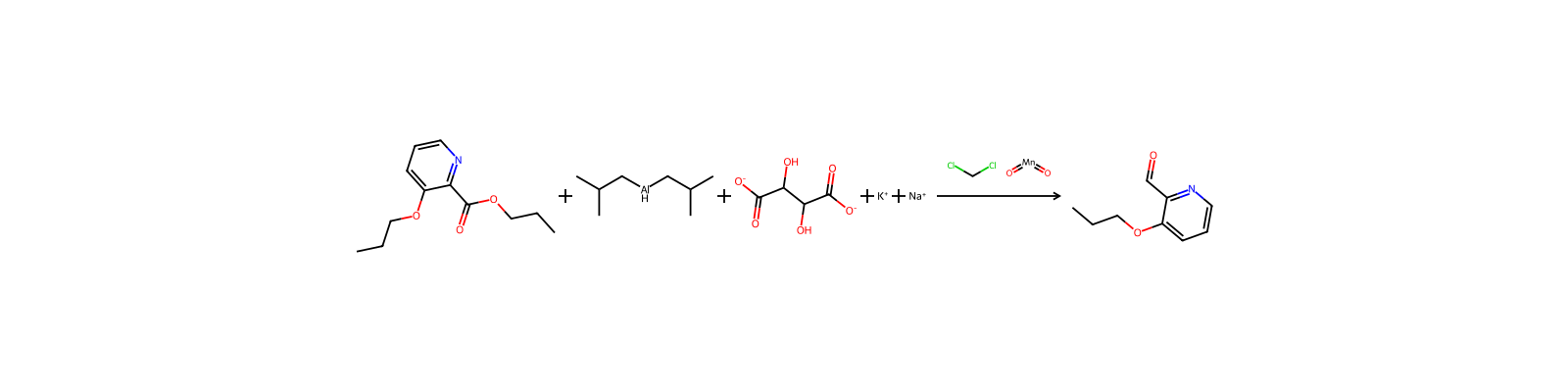
Manganese dioxide is used primarily for dry-cell batteries, but is also used as an oxidant in organic synthesis. (L232)
U.S. Production2023: 100,000,000 - <250,000,000 lb
Consumer UsesPigment
Industry UsesPigment
Household ProductsInformation on 3 consumer products that contain Manganese Dioxide in the following categories is provided:
General Manufacturing Information
Primary Metal Manufacturing
Manganese oxide (MnO2): ACTIVE
応用分野
関連反応
1,880 件


化合物ノート
読み込み中…