Mercuric acetate
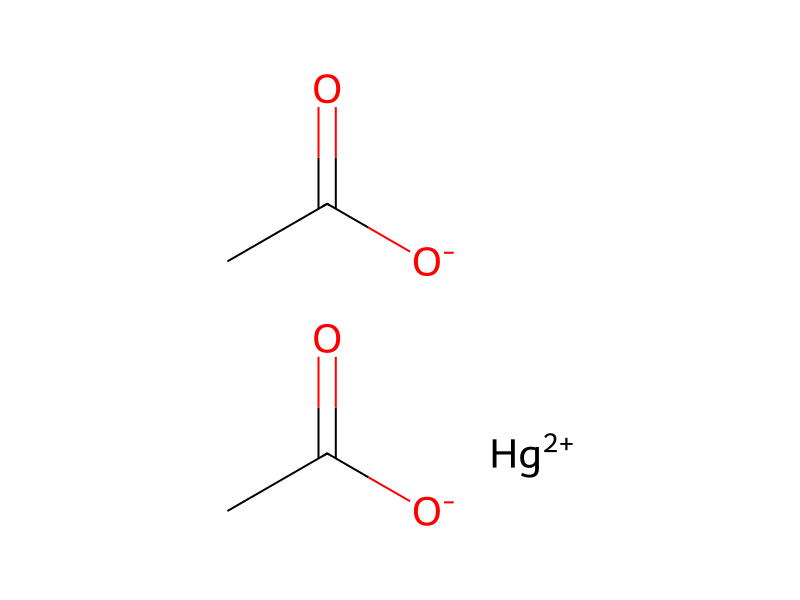
1600-27-7CC(=O)[O-].CC(=O)[O-].[Hg+2]BRMYZIKAHFEUFJ-UHFFFAOYSA-LMercury acetate is a white crystalline solid with an odor of vinegar. Sensitive to light. Density 3.25 g / cm3. Toxic by inhalation (dust, etc.) and by ingestion.
1600-27-7、592-63-2DTXSID4042123Mild vinegar-like odor
Slight acetic odor
3.27 (EPA, 1998) - Denser than water; will sink
3.28
3.28 g/cm³
3.28 @25 °C
White-yellow crystals or powder
Fine white powder or colorless shiny crystal flakes
Solid at 15 °C and 1 atm
Soluble in diethyl ether and ethanol
One g dissolves in 2.5 ml cold, 1 ml boiling water; sol in alcohol.
In water, 2.50X10+5 mg/l @ 10 °C
100 G/100 ML WATER AT 100 °C
Solubility in water, g/100ml at 20 °C: 40 (good)
352 to 356 °F (EPA, 1998)
179 °C (decomposes)
0.17 [mmHg]
Vapor pressure, Pa at 25 °C: 0.24 (calculated)
安全情報は参考情報です。供給元の安全データシート(SDS)、適用法令、専門家による評価に代わるものではありません。
Danger
H300 (100%): Fatal if swallowed [Danger Acute toxicity, oral]
P260, P262, P264, P270, P271, P273, P280, P284, P301+P316, P302+P352, P304+P340, P316, P319, P320, P321, P330, P361+P364, P391, P403+P233, P405, and P501 (click each P-code to see the statement)
Aggregated GHS information provided per 71 reports by companies from 9 notifications to the ECHA C&L Inventory. Each notification may be associated with multiple companies.
Danger
H300: Fatal if swallowed [Danger Acute toxicity, oral]
Chemical: Acetic acid, mercury(2+) salt
Mercury (II) acetate: HSNO Approval: HSR004543 Approved with controls
The New Jersey Worker and Community Right to Know Act requires public and private employers to provide information about hazardous substances at their workplaces. (N.J.S.A. 34:5A-1 et. seq.)
When heated to decomposition, it emits toxic fumes of mercury. Avoid light. (EPA, 1998)
· Non-combustible, substance itself does not burn but may decompose upon heating to produce corrosive and/or toxic fumes.
Not combustible. Gives off irritating or toxic fumes (or gases) in a fire.
It may cause death by hypovolemic shock or kidney failure. Chronic exposure may lead to kidney failure. (EPA, 1998)
· Highly toxic, may be fatal if inhaled, ingested or absorbed through skin.
AN INVESTIGATION WAS MADE OF THE EXTENT OF UPTAKE AND THE RATE OF BINDING OF MERCURY-LABELED PHENYLMERCURIC ACETATE (PMA) AND MERCURIC ACETATE HG(2+) IN RAT KIDNEY AND LIVER, AND THEIR DISTRIBUTION IN SUBCELLULAR FRACTIONS, AFTER INCUBATION IN KREBS-RINGER PHOSPHATE SOLUTIONS CONTAINING 0.0001 M MERCURIALS. RAT KIDNEY SLICES INCORPORATED THE TWO MERCURIALS AT A MUCH SLOWER RATE, WITH PMA ABOUT TWICE AS FAST AS MERCURIC ION. LOW PERCENTAGES OF PMA OR HG(2+) WERE BOUND TO MITOCHONDRIAL AND MICROSOMAL FRACTIONS. BINDINGS INTO THE NUCLEAR FRACTION WERE HIGH AND TENDED TO INCREASE WITH INCUBATION TIME.
MOUSE BRAIN ENZYMES, GLUTAMIC DECARBOXYLASE, DIHYDROXYPHENYLALANINE DECARBOXYLASE, 5-HYDROXYTRYPTOPHAN DECARBOXYLASE, TYROSINE HYDROXYLASE, & CATECHOL-O-METHYLYTRANSFERASE MONOAMINE OXIDASE WERE INHIBITED BY 1X10⁻⁴ MOLAR MERCURIC ACETATE.
This study establishes levels of activity of glucose-6-phosphate dehydrogenase, glycogen phosphorylase, and cytochrome c oxidase in maternal, placental, and fetal tissues at days 9, 12, and 15, in the 16-day gestation period of the hamster, following a single dose of either 8 or 15 mg/kg mercuric acetate on the eighth gestational day. Mercury significantly elevated maternal kidney glucose-6-phosphate dehydrogenase activity and decreased glygogen phosphorylase activity. The increase in kidney glucose-6-phosphate dehydrogenase strongly correlated with observed urine and kidney abnormalities.
Mercury is absorbed mainly via ingestion and inhalation, then distributed throughout the body via the bloodstream, where a portion binds to sulfhydryl groups on haemoglobin. Mercury can undergo oxidation to mercuric mercury, which takes place via the catalase-hydrogen peroxide pathway. The mercury atom is able to diffuse down the cleft in the catalase enzyme to reach the active site where the heme ring is located. Oxidation most likely occurs in all tissue, as the catalase hydrogen peroxide pathway is ubiquitous. Following oxidation, mercury tends to accumulate in the kidneys. Mercury is excreted mainly by exhalation and in the faeces. (A6, L7)
IN BROILERS FED 1-40 PPM & LAYING HENS FED 0.5-2.0 PPM IN DIET, HG2+ WAS CONCN MAINLY IN LIVER & EGG YOLK. BIOLOGICAL T/2 IN BROILERS RANGED FROM 5.2 DAYS IN THIGH MUSCLE TO 9.9 DAYS IN FEATHERS. HG(2+) IN YOLK DECR ALMOST IMMEDIATELY AFTER IT WAS ELIMINATED FROM DIET.
読み込み中…
Mercury acetate is a white crystalline solid with an odor of vinegar. Sensitive to light. Density 3.25 g / cm3. Toxic by inhalation (dust, etc.) and by ingestion.
Water soluble white crystals with vinegar odor; [CAMEO]
WHITE CRYSTALS OR WHITE CRYSTALLINE POWDER.
化学的特性Mercuric acetate, Hg(C2H3O2)2 , is a toxic, light-sensitive white powder, soluble in water,alcohol,and acetic acid. On exposure to heat, mercuric acetate produces toxic fumes of mercury/mercuric oxide. Mercuric acetate is incompatible with chromic acid, chromic anhydride, nitric acid, perchloric acid, permanganates, sodium peroxide, potassium hydroxide, hydrogen peroxides, acid anhydrides, and strong oxidising agents.
D009; A solid waste containing mercury may or may not become characterized as a hazardous waste when subjected to the Toxicity Characteristic Leaching Procedure listed in 40 CFR 261.24, and if so characterized, must be managed as a hazardous waste. /Mercury/
Permissible Exposure Limit: Table Z-2 8-hr Time Weighted Avg: 0.01 mg/cu m. /Organo alkyl mercury/
Permissible Exposure Limit: Table Z-2 Acceptable Ceiling Concentration: 0.04 mg/cu m. /Organo alkyl mercury/
Vacated 1989 OSHA PEL TWA 0.01 mg/cu m; STEL 0.03 mg/cu m, skin designation, is still enforced in some states. /Mercury (organo) alkyl compounds, as Hg/
Avoid breathing dusts, and fumes from burning material. Keep upwind. Avoid bodily contact with the material. Wear boots, protective gloves, and goggles. Do not handle broken packages without protective equipment. Wash away any material which may have contacted the body with copious amounts of water or soap and water. Wear self-contained breathing apparatus when fighting fires involving this material. If contact with the material is anticipated, wear full protective clothing.
In case of fire in the surroundings, use appropriate extinguishing media.
Fresh air, rest. Refer for medical attention.
Remove contaminated clothes. Rinse skin with plenty of water or shower. Refer for medical attention .
First rinse with plenty of water for several minutes (remove contact lenses if easily possible), then refer for medical attention.
Rinse mouth. Give one or two glasses of water to drink. Refer for medical attention .
· CALL 911. Then call emergency response telephone number on shipping paper. If shipping paper not available or no answer, refer to appropriate telephone number listed on the inside back cover.
· Do not touch damaged containers or spilled material unless wearing appropriate protective clothing.
Warning: Effects may be delayed. Caution is advised.
General First Aid:
· Wear positive pressure self-contained breathing apparatus (SCBA).
0.02 [mg/m3], as Hg, inhalable fraction[German Research Foundation (DFG)]
If material involved in fire: Extinguish fire using agent suitable for type of surrounding fire. (Material itself does not burn or burns with difficulty.) Use water in flooding quantities as fog. Use "alcohol" foam, dry chemical, or carbon dioxide.
KEEP WELL CLOSED AND PROTECTED FROM LIGHT
Store at ambient temperature
SRP: At the time of review, criteria for land treatment or burial (sanitary landfill) disposal practices are subject to significant revision. Prior to implementing land disposal of waste residue (including waste sludge), consult with environmental regulatory agencies for guidance on acceptable disposal practices.
Consult an expert! Personal protection: chemical protection suit. Do NOT let this chemical enter the environment. Sweep spilled substance into covered containers. Carefully collect remainder. Then store and dispose of according to local regulations.
If material not involved in fire: Keep material out of water sources and sewers.
Personnel protection: Avoid breathing dusts, and fumes from burning material. Keep upwind. Avoid bodily contact with the material. ... Wash away any material which may have contacted the body with copious amounts of water or soap and water. ... If contact with the material anticipated, wear appropriate chemical protective clothing.
EMBRYONIC EFFECTS OF COMBINATIONS OF MERCURIC ACETATE (2 OR 4 MG/KG) & CADMIUM SULFATE (2 MG/KG) ADMIN TO PREGNANT HAMSTERS ON 8TH DAY OF GESTATION WERE MUCH MORE SEVERE THAN THOSE OF MERCURIC ACETATE COMBINATIONS WITH ZINC SULFATE (2 MG/KG). THE PROTECTIVE VALUE OF ZINC SULFATE AGAINST THE EMBRYOPATHIC EFFECTS OF MERCURIC ACETATE WAS ALSO DETECTED BY THE MANNER OF ADMIN OF THE 2 METALS. THE MERCURIC ACETATE/ZINC SULFATE CONBINATIONS PRODUCED ONLY A FEW MALFORMATIONS.
(14)C-LABELED N-ETHYLMALEIMIDE INCUBATED WITH RABBIT OR HUMAN SERUM CAN COMPETE WITH ORGANOMERCURIALS SUCH AS MERCURIC ACETATE FOR TRANSPORT BY SERUM PROTEINS.
ADDN OF 1000 OR 2000 PPM MERCURIC ACETATE TO DIET OF RATS FOR 15 DAYS STIMULATED THE IN VITRO OXIDATIVE CLEAVAGE OF ETHYL P-NITROPHENYL BENZENETHIOPHOSPHATE (EPN) & THE O-DEMETHYLATION OF P-NITROANISOLE BY LIVER MICROSOMES.
SUBCUTANEOUS INJECTION OF 193 UMOL/KG OF (+)-PENICILLAMINE TWICE A DAY ON 6TH & 7TH DAYS AFTER INTRAMUSCULAR ADMIN OF 100 UG MERCURIC ACETATE INCR THE URINARY EXCRETION OF MERCURY IN RATS MORE THAN AN EQUIMOLAR DOSE OF N-ACETYL-(+)-PENICILLAMINE BUT LESS THAN THAT OF 48.3 UMOL/KG OF 2,3-DIMERCAPTOPROPANOL. ALL THIOL COMPLEXING AGENTS TESTED DECR KIDNEY CONTENT OF MERCURY & INCR LIVER & BLOOD CONCN.
The protective activity of spironolactone (CAS 52-01-7) against mercuric acetate intoxication and the action of a spironolactone-mercuric acetate complex were studied on female Sprague-Dawley rats. Spironolactone was given 30 min after the toxic agent. It was found that spironolactone reversed the toxic effects of mercury, the mercury-spironolactone complex was much less toxic than mercuric acetate and its toxicity disappeared with the administration of spironolactone. A molecular mechanism for the protective action of spironolactone against mercury intoxication is proposed. The presence of both the steroidal skeleton and the thioacetyl group in the same molecule is necessary for the protection against mercury intoxication.
Mercury mainly affects the nervous system. Exposure to high levels of metallic, inorganic, or organic mercury can permanently damage the brain, kidneys, and developing fetus. Effects on brain functioning may result in irritability, shyness, tremors, changes in vision or hearing, and memory problems. Acrodynia, a type of mercury poisoning in children, is characterized by pain and pink discoloration of the hands and feet. Mercury poisoning can also cause Hunter-Russell syndrome and Minamata disease. (L7)
INSECTICIDAL ACTION OF MERCURIC ACETATE APPLIED TO SOIL IS DUE TO METALLIC MERCURY IN THE GASEOUS STATE. FACTORS AFFECTING THE REDUCTION OF MERCURY SALTS TO METALLIC MERCURY ARE SOIL ORGANIC MATTER, MOISTURE, SOIL PH, & TEMPERATURE.
METHYLMERCURY WAS FORMED AT VARIOUS INTERVALS, WHEN SOLN OF 1 NMOL OF MERCURIC ACETATE IN 100 ML WATER WAS IRRADIATE WITH BLACKLIGHT HAVING A SPECTRAL DISTRIBUTION SIMILAR TO SUNLIGHT.
The substance can be absorbed into the body by inhalation of its aerosol, through the skin and by ingestion.
Oral (L7) ; inhalation (L7); dermal (L7)"
High-affinity binding of the divalent mercuric ion to thiol or sulfhydryl groups of proteins is believed to be the major mechanism for the activity of mercury. Through alterations in intracellular thiol status, mercury can promote oxidative stress, lipid peroxidation, mitochondrial dysfunction, and changes in heme metabolism. Mercury is known to bind to microsomal and mitochondrial enzymes, resulting in cell injury and death. For example, mercury is known to inhibit aquaporins, halting water flow across the cell membrane. It also inhibits the protein LCK, which causes decreased T-cell signalling and immune system depression. Mercury is also believed to inhibit neuronal excitability by acting on the postsynaptic neuronal membrane. It also affects the nervous system by inhibiting protein kinase C and alkaline phosphatase, which impairs brain microvascular formation and function, as well as alters the blood-brain barrier. Mercury also produces an autoimmune response, likely by modification of major histocompatibility complex (MHC) class II molecules, self peptides, T-cell receptors, or cell-surface adhesion molecules. (L7, A8, A25, A26)
Sore throat. Cough.
MAY BE ABSORBED! Redness.
Redness.
Metallic taste. Burning sensation. Abdominal pain. Vomiting. Diarrhoea.
Common symptoms include peripheral neuropathy (presenting as paresthesia or itching, burning or pain), skin discoloration (pink cheeks, fingertips and toes), edema (swelling), and desquamation (dead skin peels off in layers). (A5)
Organic mercury exposure is best monitored by the measurement of total mercury (or the specific derivative) in whole blood. It has been recommended that the blood mercury level not be allowed to exceed 0.10 mg/l in workers exposed to organomercury compounds. /Organomercury compounds/
D009; A solid waste containing mercury may or may not become characterized as a hazardous waste when subjected to the Toxicity Characteristic Leaching Procedure listed in 40 CFR 261.24, and if so characterized, must be managed as a hazardous waste. /Mercury/
Listed as a hazardous air pollutant (HAP) generally known or suspected to cause serious health problems. The Clean Air Act, as amended in 1990, directs EPA to set standards requiring major sources to sharply reduce routine emissions of toxic pollutants. EPA is required to establish and phase in specific performance based standards for all air emission sources that emit one or more of the listed pollutants. Mercuric acetate is included on this list.
Releases of CERCLA hazardous substances are subject to the release reporting requirement of CERCLA section 103, codified at 40 CFR part 302, in addition to the requirements of 40 CFR part 355. Mercuric acetate is an extremely hazardous substance (EHS) subject to reporting requirements when stored in amounts in excess of its threshold planning quantity (TPQ) of 500/10,000 lbs.
KINETICS OF MERCURY-BINDING PROFILES OF SOL PROTEINS FROM KIDNEYS OF RATS RECEIVING ORAL DOSES OF MERCURY ACETATE SHOWED THAT A VERY LARGE PORTION OF MERCURY WAS BOUND TO A SOL PROTEIN OF 11000 MOL WT. ONE SLOW RATE OF REMOVAL WAS OBSERVED; THE T/2 BEING 33-74 DAYS.
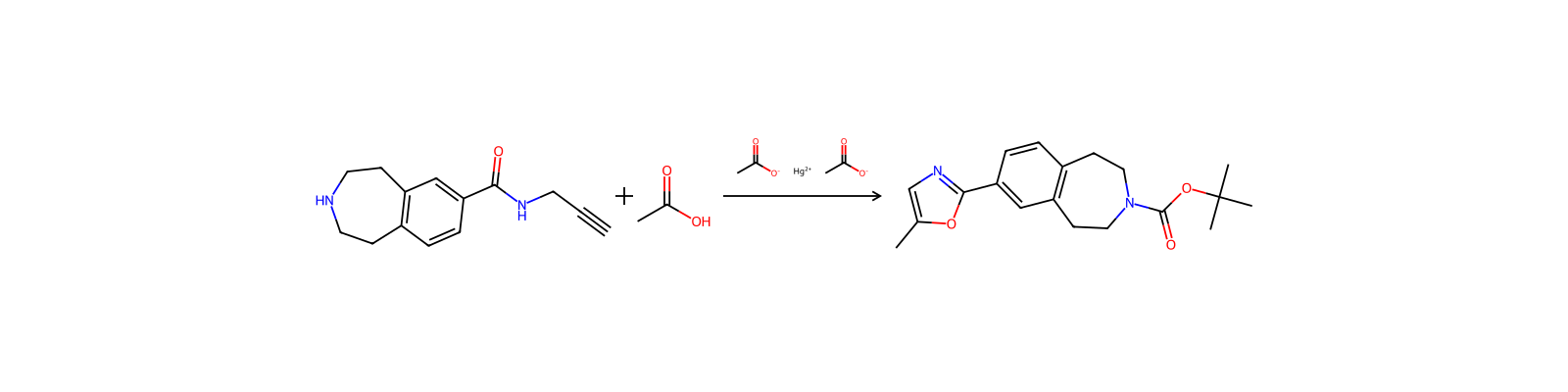
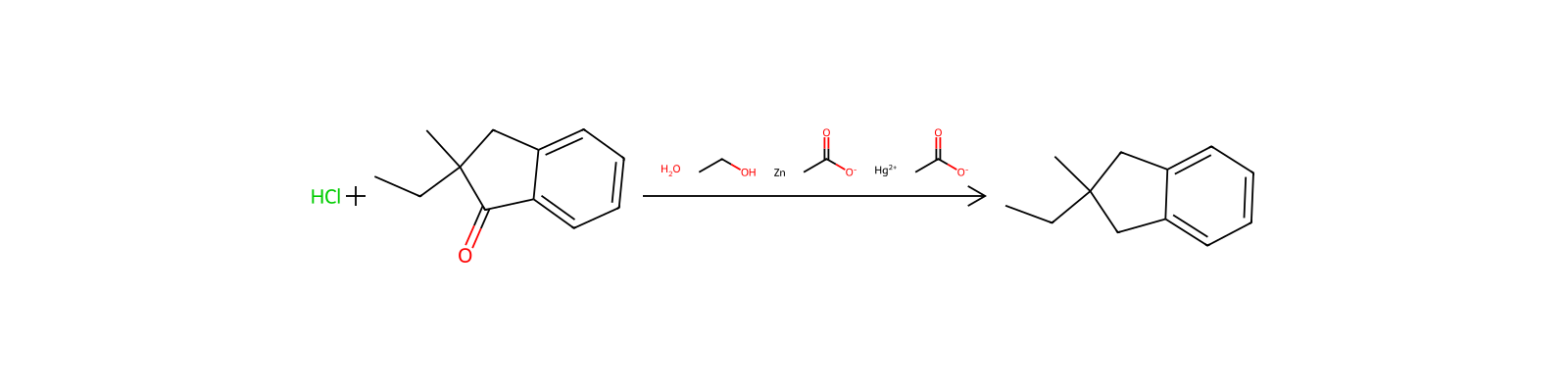
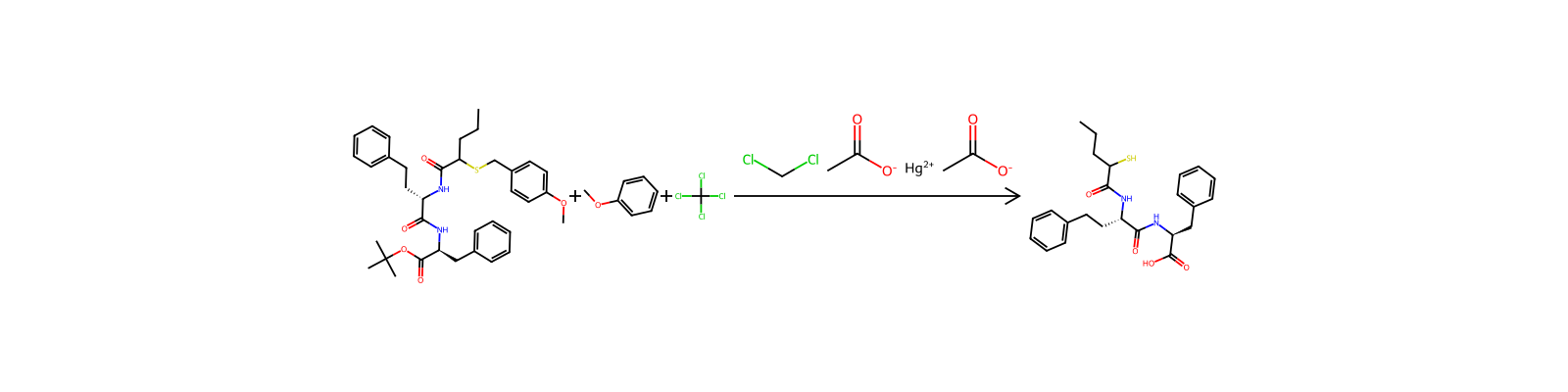
Used as a chemical intermediate and catalyst in the production of organic mercury compounds and a chemical reagent; [HSDB]
Not registered for pesticide use in the United States; [HSDB]
For Mercuric Acetate (USEPA/OPP PC Code: 052104) there are 0 labels match. /SRP: Not registered for current use in the U.S./
CHEM INTERMED FOR PHENYLMERCURIC ACETATE, A MILDEWCIDE
For the absorption of ethylene
Catalyst in organic synthesis, pharmaceuticals.
(1978) PROBABLY GREATER THAN 2.27X10+6 G
(1981) PROBABLY GREATER THAN 2.27X10+6 G
Oxidation of mercury metal using peracetic acid dissolved in acetic acid. ... A preferred procedure is the addition of approximately half to two-thirds of the required total of peracetic acid solution to a dispersion of mercury metal in acetic acid to obtain mercurous salt, followed by addition of the remainder of the peracetic acid to form mercuric salt.
Prepd from HgO and acetic acid: Wagenknecht, Juza in Handbook of Preparative Inorganic Chemistry, Vol 2, G. Brauer, Ed (Academic Press, New York, 2nd ed., 1965) pp. 1120-2-1121.
用途塩基のハロゲン化水素塩の定量(非水滴定)。
用途ファインセラミックスの製造原科。
説明Mercury (II) acetate is the chemical compound with the formula Hg(O2CCH3)2. Commonly abbreviated Hg (OAc)2, this compound is employed as a reagent to generate organomercury compounds from unsaturated organic precursors.
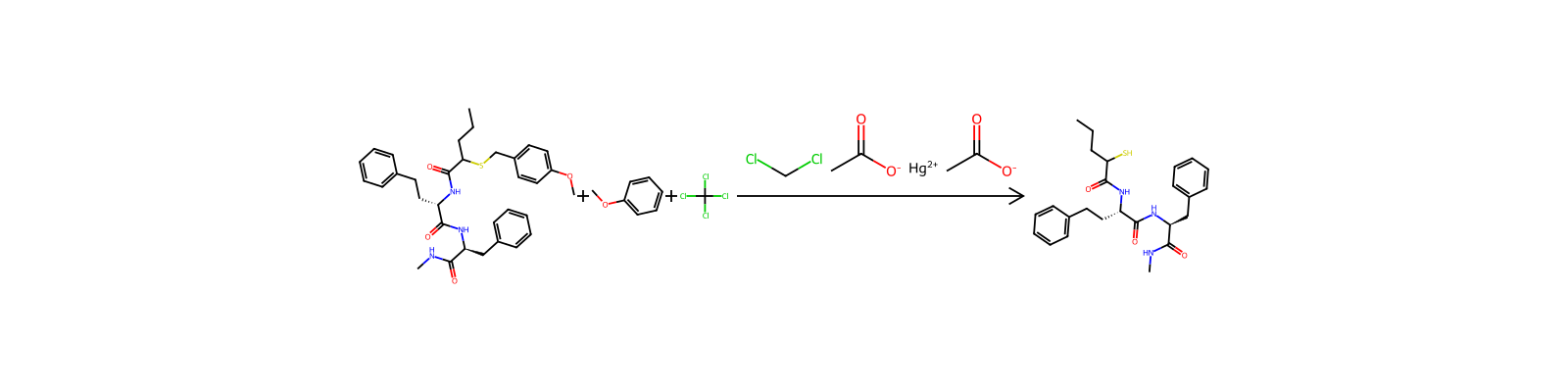
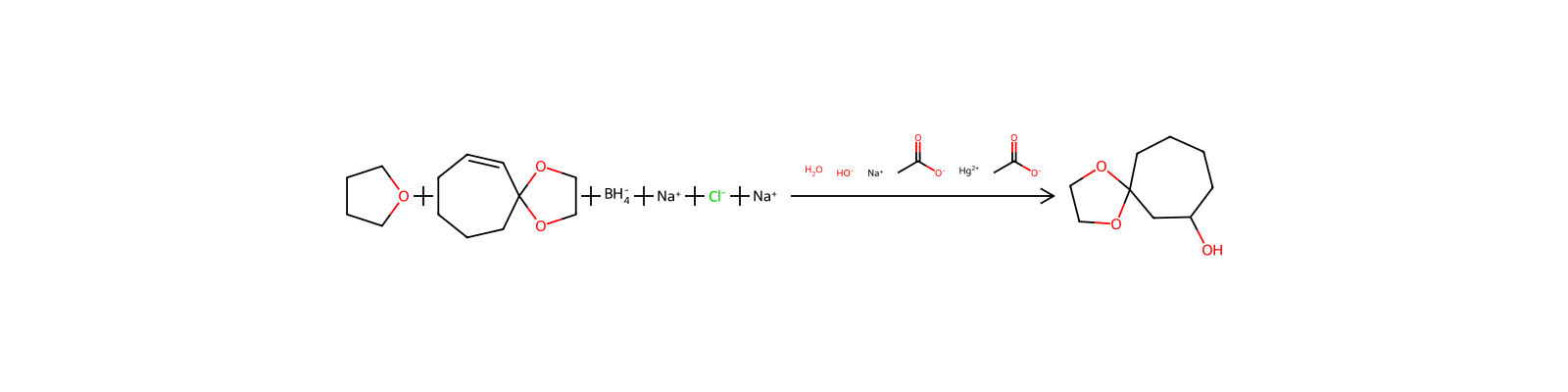
使用Mercuric acetate is used as an oxidizing agent in organic synthesis. It is used in oxymercuration of double bonds. Mercuric acetate is used in non-aqueous titration. It is employed in the manufacture of phenyl mercury compounds which have pharmaceutical applications. It removes the acetamidomethyl protecting group from protected thiol, and converts thiocarbonate esters into dithiocarbonates. It promotes the addition of hydroxide and alkoxide across carbon-carbon double bonds.
一般的な説明White crystalline solid with an odor of vinegar. Sensitive to light. Density 3.25 g / cm3. Toxic by inhalation (dust, etc.) and by ingestion.
純化方法Recrystallise it from glacial acetic acid. POISONOUS. [Beilstein 2 IV 114.]