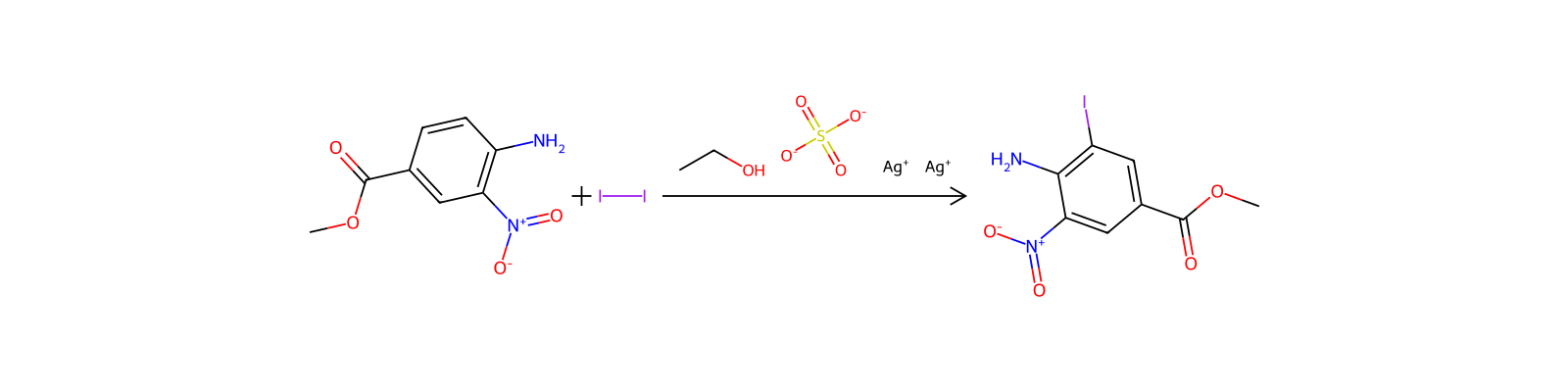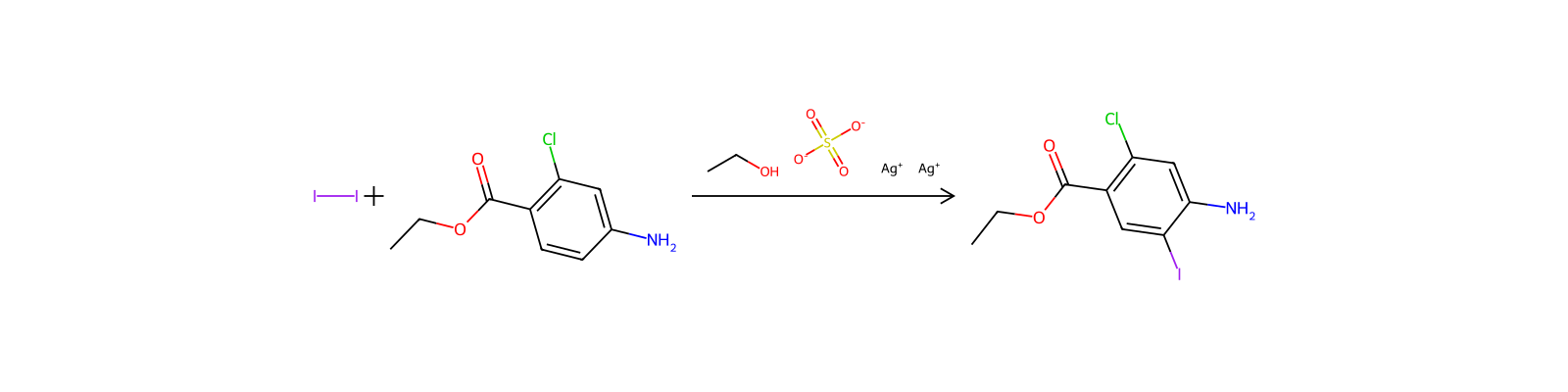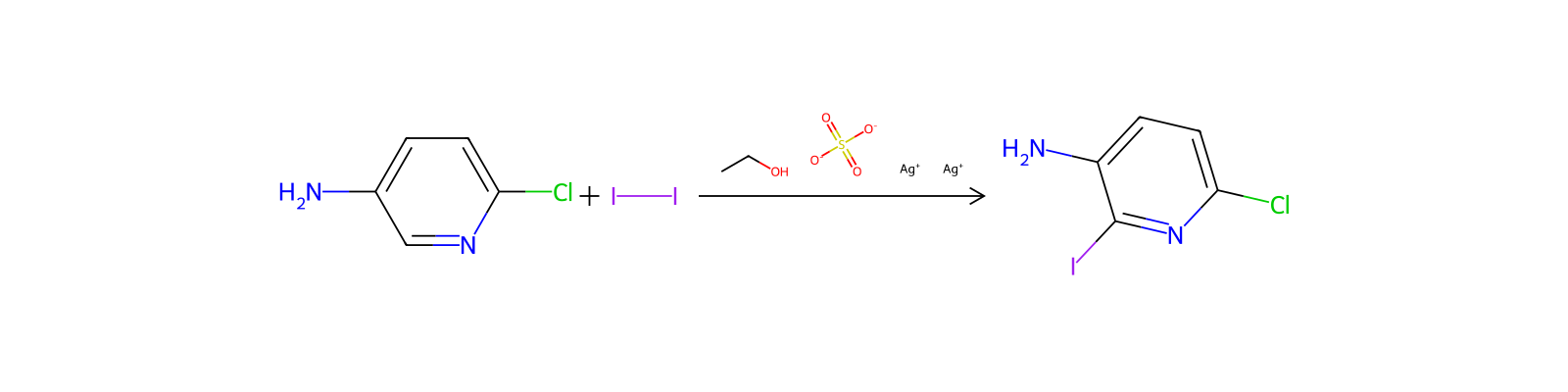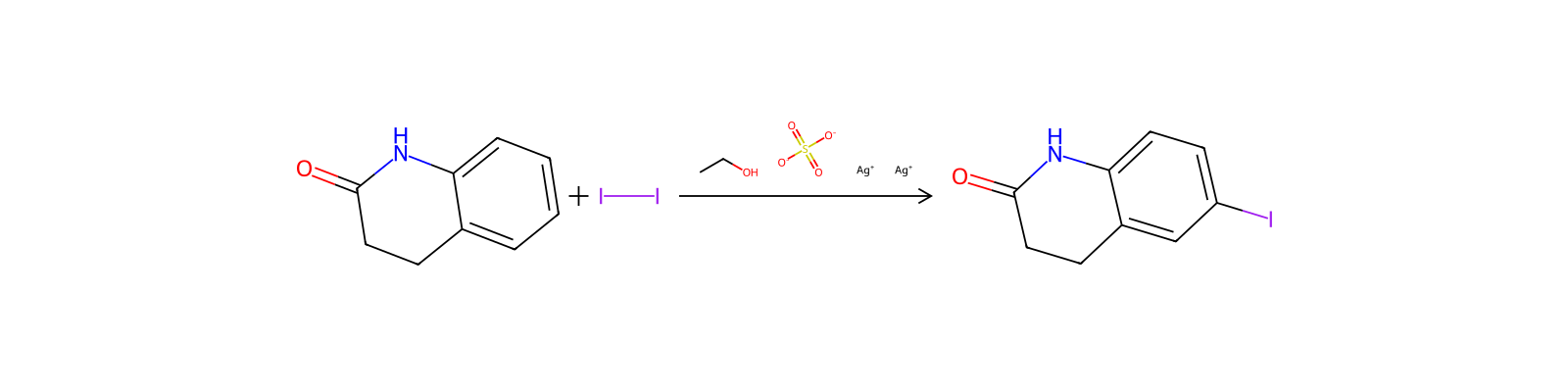
HRID 6812触媒として
Silver sulfate
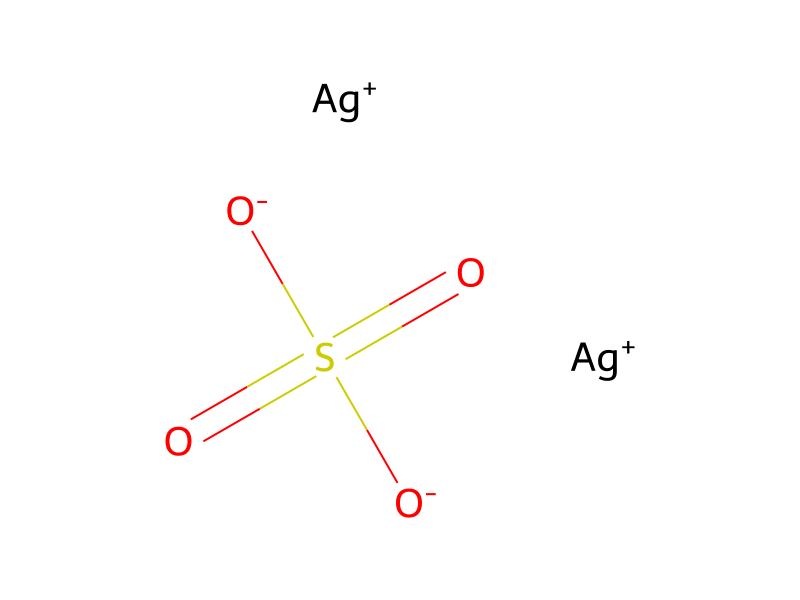
10294-26-5O=S(=O)([O-])[O-].[Ag+].[Ag+]YPNVIBVEFVRZPJ-UHFFFAOYSA-LSilver sulfate is an odorless white to gray solid. Sinks and mixes with water. (USCG, 1999)
10294-26-5、19287-89-9DTXSID70172884Silver sulfate is an odorless white to gray solid. Sinks and mixes with water. (USCG, 1999)
Colorless lustrous solid; Turns gray on light exposure; [Hawley] White to gray odorless solid; [CAMEO] Fine white crystals; [MSDSonline] Fairly soluble in water; [Ullmann]
化学的特性銀硫酸は化学式がAg2SO4で表される無機化合物ですこの白色または無色の固体は多くの化学反応において重要な役割を果たします水にはやや溶けにくい性質を持ちその溶解度は温度によって異なりますが硝酸やアンモニア水とはより容易に溶解します
化学的特性Small crystals or powder, colorless and shiny. Contains approximately 69% silver and turns gray when exposed to light. Melts at 652°C and decomposes at 1,085°C. Partially dissolves in water and completely dissolves in solutions containing ammonium hydroxide, nitric acid, sulfuric acid, and hot water. Does not dissolve in alcohol. Its solubility in pure water is low, but it increases when the pH of the solution decreases. When the concentration of H+ ions is high enough, it can dissolve significantly.
化学性质銀硫酸は通常硫酸と銀を反応させることによって製造されますこの過程では硫酸が銀の表面と反応し銀硫酸が生成されるとともに水素ガスが副産物として放出されますまたこの化合物は強い酸化剤としても機能し有機物や他の還元剤と激しく反応する可能性があります
安全情報は参考情報です。供給元の安全データシート(SDS)、適用法令、専門家による評価に代わるものではありません。
This chemical does not meet GHS hazard criteria for 1.3% (3 of 231) of reports.
Danger
H318 (98.3%): Causes serious eye damage [Danger Serious eye damage/eye irritation]
P264+P265, P273, P280, P305+P354+P338, P317, P391, and P501 (click each P-code to see the statement)
Aggregated GHS information provided per 231 reports by companies from 15 notifications to the ECHA C&L Inventory. Each notification may be associated with multiple companies.
Not Classified
Chemical: Sulfuric acid, disilver(1+) salt
REACH registered substance: Disilver(1+) sulphate (EC: 233-653-7)
Silver sulphate: Does not have an individual approval but may be used under an appropriate group standard
SILVER SULFATE has weak oxidizing or reducing powers. Redox reactions can however still occur. The majority of compounds in this class are slightly soluble or insoluble in water. If soluble in water, then the solutions are usually neither strongly acidic nor strongly basic. These compounds are not water-reactive.
Eye Dam. 1 (98.3%)
Hazardous to the aquatic environment (Acute) - Category 1
10 mg Ag/m3 (NIOSH, 2024)
10.0 [mg/m3], as Ag
EYES: irrigate opened eyes for several minutes under running water. INGESTION: do not induce vomiting. Rinse mouth with water (never give anything by mouth to an unconscious person). Seek immediate medical advice. SKIN: should be treated immediately by rinsing the affected parts in cold running water for at least 15 minutes, followed by thorough washing with soap and water. If necessary, the person should shower and change contaminated clothing and shoes, and then must seek medical attention. INHALATION: supply fresh air. If required provide artificial respiration.
Silver itself is not toxic to humans, but most silver salts are. In large doses, silver and compounds containing it can be absorbed into the circulatory system and become deposited in various body tissues, leading to argyria, which results in a blue-grayish pigmentation of the skin, eyes, and mucous membranes. Argyria is rare, and although, so far as known, this condition does not otherwise harm a person's health, it is disfiguring and usually permanent. Mild forms of argyria are sometimes mistaken for cyanosis. (L809)
Metallic silver is oxidized and may deposit in the tissues, causing arygria. The silver ion is known to inhibit glutathione peroxidase and NA+,K+-ATPase activity, disrupting selenium-catalyzed sulfhydryl oxidation-reduction reactions and intracellular ion concentrations, respectively. Silver nanoparticles are believed to disrupt the mitochondrial respiratory chain, causing oxidative stress, reduced ATP synthesis, and DNA damage. (L808, A243, A244, A245, A246)
Exposure to high levels of silver for a long period of time may result in a condition called arygria, a blue-gray discoloration of the skin and other body tissues. Argyria is a permanent effect but does not appear to be harmful to health. Exposure to high levels of silver in the air has resulted in breathing problems, lung and throat irritation, and stomach pains. Skin contact with silver can cause mild allergic reactions such as rash, swelling, and inflammation in some people. (L808)
Silver and its compounds can be absorbed via inhalation, while silver compounds can also be absorbed orally and dermally. It distributes throughout the body in the blood, particularily to the liver. Insoluble silver salts are transformed into soluble silver sulfide albuminates, bind to amino or carboxyl groups in RNA, DNA, and proteins, or are reduced to metallic silver by ascorbic acid or catecholamines. Metallic silver is oxidized and may deposit in the tissues, causing arygria. Silver is eliminated primarily in the faeces. (L808)
Used as lab reagent; [Hawley]
Silver sulfate is used in silver plating. (L828)
解説りゅうさんぎん,硫酸銀,銀の粉末を濃硫酸に溶かす,酸化銀または炭酸銀に希硫酸を加える,硝酸銀溶液に硫酸を加えるなどの方法で得られる。無色の光沢ある結晶だが光に当たると徐々に黒変する。比重5.45。融点652℃。1085℃で分解し,銀と二酸化硫黄を生ずる。立方晶系で体心構造をもつが,格子欠陥を有し,そのため水溶液と同程度の異常に高いイオン伝導性をもつ。水100gに対する溶解度0.57g(25℃)。濃硫酸溶液を蒸発すると,酸性塩AgHSO4およびAgH3(SO4)2が得られる。
用途銀硫酸はその特有の化学的性質からさまざまな用途で利用されています例えば銀めっきや電池の製造写真の現像さらには医療分野における抗菌剤としての用途などがありますまた分析化学では塩化物イオンの定量分析に用いられることもあります
使用Silver sulfate is used as a catalyst to oxidize long chain aliphatic hydrocarbons in the determination of chemical oxygen demand (COD). It serves as a catalyst in wastewater treatment and aids in the production of nanostructured metallic layers beneath Langmuir monolayers.
一般的な説明Silver sulfate is an odorless white to gray solid. Sinks and mixes with water. (USCG, 1999)
使用用途硫酸銀の主な使用用途は、銀メッキ材料、合成試薬 (銀の供給源) や触媒、写真、抗菌材料、染毛剤、着色剤などです。銀メッキは通常シアン化銀を用いて行われますが、毒性の強いシアン化物を使わない銀メッキ法として、硫酸銀が注目されています。また、金属の中で最もアレルギーを起こしにくい物質とされていることもあり、生活用品や医療用品などにも用いられています。
製造方法Silver sulfate is precipitated by adding sulfuric acid to a solution of silvernitrate:2Ag+(aq) + SO42- (aq) → Ag2SO4 (s) The precipitate is washed with hot water and preparation is under ruby red illumination.
純化方法Crystallise the sulfate form hot conc H2SO4 containing a trace of HNO3, and dilute with H2O while being strongly cooled. The precipitate is filtered off, washed with H2O and dried at 120o. Its solubility in H2O is 0.8% at 17o, and 1.46% at 100o. Store it in the dark. [Glemser & Sauer in Handbook of Preparative Inorganic Chemistry (Ed. Brauer) Academic Press Vol II p 1042 1965.]
定義本品は、次の化学式で表される無機塩である。