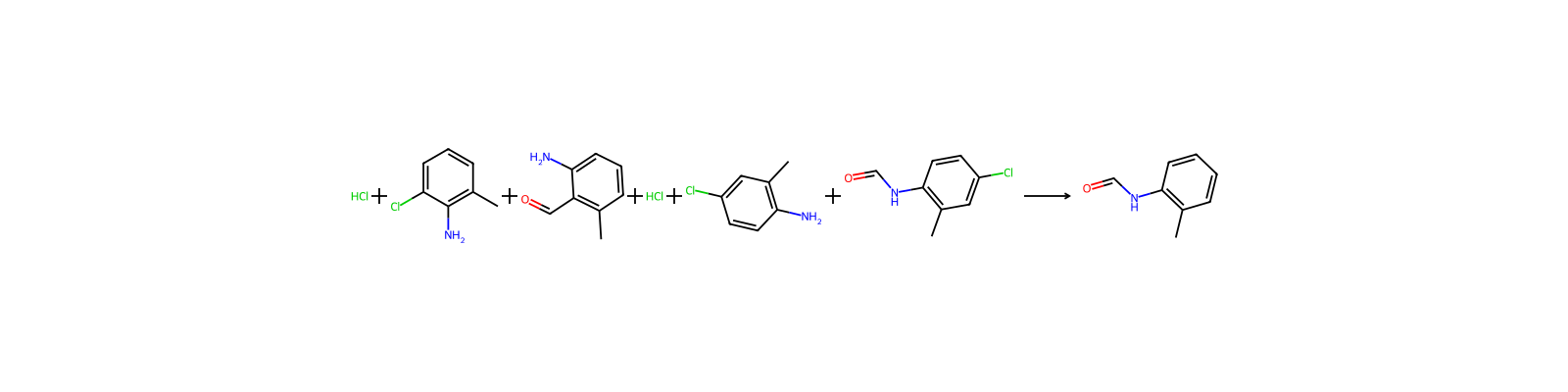
HRID 258632反応物として
p-Chloro-o-toluidine hydrochloride

3165-93-3Cc1cc(Cl)ccc1N.ClVKYZDCTWJGBFDW-UHFFFAOYSA-N4-chloro-o-toluidine hydrochloride appears as a white crystalline solid. Toxic by skin absorption and inhalation (dust).
3165-93-3DTXSID0020288CHEMBL3182298Nitrogen Compounds -> Amines, Aromatic
Carcinogens
4-chloro-o-toluidine hydrochloride appears as a white crystalline solid. Toxic by skin absorption and inhalation (dust).
White solid; [CAMEO] Orange to red solid; [MSDSonline]
化学的特性The chloromethylanilines are colorless or white crystalline solids or liquids, some have a mild fishy odor.
安全情報は参考情報です。供給元の安全データシート(SDS)、適用法令、専門家による評価に代わるものではありません。
Danger
H301: Toxic if swallowed [Danger Acute toxicity, oral]
P203, P261, P262, P264, P270, P271, P273, P280, P301+P316, P302+P352, P304+P340, P316, P318, P321, P330, P361+P364, P391, P403+P233, P405, and P501 (click each P-code to see the statement)
This chemical does not meet GHS hazard criteria for 96.6% (28 of 29) of all reports.
Not Classified
Aggregated GHS information provided per 29 reports by companies from 2 notifications to the ECHA C&L Inventory.
Chemical: Benzenamine, 4-chloro-2-methyl-, hydrochloride
Hazard Traits - Carcinogenicity
S - indicates a substance that is identified in a final Significant New Use Rule.
The New Jersey Worker and Community Right to Know Act requires public and private employers to provide information about hazardous substances at their workplaces. (N.J.S.A. 34:5A-1 et. seq.)
Excerpt from ERG Guide 153 [Substances - Toxic and/or Corrosive (Combustible)]:
· Combustible material: may burn but does not ignite readily.
· Combustible material: may burn but does not ignite readily.
Excerpt from ERG Guide 153 [Substances - Toxic and/or Corrosive (Combustible)]:
· TOXIC and/or CORROSIVE; inhalation, ingestion or skin contact with material may cause severe injury or death.
· TOXIC and/or CORROSIVE; inhalation, ingestion or skin contact with material may cause severe injury or death.
3410 153
1579 153
IARC; p-Chloro-o-toluidine and its Strong Acid Salts; IARC Monogr Eval Carcinog Risks Hum 48: 123-27 (1990). A review with 56 references.
DHEW/NCI; Bioassay of 4-Chloro-o-toluidine hydrochloride for Possible Carcinogenicity (1979) Technical Rpt Series No. 165 DHEW Pub No. (NIH) 79-1721
National Toxicology Program. Eleventh Report on Carcinogens (2005). The Report on Carcinogens is an informational scientific and public health document that identifies and discusses substances (including agents, mixtures, or exposure circumstances) that may pose a carcinogenic hazard to human health. p-Chloro-o-toluidine and p-Chloro-o-toluidine Hydrochloride (3165-93-3) is listed as reasonably anticipated to be a human carcinogen.[Available from, as of July 31, 2009: http://ntp.niehs.nih.gov/ntp/roc/eleventh/profiles/s043pcot.pdf]
U049; As stipulated in 40 CFR 261.33, when benzenamine, 4-chloro-2-methyl-, hydrochloride as a commercial chemical product or manufacturing chemical intermediate or an off-specification commercial chemical product or a manufacturing chemical intermediate, becomes a waste, it must be managed according to Federal and/or State hazardous waste regulations. Also defined as a hazardous waste is any residue, contaminated soil, water, or other debris resulting from the cleanup of a spill, into water or on dry land, of this waste. Generators of small quantities of this waste may qualify for partial exclusion from hazardous waste regulations (40 CFR 261.5).
/GUIDE 153: SUBSTANCES - TOXIC AND/OR CORROSIVE (COMBUSTIBLE)/ Health: TOXIC; inhalation, ingestion, or skin contact with material may cause severe injury or death. Contact with molten substance may cause severe burns to skin and eyes. Avoid any skin contact. Effects of contact or inhalation may be delayed. Fire may produce irritating, corrosive and/or toxic gases. Runoff from fire control or dilution water may be corrosive and/or toxic and cause pollution. /4-Chloro-o-toluidine hydrochloride; 4-Chloro-o-toluidine hydrochloride, solid; 4-Chloro-o-toluidine hydrochloride, solution/
/GUIDE 153: SUBSTANCES - TOXIC AND/OR CORROSIVE (COMBUSTIBLE)/ Fire or Explosion: Combustible material: may burn but does not ignite readily. When heated, vapors may form explosive mixtures with air: indoors, outdoors, and sewers explosion hazards. Those substances designated with a "P" may polymerize explosively when heated or involved in a fire. Contact with metals may evolve flammable hydrogen gas. Containers may explode when heated. Runoff may pollute waterways. Substance may be transported in a molten form. /4-Chloro-o-toluidine hydrochloride; 4-Chloro-o-toluidine hydrochloride, solid; 4-Chloro-o-toluidine hydrochloride, solution/
/GUIDE 153: SUBSTANCES - TOXIC AND/OR CORROSIVE (COMBUSTIBLE)/ Public Safety: CALL Emergency Response Telephone Number ... . As an immediate precautionary measure, isolate spill or leak area in all directions for at least 50 meters (150 feet) for liquids and at least 25 meters (75 feet) for solids. Keep unauthorized personnel away. Stay upwind. Keep out of low areas. Ventilate enclosed areas. /4-Chloro-o-toluidine hydrochloride; 4-Chloro-o-toluidine hydrochloride, solid; 4-Chloro-o-toluidine hydrochloride, solution/
/GUIDE 153: SUBSTANCES - TOXIC AND/OR CORROSIVE (COMBUSTIBLE)/ Protective Clothing: Wear positive pressure self-contained breathing apparatus (SCBA). Wear chemical protective clothing that is specifically recommended by the manufacturer. It may provide little or no thermal protection. Structural firefighters' protective clothing provides limited protection in fire situations ONLY; it is not effective in spill situations where direct contact with the substance is possible. /4-Chloro-o-toluidine hydrochloride; 4-Chloro-o-toluidine hydrochloride, solid; 4-Chloro-o-toluidine hydrochloride, solution/
For more DOT Emergency Guidelines (Complete) data for 4-CHLORO-O-TOLUIDINE HYDROCHLORIDE (8 total), please visit the HSDB record page.
· CALL 911. Then call emergency response telephone number on shipping paper. If shipping paper not available or no answer, refer to appropriate telephone number listed on the inside back cover.
· ELIMINATE all ignition sources (no smoking, flares, sparks or flames) from immediate area.
· CALL 911. Then call emergency response telephone number on shipping paper. If shipping paper not available or no answer, refer to appropriate telephone number listed on the inside back cover.
· ELIMINATE all ignition sources (no smoking, flares, sparks or flames) from immediate area.
EYES: First check the victim for contact lenses and remove if present. Flush victim's eyes with water or normal saline solution for 20 to 30 minutes while simultaneously calling a hospital or poison control center. Do not put any ointments, oils, or medication in the victim's eyes without specific instructions from a physician. IMMEDIATELY transport the victim after flushing eyes to a hospital even if no symptoms (such as redness or irritation) develop.
General First Aid:
General First Aid:
· Wear positive pressure self-contained breathing apparatus (SCBA).
· Wear positive pressure self-contained breathing apparatus (SCBA).
PRECAUTIONS FOR "CARCINOGENS": Storage site should be as close as practical to lab in which carcinogens are to be used, so that only small quantities required for ... expt need to be carried. Carcinogens should be kept in only one section of cupboard, an explosion-proof refrigerator or freezer (depending on chemicophysical properties ...) that bears appropriate label. An inventory ... should be kept, showing quantity of carcinogen & date it was acquired ... Facilities for dispensing ... should be contiguous to storage area. /Chemical Carcinogens/
PRECAUTIONS FOR "CARCINOGENS": A high-efficiency particulate arrestor (HEPA) or charcoal filters can be used to minimize amt of carcinogen in exhausted air ventilated safety cabinets, lab hoods, glove boxes or animal rooms ... Filter housing that is designed so that used filters can be transferred into plastic bag without contaminating maintenance staff is avail commercially. Filters should be placed in plastic bags immediately after removal ... The plastic bag should be sealed immediately ... The sealed bag should be labelled properly ... Waste liquids ... should be placed or collected in proper containers for disposal. The lid should be secured & the bottles properly labelled. Once filled, bottles should be placed in plastic bag, so that outer surface ... is not contaminated ... The plastic bag should also be sealed & labelled. ... Broken glassware ... should be decontaminated by solvent extraction, by chemical destruction, or in specially designed incinerators. /Chemical Carcinogens/
Generators of waste (equal to or greater than 100 kg/mo) containing this contaminant, EPA hazardous waste number U049, must conform with USEPA regulations in storage, transportation, treatment and disposal of waste.
Controlled incineration (oxides of nitrogen are removed from the effluent gas by scrubbers and/or thermal devices). Recommendable methods: Incineration, & landfill.
A potential candidate for fluidized bed incineration at a temperature range of 450 to 980 °C and residence times of seconds for liquids and gases, and longer for solids. A potential candidate for rotary kiln incineration at a temperature range of 820 to 1,600 °C and residence times of seconds for liquids and gases, and hours for solids. A potential candidate for liquid injection incineration at a temperature range of 650 to 1,600 °C and a residence time of 0.1 to 2 seconds.
PRECAUTIONS FOR "CARCINOGENS": There is no universal method of disposal that has been proved satisfactory for all carcinogenic compounds & specific methods of chem destruction ... published have not been tested on all kinds of carcinogen-containing waste. ... summary of avail methods & recommendations ... /given/ must be treated as guide only. /Chemical Carcinogens/
For more Disposal Methods (Complete) data for 4-CHLORO-O-TOLUIDINE HYDROCHLORIDE (8 total), please visit the HSDB record page.
PRECAUTIONS FOR "CARCINOGENS": Smoking, drinking, eating, storage of food or of food & beverage containers or utensils, & the application of cosmetics should be prohibited in any laboratory. All personnel should remove gloves, if worn, after completion of procedures in which carcinogens have been used. They should ... wash ... hands, preferably using dispensers of liq detergent, & rinse ... thoroughly. Consideration should be given to appropriate methods for cleaning the skin, depending on nature of the contaminant. No standard procedure can be recommended, but the use of organic solvents should be avoided. Safety pipettes should be used for all pipetting. /Chemical Carcinogens/
PRECAUTIONS FOR "CARCINOGENS": In animal laboratory, personnel should remove their outdoor clothes & wear protective suits (preferably disposable, one-piece & close-fitting at ankles & wrists), gloves, hair covering & overshoes. ... clothing should be changed daily but ... discarded immediately if obvious contamination occurs ... /also,/ workers should shower immediately. In chemical laboratory, gloves & gowns should always be worn ... however, gloves should not be assumed to provide full protection. Carefully fitted masks or respirators may be necessary when working with particulates or gases, & disposable plastic aprons might provide addnl protection. If gowns are of distinctive color, this is a reminder that they should not be worn outside of lab. /Chemical Carcinogens/
PRECAUTIONS FOR "CARCINOGENS": ... Operations connected with synth & purification ... should be carried out under well-ventilated hood. Analytical procedures ... should be carried out with care & vapors evolved during ... procedures should be removed. ... Expert advice should be obtained before existing fume cupboards are used ... & when new fume cupboards are installed. It is desirable that there be means for decreasing the rate of air extraction, so that carcinogenic powders can be handled without ... powder being blown around the hood. Glove boxes should be kept under negative air pressure. Air changes should be adequate, so that concn of vapors of volatile carcinogens will not occur. /Chemical Carcinogens/
PRECAUTIONS FOR "CARCINOGENS": Vertical laminar-flow biological safety cabinets may be used for containment of in vitro procedures ... provided that the exhaust air flow is sufficient to provide an inward air flow at the face opening of the cabinet, & contaminated air plenums that are under positive pressure are leak-tight. Horizontal laminar-flow hoods or safety cabinets, where filtered air is blown across the working area towards the operator, should never be used ... Each cabinet or fume cupboard to be used ... should be tested before work is begun (eg, with fume bomb) & label fixed to it, giving date of test & avg air-flow measured. This test should be repeated periodically & after any structural changes. /Chemical Carcinogens/
For more Preventive Measures (Complete) data for 4-CHLORO-O-TOLUIDINE HYDROCHLORIDE (9 total), please visit the HSDB record page.
Excerpt from ERG Guide 153 [Substances - Toxic and/or Corrosive (Combustible)]:
Immediate precautionary measure
Immediate precautionary measure
Excerpt from ERG Guide 153 [Substances - Toxic and/or Corrosive (Combustible)]:
PRECAUTIONS FOR "CARCINOGENS": ... Dispensers of liq detergent /should be available./ ... Safety pipettes should be used for all pipetting. ... In animal laboratory, personnel should ... wear protective suits (preferably disposable, one-piece & close-fitting at ankles & wrists), gloves, hair covering & overshoes. ... In chemical laboratory, gloves & gowns should always be worn ... however, gloves should not be assumed to provide full protection. Carefully fitted masks or respirators may be necessary when working with particulates or gases, & disposable plastic aprons might provide addnl protection. ... gowns ... /should be/ of distinctive color, this is a reminder that they are not to be worn outside the laboratory. /Chemical Carcinogens/
Small Fire
Small Fire
The following link will take the user to the National Toxicology Program (NTP) Test Agent Search Results page, which tabulates all of the "Standard Toxicology & Carcinogenesis Studies", "Developmental Studies", and "Genetic Toxicity Studies" performed with this chemical. Clicking on the "Testing Status" link will take the user to the status (i.e., in review, in progress, in preparation, on test, completed, etc.) and results of all the studies that the NTP has done on this chemical. [http://ntp-apps.niehs.nih.gov/ntp_tox/index.cfm?fuseaction=ntpsearch.searchresults&searchterm=3165-93-3]
PRECAUTIONS FOR "CARCINOGENS": Whenever medical surveillance is indicated, in particular when exposure to a carcinogen has occurred, ad hoc decisions should be taken concerning ... /cytogenetic and/or other/ tests that might become useful or mandatory. /Chemical Carcinogens/
para-Chloro-ortho-toluidine and its hydrochloride are not known to occur as natural products. However, para-chloro-ortho-toluidine can be formed from chlordimeform, an insecticide and acaricide, by enzymes present in the leaves of apple seedlings as well as those of cotton plants. /para-Chloro-ortho-toluidine/
PARA-CHLORO-ORTHO-TOLUIDINE INHIBITED RNA SYNTHESIS IN HELA CELLS. /PARA-CHLORO-ORTHO-TOLUIDINE/
Toxic by ingestion, inhalation & skin absorption.
The association between exposure to monocyclic arylamines and bladder cancer in men was studied. The subjects were 116 industrial chemical workers exposed to 4-chloro-o-toluidine for median of 14.0 years. The clinical data on the morphological diagnoses of bladder carcinoma were obtained from several hospitals and institutes. Eight cases of bladder carcinoma in this group were diagnosed between 1967 and 1985. Two workers died. All eight were exposed during a time of poor industrial hygiene. Seven had papillary urothelial carcinomas. In two cases, the malignancy was confined to D3 and G-I histological typing of the World Health Organization. The phenotype of N-acetylation showed that four patients were slow acetylators and two were fast. Three subjects were nonsmokers, one was an exsmoker, two were smokers, and the smoking habits of two were unknown. The eight cases of bladder carcinoma corresponded to a standardized incidence rate that was 72.7 times higher than expected. Also present in the facility were n-acetyl-o-toluidine, 6-chloro-o-toluidine, and o-toluidine; however, the exposure was predominatly to 4-chloro-o-toluidine. No polycyclic arylamines were used. It was concluded that the excess of urothelial carcinomas is associated with an intensive exposure to 4-chloro-o-toluidine. /4-Chloro-o-toluidine/
4-Chloro-o-toluidine hydrochloride
TR-165: Bioassay of 4-Chloro-o-toluidine Hydrochloride for Possible Carcinogenicity (CASRN 3165-93-3) (1979 )
12/13/78
No Evidence
No Evidence
Clear Evidence
4-CHLORO-O-TOLUIDINE HYDROCHLORIDE WAS TESTED ORALLY. RATS OF EACH SEX WERE ADMINISTERED 4-CHLORO-O-TOLUIDINE HYDROCHLORIDE AT EITHER 1250 OR 5000 PPM FOR 107 WEEKS. MICE WERE ADMINISTERED 4-CHLORO-O-TOLUIDINE HYDROCHLORIDE AT EITHER 3750 OR 15000 PPM FOR THE MALES AND EITHER 1250 OR 5000 PPM FOR THE FEMALES, FOR 99 WEEKS, EXCEPT FOR THE HIGH DOSE FEMALES (92 WEEKS). IN RATS, NO TUMORS OCCURRED AT INCIDENCES WHICH COULD CLEARLY BE RELATED TO THE ADMINISTRATION OF 4-CHLORO-O-TOLUIDINE HYDROCHLORIDE. IN BOTH MALE AND FEMALE MICE, HEMANGIOSARCOMAS OCCURRED AT INCIDENCES THAT WERE DOSE RELATED. THE COMBINED INCIDENCES OF HEMANGIOSARCOMAS AND HEMANGIOMAS ALSO WERE DOSE RELATED AND WERE SIGNIFICANTLY HIGHER IN THE DOSED GROUPS OF MALE AND FEMALE MICE THAN IN CORRESPONDING CONTROLS.
The interaction of p-(14)C chloro-o-toluidine with hepatic macromolecules of rats and mice has been investigated. At all time points after single administration the extent of binding decreased in the order protein > RNA > DNA in both species. The level of binding to mouse liver DNA was greater than that to rat liver DNA after both single and repeated administration. In vitro studies showed that mouse liver fractions catalysed the binding of p-chloro-o-toluidine to calf thymus DNA more readily than rat liver fractions. Conversely, binding to protein and RNA was more marked in the rat than in the mouse. Species differences in DNA repair rates were not observed. The results failed to demonstrate a preferential persistence of binding to mouse liver nonparenchymal cell DNA. Autoradiographic determinations did not demonstrate any effect of p-chloro-o-toluidine upon the incorporation of (3)H thymidine into subcutaneous capillary endothelial cells. The results suggest that different reactive metabolites are responsible for binding to DNA and protein, and that the pattern of reactive metabolites formed from p-chloro-o-toluidine in the mouse differs from that formed in rats. /p-Chloro-o-toluidine/
The effects of 4-chloro-o-toluidine, on hepatic cytochrome p450 monooxygenase activities and related enzymes were studied in rats. Male Sprague-Dawley rats were injected intraperitoneally with 10 or 100 mg/kg 4-chloro-o-toluidine, daily for 7 days. They were killed 24 hours after the last dose, the livers were removed, and assayed for microsomal cytochrome p450, ethoxyresorufin-O-deethylase, ethoxycoumarin-o-deethylase, aldrin-expoxidase, aniline-hydroxylase, aminopyrine-N-demethylase, epoxide-hydrolase, and cytosolic glutathione-S-transferace. The effects on androstenedione hydrolase were determined. Microsomes from treated rats underwent polyacrylamide gel electrophoresis and the appearance of the cytochrome p450 region was examined. 4-Chloro-o-toluidine increased microsomal cytochrome p450 content and induced ethoxyresorufin-O-deethylase and ethoxycoumarin-O-deethylase activity, induction of ethoxyresorufin-O-deethylase occurring to a larger extent. 4-Chloro-o-toluidine did not affect the activity of aniline hydroxylase and aminopyrine-N-demetrylase. 4-chloro-o-toluidine increased the 7alpha, 16beta, and 16alpha hydroxylase pathways of androstenedione hydrolases as well as inducing cytosolic glutathione-S-transferase and epoxide hydrolase activity. Microsomes from rats given 4-chloro-o-toluidine showed an increase in an electrophoretic band centered near 54 kilodaltons. It was concluded that 4-chloro-o-toluidine induces changes in the hepatic xenobiotic metabolizing system, specifically the enzyme associated with cytochrome p450c or cytochrome p450d. /4-Chloro-o-toluidine/
The covalent binding of p-chloro-o-toluidine to hepatic macromolecules was assessed in rats and mice. At all timepoints investigated covalent binding to DNA was most marked in mice, while binding to proteins was more pronounced in rats. Two major hydrophobic DNA adducts were formed in both species. One of these was formed to a much greater extent (6-30 fold) in mice. Thus, species differences in the metabolism of p-chloro-o-toluidine could account for the fact that mice are more susceptible to the carcinogenic effects of this compound. /p-Chloro-o-toluidine/
For more Non-Human Toxicity Excerpts (Complete) data for 4-CHLORO-O-TOLUIDINE HYDROCHLORIDE (7 total), please visit the HSDB record page.
The Human Health Assessment Group in EPA's Office of Health and Environmental Assessment has evaluated 4-chloro-o-toluidine hydrochloride for carcinogenicity. According to their analysis, the weight-of-evidence for 4-chloro-o-toluidine hydrochloride is group B2, which is based on no evidence in humans and sufficient evidence in animals. As a group B2 chemical, 4-chloro-o-toluidine hydrochloride is considered to be probably carcinogenic to humans.
Evaluation: There is sufficient evidence for the carcinogenicity of para-chloro-ortho-toluidine hydrochloride in experimental animals. There is limited evidence for the carcinogenicity of para-chloro-ortho-toluidine in humans. In formulating the overall evaluation, the Working Group took note of the fact that any salt of para-chloro-orthotoluidine with a strong acid can be expected to behave chemically in a manner similar to the hydrochloride salt in solution and in vivo. Overall evaluation: para-Chloro-ortho-toluidine and its strong acid salts are probably carcinogenic to humans (Group 2A).
p-Chloro-o-toluidine Hydrochloride: reasonably anticipated to be a human carcinogen.
0.46
HEAST Current
1.20e+00
5.00e+00
1.70e-01
1.00e+03
1.50e-04
4.60e-01
1.20e+02
5.00e+02
1.70e+01
1.00e+03
4.60e-01
Volatile
U049; As stipulated in 40 CFR 261.33, when benzenamine, 4-chloro-2-methyl-, hydrochloride as a commercial chemical product or manufacturing chemical intermediate or an off-specification commercial chemical product or a manufacturing chemical intermediate, becomes a waste, it must be managed according to Federal and/or State hazardous waste regulations. Also defined as a hazardous waste is any residue, contaminated soil, water, or other debris resulting from the cleanup of a spill, into water or on dry land, of this waste. Generators of small quantities of this waste may qualify for partial exclusion from hazardous waste regulations (40 CFR 261.5).
Persons in charge of vessels or facilities are required to notify the National Response Center (NRC) immediately, when there is a release of this designated hazardous substance, in an amount equal to or greater than its reportable quantity of 100 lb or 45.4 kg. The toll free number of the NRC is (800) 424-8802; In the Washington D.C. metropolitan area (202) 426-2675. The rule for determining when notification is required is stated in 40 CFR 302.4 (section IV. D.3.b).
Colorless, endogenous or exogenous pigment precursors that may be transformed by biological mechanisms into colored compounds; used in biochemical assays and in diagnosis as indicators, especially in the form of enzyme substrates. Synonym: chromogens (not to be confused with pigment-synthesizing bacteria also called chromogens).
Used to make azo dyes for cotton, silk, acetate, and nylon; [HSDB]
USED TO PRODUCE AZO DYES FOR COTTON, SILK, ACETATE AND NYLON.
Benzenamine, 4-chloro-2-methyl-, hydrochloride (1:1): ACTIVE
... NOT PERMITTED FOR USE IN COSMETICS IN THE EUROPEAN ECONOMIC COMMUNITIES.
... P-CHLORO-O-TOLUIDINE BELIEVED TO BE USED IN PRODUCTION OF CHLORDIMEFORM ... INSECTICIDE & ACARICIDE ... . /P-CHLORO-O-TOLUIDINE/
p-Chloro-o-toluidine was prepared by Beilstein & Kuhlberg in 1870 by reducing 2-nitrotoluene with tin and hydrochloric acid. It has also been prepared by the ring chlorination of o-toluidine and by the chlorination of o-acetotoluidide and saponification to the free amine. /p-Chloro-o-toluidine/
使用p-Chloro-o-toluidine and its hydrochloride salt are used in manufacturing azo dyes for cotton, silk, acetate, and nylon and as intermediates in the production of the dyes C.I. 12800, pigment red 7, and pigment yellow 49 (IARC 1990, 2000). p-Chloro-o-toluidine has also been used since the 1960s in the manufacture of the pesticide (insecticide and acaricide) chlordimeform. It is believed that chlordimeformis no longer produced or used worldwide (IARC 1990).
一般的な説明A white crystalline solid. Toxic by skin absorption and inhalation (dust).
