

基本情報
- 標準SMILES
O.O=C(O)CC(O)(CC(=O)O)C(=O)O- InChIKey
YASYEJJMZJALEJ-UHFFFAOYSA-N- 分子式
- C6H8O7.H2O
- 平均分子量
- 210.14 g/mol
- 単同位体質量
- 210.03756728
概要
Citric acid monohydrate is an organic molecular entity.
名称と識別子
- 優先名称
- 2-Hydroxy-1,2,3-propanetricarboxylic acid hydrate (1:1)
- IUPAC
- 2-hydroxypropane-1,2,3-tricarboxylic acid;hydrate
- 現地名
- クエン酸水和物
- 英語名
- Citric acid monohydrate
- 分子式
- C6H10O8
- 分子量
- 210.1388
名称と別名
Citric acid monohydrate5949-29-1Citric acid hydrateCITRIC ACID, MONOHYDRATE1,2,3-Propanetricarboxylic acid, 2-hydroxy-, monohydratecitric acid;hydrate2968PHW8QPDTXSID70746681,2,3-Propanetricarboxylic acid, 2-hydroxy-, hydrate (1:1)Acidum citricum monohydrateCitiric acidSoothe Chewable
名称をさらに表示
2-ヒドロキシ-1,2,3-プロパントリカルボン酸·水和物くえん酸水和物クエン酸一水和物クエン酸一水塩エキストランAP22(酸性)クエン酸水和物(UE‐E)くえん酸水和物標準品クエン酸(結晶)くえん酸,1水和物,結晶くえん酸,1水和物,顆粒クエン酸一水和物 TESTED ACCORDING TO PH.EUR.クエン酸一水和物 TRACESELECT,≥99.9998% (METALS BASIS)くえん酸(1水和物)くえん酸一水和物 顆粒クエン酸水和物 「製造専用」クエン酸 一水和物クエン酸水和物 (JP17)くえん酸・水和物2-ヒドロキシ-1,2,3-プロパントリカルボン酸・水和物2-ヒドロキシプロパン-1,2,3-トリカルボン酸水和物(UE-E)citricPROPANONEMETHYL KETONEDIMETHYL KETONECtric AcidMonohydrate citric acidFEMA 3326Citronensαure-hydratCitric acid monohydrat
Surface WipesStop HairAlphacide ActivatorPURILABGREEN FRESHNATURE CLEANRefChem:6528AQUACETIC-30
データベース識別子
- CAS
5949-29-1- PubChem CID
- 22230
- DTXSID
DTXSID7074668- ChEMBL
CHEMBL2107737- ChEBI
CHEBI:31404- UNII
- 2968PHW8QP
- EC Number
- 611-842-9、691-328-9、904-113-4
物性
構造計算による物性
- 極性表面積
- 133 Ų
- 水素結合供与体数
- 5
- 水素結合受容体数
- 8
- 回転可能結合数
- 5
- 重原子数
- 14
- 形式電荷
- 0
- 複雑度
- 227
実験および物理化学的性質
Chemical ClassesOther Classes -> Organic Acids
LogP-1.72
Density1.5 g/cm³
SolubilitySolubility in water, g/100ml at 20 °C: 59.2
Animal DrugsPharmaceuticals -> UK Veterinary Medicines Directorate List
Decomposition175 °C
Melting Point135 °C
Physical Description
Dry Powder
White solid; Slightly deliquescent; [ICSC] White crystals; [Sigma-Aldrich MSDS]
SLIGHTLY DELIQUESCENT WHITE CRYSTALS.
Autoignition Temperature1010 °C
物理化学的性質
- 融点
- 135 °C · 135 °C
- 沸点
- 56 °C760 · 56 °C760 mm Hg(lit.)
- 比重(密度)
- 0.791 g/mL · 0.791 g/mL at 25 °C(lit.)
- 蒸気密度
- 2 · 2 (vs air)
- 蒸気圧
- 184 mm · 184 mm Hg ( 20 °C)
- 屈折率
- 20 · n20/D 1.359(lit.)
- 闪点
- 1 °F · 1 °F
- 貯蔵温度
- no restrictions.
- 溶解性
- クエン酸一水和物は、水に易溶、エタノールに易溶、エーテルに難溶。
- 外見
- 個体
- 酸解離定数(Pka)
- 3.138 · 3.138, 4.76, 6.401
- 比重
- 0.81 · 0.810 (20/4℃)
- 色
- 白い
- PH
- 1.85 · 1.85 (50g/l, H2O, 25℃)
- 臭い (Odor)
- 典型的な、実質的に無臭
- 水溶解度
- 1630 g/L · 1630g/L (20oC); H2O: 10°C で 54% (w/w) 溶解度 (クエン酸水溶液)
- Merck
- 14 · 14,2326
- BRN
- 4018641 · 4018641
- 安定性
- 安定。酸化剤、塩基、還元剤、硝酸塩とは相容れない。
- 化粧品成分の機能
- キレート化バッファリング香料
- InChI
- 1S/C6H8O7.H2O/c7-3(8)1-6(13,5(11)12)2-4(9)10;/h13H,1-2H2,(H,7,8)(H,9,10)(H,11,12);1H2
- InChIKey
- YASYEJJMZJALEJ-UHFFFAOYSA-N
- SMILES
- OC(CC(O)(C(O)=O)CC(O)=O)=O.O
- CAS データベース
- 5949 · 5949-29-1(CAS DataBase Reference)
- NISTの化学物質情報
- Citric acid monohydrate(5949-29-1)
- EPAの化学物質情報
- 1 · 1,2,3-Propanetricarboxylic acid, 2-hydroxy-, hydrate (1:1) (5949-29-1)
化学的性質
化学的特性Citric acid monohydrate occurs as colorless or translucent crystals or as a white crystalline, efflorescent powder. It is odorless and has a strong acidic taste. The crystal structure is orthorhombic. monohydrate crystals lose water of crystallization in dry air or when heated to about 40 to 50℃. Citric acid monohydrate softens at 75℃ and melts at approximately 100℃. It serves as a natural preservative and is commonly utilized to contribute an acidic or sour taste to foods and soft drinks.Citric acid monohydrate acts as a preservative and antioxidant. It is also used as an acidulant, flavoring agent and antistaling agent in fruit drinks, candy, cookies, biscuits, canned fruits, jams, and jellies. It differs from other forms of citric acid by having a moisture percentage ranging from 7.5-9.0.
安全と法規制
GHS分類
GHS Classification
This chemical does not meet GHS hazard criteria for 1.6% (18 of 1100) of reports.
Warning
H315 (14.2%): Causes skin irritation [Warning Skin corrosion/irritation]
P261, P264, P264+P265, P271, P280, P302+P352, P304+P340, P305+P351+P338, P319, P321, P332+P317, P337+P317, P362+P364, P403+P233, P405, and P501 (click each P-code to see the statement)
Aggregated GHS information provided per 1100 reports by companies from 28 notifications to the ECHA C&L Inventory. Each notification may be associated with multiple companies.
Warning
危険有害性情報
Regulatory Information
Chemical: 1,2,3-Propanetricarboxylic acid, 2-hydroxy-, hydrate (1:1)
1,2,3-Propanetricarboxylic acid, 2-hydroxy-, hydrate (1:1) is listed on the EPA's Chemical Data Reporting (CDR) system. Manufacturers and importers of 1,2,3-Propanetricarboxylic acid, 2-hydroxy-, hydrate (1:1) are required to report information about their production and use of this chemical to the EPA under the Toxic Substances Control Act (TSCA). (40 eCFR Part 711)
Citric acid, monohydrate: Does not have an individual approval but may be used under an appropriate group standard
Other Safety InformationIMAP assessments - 1,2,3-Propanetricarboxylic acid, 2-hydroxy-, monohydrate: Environment tier I assessment
Fire HazardsCombustible. Finely dispersed particles form explosive mixtures in air.
Hazards Summary
A mild eye irritant; Causes cough in acute inhalation studies of guinea pigs; Causes ataxia and respiratory depression in oral lethal-dose studies of mice; [RTECS] Aerosol causes skin, eye, and respiratory tract irritation; [ICSC] An irritant; May cause allergic reactions in sensitive individuals; [Sigma-Aldrich MSDS] See Citric acid.
EPA Safer ChemicalChemical: Citric acid, monohydrate
Chemical DangersThe solution in water is a weak acid. Attacks copper, zinc, aluminium and their alloys.
Physical DangersDust explosion possible if in powder or granular form, mixed with air.
Hazard Classes and Categories
Skin Irrit. 2 (14.2%)
Skin Irrit. 2 (100%)
Eye irritation - category 2A
安全と保護具
Fire FightingUse water spray, foam, powder, carbon dioxide.
First Aid Measures
Fresh air, rest.
Remove contaminated clothes. Rinse skin with plenty of water or shower.
First rinse with plenty of water for several minutes (remove contact lenses if easily possible), then refer for medical attention.
Rinse mouth. Give one or two glasses of water to drink.
Safe StorageSeparated from strong bases and oxidants.
Spillage Disposal
Personal protection: particulate filter respirator adapted to the airborne concentration of the substance. Sweep spilled substance into covered containers. If appropriate, moisten first to prevent dusting. Wash away remainder with plenty of water.
Eye PreventionWear safety spectacles.
Fire PreventionNO open flames. Closed system, dust explosion-proof electrical equipment and lighting. Prevent deposition of dust.
Inhalation RiskNo indication can be given about the rate at which a harmful concentration of this substance in the air is reached on evaporation at 20 °C.
Skin PreventionProtective gloves.
Exposure PreventionPREVENT DISPERSION OF DUST!
Ingestion PreventionDo not eat, drink, or smoke during work.
Inhalation PreventionUse local exhaust or breathing protection.
Effects of Short Term ExposureThe aerosol is irritating to the eyes, skin and respiratory tract.
毒性情報
Exposure RoutesThe substance can be absorbed into the body by inhalation of its aerosol and by ingestion.
Signs and Symptoms
Cough. Sore throat.
Redness.
Redness. Pain.
Burning sensation.
安全データ
- wgk
- 1
- tsca
- Yes
- rtecs
- AL3150000
- ridadr
- UN 1090 3/PG 2
- 毒性
- LD50 orally in Rabbit: 3000 mg/kg
- hs_code
- 29181400
- risk_code
- 11-36-66-67-41-36/37/38-37/38
- hazard_code
- F,Xi
- safety_code
- 9-16-26-37/39-36/37/39-36
- Hazard Classifications
- Eye Irrit. 2STOT SE 3
- ストレージクラス
- 11 - Combustible Solids
化学と産業
薬理情報
FDA Pharmacological Classification
CLEANING SOLUTION FOR HEMODIALYSIS MACHINES
Acidifying Activity [MoA]; Anti-coagulant [EPC]; Calculi Dissolution Agent [EPC]; Calcium Chelating Activity [MoA]; Decreased Coagulation Factor Activity [PE]
DESINFECTANT SOLUTION FOR HEMODIALYSIS MACHINE
Acidifying Activity [MoA]; Anti-coagulant [EPC]; Calcium Chelating Activity [MoA]; Decreased Coagulation Factor Activity [PE]; Calculi Dissolution Agent [EPC]
MeSH Pharmacological Classification
Agents that prevent BLOOD CLOTTING.
Substances that bind to and sequester CALCIUM ions.
用途と製造
Uses
Used as an anticoagulant in blood banks, acidulant (beverages, confectionery, cheese, effervescent salts, pharmaceutical syrups, elixirs, effervescent powders, and tablets), antioxidant, sequestering agent to remove trace metals, and mordant to brighten colors; Also used to make alkyd resins and in electroplating, special inks, and analytical chemistry; [Merck Index]
Electroplating [Category: Plate]
U.S. Production2023: 4,729 lb
Industry UsesDispersing agent
Household ProductsInformation on 20 consumer products that contain Citric acid monohydrate in the following categories is provided:
Use Classification
EPA Safer Chemical Functional Use Classes -> Processing Aids and Additives
Safer Chemical Classes -> Green circle - The chemical has been verified to be of low concern
General Manufacturing InformationWholesale and Retail Trade
応用分野
用途汎用試薬、調製液原料。
用途製薬、製剤原料。
用途汎用試薬、調製液原料、くえん酸塩製造原料。
使用Citric Acid Monohydrate is a tricarboxylic acid found in citrus fruits. Citric acid is used as an excipient in pharmaceutical preparations due to its antioxidant properties. It maintains the stability of active ingredients and is used as a preservative. It is also used as an acidulant to control pH and acts as an anticoagulant by chelating calcium in the blood. Additionally, Citric Acid Monohydrate is used as an acidulating, food additive, and synergist in antioxidant mixtures.
一般的な説明Citric acid monohydrate is an organic acid. Its molar enthalpy of solution in water has been reported to be ΔsolHm (298.15K, m = 0.0203molkg-1) = (29061 ± 123)Jmol-1
調製方法
製造方法Currently, the industrial production process for citric acid monohydrate crystals involves several steps. First, the citric acid fermentation liquid is separated from the solid-liquid to obtain a citric acid clear liquid. Then, the clear liquid undergoes purification via the calcium salt method (hydrogen calcium method), acidolysis, and decolorization. This purified solution is then heated, concentrated, and crystallized to produce anhydrous citric acid. The mother liquor remaining from this process is then filtered by plate and frame and added to a crystallization cylinder to reach a supersaturated state through cooling and precipitating the crystal. Once the temperature reaches around 13 ℃, the mixture undergoes centrifugal separation, and the resulting wet crystal is then dried in a dryer. The separated mother liquor, after being filtered, decolorized, and concentrated, is added back to the crystallization cylinder to repeat the above steps a total of four to five times. Finally, the mother liquor is returned to the extraction workshop for re-purification via chromatographic separation.
純化方法Crystallise it from hot H2O solution (w/w solubility is 54% at 10o, 71% at 50o and 84% at 100o. The monohydrate (softens at ~75o and melts at ~100o) dehydrates in air or when heated gently above 40o . The triethylester ( M 276.3, b 127o/1mm, 294o/atm, d 4 1.137, n D 1.4420.) is a bitter tasting oil. [Beilstein 3 H 556 and 568, 3 IV 1272.]
上流・下流製品情報
上流原料
下流製品
サプライヤー50 社
国药集团化学试剂有限公司86-21-63210123 · [email protected]
北京华美互利生物化工010-56205725 · [email protected]
山西锦洋药用辅料有限公司18234787927
上海阿拉丁生化科技股份有限公司400-6206333 13167063860 · [email protected]
西安清言生物科技有限责任公司15339027915
天津市恒兴化学试剂制造有限公司022-26772349 15822233318 · [email protected]
韶远科技(上海)有限公司021-50795510 4000665055 · [email protected]
Syntechem Co.,Ltd[email protected]
上海迈瑞尔生化科技有限公司4006356688 18621169109 · [email protected]
武汉易泰科技有限公司上海分公司18930552037 · [email protected]
大连美仑生物技术有限公司0411-62910999 13889544652 · [email protected]
阿法埃莎(中国)化学有限公司400-6106006 · [email protected]
安耐吉化学&3A(安徽泽升科技股份有限公司)400-0056266 · [email protected]
北京绿百草科技发展有限公司010-61136123 · [email protected]
上海瀚鸿科技股份有限公司021-54306202 13764082696 · [email protected]
天津万象恒远科技有限公司15722085254 · [email protected]
上海景颜化工科技有限公司13817811078 · [email protected]
上海泰坦科技股份有限公司400-6009262 15618770481 · [email protected]
合肥天健化工有限公司551-65418679 15856988503;15837135945 · [email protected]
天津金汇太亚化学试剂有限公司022-59582624 18622766592 · [email protected]
山东西亚化学有限公司13355009207 13355009207 · [email protected]
玛雅试剂+86 (573) 82222445 (0)18006601000 452520369 · [email protected]
四川库利南科技有限公司400-1166-196 18981987031 · [email protected]
天津希恩思生化科技有限公司400 638 7771 · [email protected]
浙江新明珠药业有限公司+86 579 82207761 · [email protected]
湖南汇百侍生物科技有限公司0731-85526065 13308475853 · [email protected]
斯百全化学(上海)有限公司021-021-021-67601398-809-809-809 15221380277 · [email protected]
上海源叶生物科技有限公司13636370518 · [email protected]
艾科试剂4008-755-333 18080918076 · [email protected]
青岛保税区鲁联国际贸易有限公司0532-83893697 18561902820 · [email protected]
赛默飞世尔科技(中国)有限公司800-810-5118 · [email protected]
北京伊诺凯科技有限公司400-810-7969 010-59572699 · [email protected]
江苏艾康生物医药研发有限公司025-66113011 13913916777 · [email protected]
潍坊沃腾进出口有限公司0536-2456718
南京杜莱生物技术有限公司025-84699383-8003;025-846993838003-8003 18013301590 · [email protected]
南京生利德生物科技有限公司025-57798810 18652991625 · [email protected]
山东博洛达生物科技有限公司0531-68659041 · [email protected]
上海汇凯化学科技有限公司021-61995394 18916691159 · [email protected]
上海倍卓生物科技有限公司021-61119791,13386096464 · [email protected]
北京环宇世纪化学科技有限公司hysj_bj.com
上海将来实业股份有限公司021-61552785 · [email protected]
天津阿尔塔科技有限公司022-65378550-8551 · [email protected]
HBCChem, Inc.+1-510-219-6317 · [email protected]
上海石洋化工有限公司021-56795766 · [email protected]
大连瑞闻科技有限公司86-0411-62789512 · [email protected]
成都零六生物科技有限公司400-1166-196 13458535857 · [email protected]
上海御略医药科技有限公司021-60345187 13671753212 · [email protected]
上海麦克林生化科技股份有限公司15221275939 15221275939 · [email protected]
杭州杰恒化工有限公司0571-87396432 · [email protected]
上海永叶生物科技有限公司86-021-61559134 15921386130 · [email protected]
補足説明
定義本品は、次の化学式で表される有機酸である。
関連反応
172 件






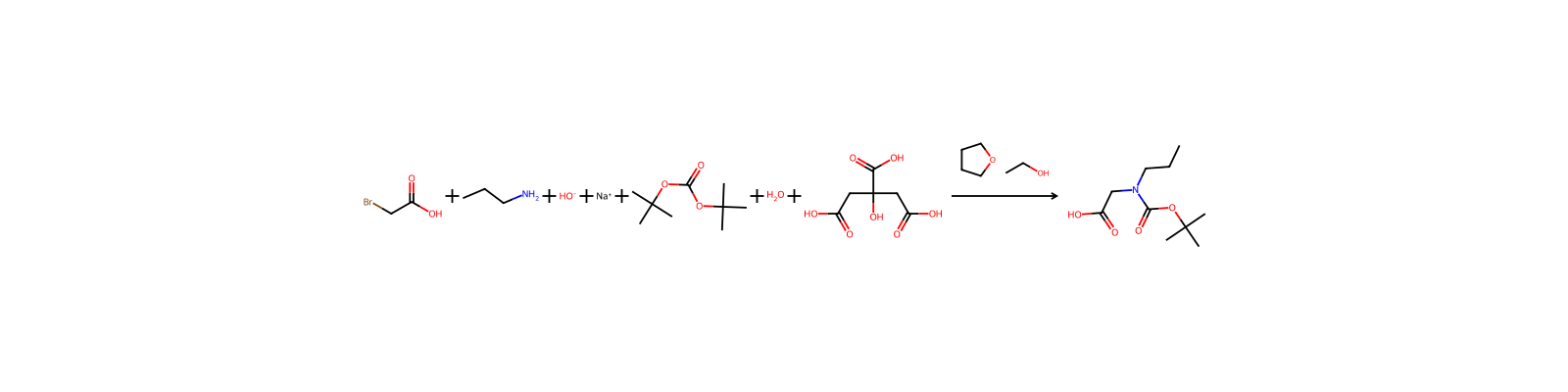
関連ノート
読み込み中…