
tert-ブチルイソシアニド
Tert-Butyl isocyanide
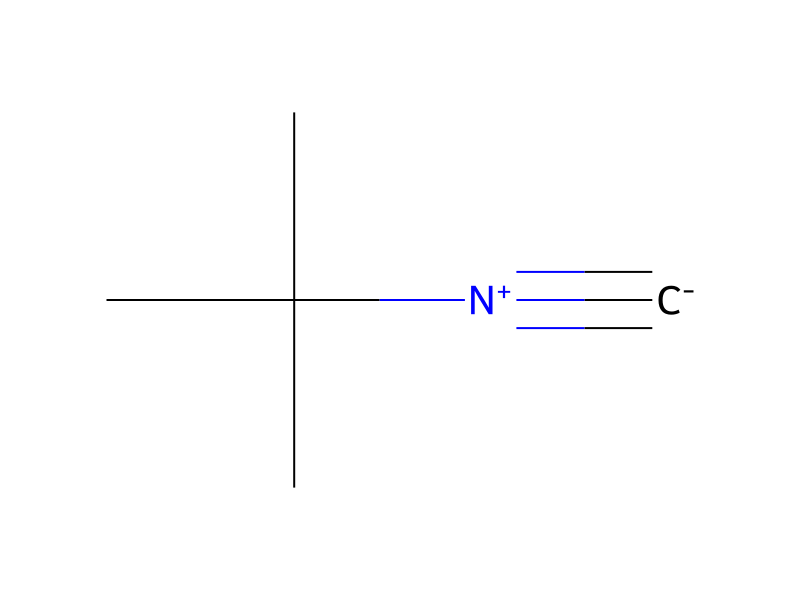
基本情報
- CAS
7188-38-7- 標準SMILES
[C-]#[N+]C(C)(C)C- InChIKey
FAGLEPBREOXSAC-UHFFFAOYSA-N- 分子式
- C5H9N
- 平均分子量
- 83.13 g/mol
- 単同位体質量
- 83.07349929
概要
Tert-butylisonitrile is an isocyanide.
名称と識別子
- 優先名称
- Tert-Butyl isocyanide
- IUPAC
- 2-isocyano-2-methylpropane
- 現地名
- tert-ブチルイソシアニド
- 英語名
- tert-Butyl isocyanide
- 分子式
- C5H9N
- 分子量
- 83.13
名称と別名
tert-BUTYL ISOCYANIDE7188-38-72-Isocyano-2-methylpropanetert-Butylisonitrilet-ButylisonitrileTBINPropane, 2-isocyano-2-methyl-t-Butyl isocyanide2-Methyl-2-isocyanopropane1,1-dimethylethyl isocyanidetert-Bu-NC22S4Z857K3
名称をさらに表示
tert-ブチルイソシアニド1,1-ジメチルエチルイソシアニド2-イソシアノ-2-メチルプロパン2-メチル-2-イソシアノプロパンTERT‐ブチルイソシアニドtert-ブチルイソシアニド, 98%t-ブチルイソシアニド, min. 98%1-イソシアノ-1,1-ジメチルエタン(tert-ブチル)イソシアニド2-ISOCYANO-2-METHYL-PROPANETERT-BUTYL ISONITRILE(CH3)3CNC2-methylpropyl cyanidet-Butylisocyanide,min.98%
NSC-141687DTXSID60222145RefChem:188204DTXCID60144636230-553-5tert-butylisocyanide2-Methylpropyl isocyanidet-butylisocyanide
データベース識別子
- CAS
7188-38-7- PubChem CID
- 23577
- DTXSID
DTXSID60222145- ChEBI
CHEBI:235305- UNII
- 22S4Z857K3
- EC Number
- 230-553-5
- Nikkaji
- J2.267.272J、J42.749G
物性
構造計算による物性
- XLogP
- 0.9
- 極性表面積
- 4.4 Ų
- 水素結合供与体数
- 0
- 水素結合受容体数
- 1
- 回転可能結合数
- 0
- 重原子数
- 6
- 形式電荷
- 0
- 複雑度
- 77.8
物理化学的性質
- 融点
- 148 · 148-150 °C
- 沸点
- 91 °C · 91 °C(lit.)
- 比重(密度)
- 0.735 g/mL · 0.735 g/mL at 25 °C(lit.)
- 屈折率
- 20 · n20/D 1.376(lit.)
- 闪点
- -2 °C · -2 °C
- 貯蔵温度
- 2 · Inert atmosphere,2-8°C
- 溶解性
- エタノール、メタノール、エーテル、トルエン、ジクロロメタンなどの有機溶媒に可溶。
- 外見
- 液体
- 比重
- 0.735 · 0.735
- 色
- 無色
- BRN
- 1903156 · 1903156
- 安定性
- 冷蔵保存
- InChI
- InChI=1S/C5H9N/c1-5(2,3)6-4/h1-3H3
- InChIKey
- FAGLEPBREOXSAC-UHFFFAOYSA-N
- SMILES
- C(C)(C)(C)[N+]#[C-]
- CAS データベース
- 7188 · 7188-38-7(CAS DataBase Reference)
化学的性質
化学的特性clear colorless liquid
安全と法規制
安全情報は参考情報です。供給元の安全データシート(SDS)、適用法令、専門家による評価に代わるものではありません。
GHS分類
GHS Classification
Danger
H225 (100%): Highly Flammable liquid and vapor [Danger Flammable liquids]
P210, P233, P240, P241, P242, P243, P260, P271, P280, P284, P303+P361+P353, P304+P340, P316, P320, P370+P378, P403+P233, P403+P235, P405, and P501 (click each P-code to see the statement)
Aggregated GHS information provided per 47 reports by companies from 3 notifications to the ECHA C&L Inventory. Each notification may be associated with multiple companies.
危険有害性情報
Regulatory InformationPropane, 2-isocyano-2-methyl-: Does not have an individual approval but may be used as a component in a product covered by a group standard. It is not approved for use as a chemical in its own right.
Hazard Classes and CategoriesFlam. Liq. 2 (100%)
毒性情報
Treatment
Antidotes to cyanide poisoning include hydroxocobalamin and sodium nitrite, which release the cyanide from the cytochrome system, and rhodanase, which is an enzyme occurring naturally in mammals that combines serum cyanide with thiosulfate, producing comparatively harmless thiocyanate. Oxygen therapy can also be administered. (L97)
Health Effects
Exposure to high levels of cyanide for a short time harms the brain and heart and can even cause coma, seizures, apnea, cardiac arrest and death. Chronic inhalation of cyanide causes breathing difficulties, chest pain, vomiting, blood changes, headaches, and enlargement of the thyroid gland. Skin contact with cyanide salts can irritate and produce sores. (L96, L97)
Exposure RoutesOral (L96) ; inhalation (L96) ; dermal (L96)
化学と産業
薬理情報
Metabolism/Metabolites
Cyanide is rapidly alsorbed through oral, inhalation, and dermal routes and distributed throughout the body. Cyanide is mainly metabolized into thiocyanate by either rhodanese or 3-mercaptopyruvate sulfur transferase. Cyanide metabolites are excreted in the urine. (L96)
応用分野
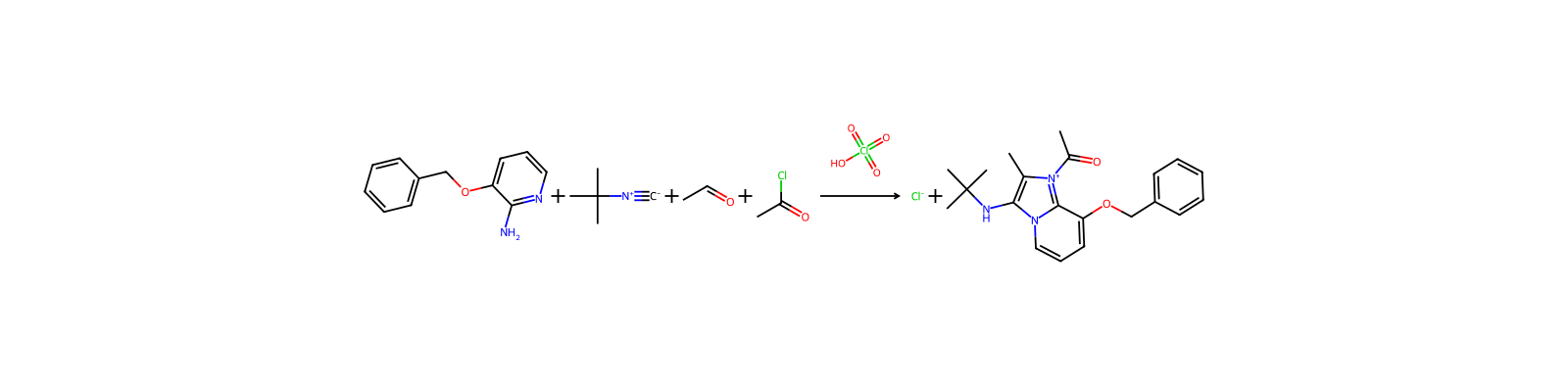
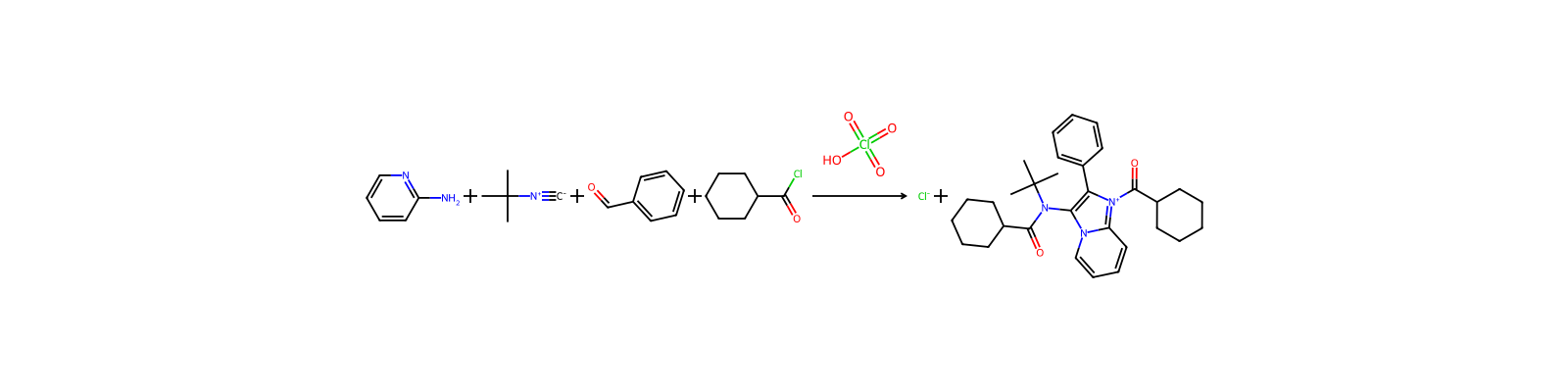
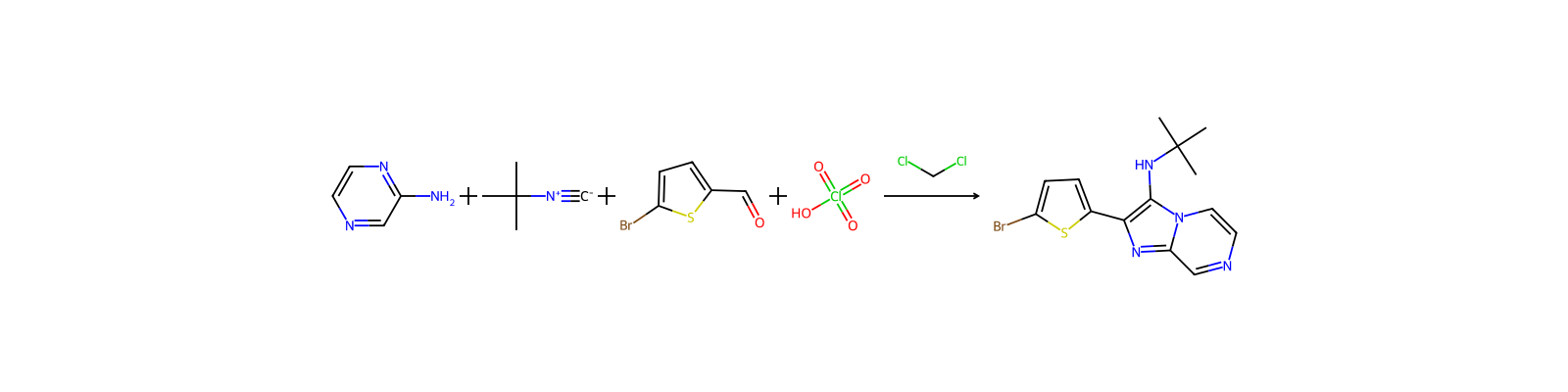
説明tert-Butyl isocyanide is a key regent for synthesizing many heterocycles and can undergo many cyclization reactions1. It is a colorless liquid, with a strong smell, bench-stable, and soluble in most organic solvents, including methanol, ethanol, ether, toluene, and dichloromethane. Many combinations of 5-member heterocycles with C, N, S, and O atoms, and even boron-containing cycles can be done via [4+1] cycloaddition. Except for heterocyclization, the reagent can be used as a mild esterification reagent, especially in the chemistry of β-lactam antibiotics, penicillins, and cephalosporins. The Passerini reaction with α-geminal polyhalogenated aldehydes allows easy esterification of such intricate substrates.
使用tert-Butyl isocyanide is used in a tin-free procedure for alkyl radical reactions in the presence of a free-radical initiator. It is a useful intermediate in multicomponent reactions. It is also used in the synthesis of coumarines, 4H-chromenes, isoxazolines and to trap 2-cyclopropylidene-1,3-diones.
一般的な説明Carbon dative bond formation by tert-butyl isocyanide on the germanium (100) surface has been reported. It also forms complexes with metals and inserts into metal-carbon bonds to form iminoacyls.
調製方法
製造方法CAUTION: Use a well-ventilated hood and observe all precautions when using hydrogen cyanide.To a 1-1, stainless steel Hoke pressure cylinder in a well-ventilated hood is added 196 gm (3.5 moles) of isobutene, 95 gm (3.5 moles) of hydrogen cyanide, and 100 gm (0.7 mole) or cuprous bromide. The cylinder is closed, shaken for 15 hr at 70°C, cooled to room temperature, and vented cautiously in the hood, and the viscous residue is poured slowly into aqueous potassium cyanide (260 gm in 100 ml of water) to decompose the cuprous complex, liberating an organic layer. The organic layer is separated, dried, and distilled under reduced pressure to afford 97 g tert-Butyl isocyanide, b.p. 60-63°C (314 mm Hg), ng 1.3749, IR 2143 s, 1472 m, 1368 m, 1230 m, 1208 m, 855 w c m - 1; yield, 33% based on starting isobutylene; 16% based on CuBr.
関連反応
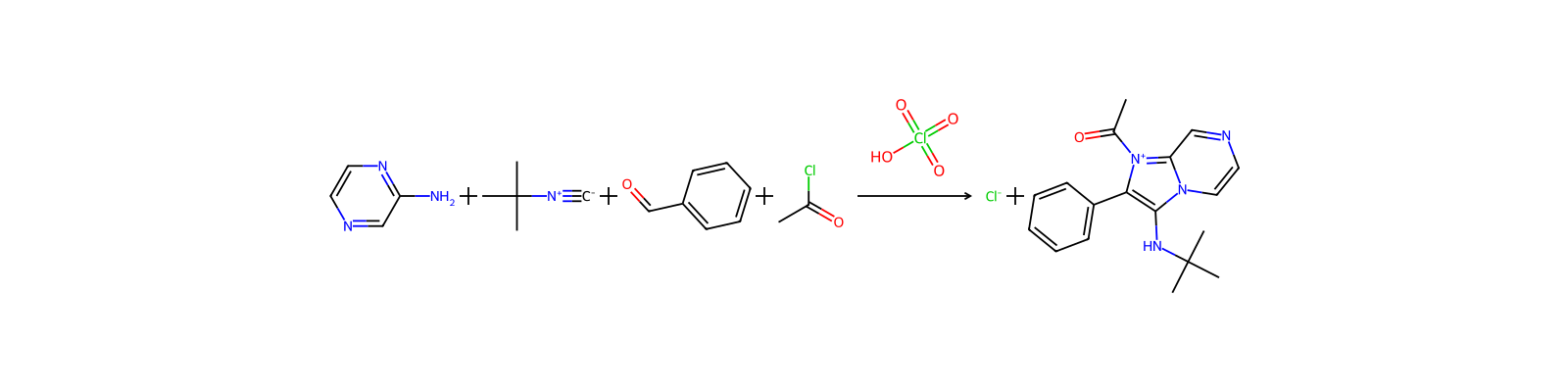
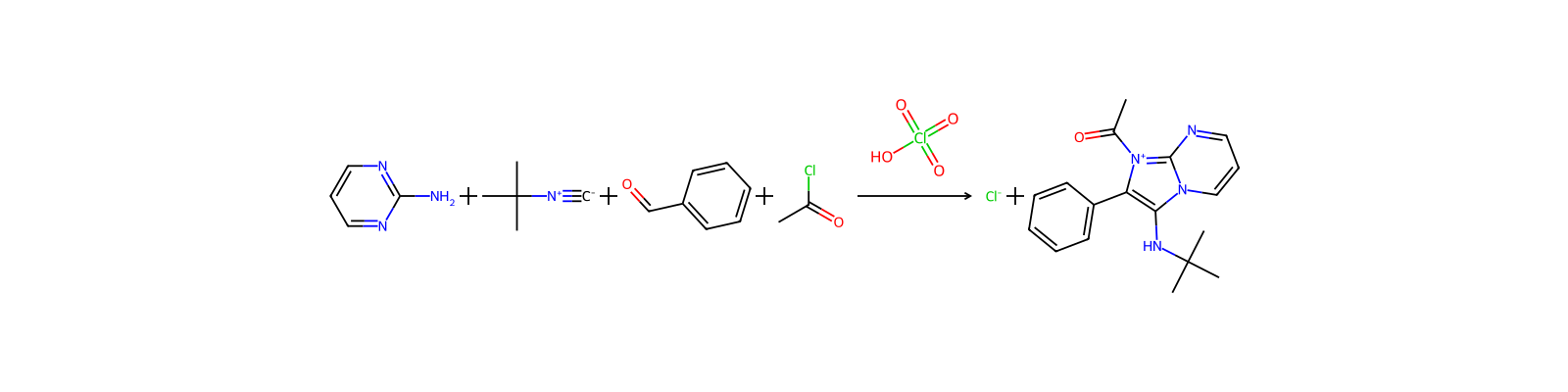
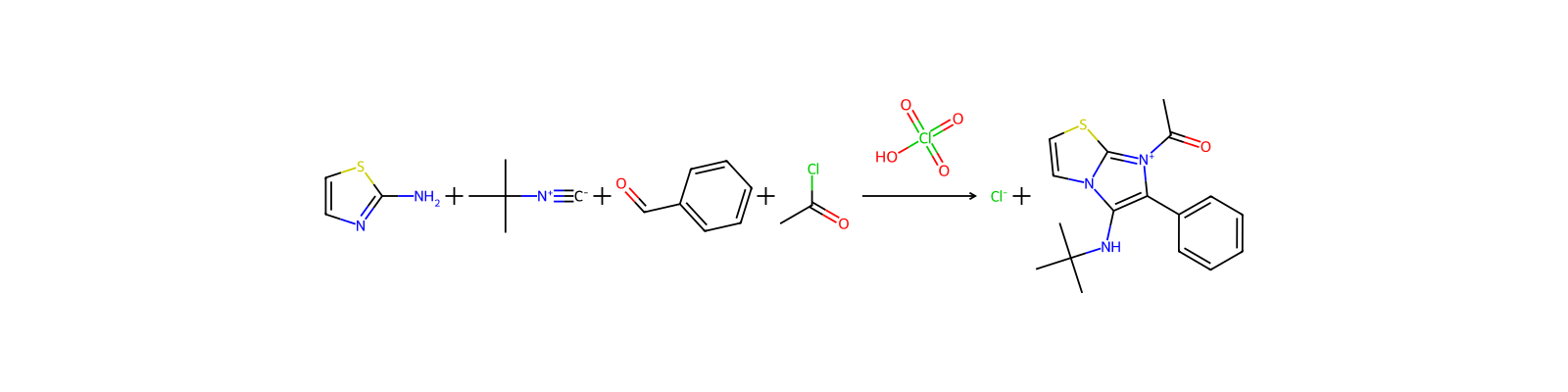
917 件

化合物ノート
読み込み中…