ホームMCPワークベンチSkills
ホームワークベンチ通知マイページ
llms.txt · MCPガイドプライバシーポリシー · 利用規約 · サポートv1.8.0
  1. ホーム
  2. /化合物

Tantalum

HCID 23956
ノートを作成反応を作成見積依頼を出す
印刷プレビュー
基本情報概要名称と識別子物性安全と法規制化学と産業関連反応化合物ノート
部分構造検索類似構造を探す

基本情報

CAS
13981-95-8
標準SMILES
[Ta]
InChIKey
GUVRBAGPIYLISA-UHFFFAOYSA-N
分子式
Ta
平均分子量
180.9479 g/mol

概要

Tantalum dust is a black odorless powder. mp: 2996 °C, bp: approx. 5250 °C. Density: 16.65 g/cm3. Insoluble in water. Tantalum oxide dust is a white, microcrystalline powder mp: 1800 °C. Density: 7.6 g/cm3. Insoluble in water. The mixture is listed as a toxic inhalation hazard by OSHA.

名称と識別子

優先名称
Tantalum
IUPAC
tantalum
英語名
TANTALUM HYDRIDE
分子式
HTa
分子量
181.96

名称と別名

TANTALUM7440-25-7Tantalum-181TA6424HBN274DTXSID8064690Tantalum 181RefChem:57620DTXCID6047654231-135-5Tantalum elementalTantalum metal
名称をさらに表示
tantalum(5+)TANTALUM HYDRIDEhydride,tantalum(5+)Tantalum Hydride 99%Tantalum hydride (TaH)TantaluM Hydride, -325 MeshTANTALUM HYDRIDE ISO 9001:2015 REACH
Tantalum, elementaltantalum atomTantalum, metalTrabecular Metal13981-95-8Tantalum, metal and oxide dustTantalTantalum wire

データベース識別子

CAS
13981-95-8、7440-25-7
PubChem CID
23956
DTXSID
DTXSID30893947
ChEBI
CHEBI:33348
UNII
6424HBN274
EC Number
231-135-5
Nikkaji
J269.355K、J54.366G

物性

構造計算による物性

極性表面積
0 Ų
水素結合供与体数
0
水素結合受容体数
0
回転可能結合数
0
重原子数
1
形式電荷
0
複雑度
0

実験および物理化学的性質

Chemical ClassesFlammable agents - 2nd degree
SpringerMaterials Propertieselectron density of states
OdorOdorless
Density · 6 件

16.65 (metal), 14.40 (powder) (NIOSH, 2024) - Denser than water; will sink

14.491 g/cu cm (powder); 16.6 g/cu cm (worked metal)

14.5 g/cm³

16.65 (metal) 14.40 (powder)

16.69 @25 °C

16.65 (metal) 14.40 (powder)

Color/Form · 5 件

Silvery gray metal, body-centered cubic crystal structure

CUBIC OR POWDER

Gray, very hard, malleable, ductile metal

Black powder; steel-blue-colored metal when unpolished, nearly platinum white when polished

Metal: Steel-blue to gray solid or black powder.

Solubility · 5 件

Insoluble (NIOSH, 2024)

Soluble in fused alkalies; insoluble in acids except hydrofluoric and fuming sulfuric acids

Insoluble in water.

Solubility in water: none

Insoluble

Flash Point>250 °C
Boiling Point · 6 件

9797 °F at 760 mmHg (NIOSH, 2024)

5429 °C

5425 °C

9797 °F

安全と法規制

安全情報は参考情報です。供給元の安全データシート(SDS)、適用法令、専門家による評価に代わるものではありません。

GHS分類

GHS Classification · 6 件

This chemical does not meet GHS hazard criteria for 44% (200 of 455) of reports.

Danger

H228 (56%): Flammable solid [Danger Flammable solids]

P210, P235, P240, P241, P280, P370+P378, P407, P410, P413, and P420 (click each P-code to see the statement)

Aggregated GHS information provided per 455 reports by companies from 5 notifications to the ECHA C&L Inventory. Each notification may be associated with multiple companies.

Warning

危険有害性情報

Regulatory Information · 5 件

Chemical: Tantalum

Tantalum is listed on the EPA's Chemical Data Reporting (CDR) system. Manufacturers and importers of Tantalum are required to report information about their production and use of this chemical to the EPA under the Toxic Substances Control Act (TSCA). (40 eCFR Part 711)

Status: Active Update: 31-10-2022 https://echa.europa.eu/registration-dossier/-/registered-dossier/14434

Tantalum: Does not have an individual approval but may be used under an appropriate group standard

The New Jersey Worker and Community Right to Know Act requires public and private employers to provide information about hazardous substances at their workplaces. (N.J.S.A. 34:5A-1 et. seq.)

Other Safety InformationIMAP assessments - Tantalum: Human health tier I assessment
DOT LabelFlammable Solid
Fire Hazards · 2 件

Excerpt from ERG Guide 170 [Metals (Powders, Dusts, Shavings, Borings, Turnings, or Cuttings, etc.)]:

Combustible. May ignite spontaneously on contact with air. Finely dispersed particles form explosive mixtures in air.

Fire Potential · 2 件

The dry powder ignites spontaneously in air.

Metallic tantalum powder presents a fire...hazard, although not as serious as that of other metals (zirconium, titanium, etc).

化学と産業

薬理情報

Mechanism of Action · 1 件

The purpose of the present study is to clarify the reason why the NaOH and heat treatments accelerate the apatite formation on tantalum metal. X-ray photoelectron spectroscopy was used to analyze changes in surface structure of the tantalum metal at an initial stage after immersion in SBF. Untreated tantalum metal had tantalum oxide passive layer on its surface, while amorphous sodium tantalate was formed on the surface of the tantalum metal by the NaOH and heat treatments. After soaking in SBF, the untreated tantalum metal sluggishly formed small amount of Ta-OH groups by a hydration of the tantalum oxide passive layer on its surface. In contrast, the treated tantalum metal rapidly formed Ta-OH groups by exchange of Na+ ion in the amorphous sodium tantalate on its surface with H3O+ ion in /simulated body fluid/. Both the formed Ta-OH groups combined with Ca2+ ion to form a kind of calcium tantalate, and then with phosphate ion, followed by combination with large amount of Ca2+ ions and phosphate ions to build up apatite layer. The formation rate of Ta-OH groups on the treated tantalum metal predominates the following process including adsorption of Ca2+ ion and phosphate ion on the surface. It is concluded that the acceleration of the apatite nucleation on the tantalum metal in SBF by the NaOH and heat treatments was attributed to the fast formation of Ta-OH group, followed by combination of the Ta-OH groups with Ca2+ and phosphate ions.

Biological Half-Life · 1 件

This "alveolarization" leads to prolonged retention with a mena biologic removal half-life >2 yr. The dominant clearance minsoluble mucociliary transport, was slower than that of most other insolubel dusts and appeared independent of the presence of tantalum in the respiratory tract. Pulmonary clearance of tantalum dust following insufflation in dogs was dependent on particle size; a 1 um powder was removed form the alveolar regions with a clearance half-life of 2.1 yr and 5 or 10 um powders were removed with a half-time of 333 days.

Absorption, Distribution and Excretion · 2 件

There are no reports of accumulation of Ta in tissues or existence of any homeostatic excretory mechanism for Ta.

... The clearance times of tantalum metal powder following its introduction into the respiratory tract /was examined/. The tantalum was inhaled or insufflated in female beagle dogs as a partly neutron-activated 182Ta powder with a specific activity of about 2 microcuries/g for inhalation studies; for insufflation, it was blended with tantalum powder with a specific activity of about 5 microcuries/g. Airborne concns approximated 1 g/cu m at an aerodynamic mass of 4 um. Exposures were usually <1 hr, and were nasal only. 182Ta retention measurements indicated a rapid, early tracheobronchial passage, later followed by a prolonged alveolar clearance phase. After inhalation there was, on avg, 7 times more tantalum in te alveolar phase, compared to the amount insufflated. This "alveolarization" leads to prolonged retention with a mena biologic removal half-life >2 yr. The dominant clearance minsoluble mucociliary transport, was slower than that of most other insolubel dusts and appeared independent of the presence of tantalum in the respiratory tract. Pulmonary clearance of tantalum dust following insufflation in dogs was dependent on particle size; a 1 um powder was removed form the alveolar regions with a clearance half-life of 2.1 yr and 5 or 10 um powders were removed with a half-time of 333 days. Rapid postinsufflation uptake by the pulmonary lymph nodes was observed with up to 12% of the initial alveolar burden present in the lymph nodes at 240 days and 6% present at 816 days.

関連反応

24 件
反応記録を作成
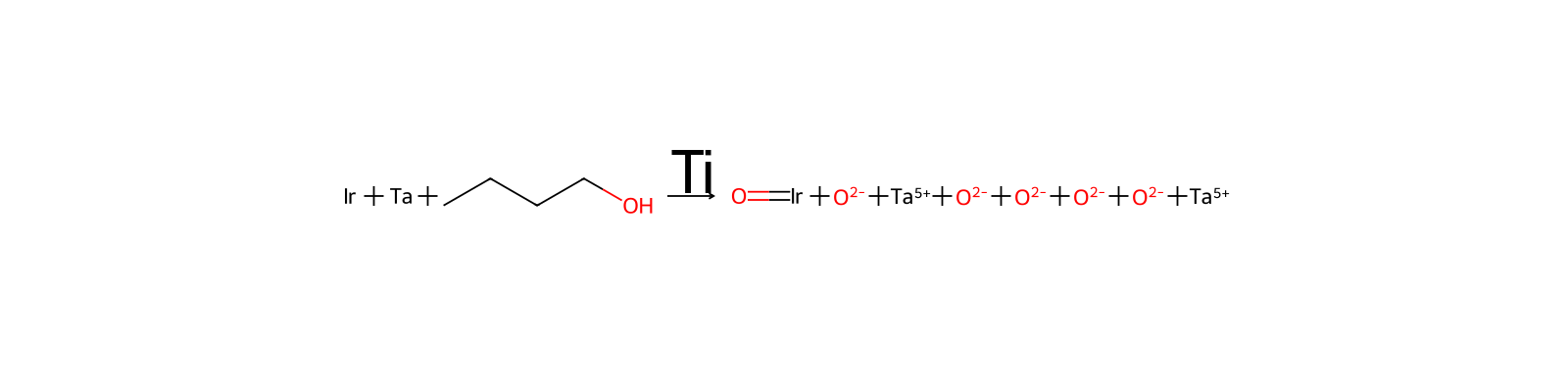
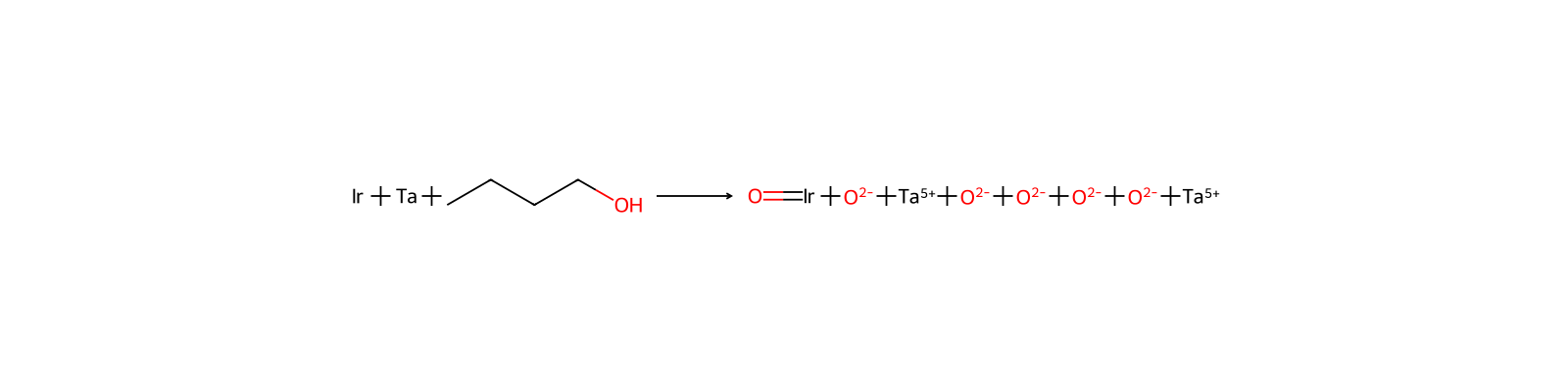
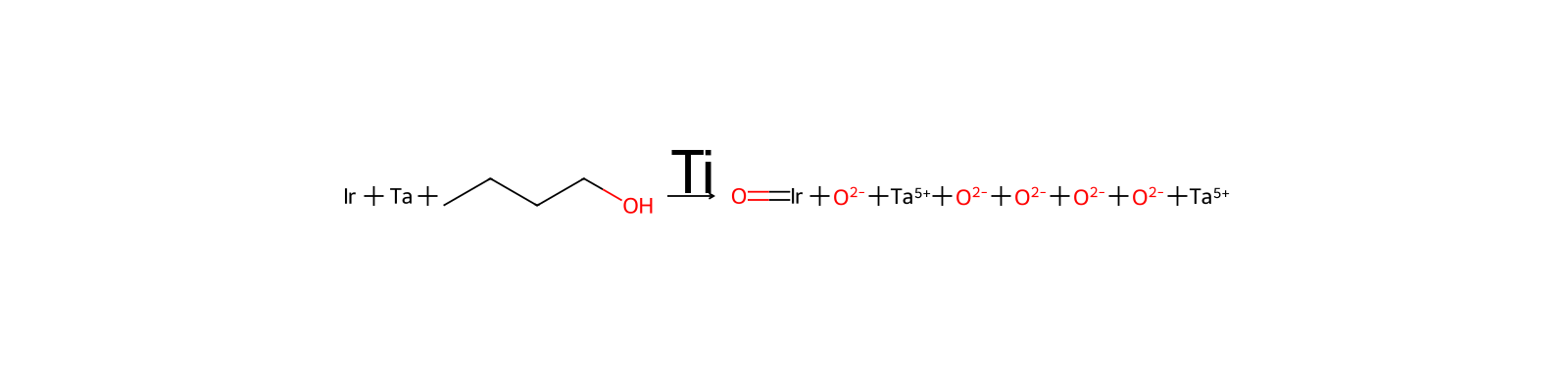
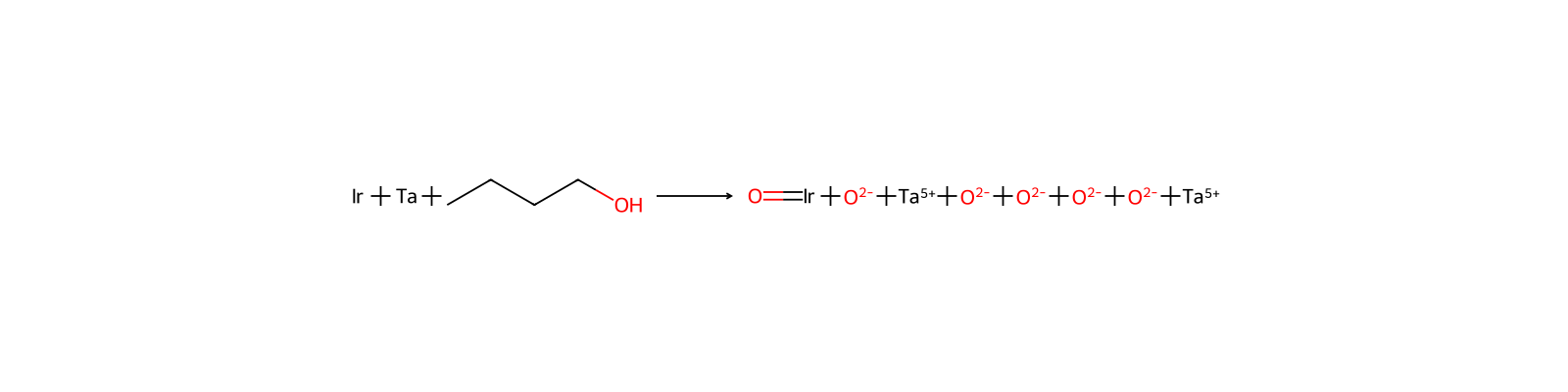
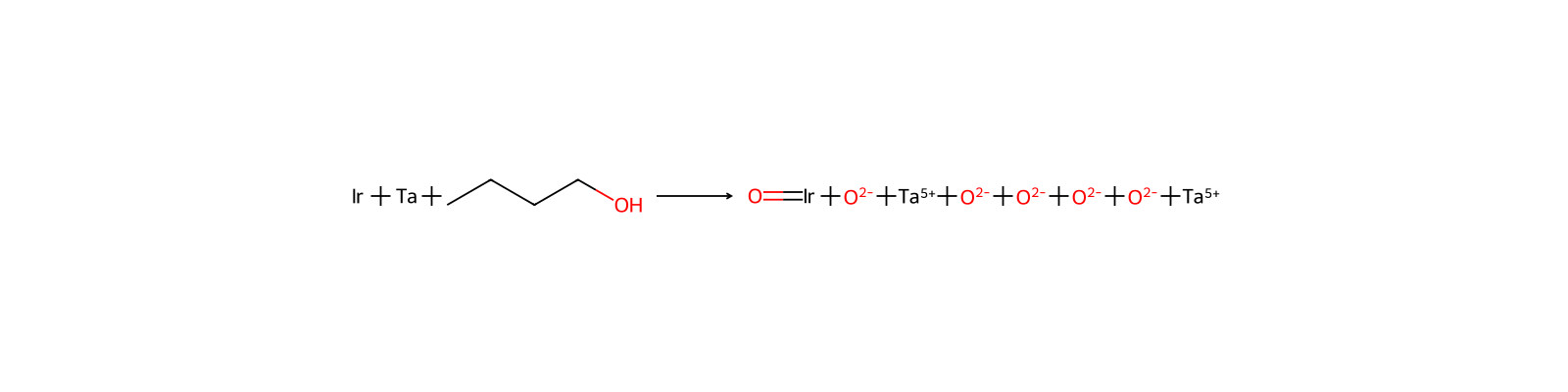
HRID 142120 の反応式
HRID 142120反応物としてTraining data from https://doi.org/10.1039/C8SC04228D (9/10)
HRID 235258 の反応式
HRID 235258触媒としてuspto-grants-1997_01
HRID 324142 の反応式
HRID 324142反応物としてuspto-grants-2001_04
HRID 324143 の反応式
HRID 324143反応物としてuspto-grants-2001_04
HRID 324144 の反応式
HRID 324144反応物としてuspto-grants-2001_04
HRID 324145 の反応式
HRID 324145反応物としてuspto-grants-2001_04
HRID 324146 の反応式
HRID 324146反応物としてuspto-grants-2001_04
HRID 324147 の反応式
HRID 324147反応物としてuspto-grants-2001_04
1 / 3 ページ

化合物ノート

読み込み中…

このページの内容基本情報概要名称と識別子物性安全と法規制化学と産業関連反応化合物ノート
その他の操作
ノートを作成反応を作成見積依頼を出す

5429 °C @760 [mm Hg]

9797 °F

Melting Point · 6 件

5425 °F (NIOSH, 2024)

2996 °C

2996 °C

5425 °F

2996 °C

5425 °F

Vapor Pressure · 4 件

0 mmHg (approx) (NIOSH, 2024)

1 kPa @ 3024 °C; 10 Pa @ 3324 °C; 100 Pa @ 3684 °C; 1 kPa @ 4122 °C; 10 k Pa @ 4666 °C; 100 kPa @ 5361 °C

0 mmHg (approx)

0 mmHg (approx)

Refractive IndexIndex of refraction: 2.05
Heat of Vaporization7.53X10+5 J/mol

物理化学的性質

比重(密度)
15 · 15,1 g/cm3
溶解性
insoluble in acid solutions
色
gray metallic solid
水溶解度
83 · 酸による攻撃に強い [KIR83]
比熱容量
0.5 J/ · Cp(crystal): 0.5 J/(g·K), at 25℃
CAS データベース
13981 · 13981-95-8
EPAの化学物質情報
Tantalum hydride (TaH) (13981-95-8)

化学的性質

化学的特性gray, brittle with metallic luster; can form when H2 is absorbed by Ta at 450°C; hydrogen is released when TaH is heated above 800°C; material is a superconductor [KIR83]

Health HazardsExcerpt from NIOSH Pocket Guide for Tantalum (metal and oxide dust, as Ta):
FDA Requirements · 5 件

Ophthalmic tantalum clip. Identification: An ophthalmic tantalum clip is a malleable metallic device intended to be implanted permanently or temporarily to bring together the edges of a wound to aid healing or prevent bleeding from small blood vessels in the eye.

Cranioplasty plate fastener. Identification: A cranioplasty plate fastener is a screw, wire, or other article made of tantalum, vitallium, or stainless steel used to secure a plate to the patient's skull to repair a skull defect.

Preformed alterable cranioplasty plate. Identification: A preformed alterable cranioplasty plate is a device that is implanted into a patient to repair a skull defect. It is constructed of a material, e.g., tantalum, that can be altered or reshaped at the time of surgery without changing the chemical behavior of the material.

Mandibular implant facial prosthesis. Identification: A mandibular implant facial prosthesis is a device that is intended to be implanted for use in the functional reconstruction of mandibular deficits. The device is made of materials such as stainless steel, tantalum, titanium, cobalt-chromium based alloy, polytetrafluoroethylene, silicone elastomer, polyethylene, polyurethane, or polytetrafluoroethylene with carbon fibers composite.

Partial ossicular replacement prosthesis. Identification: A partial ossicular replacement prosthesis is a device intended to be implanted for the functional reconstruction of segments of the ossicular chain and facilitates the conduction of sound wave from the tympanic membrane to the inner ear. The device is made of materials such as stainless steel, tantalum, polytetrafluoroethylene, polyethylene, polytetrafluoroethylene with carbon fibers composite, absorbable gelatin material, porous polyethylene, or from a combination of these materials.

Reactive GroupMetals, Elemental and Powder, Active
UN ClassificationUN Hazard Class: 4.1; UN Pack Group: II
Reactivity AlertsStrong Reducing Agent
OSHA StandardsPermissible Exposure Limit: Table Z-1 8-hr Time Weighted Avg: 5 mg/cu m. /Tantalum, metal and oxide dust/
Reactivity Profile · 1 件

TANTALUM dust reacts rapidly with oxidizing agents (oxygen, fluorine, chlorine). Highly flammable in air, igniting spontaneously when dry. (Lewis, 3rd Ed, 1993). Dissolves in molten bases (such as sodium hydroxide). Insoluble in aqueous bases. Insoluble in acids except hydrofluoric acid and fuming sulfuric acid. Tantalum in bulk form (bar, sheet, etc.) is much less reactive than it is in powdered form.

安全と保護具

Fire Fighting · 2 件

Excerpt from ERG Guide 170 [Metals (Powders, Dusts, Shavings, Borings, Turnings, or Cuttings, etc.)]:

Use dry powder, dry sand, special powder. NO carbon dioxide, foam, water. In case of fire: keep drums, etc., cool by spraying with water. NO direct contact with water.

First Aid Measures · 4 件

Fresh air, rest.

Remove contaminated clothes. Rinse and then wash skin with water and soap.

First rinse with plenty of water for several minutes (remove contact lenses if easily possible), then refer for medical attention.

Rinse mouth.

First Aid · 2 件

Excerpt from NIOSH Pocket Guide for Tantalum (metal and oxide dust, as Ta):

(General first aid procedures)

Safe StorageFireproof. Separated from strong oxidants and halogens.
Fire Fighting Procedures · 2 件

Use no water; use powdered graphite, dolomite, sodium chloride, etc. Get instructions from the supplier of the powdered metal. /Powdered metals/

A tantalum fire cannot be extinguished with the usual firefighting chemicals. The only effective way to control a tantalum fire is to smother it with a nonoxidizing chemical like sodium chloride or argon.

Nonfire Spill ResponseExcerpt from ERG Guide 170 [Metals (Powders, Dusts, Shavings, Borings, Turnings, or Cuttings, etc.)]:
Disposal Methods · 1 件

SRP: At the time of review, criteria for land treatment or burial (sanitary landfill) disposal practices are subject to significant revision. Prior to implementing land disposal of waste residue (including waste sludge), consult with environmental regulatory agencies for guidance on acceptable disposal practices.

Spillage Disposal · 1 件

Remove all ignition sources. Personal protection: particulate filter respirator adapted to the airborne concentration of the substance. Cover the spilled material with dry inert absorbent. Vacuum spilled material with specialist equipment. Then store and dispose of according to local regulations.

Preventive MeasuresOpen flames, arcs and sparks should be avoided in areas where tantalum powder is handled.
Isolation and EvacuationExcerpt from ERG Guide 170 [Metals (Powders, Dusts, Shavings, Borings, Turnings, or Cuttings, etc.)]:
Eye PreventionWear safety spectacles.
Fire PreventionNO open flames, NO sparks and NO smoking. Closed system, dust explosion-proof electrical equipment and lighting. Prevent deposition of dust.

毒性情報

Target OrgansEyes, skin, respiratory system
Exposure Routesinhalation, skin and/or eye contact
Signs and Symptoms · 3 件

Cough.

Redness.

irritation eyes, skin; In Animals: pulmonary irritation

Natural Pollution Sources · 2 件

Occurs almost invariably along with niobium... found in the minerals columbite, tantalite, and microlite.

Obtained from ores tantalite or columbite... mixed oxides of iron, manganese, niobium and tantalum. ...Considered as rare element earth's crust contains about 0.003% of niobium and tantalum together... .

Human Toxicity Excerpts · 5 件

/HUMAN EXPOSURE STUDIES/ The toxicity of...metallic tantalum, is low, which is probably due to its poor solubility.

/HUMAN EXPOSURE STUDIES/ Implantation of tantalum has not shown any adverse tissue reaction in ...man...

/HUMAN EXPOSURE STUDIES/ A 10 yr study of tantalum gauze use in the repair of hernias revealed no effects from the gauze itself.

/HUMAN EXPOSURE STUDIES/ There are few reports of presence of Ta in food materials, and accidental poisonings, if any, are rare.

For more Human Toxicity Excerpts (Complete) data for TANTALUM (7 total), please visit the HSDB record page.

Non-Human Toxicity Excerpts · 4 件

/LABORATORY ANIMALS: Acute Exposure/ Bronchograms were obtained in 2 living dogs by spontaneous breathing of powdered tantalum (particle size 2-5 mu). Tantalum dust was deposited in healthy and diseased lung regions. Microscopical sections showed that tantalum particles were deposited interstitially, within alveoli but mainly in the peribronchiolar tissue of air passages. Greater amounts of tantalum dust were retained in areas where pathological changes in the anatomy had taken place. Tantalum was deposited in the lungs and in the mediastinal lymph nodes. Retained tantalum did not cause unfavorable tissue reaction. A primarily alveolar deposit of tantalum can only be eliminated by using monodisperse dust of particles with a diameter greater than 10 mu. Roentgenograms do not reveal small amounts of tantalum deposit.

/LABORATORY ANIMALS: Acute Exposure/ Insertion of bone plates into bones of dogs and rabbits has ... been shown to cause no microscopic or x-ray evidence of bone or soft tissue irritation after periods of 3 wk to 3 mo.

/LABORATORY ANIMALS: Acute Exposure/ ...There are some reports indicative of a delayed inflammatory reaction to tantalum. In one study, tantalum stock was implanted in the subperiosteal region of the mandible buccal mucosa, and the subcutaneous paravertebral region of the back of monkeys. Tissue responses assessed after 3 wk were variable ans appeared to be a function of the surface treatment of the material prior to implantation. Increased cellularity, including fibroblasts and multinucleated giant cells, was the predominant feature in the tissues. In two other studies, 18 months after tantalum bronchography in dogs and 6 months after this procedure in cats and monkeys, granulomatous changes were evident in the lungs. In another study, however, no pathological changes were observed in lungs of dogs 2 yr after insufflation with tantalum dust.

/LABORATORY ANIMALS: Subchronic or Prechronic Exposure/ In a 10 week experimental investigation the tissue reactions to implantation of standardized test pieces /of several test materials, including/ ... tantalum, ... were studied in the white rat ... After 10 weeks, no cellular infiltration was demonstrable around any of the implant materials...all appeared inert and were surrounded by a tough connective tissue.

Probable Routes of Human Exposure · 4 件

CLINICAL STUDIES MADE ON 22 RUSSIAN CHEM WORKERS & WELDERS HANDLING BOTH TA & NIOBIUM SHOWED LITTLE EVIDENCE OF POISONING APART FROM RADIOLOGIC SIGNS OF EARLY PULMONARY FIBROSIS &, IN 1 OR 2 CASES, CHRONIC ATROPHIC RHINITIS. (...REF TO AIR CONCN OR TYPES OF COMPOUNDS...)

SOME INDUSTRIAL SKIN INJURIES FROM TANTALUM HAVE BEEN REPORTED. HOWEVER, SYSTEMIC INDUST POISONING IS APPARENTLY NOT KNOWN.

THE WORKING OF TANTALUM METAL PRESENTS THE HAZARDS OF BURNS, ELECTRIC SHOCK, & EYE & TRAUMATIC INJURIES. REFINING PROCESSES INVOLVES TOXIC & HAZARDOUS CHEMICALS SUCH AS HYDROGEN FLUORIDE, SODIUM & ORGANIC SOLVENTS.

HOW RELEVANT THE TOXICITY EVIDENCE OBTAINED FROM SOLID METAL SURFACES IS TO THAT OF FINELY DIVIDED TA METAL POWDER IS CERTAINLY QUESTIONABLE. CERTAINLY ONE WOULD EXPECT TANTALUM METAL FUME TO HAVE A DIFFERENT ORDER OF TOXICITY THAN THE MORE COARSELY DIVIDED DUSTS.

Antidote and Emergency Treatment · 2 件

Basic treatment: Establish a patent airway. Suction if necessary. Watch for signs of respiratory insufficiency and assist ventilations if needed. Administer oxygen by nonrebreather mask at 10 to 15 L/min. Monitor for pulmonary edema and treat if necessary ... . Monitor for shock and treat if necessary ... . Anticipate seizures and treat if necessary ... . For eye contamination, flush eyes immediately with water. Irrigate each eye continuously with normal saline during transport ... . Do not use emetics. For ingestion, rinse mouth and administer 5 ml/kg up to 200 ml of water for dilution if the patient can swallow, has a strong gag reflex, and does not drool ... . Cover skin burns with dry sterile dressings after decontamination ... . /Poison A and B/

Advanced treatment: Consider orotracheal or nasotracheal intubation for airway control in the patient who is unconscious, has severe pulmonary edema, or is in respiratory arrest. Positive pressure ventilation techniques with a bag valve mask device may be beneficial. Monitor cardiac rhythm and treat arrhythmias as necessary ... . Start an IV with D5W /SRP: "To keep open", minimal flow rate/. Use lactated Ringer's if signs of hypovolemia are present. Watch for signs of fluid overload. Consider drug therapy for pulmonary edema ... . For hypotension with signs of hypovolemia, administer fluid cautiously. Watch for signs of fluid overload ... . Treat seizures with diazepam (Valium) ... . Use proparacaine hydrochloride to assist eye irrigation ... . /Poison A and B/

法規制情報

FDA Requirements · 5 件

Ophthalmic tantalum clip. Identification: An ophthalmic tantalum clip is a malleable metallic device intended to be implanted permanently or temporarily to bring together the edges of a wound to aid healing or prevent bleeding from small blood vessels in the eye.

Cranioplasty plate fastener. Identification: A cranioplasty plate fastener is a screw, wire, or other article made of tantalum, vitallium, or stainless steel used to secure a plate to the patient's skull to repair a skull defect.

Preformed alterable cranioplasty plate. Identification: A preformed alterable cranioplasty plate is a device that is implanted into a patient to repair a skull defect. It is constructed of a material, e.g., tantalum, that can be altered or reshaped at the time of surgery without changing the chemical behavior of the material.

Mandibular implant facial prosthesis. Identification: A mandibular implant facial prosthesis is a device that is intended to be implanted for use in the functional reconstruction of mandibular deficits. The device is made of materials such as stainless steel, tantalum, titanium, cobalt-chromium based alloy, polytetrafluoroethylene, silicone elastomer, polyethylene, polyurethane, or polytetrafluoroethylene with carbon fibers composite.

Partial ossicular replacement prosthesis. Identification: A partial ossicular replacement prosthesis is a device intended to be implanted for the functional reconstruction of segments of the ossicular chain and facilitates the conduction of sound wave from the tympanic membrane to the inner ear. The device is made of materials such as stainless steel, tantalum, polytetrafluoroethylene, polyethylene, polytetrafluoroethylene with carbon fibers composite, absorbable gelatin material, porous polyethylene, or from a combination of these materials.

安全データ

tsca
TSCA listed
ridadr
1409
hs_code
2850002090
risk_code
15
safety_code
7/8-43

用途と製造

Uses · 5 件

IN RECTIFIERS, ESP FOR RAILWAY SIGNALS; IN ELECTROLYSIS CAPACITORS; IN MFR OF RADIO & POWER TUBES

IN ALLOYS, WITH TUNGSTEN FOR FILAMENTS & GRID WIRES; IN CUTTING TOOLS; IN MFR OF SPINNERETS IN RAYON INDUSTRY

IN CHEM INDUSTRY FOR ACID-PROOF EQUIPMENT; IN RUBBER INDUSTRY AS CATALYST IN SYNTHESIS OF BUTADIENE

In pen points; analytical weights; apparatus and instruments for chemical, surgical, and dental use instead of platinum... .

For more Uses (Complete) data for TANTALUM (10 total), please visit the HSDB record page.

U.S. Production2023: 1,000,000 - <2,500,000 lb
Consumer UsesConductive agent
Industry UsesNot Known or Reasonably Ascertainable
Methods of Manufacturing · 3 件

SEVERAL METHODS ARE COMMERCIALLY USED TO PRODUCE ELEMENT INCLUDING: ELECTROLYSIS OF MOLTEN POTASSIUM FLUOTANTALATE, REDUCTION OF POTASSIUM FLUOTANTALATE WITH SODIUM, OR REACTING TANTALUM CARBIDE WITH TANTALUM OXIDE.

From tantalum potassium fluoride by heating in an electric furnace, by sodium reduction or by fused salt electrolysis. The powdered metal is converted to a massive metal by sintering in a vacuum. Foot-long crystals can be grown by arc fusion.

Metallic tantalum products (powder, semifinished products, ingots) are produced almost exclusively by reduction of potassium heptafluorotantalate with sodium.

Formulations/PreparationsFORMS AND GRADES AVAILABLE: POWDER 99.6% PURE; SHEET; RODS; WIRE; ULTRAPURE; SINGLE CRYSTALS.
General Manufacturing Information · 5 件

Fabricated Metal Product Manufacturing

Tantalum: ACTIVE

Tantalum hydride (TaH): ACTIVE

All heating of tantalum must be done under vacuum, or in a noble gas atmosphere (argon or helium), since it reacts readily with oxygen and nitrogen at elevated temperatures.

Since the first report that tantalum could be used for electrolytic capacitors, the growth of this application has been such that it now accounts for the highest consumption of the metal.