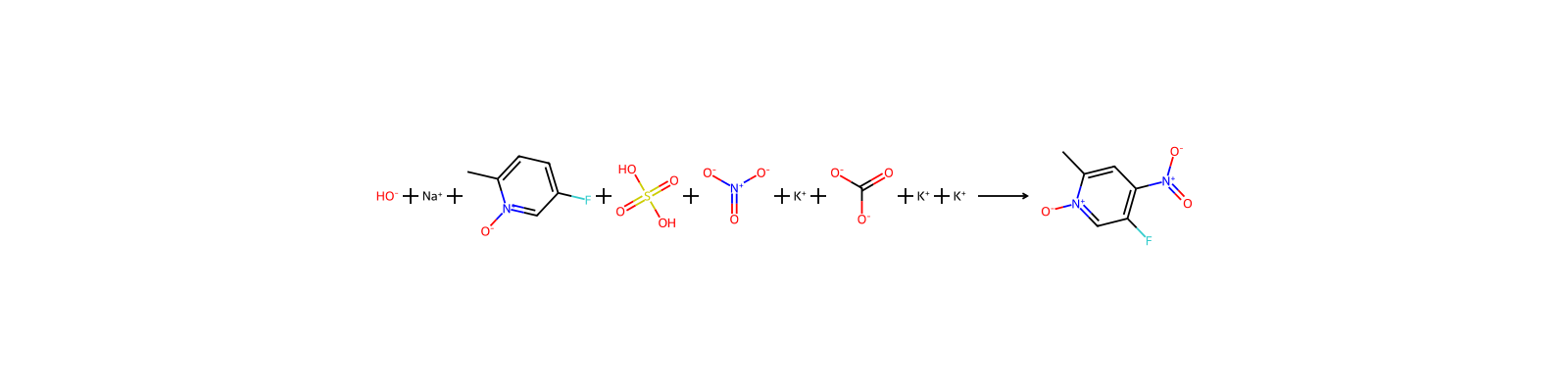
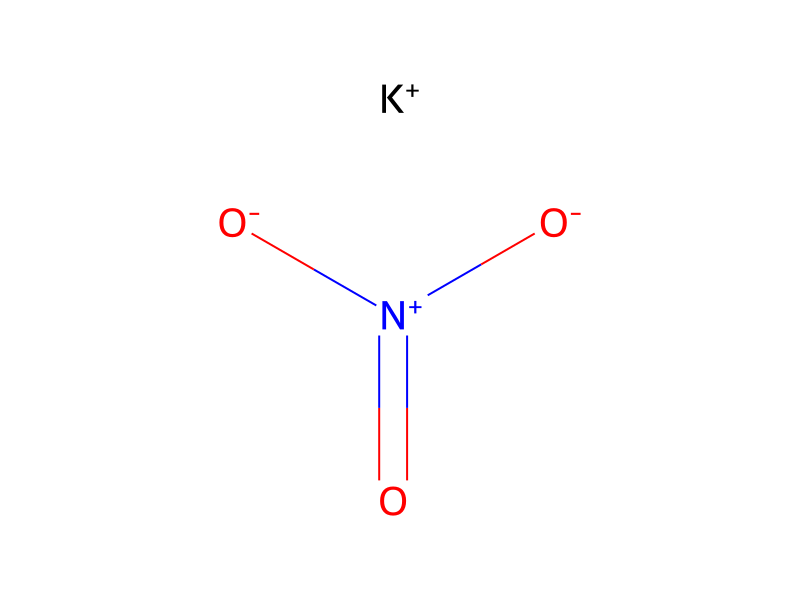
基本情報
- 標準SMILES
O=[N+]([O-])[O-].[K+]- InChIKey
FGIUAXJPYTZDNR-UHFFFAOYSA-N- 分子式
- KNO3
- 平均分子量
- 101.103 g/mol
- 単同位体質量
- 100.95152454
概要
Potassium nitrate appears as a white to dirty gray crystalline solid. Water soluble. Noncombustible, but accelerates the burning of combustible materials. If large quantities are involved in fire or the combustible material is finely divided an explosion may result. May explode under prolonged exposure to heat or fire. Toxic oxides of nitrogen are produced in fires. Used in solid propellants, explosives, fertilizers.
名称と識別子
- 優先名称
- Potassium Nitrate
- IUPAC
- potassium nitrate
- 現地名
- 硝酸カリウム
- 英語名
- Potassium nitrate
- 分子式
- KNO3
- 分子量
- 101.1032
名称と別名
POTASSIUM NITRATE7757-79-1SaltpeterNitreNiterNitrate of potashsaltpetreVickniteNitric acid, potassium saltKaliumnitratKalii nitrasCollo-Bo
名称をさらに表示
硝酸カリウム硝石硝酸K硝酸イオン標準液硝酸カリウム, 99.99%硝酸性窒素標準液(NO3‐N 100)窒素標準液(NO3‐N 1000)1MOL/L 硝酸カリウム溶液NPW用 窒素標準液 N: 1,000MG/L 排水試験用 硝酸カリウム水溶液NPW用 窒素標準液 N:10,000MG/L 排水試験用 硝酸カリウム水溶液硝酸カリウム ACS REAGENT,≥99.0%硝酸カリウム PURISS. P.A.,ACS REAGENT,REAG. ISO,REAG. PH. EUR.,≥99%硝酸カリウム PURISS.,MEETS ANALYTICAL SPECIFICATION OF PHEUR,BP,USP,FCC,E252,99.0-100.5%硝酸カリウム(タブレット)硝酸カリウム (AS)硝酸カリウム, 99.9%硝酸カリウム, タブレット硝酸カリウム (99.999%-K) PURATREM硝酸カリウム, 99+% (ACS)硝酸カリウム (JAN)KNO3XSJNITRATE NITROGENPOTASSIUM NITRATE PLANT CELL CULTURE*TES TEDkaliinitras
Kali nitricumPotassium nitrate(DOT)DTXSID4029692Salt peterRU45X2JN0ZINS NO.252INS-252NSC-57632
データベース識別子
- CAS
7757-79-1- PubChem CID
- 24434
- DTXSID
DTXSID4029692- ChEMBL
CHEMBL1644029- ChEBI
CHEBI:63043- UNII
- RU45X2JN0Z
- EC Number
- 231-818-8
物性
構造計算による物性
- 極性表面積
- 62.9 Ų
- 水素結合供与体数
- 0
- 水素結合受容体数
- 3
- 回転可能結合数
- 0
- 重原子数
- 5
- 形式電荷
- 0
- 複雑度
- 18.8
実験および物理化学的性質
Chemical ClassesNitrogen Compounds -> Nitrates and Nitrites
CosmeticsSoothing; Oral care
pH
4,5-8,5 (5 % solution)
About 7
SpringerMaterials Propertiesthermal expansion coefficient
OdorOdorless
TasteCooling, saline pungent taste
Food AdditivesANTIMICROBIAL AGENT, COLOR OR COLORING ADJUNCT, FLAVOR ENHANCER, FLAVORING AGENT OR ADJUVANT -> FDA Substance added to food
Density
2.109 (USCG, 1999) - Denser than water; will sink
2.1 at 25 °C
2.1 g/cm³
2.105 @25 °C
Color/Form
Colorless, rhombic or trigonal crystals
White granular or crystalline powder
Solubility
35g/100ml
Sol in water, glycerol; slightly sol in alcohol
Insoluble in ethanol
1 g/2.8 mL water at about 25 °C; 1 g/0.5 mL boiling water; 1 g/620 mL alcohol
38.3 g/100 g water at 25 °C
For more Solubility (Complete) data for POTASSIUM NITRATE (7 total), please visit the HSDB record page.
Boiling Point
752 °F at 760 mmHg (decomposes) (USCG, 1999)
400 °C (decomp)
Decomposition
When heated to decomp it emits very toxic fumes of /nitrogen oxides & dipotassium oxide/.
Boiling point 400 °C (decomp)
... /Potassium nitrate/ decomposes on heating producing nitrogen oxides, oxygen, which increases fire hazard.
400 °C
物理化学的性質
- 融点
- 334 °C · 334 °C (lit.)
- 沸点
- 100 °C750 · 100 °C750 mm Hg
- 比重(密度)
- 1 g/mL · 1.00 g/mL at 20 °C
- 闪点
- 400 °C · 400°C
- 貯蔵温度
- Store at RT.
- 溶解性
- 2 O: · H2O: 1M at20℃、透明、無色
- 外見
- 個体
- 比重
- 2.109 · 2.109
- 色
- 白い
- PH
- 5 · 5.0-7.5 (50g/l, H2O, 20℃)
- Flame Color
- Light Purple
- 臭い (Odor)
- 無臭、清涼感のある辛味の塩味
- 水溶解度
- 320 g/L · 320g/L(20℃)
- 比熱容量
- 0.95 J/ · Cp(crystal): 0.95 J/(g·K), at 25℃
- Merck
- 14 · 14,7648
- Dielectric constant
- 5 · 5(0.0℃)
- 安定性
- 安定。強力な酸化剤 - 可燃物と接触すると、火災の原因となる場合があります。可燃性物質、強力な還元剤と相容れない。
- 化粧品成分の機能
- 鎮静作用口腔ケア
- InChI
- 1S/K.NO3/c;2-1(3)4/q+1;-1
- InChIKey
- FGIUAXJPYTZDNR-UHFFFAOYSA-N
- SMILES
- [K+].[O-][N+]([O-])=O
- LogP
- -0.129 · -0.129 (est)
- CAS データベース
- 7757 · 7757-79-1(CAS DataBase Reference)
- EPAの化学物質情報
- Potassium nitrate (7757-79-1)
化学的性質
化学的特性Potassium nitrate is an odorless, flammable, water-soluble, white or colorless crystals with saline taste that melt at 337°C. Used in pyrotechnics, explosives, and matches, as a fertilizer, and as an analytical reagent.
化学性质白色固体、水に易溶、エタノール?エーテルに難溶、グリセリンに溶ける。強力な酸化剤
安全と法規制
GHS分類
GHS Classification
This chemical does not meet GHS hazard criteria for 5.9% (131 of 2229) of reports.
Danger
H272 (93.9%): May intensify fire; oxidizer [Danger Oxidizing liquids; Oxidizing solids]
P210, P220, P261, P264, P264+P265, P271, P280, P302+P352, P304+P340, P305+P351+P338, P319, P321, P332+P317, P337+P317, P362+P364, P370+P378, P403+P233, P405, and P501 (click each P-code to see the statement)
Aggregated GHS information provided per 2229 reports by companies from 21 notifications to the ECHA C&L Inventory. Each notification may be associated with multiple companies.
Danger
危険有害性情報
Regulatory Information
Chemical: Nitric acid, potassium salt
Regulation (EC) No 1333/2008 (amended)
Nitric acid potassium salt (1:1) is listed on the EPA's Chemical Data Reporting (CDR) system. Manufacturers and importers of Nitric acid potassium salt (1:1) are required to report information about their production and use of this chemical to the EPA under the Toxic Substances Control Act (TSCA). (40 eCFR Part 711)
Status: Active Update: 15-09-2022 https://echa.europa.eu/registration-dossier/-/registered-dossier/15481
Nitric acid, potassium salt: HSNO Approval: HSR001338 Approved with controls
The New Jersey Worker and Community Right to Know Act requires public and private employers to provide information about hazardous substances at their workplaces. (N.J.S.A. 34:5A-1 et. seq.)
Other Safety InformationIMAP assessments - Nitric acid, potassium salt: Environment tier I assessment
DOT LabelOxidizer
Fire Hazards
Special Hazards of Combustion Products: May produce toxic nitrogen oxides upon decomposition.
CAUTION: Ammonium nitrate products may explode if involved in fire or contaminated with hydrocarbons (fuels), organic matter, other contaminants or when hot molten and contained. Treat as an explosive (GUIDE 112).
Not combustible but enhances combustion of other substances. Gives off irritating or toxic fumes (or gases) in a fire. Risk of fire and explosion on contact with reducing agents.
Fire Potential
Not combustible but enhances combustion of other substances ... Risk of fire and explosion on contact with reducing agents.
Dangerous fire ... risk when shocked or heated ...
Health Hazards
Exposure can cause mild irritation of eyes, nose and throat. (USCG, 1999)
· Inhalation, ingestion or contact (skin, eyes) with vapors or substance may cause severe injury, burns or death.
Hazards Summary
A strong oxidizing agent that enhances the combustion of other materials; A skin, eye, and respiratory tract irritant; Causes methemoglobinemia when ingested; [ICSC] May cause anemia, methemoglobinemia, and nephritis on prolonged exposure; [Merck Index] Acceptable daily intake of 0-3.7 mg/kg for uses in food as an antimicrobial preservative and color fixative; [JECFA] An oxidizer that can intensify fire; May cause irritation; Targets the blood and CNS; [Aldrich MSDS] See NITRATES and NITRITES.
The major hazards encountered in the use and handling of potassium nitrate stem from its toxicologic properties and reactivity. Toxic by all routes (ie, inhalation, ingestion, or dermal contact), exposure to this odorless, colorless-to-white, crystalline substance may occur from its use as a fertilizer, in the manufacture of fireworks, matches, glass, ceramics, candle wicks, rocket propellants, or in the pickling of meats. Effects from exposure may include burns to the skin and eyes, diuresis, headache, nausea, or methemoglobinemia. Local exhaust ventilation close to the point of contaminant generation should be used to limit exposure. In activities and situations where over-exposure may occur, wear personal protective clothing and a self-contained breathing apparatus. If exposure should occur, immediately flush affected skin and eyes with running water for at least 15 minutes. Remove contaminated clothing and shoes at the site. While not flammable itself, potassium nitrate is a powerful oxidizer and if it comes into contact with easily oxidizable substances it may react rapidly enough to cause ignition, violent combustion or explosion. Also, potassium nitrate presents an explosion risk when shocked or heated and may produce poisonous gases in a fire. For fires involving potassium nitrate, extinguish with dry chemical, CO2, Halon, water spray, or fog. If water is used, apply from as far a distance as possible. If fire becomes uncontrollable, consider evacuation of one-half mile radius. Potassium nitrate should be stored in a cool, dry area, away from combustible (wood, paper, oil, etc.), organic, or other readily oxidizable materials. Potassium nitrate may be shipped via air, rail, road, and water, in containers bearing the label, "Oxidizer". For small spills of potassium nitrate, place material into a clean, dry covered container. For large spills of potassium nitrate solutions, first dike far ahead of the spill to prevent it from entering water sources and sewers, then take up with sand, earth, or other noncombustible absorbent material.
DOT ID and Guide1486 140
FDA Requirements
The food additive potassium nitrate may be safely used as a curing agent in the processing of cod roe, in an amount not to exceed 200 parts per million of the finished roe.
Sodium nitrate and potassium nitrate are subject to prior sanctions issued by the U.S. Department of Agriculture for use as sources of nitrite, with or without sodium or potassium nitrite, in the production of cured red meat products and cured poultry products.
Drug products containing certain active ingredients offered over-the-counter (OTC) for certain uses. A number of active ingredients have been present in OTC drug products for various uses, as described below. However, based on evidence currently available, there are inadequate data to establish general recognition of the safety and effectiveness of these ingredients for the specified uses: potassium nitrate is included in orally administered menstrual drug products.
Reactive GroupNitrate and Nitrite Compounds, Inorganic
UN ClassificationUN Hazard Class: 5.1; UN Pack Group: III
Special Reports
USEPA/Office of Pesticide Programs; Reregistration Eligibility Decision Document - Inorganic Nitrate/Nitrite (Sodium and Potassium Nitrates), September 1991. The RED summarizes the risk assessment conclusions and outlines any risk reduction measures necessary for the pesticide to continue to be registered in the U.S.[Available from, as of October 11, 2006: http://www.epa.gov/pesticides/reregistration/status.htm]
安全と保護具
Fire Fighting
Excerpt from ERG Guide 140 [Oxidizers]:
In case of fire in the surroundings, use appropriate extinguishing media.
First Aid Measures
Fresh air, rest. Refer for medical attention.
Remove contaminated clothes. Rinse and then wash skin with water and soap.
First rinse with plenty of water for several minutes (remove contact lenses if easily possible), then refer for medical attention.
Rinse mouth. Refer for medical attention .
Accidental Release Measures
· CALL 911. Then call emergency response telephone number on shipping paper. If shipping paper not available or no answer, refer to appropriate telephone number listed on the inside back cover.
· Keep combustibles (wood, paper, oil, etc.) away from spilled material.
First Aid
Get medical attention.
General First Aid:
Safe StorageSeparated from combustible substances and reducing agents.
Firefighting HazardsEvaporation at 20 °C is negligible; a harmful concentration of airborne particles can, however, be reached quickly when dispersed.
Exposure Control and Personal Protection· Wear positive pressure self-contained breathing apparatus (SCBA).
Fire Fighting Procedures
If material on fire or involved in fire: Flood with water. Cool all affected containers with flooding quantities of water. Apply water from as far a distance as possible.
If fire becomes uncontrollable--consider evacuation of one-half (1/2) mile radius.
Storage ConditionsSeparated from combustible and reducing substances.
Cleanup MethodsSweep spilled substance into plastic or glass containers. Wash away remainder with plenty of water.
Nonfire Spill ResponseExcerpt from ERG Guide 140 [Oxidizers]:
Disposal Methods
SRP: The most favorable course of action is to use an alternative chemical product with less inherent propensity for occupational exposure or environmental contamination. Recycle any unused portion of the material for its approved use or return it to the manufacturer or supplier. Ultimate disposal of the chemical must consider: the material's impact on air quality; potential migration in soil or water; effects on animal, aquatic, and plant life; and conformance with environmental and public health regulations.
毒性情報
Treatment
Methemoglobinemia can be treated with supplemental oxygen and methylene blue 1% solution administered intravenously slowly over five minutes followed by IV flush with normal saline. Methylene blue restores the iron in hemoglobin to its normal (reduced) oxygen-carrying state. (L1613)
Interactions
Nitrates have long been considered as harmful dietary components and judged responsible for deleterious effects on human health, leading to stringent regulations concerning their levels in food and water. However, recent studies demonstrate that dietary nitrate may have a major role in human health as a non-immune mechanism for host defense, through its metabolism to NO in the stomach. NO is a versatile molecule and although evidence exists showing that administration of low doses of exogenous NO protects against gastrointestinal inflammation, higher NO doses have been shown to exacerbate injury. So, the effect of an ingestion of nitrates in doses corresponding to a normal diet in human consumers on an experimental gastritis induced by iodoacetamide in rats was investigated. During gastritis one of the following compounds was given orally: water; potassium nitrate; the NO donor sodium nitroprusside; the NO scavenger haemoglobin given with either water or potassium nitrate. N(G)-nitro-l-arginine methyl ester (l-NAME), a non-specific NO synthase inhibitor, was administered with either water, iodoacetamide alone, or combined with potassium nitrate. After killing, the stomach was resected and microscopic damage scores, myeloperoxidase and NO synthase activities were determined. Iodoacetamide-induced gastritis was significantly reduced by potassium nitrate administration, an effect which was reproduced by sodium nitroprusside and reversed by hemoglobin. l-NAME induced gastric mucosal damage in itself, and potassium nitrate did not prevent the gastritis induced by iodoacetamide associated with l-NAME. In conclusion, dietary nitrate exerts a protective effect against an experimental gastritis in rats by releasing NO in the stomach but such an effect requires the production of endogenous NO. /Nitrates/
Dietary nitrate is reduced to nitrite by some oral bacteria and the resulting nitrite is converted to nitric oxide (NO) in acidic gastric juice. The aim of this study is to elucidate the pathophysiological role of dietary nitrate in the stomach. Intragastric administration of nitrate rapidly increased nitrate and NO in plasma and the gastric headspace, respectively. Water-immersion-restraint stress (WIRS) increased myeloperoxidase (MPO) activity in gastric mucosa and induced hemorrhagic erosions by a nitrate-inhibitable mechanism. In animals that had received either cardiac ligation or oral treatment with povidone-iodine, a potent bactericidal agent, administration of nitrate failed to increase gastric levels of NO and to inhibit WIRS-induced mucosal injury. WIRS decreased gastric mucosal blood flow by a mechanism which was inhibited by administration of nitrate. These data suggested that the enterosalivary cycle of nitrate and related metabolites consisted of gastrointestinal absorption and salivary secretion of nitrate, its conversion to nitrite by oral bacteria and then to NO in the stomach might play important roles in the protection of gastric mucosa from hazardous stress. /Nitrates/
Desensitization of hypersensitive teeth by the combination of dimethyl isosorbide (DMI) and potassium nitrate (potassium nitrate) is more effective than when potassium nitrate is used alone. potassium nitrate/DMI work together to desensitize hypersensitive teeth at a higher, quicker, and more profound and lasting level.
The intestinal transport of D-xylose was studied during subchronic poisoning of male Wistar rats with the oral administration of potassium nitrate and sodium nitrite. The metabolic parameters of small intestine mucosa were determined one hour after xylose administration, i.e., Na+/K(+)-ATPase, alkaline phosphatase, oxygen consumption, and lactic acid level. Nitrite reduced the absorption of xylose and decreased the activity of Na+/K(+)-ATPase and alkaline phosphatase. No effect of sodium nitrite was demonstrated on the aerobic metabolism of intestinal mucosa with an increased lactic acid level. Potassium nitrate did not effect the processes of intestinal absorption of xylose nor the metabolic parameters of small intestine mucosa.
For more Interactions (Complete) data for POTASSIUM NITRATE (7 total), please visit the HSDB record page.
Health EffectsNitrate and nitrite poisoning causes methemoglobinemia. Nitrites may cause pregnancy complications and developmental effects. They may also be carcinogenic. (L1137)
Ecotoxicity Values
LC50; Species: Daphnia magna (Water flea); Conditions: freshwater; static; Concentration: 900 mg/L for 4.2 days /total/
LC50; Species: Daphnia magna (Water flea); Conditions: freshwater; static; Concentration: 490 mg/L for 24 hr /total/
LC50; Species: Daphnia magna (Water flea); Conditions: freshwater; static; Concentration: 490 mg/L for 48 hr /total/
LC50; Species: Daphnia magna (Water flea); Conditions: freshwater; static; Concentration: 226 mg/L for 72 hr /total/
For more Ecotoxicity Values (Complete) data for POTASSIUM NITRATE (14 total), please visit the HSDB record page.
Adverse EffectsMethemoglobinemia - The presence of increased methemoglobin in the blood; the compound is classified as secondary toxic effect
Exposure Routes
The substance can be absorbed into the body by inhalation of its aerosol and by ingestion.
Oral (L1137) ; inhalation (L1137)
Toxicity Summary
Nitrate's toxicity is a result of it's conversion to nitrite once in the body. Nitrite causes the autocatalytic oxidation of oxyhemoglobin to hydrogen peroxide and methemoglobin. This elevation of methemoglobin levels is a condition known as methemoglobinemia, and is characterized by tissue hypoxia, as methemoglobin cannot bind oxygen. (A2450, L1613)
Ecotoxicity Excerpts
/BIRDS and MAMMALS/ The intended purpose of /pesticide/ products containing these active ingredients is to kill certain vertebrates and wasp pest species inhabiting burrows. ... Application is subsurface and precludes exposure to avian populations and aquatic organisms. The Agency realizes, however, that any organism in a properly treated burrow will likely be killed and is concerned about potential impact to populations of non-target and endangered species. The open literature indicates that several types of non-target organisms, including burrowing owls, may inhabit the burrows of target pests. ... Due to the potential risk to non-target organisms, the Agency is currently developing more extensive labeling regarding timing of application and observation of signs indicating the presence or absence of target and nontarget organisms. These instructions will be explicit concerning actions users must take before applying the product. The use of these products may also result in a potential impact on endangered species which utilize burrows...
/AQUATIC SPECIES/ /Reproduction rate (numbers of Hydra at a given time) of Hydra attenuata is recorded in control soln and in soln containing 50, 150, 250 mg NO3/L (81.5, 245, 408 mg KNO3/L)/. At 50 mg NO3/L (81.5 mg KNO3/L) and 150 mg NO3/L (245 mg KNO3/L) the growth rate was similar or slightly superior to that of the controls. At 250 mg NO3/L (408 mg KNO3/L) the rate of growth was considerably retarded, but clubbing of tentacles was not observed. Potassium nitrate was found to be the least toxic of the 3 nitrates (KNO3, NaNO3, NH4NO3) tested with a no-effect level of between 150 and 250 mg NO3/L (between 245 and 408 mg KNO3/L). The cation had a considerable influence on toxicity of nitrate soln.
/AQUATIC SPECIES/ /In a/ static /assay,/ ... in soln with a potassium nitrate concn up to 1,035 mg potassium nitrate/L the development of loach (Misgurnus fossilis) /embryos/ up to resorption of the yolk sac was similar to the controls. At 2,068 to 2,586 mg potassium nitrate/L prolarvae hatched but then died. Starting at a concn of 5,171 mg potassium nitrate/L or more no development occurred.
/AQUATIC SPECIES/ Chronic toxicity of potassium nitrate due to a slight incr of KNO3 (8.5 mg K/L or 22 mg KNO3/L) was studied /in Tinca tinca (tench)/ over an exposure period of 2 to 35 days /in a/ flow-through /system/. The effect on blood and tissue parameters such as: plasma glycose, free plasma fatty acids, plasma glycerol, serum lactic acid, amino acids of whole blood and of plasma and of plasma cortisol was studied. Further Na and K were assayed in whole blood, plasma and liver, water content in liver and in muscle was determined together with glycogen levels in the heart, the liver and the muscles ... When Tinca tinca was exposed to a slight incr in the potassium content of the water (from 1.5 mg K/L to 8.5 mg K/L) metabolic and hormonal changes occurred which lasted more than 4 wk. An initial phase of lipolysis was followed by as partial consumption of glycogen reserves, which in turn was followed by a phase of glyconeogenesis. Hypoglycemia persisted through the experiment. The ion distribution in erythrocytes and liver changed relative early, there was no observable change in water content. These changes are similar to those observed during osmoregulation of fish.
Signs and Symptoms
Cough. Sore throat.
Redness.
Redness. Pain.
Abdominal pain. Blue lips, fingernails and skin. Dizziness. Laboured breathing. Confusion. Convulsions. Diarrhoea. Headache. Nausea. Unconsciousness.
Nitrate and nitrite poisoning causes methemoglobinemia. Symptoms include cyanosis, cardiac dysrhythmias and circulatory failure, and progressive central nervous system (CNS) effects. CNS effects can range from mild dizziness and lethargy to coma and convulsions. (L1137)
Medical Surveillance
Clinical Evaluation: History. Evaluation of a patient with suspected nitrate/nitrite exposure includes a complete medical history and physical examination. Clues to potential exposure are often obtained by reviewing the following items with the patient or family: location of home (urban, suburban, or rural); drinking water source and supply (if well water: depth, location, type of well construction, and frequency of microbiologic and nitrate testing); surrounding activities (agricultural or industrial) and proximity to drinking-water source; type of sewer system (municipal or septic) and proximity to drinking water source; recent flooding; occupations, avocations, and hobbies of family members; nutritional status (for infants: type of formula, feeding regimen, and source of dilution water); family history, including recent use of medications by infant and mother; and history of recent gastroenteritis with vomiting or diarrhea. /Nitrates and Nitrites/
Physical examination should include special attention to the color of the skin and mucous membranes. If there is a history of gastroenteritis (especially in infants), evaluate the patient for the possible presence of dehydration (poor skin turgor, sunken fontanelle, dry mucous membranes). All cyanotic patients should be assessed for possible cardiac and lung disease (cardiac murmurs, gallops, arrhythmias; rales, rhonchi, wheezes, dullness or hyperresonance in the chest). A central chocolate-brown or slate-gray cyanosis that does not respond to administration of 100% oxygen is indicative of methemoglobinemia. Cyanosis due to cardiorespiratory compromise most often improves with administration of 100% oxygen. In young infants, look for labored breathing, respiratory exhaustion, hypotension, below-average weight gain, and failure to meet developmental markers. Gastroenteritis can increase the rates of production and absorption of nitrites in young infants and aggravate methemoglobinemia. /Nitrates and Nitrites/
Signs and Symptoms Signs and symptoms of methemoglobinemia can be directly correlated with the percentage of total hemoglobin in the oxidized form... The lips and mucous membranes of patients with nitrate/nitrite toxicity usually have more of a brownish than a bluish cast. Dyspnea, especially on exertion, is common. Varying degrees of central nervous system depression might be present. The cardiac and pulmonary examinations are usually normal, but systolic flow murmurs might be detected. Cardiac arrhythmias and hypotension can occur in patients with severe poisoning, although death from methemoglobinemia alone is uncommon, except in infants. /Nitrates and Nitrites/
Laboratory Evaluation Most commonly, a drop of the patient's blood is placed on a piece of filter paper next to a drop of blood from person who does not have methemoglobinemia; when dry, the blood with methemoglobin will turn a deep chocolate-brown or slate-gray color. A tube of methemoglobin containing blood will not turn red when shaken in air or when oxygen is bubbled through it, whereas blood that is dark because of normal deoxyhemoglobin will turn red. Screening Tests: Examination of blood color. Determination of the calculated versus measured arterial saturation gap. Hemoglobin and hematocrit. Serum-free hemoglobin (for hemolysis detection). Serum haptoglobin (for hemolysis detection). Heinz bodies on peripheral blood smear. Urinalysis. Specialized Tests: Determination of methemoglobin level. Tests for causes of congenital methemoglobinemia. Hemoglobin electrophoresis. Activity of NADH-dependent methemoglobin reductase. Tests for Causes of Failure of Methylene Blue Therapy (see Treatment and Management section): Activity of glucose-6-phosphate dehydrogenase (G-6-PD). Activity of NADPH-dependent methemoglobin reductase. Sulfhemoglobin blood level (not readily available for clinical use). /Nitrates and Nitrites/
For more Medical Surveillance (Complete) data for POTASSIUM NITRATE (7 total), please visit the HSDB record page.
Human Toxicity Excerpts
/HUMAN EXPOSURE STUDIES/ Death and severe effects of nitrate ingestion are generally associated with doses above 10 g NO3-. Doses between 2 and 9 g NO3- have been reported to cause methemoglobinemia. These values correspond to 33 to 150 mg NO3-/kg. /Nitrate/[IPCS; Poisons Information Monograph G016: Nitrates and nitrites. (September 1996). Available from, as of October 24, 2006: http://www.inchem.org/documents/pims/chemical/pimg016.htm]
/SIGNS AND SYMPTOMS/ The major acute toxic effect from /nitrate and/ nitrite is development of methemoglobinemia, a condition where more than 10% of the hemoglobin is transformed into methemoglobin. When the conversion exceeds 70% the condition can be fatal ... These effects are reversible. The major concern of possible long-term effects of exposure to nitrate and nitrite is associated with formation of nitroso compounds, many of which are carcinogenic. This formation may take place wherever nitrite and nitrosable compounds are present, but it is favored by acidic conditions or the presence of some bacteria. The gastrointestinal tract and especially the stomach is regarded as the main formation site, but nitrosation reactions can also take place in an infected urinary bladder ... /Nitrate and nitrite poisoning/[IPCS; Poisons Information Monograph G016: Nitrates and nitrites. (September 1996). Available from, as of October 24, 2006: http://www.inchem.org/documents/pims/chemical/pimg016.htm]
/SIGNS AND SYMPTOMS/ Ingestion of large quantities may cause violent gastroenteritis. Prolonged exposure to small amounts may produce anemia, methemoglobinemia, nephritis.[The Merck Index. 10th ed. Rahway, New Jersey: Merck Co., Inc., 1983., p. 1102]
/SIGNS AND SYMPTOMS/ ... Potassium nitrate ... /is/ rapidly absorbed and excreted unchanged, causing few reactions other than diuresis and perhaps catharsis. Under some circumstances, however, appreciable amounts of nitrate are converted to nitrite.[Gosselin, R.E., R.P. Smith, H.C. Hodge. Clinical Toxicology of Commercial Products. 5th ed. Baltimore: Williams and Wilkins, 1984., p. III-316]
For more Human Toxicity Excerpts (Complete) data for POTASSIUM NITRATE (28 total), please visit the HSDB record page.
Artificial Pollution Sources... potassium nitrate ... /is/ present in well water contaminated by runoff from nitrogen fertilizers, decaying matter, or sewage treatment plants.
法規制情報
FDA Requirements
The food additive potassium nitrate may be safely used as a curing agent in the processing of cod roe, in an amount not to exceed 200 parts per million of the finished roe.
Sodium nitrate and potassium nitrate are subject to prior sanctions issued by the U.S. Department of Agriculture for use as sources of nitrite, with or without sodium or potassium nitrite, in the production of cured red meat products and cured poultry products.
Drug products containing certain active ingredients offered over-the-counter (OTC) for certain uses. A number of active ingredients have been present in OTC drug products for various uses, as described below. However, based on evidence currently available, there are inadequate data to establish general recognition of the safety and effectiveness of these ingredients for the specified uses: potassium nitrate is included in orally administered menstrual drug products.
FIFRA Requirements
Section 4(g)(2)(A) of FIFRA calls for the Agency to determine, after submission of relevant data concerning an active ingredient, whether products containing the active ingredient are eligible for reregistration. The Agency has previously identified and required or waived the submission of the generic (i.e., active ingredient specific) data required to support reregistration of products containing sodium or potassium nitrate as an active ingredient. The Agency has completed its review of these generic data and information from published literature, and has determined that the data are sufficient to support reregistration of products containing sodium or potassium nitrate.
As the federal pesticide law FIFRA directs, EPA is conducting a comprehensive review of older pesticides to consider their health and environmental effects and make decisions about their future use. Under this pesticide reregistration program, EPA examines health and safety data for pesticide active ingredients initially registered before November 1, 1984, and determines whether they are eligible for reregistration. In addition, all pesticides must meet the new safety standard of the Food Quality Protection Act of 1996. Pesticides for which EPA had not issued Registration Standards prior to the effective date of FIFRA '88 were divided into three lists based upon their potential for human exposure and other factors, with List B containing pesticides of greater concern and List D pesticides of less concern. Potassium nitrate is found on List D. Case No: 4052; Pesticide type: rpdenticide, antimicrobial; Case Status: RED Approved 9/91; OPP has made a decision that some/all uses of the pesticide are eligible for reregistration, as reflected in a Reregistration Eligibility Decision (RED) document .; Active ingredient (AI): potassium nitrate; Data Call-in (DCI) Date(s): 1/15/92; AI Status: OPP has completed a Reregistration Eligibility Decision (RED) for the case/AI..
DHS Chemicals of Interest (COI)
Potassium nitrate
A Commercial Grade
400
Explosive/Improvised Explosive Device Precursor material that, if stolen or diverted, can be converted into weapons using simple chemistry, equipment, or techniques.
State Drinking Water Guidelines
(ME) MAINE 10000 ug/l /Nitrate ion/
(MN) MINNESOTA 10000 ug/l /Nitrate ion/
Federal Drinking Water StandardsEPA 10,000 ug/L /Nitrate ion/
Federal Drinking Water GuidelinesEPA 10,000 ug/L /Nitrate ion/
安全データ
- wgk
- 1
- tsca
- TSCA listed
- rtecs
- TT3700000
- ridadr
- UN 1486
- 毒性
- LD50 orally in rabbits: 1.166 g anion/kg, Dollahite, Rowe, Southwest. Vet. 27, 246 (1974)
- hs_code
- 2834 21 00
- risk_code
- 8-36/38-36/37/38-22
- 消防法
- 危険物第1類
- hazard_code
- O,Xi,Xn
- safety_code
- 26-17-36-7-24/25
- hazard_class
- 5.1
- packing_group
- III
- Hazard Classifications
- Ox. Sol. 3
- ストレージクラス
- 5.1B - Oxidizing hazardous materials
- 有毒物質データの
- 7757-79-1(Hazardous Substances Data)
化学と産業
薬理情報
Pharmacodynamics
The potassium cation is an essential electrolyte that is important for the maintenance of intracellular osmotic pressure and for the maintenance of cell membrane potential, in particular, the potential of electrically excitable tissues. It is a regular component of the diet and is particularly abundant in fruit and vegetables. The recommended daily intake varies from 350-1275 mg in children to 1875 and 5625 mg in adults. In the United Kingdom, the recommended intake is 3.5 g/day for healthy adults. Potassium ions are believed to disturb the synapse between nerve cells, thus decreasing nerve excitation and the associated pain. Potassium nitrates are ignitable fumigants also utilized as rodenticides and insecticides. They are added to other pesticide active ingredients (sulfur and carbon) and placed into fumigant gas cartridges, designed to be ignited and placed in pest-infested areas. The activated cartridge bombs release toxic gases which are lethal to select rodents, skunks, coyotes, and wasps. Potassium ions have demonstrated in animal studies to act directly on the nerves and to reduce sensory activity. Tooth hypersensitivity can be relieved by inactivating the intra-dental nerve and inhibiting neural transmission, using suitable medications. It has been found that potassium-to-sodium intake ratios are strongly related to cardiovascular disease risk than either nutrient alone. The data describing this relationship warrants further research for various target tissue endpoints.
Mechanism of Action
Potassium (K+) is the principal cation modulating the osmotic balance of the body fluids. In animals, the maintenance of normal cell volume and pressure is dependent on Na+ and K+ pumping. Potassium transport through the hydrophobic interior of a cell membrane may be facilitated by several naturally occurring compounds that form lipid-soluble alkali metal cation complexes. Potassium has the critical role of a calcium counter-ion for numerous carboxylates, phosphates, and sulfates, and also acts to stabilize macromolecular structures. Potassium is the primary agent for common, over the counter de-sensitizing toothpaste that prevents the transmission of nerve endings to the teeth. Potassium salts, including potassium nitrate, potassium chloride or potassium citrate work by diffusion across the dentinal tubules, causing depolarization of the nerve cells. In turn, these cells become unresponsive to excitatory stimuli. The effect of the potassium nitrate accumulates over time, and it may take several weeks for patients to notice improvement of pain symptoms. Potassium nitrates control pests using a unique mechanism of action. Rather than directly poisoning rodents, nitrates support the combustion of charcoal in gas cartridges, promoting the production of toxic gases, which, are lethal to the target pest. The environmental protection agency in the USA (EPA) is only minimally concerned about the risk of direct human exposure to sodium or potassium nitrates, rather than pesticide accidents--typically involving skin burns or inhalation of toxic gases.
A series of reactions is involved by which it is proposed that nitrate in water may be converted to n-nitroso cmpd that are direct carcinogenic agents. The steps in the reaction sequence are: 1. Reduction of nitrate to nitrite. 2. Reaction of nitrite with secondary amines or amides in food or water to form n-nitroso cmpd. 3. Carcinogenic reaction of n-nitroso cmpd to the extent that this series of processes actually operates in human body, nitrate has capacity to become procarcinogen. ... problem is prospective rather than realized one. /Nitrate/
Acute toxicity of nitrate occurs as result of reduction to nitrite, a process that can occur under specific conditions in the stomach ... /and/ in saliva. Nitrite acts in blood to oxidize hemoglobin to methemoglobin, which does not perform as oxygen carrier to tissues ... Anoxia and death may occur. /Nitrate/
Nitrates can be reduced to nitrites which can react with amines or amides and form N-nitroso cmpd (containing the group =N-N=O). N-nitroso cmpd are carcinogenic in a wide range of animal species, most are mutagenic in test systems and some have been teratogenic in animals. It is highly probable that N-nitroso cmpd also may be carcinogenic in man. Therefore exposure to N-nitroso cmpd and their precursors (nitrite, amines and amides) should be kept as low as practically achievable. Relationships have been sought between occurrence of stomach cancer and nitrate content of soil and water in Chile, Colombia and the United Kingdom, but none was established.
Acute nitrate toxicity is almost always seen in infants rather than adults when it results from ingestion of well waters and vegetables high in nitrates ... /It was/ deduced that infants were prone to upset stomachs and achlorhydria. As result, stomach pH increased in alkalinity allowing nitrate-reducing organisms to enter and to reduce nitrates to nitrites. A gastric pH above 4 supports nitrate-reducing organisms ... Immature enzyme systems may also be of importance ... Fetal hemoglobin (hemoglobin F) is oxidized by nitrite to methemoglobin at rate twice as rapid as adult hemoglobin (hemoglobin A). Furthermore, enzymatic capacity of erythrocytes of newborn infants to reduce methemoglobin to hemoglobin appears less than that of adults. Difference is probably due to developmental deficiency in activity of DPNH-methemoglobin reductase (diphosphopyridine nucleotide). As opposed to adults, several clinical, physiologic and metabolic factors predispose infants to development of methemoglobinemia and acute nitrate poisoning. /Nitrate and nitrite/
Metabolism/Metabolites
Nitrates are reduced to nitrites by the bacteria in saliva and the gastrointestinal system. The in vivo reduction of nitrates to nitrites depends on conditions that are subject to much variations such the volume and species of microflora present in the saliva/gastrointestinal tract, and stomach pH. Gastric pH is higher in infants younger than 6 months of age and during certain gastrointestinal tract infections, thereby favoring the reduction of nitrates. Nitrate is metabolized to a small extent. The biotransformation of potassium nitrate consists of nitrate reduction, nitrite formation, nitrite reoxidation to nitrate, and formation of methemoglobin or NO, in a dynamic equilibrium,,.
Nitrate salts/ including potassium nitrate/ ... if not promptly absorbed, they may be reduced to nitrites by bacteria in bowel. I
... nitrate metabolism in man cannot be readily predicted from animal data. Several studies have suggested that large differences in nitrate metab may occur between individuals. These differences can span about three orders of magnitude when all available data, incl diet & physiological status, are taken into consideration. /nitrate/
Where bacteria are present and the environment can be anerobic, nitrate can be reduced to nitrite. The main site for this reaction is mouth and stomach, but nitrite formation in the lower intestine and in the bladder (urinary infection) may also be of some toxicological importance. Nitrite may be further reduced to nitrogen by bacteria under some conditions. In blood, nitrite transforms hemoglobin to methemoglobin and is simultaneously oxidized to nitrate. Normally methemoglobin gradually reverts to hemoglobin through enzymatic reactions. Nitrite has vasodilating properties, probably through transformation into nitric oxide (NO) or a NO-containing molecule acting as a signal factor for smooth muscle relaxation. Nitrite easily transforms into a nitrosating agent in an acidic environment and can react with a variety of compounds, eg ascorbic acid, amines, amides. Nitrosation can also be mediated by bacteria, eg in the stomach. Some reaction products are carcinogenic (eg most nitrosoamines and amides). /Nitrate and nitrite/
BACKGROUND/AIMS: It has been suggested that dietary nitrate, after concentration in the saliva and reduction to nitrite by tongue surface bacteria, is chemically reduced to nitric oxide (NO) in the acidic conditions of the stomach. This study aimed to quantify this in humans. METHODS: Ten healthy fasting volunteers were studied twice, after oral administration of 2 mmol of potassium nitrate or potassium chloride. Plasma, salivary and gastric nitrate, salivary and gastric nitrite, and gastric headspace NO concentrations were measured over six hours. RESULTS: On the control day the parameters measured varied little from basal values. Gastric nitrate concentration was 105.3+/-13 umol/L (mean (SEM), plasma nitrate concentration was 17.9+/-2.4 umol/L, salivary nitrate concentration 92.6+/-31.6 umol/L, and nitrite concentration 53.9+/-22.8 umol/L. Gastric nitrite concentrations were minimal (< 1 mumol/l). Gastric headspace gas NO concentration was 16.4+/-5.8 parts per million (ppm). After nitrate ingestion, gastric nitrate peaked at 20 minutes at 3,430+/-832 umol/L, plasma nitrate at 134+/-7.2 umol/L, salivary nitrate at 1516.7+/-280.5 umol/L, and salivary nitrite at 761.5+/-187.7 umol/L after 20-40 minutes. Gastric nitrite concentrations tended to be low, variable, and any rise was non-sustained. Gastric NO concentrations rose considerably from 14.8+/-3.1 ppm to 89.4+/-28.6 ppm (p < 0.0001) after 60 minutes. All parameters remained increased significantly for the duration of the study. CONCLUSIONS: A very large and sustained increase in chemically derived gastric NO concentrations after an oral nitrate load was shown, which may be important both in host defense against swallowed pathogens and in gastric physiology.
For more Metabolism/Metabolites (Complete) data for POTASSIUM NITRATE (6 total), please visit the HSDB record page.
MeSH Pharmacological Classification
Substances that are energetically unstable and can produce a sudden expansion of the material, called an explosion, which is accompanied by heat, pressure and noise. Other things which have been described as explosive that are not included here are explosive action of laser heating, human performance, sudden epidemiological outbreaks, or fast cell growth.
Absorption, Distribution and Excretion
It is established that nitrate is quickly and almost entirely absorbed from the proximal and small intestine subsequent to ingestion in most animals, with little if any absorption from the stomach and lower intestine. The vast majority of intestinal K+ absorption occurs in the small intestine; the contribution of the normal colon to net K+ absorption and secretion is trivial.
Nitrates are excreted in the urine primarily as inorganic nitrates.
Nitrates are absorbed into the general blood circulation and are transported across the body. Radioactive tracer experiments have demonstrated that nitrates are distributed evenly among body organs, and their rate of distribution depends on blood flow.
It is generally assumed that absorption takes place in upper portion of small intestine & ... excretion is primarily, if not exclusively, through kidney. ... preliminary observations ... have shown that not all animals reduce nitrate to nitrite in saliva. It is of considerable significance that major differences occur among mammalian species in the ability to concn nitrate from plasma into saliva. Large interspecies differences have also been shown to occur in elimination kinetics of nitrate. /Nitrate/
Nitrate and nitrite given orally are absorbed and transferred to the blood in the upper part of the gastrointestinal tract. Abundant pectin in the food may delay absorption which may then occur lower down in the intestine, with possible increased risk for microbial transformation of nitrate into nitrite. /Nitrate and nitrite/
Regardless of route of exposure, nitrate and nitrite are rapidly transferred into the blood. Nitrite is gradually oxidized to nitrate which is readily distributed into most body fluids (urine, saliva, gastric juice, sweat, ileostomy fluid). Distribution of nitrate into plasma, erythrocytes, saliva and urine following an oral dose of sodium nitrate has been demonstrated ... Nitrate does not accumulate in the body. /Nitrate and nitrite/
用途と製造
Uses
Used to manufacture glass, temper steel, and cure food; Used in fireworks, fluxes, matches, explosives, rocket propellants, fertilizers, and baths for silver and copper plating; [HSDB] Used to support combustion in gas cartridges used as pyrotechnic fumigants in the burrows of rodents, skunks, coyotes, and ground-nesting wasps; [Reference #1]
Steel Producing [Category: Industry]
For potassium nitrate (USEPA/OPP Pesticide Code: 076103) ACTIVE products with label matches. /SRP: Registered for use in the U.S. but approved pesticide uses may change periodically and so federal, state and local authorities must be consulted for currently approved uses./
MEDICATION
MEDICATION (VET):
Toothpastes intended to prevent caries and to reduce painful sensitivity of the teeth are regulated as over-the-counter (OTC) anticaries drug products at Title 21, Code of Federal Regulations (21 CFR), Part 355. Such products may contain up to 5% potassium nitrate as a tooth desensitizing ingredient.
U.S. Exports
(1972) 3.63X10+9 g
(1975) NEGLIGIBLE
U.S. Imports
(1972) 4.63X10+10 g
(1975) 5.35X10+10 g
(1984) 1.51X10+9 g
(1986) 3.62X10+6 lb
U.S. Production
2023: 250,000,000 - <400,000,000 lb
(1972) 4.23X10+10 g
(1975) 9.89X10+10 g
Production volumes for non-confidential chemicals reported under the Inventory Update Rule. [Table#3010]
Consumption PatternsAbout 86% for fertilizer; 6% in heat transfer salts; 4% in glass & ceramics; 2% in matches & pyrotechnics; and 2% for miscellaneous uses (1975)
Consumer UsesSoil amendments (fertilizers)
Industry UsesNot Known or Reasonably Ascertainable
Methods of Manufacturing
... Manufactured by direct reaction of potassium chloride with concentrated nitric acid to produce potassium nitrate and chlorine... also by action of nitric acid on caustic potash or carbonate of potash.
Produced commercially in the United States based on the reaction of potassium chloride and nitric acid at elevated temperatures. Israel implements this reaction through a solvent extraction process.
Between the 17th and 19th centuries bacterial nitrification of nitrogen-rich organic wastes, e.g. animal feces, to potassium nitrite by piling with lime and potash was used...from mid-19th century to the 1950s conversion of Chile saltpeter with potassium chloride was the most important process... from ammonium nitrate and potassium chloride by double decomposition in aqueous solution.
Formulations/Preparations
Ready-to-use cartridge formulated with sulfur and carbon; designed to be ignited and placed in pest burrow.
"POTNIT" IS TRADE NAME FOR POTASSIUM NITRATE CONTAINING 13% NITROGEN, 44% POTASH, & 0.75% MAGNESIUM SULFATE.
Grade: commercial; CP; FCC.
/Available as/ ACS grade; purified grades; standard, prill, crystalline grades
For more Formulations/Preparations (Complete) data for POTASSIUM NITRATE (8 total), please visit the HSDB record page.
Household ProductsInformation on 71 consumer products that contain Potassium nitrate in the following categories is provided:
Use Classification
Food additives
Food Additives -> COLOUR_RETENTION_AGENT; PRESERVATIVE -> JECFA Functional Classes
Food Additives -> COLOUR_RETENTION_AGENT; PRESERVATIVE -> JECFA Functional Classes
Food Additives -> COLOUR_RETENTION_AGENT; PRESERVATIVE -> JECFA Functional Classes
Cosmetics -> Soothing; Oral care
General Manufacturing Information
Food, beverage, and tobacco product manufacturing
Nitric acid potassium salt (1:1): ACTIVE
Nitrate should on no account be added to baby foods. /Nitrate/
Limited amt are produced by the reaction of potassium chloride and sodium nitrate ... Ammonium nitrate can be substituted for sodium nitrate. However, this method suffers economically because of the lack of markets for ammonium chloride, which is a coproduct of the reaction.
Milk from potassium nitrate treated cows should not be used for human consumption.
Some turkeys showed incr. growth rates when /potassium nitrate. was added to their drinking water at a rate of 675 ppm of nitrate.
応用分野
解説天然には硝石として産出する.カリウムの炭酸塩または水酸化物に硝酸を作用させて濃縮すると得られる硝酸カリウム.硝酸カリウム,無色の斜方晶系柱状晶.密度2.11 g cm-3.129 ℃ で三方晶系に転移する.融点339 ℃.400 ℃ 以上に強熱すると亜硝酸カリウムとなる.水に易溶,エタノールに微溶.硝石という名前で黒色火薬の主成分である.また,マッチや花火(赤紫色)の製造,焼入れ熱処理剤,ガラス,窯業,寒剤,食品添加物,医薬品,分析試薬,肥料などにも用いられる.森北出版「化学辞典(第2版)
用途1) 黒色火薬、マッチ、花火などの火工品の製造。2) ガラス、ウワグスリの原料、ガラスの清澄剤。3) 熱処理剤。4) 寒剤および肉類の肉色固定剤。5) 酸化剤。6) 医薬用。7)分析試薬。
用途分析試料前処理(酸化)剤、助燃剤、医薬品原料。
説明Potassium nitrate is a solid, colorless, crystalline ionic compound that exists as the mineral niter.Potassium nitrate is also known as saltpeter. The name saltpeter comes from the Latin sal petrae, meaning salt of stone or salt of Petra. he term saltpeter or Chilean saltpeter is also used for sodium nitrate, NaNO3.
来歴Saltpeter’s most prominent use in human history is as the principal ingredient in gunpowder.The potassium nitrate used in gunpowder was originally obtained from natural mineral deposits of niter. Small quantities formed as efflorescence deposits on damp stone walls were identified as early as 2000 b.c.e. in Sumerian writings. As the use of black powder expanded with the development of weapons, the demand for saltpeter exceeded supply. This was exacerbated during times of war. To meet the demand for saltpeter to produce black powder, a saltpeter industry developed that followed prescribed methods to produce large quantities of saltpeter. The method depended on processing dirt obtained from areas where nitrates would naturally form. These were areas in which animal waste had accumulated such as the dirt floors of barns, stables, herding pens, caves, or cellars. The ammonia compounds in the urine and fecal wastes in these areas underwent nitrifi cation to produce nitrates, which combined with potassium in the soil to form saltpeter.
使用Potassium Nitrate is a preservative and color fixative in meats which exists as colorless prisms or white granules or powder. it has a solubility of 1 g in 3 ml of water at 25°c. see nitrate.
一般的な説明A white to dirty gray crystalline solid. Water soluble. Noncombustible, but accelerates the burning of combustible materials. If large quantities are involved in fire or the combustible material is finely divided an explosion may result. May explode under prolonged exposure to heat or fire. Toxic oxides of nitrogen are produced in fires. Used in solid propellants, explosives, fertilizers.
使用用途1. 酸化剤 硝酸カリウムは特に「黒色火薬」の酸化剤として古くから使われてきましたが、銃火器向けとしては無煙火薬のコルダイトなどに置き換わっています。 2. 食品添加物 食品分野では「食肉の発色剤および防腐剤」として使われています。また、チーズ製造の際に「発酵調整剤」として使用されることがあります。 3. 肥料 硝酸カリウムは肥料としても幅広く利用されており、と窒素の供給源として水耕栽培などで使用されています。や、その他の植物に有害な成分が含まれておらず、塩化物に敏感な作物には特に必要とされます。 4. その他 他にも「強化ガラス」「医薬品」「太陽光発電などの蓄熱媒体」「釉薬」「熱処理剤」「寒剤」「歯の」など、幅広い用途に使用されています。また、歯の過敏症を抑える目的で歯磨き粉に硝酸カリウムが含まれている場合もあります。
調製方法
Potassium nitrate may be produced by several methods. It is made commercially by reacting potassium chloride with nitric acid at high temperature.Nitrosyl chloride, a product obtained in the reaction, is converted into chlorine in this manufacturing process. Also, nitric acid is partly recycled in the process. The reactions are (Dancy, W.B. 1981. Potassium Compounds. In Kirk-Othmer Encyclopedia of Chemical Technology, 3rd. ed. Pp. 939-42. New York: Wiley Interscience):3KCl + 4HNO3 →3KNO3+ Cl2+ NOCl + 2H2O2NOCl + 4HNO3→6NO2+ Cl2+ 2H2O4NO2+ O2+ 2H2O →4HNO3Potassium nitrate also can be prepared by mixing a hot saturated solution of potassium chloride and sodium nitrate. The reaction is:K++ Clˉ+ Na++ NO3ˉ→NaCl↓+ K++ NO3ˉSodium chloride is less soluble than KCl, NaNo3and KNo3. It separates out by crystallization. The remaining solution is cooled to ambient tempera-ture. Potassium nitrate crystallizes out.
合成方法塩化カリウムを熱湯に溶解し、硝酸ナトリウムを加え、塩化ナトリウムを析出分離したのち、硝酸カリウムを結晶化させる
純化方法It crystallises from hot H2O (0.5mL/g) on cooling (cf KNO2 below). Dry it for 12hours under vacuum at 70o. The solubility in H2O is 13.3% at 0o, 110% at 60o, and 246% at 100o. After two recrystallisations, technical grade salt had
上流・下流製品情報
上流原料
下流製品
補足説明
定義本品は、硝酸のカリウム塩であり、次の化学式で表される。
定義ChEBI: The inorganic nitrate salt of potassium.
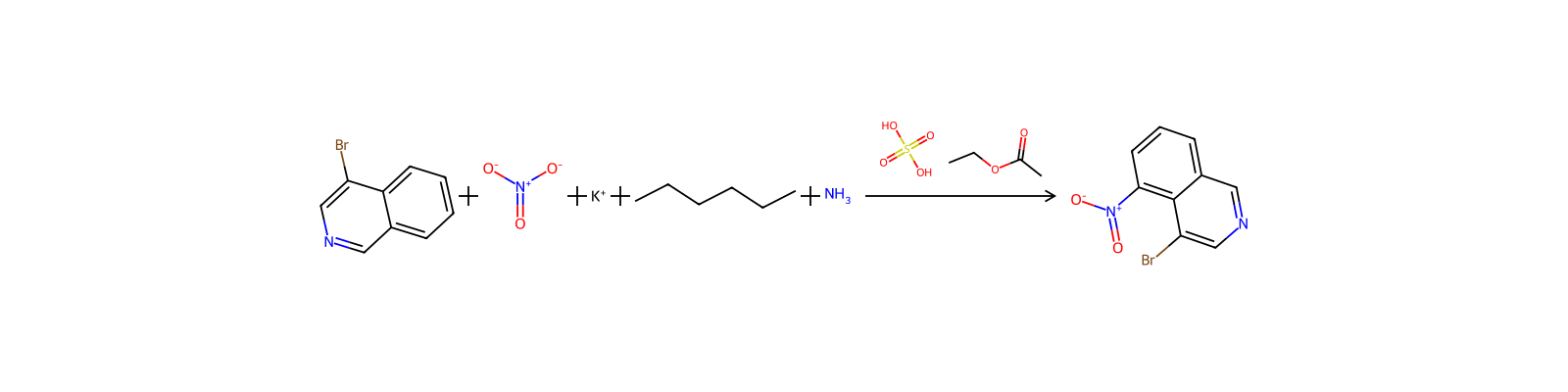
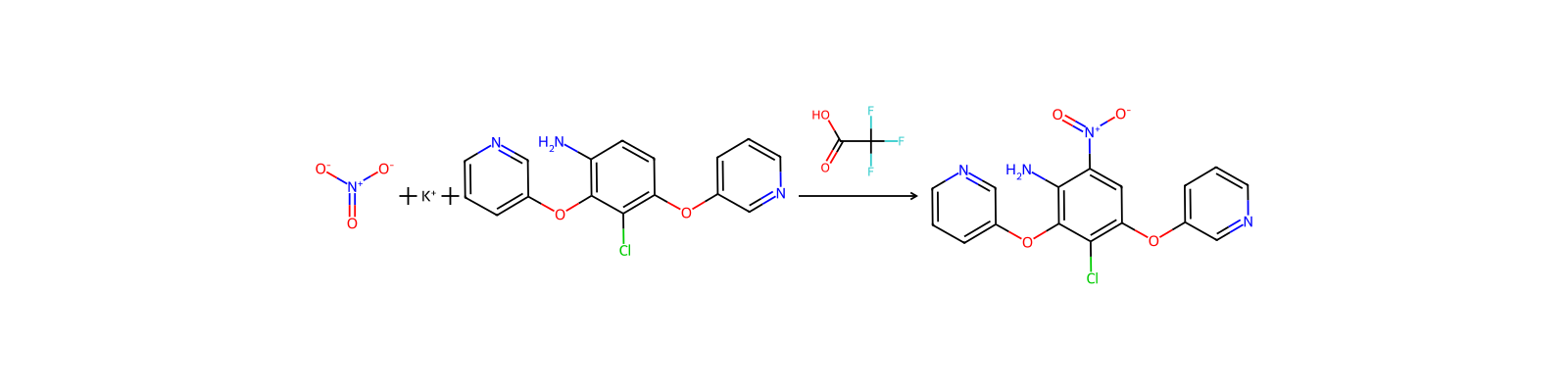
関連反応
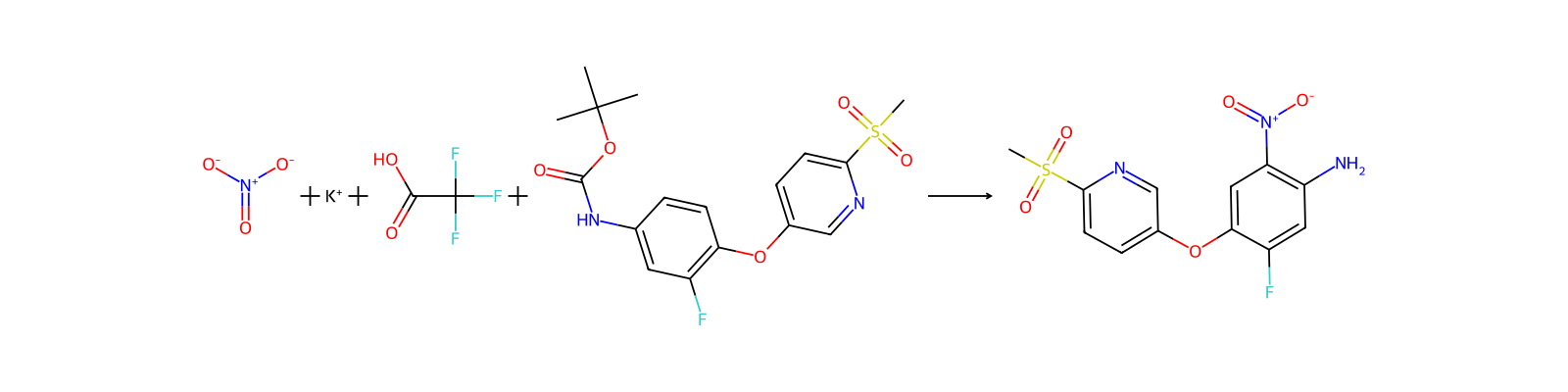
1,228 件




関連ノート
読み込み中…