ホームMCPワークベンチSkills
ホームワークベンチ通知マイページ
llms.txt · MCPガイドプライバシーポリシー · 利用規約 · サポートv1.8.0
  1. ホーム
  2. /化合物

亜硫酸ナトリウム

Sodium Sulfite
HCID 24437
ノートを作成反応を作成見積依頼を出す
印刷プレビュー
基本情報概要名称と識別子物性安全と法規制化学と産業関連反応化合物ノート
部分構造検索類似構造を探す

基本情報

CAS
7757-83-7
標準SMILES
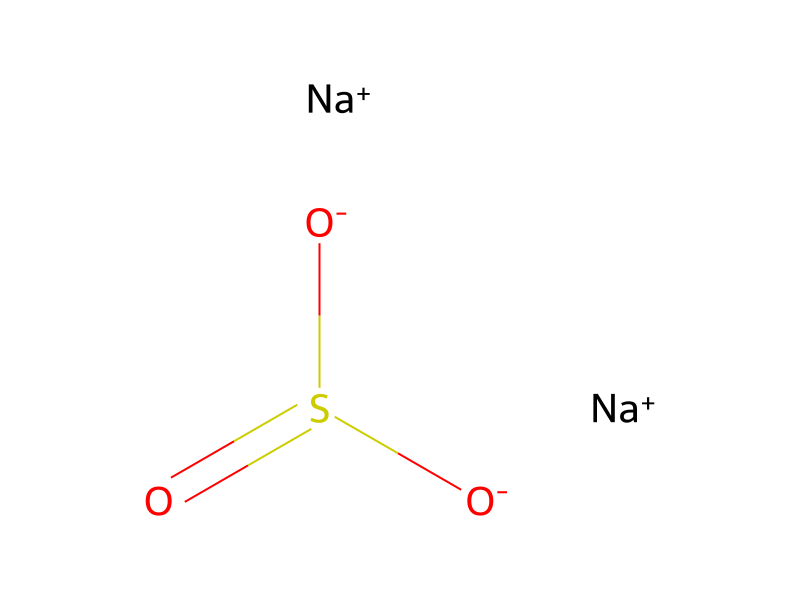
O=S([O-])[O-].[Na+].[Na+]
InChIKey
GEHJYWRUCIMESM-UHFFFAOYSA-L
分子式
Na2SO3
平均分子量
126.05 g/mol
単同位体質量
125.93635342

概要

Sodium sulfite is a white odorless powder. Density 2.633 g / cm3. Moderately toxic. Sinks in water and dissolves slowly. Also transported as a heptahydrate Na2SO3.7H2O.

名称と識別子

優先名称
Sodium Sulfite
IUPAC
disodium;sulfite
現地名
亜硫酸ナトリウム
英語名
Sodium sulfite
分子式
Na2O3S
分子量
126.04

名称と別名

SODIUM SULFITE7757-83-7Disodium sulfiteSodium sulfite anhydrousSodium sulphiteSulfurous acid, disodium saltNatrium sulfurosumSulftechNatriumsulfidNatriumsulfitS-WATNatrii sulphis
名称をさらに表示
亜硫酸ソーダ亜硫酸ジナトリウム亜硫酸二ナトリウム無水亜硫酸ナトリウム亜硫酸ナトリウム 無水亜硫酸ナトリウム(無水)1MOL/L 亜硫酸ナトリウム溶液亜硫酸ナトリウム ≥98%亜硫酸ナトリウム ACS REAGENT,≥98.0%亜硫酸ナトリウム PURISS. P.A.,REAG. PH. EUR.,ANHYDROUS,98-100.0% (IODOMETRIC)亜硫酸ナトリウム PURISS.,MEETS ANALYTICAL SPECIFICATION OF PH.EUR.,BP,NF,ANHYDROUS,95.0-100.0% (IODOMETRIC)亜硫酸ナトリウム, 無水亜硫酸ナトリウム無水物亜硫酸ナトリウム, 無水, 98%亜硫酸ナトリウム, 無水, 98+% (ACS)乾燥亜硫酸ナトリウム乾燥亜硫酸ナトリウム (JP17)亜硫酸ナトリウムNa2SO3Anhydrous sodium sulphiteSULPHITESanhydroussodiumsulfitenatriisulphis
Anhydrous sodium sulfiteSodium sulfite (Na2SO3)Exsiccated sodium sulfiteNatrum sulphurosumSodium sulphite anhydrousSulfurous acid, sodium salt (1:2)Sodium sulfite, anhydrousSodium sulfite, exsiccated

データベース識別子

CAS
7757-83-7
PubChem CID
24437
DTXSID
DTXSID2044260
ChEMBL
CHEMBL1945334
ChEBI
CHEBI:86477
UNII
VTK01UQK3G
EC Number
231-821-4、689-767-6
Nikkaji
J3.108I

物性

構造計算による物性

極性表面積
82.4 Ų
水素結合供与体数
0
水素結合受容体数
4
回転可能結合数
0
重原子数
6
形式電荷
0
複雑度
18.8

実験および物理化学的性質

Chemical ClassesOther Classes -> Sulfites
Cosmetics · 2 件

Cosmetic ingredients (Sodium Sulfite) -> CIR (Cosmetic Ingredient Review)

Preservative

pH · 2 件

8,5-11,5 (anhydrous: 10 % solution; heptahydrate: 20 % solution)

pH about 9

LogP-4
OdorOdorless
TasteSaline, sulfurous taste
Food AdditivesANTIOXIDANT, COLOR OR COLORING ADJUNCT, DOUGH STRENGTHENER, FLOUR TREATING AGENT, FORMULATION AID, OXIDIZING OR REDUCING AGENT, PH CONTROL AGENT -> FDA Substance added to food
Density · 4 件

2.633 at 59 °F (USCG, 1999) - Denser than water; will sink

2.63 g/cu cm

2.63 g/cm³

2.633 @25 °C

Color/Form · 3 件

Small crystals or powder

White hexagonal crystals

White crystals or powder

Solubility · 6 件

Soluble in 3.2 parts (NTP, 1992)

Colorless, monoclinic crystals; demsity: 1.56 g/cu cm; solubility: 30.7 g/100 g water at 25 °C; slightly solluble in ethanol; unstable /Sodium sulfite heptahydrate/

安全と法規制

安全情報は参考情報です。供給元の安全データシート(SDS)、適用法令、専門家による評価に代わるものではありません。

GHS分類

GHS Classification · 6 件

This chemical does not meet GHS hazard criteria for 24.9% (618 of 2482) of reports.

Danger

H302 (18.3%): Harmful if swallowed [Warning Acute toxicity, oral]

P260, P264, P264+P265, P270, P280, P301+P317, P301+P330+P331, P302+P352, P302+P361+P354, P304+P340, P305+P351+P338, P305+P354+P338, P316, P321, P330, P332+P317, P337+P317, P362+P364, P363, P405, and P501 (click each P-code to see the statement)

Aggregated GHS information provided per 2482 reports by companies from 19 notifications to the ECHA C&L Inventory. Each notification may be associated with multiple companies.

Not Classified

危険有害性情報

Regulatory Information · 4 件

Chemical: Sulfurous acid, disodium salt

Sulfurous acid, sodium salt (1:2) is listed on the EPA's Chemical Data Reporting (CDR) system. Manufacturers and importers of Sulfurous acid, sodium salt (1:2) are required to report information about their production and use of this chemical to the EPA under the Toxic Substances Control Act (TSCA). (40 eCFR Part 711)

Status: Active Update: 24-04-2023 https://echa.europa.eu/registration-dossier/-/registered-dossier/15131

Disodium sulphite: Does not have an individual approval but may be used under an appropriate group standard

Other Safety InformationIMAP assessments - Sulfites: Human health tier II assessment
Fire Hazards · 2 件

Literature sources indicate that this compound is noncombustible. (NTP, 1992)

Not combustible. Gives off irritating or toxic fumes (or gases) in a fire.

Health Hazards · 1 件

When ingested, solutions cause gastric irritation by the liberation of sulfurous acid. Because of rapid oxidation to sulfate, sulfites are well tolerated until large doses are reached; then violent colic and diarrhea, circulatory disturbances, central nervous depression, and death can occur. (USCG, 1999)

化学と産業

薬理情報

Metabolism/MetabolitesSulfites that enter mammals via ingestion, inhalation, or injection are metabolized by sulfite oxidase to sulfate.
Absorption, Distribution and ExcretionSkin penetration would be low due to the highly charged nature of these particles and any sulfite that did penetrate would be converted to sulfate by the enzyme sulfate oxidase.

用途と製造

Uses · 6 件

CIR ingredient: Sodium Sulfite

Used in developing photographs, bleaching textiles, manufacturing dyes, silvering glass, and preserving meat; Also used as an antiseptic, disinfectant, and water treatment chemical for industrial boilers and oil wells; [HSDB] Used in photography (preservative); [www.ci.tucson.az.us/arthazards/medium.html]

Petroleum Production and Refining [Category: Industry]

For sodium sulfite (USEPA/OPP Pesticide Code: 078203) there are 0 labels match. /SRP: Not registered for current use in the U.S., but approved pesticide uses may change periodically and so federal, state and local authorities must be consulted for currently approved uses./

Chiefly in photographic developers and instead of "hypo" for fixing prints; bleaching wool, straw, silk; generating SO2; as reducer in manufacture of dyes; silvering glass; removing traces of Cl in bleached textiles and paper; preserving meat, egg yolks, etc. Reducing agent.

BLEACHING AGENT, EG, FOR PERMANGANATE STAINS; DISINFECTANT; PRESERVATIVE FOR FOOD AND BEVERAGES; ANTIOXIDANT & STABILIZING AGENT FOR PHARMACEUTICALS;: SOLUBILIZING AGENT FOR DYES AND OTHER CHEMICALS; MANUFACTURE OF SODIUM HYDROSULFITE

U.S. Exports · 2 件

(1977) No Data

(1979) No Data

U.S. Imports · 3 件

(1977) No Data

(1979) No Data

(1987) 4.54X10+8 g /estimated/

U.S. Production · 5 件

2023: 250,000,000 - <400,000,000 lb

関連反応

2,472 件
反応記録を作成
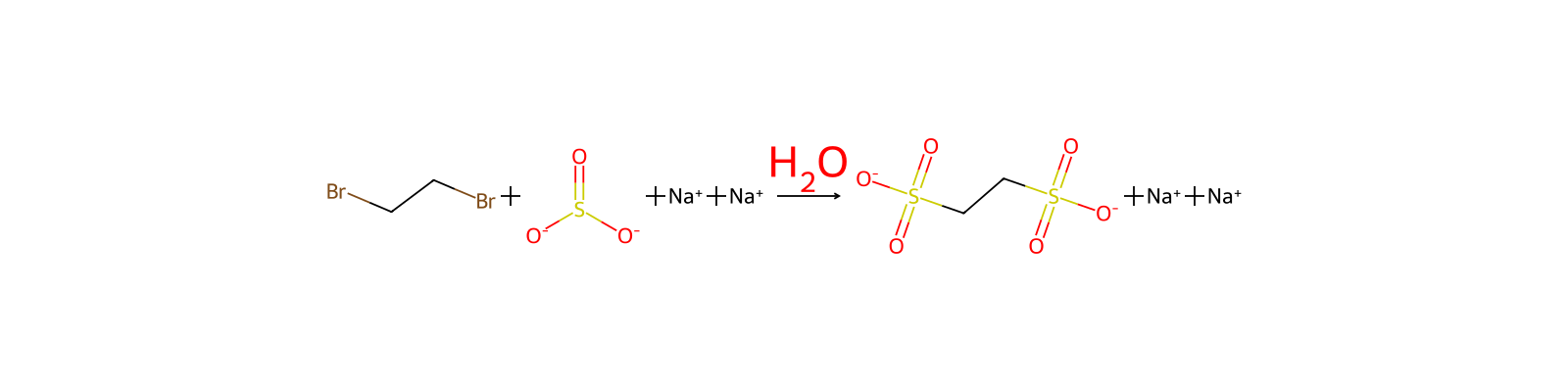
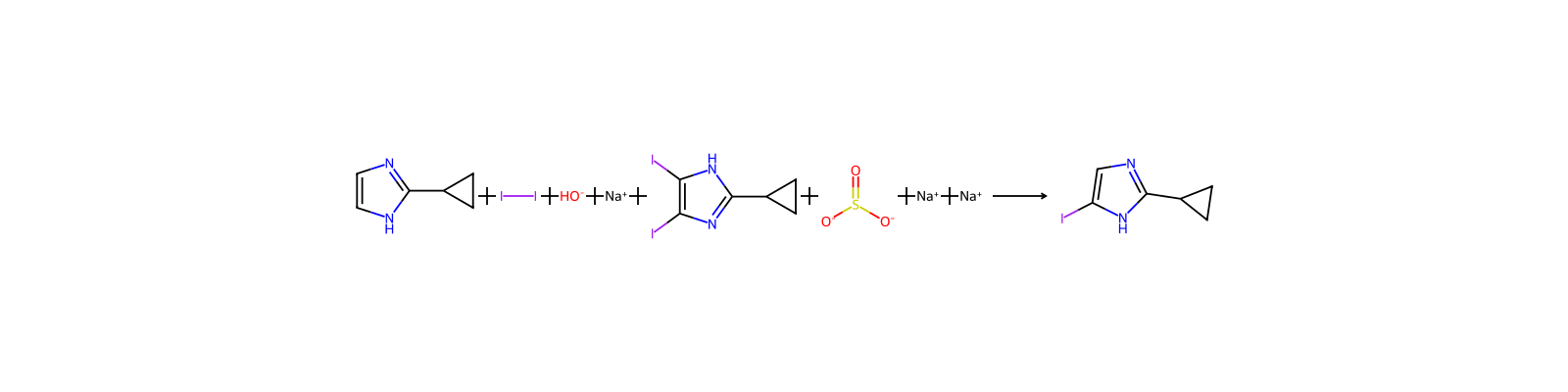
HRID 1065 の反応式
HRID 1065反応物としてuspto-grants-1998_03
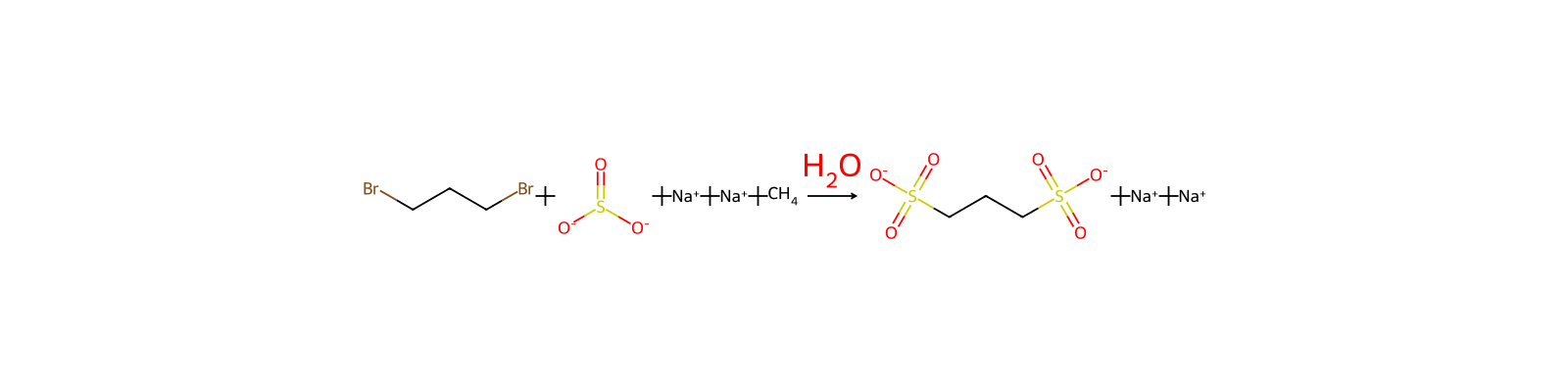
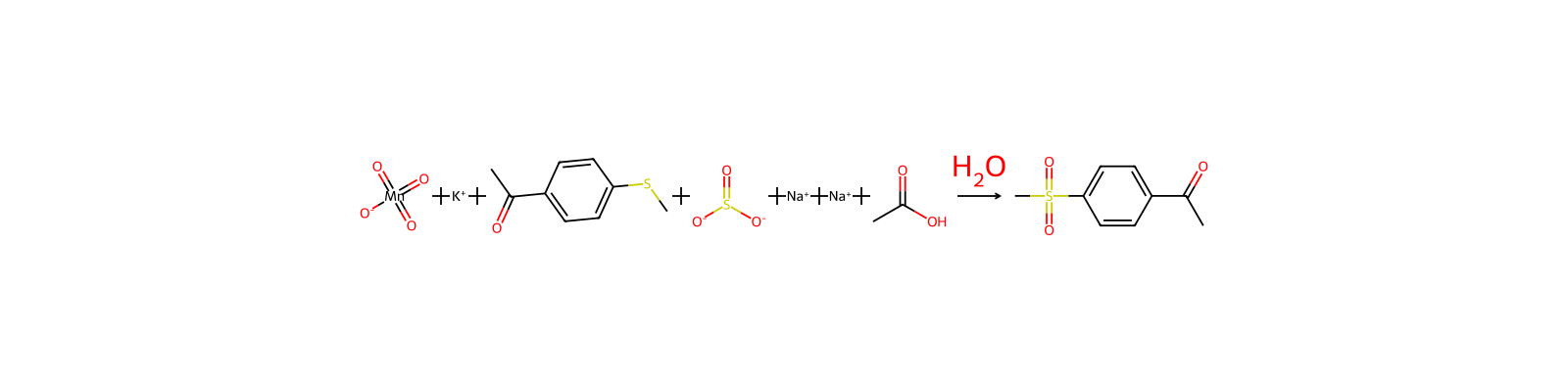
HRID 1734 の反応式
HRID 1734反応物としてuspto-grants-1998_03
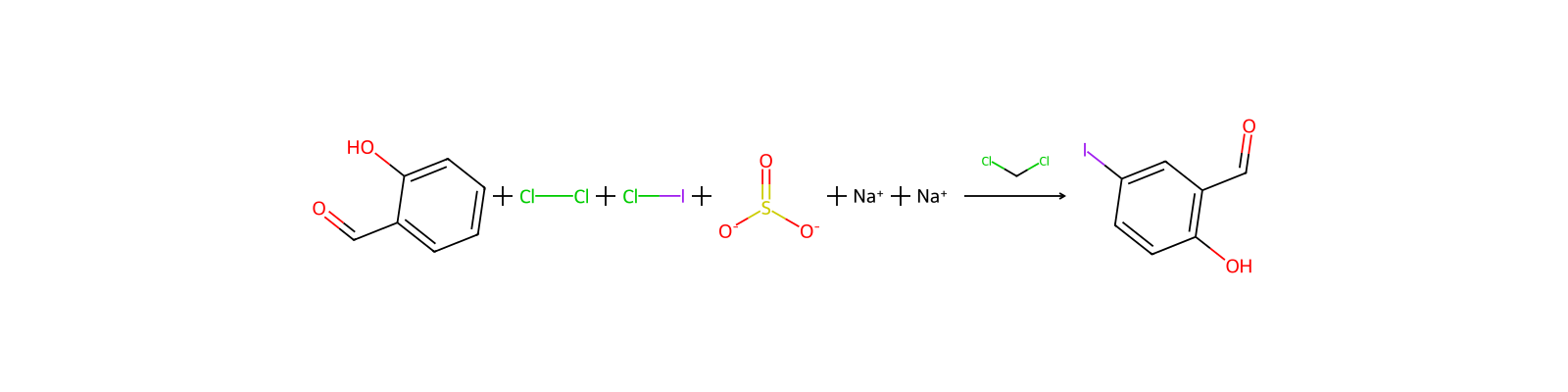
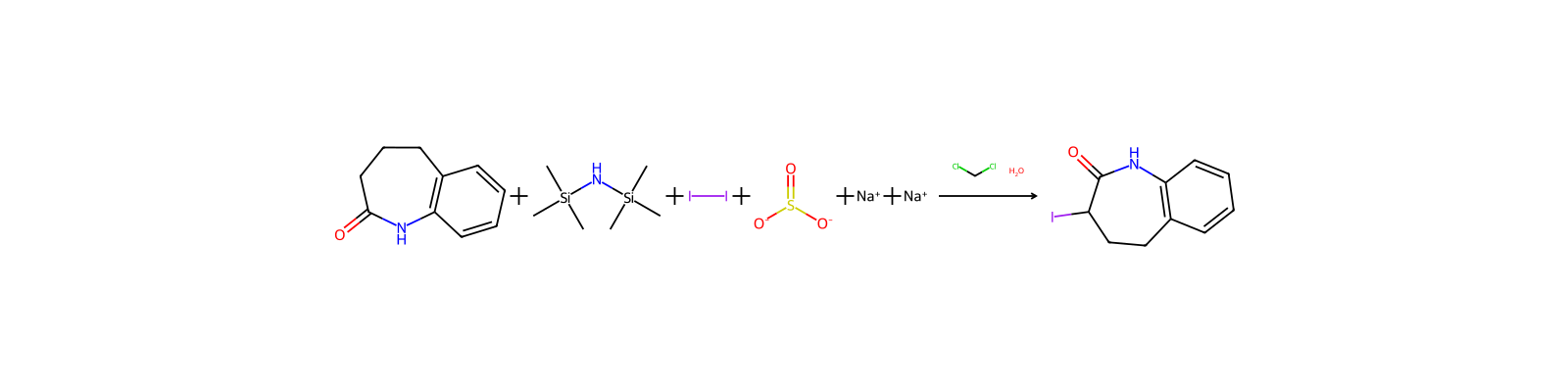
HRID 1930 の反応式
HRID 1930反応物としてuspto-grants-1998_03
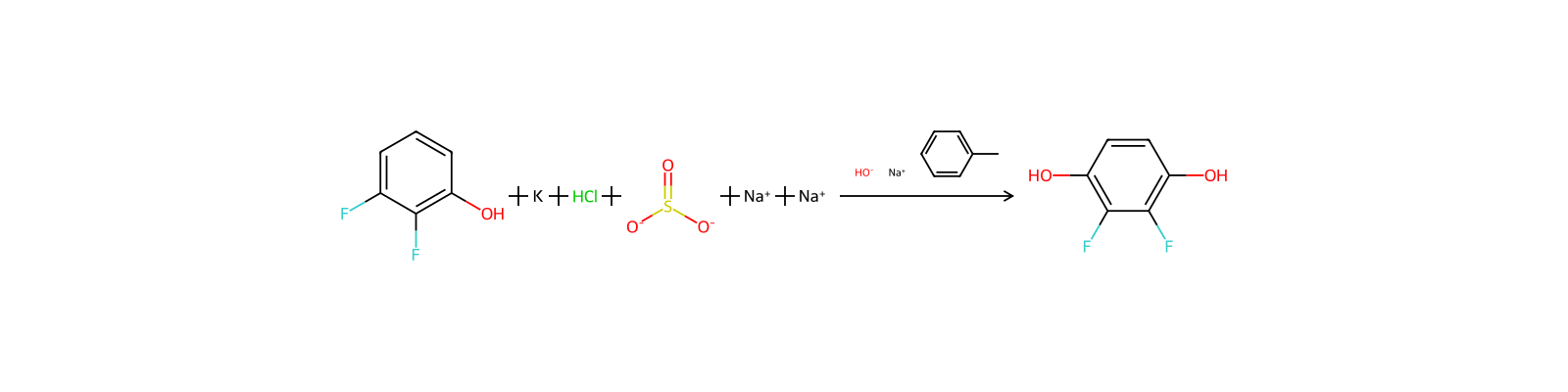
HRID 1931 の反応式
HRID 1931反応物としてuspto-grants-1998_03
HRID 2756 の反応式
HRID 2756反応物としてuspto-grants-1998_03
HRID 4877 の反応式
HRID 4877反応物としてuspto-grants-1993_09
HRID 6333 の反応式
HRID 6333反応物としてuspto-grants-1993_09
HRID 8890 の反応式
HRID 8890反応物としてuspto-grants-2006_08
1 / 309 ページ

化合物ノート

読み込み中…

このページの内容基本情報概要名称と識別子物性安全と法規制化学と産業関連反応化合物ノート
その他の操作
ノートを作成反応を作成見積依頼を出す

In water, 30.7 g/100 g water at 25 °C

Soluble in 3.2 parts water

Soluble in glycerol; very slightly soluble in alcohol

Sparingly soluble in alcohol

Animal DrugsPharmaceuticals -> UK Veterinary Medicines Directorate List
Boiling Point · 2 件

Decomposes (NTP, 1992)

Decomposes

物理化学的性質

融点
500 °C · 500 °C
比重(密度)
2.63 · 2.63
屈折率
1 · 1,484
貯蔵温度
5 °C · Store at +5°C to +30°C.
溶解性
2 O: · H2O: 1M at20℃、透明、無色
外見
個体
比重
2.633 · 2.633
色
白色~やや黄色
臭い (Odor)
無臭
PH
9 · 9.0-10.5 (25℃, 1M in H2O)
水溶解度
23 g/100mL · 23g/100mL(20℃)
比熱容量
0.95 J/ · Cp(crystal): 0.95 J/(g·K), at 25℃
Merck
14 · 14,8682
安定性
安定。強酸とは相容れない。湿気と空気に敏感。
化粧品成分の機能
還元剤抗酸化物質ヘアウェーブとヘアストレート
InChI
1S/2Na.H2O3S/c;;1-4(2)3/h;;(H2,1,2,3)/q2*+1;/p-2
InChIKey
GEHJYWRUCIMESM-UHFFFAOYSA-L
SMILES
[Na+].[Na+].[O-]S([O-])=O
CAS データベース
7757 · 7757-83-7(CAS DataBase Reference)
NISTの化学物質情報
sodium sulfite(7757-83-7)
EPAの化学物質情報
Sodium sulfite (7757-83-7)
Absorption
265 nm · cut-off at 265nm in H2O at 1M
化学的性質 · 3 件

化学的特性硫IV水酸化物化学式で表すとH2SO3という形になりますこの化合物は硫黄の酸化数が4の状態で硫酸SO42よりも還元された形です自然界では火山ガスや一部の鉱石の酸化によって発生することがありますが一般には硫黄二酸化物SO2が水に溶けた際に生成されるとされています

化学的特性Sodium sulfite,Na2S03, is a white,water-soluble, crystalline solid with a sulfurous, salty taste. It decomposes when heated. Sodium sulfite is used as a source of sulfite,as a chemical intermediate and food preservative, in medicine and paper manufacturing, in photographic developing, and as a bleaching agent in the textile industry. Most boiler operators use sodium sulfite for chemicals cavenging of oxygen in the feedwater. Because it decomposes into acidic gases at the high temperatures that accompany high pressures, sodium sulfite should not be used for this purpose at pressures above 122atm (12.4MPa,or 1.8 ksi).

化学性质色の結晶,水によく溶解し,還元性があり,自身は酸化されて硫酸ナトリウムになる。空気で容易に酸化される。

Hazards Summary · 1 件

A case of occupational asthma, confirmed by specific inhalation challenge, was reported in a worker whose job was to sprinkle dry metabisulfite on potatoes. [Malo JL, Cartier A, Desjardins A. Occupational asthma caused by dry metabisulphite. Thorax 1995 May;50(5); 585-6.] Similar cases have been reported in the wine, laundry, and lobster fishing industries. [Madsen J, Sherson D, Kjoller H, Hansen I, Rasmussen K. Occupational asthma caused by sodium disulphite in Norwegian lobster fishing. Occup Environ Med 2004;61:873-874] Sulfites are not classifiable as to carcinogenicity to humans. [IARC] See SULFITES.

FDA Requirements · 2 件

This substance is generally recognized as safe when used as a chemical preservative in accordance with good manufacturing practice, except that it is not used in meats; in food recognized as a source of vitamin B1; on fruits and vegetables intended to be served raw to consumers or sold raw to consumers, or to be presented to consumers as fresh.

This substance is generally recognized as safe when used as a chemical preservative in accordance with good manufacturing or feeding practice, except that it is not used in meats or in food recognized as a source of vitamin B1.

Reactive GroupSulfite and Thiosulfate Salts
Special Reports · 1 件

Nair B, Elmore AR; Final report on the safety assessment of sodium sulfite, potassium sulfite, ammonium sulfite, sodium bisulfite, ammonium bisulfite, sodium metabisulfite and potassium metabisulfite. Int J Toxicol 22 (Suppl 2) :63-88 (2003) Cosmetic Ingredients Review Expert Panel report.

EPA Safer ChemicalChemical: Sodium sulfite
Reactivity AlertsStrong Reducing Agent
Reactivity Profile · 1 件

SODIUM SULFITE is a reducing agent, particularly under basic conditions. Reacts with oxidizing agents such as peroxides, epoxides, oxoacids. Emits toxic fumes of sodium oxide and oxides of sulfur if heated to decomposition [Lewis, 3rd ed., 1993, p. 1174].

Chemical DangersDecomposes on heating. This produces toxic and corrosive fumes. The substance is a strong reducing agent. It reacts violently with oxidants. Reacts with strong acids. This produces toxic sulfur oxides.

安全と保護具

Fire Fighting · 2 件

Fires involving this material can be controlled with a dry chemical, carbon dioxide or Halon extinguisher. (NTP, 1992)

In case of fire in the surroundings, use appropriate extinguishing media.

First Aid Measures · 4 件

Fresh air, rest. Half-upright position. Seek medical attention if you feel unwell.

Remove contaminated clothes. Rinse skin with plenty of water or shower.

Rinse with plenty of water (remove contact lenses if easily possible).

Rinse mouth. Give one or two glasses of water to drink. Rest.

First Aid · 1 件

EYES: First check the victim for contact lenses and remove if present. Flush victim's eyes with water or normal saline solution for 20 to 30 minutes while simultaneously calling a hospital or poison control center. Do not put any ointments, oils, or medication in the victim's eyes without specific instructions from a physician. IMMEDIATELY transport the victim after flushing eyes to a hospital even if no symptoms (such as redness or irritation) develop.

Safe StorageSeparated from strong oxidants and acids. Store in an area without drain or sewer access.
Firefighting HazardsSulfur oxides, sodium oxides.
Fire Fighting ProceduresSuitable extinguishing media: Dry powder. ...Wear self-contained breathing apparatus for firefighting if necessary.
Storage ConditionsKeep container tightly closed in a dry and well-ventilated place. Never allow product to get in contact with water during storage. Do not store near acids. Air and moisture sensitive. Storage class (TRGS 510): Non Combustible Solids
Cleanup Methods · 1 件

ACCIDENTAL RELEASE MEASURES; Personal precautions, protective equipment and emergency procedures: Wear respiratory protection. Avoid dust formation. Avoid breathing vapors, mist or gas. Avoid breathing dust. Environmental precautions: Do not let product enter drains. Methods and materials for containment and cleaning up: Pick up and arrange disposal without creating dust. Sweep up and shovel. Do not flush with water. Keep in suitable, closed containers for disposal.

Nonfire Spill Response · 1 件

SMALL SPILLS AND LEAKAGE: If you spill this chemical, you should dampen the solid spill material with water, then transfer the dampened material to a suitable container. Use absorbent paper dampened with water to pick up any remaining material. Seal your contaminated clothing and the absorbent paper in a vapor-tight plastic bag for eventual disposal. Wash all contaminated surfaces with a soap and water solution. Do not reenter the contaminated area until the Safety Officer (or other responsible person) has verified that the area has been properly cleaned.

Disposal Methods · 2 件

SRP: Recycle any unused portion of the material for its approved use or return it to the manufacturer or supplier. Ultimate disposal of the chemical must consider: the material's impact on air quality; potential migration in air, soil or water; effects on animal, aquatic and plant life; and conformance with environmental and public health regulations. If it is possible or reasonable use an alternative chemical product with less inherent propensity for occupational harm/injury/toxicity or environmental contamination.

Product: Offer surplus and non-recyclable solutions to a licensed disposal company. Contact a licensed professional waste disposal service to dispose of this material. Contaminated packaging: Dispose of as unused product.

Spillage Disposal · 1 件

Personal protection: filter respirator for inorganic gases and vapours adapted to the airborne concentration of the substance. Do NOT let this chemical enter the environment. Sweep spilled substance into covered containers. If appropriate, moisten first to prevent dusting. Carefully collect remainder. Then store and dispose of according to local regulations.

Preventive Measures · 5 件

Further processing of solid materials may result in the formation of combustible dusts. The potential for combustible dust formation should be taken into consideration before additional processing occurs. Provide appropriate exhaust ventilation at places where dust is formed.

ACCIDENTAL RELEASE MEASURES; Personal precautions, protective equipment and emergency procedures: Wear respiratory protection. Avoid dust formation. Avoid breathing vapors, mist or gas. Avoid breathing dust.

Gloves must be inspected prior to use. Use proper glove removal technique (without touching glove's outer surface) to avoid skin contact with this product. Dispose of contaminated gloves after use in accordance with applicable laws and good laboratory practices. Wash and dry hands.

Handle in accordance with good industrial hygiene and safety practice. Wash hands before breaks and at the end of workday.

SRP: Local exhaust ventilation should be applied wherever there is an incidence of point source emissions or dispersion of regulated contaminants in the work area. Ventilation control of the contaminant as close to its point of generation is both the most economical and safest method to minimize personnel exposure to airborne contaminants. Ensure that the local ventilation moves the contaminant away from the worker.

毒性情報

Interactions · 5 件

We investigated the effects of sodium sulfite (Na(2)SO(3)) on rhinovirus (RV)-induced chemokine production in A549 airway epithelial cells. Our results demonstrated that the treatment of A549 cells with 2,500 uM Na(2)SO(3) enhanced the mRNA expression of RV-induced interleukin (IL)-8 1.8 fold (p=0.025); and regulated on activation, normal T-cell expressed and secreted (RANTES), 2.9 fold (p=0.025). Moreover, the secretion of IL-8, RANTES, and interferon-gamma-inducible protein (IP)-10 was increased in a statistically significant manner without affecting cell viability and RV replication. Our results suggest that Na(2)SO(3) may potentiate RV infection by enhancing chemokine production.

Foods contain various additives that affect our daily lives. At present, food additive safety evaluation standards are based on the toxicity of single additives, but food additives are often used in combination and may have additive, synergistic or antagonistic actions. The current study investigated the toxicity of food additives and mechanisms of damage in HepG2 cells using High Content Analysis (HCA). We used the CCK-8 assay to determine cell viability, providing an experimental basis for determining the safety of food additives. All of the food additives tested were observed to decrease the growth of HepG2 cells in a dose-dependent manner. Sunset yellow and sodium sulfite had IC50 values of 1.06, and 0.30 g/L at 24 hr, respectively. HCA showed that both sunset yellow and sodium sulfite had synergistic effects on cell number, membrane permeability, mitochondrial membrane potential, intracellular calcium level, oxidative stress, and high dose group DNA damage.

Sulfur dioxide is a typical air pollutant. Sulfite, which is formed at the bronchial mucosa from inhaled sulfur dioxide, might play a role in the exacerbation of asthma. In this study, we investigated the effects of sodium sulfite and its interaction with a house dust mite (Dermatophagoides pteronyssinus, Der p) on allergic sensitization and airway inflammation. BALB/c mice were divided into four groups: control (n=10), mite intranasal (mIN, n=12), sodium sulfite intranasal (sIN, n=12) and mIN + sIN (n=12). In non-control groups, the mice were sensitized on day 8 and day 15 with mite allergen subcutaneously. Mite allergen was then administrated intranasally from day 15 to day 22 in mIN and mIN+sIN groups. Sodium sulfite was administrated in sIN and mIN + sIN groups intranasally from Day 1 to Day 22. Plasma Der p-specific IgE, IgG2a, lung histopathology and cytokine levels (IL-5 and IFN-gamma) were analyzed. In comparison between mIN (or sIN) and mIN + sIN group, Der p-specific IgE levels were significantly higher in mIN + sIN group (p<0.01). Besides, Der p-specific IgG2a level was significantly lower in mIN + sIN group than mIN (or sIN) group (p<0.01). The peribronchiolar, alveolar and total inflammatory scores were increased in the mIN + sIN group comparing with the control group (p<0.05, p< 0.01, p<0.01, respectively). Lung supernatant in mIN + sIN group has higher IL-5/IFN-gamma ratio than control, mIN or sIN group (all p<0.05). Our study concluded sodium sulfite may enhance allergic sensitization as well as airway inflammation in mite allergen sensitized BALB/c mice.

Obesity leads to the activation of pro-inflammatory pathways, resulting in a state of low-grade inflammation. Recently, several studies have shown that the exposure to lipopolysaccharide (LPS) could initiate and maintain a chronic state of low-grade inflammation in obese people. As the daily intake of food additives has increased substantially, the aim of the present study was to investigate a potential influence of food additives on the release of leptin, IL-6 and nitrite in the presence of LPS in murine adipocytes. Leptin, IL-6 and nitrite concentrations were analyzed in the supernatants of murine 3T3-L1 adipocytes after co-incubation with LPS and the food preservatives, sodium sulfite (SS), sodium benzoate (SB) and the spice and colorant, curcumin, for 24 hr. In addition, the kinetics of leptin secretion was analyzed. A significant and dose-dependent decrease in leptin was observed after incubating the cells with SB and curcumin for 12 and 24 hr, whereas SS decreased leptin concentrations after 24 hr of treatment. Moreover, SS increased, while curcumin decreased LPS-stimulated secretion of IL-6, whereas SB had no such effect. None of the compounds that were investigated influenced nitrite production. The food additives SS, SB and curcumin affect the leptin release after co-incubation with LPS from cultured adipocytes in a dose- and time-dependent manner. Decreased leptin release during the consumption of nutrition-derived food additives could decrease the amount of circulating leptin to which the central nervous system is exposed and may therefore contribute to an obesogenic environment.

For more Interactions (Complete) data for Sodium sulfite (8 total), please visit the HSDB record page.

Ecotoxicity Values · 3 件

LC50; Species: Daphnia magna (Water flea); Conditions: freshwater, static, 21-25 °C; Concentration: 299000 ug/L for 25 hr

LC50; Species: Daphnia magna (Water flea); Conditions: freshwater, static, 21-25 °C; Concentration: 273000 ug/L for 50 hr

LC50; Species: Daphnia magna (Water flea); Conditions: freshwater, static, 21-25 °C; Concentration: 203000 ug/L for 4.2 days

Adverse EffectsAsthma - Reversible bronchoconstriction (narrowing of bronchioles) initiated by the inhalation of irritating or allergenic agents.
Exposure RoutesThe substance can be absorbed into the body by inhalation and by ingestion.
Toxicity Summary · 2 件

Safe in the present practices of use and concentration. Ingredient, concentration, and use information are available in documents discoverable at https://cir-reports.cir-safety.org

IDENTIFICATION AND USE: Sodium sulfite forms small white crystals or powder. Sodium sulfite used as reducing agent and antioxidant in cosmetic formulations. Other uses include paper industry, water treatment, and dietary supplements. It is also used as antioxidant and antiseptic in veterinary. HUMAN STUDIES: Clinical oral and ocular-exposure studies reported no adverse effects. Sodium sulfite was not irritating or sensitizing in clinical tests. It may however, produce positive reactions in dermatologic patients under patch test. The majority of patients with positive reactions to sodium metabisulfite are also positive to sodium sulfite. Most studies report a prevalence of sulfite sensitivity of 3 to 10% among asthmatic subjects who ingest these additives. However, the severity of these reactions varies, and steroid-dependent asthmatics, those with marked airway hyperresponsiveness, and children with chronic asthma, appear to be at greater risk. Chronic irritation and inflammation of the respiratory tract and alteration of the sense of smell and taste is not uncommon a result of frequent exposure to 30 to 100 ppm. ANIMAL STUDIES: A single exposure to low concentrations of a sodium sulfite fine aerosol produced dose-related changes in the lung capacity parameters of guinea pigs. A 3-day exposure of rats to a sodium sulfite fine aerosol produced mild pulmonary edema and irritation of the tracheal epithelium. In rats, sodium sulfite heptahydrate at large doses (up to 3.3 g/kg) produced fetal toxicity but not teratogenicity. Sodium sulfite was negative in mutagenicity studies.

Signs and SymptomsCough. Sore throat. See Effects of long-term or repeated exposure.
ICSC Environmental DataThe substance is harmful to aquatic organisms.
Human Toxicity Excerpts · 5 件

/HUMAN EXPOSURE STUDIES/ Sulfites are in widespread use as preservatives/antioxidants. There is increasing recognition of allergic contact dermatitis caused by sodium metabisulfite; however, contact allergy to sodium sulfite is less well recognized. We sought to establish the prevalence of positive patch test reactions to sodium sulfite in our patient population and investigate its relationship with sodium metabisulfite. Over a 4-month period, 183 patients referred for patch testing were tested with sodium sulfite 1% pet. in addition to sodium metabisulfite 1% pet., which already forms part of our baseline series. Positive allergic reactions occurred to sodium metabisulfite in 5.5% of the tested patients and to sodium sulfite in 3.8% of the tested patients. Sixty percent of patients with a positive reaction to sodium metabisulfite were positive to sodium sulfite. Only 1 patient (0.6%) with a negative reaction to sodium metabisulfite showed a positive reaction to sodium sulfite. This study shows that the majority of patients with positive reactions to sodium metabisulfite are also positive to sodium sulfite. Routinely patch testing with sodium sulfite is probably unnecessary, as most patients with positive reactions will also react to sodium metabisulfite. Clinicians should consider advising patients to avoid sodium sulfite and other sulfites when a positive allergic reaction to sodium metabisulfite occurs.

/SIGNS AND SYMPTOMS/ Chronic irritation and inflammation of the respiratory tract and alteration of the sense of smell and taste is not uncommon a result of frequent exposure to 30 to 100 ppm.

/SIGNS AND SYMPTOMS/ Clinical oral and ocular-exposure studies reported no adverse effects. Sodium sulfite was not irritating or sensitizing in clinical tests. These ingredients, however, may produce positive reactions in dermatologic patients under patch test.

/SIGNS AND SYMPTOMS/ Sulfites are widely used as preservative and antioxidant additives in the food and pharmaceutical industries. Exposure to sulfites has been reported to induce a range of adverse clinical effects in sensitive individuals, ranging from dermatitis, urticaria, flushing, hypotension, abdominal pain and diarrhea to life-threatening anaphylactic and asthmatic reactions. Exposure to the sulfites arises mainly from the consumption of foods and drinks that contain these additives; however exposure may also occur through the use of pharmaceutical products, as well as in occupational settings. Most studies report a prevalence of sulfite sensitivity of 3 to 10% among asthmatic subjects who ingest these additives. However, the severity of these reactions varies, and steroid-dependent asthmatics, those with marked airway hyperresponsiveness, and children with chronic asthma, appear to be at greater risk. Although a number of potential mechanisms have been proposed, the precise mechanisms underlying sulfite sensitivity remain unclear. /Sulfites/

For more Human Toxicity Excerpts (Complete) data for Sodium sulfite (8 total), please visit the HSDB record page.

Non-Human Toxicity Excerpts · 5 件

/LABORATORY ANIMALS: Acute Exposure/ /In/ rats exposed to aerosols of sodium sulfite 0.1-15 mg/cu m and particle sizes of approx 1 um, increased rates of glycoprotein secretion were observed for tracheae and increased wet to dry wt ratios of right apical lobes were also observed.

/LABORATORY ANIMALS: Acute Exposure/ Guinea pigs were exposed (head only) for 1 hr to submicrometer sodium sulfite aerosols at 474, 669, and 972 ug SO3/cu m. Respiratory mechanics were measured in unanesthetized animals before, during, and after exposure. Dose-related increases in resistance and decreases in compliance were observed. At 972 ug SO3/cu m, the sodium sulfite aerosol caused a 50% increase in resistance and a 19% decrease in compliance. These changes were still present 1 hr after the end of exposure. The results were used to assess the irritant potency of sodium sulfite aerosol. Another group of guinea pigs was exposed whole body for 1 hr to the same aerosol at 0, 204, 395, and 1152 ug SO3/cu m. ... As compared to controls, total lung capacity, vital capacity, functional residual capacity, residual volume, and diffusion capacity for carbon monoxide were all decreased with increasing concentrations of sodium sulfite. Dose-related increases in wet lung weights were also observed.

/LABORATORY ANIMALS: Acute Exposure/ Groups of six male Sprague-Dawley rats were exposed for 3 days to Sodium Sulfite aerosols at concentrations of 0.1, 1, 5, or 15 mg/cu m (sulfur dioxide equivalents of 0.2 to 2.7 ppm). The particle size was approximately 1 um. Two control groups were exposed to either 15 mg/cu m sulfate aerosol or filtered air. Responses were measured as follows: tracheal explants were cultured to measure glycoprotein secretion rates, lung homogenates were analyzed for protein, DNA and RNA concentrations, and the wet weight to dry weight ratios of the right apical lung lobes were determined. Increased glycoprotein secretion was observed in rats dosed with >/= 5 mg/cu m, and increased wet to dry weight ratios of right apical lobes were observed in rats dosed with >/=1 mg/cu m. The investigators concluded that the rats responded with "mild pulmonary edema." Exposure to >/= 5 mg/cu m resulted in an irritation response by the tracheal epithelium.

/LABORATORY ANIMALS: Acute Exposure/ Guinea pigs were exposed head-only for 1 hr to 474, 669, and 972 ug/cu m Sodium Sulfite aerosol. Respiratory mechanics were measured in unanesthetized animals before, during, and after exposure. Dose-related increases in resistance (50% increase at highest dose) and decreases in compliance (19% decrease at highest dose) were observed. Changes were present 1 hr after exposure ended. Another group of guinea pigs was exposed whole-body to the same aerosol at 204, 395, and 1152 ug/cu m. After exposure, lung volume, diffusion capacity for carbon monoxide, and wet lung weight were evaluated in anesthetized, tracheotomized animals. Compared to controls, total lung capacity, vital capacity, functional residual capacity, residual volume, and diffusion capacity for carbon monoxide were all decreased in exposed guinea pigs. A dose-related increase in wet lung weight was found.

Populations at Special Risk · 2 件

Most studies report a prevalence of sulfite sensitivity of 3 to 10% among asthmatic subjects who ingest these additives. However, the severity of these reactions varies, and steroid-dependent asthmatics, those with marked airway hyperresponsiveness, and children with chronic asthma, appear to be at greater risk. /Sulfites/

Some asthmatics are said to be dangerously sensitive to minute amounts of sulfites in foods. /Sulfites/

Evidence for Carcinogenicity · 1 件

Evaluation: There is inadequate evidence for the carcinogenicity in humans of sulfur dioxide, sulfites, bisulfites and metabisulfites. There is limited evidence for the carcinogenicity in experimental animals of sulfur dioxide. There is inadequate evidence for the carcinogenicity in experimental animals of sulfites, bisulfites and metabisulfites. Overall evaluation: Sulfur dioxide, sulfites, bisulfites and metabisulfites are not classifiable as to their carcinogenicity to humans (Group 3).

Probable Routes of Human Exposure · 2 件

According to the 2016 TSCA Inventory Update Reporting data, 39 reporting facilities estimate the number of persons reasonably likely to be exposed during the manufacturing, processing, or use of sodium sulfite in the United States may be as low as 10 workers to less than 10,000 but unknown or unreasonably ascertainable as to how many workers per plant; the data may be greatly underestimated due to confidential business information (CBI) or unknown values(1).

NIOSH (NOES Survey 1981-1983) has statistically estimated that 309,663 workers (122,038 of these were female) were potentially exposed to sodium sulfite in the US(1).

法規制情報

FDA Requirements · 2 件

This substance is generally recognized as safe when used as a chemical preservative in accordance with good manufacturing practice, except that it is not used in meats; in food recognized as a source of vitamin B1; on fruits and vegetables intended to be served raw to consumers or sold raw to consumers, or to be presented to consumers as fresh.

This substance is generally recognized as safe when used as a chemical preservative in accordance with good manufacturing or feeding practice, except that it is not used in meats or in food recognized as a source of vitamin B1.

安全データ

F
3-10
wgk
1
tsca
TSCA listed
rtecs
WE2150000
毒性
LD50 i.v. in mice: 175 mg/kg, Hoppe, Goble, J. Pharmacol. Exp. Ther. 101, 101 (1951)
hs_code
28321000
risk_code
31-36/37/38-22-40-36/38
hazard_code
Xn
safety_code
24/25-36-26-22
ストレージクラス
13 - Non Combustible Solids
有毒物質データの
7757-83-7(Hazardous Substances Data)
危険度評価(NFPA 704基準/消防庁データ)
人的[青]=0

(1976) 2.22X10+9 G (MIN CONSUMPTION IN FOODS)

(1979) No Data

(1987) 9.52X10+10 g /estimated/

Non-confidential 2016 Chemical Data Reporting (CDR) information on the production and use of chemicals manufactured or imported into the United States. Chemical: Sodium sulfite:

Consumption Patterns · 4 件

End use pattern: pulp and paper, 65%; water and waste treatment, 15%; photography, 10%; oil recovery, 5%; miscellaneous, 5% (1986)

CHEMICAL PROFILE: Sodium sulfite. Pulp and paper industry, 58%; water treatment, 12%; photography, 9%; miscellaneous, including textile bleaching, food preservatives, chemical intermediate, ore flotation and oil recovery, 13%; exports, 8%.

CHEMICAL PROFILE: Sodium sulfite. Demand: 1986: 130,000 tons; 1987: 133,000 tons; 1991 /projected/: 147,000 tons.

Demand 1997, 100,000 tons; 1998, 102,000 tons; 2002, 107,000 tons /projected, pulp and paper 55%, water treatment 20%, photography 10%, oil recovery 5%, miscellaneous uses 10%.

Consumer UsesCleaning agent
Industry UsesOther
Methods of Manufacturing · 2 件

It is produced by treating a suspension of sodium hydroxide or sodium carbonate with sulfur dioxide. The temperature is maintained at 60 - 80 °C for optimal crystal separation. The sodium sulfite suspension formed is centrifuged and the salt dried.

(1) Sulfur dioxide is reacted with soda ash and water and a solution of the resulting sodium bisulfite is treated with additional soda ash; (2) by-product of the caustic fusion process for phenol.

Formulations/Preparations · 3 件

Grades: reagent; technical; FCC /Food Chemical Codex/.

Sodium sulfite is sold in various purity grades containing 90-98% Na2SO3.

General Chem Corp (Previously Allied), Stauffer, VA Chem produce a technical grade sodium sulfite anhydrous with a minimum typical analysis of 96.5%, Granular Technical has a typical analysis of 98.0% with food & photographic grades at 98.6%. Koppers supplies on-purpose material made from sulfur dioxide... with an analysis of 96-97%... Koppers also produces 89-91% material as a by-product of resorcinol manufacture...

Household ProductsInformation on 284 consumer products that contain Sodium sulfite in the following categories is provided:
Use Classification · 6 件

EPA Safer Chemical Functional Use Classes -> Processing Aids and Additives

Safer Chemical Classes -> Green circle - The chemical has been verified to be of low concern

Food additives

Food Additives -> ANTIOXIDANT; PRESERVATIVE -> JECFA Functional Classes

Food Additives -> ANTIOXIDANT; PRESERVATIVE -> JECFA Functional Classes

Cosmetics -> Preservative

General Manufacturing Information · 5 件

Wholesale and Retail Trade

Sulfurous acid, sodium salt (1:2): ACTIVE

The commercial heptahydrate (about 90% pure, remainder consisting chiefly of sulfate) has been largely replaced by commercial anhydrous salt (about 96-99% pure) which is more stable. /Sodium sulfite heptahydrate/

(Vet): to help stabilize parenterals and mastitis suspensions. May be used topically where it is both antifungal and a keratin softener.

The classical method of placing a sulfonate group on an aliphatic chain is to react an aliphatic halide with sodium sulfite

応用分野 · 7 件

解説亜硫酸ナトリウム,Na2SO3(126.04).水酸化ナトリウムの濃水溶液に二酸化硫黄を通気し冷却すると,七水和物が沈殿する.この結晶を約50 ℃ に加熱すると無水物が得られる.炭酸ナトリウム水溶液と二酸化硫黄でつくった亜硫酸水素ナトリウムを,計算量の炭酸ナトリウムと反応させても得られる.工業的には,重油燃焼の排煙中の二酸化硫黄を回収して生産される.七水和物は無色の単斜晶系結晶で,密度1.56 g cm-3.風解性がある.無水物は六方晶系で,密度2.63 g cm-3.水和物より空気酸化されにくい.いずれも水に可溶性,水溶液は弱アルカリ性を示す.還元剤として,染色助剤,漂白剤,写真現像の定着助剤,ボイラー清缶剤,ビスコース安定剤などに用いられる.

用途硫IV水酸化物はその抗酸化性や還元性のため食品保存料として利用されることがありますまた紙の製造プロセスや繊維の漂白においてもその特性を生かした用途が見られます工業的には硫黄酸化物の排出を減らすための洗浄剤としてまた化学合成の中間体としても重要です

用途還元剤、漂白剤、脱塩素用、写真用現像及び定着液添加剤、合成用原料。

用途還元剤(りん酸塩、けい酸塩の比色定量)、脱酸素剤、調製液原料。

使用sodium sulfite has anti-septic, preservative, and anti-oxidant properties. Sodium sulfite is also a topical anti-fungal.

一般的な説明White odorless powder. Density 2.633 g / cm3. Moderately toxic. Sinks in water and dissolves slowly. Also transported as a heptahydrate Na2SO3.7H2O.

使用用途亜硫酸ナトリウムは、防腐剤、漂白剤、褐色化防止剤、酸化防止剤として、化粧品や食品などに添加されています。具体的には、ワインに添加すると、亜硫酸ナトリウムが酸化防止剤として働きます。防腐剤として、化粧品のクリームやヘアカラーにも使用可能です。ドライフルーツに亜硫酸ナトリウムを添加すると退色を防げます。 さらに亜硫酸ナトリウムは、食物を漂白可能です。亜硫酸ナトリウムが分解して発生するによって、食物の色素が還元されるためです。漂白剤として、かんぴょうや煮豆などに添加されています。 医薬品ではゲンタマイシン、ドキシサイクリン、メトクロプラミド、プロポフォールなどに使用されています。写真工業では、現像液の酸化を防ぐための保恒剤や定着液をフィルムから洗い流す際に利用可能です。

調製方法 · 3 件

Sodium bisulfite is prepared by reacting sulfur dioxide gas with sodium hydroxide solution. The solid material is obtained by evaporation of water. Further neutralization with sodium hydroxide while keeping the temperature above 33.6°C leads to crystallization of the anhydrous sodium sulfite (below this temperature the heptahydrate form is obtained).

合成方法硫酸プラント,重油燃焼装置などの排ガス中の二酸化硫黄を水酸化ナトリウムで処理して回収する方法がある。

純化方法Crystallise the sulfite from warm water (0.5mL/g) by cooling to 0o. Also purify it by repeated crystallisation from deoxygenated water inside a glove-box, and finally drying it under vacuum. [Rhee & Dasgupta J Phys Chem 89 1799 1985.]

上流・下流製品情報

上流原料

硫黄ジソジオスルフィド·9水和物ハイドロサルファイトナトリウム硫化ナトリウム二酸化イオウフェノール亜硫酸ジナトリウム·7水和物ベンゼンSodium bisulfite solutionSulphur水酸化ナトリウム硫酸水素炭酸ナトリウム

下流製品

HEPTALDEHYDE SODIUM BISULFITEゾニサミド2-(2-Fluoro-phenyl)-ethanesulfonyl chloride1-デカンスルホン酸ナトリウム1-トリデカンスルホン酸ナトリウムacramoll W paste1-テトラデカンスルホン酸ナトリウム1,4-ブタンスルトン1-ペンタンスルホン酸 ナトリウムm-Tolyl-methanesulfonyl chloridefriction reducer SAF2-トリフルオロメチルベンジルスルホニルクロリドEmulsifier OS2-Bromoresorcinol(2-メチルフェニル)メタンスルホニルクロリド3-Cyanophenylhydrazine hydrochlorideアポモルヒネ塩酸塩水和物6-フルオロ-2-ナフトエ酸1-ブタンスルホン酸 ナトリウム2-(4-フルオロフェニル)エタンスルホニルクロリド1-オクタンスルホン酸ナトリウム2-ブロモエタンスルホン酸ナトリウムメチル p-トリル スルホン1-ヘキサンスルホン酸ナトリウム [イオン対試薬]1,8-ジニトロ-9,10-アントラセンジオン2-ブロモ-6-フルオロナフタレン3,3-ジメチルグルタル酸4-ヨードアニソール1-Butanesulfonic acid sodium salt monohydrate1-Heptanesulfonic acid sodium salt monohydrate1-ノナンスルホン酸ナトリウム(2-フルオロフェニル)メタンスルホニルクロリド2-Nitro-alpha-toluenesulfonyl chloride2-メチル-2-プロペン-1-スルホン酸 ナトリウム1-ヘキサデカンスルホン酸ナトリウム1-ヘプタンスルホン酸 ナトリウム [イオン対試薬][4-(トリフルオロメチル)フェニル]メタンスルホニルクロリド(3-Trifluoromethoxy-phenyl)-hydrazine hydrochlorideN-(4-ヨードベンゾイル)-L-グルタミン酸2-アミノ-6-ブロモナフタレン

補足説明

定義本品は、亜硫酸の二ナトリウム塩であり、次の化学式で表される。

定義ChEBI: An inorganic sodium salt having sulfite as the counterion.

For more Non-Human Toxicity Excerpts (Complete) data for Sodium sulfite (9 total), please visit the HSDB record page.