ホームMCPワークベンチSkills
ホームワークベンチ通知マイページ
llms.txt · MCPガイドプライバシーポリシー · 利用規約 · サポートv1.8.0
  1. ホーム
  2. /化合物

硝酸銀

Silver Nitrate

HCID 24470
ノートを作成反応を作成見積依頼を出す
印刷プレビュー
基本情報概要名称と識別子物性安全と法規制化学と産業関連反応化合物ノート
部分構造検索類似構造を探す

基本情報

CAS
7761-88-8
標準SMILES
O=[N+]([O-])[O-].[Ag+]
InChIKey
SQGYOTSLMSWVJD-UHFFFAOYSA-N
分子式
AgNO3
平均分子量
169.873 g/mol
単同位体質量
168.89291486

概要

Silver nitrate appears as a colorless or white crystalline solid becoming black on exposure to light or organic material.

名称と識別子

優先名称
Silver Nitrate
IUPAC
silver nitrate
現地名
硝酸銀
英語名
Silver nitrate
分子式
AgNO3
分子量
169.87

名称と別名

SILVER NITRATE7761-88-8Argenti nitrasLunar causticNitrate d'argentSilver mononitrateSilver(1+) nitrateSilbernitratNitric acid silver(I) saltAgNO3ArgerolNitric acid silver(1+) salt
名称をさらに表示
硝酸銀硝酸銀水溶液硝酸銀(I)0.01MOL/L硝酸銀溶液(N/100)0.0282MOL/L硝酸銀溶液(0.0282N)0.02MOL/L硝酸銀溶液(N/50)0.05MOL/L硝酸銀溶液(N/20)0.1MOL/L硝酸銀溶液(N/10)0.1MOL/L硝酸銀液(N/10)1MOL/L硝酸銀溶液(1N)200G/L硝酸銀溶液0.001MOL/L 硝酸銀, 2-プロパノール性0.002MOL/L(N/500) 硝酸銀溶液0.005MOL/L (N/200) 硝酸銀溶液0.019N 硝酸銀溶液0.0282N 硝酸銀溶液0.02MOL/L 硝酸銀溶液0.04MOL/L(N/25) 硝酸銀溶液0.05MOL/L(N/20) 硝酸銀溶液0.24W/V% 硝酸銀溶液SILVER(I) NITRATESilver nitrate solutionSilver Nitrate, Meets analytical specification of Ph. Eur. BP, USPTitripur?BETZ 0207caswellno737
Nitrato de plataSilver nitrate(DOT)Caswell No. 737Argentum nitricumSilver(I) nitrate (1:1)UTS Silverator Water Treatment Unit95IT3W8JZEEPA Pesticide Chemical Code 072503

データベース識別子

CAS
7761-88-8
PubChem CID
24470
DTXSID
DTXSID3032042
ChEMBL
CHEMBL177367
ChEBI
CHEBI:32130
UNII
95IT3W8JZE
EC Number
231-853-9

物性

構造計算による物性

極性表面積
62.9 Ų
水素結合供与体数
0
水素結合受容体数
3
回転可能結合数
0
重原子数
5
形式電荷
0
複雑度
18.8

実験および物理化学的性質

Chemical Classes · 2 件

Nitrogen Compounds -> Nitrates and Nitrites

Corrosives

CosmeticsHair dyeing
pHAqueous and alcoholic soln are neutral to litmus; pH about 6
Pesticides · 2 件

Fungicides, Plant Growth Regulators

Active substance -> EU Pesticides database: Not approved

OdorOdorless
TasteBitter, metallic taste
Food Additives · 2 件

Cosmetics -> FDA Regulatory Status of Color Additives

Use unspecified -> FDA Substance added to food

Density · 4 件

4.35 at 66.2 °F (USCG, 1999) - Denser than water; will sink

5.35

Density (at 20 °C): 4.35 g/ml

4.35 @25 °C

Color/Form · 2 件

Colorless rhombic cyrstals

Transparent large crystals or white small crystals

Solubility · 6 件

greater than or equal to 100 mg/mL at 61 °F (NTP, 1992)

For more Solubility (Complete) data for SILVER NITRATE (6 total), please visit the HSDB record page.

安全と法規制

安全情報は参考情報です。供給元の安全データシート(SDS)、適用法令、専門家による評価に代わるものではありません。

GHS分類

GHS Classification · 6 件

Danger

H272: May intensify fire; oxidizer [Danger Oxidizing liquids; Oxidizing solids]

P210, P220, P260, P264, P273, P280, P301+P330+P331, P302+P361+P354, P304+P340, P305+P354+P338, P316, P321, P363, P370+P378, P391, P405, and P501 (click each P-code to see the statement)

This chemical does not meet GHS hazard criteria for 0.1% (1 of 803) of reports.

Danger

H272 (97.4%): May intensify fire; oxidizer [Danger Oxidizing liquids; Oxidizing solids]

危険有害性情報

Regulatory Information · 6 件

Chemical: Nitric acid, silver(1+) salt

Nitric acid silver(1+) salt (1:1) is listed on the EPA's Chemical Data Reporting (CDR) system. Manufacturers and importers of Nitric acid silver(1+) salt (1:1) are required to report information about their production and use of this chemical to the EPA under the Toxic Substances Control Act (TSCA). (40 eCFR Part 711)

2002/2076

Status: Active Update: 15-05-2023 https://echa.europa.eu/registration-dossier/-/registered-dossier/14995

Nitric acid silver(1+) salt: HSNO Approval: HSR001345 Approved with controls

The New Jersey Worker and Community Right to Know Act requires public and private employers to provide information about hazardous substances at their workplaces. (N.J.S.A. 34:5A-1 et. seq.)

Other Safety InformationIMAP assessments - Nitric acid, silver(1+) salt: Human health tier II assessment
DOT LabelOxidizer
Fire Hazards · 3 件

Behavior in Fire: Increases flammability of combustibles. (USCG, 1999)

CAUTION: Ammonium nitrate products may explode if involved in fire or contaminated with hydrocarbons (fuels), organic matter, other contaminants or when hot molten and contained. Treat as an explosive (GUIDE 112).

Not combustible but enhances combustion of other substances. Gives off irritating or toxic fumes (or gases) in a fire. Many reactions may cause fire or explosion. See Chemical dangers

化学と産業

薬理情報

ATC Code · 2 件

D - Dermatologicals

QD - Dermatologicals

Mechanism of Action · 2 件

To elucidate the possible mechanism of initiation of lipid peroxidation in silver nitrate treated erythrocytes, the effect of AgNO3 on Hb catalyzed peroxidation of phospholipid liposomes was studied. Ag+ significantly increases the rate of Hb-catalyzed peroxidation. The inhibition of this effect by superoxide dismutase and catalase suggests that superoxide radical and H2O2 are involved. It was demonstrated also that Ag+ potentiates the Hb autoxidation and increases the binding of Hb to the erythrocyte membrane.

Silver nitrate exhibits antiseptic, germicidal, astringent, and caustic or escharotic activity. These effects may result from silver ions readily combining with sulfhydryl, carboxyl, phosphate, amino, and other biologically important chemical groups. When silver ions interact with proteins, physical properties of the protein are usually altered; the protein may be denatured and precipitation usually occurs. Silver ions act on the surface of bacteria causing substantial changes in the cell wall and membrane. The germicidal activity of silver nitrate may be attributed to precipitation of bacterial proteins by liberated silver ions.

Biological Half-Life · 3 件

Silver injected into rats as radioactive silver nitrate had a half-time of 2.2 days. ... For rats given a single ip injection of radioactive silver nitrate, a 50% reduction in radioactivity of whole blood, plasma, kidney, & liver after approx 40 hr. A 50% reduction in the radioactivity content of spleen occurred after about 70 hr while that of brain took about 84 hr. The biological half-time of silver in the lungs of a human exposed to silver has been estimated to be 1 day, while that in the liver was 52 days.

The biphasic elimination half-times after silver nitrate ingestion by monkeys were 0.3 & 3 days.

Whole-body retention studies in mice and monkeys following oral dosing with radiolabeled silver nitrate indicate that silver excretion in these species follows a biexponential profile with biological half-lives of 0.1 and 1.6 days in mice and 0.3 and 3 days in monkeys. In similarly exposed rats and dogs, silver excretion followed a triexponential profile with biological half-lives of 0.1, 0.7, and 5.9 days in rats and 0.1, 7.6, and 33.8 days in dogs .. .

関連反応

871 件
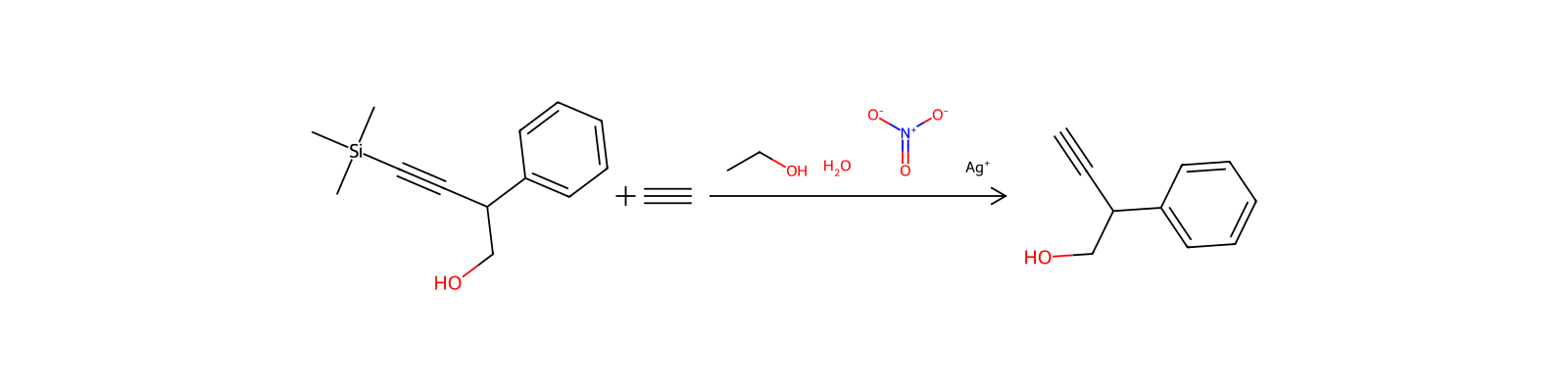
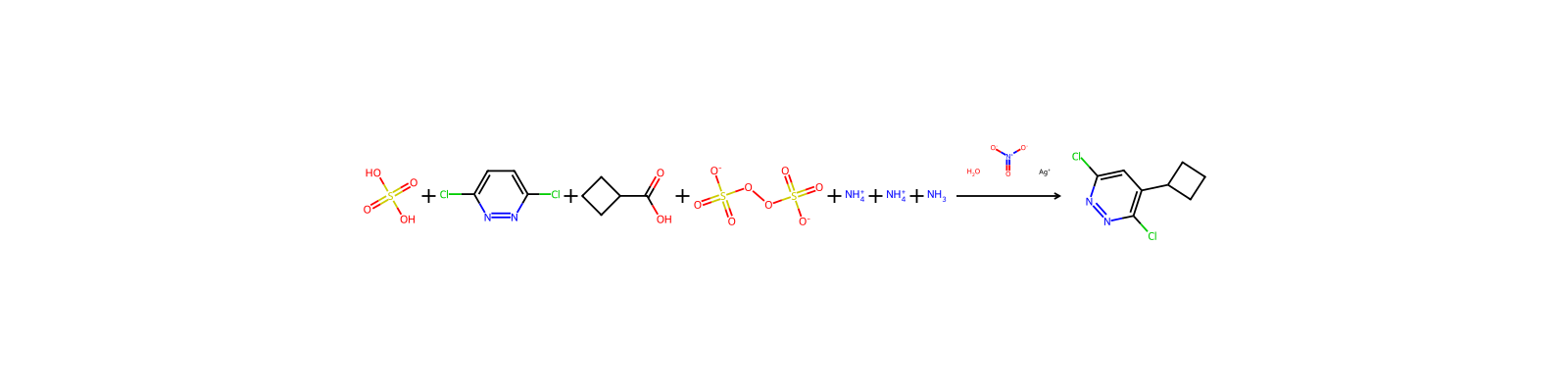
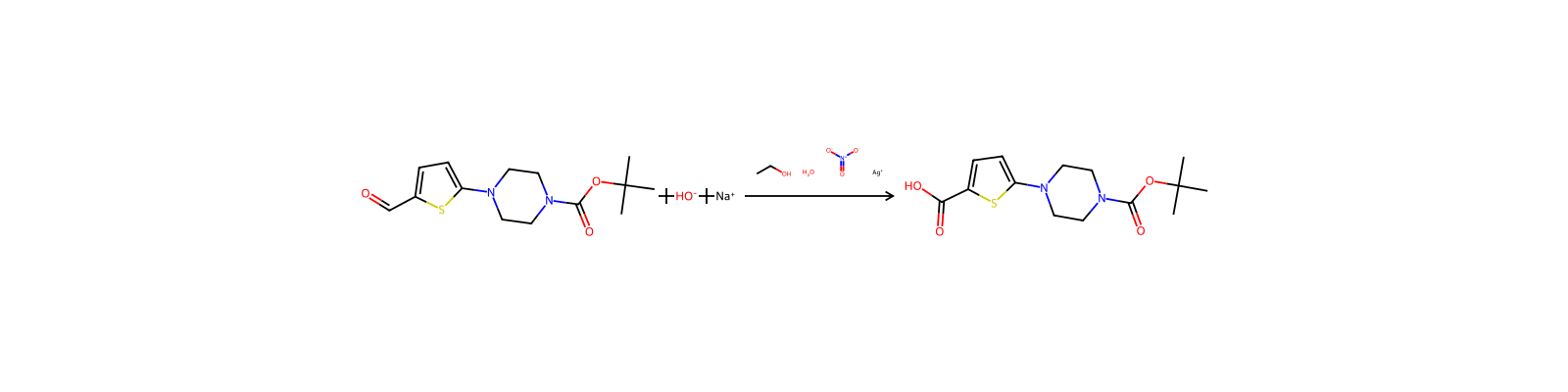
反応記録を作成
HRID 1935 の反応式
HRID 1935触媒としてuspto-grants-1998_03
HRID 2058 の反応式
HRID 2058触媒としてuspto-grants-1998_03
HRID 4876 の反応式
HRID 4876反応物としてuspto-grants-1993_09
HRID 11225 の反応式
HRID 11225触媒としてuspto-grants-2006_08
HRID 16041 の反応式
HRID 16041反応物としてuspto-grants-2010_06
HRID 16744 の反応式
HRID 16744触媒としてuspto-grants-2010_06
HRID 19547 の反応式
HRID 19547触媒としてuspto-grants-2010_06
HRID 19548 の反応式
HRID 19548触媒としてuspto-grants-2010_06
1 / 109 ページ

化合物ノート

読み込み中…

このページの内容基本情報概要名称と識別子物性安全と法規制化学と産業関連反応化合物ノート
その他の操作
ノートを作成反応を作成見積依頼を出す

122 G SOL IN 100 CC WATER @ 0 °C

952 G SOL IN 100 CC WATER @ 190 °C

1 g sol in 30 ml alcohol; 1 g sol in 6.5 ml boiling alcohol; 1 g sol in 253 ml acetone; readily sol in ammonia water

SOL IN ETHER, GLYCEROL

Boiling Point · 2 件

824 °F at 760 mmHg (Decomposes) (NTP, 1992)

440 °C (decomposes)

Decomposition · 3 件

When heated to decomposition ... emits toxic fumes of /nitrogen oxides/.

DECOMP @ 440 °C INTO METALLIC SILVER, NITROGEN, OXYGEN & NITROGEN OXIDES.

444 °C

物理化学的性質

融点
212 °C · 212 °C (dec.) (lit.)
沸点
444 °C · 444°C
比重(密度)
4.35 g/mL · 4.35 g/mL at 25 °C(lit.)
蒸気密度
5.8 · 5.8 (vs air)
蒸気圧
17.535 mm · 17.535 mm of Hg (@ 20°C)
闪点
40 °C · 40 °C
貯蔵温度
2 · 2-8°C
溶解性
2 O: · H2O: 可溶
外見
個体
色
白い
臭い (Odor)
無臭
PH
5.4 · 5.4-6.4 (100g/l, H2O, 20℃)
水溶解度
219 g/100mL · 219g/100mL(20℃)
比熱容量
0.55 J/ · Cp(crystal): 0.55 J/(g·K), at 25℃
Merck
14 · 14,8518
晶系
直方
空间群
Pbca
晶格常数
30.6995 · a/nmb/nmc/nmα/oβ/oγ/oV/nm30.69950.73281.0118909090
化粧品成分の機能
ヘアカラーリング
InChI
1S/Ag.NO3/c;2-1(3)4/q+1;-1
InChIKey
SQGYOTSLMSWVJD-UHFFFAOYSA-N
SMILES
[O-][N+]([O-])=O.[Ag+]
CAS データベース
7761 · 7761-88-8(CAS DataBase Reference)
NISTの化学物質情報
silver(I) nitrate(7761-88-8)
EPAの化学物質情報
Silver nitrate (7761-88-8)
化学的性質 · 2 件

化学的特性Silver nitrate, AgN03, is colorless,transparent,tabular,rhombic crystals that become gray or grayish-black on exposure to light in the presence of organic matter.It is odorless with a bitter,caustic,metallic taste. It is caustic,and a strong oxidizing agent that is soluble in cold water, more soluble in hot water, glycerol,and hot alcohol,slightly soluble in ether,and decomposes at boiling point Used in photographic film, silver plating,silvering mirrors,and as an antiseptic.

化学性质色固体、水、アルコール、アセトン、グリセリンに溶ける。有機物により分解され、人体に対する腐食性が強く、有毒である

Health Hazards · 2 件

Concentrated solutions will produce irritation, ulceration, and discoloration of the skin; also causes severe irritation of the eyes. Ingestion will produce violent abdominal pain and other gastroenteric symptoms. (USCG, 1999)

· Inhalation, ingestion or contact (skin, eyes) with vapors or substance may cause severe injury, burns or death.

Hazards Summary · 2 件

Concentrated solutions can cause burns of the skin and eyes. A generalized argryia (silver discoloration of the skin and other organs) was reported in the past among workers heavily exposed to AgNo3 in manufacturing and photography. Methemoglobinemia was reported in the past after treatment of burn patients with 0.5% silver nitrate. [HSDB] Silver nitrate, used in burn therapy, is a reported inducer of methemoglobinemia. [ATSDR Case Studies, # 16] Used extensively in dressings soaked with 0.5% AgNO3 with no apparent toxicity; [Nordberg, p. 1212] See NITRATES and NITRITES.

The major hazards encountered in the use and handling of silver nitrate stem from its toxicologic properties. Toxic by all routes (ie, inhalation, ingestion, and dermal contact), exposure to this odorless, colorless-to-white, crystalline substance may occur from its use in silver-plating, in photography, in the manufacture of inks, paints, pigments, and dyes, as an analytical reagent and as an antiseptic. Effects from exposure may include contact burns to the skin, eyes, and mucous membranes, argyria (a blue-gray discoloration of skin), mild chronic bronchitis, and death from large ingested doses. The OSHA PEL is set at a TWA of 0.01 mg/cu m. Safe levels should be maintained by the use of engineering controls (eg, local exhaust ventilation, or process enclosure). In activities where over-exposure may occur, workers should wear impervious clothing, gloves, face protection, and a self-contained breathing apparatus. Such clothing and equipment should be removed before leaving the worksite. Skin that becomes contaminated with silver nitrate should be promptly washed. Eating and smoking should be prohibited in silver nitrate work areas. Silver nitrate is not expected to burn. However, if large quantities are involved in a fire, an explosion may result. Also, silver nitrate may form explosive compounds with sulfur, alcohols, and ammonia. If silver nitrate is involved in a fire, flood with water from as far away as possible (do not use dry chemical, CO2, or Halon). Silver nitrate should be stored in cool, dark areas, away from sources of physical damage, and ignition. Also, because it is an oxidizer, silver nitrate should be stored away from combustibles (eg, wood, paper, oil, fuels), and other substances with which it is incompatible (eg, halogenated acids and their salts, alkalies, antimony salts, arsenites, bromides, carbonates, chlorides, iodides, phosphates, and creosote). Silver nitrate may be shipped via air, rail, road, and water, in appropriate containers (substance may attack some forms of plastics, rubber, and coatings), bearing the label "Oxidizer". If silver nitrate spills, carefully shovel the material into a clean, dry covered container for later disposal or reclamation (solutions are first absorbed in vermiculite, dry sand, or earth). Large liquid spills on land first should be diked to prevent runoff from entering water sources or sewers, and then, if possible, contained in excavated pits or other holding areas that have been sealed with an impermeable flexible membrane liner. Solids should be covered with a plastic sheet. For spills of silver nitrate in bodies of water, apply sodium sulfide solution, then neutralize with agricultural lime, crushed limestone, or sodium bicarbonate, and use mechanical dredges to removed immobilized masses. Before implementing land disposal of silver nitrate waste, consult with environmental regulatory agencies for guidance.

DOT ID and Guide1493 140
Reactive GroupNitrate and Nitrite Compounds, Inorganic
UN ClassificationUN Hazard Class: 5.1; UN Pack Group: II
RCRA Requirements · 1 件

D011; A solid waste containing silver may or may not become characterized as a hazardous waste when subjected to the Toxicity Characteristic Leaching Procedure listed in 40 CFR 261.24, and if so characterized, must be managed as a hazardous waste. /Silver/

FIFRA Requirements · 1 件

As the federal pesticide law FIFRA directs, EPA is conducting a comprehensive review of older pesticides to consider their health and environmental effects and make decisions about their future use. Under this pesticide reregistration program, EPA examines health and safety data for pesticide active ingredients initially registered before November 1, 1984, and determines whether they are eligible for reregistration. In addition, all pesticides must meet the new safety standard of the Food Quality Protection Act of 1996. Pesticides for which EPA had not issued Registration Standards prior to the effective date of FIFRA '88 were divided into three lists based upon their potential for human exposure and other factors, with List B containing pesticides of greater concern and List D pesticides of less concern. Silver and Cmpds is found on List D. Case No: 4082; Pesticide type: fungicide, herbicide, antimicrobial; Case Status: RED Approved 06/93; OPP has made a decision that some/all uses of the pesticide are eligible for reregistration, as reflected in a Reregistration Eligibility Decision (RED) document.; Active ingredient (AI): silver nitrate; AI Status: The active ingredient is no longer contained in any registered products. Thus, we characterize it as "cancelled."

Reactivity AlertsStrong Oxidizing Agent

安全と保護具

Fire Fighting · 2 件

Excerpt from ERG Guide 140 [Oxidizers]:

Use water in large amounts. In case of fire: keep drums, etc., cool by spraying with water.

First Aid Measures · 4 件

Fresh air, rest. Artificial respiration may be needed. Refer for medical attention.

First rinse with plenty of water for at least 15 minutes, then remove contaminated clothes and rinse again. Refer immediately for medical attention .

Rinse with plenty of water for several minutes (remove contact lenses if easily possible). Refer immediately for medical attention.

Rinse mouth. Do NOT induce vomiting. Refer immediately for medical attention.

Accidental Release Measures · 2 件

· CALL 911. Then call emergency response telephone number on shipping paper. If shipping paper not available or no answer, refer to appropriate telephone number listed on the inside back cover.

· Keep combustibles (wood, paper, oil, etc.) away from spilled material.

First Aid · 2 件

Excerpt from ERG Guide 140 [Oxidizers]:

General First Aid:

Safe Storage · 1 件

Separated from combustible substances, reducing agents and incompatible materials. See Chemical Dangers. Well closed. Store only in original container. Store in an area without drain or sewer access. Provision to contain effluent from fire extinguishing.

Firefighting HazardsIf large quantities are involved in a fire ... an explosion may result.
Exposure Control and Personal Protection · 2 件

· Wear positive pressure self-contained breathing apparatus (SCBA).

0.01 [mg/m3], inhalable fraction, as Ag[German Research Foundation (DFG)]

Fire Fighting Procedures · 2 件

If material on fire or involved in a fire: Flood with water. Cool all affected containers with flooding quantities of water. Apply water from as far away as possible.

Evacuation: If fire becomes uncontrollable consider evacuation of one-half (1/2) mile radius.

Storage Conditions... Protect from light and store in inert, collapsible containers or in other suitable single-dose containers at 15-30 °C; freezing of the ophthalmic soln should be avoided and the soln should not be used when cold.
Cleanup Methods · 2 件

Environmental considerations: Water spill: If dissolved, apply sodium sulfide soln to precipitate heavy metals. Neutralize with agricultural lime (CaO), crushed limestone (CaCO3), or sodium bicarbonate (NaHCO3). Use mechanical dredges or lifts to remove immobilized masses of pollutants and precipitates.

Environmental considerations: Land Spill: Dig a pit, pond, lagoon, or holding area to contain liquid or solid material. /SRP: If time permits, pits, ponds, lagoons, soak holes, or holding areas should be sealed with an impermeable flexible membrane liner./ Cover solids with a plastic sheet to prevent dissolving in rain or fire fighting water.

Nonfire Spill ResponseExcerpt from ERG Guide 140 [Oxidizers]:
Disposal Methods · 2 件

SRP: At the time of review, criteria for land treatment or burial (sanitary landfill) disposal practices are subject to significant revision. Prior to implementing land disposal of waste residue (including waste sludge), consult with environmental regulatory agencies for guidance on acceptable disposal practices.

Precipitation is the preferred treatment process for removing toxic heavy metals from electroplating waters. Precipitation processes include hydroxide, lime and/or sulfide treatment. Chemical reduction is used to treat complex metals such as nickel, copper, hexavalent chromium waste, soluble lead, silver, metal containing cyanide, and mercury. Adsorption has shown potential for treating and polishing aqueous metal bearing wastes. Activated carbon, activated alumina, and iron filings are all applicable adsorbents. Alkaline chlorination and incineration are effective cyanide destruction treatments. Evaporation, ion-exchange, reverse osmosis, electrodialysis, and electrolytic recovery are waste reduction and recovery techniques applicable to metal bearing hazardous streams.

毒性情報

Body Burden · 1 件

The organs of two burn patients who had been treated with fresh dressings of silver nitrate continuously for at least 6 days or every 8 hr for 30 days were analyzed. In the 66 yr old man, who had died of a brain tumor about 50 days after the 8 hr treatment was initiated, the silver concentrations in the tissues were slightly above normal: bone, 0.025 mg/kg; heart, 0.040 mg/kg; kidney, 0.140 mg/kg; and skin, 2,800 mg/kg. The second patient was an 18 yr old male, who died of respiratory complications on his 7th hospital day. Before death, the silver concentration in his urine was 0.038 mg/l and in his blood, 0.12 mg/l. There was no silver detected in his lung or brain; but the concentrations in other tissues were: heart, 0.032 mg/kg; kidney, 0.14 mg/kg; spleen, 0.23 mg/kg; liver, 0.44 mg/kg; muscle, 2.0 mg/kg; and skin, 1,250.0 mg/kg.

Treatment · 1 件

Methemoglobinemia can be treated with supplemental oxygen and methylene blue 1% solution administered intravenously slowly over five minutes followed by IV flush with normal saline. Methylene blue restores the iron in hemoglobin to its normal (reduced) oxygen-carrying state. (L1613)

Interactions · 2 件

SELENITE (1 UMOL/KG) INHIBITED BILIARY EXCRETION OF AG+. SILVER NITRATE DID NOT INFLUENCE SELENIUM EXCRETION. PRETREATMENT WITH SELENITE CAUSED RETENTION /OF SILVER/ IN BLOOD, KIDNEY, & BRAIN. EFFECTS ATTRIBUTED TO FORMATION OF THE ALMOST INSOL COMPLEX AG2SE.

... Topical treatment /of oral tissues/ with PGF2-alpha ... decreased or inhibited the caustic response of subsequent exposure to silver nitrate ... indicating that PGF2-alpha has some cytoprotective action on the human oral mucosa. Submucosal injection of PGF2-alpha induced a mild vasodilation. ... An inflammatory response occurred after injection of PGF2-alpha and smearing of the tissue with caustics, but this disappeared in 15-30 minutes.

Health Effects · 1 件

Exposure to high levels of silver for a long period of time may result in a condition called arygria, a blue-gray discoloration of the skin and other body tissues. Argyria is a permanent effect but does not appear to be harmful to health. While silver itself is not toxic, most silver salts are, and may damage the liver, kidney, and central nervous system, as well as be carcinogenic. Nitrate and nitrite poisoning causes methemoglobinemia. Nitrites may cause pregnancy complications and developmental effects. They may also be carcinogenic. (L1137, L808, L809, L810)

Ecotoxicity Values · 5 件

LC50 Daphnia magna (cladoceran) 3.4 ug/l/24 hr in water hardness of 274 mg/l CaCO3. /Conditions of bioassay not specified/

LC50 Daphnia magna (cladoceran) 9.5 ug/l/48 hr in water hardness of 47 mg/l CaCO3. /Conditions of bioassay not specified/

LC50 Daphnia magna (cladoceran) 43 ug/l/48 hr in water hardness of 70 mg/l CaCO3. /Conditions of bioassay not specified/

LC50 Ephemerella grandis (mayfly) <4 ug/l/7 days in water hardness of 31 mg/l CaCO3. LC50 Ephemerella grandis (mayfly) 8.8 ug/l/15 days in water hardness of 30 mg/l CaCO3. /Conditions of bioassay not specified/

For more Ecotoxicity Values (Complete) data for SILVER NITRATE (18 total), please visit the HSDB record page.

Adverse EffectsMethemoglobinemia - The presence of increased methemoglobin in the blood; the compound is classified as secondary toxic effect
Exposure Routes · 2 件

The substance can be absorbed into the body by inhalation of its aerosol and by ingestion.

Oral (L808) ; inhalation (L808) ; dermal (L808)

Toxicity Summary · 1 件

Metallic silver is oxidized and may deposit in the tissues, causing arygria. The silver ion is known to inhibit glutathione peroxidase and NA+,K+-ATPase activity, disrupting selenium-catalyzed sulfhydryl oxidation-reduction reactions and intracellular ion concentrations, respectively. Silver nanoparticles are believed to disrupt the mitochondrial respiratory chain, causing oxidative stress, reduced ATP synthesis, and DNA damage. Nitrate's toxicity is a result of it's conversion to nitrite once in the body. Nitrite causes the autocatalytic oxidation of oxyhemoglobin to hydrogen peroxide and methemoglobin. This elevation of methemoglobin levels is a condition known as methemoglobinemia, and is characterized by tissue hypoxia, as methemoglobin cannot bind oxygen. (A2450, L1613, L808, A243, A244, A245, A246)

Signs and Symptoms · 5 件

Sore throat. Cough. Burning sensation behind the breastbone. Shortness of breath. Laboured breathing. Headache. Fatigue. Weakness.

Redness. Pain. Serious skin burns. Blisters.

Redness. Pain. Severe burns. Loss of vision.

Burns in mouth and throat. Abdominal pain. Nausea. Vomiting. Shock or collapse. Further see Inhalation.

Exposure to high levels of silver for a long period of time may result in a condition called arygria, a blue-gray discoloration of the skin and other body tissues. Argyria is a permanent effect but does not appear to be harmful to health. Exposure to high levels of silver in the air has resulted in breathing problems, lung and throat irritation, and stomach pains. Skin contact with silver can cause mild allergic reactions such as rash, swelling, and inflammation in some people. Nitrate and nitrite poisoning causes methemoglobinemia. Symptoms include cyanosis, cardiac dysrhythmias and circulatory failure, and progressive central nervous system (CNS) effects. CNS effects can range from mild dizziness and lethargy to coma and convulsions. (L1137, L808)

ICSC Environmental DataThe substance is very toxic to aquatic organisms. The substance may cause long-term effects in the aquatic environment. It is strongly advised not to let the chemical enter into the environment.
Human Toxicity Excerpts · 5 件

GENERALIZED ARGYRIA ... IS ... RECOGNIZED BY WIDESPREAD PIGMENTATION OF SKIN, AS SEEN IN ... DARK, UNIFORM, SLATE-GREY COLOR OF FACE, FOREARMS & FINGERNAILS OF WORKER IN MFR OF SILVER NITRATE. PIGMENTATION APPEARS EARLY ON FACE, GRADUALLY SPREADING TO EARS & NECK ... & HANDS; IN A LESS SEVERE DEGREE IT APPEARS ON UNCOVERED AREAS OF THE BODY, IN MOST SEVERE CASES THE SKIN BECOMING ALMOST BLACK WITH A METALLIC LUSTRE.

ARGYROSIS OF RESPIRATORY TRACT ... HAS ... BEEN DESCRIBED ... IN TWO MEN EMPLOYED IN MFR OF SILVER NITRATE. ... SYMPTOM WAS MILD CHRONIC BRONCHITIS; THERE WAS NO DISCOLORATION OF SKIN, EYES OR MOUTH BUT NASAL MUCOSA SHOWED BILATERAL SYMMETRICAL IMPREGNATION OF WALLS OF MIDDLE & UPPER REGION.

... CORNEAL OPACIFICATION & BLEEDING CONJUNCTIVA WITHIN AN HR /REPORTED/ AFTER APPLICATION OF 2 DROPS FROM AN /SRP: ACCIDENTAL USE OF/ SILVER NITRATE STICK INTO THE EYES OF A NEWBORN. OPACIFICATION MAY BE SO SEVERE AS TO CAUSE BLINDNESS.

/IN PATIENT WITH SEVERE ARGYROSIS RESULTING FROM INDUST EXPOSURE TO SILVER NITRATE/ BRONCHIAL MUCOUS MEMBRANE ... SHOWED DEPOSITS IN BASAL MEMBRANE, & THERE WAS SOME SQUAMOUS METAPLASIA, BUT MUCH LESS EVIDENCE OF PHAGOCYTOSIS THAN IN NASAL MUCOSA.

For more Human Toxicity Excerpts (Complete) data for SILVER NITRATE (49 total), please visit the HSDB record page.

Carcinogen ClassificationIngested nitrate or nitrite under conditions that result in endogenous nitrosation is probably carcinogenic to humans (Group 2A). (L135)

法規制情報

RCRA Requirements · 1 件

D011; A solid waste containing silver may or may not become characterized as a hazardous waste when subjected to the Toxicity Characteristic Leaching Procedure listed in 40 CFR 261.24, and if so characterized, must be managed as a hazardous waste. /Silver/

FIFRA Requirements · 1 件

As the federal pesticide law FIFRA directs, EPA is conducting a comprehensive review of older pesticides to consider their health and environmental effects and make decisions about their future use. Under this pesticide reregistration program, EPA examines health and safety data for pesticide active ingredients initially registered before November 1, 1984, and determines whether they are eligible for reregistration. In addition, all pesticides must meet the new safety standard of the Food Quality Protection Act of 1996. Pesticides for which EPA had not issued Registration Standards prior to the effective date of FIFRA '88 were divided into three lists based upon their potential for human exposure and other factors, with List B containing pesticides of greater concern and List D pesticides of less concern. Silver and Cmpds is found on List D. Case No: 4082; Pesticide type: fungicide, herbicide, antimicrobial; Case Status: RED Approved 06/93; OPP has made a decision that some/all uses of the pesticide are eligible for reregistration, as reflected in a Reregistration Eligibility Decision (RED) document.; Active ingredient (AI): silver nitrate; AI Status: The active ingredient is no longer contained in any registered products. Thus, we characterize it as "cancelled."

CERCLA Reportable Quantities · 1 件

Persons in charge of vessels or facilities are required to notify the National Response Center (NRC) immediately, when there is a release of this designated hazardous substance, in an amount equal to or greater than its reportable quantity of 1 lb or 0.454 kg. The toll free number of the NRC is (800) 424-8802; In the Washington D.C. metropolitan area (202) 426-2675. The rule for determining when notification is required is stated in 40 CFR 302.4 (section IV. D.3.b).

Clean Water Act Requirements · 3 件

Silver nitrate is designated as a hazardous substance under section 311(b)(2)(A) of the Federal Water Pollution Control Act and further regulated by the Clean Water Act Amendments of 1977 and 1978. These regulations apply to discharges of this substance. This designation includes any isomers and hydrates, as well as any solutions and mixtures containing this substance.

Toxic pollutant designated pursuant to section 307(a)(1) of the Federal Water Pollution Control Act and is subject to effluent limitations. /Silver and compounds/

The ambient water quality criterion for silver is recommended to be identical to the existing water standard which is 50 ug/l. /Silver and cmpd/

State Drinking Water Standards(CT) CONNECTICUT 50 ug/l /Silver/
State Drinking Water Guidelines · 4 件

(AZ) ARIZONA 50 ug/l /Silver/

(ME) MAINE 35 ug/l /Silver/

(MN) MINNESOTA 30 ug/l /Silver/

(WI) WISCONSIN 50 ug/l /Silver/

Federal Drinking Water GuidelinesEPA 100 ug/l /Silver/

安全データ

F
8
wgk
3
tsca
TSCA listed
rtecs
VW4725000
ridadr
UN 1493
毒性
LD50 oral in rat: 1173mg/kg
PRTR法
第1種指定化学物質
hs_code
28432100
risk_code
34-50/53-8-36/38-51/53-52/53-35-10-40-20/22-22
化審法
1-8
安衛法
57-2
消防法
危険物第1類
hazard_code
C,O,N,Xi
safety_code
26-45-60-61-36/37/39-27-57-37
hazard_class
5.1
packing_group
II
毒劇物取締法
III
Hazard Classifications
Aquatic Acute 1Aquatic Chronic 1Eye Dam. 1Met. Corr. 1Ox. Sol. 2Repr. 1BSkin Corr. 1A
ストレージクラス
5.1B - Oxidizing hazardous materials
有毒物質データの
7761-88-8(Hazardous Substances Data)
危険度評価(NFPA 704基準/消防庁データ)
人的[青]=1 火災[赤]=0 反応[黄]=0
Metabolism/Metabolites · 3 件

/The investigators/ reported that rats injected iv with radioactive silver nitrate excreted silver in the bile mainly bound to a low molecular-wt complex which appeared to be glutathione.

A marked variation in biliary excretion was observed in different species administered silver as silver nitrate in a single iv injection at 0.1 mg/kg of silver over a 2 hour period ... . Thirty minutes after treatment, male Sprague Dawley rats excreted silver into the bile at a rate of 0.25 ug/min/kg, New Zealand White male rabbits excreted 0.05 ug/min/kg, and mongrel male dogs excreted 0.005 ug/min/kg. The concentration of silver in the plasma was markedly lower in the dog than in the rat or rabbit, indicating a larger volume of distribution in the dog. This variation appears to be attributable to differences in the transfer of silver from liver to bile. The species with the lowest biliary excretion rate (dog) had the highest liver concentration of silver (rat 1.24, rabbit = 2.13 and dog = 2.9 ug silver/g liver). In all species, the concentration of silver in the bile was greater than that in plasma with no observable dose gradient, thereby indicating an active transport process and a saturable mechanism.

Silver and its compounds can be absorbed via inhalation, while silver compounds can also be absorbed orally and dermally. It distributes throughout the body in the blood, particularily to the liver. Insoluble silver salts are transformed into soluble silver sulfide albuminates, bind to amino or carboxyl groups in RNA, DNA, and proteins, or are reduced to metallic silver by ascorbic acid or catecholamines. Metallic silver is oxidized and may deposit in the tissues, causing arygria. Silver is eliminated primarily in the faeces. Intake of some amount of nitrates and nitrites is a normal part of the nitrogen cycle in humans. In vivo conversion of nitrates to nitrites can occur in the gastrointestional tract under the right conditions, significantly enhancing nitrates' toxic potency. The major metabolic pathway for nitrate is conversion to nitrite, and then to ammonia. Nitrites, nitrates, and their metabolites are excreted in the urine. (L1137, L808)

MeSH Pharmacological ClassificationSubstances used on humans and other animals that destroy harmful microorganisms or inhibit their activity. They are distinguished from DISINFECTANTS, which are used on inanimate objects.
Absorption, Distribution and Excretion · 5 件

SILVER, AS AG NITRATE, IS ABSORBED FROM THE RESP & GI TRACTS ... ABSORPTION OF SILVER NITRATE THROUGH THE INTACT SKIN IS OF NO PHYSIOLOGICAL SIGNIFICANCE, HOWEVER, SOME ABSORPTION THROUGH MUCOUS MEMBRANES OF THE NOSE & THROAT PROBABLY OCCURS. ABSORBED SILVER IS TENACIOUSLY RETAINED ... IN ELASTIC TISSUES THROUGHOUT THE BODY.

... Silver in brain and spinal cord sections from rats treated with ... silver nitrate was visualized by physical appearance. The silver penetrated the blood brain barrier and accumulated in the neurons and glia. The distribution of silver in the central nervous system was heterogeneous. Even with low doses and short survival periods, silver accumulated in large motorneurons in the brain stem and spinal cord and in the neurons in the cerebellar nuclei. Silver was only found in the diecenphalic and telecenphalic structures after extensive exposure. Silver distribution following oral ... AgNO3 treatment ... resulted in a relatively high content of silver in the glia. ... Electron microscopic studies /revealed/ ... silver ... intracellularly in the lysosomes and extracellularly in basement membranes and elastic fibers of the vessels.

All forms of silver are cumulative once they enter body tissues, and very little is excreted.

In argyric rats given 0.5 percent silver nitrate in their drinking water for nine months, silver was especially found in lysosomes of the liver's Kupffer cells, at the basal membrane of the capillaries, and the connective tissue cells of the pancreas.

For more Absorption, Distribution and Excretion (Complete) data for SILVER NITRATE (17 total), please visit the HSDB record page.

用途と製造

Uses · 6 件

Used as a chemical intermediate, catalyst, disinfectant, and laboratory reagent; Used in photography and in the manufacturing of mirrors, inks, and pharmaceuticals; Used to cauterize wounds, dye hair, and color porcelain; [HSDB]

Using Disinfectants or Biocides [Category: Clean]

Glassblowing [Category: Hobbies]

For Silver nitrate (USEPA/OPP Pesticide Code: 072503) there are 0 labels match. /SRP: Not registered for current use in the U.S., but approved pesticide uses may change periodically and so federal, state and local authorities must be consulted for currently approved uses./

The active ingredient is no longer contained in any registered products.

In photography; manufacture of mirrors; other silver salts; silver plating; in sympathetic and indelible inks; dyeing hair; coloring porcelain; etching ivory; as a very important and extensively used reagent in analytical chemistry.

ImpuritiesHeavy metal impurities, such as copper, lead and iron, are precipitated by increasing the pH of the solution to 5.5-6.5 with silver oxide and then boiling.
U.S. Exports(2001) 143,147 kg
U.S. Imports(2001) 25,961 kg
U.S. Production · 3 件

2023: 4,000,000 - <5,500,000 lb

(1978) 4.82X10+9 G

(1981) 3.48X10+9 G

Consumer UsesIon exchange agent
Industry UsesDeodorizer
Methods of ManufacturingSilver is dissolved in dilute nitric acid and the soln evaporated. The residue is heated to a dull red color to decomp any copper nitrate, dissolved in water, filtered and recrystallized.
Formulations/Preparations · 5 件

SILVER NITRATE OPHTHALMIC SOLN USP IS SOLN OF SILVER NITRATE IN WATER MEDIUM. IT CONTAINS 0.95-1.05% OF AGNO3. SOLN MAY BE BUFFERED BY ADDITION OF SODIUM ACETATE.

Silver nitrate of commerce is, with exception of 0.1-0.2% water, practically 100% pure.

Grade: technical, CP, USP

SMALL WOODEN STICKS, DIPPED IN TOUGHENED SILVER NITRATE, SUFFICIENT FOR 1 APPLICATION ... SILVER NITRATE APPLICATORS ... OF 3- OR 6-INCH WOODEN STICKS ON WHICH IS FUSED MIXTURE OF 75% SILVER NITRATE & 25% POTASSIUM NITRATE ARE SOMETIMES USED.

For more Formulations/Preparations (Complete) data for SILVER NITRATE (7 total), please visit the HSDB record page.

Use ClassificationCosmetics -> Hair dyeing
General Manufacturing Information · 5 件

Textiles, apparel, and leather manufacturing

Nitric acid silver(1+) salt (1:1): ACTIVE

IN WEIGHING & PACKING-ROOM, CRYSTALLINE SILVER NITRATE IS DONE UP INTO PACKETS BY METHODS WHICH ARE ENTIRELY ENCLOSED.

Not photosensitive when pure; presence of trace amounts of organic material promotes photoreduction. Reduced by hydrogen sulfide in the dark.

Phenylmercuric borate 0.005% was a suitable preservative for silver nitrate eye-drops sterilized by filtration.

応用分野 · 6 件

解説硝酸銀.金属銀を硝酸に溶解後,溶液を蒸発すると得られる.無色の斜方晶系板状晶.密度4.35 g cm-3.159.6 ℃ 以上で六方晶系(密度4.19 g cm-3)に転移する.融点212 ℃.融点以上に加熱するとAgNO2と O2 になり,さらに440 ℃ で加熱するとAgとNO2になる.水に易溶,エタノールに微溶.有機物が共存しなければ,固体も水溶液も光に対して安定である.銀めっき材料,写真感光剤,分析試薬,殺菌剤,触媒,鏡,インキ製造,外用医薬などに用いられる.タンパク質凝固作用があり,皮膚,組織をおかす.有毒.

用途銀塩原料、写真感光材料、写真製版原料、医薬

使用The basis of nearly all photographic silver halides with the exception of the daguerreotype process, silver nitrate is a heavy white crystal made by dissolving elemental silver in nitric acid followed by evaporation. It is soluble in water, ether, and glycerin. Silver nitrate is not sensitive to light, but when combined with an organic material, a halogen, or a halide it will reduce back to a metallic state when exposed to light.

用途写真工業での臭化銀製造の原料として広く用いられており、銀めっき、銀鏡の製造原料として用いられる。医薬品としては外用として防腐剤、収斂剤(しゅうれんざい)、化学では各種試薬として、そのほか陶磁器の着色用に用いられる。

一般的な説明A colorless or white crystalline solid becoming black on exposure to light or organic material.

使用用途1. 写真工業分野 写真工業分野では、感光材料である臭化銀製造の原料として広く用いられています。 2. 医薬品分野 医薬品分野では、外用として防腐剤や収斂剤に使用されている他、新生児の治療対策として点眼薬や口内炎、歯頸部知覚過敏症などの薬に使用されています。 3. 化学分野 化学分野では、分析試薬や一般試薬としても利用可能です。具体的には、硝酸銀は塩化物と反応すると(I) (AgCl) の白色沈殿を生成するため、塩化物イオンの検出のために使用できます。 その他、銀めっきや銀鏡の製造原料、各種銀塩の製造、殺菌剤、触媒、毛髪染め、陶磁器の着色、インキ製造、電気接点材料などの使用用途もあり、その分野は非常に幅広いです。

調製方法 · 3 件

製造方法Silver nitrate is prepared by dissolving silver metal in dilute nitric acid. The solution is evaporated and residue is heated to dull red heat with concentrated nitric acid to decompose impurities such as copper nitrate. Residue then is dissolved in water, filtered, and recrystallized to obtain pure silver nitrate.

合成方法金属銀に硝酸を加えて加熱する

純化方法Purify it by recrystallisation from hot water (solubility of AgNO3 in water is 992g/100mL at 100o and 122g/100mL at 0o). It has also been purified by crystallisation from hot conductivity water by slow addition of freshly distilled EtOH. CAUTION: avoid using EtOH for washing the precipitate; and avoid concentrating the filtrate to obtain further crops of AgNO3 owing to the risk of EXPLOSION (as has been reported to us) caused by the presence of silver fulminate. When using EtOH in the purification, the apparatus should be enveloped in a strong protective shield. [Tully, News Ed (Am Chem Soc) 19 3092 1941; Garin & Henderson J Chem Educ 47 741 1970, Bretherick, Handbook of Reactive Chemical Hazards 4th edn, Butterworths, London, 1985, pp 13-14.] Before being used as a standard in volumetric analysis, analytical reagent grade AgNO3 should be finely powdered, dried at 120o for 2hours, then cooled in a desiccator. Recovery of silver residues as AgNO3 [use protective shield during the whole of this procedure] can be achieved by washing with hot water and adding 16M HNO3 to dissolve the solid. Filter this through glass wool and concentrate the filtrate on a steam bath until precipitation commences. Cool the solution in an ice-bath and filter the precipitated AgNO3. Dry it at 120o for 2hours, then cool it in a desiccator in a vacuum. Store it over P2O5 in a vacuum in the dark. AVOID contact with hands due to formation of black stains.

上流・下流製品情報

上流原料

窒素1,5-ジビスマ-2,4,6,8,9,11-ヘキサオキサ-3,7,10-トリチア(VI)ビシクロ[3.3.3]ウンデカン-3,3,7,7,10,10-ヘキサオン硫酸銀硝酸銀

下流製品

2-tert-ブチルピリジン-4-カルボニトリルフタルアミド酸ドセタキセル2-tert-Butylpyridine-4-carboxylic acid ,97%オキサリプラチン2-アセチルピラジンファロペネム1-(ブロモメチル)イソキノリン臭化水素酸塩2-(ブロモメチル)安息香酸UV-photoxidation degradation film containing FeDBC photosensitize1-エチル-3-メチルイミダゾリウムジシアナミドエデト酸ナトリウム2-メチル-2-ペンテン酸酸化銀(Ⅰ)3-フルオロキノリン-4-カルボン酸シアン化銀カリウム硫酸銀アルプロスタジル1,3-アダマンタンジオール銀(I)シアニド亜硝酸tert-ブチル5-フェニルチオフェン-2-カルボン酸

補足説明

定義本品は、硝酸の銀塩であり、次の化学式で表される。