
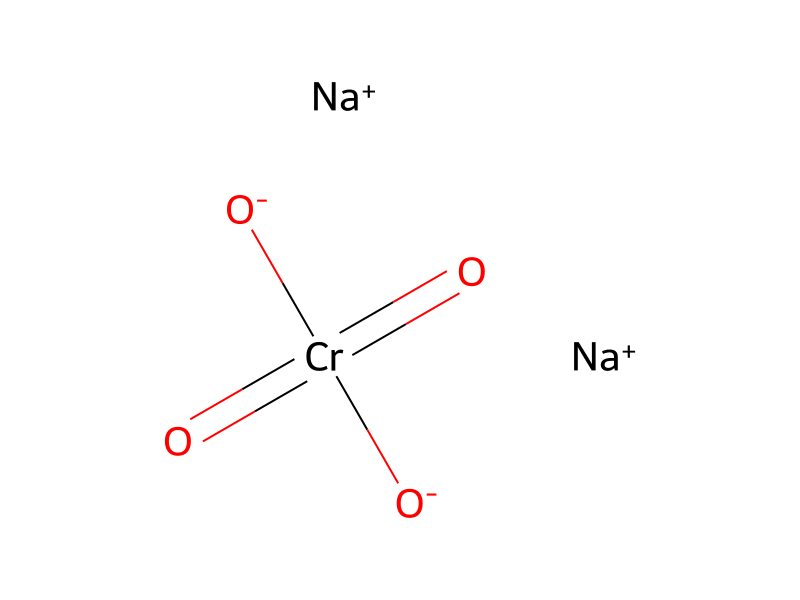
基本情報
- 標準SMILES
[Na+].[Na+].[O]=[Cr](=[O])([O-])[O-]- InChIKey
PXLIDIMHPNPGMH-UHFFFAOYSA-N- 分子式
- CrNa2O4
- 平均分子量
- 161.973 g/mol
- 単同位体質量
- 161.899702
名称と識別子
- 優先名称
- Sodium Chromate
- IUPAC
- disodium;dioxido(dioxo)chromium
- 英語名
- Sodium chromate
- 分子量
- 0
名称と別名
SODIUM CHROMATE7775-11-3Sodium chromate(VI)Chromium disodium oxideChromate of sodaNeutral sodium chromate6A49BO6K4MChromium sodium oxide (CrNa2O4)EPA Pesticide Chemical Code 068303Chromic acid (H2CrO4), disodium saltChromic acid (H2CrO4), sodium salt (1:2)DTXSID7032056
名称をさらに表示
CHEBI:78671RefChem:887411DTXCID5012056dioxo-2,4-dioxa-3-chroma-1,5-disodapentane231-889-5Disodium chromateRachromateChromic acid, disodium salt
データベース識別子
- CAS
10034-82-9、12680-48-7、7775-11-3- PubChem CID
- 24488
- DTXSID
DTXSID7032056- ChEBI
CHEBI:78671- UNII
- 6A49BO6K4M
- EC Number
- 231-889-5
物性
構造計算による物性
- 極性表面積
- 80.3 Ų
- 水素結合供与体数
- 0
- 水素結合受容体数
- 4
- 回転可能結合数
- 0
- 重原子数
- 7
- 形式電荷
- 0
- 複雑度
- 62
実験および物理化学的性質
pHAqueous solution is alkaline
OdorOdorless
TasteBitter metallic taste
Density
2.723 at 77 °F (USCG, 1999) - Denser than water; will sink
2.723 at 25 °C/4 °C
2.7 g/cm³
2.72 @25 °C
Color/FormYellow orthorhombic crystals
Solubility
87.6 g/100 g water at 25 °C
In water, 44.3 wt% at 20 °C
873 g/L water at 30 °C
3.44 g/L methanol at 25 °C
Slightly soluble in ethanol
Solubility in water, g/100ml at 20 °C: 53 (good)
CorrosivityCorrosive because of oxidizing potency. /Chromate salts/
DecompositionWhen heated to decomposition it emits toxic fumes of /sodium oxide/.
Melting Point
794 °C
762 °C
794 °C
Physical Description
Sodium chromate appears as a yellow crystalline solid. Used to make pigments for paints and inks, other chemicals, and as a wood preservative.
Sodium chromate is a yellow crystalline solid dissolved in a liquid medium, probably water. It is soluble in water. It is toxic by inhalation, ingestion and/or skin contact. It is noncombustible. It is used to make pigments for paints and inks, other chemicals, and as a wood preservative.
Yellow hygroscopic solid; Soluble in water; [ICSC] Yellow crystals; [MSDSonline] Hygroscopic--forms several hydrates; [Ullmann]
YELLOW HYGROSCOPIC CRYSTALS.
Stability/Shelf LifeStable under recommended storage conditions.
Other Experimental Properties
Hygroscopic, forms tetra-, hexa- or decahydrates. Deliquescent in moist air
Heat of solution: -24.5 Btu/lb = -13.6 cal/g = -0.75X10+5 J/kg
In water, 48.8 wt% at 40 °C; 53.5 wt% at 60 °C; 55.8 wt% at 80 °C; 56.1 wt% at 100 °C
The substance is a strong oxidant and reacts with combustible and reducing materials.
For more Other Experimental Properties (Complete) data for SODIUM CHROMATE (6 total), please visit the HSDB record page.
Yellow, translucent efflorescent crystals; density: 1.483; melting point: 19.92 °C /Sodium chromate decahydrate/
物理化学的性質
- EPAの化学物質情報
- Chromium sodium oxide (12680-48-7)
安全と法規制
GHS分類
GHS Classification
Danger
H301: Toxic if swallowed [Danger Acute toxicity, oral];H312: Harmful in contact with skin [Warning Acute toxicity, dermal];H314: Causes severe skin burns and eye damage [Danger Skin corrosion/irritation];H317: May cause an allergic skin reaction [Warning Sensitization, Skin];H330: Fatal if inhaled [Danger Acute toxicity, inhalation];H334: May cause allergy or asthma symptoms or breathing difficulties if inhaled [Danger Sensitization, respiratory];H340: May cause genetic defects [Danger Germ cell mutagenicity];H350: May cause cancer [Danger Carcinogenicity];H360FD: May damage fertility; May damage the unborn child [Danger Reproductive toxicity];H372 **: Causes damage to organs through prolonged or repeated exposure [Danger Specific target organ toxicity, repeated exposure];H400: Very toxic to aquatic life [Warning Hazardous to the aquatic environment, acute hazard];H410: Very toxic to aquatic life with long lasting effects [Warning Hazardous to the aquatic environment, long-term hazard]
P203, P233, P260, P261, P264, P270, P271, P272, P273, P280, P284, P301+P316, P301+P330+P331, P302+P352, P302+P361+P354, P304+P340, P305+P354+P338, P316, P317, P318, P319, P320, P321, P330, P333+P317, P342+P316, P362+P364, P363, P391, P403, P403+P233, P405, and P501 (click each P-code to see the statement)
Danger
危険有害性情報
Regulatory Information
Chemical: Chromic acid (H2CrO4), disodium salt
Hazard Traits - Carcinogenicity; Genotoxicity; Reproductive Toxicity; Respiratory Toxicity;Authoritative List - EC Annex VI CMRs - Cat. 1B; EC Annex VI Resp. Sens. - Cat. 1;Report - if used as a fragrance or flavor ingredient
R - indicates a substance that is the subject of a TSCA section 6 risk management rule.
Status: Active Update: 16-12-2021 https://echa.europa.eu/registration-dossier/-/registered-dossier/11312
Substance: Sodium chromate;EC: 231-889-5;Date of inclusion: >18-Jun-2010;Reason for inclusion: Carcinogenic (Article 57a); Mutagenic (Article 57b); Toxic for reproduction (Article 57c)
Sodium chromate, anhydrous: HSNO Approval: HSR004684 Approved with controls
Other Safety InformationIMAP assessments - Chromates and dichromates (soluble): Human health tier II assessment
DOT Label
Oxidizer Corrosive
Poison
Fire Hazards
Special Hazards of Combustion Products: Toxic chromium oxide fumes may form in fire.;Behavior in Fire: May increase intensity of fire when in contact with combustible material (USCG, 1999)
Excerpt from ERG Guide 151 [Substances - Toxic (Non-Combustible)]:;Non-combustible, substance itself does not burn but may decompose upon heating to produce corrosive and/or toxic fumes. Containers may explode when heated. Runoff may pollute waterways. (ERG, 2024)
Not combustible but enhances combustion of other substances.
Health Hazards
Inhalation causes irritation and may ulcerate mucous membranes; continued irritation of the nose may lead to perforation of the septum. Ingestion causes severe circulatory collapse and toxic nephritis; may be fatal. Contact with eyes causes severe irritation and possible conjunctivitis. Irritates skin and can cause ulcers; if skin is broken, prolonged contact may cause "chrome sores" (slow-healing, hard-rimmed ulcers), which leave the area vulnerable to infection as a secondary effect. (USCG, 1999)
Excerpt from ERG Guide 151 [Substances - Toxic (Non-Combustible)]:;Highly toxic, may be fatal if inhaled, ingested or absorbed through skin. Avoid any skin contact. Fire may produce irritating, corrosive and/or toxic gases. Runoff from fire control or dilution water may be corrosive and/or toxic and cause environmental contamination. (ERG, 2024)
Hazards Summary
A corrosive substance that can cause injury to the skin, eyes, and respiratory tract; Can be absorbed through skin; May cause skin sensitization and asthma after prolonged contact; May cause kidney and liver injury; May cause perforated nasal septum; [ICSC] Can cause burns; Very toxic by inhalation; May cause skin and respiratory sensitization after prolonged contact; [eChemPortal: ESIS] See Chromium and linked occupational diseases.
FDA RequirementsSodium chromate is an indirect food additive for use only as a component of adhesives.
Reactive Group
Salts, Basic;Oxidizing Agents, Strong
Salts, Basic;Oxidizing Agents, Strong;Water and Aqueous Solutions
EC ClassificationSymbol: T+, N; R: 45-46-60-61-21-25-26-34-42/43-48/23-50/53; S: 53-45-60-61; Note: E, 3
UN ClassificationUN Hazard Class: 6.1; UN Pack Group: II
Special ReportsDHHS/ATSDR; Toxicological profile for chromium (September 2012).[DHHS/ATSDR; Toxicological profile for chromium (September 2012); Available from, as of February 8, 2016: ww.atsdr.cdc.gov/toxprofiles/tp7.pdf]
RCRA Requirements
D007; A solid waste containing chromium may or may not become characterized as a hazardous waste when subjected to the Toxicity Characteristic Leaching Procedure listed in 40 CFR 261.24, and if so characterized, must be managed as a hazardous waste. /Chromium/
安全と保護具
Fire Fighting
Excerpt from ERG Guide 140 [Oxidizers]:;SMALL FIRE: Use water. Do not use dry chemicals or foams. CO2 or Halon® may provide limited control.;LARGE FIRE: Flood fire area with water from a distance. Do not move cargo or vehicle if cargo has been exposed to heat. If it can be done safely, move undamaged containers away from the area around the fire.;FIRE INVOLVING TANKS, RAIL TANK CARS OR HIGHWAY TANKS: For ammonium nitrate products: Do not fight cargo fire. Withdraw, evacuate and isolate area for at least 1600 meters (1 mile). Treat as an explosive (ERG Guide 112). Do not enter area for 24 hours or until expert advice has been provided. Fight fire from maximum distance or use unmanned master stream devices or monitor nozzles. Cool containers with flooding quantities of water until well after fire is out. ALWAYS stay away from tanks in direct contact with flames. For massive fire, use unmanned master stream devices or monitor nozzles; if this is impossible, withdraw from area and let fire burn. (ERG, 2024)
Excerpt from ERG Guide 151 [Substances - Toxic (Non-Combustible)]:;SMALL FIRE: Dry chemical, CO2 or water spray.;LARGE FIRE: Water spray, fog or regular foam. If it can be done safely, move undamaged containers away from the area around the fire. Dike runoff from fire control for later disposal. Avoid aiming straight or solid streams directly onto the product.;FIRE INVOLVING TANKS, RAIL TANK CARS OR HIGHWAY TANKS: Fight fire from maximum distance or use unmanned master stream devices or monitor nozzles. Do not get water inside containers. Cool containers with flooding quantities of water until well after fire is out. Withdraw immediately in case of rising sound from venting safety devices or discoloration of tank. ALWAYS stay away from tanks in direct contact with flames. For massive fire, use unmanned master stream devices or monitor nozzles; if this is impossible, withdraw from area and let fire burn. (ERG, 2024)
In case of fire in the surroundings, use appropriate extinguishing media.
First Aid Measures
Fresh air, rest. Half-upright position. Artificial respiration may be needed. Refer for medical attention.
First rinse with plenty of water for at least 15 minutes, then remove contaminated clothes and rinse again. Refer for medical attention .
First rinse with plenty of water for several minutes (remove contact lenses if easily possible), then refer for medical attention.
Rinse mouth. Do NOT induce vomiting. Give one or two glasses of water to drink. Refer for medical attention .
First Aid
INHALATION: remove victim to fresh air; get medical attention.;INGESTION: get immediate medical help; if vomiting is not spontaneous, give an emetic such as soapy water followed by copious water intake.;EYES: immediately flush with plenty of water for at least 15 min.; consult physician promptly.;SKIN: immediately flush with plenty of water for at least 15 min.; persistent dermatitis should be referred to a physician; wash contaminated skin or clothing until chromate color disappears. (USCG, 1999)
Excerpt from ERG Guide 151 [Substances - Toxic (Non-Combustible)]:;Refer to the "General First Aid" section. (ERG, 2024)
Safe StorageProvision to contain effluent from fire extinguishing. Separated from combustible substances, reducing agents and food and feedstuffs. Dry. Well closed. Store in an area without drain or sewer access.
Fire Fighting Procedures
Suitable extinguishing media: Use water spray, alcohol-resistant foam, dry chemical or carbon dioxide.
Advice for firefighters: Wear self-contained breathing apparatus for firefighting if necessary.
Extinguish fire using agent suitable for type of surrounding fire (material itself does not burn or burns with difficulty.)
If material involved in fire: Extinguish fire using agent suitable for type of surrounding fire (Material itself does not burn or burns with difficulty.) /Sodium chromate (Environmentally hazardous substances, liquid, N.O.S.); Sodium chromate (Environmentally hazardous substances, solid, N.O.S.); Sodium chromate (Toxic solids, organic, N.O.S.); Sodium chromate (Toxic liquid, inorganic, N.O.S.); Sodium chromate (toxic solid, inorganic, N.O.S.)/
For more Fire Fighting Procedures (Complete) data for SODIUM CHROMATE (7 total), please visit the HSDB record page.
Storage Conditions
Keep container tightly closed in a dry and well-ventilated place. Hygroscopic. Storage class (TRGS 510): Non-combustible, acute toxic Cat. 1 and 2 / very toxic hazardous materials.
Store away from combustibles; avoid high temp /Sodium cmpd/
Store in a secure poison location. ... Store in tightly closed containers in a cool, well-ventilated area away from combustibles, organics, or other easily oxidized materials. Where possible, automatically transfer materials from drums or other storage containers to process containers. A regulated, marked area should be established where this chemical is handled, used, or stored in compliance with OSHA Standard 1910.1045.
Cleanup Methods
ACCIDENTAL RELEASE MEASURES: Personal precautions, protective equipment and emergency procedures: Wear respiratory protection. Avoid dust formation. Avoid breathing vapors, mist or gas. Ensure adequate ventilation. Evacuate personnel to safe areas. Avoid breathing dust; Environmental precautions: Prevent further leakage or spillage if safe to do so. Do not let product enter drains. Discharge into the environment must be avoided; Methods and materials for containment and cleaning up: Pick up and arrange disposal without creating dust. Sweep up and shovel. Keep in suitable, closed containers for disposal.
Land Spill: Dig a pit, pond, lagoon, or holding area to contain liquid or solid material. /SRP: If time permits, pits, ponds, lagoons, soak holes, or holding areas should be sealed with an impermeable flexible membrane liner./ Dike surface flow using soil, sand bags, foamed polyurethane, or foamed concrete. Absorb bulk liquid with fly ash or cement powder. /Sodium chromate soln/
Environmental considerations: Land Spill: Dig a pit, pond, lagoon, holding area to contain liquid or solid material. /SRP: If time permits, pits, ponds, lagoons, soak holes, or holding areas should be sealed with an impermeable flexible membrane liner./ Cover solids with a plastic sheet to prevent dissolving in rain or fire fighting water. /Sodium chromate (Environmentally hazardous substances, solid, N.O.S.); Sodium chromate (Toxic liquid, inorganic, N.O.S.); Sodium chromate (Toxic solid, inorganic, N.O.S.)/
Environmental considerations: Land Spill: Dig a pit, pond, lagoon, holding area to contain liquid or solid material. Dike surface flow using soil, sand bags, foamed polyurethane, or foamed concrete. Absorb bulk liquid with fly ash or cement powder. /Sodium chromate (Environmentally hazardous substances, liquid, N.O.S.)/
For more Cleanup Methods (Complete) data for SODIUM CHROMATE (10 total), please visit the HSDB record page.
Nonfire Spill Response
Excerpt from ERG Guide 140 [Oxidizers]:;Keep combustibles (wood, paper, oil, etc.) away from spilled material. Do not touch damaged containers or spilled material unless wearing appropriate protective clothing. Stop leak if you can do it without risk. Do not get water inside containers.;SMALL DRY SPILL: With clean shovel, place material into clean, dry container and cover loosely; move containers from spill area.;SMALL LIQUID SPILL: Use a non-combustible material like vermiculite or sand to soak up the product and place into a container for later disposal.;LARGE SPILL: Dike far ahead of liquid spill for later disposal. (ERG, 2024)
Excerpt from ERG Guide 151 [Substances - Toxic (Non-Combustible)]:;Do not touch damaged containers or spilled material unless wearing appropriate protective clothing. Stop leak if you can do it without risk. Prevent entry into waterways, sewers, basements or confined areas. Cover with plastic sheet to prevent spreading. Absorb or cover with dry earth, sand or other non-combustible material and transfer to containers. DO NOT GET WATER INSIDE CONTAINERS. For solids, prevent dust cloud and avoid inhalation of dust. (ERG, 2024)
Disposal Methods
Generators of waste (equal to or greater than 100 kg/mo) containing this contaminant, EPA hazardous waste number D007, must conform with USEPA regulations in storage, transportation, treatment and disposal of waste. /Chromium/
Product: Offer surplus and non-recyclable solutions to a licensed disposal company. Contact a licensed professional waste disposal service to dispose of this material. Dissolve or mix the material with a combustible solvent and burn in a chemical incinerator equipped with an afterburner and scrubber; Contaminated packaging: Dispose of as unused product.
Dissolved or soluble chromium cmpd in which the chromium is more than trivalent, thus chromate waste above all, must be reduced chemically and precipitated as chromium (III) hydroxide. The precipitated sludges must be compacted by partial dewatering to enable disposal and prevent degradation of waters and ground water. Normal standards for the introduction of electroplating waste water into the sewerage system tolerate a maximum of 2 mg of chromium per l of waste water, dissolved or undissolved. Where no central detoxification, neutralization, and sludge dewatering systems are available, these waste water treatment measures must be taken in the plants. To this end, chromate-containing wastes, baths, eluates, and semiconcentrates must be collected separately. Reduction to trivalent chromium is usually accomplished with the aid of sodium bisulfate in sulfuric acid soln (pH 2-3). Under certain circumstances, agents such as sulfur dioxide from waste gases or sulfite-containing liquids obtained from the scrubbing of waste gas, iron filings, brass or aluminum chips can be profitably used for reduction. The subsequent precipitation of the chromium is accomplished by alkalizing to pH 8-9; waste alkali soln or alkaline treated waste water, for example from cyanide detoxification, can be used here. The sludge is usually dewatered through a process of sedimentation in settling basins, decanting and pressing the thin sludge in chamber filter presses, insofar as it cannot be recycled. Depending on local conditions, the compacted sludge (residual water content 60-70%) is disposed of in SRP:/hazardous waste landfill/. Recommendable methods: Reduction, solidification, & landfill. Not recommendable methods: Discharge to sewer & thermal destruction. Peer-review: The filtrate should be diluted and discharged to sewer. Chromium containing sludges cannot be disposed of in incinerators, as the trivalent chromium is reoxidized to hexavalent chromium in the heat. (Peer-review conclusions o
SRP: Wastewater from contaminant suppression, cleaning of protective clothing/equipment, or contaminated sites should be contained and evaluated for subject chemical or decomposition product concentrations. Concentrations shall be lower than applicable environmental discharge or disposal criteria. Alternatively, pretreatment and/or discharge to a permitted wastewater treatment facility is acceptable only after review by the governing authority and assurance that "pass through" violations will not occur. Due consideration shall be given to remediation worker exposure (inhalation, dermal and ingestion) as well as fate during treatment, transfer and disposal. If it is not practicable to manage the chemical in this fashion, it must be evaluated in accordance with EPA 40 CFR Part 261, specifically Subpart B, in order to determine the appropriate local, state and federal requirements for disposal.
For more Disposal Methods (Complete) data for SODIUM CHROMATE (11 total), please visit the HSDB record page.
Spillage Disposal
Personal protection: complete protective clothing including self-contained breathing apparatus. Do NOT let this chemical enter the environment. Sweep spilled substance into covered containers. If appropriate, moisten first to prevent dusting. Carefully collect remainder. Then store and dispose of according to local regulations.
Preventive Measures
ACCIDENTAL RELEASE MEASURES: Personal precautions, protective equipment and emergency procedures: Wear respiratory protection. Avoid dust formation. Avoid breathing vapors, mist or gas. Ensure adequate ventilation. Evacuate personnel to safe areas. Avoid breathing dust; Environmental precautions: Prevent further leakage or spillage if safe to do so. Do not let product enter drains. Discharge into the environment must be avoided.
Precautions for safe handling: Avoid contact with skin and eyes. Avoid formation of dust and aerosols. Further processing of solid materials may result in the formation of combustible dusts. The potential for combustible dust formation should be taken into consideration before additional processing occurs. Provide appropriate exhaust ventilation at places where dust is formed.
Appropriate engineering controls: Avoid contact with skin, eyes and clothing. Wash hands before breaks and immediately after handling the product.
Gloves must be inspected prior to use. Use proper glove removal technique (without touching glove's outer surface) to avoid skin contact with this product. Dispose of contaminated gloves after use in accordance with applicable laws and good laboratory practices. Wash and dry hands.
For more Preventive Measures (Complete) data for SODIUM CHROMATE (12 total), please visit the HSDB record page.
Isolation and Evacuation
Excerpt from ERG Guide 140 [Oxidizers]:;IMMEDIATE PRECAUTIONARY MEASURE: Isolate spill or leak area in all directions for at least 50 meters (150 feet) for liquids and at least 25 meters (75 feet) for solids.;LARGE SPILL: Consider initial downwind evacuation for at least 100 meters (330 feet).;FIRE: If tank, rail tank car or highway tank is involved in a fire, ISOLATE for 800 meters (1/2 mile) in all directions; also, consider initial evacuation for 800 meters (1/2 mile) in all directions. If ammonium nitrate products are in a tank, rail car or truck and involved in a fire, ISOLATE for 1600 meters (1 mile) in all directions; also, initiate evacuation including emergency responders for 1600 meters (1 mile) in all directions. (ERG, 2024)
Excerpt from ERG Guide 151 [Substances - Toxic (Non-Combustible)]:;IMMEDIATE PRECAUTIONARY MEASURE: Isolate spill or leak area in all directions for at least 50 meters (150 feet) for liquids and at least 25 meters (75 feet) for solids.;SPILL: Increase the immediate precautionary measure distance, in the downwind direction, as necessary.;FIRE: If tank, rail tank car or highway tank is involved in a fire, ISOLATE for 800 meters (1/2 mile) in all directions; also, consider initial evacuation for 800 meters (1/2 mile) in all directions. (ERG, 2024)
毒性情報
TreatmentThere is no know antidote for chromium poisoning. Exposure is usually handled with symptomatic treatment. (L16)
Interactions
Sodium chromate consistently stimulated organic binding of iodine & thiocyanate oxidation, & potentiated effects of submaximal concn of thyroid-stimulating hormone on these processes, in bovine thyroid slices.
The effect of vitamin B2, which is capable of reducing chromium(VI) to chromium(V), on chromosomal aberrations and mutation caused by Na2CrO4 was investigated in Chinese hamster V79 cells. Pretreatment with 200 uM vitamin B2 (riboflavin) for 24 hr prior to exposure to Na2CrO4 (2.5-5 uM) resulted in an increase of metal-induced chromosomal aberrations and mutation at the HGPRT locus. These and other previous studies suggest that vitamin B2 enhances the clastogenic and mutagenic action of chromate compounds, through its ability to directly reduce chromium(VI) in cells.
The effect of vitamin E on chromosomal aberrations and mutation caused by Na2CrO4 was investigated in Chinese hamster V79 cells. Pretreatment with 25 uM alpha-tocopherol succinate (vitamin E) for 24 hr prior to chromate exposure (2.5-5 uM) resulted in a decrease of metal-induced chromosomal aberrations. Na2CrO4 (2.5-7.5 uM) induced mutations at the HGPRT locus, but only within a very limited concentration range. This mutagenic response could also be suppressed by pretreatment with vitamin E. These results suggest that vitamin E can protect cells from the clastogenic and mutagenic action of chromate compounds, possibly through its ability to scavenge chromium(V) and/or free radicals.
The effect of pretreatment with ascorbic acid (vitamin C) on chromate-induced DNA damage, cytotoxicity, and enzyme inhibition as well as on the cellular reduction of chromium(VI) was investigated using Chinese hamster V-79 cells. Cellular pretreatment with nontoxic levels of 1 mM ascorbic acid for 24 hr prior to exposure resulted in a significant increase (1.7-fold) in cellular levels of this vitamin. Alkaline elution assays demonstrated that this pretreatment decreased cellular levels of Na2CrO4-induced alkali-labile sites while the numbers of DNA-protein crosslinks produced by chromate increased. In colony-forming assays, pretreatment with ascorbic acid enhanced the cytotoxicity of chromate. However, the inhibition of glutathione reductase attributed to Na2CrO4 was attenuated by this pretreatment. Under the same experimental condition, the uptake of chromate in pretreated cells was found to increase. ESR studies revealed that cellular pretreatment with ascorbic acid reduced the level of chromium(V) intermediate and increased the level of chromium(III) complex, indicating that cellular reduction of chromium(VI) to chromium(III) was accelerated by this vitamin. These results suggest that ascorbic acid decreases chromate-induced alkali-labile sites and chromium inhibition of glutathione reductase, but it enhances DNA-protein cross-links and cytotoxicity caused by this metal through its ability to directly reduce chromium(VI).
For more Interactions (Complete) data for SODIUM CHROMATE (8 total), please visit the HSDB record page.
Health EffectsHexavalent chromium is a known carcinogen. Chronic inhalation especially has been linked to lung cancer. Hexavalent chromium has also been know to cause reproductive and developmental defects. (A12)
Ecotoxicity Values
Selected ranked Species Mean Acute Values for saltwater species are as follows: Nassarius obsoletus (mud snail) 105,000 ug/L, Fundulus heteroclitus (mummichog) 74,010 ug/L, Menidia menidia (Atlantic silverside) 15,280 ug/L, Crassostrea gigas (Pacific oyster) 4,538 ug/L, Mytilus edulis (blue mussel) 4,469 ug/L, Mysidopsis bahia (mysid shrimp) 2,030 ug/L, and Nereis virens (polychaete worm) 2,000 ug/L. The saltwater Final Acute Value of 2,158 ug/L for chromium(6+) was calculated from the Genus Mean Acute Values. /Hexavalent chromium/
EC50; Species: Lemna minor (Duckweed); Conditions: freshwater, static, 25 °C; Concentration: 584 ug/L for 7 days (95% confidence interval: 328-1060 ug/L); Effect: growth, decreased weight
EC50; Species: Lemna minor (Duckweed); Conditions: freshwater, static, 25 °C; Concentration: 155 ug/L for 7 days (95% confidence interval: 28-2770 ug/L); Effect: biochemistry, decreased chlorophyll
EC50; Species: Lemna minor (Duckweed); Conditions: freshwater, static, 25 °C; Concentration: 80 ug/L for 7 days (95% confidence interval: 13-6620 ug/L); Effect: biochemistry, decreased carotenoid content
EC50; Species: Lemna minor (Duckweed); Conditions: freshwater, static, 25 °C; Concentration: 2300 ug/L for 7 days (95% confidence interval: 870-8500 ug/L); Effect: growth, decreased growth rate
Adverse Effects
Occupational hepatotoxin - Secondary hepatotoxins: the potential for toxic effect in the occupational setting is based on cases of poisoning by human ingestion or animal experimentation.;Nephrotoxin - The chemical is potentially toxic to the kidneys in the occupational setting.;Dermatotoxin - Skin burns.;Skin Sensitizer - An agent that can induce an allergic reaction in the skin.;Asthma - Reversible bronchoconstriction (narrowing of bronchioles) initiated by the inhalation of irritating or allergenic agents.;IARC Carcinogen - Class 1: International Agency for Research on Cancer classifies chemicals as established human carcinogens.;ACGIH Carcinogen - Confirmed Human.
Exposure Routes
The substance can be absorbed into the body by inhalation of its aerosol, through the skin and by ingestion.
Inhalation (L16) ; oral (L16) ; dermal (L16)
Toxicity Summary
IDENTIFICATION AND USE: Sodium chromate forms yellow orthorhombic crystals. It is used in inks, dyeing, paint pigment, leather tanning, other chromates, and protection of iron against corrosion. (51)Chromium, as sodium chromate ((51)Cr), is used to label red blood cells so that red cell survival and red cell volume can be measured. HUMAN EXPOSURE AND TOXICITY: Eye contact can cause severe damage with possible loss of vision. A 51-year-old man committed suicide by ingesting a fatal dose of sodium chromate solution. He unexpectedly lost consciousness 6 hrs after the ingestion and died approximately 20.5 hrs later. The patient's death was assumed to have been caused by circulatory collapse due to internal bleeding and the direct toxicity of chromate compounds with hepatic malfunction and possibly disseminated intravascular coagulation. None of the results showed statistically significant differences that would suggest an excess risk for malignant neoplasms, particularly lung cancer, among workers engaged in the manufacture of chromate pigment in Japan. When tested in cultured human bronchial epithelial cells, it was found that 1, 2.5, 5 and 10 uM sodium chromate induced 66, 35, 0 and 0% relative survival, respectively. The amount of chromosome damage increased with concentration after 24 hr exposure to sodium chromate. Specifically, 1, 2.5 and 5 microM damaged 25, 34 and 41% of metaphase cells with the total amount of damage reaching 33, 59 and 70 aberrations per 100 metaphases, respectively. Ten micromolar sodium chromate induced profound cell cycle delay and no metaphases were found. In other experiment, cells exposed to 1 microM sodium chromate for 24, 48 and 72 hr induced 23, 13 and 17% damaged metaphases, respectively. ANIMAL STUDIES: Rats treated ip with sodium chromate(VI) at 2 mg/kg chromium 3 times per week for up to 60 days developed liver damage. In a study examining the effects of chromium(VI) on motor activity, no effects were noted in six rats provided wi
Hexavalent chromium's carcinogenic effects are caused by its metabolites, pentavalent and trivalent chromium. The DNA damage may be caused by hydroxyl radicals produced during reoxidation of pentavalent chromium by hydrogen peroxide molecules present in the cell. Trivalent chromium may also form complexes with peptides, proteins, and DNA, resulting in DNA-protein crosslinks, DNA strand breaks, DNA-DNA interstrand crosslinks, chromium-DNA adducts, chromosomal aberrations and alterations in cellular signaling pathways. It has been shown to induce carcinogenesis by overstimulating cellular regulatory pathways and increasing peroxide levels by activating certain mitogen-activated protein kinases. It can also cause transcriptional repression by cross-linking histone deacetylase 1-DNA methyltransferase 1 complexes to CYP1A1 promoter chromatin, inhibiting histone modification. Chromium may increase its own toxicity by modifying metal regulatory transcription factor 1, causing the inhibition of zinc-induced metallothionein transcription. (A12, L16, A34, A35, A36)
Ecotoxicity Excerpts
/AQUATIC SPECIES/ ... the cytotoxic and clastogenic effects of Cr(VI) in human (Homo sapiens) and sperm whale (Physeter macrocephalus) skin fibroblasts /were compared/. ...Data show that increasing concentrations of both particulate /lead chromate/ and soluble /sodium chromate/ Cr(VI) induce increasing amounts of cytotoxicity and clastogenicity in human and sperm whale skin cells. Furthermore, the data show that sperm whale cells are resistant to these effects exhibiting less cytotoxicity and genotoxicity than the human cells. Differences in Cr uptake accounted for some but not all of the differences in particulate and soluble Cr(VI) genotoxicity, although it did explain the differences in particulate Cr(VI) cytotoxicity. Altogether, the data indicate that Cr(VI) is a genotoxic threat to whales, but also suggest that whales have evolved cellular mechanisms to protect them against the genotoxicity of environmental agents such as Cr(VI).
/AQUATIC SPECIES/ Toxic effects were studied in rainbow trout exposed to sodium chromate solution. When survival was used as the criterion, chromium was more toxic at pH 6.5 than at pH 7.8 at all life stages studied. For trout in the embryo through juvenile exposure study, the lowest concentrations increasing mortality were 0.2 mg/L at pH 6.5 and 2.0 mg/L at pH 7.8.
/AQUATIC SPECIES/ The survival of Rhithropanopeus harrisii larvae from hatching to first crab stage occurred in sodium chromate concentrations from 1.1 to 29.1 ppm. The estimated median lethal concentration (LC50) for complete zoeal development was 17.8 ppm sodium chromate and 13.7 ppm for development to first crab stage. A concentration of 1.1 ppm sodium chromate was nontoxic, whereas concentrations of 7.2 and 14.5 ppm were sublethal, with 29.1-58.1 ppm being acutely toxic.
/AQUATIC SPECIES/ Sea turtles are a charismatic and ancient ocean species and can serve as key indicators for ocean ecosystems, including coral reefs and sea grass beds as well as coastal beaches. Genotoxicity studies in the species are absent, limiting our understanding of the impact of environmental toxicants on sea turtles. Hexavalent chromium (Cr(VI)) is a ubiquitous environmental problem worldwide, and recent studies show it is a global marine pollutant of concern. Thus, we evaluated the cytotoxicity and genotoxicity of soluble and particulate Cr(VI) in hawksbill sea turtle cells. Particulate Cr(VI) was both cytotoxic and genotoxic to sea turtle cells. Concentrations of 0.1, 0.5, 1, and 5 ug/sq cm lead chromate induced 108, 79, 54, and 7% relative survival, respectively. Additionally, concentrations of 0, 0.1, 0.5, 1, and 5ug/sq cm lead chromate induced damage in 4, 10, 15, 26, and 36% of cells and caused 4, 11, 17, 30, and 56 chromosome aberrations in 100 metaphases, respectively. For soluble Cr, concentrations of 0.25, 0.5, 1, 2.5, and 5 uM sodium chromate induced 84, 69, 46, 25, and 3% relative survival, respectively. Sodium chromate induced 3, 9, 9, 14, 21, and 29% of metaphases with damage, and caused 3, 10, 10, 16, 26, and 39 damaged chromosomes in 100 metaphases at concentrations of 0, 0.25, 0.5, 1, 2.5, and 5uM sodium chromate, respectively. These data suggest that Cr(VI) may be a concern for hawksbill sea turtles and sea turtles in general.
For more Ecotoxicity Excerpts (Complete) data for SODIUM CHROMATE (7 total), please visit the HSDB record page.
Signs and Symptoms
Burning sensation. Sore throat. Cough. Wheezing. Laboured breathing.
Redness. Pain. Skin burns.
Redness. Pain. Blurred vision. Severe deep burns.
Nausea. Vomiting. Abdominal pain. Burning sensation. Diarrhoea. Shock or collapse.
Breathing hexavalent chromium can cause irritation to the lining of the nose, nose ulcers, runny nose, and breathing problems, such as asthma, cough, shortness of breath, or wheezing. Ingestion of hexavalent chromium causes irritation and ulcers in the stomach and small intestine, as well as anemia. Skin contact can cause skin ulcers. (L16)
ICSC Environmental DataThe substance is very toxic to aquatic organisms. The substance may cause long-term effects in the aquatic environment. It is strongly advised not to let the chemical enter into the environment.
Human Toxicity Excerpts
/SIGNS AND SYMPTOMS/ A corrosive. Eye contact can cause severe damage with possible loss of vision.
/CASE REPORTS/ An interesting case of acute poisoning by chromate compounds is reported. A 51-year-old man committed suicide by ingesting a fatal dose of sodium chromate solution. He unexpectedly lost consciousness 6 hr after the ingestion and died approximately 20.5 hr later. An examination of the blood showed noticeable hepatic damage and thrombocytopenia. The postmortem examination revealed extensive bleeding in the alimentary tract and a severe hepatic lesion due to hepatocellular necrosis. However, the renal disorder was unusually light in the microscopic and clinical findings. Moreover, the renal lesion was observed mainly in the distal tubules instead of the proximal tubules which is more typical in cases of acute poisonings by diverse heavy metals including chromium. The patient's death was assumed to have been caused by circulatory collapse due to internal bleeding and the direct toxicity of chromate compounds with hepatic malfunction and possibly disseminated intravascular coagulation (DIC).
/CASE REPORTS/ A 29-year-old male welder reported systemic reactions after exposure to chromium. Inhalation challenge testing to 29 ug/cu m of sodium chromate aerosol resulted in late appearing systemic urticaria, angioedema, and severe bronchospasm that occurred at the same time as a threefold rise in plasma histamine. A direct leukocyte inhibitory factor test to 5.5 X 10(-6)mol/L Na2CrO4 was positive. Although the mechanism of this reaction is unknown, the positive leukocyte inhibitory factor and the general acceptance of hexavalent chromium as a contact skin sensitizer suggest that cell-mediated mechanisms could be involved.
/SURVEILLANCE/ In 1975, five manufacturers of chromate pigment in Japan were examined in a study of the carcinogenicity of chromates. These companies were producing lead chromate, zinc chromate, molybdate orange and/or strontium chromate. The current study covers a cohort of 666 workers involved in the manufacture of chromate pigment for at least 1 year between 1950 and 1975. The workers were followed up for 15-40 years, until 1989. Many previous reports have found an excess lung cancer risk among workers involved in the manufacture of chromate pigments and chromate chemicals. In the current study, subjects were classified on the basis of years worked, years of observation, characteristics of company, type of work engaged in for the longest period of time, and involvement in the manufacture of zinc chromate. Mortality was compared with that of all Japanese males by means of the person-year method. The route of exposure was primarily inhalation through the respiratory system. None of the results showed statistically significant differences that would suggest an excess risk for malignant neoplasms, particularly lung cancer, among workers engaged in the manufacture of chromate pigment in Japan.
For more Human Toxicity Excerpts (Complete) data for SODIUM CHROMATE (13 total), please visit the HSDB record page.
Artificial Pollution Sources
Sodium chromate's use in drilling muds(1) will result in its direct release to the environment(SRC). About one metric ton of sodium chromate has been used annually in drilling muds for an average West Texas well to combat fatigue corrosion cracking of drill strings(1).
法規制情報
Regulatory Information
Chemical: Chromic acid (H2CrO4), disodium salt
Hazard Traits - Carcinogenicity; Genotoxicity; Reproductive Toxicity; Respiratory Toxicity;Authoritative List - EC Annex VI CMRs - Cat. 1B; EC Annex VI Resp. Sens. - Cat. 1;Report - if used as a fragrance or flavor ingredient
R - indicates a substance that is the subject of a TSCA section 6 risk management rule.
Status: Active Update: 16-12-2021 https://echa.europa.eu/registration-dossier/-/registered-dossier/11312
Substance: Sodium chromate;EC: 231-889-5;Date of inclusion: >18-Jun-2010;Reason for inclusion: Carcinogenic (Article 57a); Mutagenic (Article 57b); Toxic for reproduction (Article 57c)
Sodium chromate, anhydrous: HSNO Approval: HSR004684 Approved with controls
FDA RequirementsSodium chromate is an indirect food additive for use only as a component of adhesives.
RCRA Requirements
D007; A solid waste containing chromium may or may not become characterized as a hazardous waste when subjected to the Toxicity Characteristic Leaching Procedure listed in 40 CFR 261.24, and if so characterized, must be managed as a hazardous waste. /Chromium/
FIFRA Requirements
As the federal pesticide law FIFRA directs, EPA is conducting a comprehensive review of older pesticides to consider their health and environmental effects and make decisions about their continued use. Under this pesticide reregistration program, EPA examines newer health and safety data for pesticide active ingredients initially registered before November 1, 1984, and determines whether the use of the pesticide does not pose unreasonable risk in accordance to newer safety standards, such as those described in the Food Quality Protection Act of 1996. Sodium chromate is found on List A, which contains most pesticides that are used on foods and, hence, have a high potential for human exposure. List A consists of the 194 chemical cases (or 350 individual active ingredients) for which EPA issued registration standards prior to FIFRA '88. Case No: 0132; Pesticide type: Fungicide (Wood preservative); Registration Standard Date: 06/01/88, 09/10/86; Case Status: OPP is reviewing data from the pesticide's producers regarding its human health and/or environmental effects, or OPP is determining the pesticide's eligibility for reregistration and developing the Reregistration Eligibility Decision (RED) document.; Active ingredient (AI): Sodium chromate; AI Status: The active ingredient is no longer contained in any registered products. Thus, we characterize it as "cancelled."
Atmospheric Standards
... Substances for which a Federal Register notice has been published that included consideration of the serious health effects, including cancer, from ambient air exposure to the substance. Chromium is included on this list. /Chromium/
Listed as a hazardous air pollutant (HAP) generally known or suspected to cause serious health problems. The Clean Air Act, as amended in 1990, directs EPA to set standards requiring major sources to sharply reduce routine emissions of toxic pollutants. EPA is required to establish and phase in specific performance based standards for all air emission sources that emit one or more of the listed pollutants. Chromium compounds is included on this list. /Chromium compounds/
CERCLA Reportable Quantities
Persons in charge of vessels or facilities are required to notify the National Response Center (NRC) immediately, when there is a release of this designated hazardous substance, in an amount equal to or greater than its reportable quantity of 10 lb or 4.54 kg. The toll free number of the NRC is (800) 424-8802. The rule for determining when notification is required is stated in 40 CFR 302.4 (section IV.D.3.b).
Clean Water Act Requirements
Sodium chromate is designated as a hazardous substance under section 311(b)(2)(A) of the Federal Water Pollution Control Act and further regulated by the Clean Water Act Amendments of 1977 and 1978. These regulations apply to discharges of this substance. This designation includes any isomers and hydrates, as well as any solutions and mixtures containing this substance.
Toxic pollutant designated pursuant to section 307(a)(1) of the Federal Water Pollution Control Act and is subject to effluent limitations. /Chromium and compounds/
State Drinking Water Standards(CA) CALIFORNIA 10 ug/L /Hexavalent Chromium/
State Drinking Water Guidelines(ME) MAINE 35 ug/L /Cr VI)
Federal Drinking Water StandardsMaximum contaminant level for inorganic contaminants: Contaminant: Chromium; MCL 0.1 mg/L. /Chromium/
Federal Drinking Water GuidelinesMaximum contaminant level goal for inorganic contaminants: Contaminant: Chromium; MCLG 0.1 mg/L. /Chromium/
化学と産業
薬理情報
Mechanism of Action
The reduction of hexavalent chromium Cr(VI) in isolated liver mitochondria was studied under different redox conditions in the respiratory chain. With 25 uM sodium chromate the rates were 1.6 + or - 0.7, 13.9 + or - 0.6 and 12.7 + or - 0.7 nmole Cr(VI) reduced 15 min/mg protein with the electron transport chain oxidized, reduced and only complex 1 reduced, respectively. Electrons from succinate, bypassing complex 1, were apparently unavailable for Cr(VI) reduction. The kinetics of chromate reduction was studied with only complex 1 in a reduced state. A rapid and a slow phase were found, probably corresponding to different electron donors in the mitochondria. Blocking the free thiols with N-ethylmaleimide led to less than 10% decrease in the rapid initial Cr(VI) reduction and to about 20% decrease during the whole incubation period (15 min). The amounts of free thiols were moderately decreased (15%) in chromate treated mitochondria during the slow reduction of Cr(VI). Only SH-groups may thus participate as reductants during the slow reduction phase. The respiration rate was inhibited about 50% by 25 uM sodium chromate when the mitochondria oxidized NAD-linked substrates. In contrast, succinate stimulated respiration was inhibited 50% by 3.6 mM sodium chromate. The observed inhibition with sodium chromate in the micromolar range was therefore probably localized at complex 1 and may be coupled to the reduction of Cr(VI) at the same place. The respiration of isolated hepatocytes was also affected by sodium chromate. Five micromolar chromate caused 5-10% inhibition. The inhibitory action of chromate on the mitochondrial respiration may thus constitute an important cytotoxic mechanism.
Biological Half-Life
/Rats were treated/ with (51)Cr labeled sodium chromate or chromium chloride by gavage or intravenous injection and found that, regardless of the route, (51)Cr from chromium(VI) was excreted more rapidly through the urine and feces than was (51)Cr from chromium(III). Following oral administration, the biologic half-life was 22.24 days for sodium chromate and 91.79 days for chromium chloride.
Gastrointestinal absorption of both compounds was below 1% of the oral dose, but trivalent chromium showed higher radioactivity than the hexavalent form in rats (biological half-life: CrCl3 91.79 days, Na2CrO4 22.24 days).
... Gastrointestinal absorption of /chromium chloride and sodium chromate/ was below 1% of the oral dose, but trivalent chromium showed higher radioactivity than the hexavalent form in rats (biological half-life: CrCl3 91.79 days, Na2CrO4 22.24 days). ...
Metabolism/Metabolites
Hexavalent chromium, as sodium chromate in an aq soln, was reduced rapidly to trivalent chromium in the presence of glutathione (0.3-3.0 mM). Such glutathione-dependent redn of hexavalent chromium can take place in the cytosolic space of hexavalent chromium exposed cells, since glutathione is found in reactive concn in this compartment.
The capacity of glutathione (GSH) to reduce Cr(VI) to Cr(III) in vitro was investigated. The reaction was determined spectrophotometrically by following the absorption of Cr(VI) at 370 nm. At stoichiometric conditions (molar ratio Cr(VI)/GSH of 1:3) the reduction was strongly dependent on the solution's pH. It was much slower at pH 7.4 than at pH values below 5. An excess of GSH (100- or 1000-fold) accelerated the reaction. In any case, 3 GSH molecules were required to reduce 1 molecule of chromate. Incubation of human red blood cells (RBC) with an excess of Na2CrO4 (10 mM) decreased the GSH content of the cells to 10% of the original amount. This depletion of GSH was similar to that obtained when RBC were incubated with 62 mM diethylmaleate (DEM), a well known GSH depleting agent. Sephadex G-100 chromatography of lysates from human RBC incubated with radioactive chromate (51)Cr(VI] showed a strong affinity of (51)Cr for hemoglobin: 97% of the applied dose was bound to hemoglobin whilst only minor amounts of (51)Cr were found in the low-molecular fractions. However, incubations of prepared lysates (as opposed to intact cells) with 10 mM Na2 (51)CrO4 markedly raised the chromium content of low-molecular fractions (probably GSH-Cr-complexes), probably indicative of a role of GSH in the intra-cellular reduction of Cr(VI) to Cr(III), the latter being regarded as the ultimately toxic species of this metal.
Comparative metabolic fate of labelled chromium chloride and sodium chromate and interaction of these compounds in the rat liver and blood were investigated after their oral and intravenous administration. Gastrointestinal absorption of both compounds was below 1% of the oral dose, but trivalent chromium showed higher radioactivity than the hexavalent form in rats (biological half-life: CrCl3 91.79 days, Na2CrO4 22.24 days). The higher residual activity of the trivalent chromium was also observed after intravenous administration. Both forms of chromium were excreted more in the urine via the kidney than in the intestinal tract after intravenous administration. When (51)CrCl3 and Na2(51)CrO4 were injected into rats, in the time-distribution patterns of( 51)Cr in the organs, a significant difference was shown between oxidation states of the two compounds, especially in subcellular fractions of the liver and blood constituents. This significant difference mainly observed in the rat blood came from the fact that trivalent chromium possessed a high binding activity for transferrin in plasma, while hexavalent chromium was permeable into red cells and bound with hemoglobin.
Chromium is absorbed from oral, inhalation, or dermal exposure and distributes to nearly all tissues, with the highest concentrations found in kidney and liver. Bone is also a major storage site and may contribute to long-term retention. Hexavalent chromium's similarity to sulfate and chromate allow it to be transported into cells via sulfate transport mechanisms. Inside the cell, hexavalent chromium is reduced first to pentavalent chromium, then to trivalent chromium by many substances including ascorbate, glutathione, and nicotinamide adenine dinucleotide. Chromium is almost entirely excreted with the urine. (A12, L16)
Absorption, Distribution and Excretion
When injected intravenously into rats, sodium chromate(VI) accumulates in the kidneys and later in the spleen.
(51)Chromium labelled sodium, zinc and lead chromates were studied. Sodium chromate and the less soluble zinc chromate were absorbed into the blood, resulting in increased urinary excretion of chromium. ... The less water soluble the chromate, the higher was its elimination via the feces. Absorbed chromium was retained in the spleen and bone marrow in all three cases, and also in the liver and kidneys in the case of sodium chromate. Chromium levels in blood and urine are not indicative of inhalation exposure to insoluble chromates.
Percutaneous absorption of labelled sodium chromate occurred in guinea pigs: a maximum of 4% of the dose applied on the skin disappeared within 5 hours, and labelled chromium was detected in a number of organs.
Following intratracheal administration of sodium chromate solution to rabbits, about 45% (as Cr) remained in the lungs 4 hours after instillation; 15% was excreted in urine. The highest concentration of chromium (IV) was reached in red cells after about 3 hours, and the corresponding plasma concentration at that time was about one-third of that in red cells.
For more Absorption, Distribution and Excretion (Complete) data for SODIUM CHROMATE (8 total), please visit the HSDB record page.
用途と製造
Uses
Used to make pigments, inks, coatings, and other chromates; Also used in metal treatment, dyeing (mordant), leather tanning, corrosion inhibition, chlorate manufacturing, and aluminum etching; Use as fungicide (wood preservative) cancelled in the US by the EPA; [HSDB] Used in the textile (dyeing auxiliary) and petroleum (corrosion inhibitor) industries; [Ullmann]
Petroleum Production and Refining [Category: Industry];Painting (Pigments, Binders, and Biocides) [Category: Paint];Applying Wood Preservatives [Category: Other];Leather Tanning and Processing [Category: Industry];Textiles (Printing, Dyeing, or Finishing) [Category: Industry]
For sodium chromate (USEPA/OPP Pesticide Code: 068303) there are 0 labels match. /SRP: Not registered for current use in the U.S., but approved pesticide uses may change periodically and so federal, state and local authorities must be consulted for currently approved uses./
Fungicide (wood preservative) use canceled by EPA. Not registered for current use in the U.S.
Inks, dyeing, paint pigment, leather tanning, other chromates, protection of iron against corrosion.
Corrosion inhibitor (sealed water cooling systems, oil-well drilling muds); water/oil-resistant coatings (textiles, plastics, fibreglass); aluminum etchant ingredient; dyeing auxiliary.
Methods of Manufacturing
Chrome iron ore is melted in reverberatory furnace with lime and soda, in presence of air. The melt is dissolved in water, a small amount of sodium carbonate is added, the solution decanted, acidified with acetic acid, concentrated, and crystallized.
Sodium chromate is produced commercially by roasting chromite ore with sodium carbonate, or with sodium carbonate and calcium oxide, and leaching to dissolve the sodium chromate. After treatment to remove hydrated alumina, the sodium chromate solution is either marketed directly or evaporated to produce hydrated or anhydrous crystals.
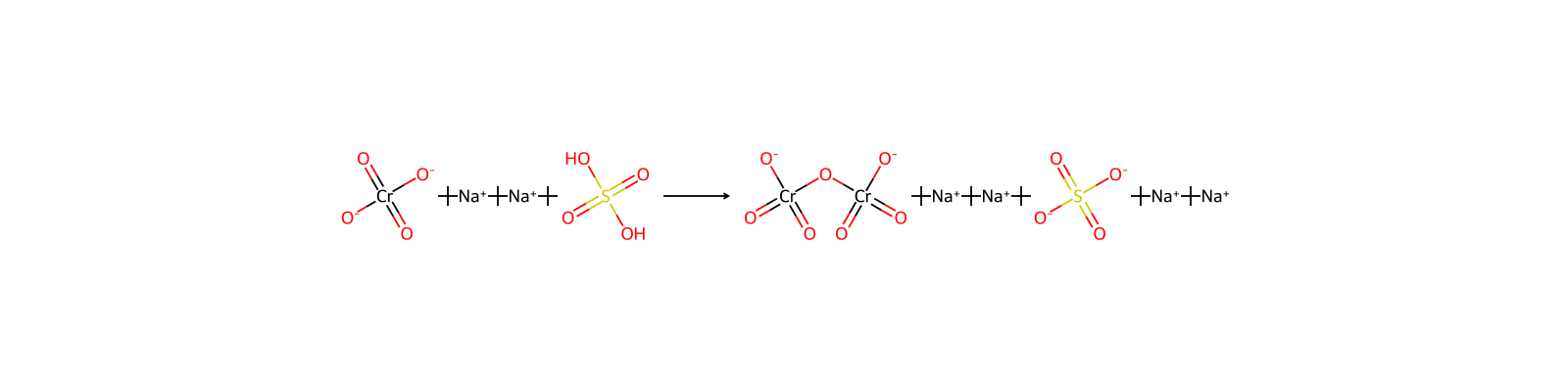
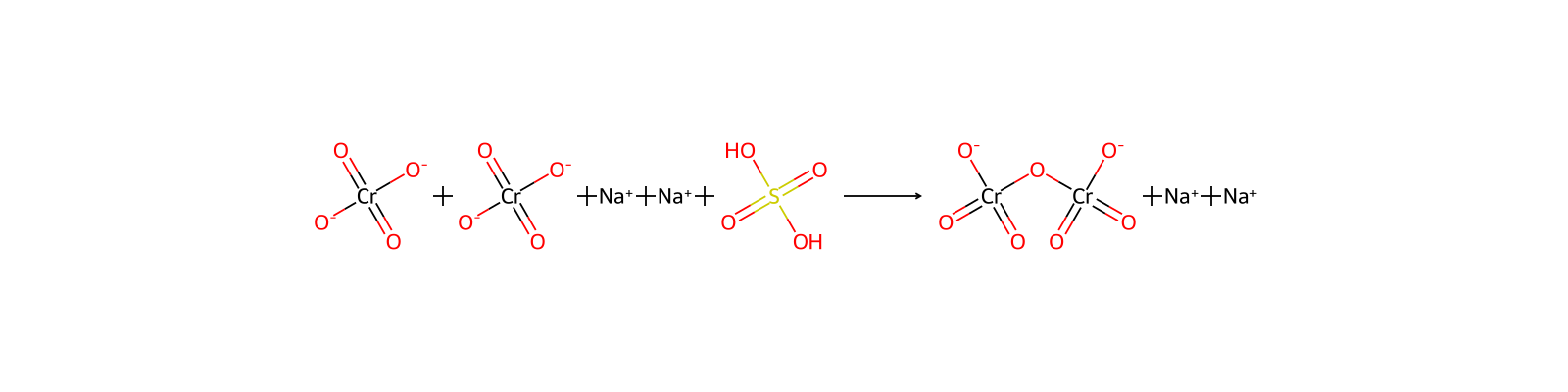
To prepare the salt, sodium dichromate solution is usually mixed with a stoichiometric amount of sodium hydroxide, and the salt solution is then crystallized or spray dried. The 96.5 - 98.5% product (0.4% NaCl, 2% Na2SO4) is stored and dispatched in watertight steel drums.
Formulations/Preparations
Technical-grade anhydrous sodium chromate available from one USA company has the following typical analysis: purity, 99.5%; sulfates (as sodium sulfate), 0.41%; chlorides (as sodium chloride), 0.02%; vanadium (as V), less than 0.001%; and water insoluble materials, less than 0.01%. Sodium chromate was also available as a chemically pure grade, as the tetrahydrate and in solutions. It is available in Japan in two grades, with 99.0 and 99.9% purity.
Grade: Pure neutral, highest purity, technical, CP, reagent
General Manufacturing InformationChromic acid (H2CrO4), sodium salt (1:2): ACTIVE
サプライヤー1 社
Hefei TNJ Chemical Industry Co.,Ltd.+86-0551-65418671 +86-189 4982 3763 · [email protected]
関連反応
15 件




関連ノート
読み込み中…