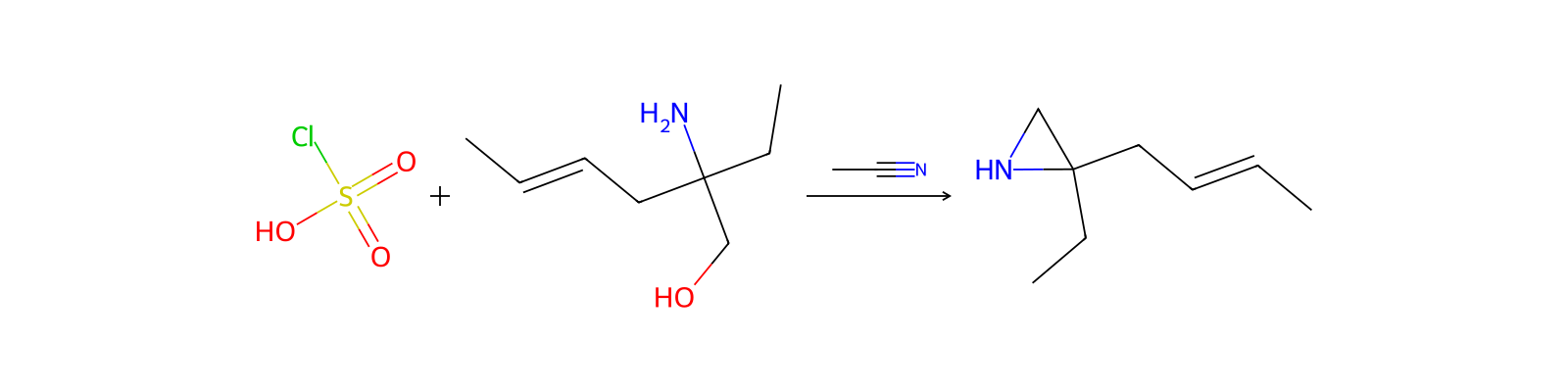
Chlorosulfonic acid
データを補完しています。しばらくしてからページを更新すると最新の内容を表示できます
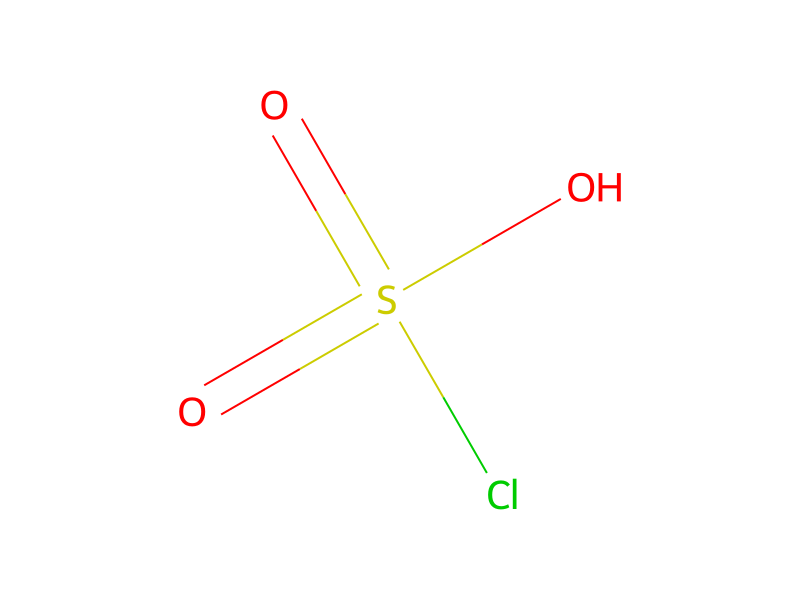
7790-94-5O=S(=O)(O)ClXTHPWXDJESJLNJ-UHFFFAOYSA-NChlorosulfonic acid appears as a colorless to yellow colored fuming liquid with a pungent odor. Density 14.7 lb / gal. Causes severe burns. Very toxic by inhalation. Corrosive to metals.
7790-94-5DTXSID1029706Toxic Gases & Vapors -> Other Toxic Gases & Vapors
Corrosives
1.75 at 68 °F (USCG, 1999) - Denser than water; will sink
SPECIFIC GRAVITY: 1.76-1.77 AT 20 °C/20 °C; 1.784 AT 0 °C/4 °C; 1.753 AT 20 °C/4 °C.
Relative density (water = 1): 1.75
1.75 @25 °C
/COMMON SOLVENTS INCLUDE/ LIQUID SULFUR DIOXIDE, PYRIDINE, & DICHLOROETHANE.
Solubility in water: reaction
311 °F at 760 mmHg (USCG, 1999)
151-152 °C AT 755 MM HG; 74-75 °C AT 19 MM HG; 60-64 °C AT 2-4 MM HG
at 100kPa: 151-152 °C
152 °C @760 [mm Hg]
安全情報は参考情報です。供給元の安全データシート(SDS)、適用法令、専門家による評価に代わるものではありません。
Danger
H314: Causes severe skin burns and eye damage [Danger Skin corrosion/irritation]
P260, P261, P264, P271, P280, P301+P330+P331, P302+P361+P354, P304+P340, P305+P354+P338, P316, P319, P321, P363, P403+P233, P405, and P501 (click each P-code to see the statement)
Danger
H312 (50%): Harmful in contact with skin [Warning Acute toxicity, dermal]
P260, P261, P264, P264+P265, P270, P271, P280, P284, P301+P330+P331, P302+P352, P302+P361+P354, P304+P340, P305+P354+P338, P316, P317, P319, P320, P321, P362+P364, P363, P403+P233, P405, and P501 (click each P-code to see the statement)
Chemical: Chlorosulfuric acid
Chlorosulfuric acid is listed on the EPA's Chemical Data Reporting (CDR) system. Manufacturers and importers of Chlorosulfuric acid are required to report information about their production and use of this chemical to the EPA under the Toxic Substances Control Act (TSCA). (40 eCFR Part 711)
Status: Active Update: 19-10-2021 https://echa.europa.eu/registration-dossier/-/registered-dossier/11125
Chlorosulphonic acid: Does not have an individual approval but may be used under an appropriate group standard
The New Jersey Worker and Community Right to Know Act requires public and private employers to provide information about hazardous substances at their workplaces. (N.J.S.A. 34:5A-1 et. seq.)
Special Hazards of Combustion Products: Decomposes into irritating and toxic gases
· EXCEPT FOR ACETIC ANHYDRIDE (UN1715), THAT IS FLAMMABLE, some of these materials may burn, but none ignite readily.
Not combustible but enhances combustion of other substances. Many reactions may cause fire or explosion. Gives off irritating or toxic fumes (or gases) in a fire. Risk of fire and explosion on contact with many substances.
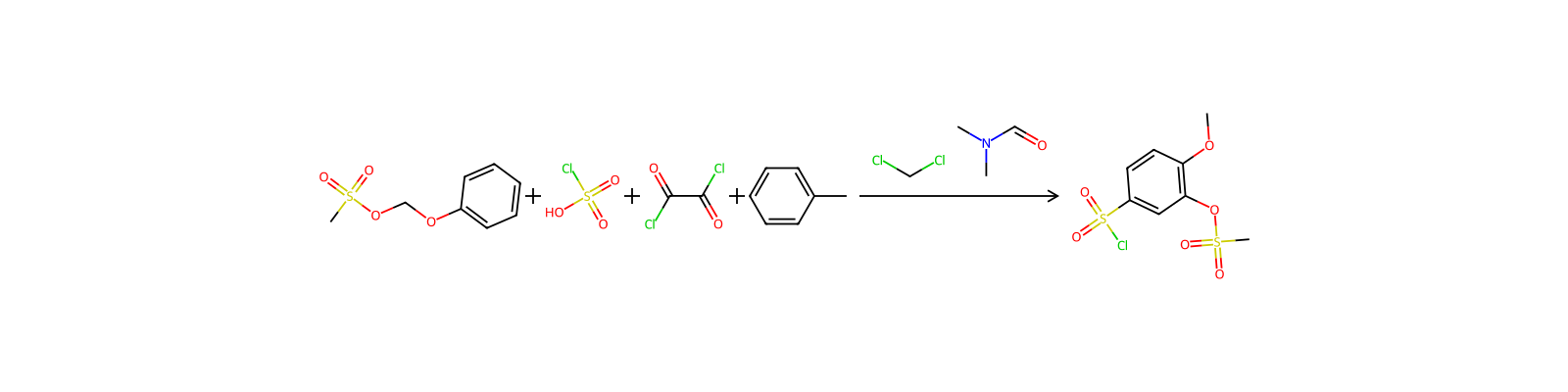
Used to produce surfactants, detergents, ion-exchange resins, dyes, pesticides, military smoke screens, and other chemicals; [HSDB]
Toxic Gas from Spilling Chemical in Water [Category: Other]
CHEM INT FOR DYES, PESTICIDES INCL DISUL & TEDION, ION-EXCHANGE RESINS, PHARMACEUTICALS INCL SULFA DRUGS & SACCHARIN, ALKYL SULFATE SURFACTANTS, ALKYLPHENOL ETHOXYLATE SULFATE SURFACTANTS; COMPONENT OF FS MILITARY SCREENING SMOKE.
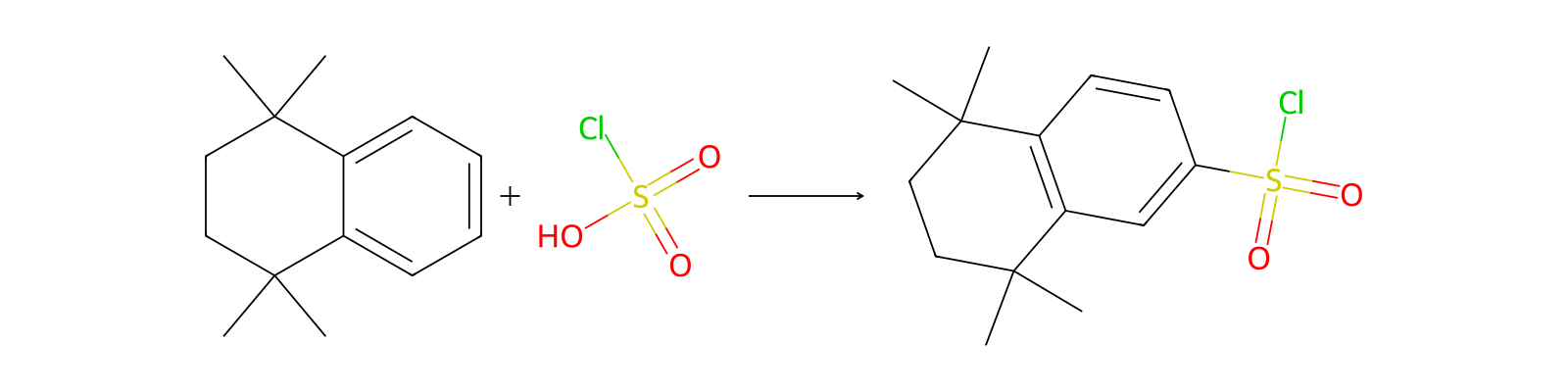
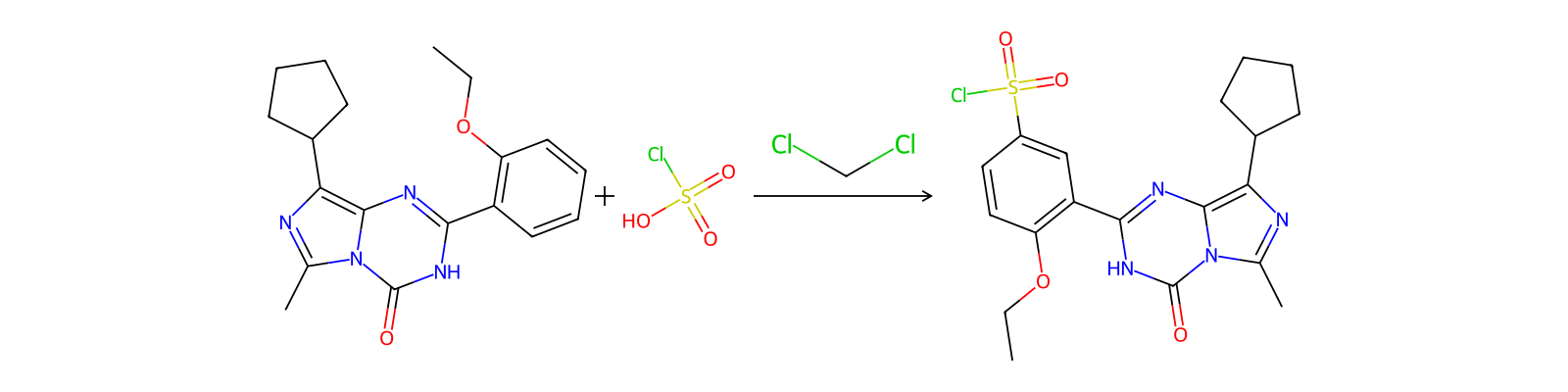
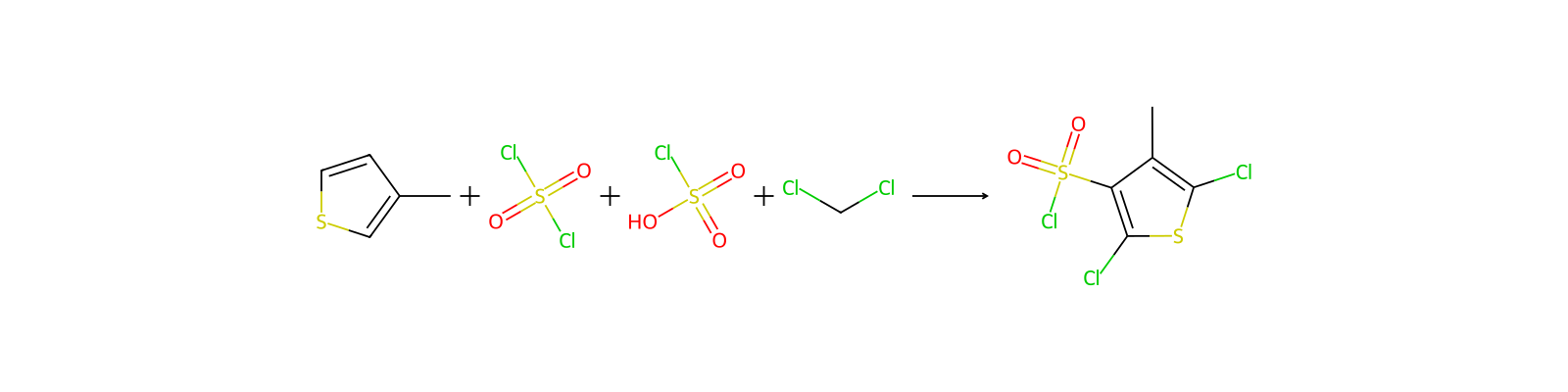
AS CHLOROSULFONATING & CONDENSING AGENT IN ORG SYNTHESES.
MFR OF SYNTHETIC DETERGENTS, ANHYDROUS HYDROGEN CHLORIDE & SMOKE-PRODUCING CHEMICALS.
(1972) 1.2X10+10 G (INCL HYDROCHLORIC ACID)
(1975) 1.40X10+9 G (INCL HYDROCHLORIC ACID)
2023: 8,500,000 - <25,000,000 lb
(1968) 6.8X10+10 GRAMS (DEMAND)
APPROXIMATELY 40% AS A CHEM INT FOR SULFATE SURFACTANTS; 20% AS A CHEM INT FOR PHARMACEUTICALS; 15% AS A CHEM INT FOR DYES; 8% AS A CHEM INT FOR PESTICIDES; 5% AS A CHEM INT FOR ION-EXCHANGE RESINS; AND 12% FOR MISCELLANEOUS USES (1968).
Toluenesulfonamides, 33%; surfactants, 27%; dyes, 18%; herbicides, 11%; pharmaceuticals, 4%; miscellaneous, 7%, (1982).
REACTION OF SULFUR TRIOXIDE AND HYDROGEN CHLORIDE.
By treating sulfur trioxide or fuming sulfuric acid with hydrochloric acid.
Synthetic Dye and Pigment Manufacturing
Chlorosulfuric acid: ACTIVE
Exports, chiefly to Canada, and imports are small.
読み込み中…
-112 °F (USCG, 1999)
-80 °C
-80 °C
-80 °C
4.02 (AIR= 1)
Relative vapor density (air = 1): 4.02
1.55 mmHg (USCG, 1999)
0.75 [mmHg]
1 MM HG AT 32 °C
Vapor pressure, Pa at 20 °C: 133
7.5 [mm Hg] @38.700000000000003 °C
化学的特性Chlorosulfonic acid, ClS03H, also known as chlorosulfuric acid and sulfuric chlorohydrin, is an colorless to light yellow oily liquid. It is formed from sulfur trioxide and hydrogen chloride, but decomposes in water to form hydrochloric acid and sulfuric acid.It is a vigorous dehydrating agent and is used in manufacturing synthetic drugs,poison gas, and saccharin.
INHALATION: vapor extremely irritating to lungs and mucous membranes. Vapor has such a sharp and pentrating odor that inhalation of severely toxic quantities is unlikely unless it is impossible to escape the fumes. CONTACT WITH EYES OR SKIN: liquid acid will severely burn body tissue. (USCG, 1999)
· CORROSIVE and/or TOXIC; inhalation, ingestion or contact (skin, eyes) with vapors, dusts or substance may cause severe injury, burns or death.
Highly corrosive to skin; [Quick CPC] High inhalation exposure can induce pulmonary edema; [CHEMINFO] A corrosive substance that can cause pulmonary edema; May cause erosion of teeth enamel; [ICSC] Reacts with water to produce hydrochloric and sulfuric acid; [AIHA]
Excerpt from ERG Guide 137 [Substances - Water-Reactive - Corrosive]:
In case of fire in the surroundings, use appropriate extinguishing media. In case of fire: keep drums, etc., cool by spraying with water. NO direct contact with water.
Fresh air, rest. Half-upright position. Artificial respiration may be needed. Refer for medical attention.
Remove contaminated clothes. Rinse skin with plenty of water or shower. Refer for medical attention .
First rinse with plenty of water for several minutes (remove contact lenses if easily possible), then refer for medical attention.
Rinse mouth. Do NOT induce vomiting. Give one or two glasses of water to drink. Refer for medical attention .
· CALL 911. Then call emergency response telephone number on shipping paper. If shipping paper not available or no answer, refer to appropriate telephone number listed on the inside back cover.
· Do not touch damaged containers or spilled material unless wearing appropriate protective clothing.
Call a physician in all cases.
General First Aid:
· Wear positive pressure self-contained breathing apparatus (SCBA).
TIH (Toxic Inhalation Hazard) - Term used to describe gases and volatile liquids that are toxic when inhaled. Some are TIH materials themselves, e.g., chlorine, and some release TIH gases when spilled in water, e.g., chlorosilanes. [ERG 2016].
Use water spray, dry chemical, foam carbon dioxide. DO NOT allow water to make contact with material, as highly acidic run-off will be formed. Use water spray to keep fire-exposed containers cool. Closed containers may rupture violently when heated.
KEEP TIGHTLY CLOSED.
Store in a cool, dry, well-ventillated location. Separate from water, acids, alkalies, alcohols.
Spills of hazardous chemicals (such as inorganic sulfur acids, oleums of strength 35 to 65%, liquid sulfur trioxide, or chlorosulfonic acid) can be treated with high molecular weight polyacrylamide, polymethyl methacrylate or a blend of polyacrylamides. Each forms a polymer skin over the liquid surface, suppressing the fume & allowing access to the spill so that cleanup can be done in a controlled manner. Polyacrylamide variant DP 1916 is best treatment for chlorosulfonic acid & oleum 20. Polycarbonate granules used in a layer approx 80 mm thick topped off with Sorboil (an absorbent clay) is best treatment for diked spills of oleums of all strengths & liq sulfur trioxide. The acid beneath the skin is best recovered by pumping. Unconfined spills of sulfur trioxide & oleums of all strengths can be treated with excess anhydrous sodium sulfate which forms a concrete-like residue that can be sprayed with water within 1 hour, dissolving it slowly. Expanded perlite, if contained in degradable bags, will effectively absorb & contain sulfur acids. Fumes of oleum 65% arising from spillage of 80 to 750 kg can be killed within 4 to 13 min. Asphalt or concrete is slightly affected.
Evacuate danger area! Consult an expert! Personal protection: complete protective clothing including self-contained breathing apparatus. Ventilation. Collect leaking liquid in sealable containers. Cautiously neutralize remainder with alkaline materials, crushed limestone, sodium bicarbonate or soda ash. Then wash away with plenty of water. Do NOT absorb in saw-dust or other combustible absorbents.
TERRESTRIAL FATE: If chlorosulfonic acid is released to soil, it will be expected to rapidly hydrolyze if the soil is moist, based upon the reported violent hydrolysis by water(1,SRC). Since it rapidly hydrolyzes, biodegradation, adsorption to and volatilization from moist soil are not expected to be significant processes, although no data specifically regarding the fate of chlorosulfonic acid in soil were located(SRC). Based upon a measured vapor pressure of 0.75 mm Hg at 20 °C(2), volatilization from dry near-surface soil or other surfaces may be a significant process(SRC).
AQUATIC FATE: If chlorosulfonic acid is released to water, it will be hydrolyzed violently by the water producing hydrogen chloride and sulfuric acid(1). Based upon this rapid and violent hydrolysis, bioconcentration, biodegradation, volatilization, and adsorption to sediment and suspended solids are not expected to be significant processes(SRC).
ATMOSPHERIC FATE: If chlorosulfonic acid is released to the atmosphere, it will be expected to exist almost entirely in the vapor phase(1) based upon a reported vapor pressure of 0.75 mm Hg at 20 °C(2). It may be susceptible to hydrolysis in moist air based upon its rapid hydrolysis in aqueous solution(4,SRC) and the report that the chemical fumes in air(5). It will be susceptible to photooxidation via vapor phase reaction with photochemically produced hydroxyl radicals. An atmospheric half-life of 1.2 years at an atmospheric concentration of 5X10+5 hydroxyl radicals per cu cm has been calculated for this process based upon an estimated rate constant(3,SRC).
Sore throat. Cough. Burning sensation. Shortness of breath. Laboured breathing. Symptoms may be delayed.
Pain. Redness. Serious skin burns.
Pain. Redness. Severe deep burns.
Burning sensation. Abdominal pain. Nausea. Shock or collapse.
IN CHEMISTRY LAB, 1 PATIENT /HOLDING FLASK CONTAINING 30 ML OF CHLOROSULFONIC ACID PLUS CHLOROBENZENE AT ABOUT ROOM TEMP ACCIDENTALLY DROPPED ... IT/ INTO WATER & RESULTING EXPLOSION PROJECTED CONTENTS INTO HIS FACE ... HE WAS ABLE TO WASH ... EYES WITH WATER ... WITHIN FEW SECONDS. BURNS OF CORNEA & CONJUNCTIVA WERE RESTRICTED TO PALPEBRAL FISSURE. BURNS OF LIDS WERE MORE SEVERE /& SUBSEQUENTLY UNDERWENT INCREASING SWELLING & LOSS OF PATCHES OF SKIN./ ... WITHIN 2 WK LIDS WERE HEALING WELL & CORNEAS HAD ONLY TINY AREAS OF UNHEALED EPITHELIUM ... VISION WAS RETURNING TO NORMAL.
SYMPTOMATOLOGY ( ... INGESTION OR SKIN CONTACT): 1. CORROSION OF MUCOUS MEMBRANES OF MOUTH, THROAT ... ESOPHAGUS, WITH ... PAIN & DYSPHAGIA. NECROTIC AREAS ... GRAYISH WHITE BUT SOON ... BLACKISH DISCOLORATION (YELLOW IN CASE OF NITRIC ACID) & SOMETIMES SHRUNK OR WRINKLED TEXTURE. 2. EPIGASTRIC PAIN ... MAY BE ASSOC WITH NAUSEA & VOMITING ... INTENSE THIRST. 3. CIRCULATORY COLLAPSE ... CLAMMY SKIN, WEAK & RAPID PULSE, SHALLOW RESP ... SCANTY URINE. ... SHOCK IS OFTEN ... CAUSE OF DEATH. 4. ASPHYXIAL DEATH DUE TO GLOTTIC EDEMA. 5. ULCERATION OF ALL MEMBRANES & TISSUES WITH WHICH ACID COMES IN CONTACT. ULCERATED AREAS OFTEN PERFORATE, LEADING TO MEDIASTINITIS & PERITONITIS. 6. LATE ESOPHAGEAL, GASTRIC & PYLORIC STRUCTURES & STENOSIS ... MAY REQUIRE ... SURGICAL REPAIR, SHOULD BE ANTICIPATED. PERMANENT SCARS MAY ... APPEAR IN CORNEA, SKIN & OROPHARYNX. 7. UNCORRECTED CIRCULATORY COLLAPSE OF SEVERAL HR ... MAY LEAD TO RENAL FAILURE & ISCHEMIC LESIONS IN LIVER & HEART. /ACIDS/
... EXTREMELY CAUSTIC LIQUID WHICH GIVES OFF FUMES VERY IRRITATING TO EYES & RESP PASSAGES.
Chlorosulfonic acid may be released to the environment as a result of its manufacture and use as an intermediate in the synthesis of detergents, pharmaceuticals, sulfonating agents for dyes, pesticides, ion-exchange resins, anhydrous hydrogen chloride, and smoke-producing chemicals(1).
No data were located concerning the biodegradation of chlorosulfonic acid either in natural systems or in laboratory studies(SRC). Since chlorosulfonic acid is violently hydrolyzed in water(1), biodegradation is not expected to be a significant process(SRC).
Since chlorosulfonic acid is violently hydrolyzed in water(1), it is not possible to estimate the half-life for volatilization from these media(SRC). Volatilization from water and moist soil, however, is not expected to be significant relative to rapid hydrolysis(SRC). Based upon a measured vapor pressure of 0.75 mm Hg at 20 °C(2), volatilization of chlorosulfonic acid from surfaces and near-surface dry soil may be significant processes(SRC).
Chlorosulfonic acid reacts violently with water, hydrolyzing to hydrogen chloride and sulfuric acid(1) which indicates that the compound has a very short half-life in aqueous media(SRC). Chlorosulfonic acid fumes in air(3) suggesting that the compound may be susceptible to hydrolysis in the atmosphere(SRC). The rate constant for the vapor phase reaction of chlorosulfonic acid with photochemically produced hydroxyl radicals has been estimated to be 0.036X10⁻¹² cu cm/molecule-sec at 25 °C which corresponds to an atmospheric half-life of 1.2 years at an atmospheric concentration of 5X10+5 hydroxyl radicals per cu cm(2,SRC).
This action promulgates standards of performance for equipment leaks of Volatile Organic Compounds (VOC) in the Synthetic Organic Chemical Manufacturing Industry (SOCMI). The intended effect of these standards is to require all newly constructed, modified, and reconstructed SOCMI process units to use the best demonstrated system of continuous emission reduction for equipment leaks of VOC, considering costs, non air quality health and environmental impact and energy requirements. Chlorosulfonic acid is produced, as an intermediate or final product, by process units covered under this subpart.
Persons in charge of vessels or facilities are required to notify the National Response Center (NRC) immediately, when there is a release of this designated hazardous substance, in an amount equal to or greater than its reportable quantity of 1000 lb or 454 kg. The toll free number of the NRC is (800) 424-8802; In the Washington D.C. metropolitan area (202) 426-2675. The rule for determining when notification is required is stated in 40 CFR 302.4 (section IV. D.3.b).
Chlorosulfonic acid
A Commercial Grade
A Placarded Amount
Chemical or material that can be mixed with readily available materials.
解説クロロ硫酸.クロロトリオキソ硫(Ⅵ)酸水素ともいう.クロロスルホン酸は旧名.発煙硫酸に氷冷しつつ塩酸を通すか,五塩化リンを反応させると得られる.無色の発煙性,刺激臭のある液体.融点-80 ℃,沸点151~152 ℃.密度1.75 g cm-3.水とはげしく反応してH2SO4とHClになる.スルホン化剤や塩素化剤に用いられる.腐食性が強く,皮膚をおかす.有毒.
用途有機合成原料(スルホン化剤)、煙幕。
用途合成洗剤原料をはじめ、医薬品や染料等の原料や、スルホン化剤として用いられる。
使用Chlorosulfonic acid is used as detergent and as an anti-contrail agent. It is used as an intermediate in the production of other substances such as pharmaceuticals and chemicals. It finds application in producing smoke screens.
一般的な説明A colorless to yellow colored fuming liquid with a pungent odor. Density 14.7 lb / gal. Causes severe burns. Very toxic by inhalation. Corrosive to metals.
使用用途クロロスルホン酸の用途は、合成洗剤原料・医薬品・染料の原料などのスルホン化剤として使用されています。クロロスルホン酸はさまざまな用途があり、日本でも大量に消費されています。 1. 有機化学における反応剤 クロロスルホン酸は、主にスルホン化反応における反応剤として用いられます。スルホン化とは、有機化合物の水素原子をスルホ基に置換させる反応のことです。 2. その他 水と反応して塩酸と硫酸の白い煙を形成することから、軍事舞台で使用される煙幕の原料としても使用したり、 ステルス爆撃機のエンジン排気による飛行機雲の発生を抑えることを目的に、排気中の水分を吸着させるために排気中に散布したりします。
純化方法Distil the acid in an all-glass apparatus, taking the fraction boiling at 156-158o. It reacts EXPLOSIVELY with water [Cremlyn Chlorosulfonic acid: A Versatile Reagent, Royal Society of Chemistry UK, 2002, p 308, ISBN 0854044981, Fehér in Handbook of Preparative Inorganic Chemistry (Ed. Brauer) Academic Press Vol I p 385 1963].