ホームMCPワークベンチSkills
ホームワークベンチ通知マイページ
llms.txt · MCPガイドプライバシーポリシー · 利用規約 · サポートv1.8.0
  1. ホーム
  2. /化合物

四酸化オスミウム (4%水溶液)

Osmium Tetroxide

HCID 30318
ノートを作成反応を作成見積依頼を出す
印刷プレビュー

データを補完しています。しばらくしてからページを更新すると最新の内容を表示できます

基本情報概要名称と識別子物性安全と法規制化学と産業関連反応化合物ノート
部分構造検索類似構造を探す

基本情報

CAS
20816-12-0
標準SMILES
[O]=[Os](=[O])(=[O])=[O]
InChIKey
VUVGYHUDAICLFK-UHFFFAOYSA-N
分子式
O4Os
平均分子量
254.2 g/mol
単同位体質量
255.94113918

概要

Osmium tetroxide appears as a colorless or yellow solid with a pungent odor of chlorine. Begins to sublime below melting point. Soluble in alcohol. Toxic by inhalation and a strong irritant to the eyes and mucous membranes.

名称と識別子

優先名称
Osmium Tetroxide
IUPAC
tetraoxoosmium
現地名
四酸化オスミウム (4%水溶液)
英語名
Osmium tetroxide
分子式
O4Os
分子量
254.23

名称と別名

OSMIUM TETROXIDEOsmium tetraoxide20816-12-0Osmic acidtetraoxoosmiumPerosmic oxideOsmium(VIII) oxideOsmic acid anhydridePerosmic acid anhydrideOsmium oxide (OsO4), (T-4)-RCRA waste number P087P40W033BGM
名称をさらに表示
四酸化オスミウム (4%水溶液)四酸化オスミウムオスミン酸酸化オスミウム(VIII)酸化オスミウムオスミウム酸酸化オスミウム(VIII) (4%水溶液)四酸化オスミウム REAGENTPLUS,99.8%四酸化オスミウム SOLUTION 2.5 WT. % IN TERT-ブタノール四酸化オスミウム SOLUTION 4 WT. % IN H2O酸化オスミウム(Ⅷ)2% 酸化オスミウム(VIII)溶液4% 酸化オスミウム(VIII)溶液酸化オスミウム(VIII) (オスミウム酸)四酸化オスミウム, FOR ELECTRON MICROSCOPYOSMIUM TETROXIDE 4 % SOLUTION FOR ELECTRON MICROSCOPY酸化オスミウム(VIII), マイクロカプセル化酸化オスミウム(VIII), PEM-マイクロカプセル化酸化オスミウム, 固定化触媒I酸化オスミウム(VIII), 4% in waterOsO4Osmium oxideOSMIUM(VIII)-TETROXIDEos encatSYHEosmiumoxide
DTXSID5042245CHEBI:88215Acid, OsmicTetroxide, OsmiumRefChem:168681OSMIUM OXIDE (OSO4)DTXCID3022245244-058-7

データベース識別子

CAS
20816-12-0
PubChem CID
30318
DTXSID
DTXSID5042245
ChEBI
CHEBI:88215
UNII
P40W033BGM
EC Number
244-058-7
Nikkaji
J43.929K

物性

構造計算による物性補完中

極性表面積
68.3 Ų
水素結合供与体数
0
水素結合受容体数
4
回転可能結合数
0
重原子数
5
形式電荷
0
複雑度
138

実験および物理化学的性質

Chemical ClassesMetals -> Metals, Inorganic Compounds
Odor · 2 件

Acrid, chlorine-like odor

Unpleasant odor.

Density · 6 件

5.1 (NIOSH, 2024) - Denser than water; will sink

5.10 (Calculated)

Relative density (water = 1): 4.9

5.1

5.1 @25 °C

5.10

Color/Form · 3 件

Pale yellow solid; monoclinic crystals

Dimorphic compd with both crystalline and amorphous forms

Colorless, crystalline solid, or pale-yellow mass [Note: A liquid above 105 degrees F].

Solubility · 6 件

6 % at 77 °F (NIOSH, 2024)

Sol in benzene, alcohol, ether, ammonium hydroxide, and phosphorus oxychloride; solubility in carbon tetrachloride @ 25 deg: 375 g/100 g

Solubility (g/100 cc solvent): 5.70 g in water @ 10 °C; 6.23 g in water @ 25 °C; 250 +/- 10 g in carbon tetrachloride @ 20 °C

In water, 7.24 (g/100 g) at 25 °C

Solubility in water, g/100ml at 25 °C: 6

(77 °F): 6%

Boiling Point · 6 件

266 °F at 760 mmHg (NIOSH, 2024)

130.0 °C at 760 mm Hg; begins to sublime and distill well below bp

130 °C

266 °F

131.2 °C @760 [mm Hg]

266 °F

安全と法規制

安全情報は参考情報です。供給元の安全データシート(SDS)、適用法令、専門家による評価に代わるものではありません。

GHS分類

GHS Classification · 6 件

Danger

H300: Fatal if swallowed [Danger Acute toxicity, oral]

P260, P262, P264, P270, P271, P280, P284, P301+P316, P301+P330+P331, P302+P352, P302+P361+P354, P304+P340, P305+P354+P338, P316, P320, P321, P330, P361+P364, P363, P403+P233, P405, and P501 (click each P-code to see the statement)

Danger

H300 (100%): Fatal if swallowed [Danger Acute toxicity, oral]

P233, P260, P262, P264, P270, P271, P280, P284, P301+P316, P301+P330+P331, P302+P352, P302+P361+P354, P304+P340, P305+P354+P338, P316, P320, P321, P330, P342+P316, P361+P364, P363, P403, P403+P233, P405, and P501 (click each P-code to see the statement)

危険有害性情報

Regulatory Information · 3 件

Chemical: Osmium oxide (OsO4), (T-4)-

Osmium (VIII) oxide: HSNO Approval: HSR002793 Approved with controls

The New Jersey Worker and Community Right to Know Act requires public and private employers to provide information about hazardous substances at their workplaces. (N.J.S.A. 34:5A-1 et. seq.)

Other Safety InformationIMAP assessments - Osmium oxide (OsO4), (T-4)-: Environment tier I assessment
DOT LabelPoison
Fire Hazards · 3 件

Excerpt from ERG Guide 154 [Substances - Toxic and/or Corrosive (Non-Combustible)]:

· Non-combustible, substance itself does not burn but may decompose upon heating to produce corrosive and/or toxic fumes.

Not combustible but enhances combustion of other substances. Risk of fire and explosion on contact with combustible substances.

Fire Potential · 2 件

Not combustible.

Not combustible but enhances combustion of other substances.

Health Hazards · 2 件

化学と産業

薬理情報

Absorption, Distribution and Excretion · 2 件

The lungs and respiratory tract retain most of the inhaled /osmium tetroxide/ vapors.

No information is available that would suggest osmium accumulation in animal tissues or its dermal absorption.

用途と製造

Uses · 6 件

Used primarily for staining of biological and pathological tissues for microscopic study; [ACGIH]

Chief /laboratory/ use of osmium tetroxide is as a biological stain for adipose tissues in histopathological laboratories

Osmium tetroxide is a highly oxidizing, corrosive compound commonly found in electron microscopy laboratories

General purpose reagent. Medical Specialty Pathology. Product Code KEE

Catalyzes chlorate, peroxide, periodate and other oxidations

For more Uses (Complete) data for OSMIUM TETROXIDE (12 total), please visit the HSDB record page.

U.S. Exports · 3 件

(1978) No Data

(1983) No Data

(1987) No Data

U.S. Imports · 3 件

(1977) No Data

(1982) No Data

(1987) No Data

U.S. Production · 3 件

(1977) PROBABLY GREATER THAN 1.82X10+6 G

(1982) PROBABLY GREATER THAN 9.08X10+6 G

(1987) No Data

Methods of Manufacturing · 3 件

Oxidation of osmium-containing solutions eg, sodium osmate or osmium metal with nitric acid; oxidation of osmium metal in air.

By heating powdered osmium in air, or by treating it with nitric acid, aqua regia or chlorine.

... Prepared by strongly heating osmium in a stream of oxygen at 500-800 °C.

General Manufacturing Information · 4 件

Osmium oxide (OsO4), (T-4)-: ACTIVE

関連反応

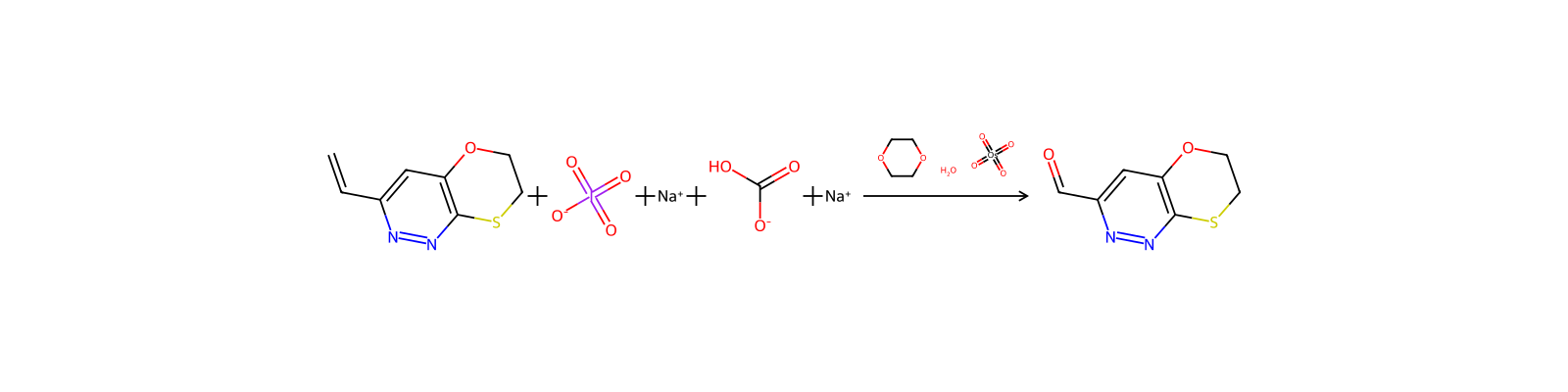
1,654 件
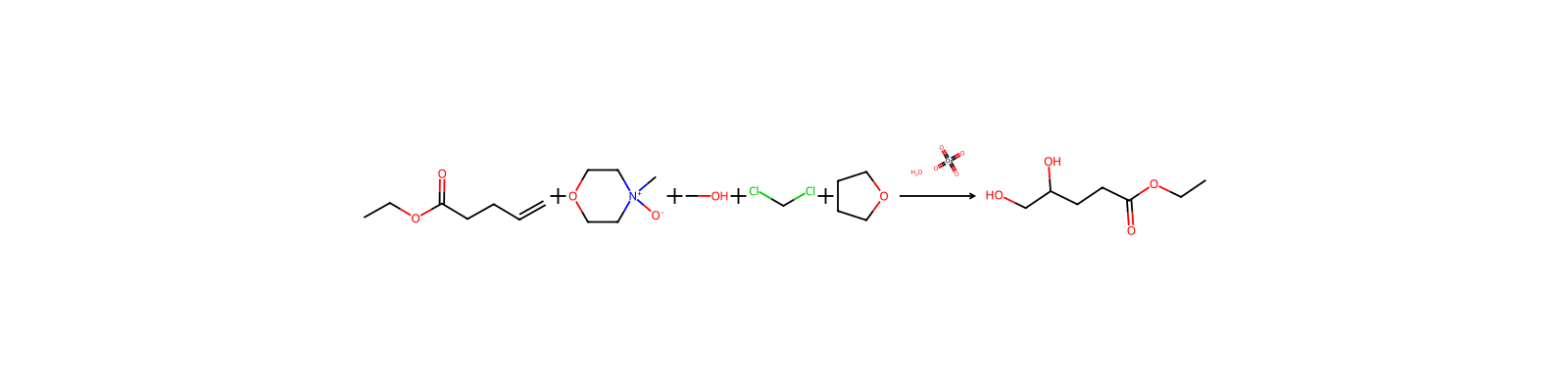
反応記録を作成
HRID 1965 の反応式
HRID 1965触媒としてuspto-grants-1998_03
HRID 8186 の反応式
HRID 8186触媒としてuspto-grants-2006_08
HRID 8547 の反応式
HRID 8547触媒としてuspto-grants-2006_08
HRID 10180 の反応式
HRID 10180触媒としてuspto-grants-2006_08
HRID 11131 の反応式
HRID 11131触媒としてuspto-grants-2006_08
HRID 15151 の反応式
HRID 15151触媒としてuspto-grants-2010_06
HRID 15153 の反応式
HRID 15153触媒としてuspto-grants-2010_06
HRID 15155 の反応式
HRID 15155触媒としてuspto-grants-2010_06
1 / 207 ページ

化合物ノート

読み込み中…

このページの内容基本情報概要名称と識別子物性安全と法規制化学と産業関連反応化合物ノート
その他の操作
ノートを作成反応を作成見積依頼を出す
Decomposition
When heated to decomposition, it emits toxic fumes of /osmium/.
Melting Point · 6 件

105 °F (NIOSH, 2024)

40.6 °C

42 °C

105 °F

40.6 °C

105 °F

Vapor DensityRelative vapor density (air = 1): 8.8
Odor Threshold · 2 件

Odor Threshold Low: 0.0019 [mg/m3]

Air odor threshhold: 0.0019 ppm v/v. Water odor threshhold: 0.012 ppm w/v (amount in water that generates the air odor threshhold in a closed system).

Vapor Pressure · 6 件

7 mmHg (NIOSH, 2024)

7.0 [mmHg]

11 mm Hg at 27 °C

Vapor pressure, kPa at 27 °C: 1.5

7 mmHg

11 [mm Hg] @27 °C

Ionization Potential · 2 件

12.60 eV

12.60 eV

物理化学的性質

融点
40 °C · 40°C
沸点
130 °C · 130 °C
比重(密度)
1.04 · 1.04
蒸気密度
8.8 · 8.8 (vs air)
蒸気圧
7 mmHg · 7 mmHg at 20 °C
闪点
-40 °C · -40 °C
貯蔵温度
2 · 2-8°C
溶解性
アルコール、エーテル、クロロホルム、ベンゼン、水酸化アンモニウム、オキシ塩化リン、四塩化炭素に可溶
外見
解決
色
白から黄色、またはレモンイエロー
比重
5.1 · 5.10
臭い (Odor)
2 ppm · 2 ppm (20 mg/m3) で検出可能な刺激的な、塩素のような臭気
PH
6 · 6 (20°C, 25g/L in H2O)
水溶解度
クロロホルム、アルコール、エーテルに可溶。水、有機溶剤、ベンゼン、アルコール、エーテル、水酸化アンモニウム、オキシ塩化リン、四塩化炭素に可溶。
比熱容量
0.29 J/ · Cp(gas): 0.29 J/(g·K), at 25℃
Merck
14 · 14,6893
晶系
単斜
空间群
2 · C2/c
晶格常数
30.9379 · a/nmb/nmc/nmα/oβ/oγ/oV/nm30.93790.45150.863290116.6900.3268
安定性
安定。強酸、塩化水素、有機物、微粉末金属とは混和しません。
InChI
1S/4O.Os
InChIKey
VUVGYHUDAICLFK-UHFFFAOYSA-N
SMILES
O=[Os](=O)(=O)=O
CAS データベース
20816 · 20816-12-0(CAS DataBase Reference)
NISTの化学物質情報
Osmium tetraoxide(20816-12-0)
EPAの化学物質情報
Osmium tetroxide (20816-12-0)

化学的性質

化学的特性Osmium tetroxide is a strong oxidant. Numerous organic substances reduce it to black osmium dioxide (OsO2) or to osmium metal.

Excerpt from ERG Guide 154 [Substances - Toxic and/or Corrosive (Non-Combustible)]:

· TOXIC and/or CORROSIVE; inhalation, ingestion or skin contact with material may cause severe injury or death.

Hazards Summary · 1 件

A skin and respiratory irritant, OsO4 can cause pulmonary edema in animals exposed to high concentrations. [ACGIH] A lachrymator; [ChemFinder] Tear drawing and corrosive to the skin, eyes, and respiratory tract; May cause kidney injury after prolonged or repeated exposure; [ICSC] Osmium tetroxide can cause chronic bronchitis. [LaDou, p. 382] May cause severe burns; [CAMEO] Based on animal studies, osmium tetroxide bioaccumulates after chronic exposure and may cause kidney and liver damage. [HSDB] See Osmium.

DOT ID and Guide · 2 件

2471 154

2471 154

Reactive GroupOxidizing Agents, Strong
EC ClassificationSymbol: T+; R: 26/27/28-34; S: (1/2)-7/9-26-45
UN ClassificationUN Hazard Class: 6.1; UN Pack Group: I
RCRA Requirements · 1 件

P087; As stipulated in 40 CFR 261.33, when osmium tetroxide, as a commercial chemical product or manufacturing chemical intermediate or an off-specification commercial chemical product or a manufacturing chemical intermediate, becomes a waste, it must be managed according to federal and/or state hazardous waste regulations. Also defined as a hazardous waste is any container or inner liner used to hold this waste or any residue, contaminated soil, water, or other debris resulting from the cleanup of a spill, into water or on dry land, of this waste. Generators of small quantities of this waste may qualify for partial exclusion from hazardous waste regulations (40 CFR 261.5(e)).

安全と保護具

Fire Fighting · 2 件

Excerpt from ERG Guide 154 [Substances - Toxic and/or Corrosive (Non-Combustible)]:

In case of fire in the surroundings, use appropriate extinguishing media.

First Aid Measures · 4 件

Fresh air, rest. Half-upright position. Artificial respiration may be needed. Refer for medical attention.

First rinse with plenty of water for at least 15 minutes, then remove contaminated clothes and rinse again. Refer for medical attention .

First rinse with plenty of water for several minutes (remove contact lenses if easily possible), then refer for medical attention.

Rinse mouth. Give nothing to drink. Rest. Refer for medical attention .

Accidental Release Measures · 2 件

· CALL 911. Then call emergency response telephone number on shipping paper. If shipping paper not available or no answer, refer to appropriate telephone number listed on the inside back cover.

· ELIMINATE all ignition sources (no smoking, flares, sparks or flames) from immediate area.

First Aid · 3 件

Excerpt from NIOSH Pocket Guide for Osmium tetroxide:

General First Aid:

(General first aid procedures)

Safe StorageSeparated from combustible substances, reducing agents and food and feedstuffs. Ventilation along the floor.
Exposure Control and Personal Protection · 2 件

· Wear positive pressure self-contained breathing apparatus (SCBA).

TIH (Toxic Inhalation Hazard) - Term used to describe gases and volatile liquids that are toxic when inhaled. Some are TIH materials themselves, e.g., chlorine, and some release TIH gases when spilled in water, e.g., chlorosilanes. [ERG 2016].

Fire Fighting Procedures · 2 件

If material on fire or involved in fire: Extinguish fire using agent suitable for type of surrounding fire. (Material itself does not burn or burns with difficulty.) Use water in flooding quantities as fog. Cool all affected containers with flooding quantities of water. Apply water from as far a distance as possible. Solid streams of water may spread the fire.

In case of fire in the surroundings: all extinguishing agents allowed.

Storage Conditions · 2 件

Separated from combustible and reducing substances, food and feedstuffs. Ventilation along the floor.

Because of its high acute toxicity, osmium tetroxide should be handled in the laboratory using the "basic prudent practices" of Chapter 5.C, supplemented by the additional precautions for work with compounds of high toxicity (Chapter 5.D). In particular, all work with osmium tetroxide should be conducted in a fume hood to prevent exposure by inhalation, and splash goggles and impermeable gloves should be worn at all times to prevent eye and skin contact. Osmium tetroxide as solid or solutions should be stored in tightly sealed containers, and these should be placed in secondary containers.

Cleanup Methods · 5 件

Ventilate area of spill or leak. Collect material liquid containing osmium tetroxide should be absorbed in vermiculite, dry sand, earth, or a similar material.

Sweep spilled substance into containers; if appropriate, moisten first to prevent dusting then remove to safe place. Do NOT absorb in saw-dust or other combustible absorbents.

Environmental considerations: Land spill: Dig a pit, pond, lagoon, holding area to contain liquid or solid material. /SRP: If time permits, pits, ponds, lagoons, soak holes, or holding areas should be sealed with an impermeable flexible membrane liner./ Cover solids with a plastic sheet to prevent dissolving gin rain or fire fighting water.

Environmental considerations: Water spill: Use natural barriers or oil spill control booms to limit spill travel. Remove trapped material with suction hoses.

For more Cleanup Methods (Complete) data for OSMIUM TETROXIDE (6 total), please visit the HSDB record page.

Nonfire Spill ResponseExcerpt from ERG Guide 154 [Substances - Toxic and/or Corrosive (Non-Combustible)]:
Disposal Methods · 4 件

Generators of waste (equal to or greater than 100 kg/mo) containing this contaminant, EPA hazardous waste number P087, must conform with USEPA regulations in storage, transportation, treatment and disposal of waste.[

Cautiously make a 5% solution of the material in water or dilute acid. There may be a vigorous, exothermic reaction and fumes may be generated due to hydrolysis of the material. Control any reaction by cooling and by the rate of addition. Gradually add dilute ammonium hydroxide to pH 10. Filter off any precipitate for disposal in a chemical landfill. If no precipitation occurs, gradually adjust the pH from 10 to 6, stopping when precipitation occurs.

Excess osmium tetroxide solutions can be rendered safer by reaction with sodium sulfite to produce insoluble osmium dioxide. Ethanol will also react to produce the dioxide. Corn oil or sodium sulfide may also be used to deactivate osmium tetroxide. Osmium-containing waste should be placed in a tightly sealed, labeled container and handled according to your institution's waste disposal guidelines. For more information on disposal procedures, see Chapter 7 of this volume.

SRP: The most favorable course of action is to use an alternative chemical product with less inherent propensity for occupational exposure or environmental contamination. Recycle any unused portion of the material for its approved use or return it to the manufacturer or supplier. Ultimate disposal of the chemical must consider: the material's impact on air quality; potential migration in soil or water; effects on animal, aquatic, and plant life; and conformance with environmental and public health regulations.

Spillage Disposal · 1 件

Evacuate danger area! Consult an expert! Personal protection: complete protective clothing including self-contained breathing apparatus. Ventilation. Do NOT let this chemical enter the environment. Sweep spilled substance into covered containers. If appropriate, moisten first to prevent dusting. Then store and dispose of according to local regulations. Do NOT absorb in saw-dust or other combustible absorbents.

毒性情報

Target OrgansEyes, skin, respiratory system
Ecotoxicity Values · 4 件

LC50 Nitocra spinipes ((Harpacticoidea Crustacea) 10-50 ug/L/96 hr; static

EC50 Tubifex tubifex (Tubificid worm; intoxication, immobilization) 14 ug/L/24 hr (95% confidence interval: 9-21 ug/L); static /Technical product/

EC50 Tubifex tubifex (Tubificid worm; intoxication, immobilization) 9 ug/L/48 hr (95% confidence interval: 7-12.1 ug/L); renewal /Technical product/

EC50 Tubifex tubifex (Tubificid worm; intoxication, immobilization) 6.7 ug/L/96 hr (95% confidence interval: 5.1-7.2 ug/L); renewal /Technical product/

Environmental FateATMOSPHERIC FATE: Osmium tetroxide is a volatile osmium compound(1). It would not be expected to persist in the environment(SRC), since osmium tetroxide is readily reduced by organic matter(1).
Adverse EffectsOccupational hepatotoxin - Secondary hepatotoxins: the potential for toxic effect in the occupational setting is based on cases of poisoning by human ingestion or animal experimentation.
Exposure Routes · 2 件

The substance can be absorbed into the body by inhalation of its aerosol or vapour and by ingestion.

inhalation, ingestion, skin and/or eye contact

Toxicity Summary · 1 件

The acute toxicity of osmium tetroxide is high, and it is a severe irritant of the eyes and respiratory tract. Exposure to osmium tetroxide vapor can damage the cornea of the eye. Irritation is generally the initial symptom of exposure to low concentrations of osmium tetroxide vapor, and lacrimation, a gritty feeling in the eyes, and the appearance of rings around lights may also be noted. In most cases, recovery occurs in a few days. Concentrations of vapor that do not cause immediate irritation can have an insidious cumulative effect; symptoms may not be noted until several hours after exposure. Contact of the eyes with concentrated solutions of this substance can cause severe damage and possible blindness. Inhalation can cause headache, coughing, dizziness, lung damage, and difficult breathing and may be fatal. Contact of the vapor with skin can cause dermatitis, and direct contact with the solid can lead to severe irritation and burns. Exposure to osmium tetroxide via inhalation, skin contact, or ingestion can lead to systemic toxic effects involving liver and kidney damage. Osmium tetroxide is regarded as a substance with poor warning properties. Chronic exposure to osmium tetroxide can result in an accumulation of osmium compounds in the liver and kidney and damage to these organs. Osmium tetroxide has been reported to cause reproductive toxicity in animals; this substance has not been shown to be carcinogenic or to show reproductive or developmental toxicity in humans.

Signs and Symptoms · 5 件

Burning sensation. Cough. Headache. Wheezing. Shortness of breath. Visual disturbances. Symptoms may be delayed.

Redness. Skin burns. Pain. Skin discoloration. Blisters.

Redness. Pain. Blurred vision. Loss of vision. Severe deep burns.

Abdominal cramps. Burning sensation. Shock or collapse. See Inhalation.

irritation eyes, respiratory system; lacrimation (discharge of tears), visual disturbance; conjunctivitis; headache; cough, dyspnea (breathing difficulty); dermatitis

Effluent ConcentrationsUNCLAIMED OSMIUM TETROXIDE FROM COPPER SMELTERS THAT REACHES WASTEWATER STREAMS IS PROBABLY RAPIDLY REDUCED BY ORGANIC MATTER TO NONTOXIC OSMIUM DIOXIDE OR OS METAL, WHICH WOULD SETTLE OUT IN THE SEDIMENT OF WATERCOURSE.
ICSC Environmental DataThis substance may be hazardous to the environment. Special attention should be given to crustacea.
Medical Surveillance · 1 件

Initial medical screening: Employees should be screened for history of certain medical conditions which might place employee at increased risk from osmium tetroxide exposure: Eye disease: osmium tetroxide is an eye irritant and in workers has caused symptoms and signs of keratitis epithelia with corneal edema. Persons with pre-existing eye disorders may be more susceptible to the effects of disease; Pulmonary disease: In persons with impaired pulmonary function, especially those with obstructive airway diseases, the breathing /of osmium tetroxide may result in/ exacerbation of symptoms due to its irritant properties Kidney disease: osmium tetroxide causes mild kidney damage in animals. Persons with pre-existing kidney disease may be more susceptible to the effects of this agent; Skin disease: osmium tetroxide is a primary skin irritant. Persons with pre-existing skin disorders may be more susceptible to the effects of this agent.

Human Toxicity Excerpts · 5 件

/HUMAN EXPOSURE STUDIES/ /A 1946 report described/ concentrations of osmium tetroxide ranging from 0.1 to 0.6 mg/cu m /were found/ in the air of a precious metal refining plant. The workers suffered from lacrimation and vison disturbances such as gritty feeling in the eyes and the appearance of rings around lights. Some employees complained of headache, conjunctivitis and cough.

/SIGNS AND SYMPTOMS/ Osmium tetroxide vapors ... /in low concentration caused/ bronchitis, bronchial spasms and difficulty in breathing ... Longer exposure can result in damage to cornea, blindness... inflammatory disorders of lungs and kidneys. Upon contact it discolors the skin green or black and causes dermatitis and ulceration.

/SIGNS AND SYMPTOMS/ With sufficient concentration.../eye/ irritation with lacrimation and sensation of foreign body is induced... This may be accompanied by irritation of nose and throat. Respiratory irritation...and with repeated exposure asthma may develop.

/SIGNS AND SYMPTOMS/ Concentrations of vapor which do not cause immediate sensation of irritation have insidious cumulative action with latent period... Symptoms and signs are... keratitis epithelialis with corneal epithelial edema. Victim sees halos or colored rings around lights, suffers blurring of vision and painful scratchy sensation in eyes.

For more Human Toxicity Excerpts (Complete) data for OSMIUM TETROXIDE (11 total), please visit the HSDB record page.

Artificial Pollution Sources · 2 件

UNCLAIMED OSMIUM TETROXIDE FROM COPPER SMELTERS ... REACHES WASTEWATER STREAMS

Osmium tetroxide is the most industrially important osmium compound(1); its use as an oxidation catalyst(1) may result in the release of osmium compounds through various waste streams(SRC).

法規制情報

RCRA Requirements · 1 件

P087; As stipulated in 40 CFR 261.33, when osmium tetroxide, as a commercial chemical product or manufacturing chemical intermediate or an off-specification commercial chemical product or a manufacturing chemical intermediate, becomes a waste, it must be managed according to federal and/or state hazardous waste regulations. Also defined as a hazardous waste is any container or inner liner used to hold this waste or any residue, contaminated soil, water, or other debris resulting from the cleanup of a spill, into water or on dry land, of this waste. Generators of small quantities of this waste may qualify for partial exclusion from hazardous waste regulations (40 CFR 261.5(e)).

CERCLA Reportable Quantities · 1 件

Persons in charge of vessels or facilities are required to notify the National Response Center (NRC) immediately, when there is a release of this designated hazardous substance, in an amount equal to or greater than its reportable quantity of 1000 lb or 454 kg. The toll free number of the NRC is (800) 424-8802; In the Washington D.C. metropolitan area (202) 426-2675. The rule for determining when notification is required is stated in 40 CFR 302.4 (section IV. D.3.b).

安全データ

OEB
E
OEL
TWA: 0.002 mg/m3 (0.0002 ppm), STEL: 0.006 mg/m3 (0.0006 ppm)
wgk
3
IDLA
1 mg Os/m3
tsca
TSCA listed
rtecs
RN1140000
ridadr
UN 2471
毒性
LD50 oral (rat) 14 mg/kg LCLO inhal (rat) 40 ppm (4 h) PEL (OSHA) 0.0002 ppm (0.002 mg/m3) TLV-TWA (ACGIH) 0.0002 ppm (0.002 mg/m3) STEL (ACGIH) 0.0006 ppm (0.006 mg/m3)
hs_code
28439090
risk_code
8-23/24/25-40-34-26/27/28-42/43-11-67-66-36/37/38-19-36/38-36/37
安衛法
57,57-2
hazard_code
O,T,C,T+,F,Xi,Xn
safety_code
17-26-27-36/37/39-45-7/9-36/37-16-28-23
hazard_class
6.1
packing_group
I
Hazard Classifications
Acute Tox. 1 DermalAcute Tox. 2 InhalationAcute Tox. 2 OralEye Dam. 1Skin Corr. 1B
ストレージクラス
6.1A - Combustible acute toxic Cat. 1 and 2very toxic hazardous materials
有毒物質データの
20816-12-0(Hazardous Substances Data)

Osmium tetroxide /is/ wrongly termed osmic acid ...

The most important starting material for synthesis of osmium complexes is OsO4.

Osmium is ...most important industrially as osmium tetroxide.

応用分野 · 6 件

解説四酸化オスミウム,無色ないし淡黄色針状晶。融点40.6~40.7℃,沸点131.2℃,比重4.906(22℃)。常温で揮発性,気体は単分子から成る。特異な強い臭気をもつ。水素と混合して赤熱した管中を通すと容易にオスミウムに還元される。水,アルコール,エーテル,四塩化炭素,ベンゼンなどに溶ける。株式会社平凡社 世界大百科事典 第2版について 情報

用途オスミウムの再酸化剤として主にフェリシアン化カリウム(K3[Fe(CN6)])を使用する場合に適しています。また、不斉配位子を使用すると、不斉ジヒドロキシル化反応に適用することができます。

用途オレフィン類をジオール化する酸化反応に使用します。

用途酸化剤、細胞組織固定剤

使用Osmium tetroxide is used in histopathological laboratories to stain the adipose tissue and as a stabilizing agent in scanning electron microscopy. In the chemical industry, it is used as a catalyst in the organic synthesis, particularly as the oxidizing agent in olefin-to-glycol conversion (546, 567). In the past, osmium tetroxide in the form of aqueous solution was used in forensic medicine to examine fingerprints. Osmium tetroxide is also used in medicine to treat rheumatoid arthritis.

一般的な説明A colorless or yellow solid with a pungent odor of chlorine. Melting point about 104°F. Boiling point 266°F (begins to sublime below melting point). Density 4.9 g / cm3. Soluble in alcohol. Toxic by inhalation and a strong irritant to the eyes and mucous membranes.

調製方法 · 2 件

製造方法Osmium tetroxide is obtained as an intermediate during recovery of osmium metal from osmiridium or other noble metal minerals (See Osmium). In general, oxidation of an aqueous solution of an osmium salt or complex, such as sodium osmate with nitric acid, yields the volatile tetroxide which may be distilled out from the solution. In the laboratory, the compound can be prepared by oxidation of the osmium tetrachloride, OsCl4, or other halide solutions with sodium hypochlorite followed by distillation. Osmium tetroxide may also be produced by heating finely divided osmium metal in a stream of oxygen or air at 300 to 400°C.

Osmium tetroxide is obtained by heating, at 300–400°C, finely divided osmium metal in the stream of air or oxygen (546). Commercially, it is received during osmium smelting and platinum annealing. Osmium tetroxide may also be produced by oxidizing osmium with aqua regia or nitric acid. It is often formed at room temperature from osmium metal powder.

上流・下流製品情報

上流原料

オスミウム酸素石英

下流製品

(1S,2S,3R,5S)-(+)-2,3-ピナンジオールドセタキセルスプロフェンホルメスタンベルガプテン9-ヒドロキシ-7H-フロ[3,2-g][1]ベンゾピラン-7-オントリオスミウムドデカカルボニル

補足説明

定義ChEBI: An osmium coordination entity consisting of four oxygen atoms bound to a central osmium atom via covalent double bonds.