Chloride

基本情報
- CAS
131500-00-0- 標準SMILES
[Cl-]- InChIKey
VEXZGXHMUGYJMC-UHFFFAOYSA-M- 分子式
- Cl-
- 平均分子量
- 35.45 g/mol
- 単同位体質量
- 34.9688527
概要
Chloride is a halide anion formed when chlorine picks up an electron to form an an anion. It has a role as a cofactor, an Escherichia coli metabolite and a human metabolite. It is a halide anion and a monoatomic chlorine. It is a conjugate base of a hydrogen chloride.
名称と識別子
- 優先名称
- Chloride
- IUPAC
- chloride
- 英語名
- .beta.-D-Galactopyranoside, 4-hydroxybutyl
- 分子量
- 0
名称と別名
chloridechloride ion16887-00-6Chloride(1-)Chloride (ion)ChloridesChloride ionsChlorine anionQ32ZN48698DTXSID6043969CHEBI:17996Ion Level, Chloride
名称をさらに表示
.beta.-D-Galactopyranoside, 4-hydroxybutyl
Level, Chloride IonChlorine-RefChem:58383DTXCID4023969690-375-2Chloride anionPerchlorideChlorine, ion
データベース識別子
- CAS
131500-00-0、139512-37-1、16887-00-6- PubChem CID
- 312
- DTXSID
DTXSID6043969- ChEBI
CHEBI:17996- UNII
- Q32ZN48698
- EC Number
- 690-375-2
- Nikkaji
- J202.845J
物性
構造計算による物性
- XLogP
- 0.8
- 極性表面積
- 0 Ų
- 水素結合供与体数
- 0
- 水素結合受容体数
- 1
- 回転可能結合数
- 0
- 重原子数
- 1
- 形式電荷
- -1
- 複雑度
- 0
実験および物理化学的性質
Chemical ClassesMajor ion
Solubility6.3 mg/mL at 25 °C
Melting Point-101 °C
Physical DescriptionLiquid
安全と法規制
安全情報は参考情報です。供給元の安全データシート(SDS)、適用法令、専門家による評価に代わるものではありません。
GHS分類
GHS Classification
Warning
H317: May cause an allergic skin reaction [Warning Sensitization, Skin]
P261, P272, P280, P302+P352, P321, P333+P317, P362+P364, and P501 (click each P-code to see the statement)
This chemical does not meet GHS hazard criteria for 100% (3 of 3) of all reports.
Not Classified
Aggregated GHS information provided per 3 reports by companies from 1 notifications to the ECHA C&L Inventory.
危険有害性情報
Regulatory Information
Hazard Traits - Environmental tox
Directive (EC) No 46/2002
Cadmium manganese mercury telluride (Cd0.2Mn0.04Hg0.76Te): Does not have an individual approval but may be used as a component in a product covered by a group standard. It is not approved for use as a chemical in its own right.
.beta.-D-Galactopyranoside, 4-hydroxybutyl: Does not have an individual approval but may be used under an appropriate group standard
Chloride: Does not have an individual approval but may be used as a component in a product covered by a group standard. It is not approved for use as a chemical in its own right.
Hazard Classes and Categories
Not Classified
Skin sensitisation - category 1
Skin Sens. 1
安全と保護具
Protective Action Criteria (PAC)
1.8 [ppm]
22 [ppm]
100 [ppm]
毒性情報
Treatment
As with most types of electrolyte imbalance, the treatment of high blood chloride levels is based on correcting the underlying cause. If the patient is dehydrated, therapy consists of establishing and maintaining adequate hydration. If the condition is caused or exacerbated by medications or treatments, these may be altered or discontinued, if deemed prudent. If there is underlying kidney disease (which is likely if there are other electrolyte disturbances), then the patient will be referred to a nephrologist for further care. If there is an underlying dysfunction of the endocrine or hormone system, the patient will likely be referred to an endocrinologist for further assessment.
化学と産業
薬理情報
Metabolism/Metabolites
In humans, 88% of chloride is extracellular and contributes to the osmotic activity of body fluids. The electrolyte balance in the body is maintained by adjusting total dietary intake and by excretion via the kidneys and gastrointestinal tract. Chloride is almost completely absorbed in normal individuals, mostly from the proximal half of the small intestine. Normal fluid loss amounts to about 1.5–2 litres/day, together with about 4 g of chloride per day. Most (90– 95%) is excreted in the urine, with minor amounts in faeces (4–8%) and sweat (2%). A normal adult human body contains approximately 81.7 g chloride. On the basis of a total obligatory loss of chloride of approximately 530 mg/day, a dietary intake for adults of 9 mg of chloride per kg of body weight has been recommended.
Tissue LocationsAll Tissues
Cellular LocationsCytoplasm
Metabolite PathwaysAmiloride Action Pathway
用途と製造
UsesChloride is found in table salt as well as most foods. Chloride is an essential element or micronutrient and helps keep the body’s electrolyte balance.
関連反応
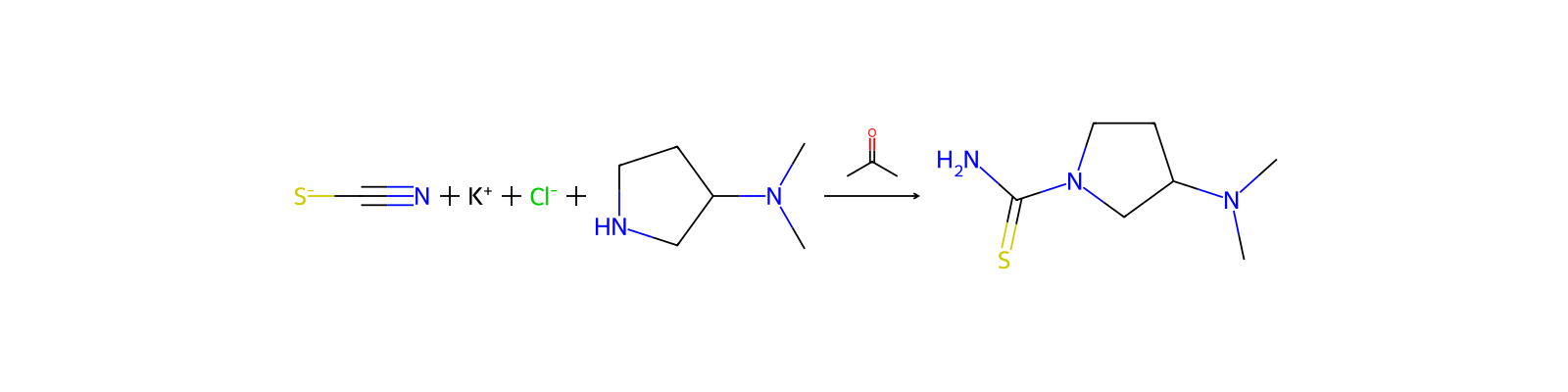
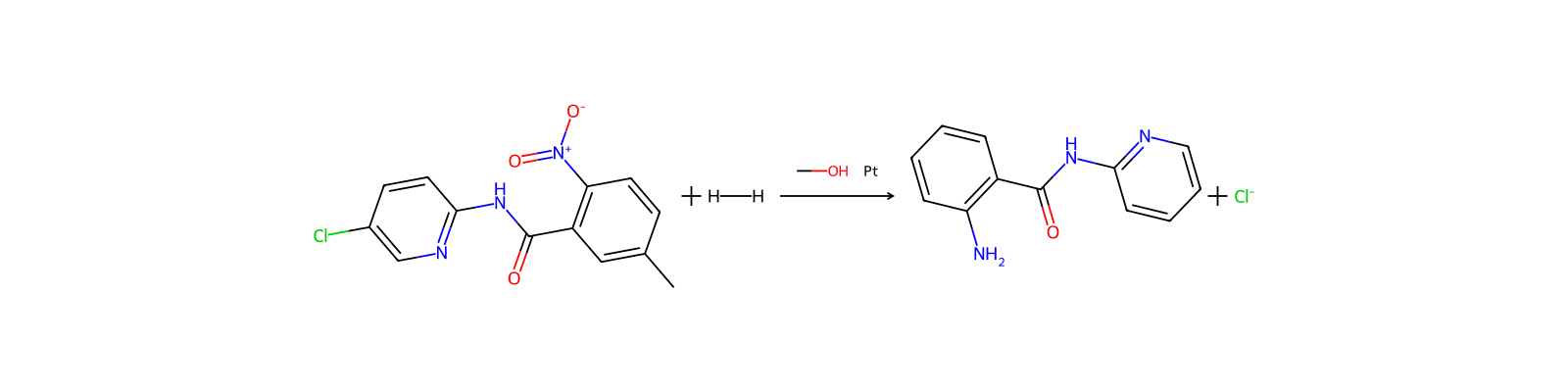
22,263 件




化合物ノート
読み込み中…