
ホームMCPワークベンチSkills
ホームワークベンチ通知マイページ
llms.txt · MCPガイドプライバシーポリシー · 利用規約 · サポートv1.8.0
  1. ホーム
  2. /化合物

ピロリジン

Pyrrolidine

HCID 31268
ノートを作成反応を作成見積依頼を出す
印刷プレビュー
基本情報概要名称と識別子物性安全と法規制化学と産業関連反応化合物ノート
部分構造検索類似構造を探す

基本情報

CAS
123-75-1
標準SMILES
C1CCNC1
InChIKey
RWRDLPDLKQPQOW-UHFFFAOYSA-N
分子式
C4H9N
平均分子量
71.12 g/mol
単同位体質量
71.07349929

概要

Pyrrolidine appears as a colorless to pale yellow liquid with an ammonia-like odor. Vapors heavier than air. Produces toxic oxides of nitrogen during combustion.

名称と識別子

優先名称
Pyrrolidine
IUPAC
pyrrolidine
現地名
ピロリジン
英語名
Pyrrolidine
分子式
C4H9N
分子量
71.12

名称と別名

PYRROLIDINE123-75-1TetrahydropyrroleAzacyclopentaneAzolidineTetramethylenimineButylenimineProlaminePerhydropyrrole1-AzacyclopentanePyrrolidine ringPyrrole, tetrahydro-
名称をさらに表示
ピロリジンテトラヒドロ-1H-ピロールプロラミンテトラヒドロピロールテトラメチレンイミンテトラヒドロピロ-ルピロリジン標準品ピロリジン, 99%PyrrolidinFEMA 2523FEMA 3523PRDTetrapyrroleTetrahydropyrrol
FEMA No. 3523LJU5627FYVNSC-62781DTXSID3059559CHEBI:33135Pyrrole, tetrahydroRefChem:6189DTXCID6033796

データベース識別子

CAS
123-75-1
PubChem CID
31268
DTXSID
DTXSID3059559
ChEMBL
CHEMBL22830
ChEBI
CHEBI:33135
UNII
LJU5627FYV
EC Number
204-648-7
Nikkaji
J2.931I

物性

構造計算による物性

XLogP
0.5
極性表面積
12 Ų
水素結合供与体数
1
水素結合受容体数
1
回転可能結合数
0
重原子数
5
形式電荷
0
複雑度
22.8

実験および物理化学的性質

Chemical Classes · 2 件

Nitrogen Compounds -> Amines, Cyclic

Flammable agents - 3rd degree

SpringerMaterials Properties15N nuclear magnetic resonance spectrum
LogP · 4 件

log Kow = 0.46 at pH 13

0.460

0.46

0.46

OdorUnpleasant, ammoniacal odor
TastePOWERFUL, AMMONIACAL TASTE
Food AdditivesFLAVORING AGENT OR ADJUVANT -> FDA Substance added to food
Density · 4 件

0.8520 at 22.5 °C/4 °C

Relative density (water = 1): 0.85

0.847-0.853

0.8618 @25 °C

Flavoring AgentsEU Flavoring substances
Viscosity6.1472X10-3 Pa.s
Color/FormColorless to pale yellow liq
Solubility · 6 件

Soluble in ethanol, ethyl ether; slightly soluble in benzene, chloroform

安全と法規制

安全情報は参考情報です。供給元の安全データシート(SDS)、適用法令、専門家による評価に代わるものではありません。

GHS分類

GHS Classification · 6 件

Danger

H225 (22%): Highly Flammable liquid and vapor [Danger Flammable liquids]

P210, P233, P240, P241, P242, P243, P260, P261, P264, P264+P265, P270, P271, P280, P301+P317, P301+P330+P331, P302+P361+P354, P303+P361+P353, P304+P340, P305+P354+P338, P316, P317, P321, P330, P363, P370+P378, P403+P235, P405, and P501 (click each P-code to see the statement)

Aggregated GHS information provided per 1650 reports by companies from 18 notifications to the ECHA C&L Inventory. Each notification may be associated with multiple companies.

Danger

H225: Highly Flammable liquid and vapor [Danger Flammable liquids]

危険有害性情報

Regulatory Information · 6 件

Chemical: Pyrrolidine

Regulation (EC) No 1831/2003 (amended)

Pyrrolidine is listed on the EPA's Chemical Data Reporting (CDR) system. Manufacturers and importers of Pyrrolidine are required to report information about their production and use of this chemical to the EPA under the Toxic Substances Control Act (TSCA). (40 eCFR Part 711)

REACH registered substance: Pyrrolidine (EC: 204-648-7)

Pyrrolidine: HSNO Approval: HSR001050 Approved with controls

The New Jersey Worker and Community Right to Know Act requires public and private employers to provide information about hazardous substances at their workplaces. (N.J.S.A. 34:5A-1 et. seq.)

DOT LabelFlammable Liquid Corrosive
Fire Hazards · 3 件

Excerpt from ERG Guide 132 [Flammable Liquids - Corrosive]:

· Flammable/combustible material.

Highly flammable. Gives off irritating or toxic fumes (or gases) in a fire. Vapour/air mixtures are explosive.

Fire Potential · 2 件

Dangerous fire hazard when exposed to heat or flame.

Vapor/air mixtures are explosive.

化学と産業

薬理情報

Metabolism/Metabolites · 4 件

When orally admin, secondary amine pyrrolidine, which is present in normal human urine, was converted to n-nitrosamines in the Escherichia coli-infected bladder of rats.

When microsomes and post-microsomal supernatant are used together, 4 major products are produced, 2 of which can be shown to arise from the major microsomal product. Several of these products have been isolated and 1 of the major products has been tentatively identified as piperidine.

Formation of n-nitrosopyrrolidine in a dog's stomach from Na nitrate & pyrrolidine. N-nitrosopyrrolidine disappeared rapidly from stomach, probably due to absorption.

Carcinogen n-nitrosopyrrolidine formed from free proline via pyrrolidine.

MeSH Pharmacological Classification · 4 件

Drugs that selectively bind to and activate alpha adrenergic receptors.

Agents that are used to suppress appetite.

Drugs that mimic the effects of stimulating postganglionic adrenergic sympathetic nerves. Included here are drugs that directly stimulate adrenergic receptors and drugs that act indirectly by provoking the release of adrenergic transmitters.

Drugs designed to treat inflammation of the nasal passages, generally the result of an infection (more often than not the common cold) or an allergy related condition, e.g., hay fever. The inflammation involves swelling of the mucous membrane that lines the nasal passages and results in inordinate mucus production. The primary class of nasal decongestants are vasoconstrictor agents. (From PharmAssist, The Family Guide to Health and Medicine, 1993)

Absorption, Distribution and Excretion · 1 件

Pyrrolidine, one of biogenic volatile amines, possesses nicotine-like synaptotropic actions on the nervous systems. Pyrrolidine levels in the tissue were examined by using mass fragmentographic technique. High concn of pyrrolidine were found in the seminal vesicle and lung of rabbits. Only trace amt of pyrrolidine existed in the brain of mice and rats, although higher concn were detected in the brain of rabbits. In the rat brain, however, high levels of pyrrolidine were found in the pineal gland, pituitary gland and corpus striatum.

Cellular LocationsCytoplasm

関連反応

6,735 件
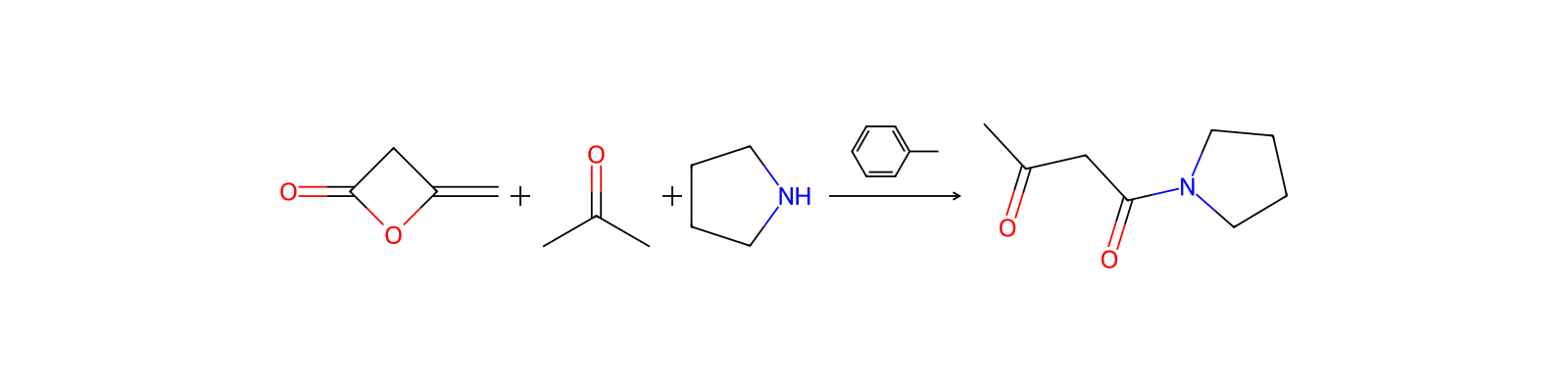
反応記録を作成
HRID 114 の反応式
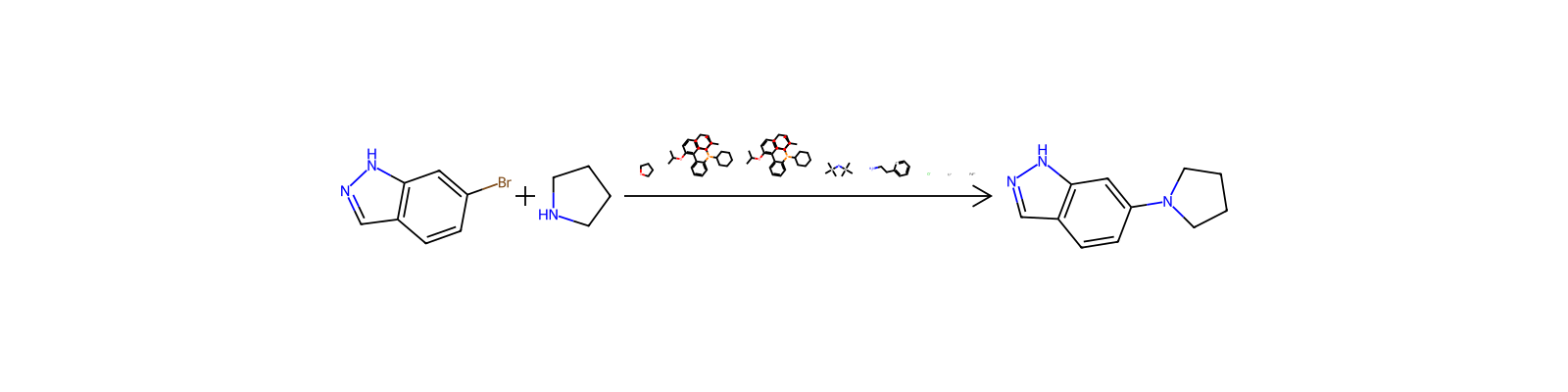
HRID 114反応物として750 AstraZeneca ELN dataset
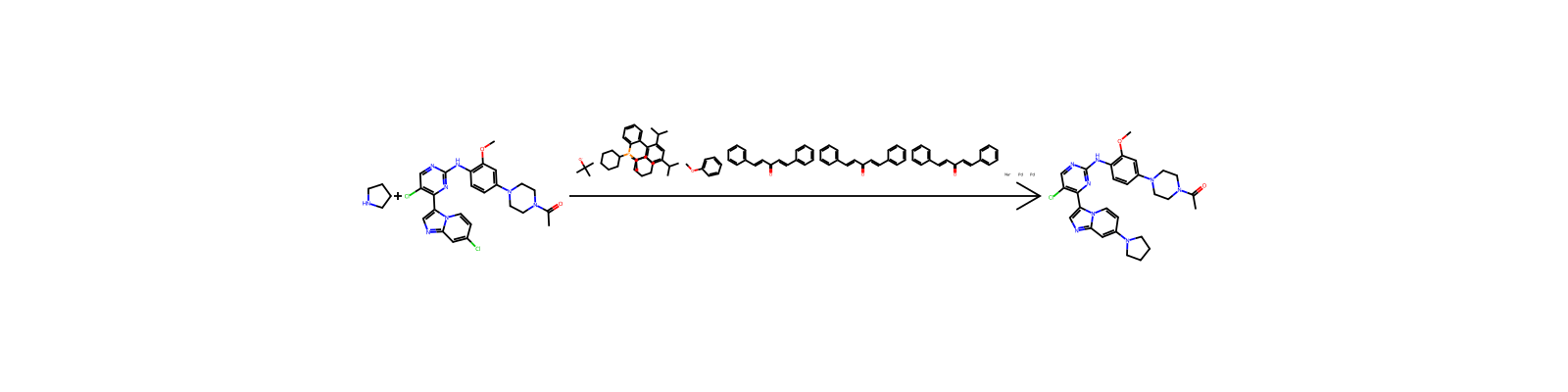
HRID 115 の反応式
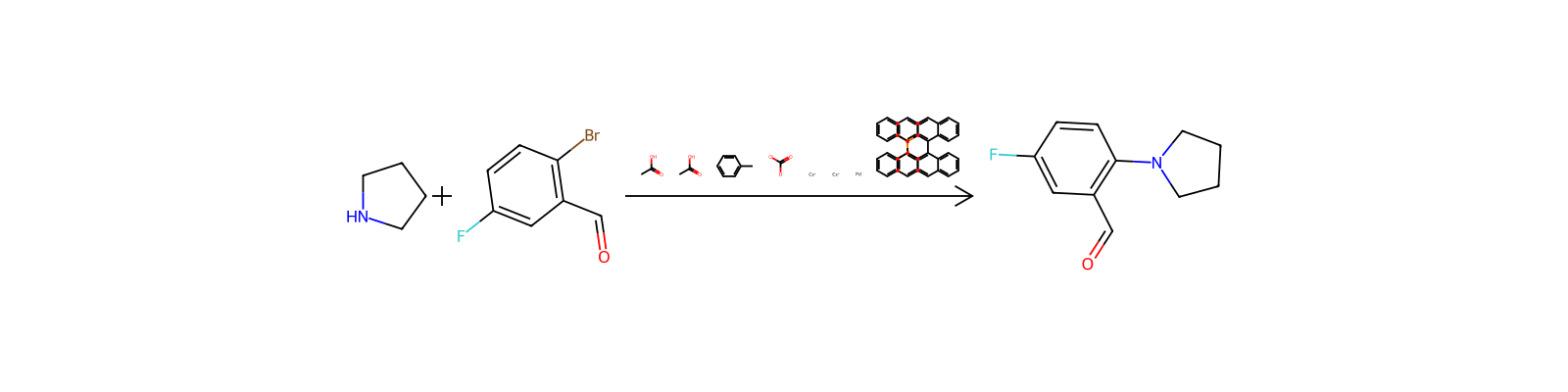
HRID 115反応物として750 AstraZeneca ELN dataset
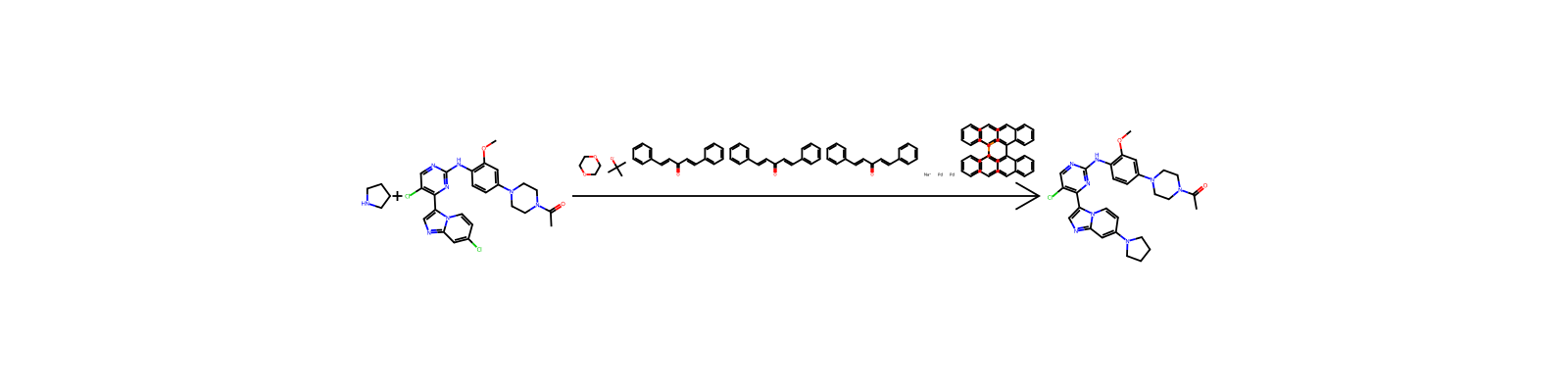
HRID 552 の反応式
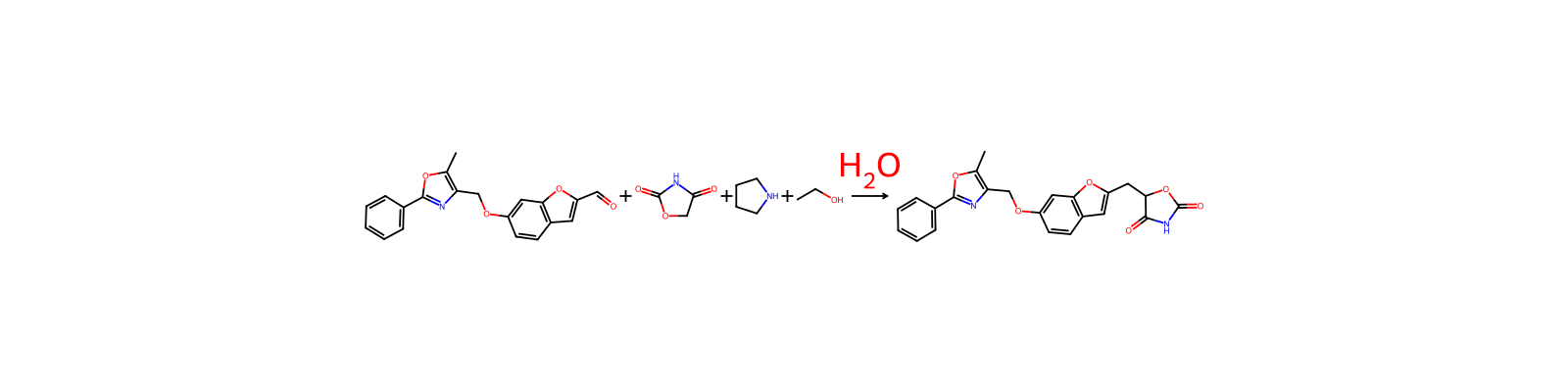
HRID 552反応物として750 AstraZeneca ELN dataset
HRID 671 の反応式
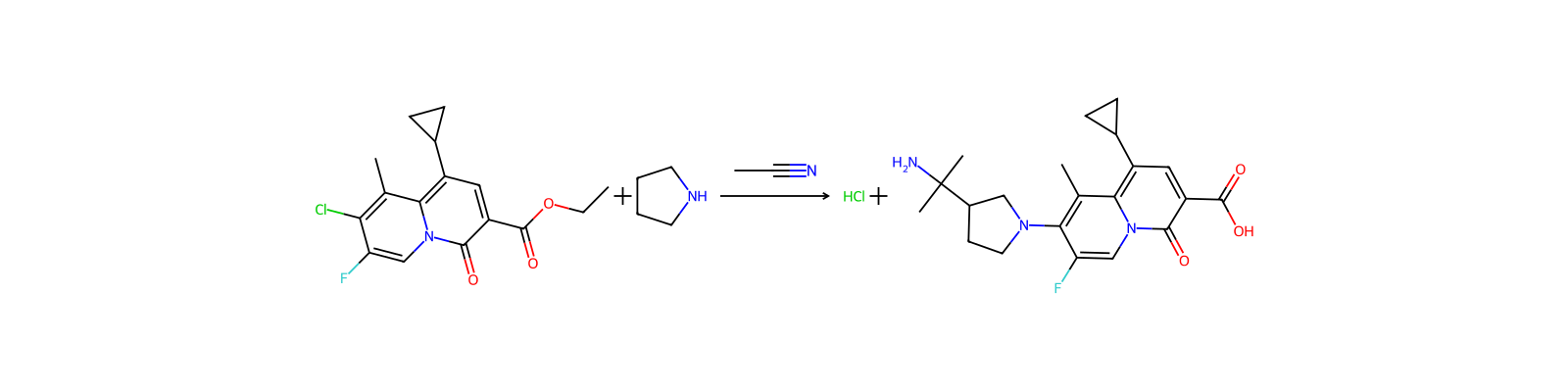
HRID 671反応物として750 AstraZeneca ELN dataset
HRID 1050 の反応式
HRID 1050反応物としてuspto-grants-1998_03
HRID 1881 の反応式
HRID 1881反応物としてuspto-grants-1998_03
HRID 2403 の反応式
HRID 2403反応物としてuspto-grants-1998_03
HRID 2849 の反応式
HRID 2849反応物としてuspto-grants-1998_03
1 / 500 ページ

化合物ノート

読み込み中…

このページの内容基本情報概要名称と識別子物性安全と法規制化学と産業関連反応化合物ノート
その他の操作
ノートを作成反応を作成見積依頼を出す

In water, 1.0X10+6 mg/L (miscible) at 20 °C

1.00E+06 mg/L @ 20 °C (exp)

Solubility in water: miscible

Soluble in water, fats

Soluble (in ethanol)

CorrosivityCorrosive

物理化学的性質

融点
-63 °C · -63 °C
沸点
87 · 87-88 °C/760 mmHg (lit.)
比重(密度)
0.852 g/mL · 0.852 g/mL at 25 °C (lit.)
蒸気密度
2.45 · 2.45 (vs air)
蒸気圧
128 mm · 128 mm Hg ( 39 °C)
屈折率
20 · n20/D 1.443(lit.)
FEMA
3523 · 3523 | PYRROLIDINE
闪点
37 °F · 37 °F
貯蔵温度
30 °C · Store below +30°C.
溶解性
水: 混和性
外見
液体
酸解離定数(Pka)
11.27 · 11.27(at 25℃)
色
Colorless to Almost colorless
臭い (Odor)
0.1 %。アンモニア性動物卵アミン · プロピレングリコール中0.10%。アンモニア性動物卵アミン
PH
12.9 · 12.9 (100g/l, H2O, 20℃)
爆発限界(explosive limit)
1.6 · 1.6-10.6%(V)
においのタイプ
アンモニア性の
由来生物
synthetic
水溶解度
アルコール、エーテル、クロロホルム、水と混和します。
比熱容量
2.2 J/ · Cp(liquid): 2.2 J/(g·K), at 25℃
Merck
14 · 14,8015
JECFA Number
1609 · 1609
BRN
102395 · 102395
Henry's Law Constant
4.2 · 4.2×100 mol/(m3Pa) at 25℃, Amoore and Buttery (1978)
Dielectric constant
8.3 · 8.3000000000000007
安定性
安定;可燃性。強酸、強酸化剤とは相容れない。
InChI
1S/C4H9N/c1-2-4-5-3-1/h5H,1-4H2
InChIKey
RWRDLPDLKQPQOW-UHFFFAOYSA-N
SMILES
C1CCNC1
LogP
0.22 at · 0.22 at 25℃
表面張力
30.11 mN/m · 30.11mN/m at 293.15K
CAS データベース
123 · 123-75-1(CAS DataBase Reference)
NISTの化学物質情報
Pyrrolidine(123-75-1)
EPAの化学物質情報
Pyrrolidine (123-75-1)
化学的性質 · 2 件

化学的特性Pyrrolidine appears as a colorless to pale yellow liquid with an ammonia-like odor. It is infinitely miscible with water and conventional organic solvents such as methanol, acetone, ether, and chloroform. It acts as a lachrymator. Chemically, pyrrolidine behaves like a secondary amine in every respect. For example, it undergoes Leuckart –Wallach and Mannich reactions and is readily converted into an enamine. In the presence of a catalyst, such as platinum at 360°C or rhodium at 650°C, pyrrole is formed. In the presence of a copper catalyst, N-methylpyrrolidone is converted into N-methylpyrrolidine.

化学性质ピロンは温度や磁場といった外部刺激によって形状が変わる特性を持っていますこの変化は可逆的であり刺激を取り除くと元の形状に戻ることが可能ですこのような特性を持つ材料は「スマート材料」とも呼ばれ多くの先進工業製品に応用されています

Health Hazards · 2 件

Excerpt from ERG Guide 132 [Flammable Liquids - Corrosive]:

· May cause toxic effects if inhaled or ingested.

Hazards Summary · 1 件

Corrosive to skin; [Quick CPC] In high-dose animal studies, causes damage to the liver, kidneys, and CNS (seizures); In 6-hour inhalation studies with concentrations of 2600 ppm, no rats died. [HSDB] Corrosive to skin and eyes; A respiratory tract irritant; May have effects on the nervous system; [ICSC] Safe when used as a flavoring agent in food; [JECFA] Causes convulsions in inhalation lethal-concentration studies of mice and oral lethal-dose studies of rats; [RTECS] Causes burns; Inhalation may cause corrosive injuries to upper respiratory tract and lungs; Harmful by ingestion and inhalation; [Alfa Aesar MSDS]

DOT ID and Guide1922 132
Reactive GroupAmines, Phosphines, and Pyridines
UN ClassificationUN Hazard Class: 3; UN Subsidiary Risks: 8; UN Pack Group: II
Reactivity AlertsHighly Flammable
Reactivity Profile · 1 件

PYRROLIDINE neutralizes acids in exothermic reactions to form salts plus water. May be incompatible with isocyanates, halogenated organics, peroxides, phenols (acidic), epoxides, anhydrides, and acid halides. May generate hydrogen, a flammable gas, in combination with strong reducing agents such as hydrides. An explosion occurred when a mixture of pyrrolidine, benzaldehyde, and propionic acid was heated in an attempt to form porphyrins.

Chemical DangersDecomposes on burning. This produces toxic fumes including nitrogen oxides. The substance is a strong base. Reacts violently with oxidants. It reacts violently with acid and is corrosive.

安全と保護具

Fire Fighting · 2 件

Excerpt from ERG Guide 132 [Flammable Liquids - Corrosive]:

Use foam, powder, carbon dioxide. In case of fire: keep drums, etc., cool by spraying with water.

First Aid Measures · 4 件

Fresh air, rest. Refer for medical attention.

Rinse skin with plenty of water or shower. Refer for medical attention .

First rinse with plenty of water for several minutes (remove contact lenses if easily possible), then refer for medical attention.

Refer for medical attention .

Accidental Release Measures · 2 件

· CALL 911. Then call emergency response telephone number on shipping paper. If shipping paper not available or no answer, refer to appropriate telephone number listed on the inside back cover.

· ELIMINATE all ignition sources (no smoking, flares, sparks or flames) from immediate area.

First Aid · 2 件

Excerpt from ERG Guide 132 [Flammable Liquids - Corrosive]:

General First Aid:

Safe StorageFireproof. Separated from strong oxidants and acids. Well closed.
Exposure Control and Personal Protection· Wear positive pressure self-contained breathing apparatus (SCBA).
Fire Fighting Procedures · 2 件

Alcohol foam, carbon dioxide, dry chemical

If material on fire or involved in fire: Do not extinguish fire unless flow can be stopped. Use water in flooding quantities as fog. Solid streams of water may be ineffective. Cool all affected containers with flooding quantities of water. Apply water from as far a distance as possible. Use "alcohol" foam, dry chemical or carbon dioxide.

Storage ConditionsBundling and sills should be provided to prevent spread of liquid accidentally escaping from storage and process vessels.
Cleanup Methods · 1 件

Remove all ignition sources. Collect leaking and spilled liquid in sealable containers as far as possible. Absorb remaining liquid in sand or inert absorbent and remove to safe place. Personal protection: chemical protection suit including self-contained breathing apparatus.

Nonfire Spill ResponseExcerpt from ERG Guide 132 [Flammable Liquids - Corrosive]:
Disposal Methods · 1 件

SRP: The most favorable course of action is to use an alternative chemical product with less inherent propensity for occupational exposure or environmental contamination. Recycle any unused portion of the material for its approved use or return it to the manufacturer or supplier. Ultimate disposal of the chemical must consider: the material's impact on air quality; potential migration in soil or water; effects on animal, aquatic, and plant life; and conformance with environmental and public health regulations.

Spillage Disposal · 1 件

Remove all ignition sources. Collect leaking and spilled liquid in sealable containers as far as possible. Absorb remaining liquid in sand or inert absorbent. Then store and dispose of according to local regulations. Personal protection: chemical protection suit including self-contained breathing apparatus.

毒性情報

InteractionsFormation of n-nitrosopyrrolidine in a dog's stomach from Na nitrate & pyrrolidine. N-nitrosopyrrolidine disappeared rapidly from stomach, probably due to absorption.
Environmental Fate · 3 件

TERRESTRIAL FATE: Based on a classification scheme(1), an estimated Koc value of 42(SRC), determined from a log Kow of 0.46(2) and a regression-derived equation(3), indicates that pyrrolidine is expected to have very high mobility in soil(SRC). The pKa of pyrrolidine is 11.31(4), indicating that this compound will primarily exist in the cation form in the environment and cations generally adsorb more strongly to soils containing organic carbon and clay than their neutral counterparts(5). Volatilization of pyrrolidine from moist soil surfaces is not expected to be an important fate process as cations do not volatilize(SRC). Pyrrolidine is expected to volatilize from dry soil surfaces(SRC) based upon a vapor pressure of 62.7 mm Hg(6). Pyrrolidine was found to degrade anaerobically via denitrification in 7-15 days in microbial consortia from freshwater sediments, estuarine sediments and activated sludge(7).

AQUATIC FATE: Based on a classification scheme(1), an estimated Koc value of 42(SRC), determined from a log Kow of 0.46(2) and a regression-derived equation(3), indicates that pyrrolidine is not expected to adsorb to suspended solids and sediment(SRC). A pKa of 11.31(4) indicates pyrrolidine will exist almost entirely in the cation form at pH values of 5 to 9 and therefore volatilization from water surfaces is not expected to be an important fate process(5). According to a classification scheme(6), an estimated BCF of 3(SRC), from its log Kow(2) and a regression-derived equation(7), suggests the potential for bioconcentration in aquatic organisms is low(SRC). Pyrrolidine was found to degrade anaerobically via denitrification in 7-15 days in microbial consortia from freshwater sediments, estuarine sediments and activated sludge(8).

ATMOSPHERIC FATE: According to a model of gas/particle partitioning of semivolatile organic compounds in the atmosphere(1), pyrrolidine, which has a vapor pressure of 62.7 mm Hg at 25 °C(2), is expected to exist solely as a vapor in the ambient atmosphere. Vapor-phase pyrrolidine is degraded in the atmosphere by reaction with photochemically-produced hydroxyl radicals(SRC); the half-life for this reaction in air is estimated to be 5 hours(SRC), calculated from its rate constant of 7.8X10⁻¹¹ cu cm/molecule-sec at 25 °C(SRC) that was derived using a structure estimation method(3). Pyrrolidine does not contain chromophores that absorb at wavelengths >290 nm(4) and therefore is not expected to be susceptible to direct photolysis by sunlight(SRC).

Food Survey Values · 1 件

Pyrrolidine was detected in 10 g samples of baked ham at 0.013 ppm(1). Pyrrolidine can be found in tilsiter, camembert, limburger, and brown bread cheeses at 19.9 mg/kg, 1 mg/kg, 0.1 mg/kg and 0.3 mg/kg, respectively(2). In coffee, pyrrolidine was detected in coffee extract and freeze dried coffee at 10 mg/kg and 11 mg/kg, respectively(3).

Adverse EffectsNeurotoxin - Other CNS neurotoxin
Exposure RoutesThe substance can be absorbed into the body by inhalation and by ingestion.
Plant Concentrations · 1 件

Pyrrolidine was detected in 10 g samples of spinach and miso at 0.250 ppm and 0.020 ppm, respectively(1). Pyrrolidine can be found in spinach, red radish, and celery at 2.5 mg/kg, 38 mg/kg, and 0.4 mg/kg, respectively(2). It can also be found in maize, apple peels, beans, kale, paprika red and cornichons at 3.5 mg/kg, 1.5 mg/kg, 0.2 mg/kg, 1.6 mg/kg, 0.6 mg/kg, and 0.1 mg/kg, respectively(2). It is also found in barley, hops, and malt at 0.9 mg/kg, 1 mg/kg, and 1.5 mg/kg, respectively(2).

Signs and Symptoms · 4 件

Burning sensation. Convulsions. Cough. Headache. Nausea. Sore throat. Vomiting.

Redness. Skin burns. Pain. Blisters.

Redness. Pain. Blurred vision. Severe deep burns.

Convulsions. Sore throat. Vomiting. See Inhalation.

Effluent ConcentrationsPyrrolidine was identified in the primary effluent at a concentration of 14 ug/L from municipal wastewater treatment plants(1).
Soil Adsorption/Mobility · 1 件

The Koc of pyrrolidine is estimated as 42(SRC), using a log Kow of 0.46(1) and a regression-derived equation(2). According to a classification scheme(3), this estimated Koc value suggests that pyrrolidine is expected to have very high mobility in soil. The pKa of pyrrolidine is 11.31(4), indicating that this compound will primarily exist in the cation form in the environment and cations generally adsorb more strongly to soils containing organic carbon and clay than their neutral counterparts(5).

Natural Pollution Sources · 2 件

FOUND IN TOBACCO & CARROT LEAVES. PROBABLE BIOSYNTHESIS FROM ORNITHINE & PUTRESCINE.

Pyrrolidine was detected in spinach(1,2) and miso(1). Pyrrolidine was also detected in red radish, celery, maize, apple peels, beans, kale, paprika red, cornichons, barley, hops, and malt(2).

Human Toxicity Excerpts · 1 件

/SIGNS AND SYMPTOMS/ Inhalation: Burning sensation. Convulsions. Cough. Headache. Nausea. Sore throat. Vomiting. Skin: Redness. Skin burns. Pain. Blisters. Eyes: Redness. Pain. Blurred vision. Severe deep burns. Ingestion: Convulsions. Sore throat. Vomiting. (See Inhalation).

Fish/Seafood ConcentrationsPyrrolidine was detected in 10 g samples of cod roe at 0.006 ppm(1).

安全データ

F
34
wgk
2
tsca
TSCA listed
rtecs
UX9650000
ridadr
UN 1922
毒性
LD50 orally in Rabbit: 433 mg/kg
hs_code
2933 99 80
risk_code
11-22-23-34-35-20/21/22-20/22-R35-R20/21/22-R11
化審法
(5)-103
消防法
危-4-1-II
hazard_code
F,T,C
safety_code
16-26-36/37/39-45-33-S45-S36/37/39-S26-S16
hazard_class
3
packing_group
II
自然発火温度
653 °F
Hazard Classifications
Acute Tox. 4 InhalationAcute Tox. 4 OralEye Dam. 1Flam. Liq. 2Skin Corr. 1A
ストレージクラス
3 - Flammable liquids
有毒物質データの
123-75-1(Hazardous Substances Data)

用途と製造

Uses · 6 件

Used as an intermediate in chemical production and as a curing agent in epoxy resin systems; [HSDB]

Plastic Composites Manufacturing [Category: Industry]

Intermediate for pharmaceuticals, fungicides, insecticides, rubber accelerators, citrus decay control, curing agent for epoxy resins, inhibitor.

Useful in tobacco flavors

Used in vulcanization accelerators.

Reported uses (ppm): (FEMA, 1994) [Table#361]

U.S. Production · 2 件

2023: 550,000 - <1,000,000 lb

Production volumes for non-confidential chemicals reported under the Inventory Update Rule. [Table#360]

Industry UsesIntermediate
Methods of Manufacturing · 5 件

Reaction of 1,4-butanediol and ammonia over a dehydration catalyst

Usually prepared by reduction of pyrrole.

Pyrrolidine can be produced from butanediol and ammonia, e.g., over an aluminum thorium oxide catalyst at 300 °C or over a nickel catalyst at 200 °C and 20 MPa under hydrogenation conditions. It can also be produced from tetrahydrofuran and ammonia over aluminum oxide at 275-375 °C.

Production can be obtained by reaction of 1,4-dihydroxyalkanes with amines in the presence of dehydrating agents at elevated temperatures or by reaction of primary amines with 1,4-dihaloalkanes. The dry distillation of 1,4-butanediamine dihydrochloride also generates pyrrolidine.

Via overall 5-endo-trig cyclizations of homoallylic tosylamides.

Formulations/PreparationsGrades: 95% min purity
Use Classification · 3 件

Flavouring Agent -> FLAVOURING_AGENT -> JECFA Functional Classes

Flavoring Agents -> JECFA Flavorings Index

Flavouring Agent -> FLAVOURING_AGENT -> JECFA Functional Classes

General Manufacturing Information · 3 件

All Other Basic Organic Chemical Manufacturing

Pyrrolidine: ACTIVE

A study of the rates of the competitive nitrosations of pyrrolidine, p-cresol & l-cysteine hydrochloride. Formation of n-nitrosopyrrolidine was observed only in reactions done @ 120 °C.

応用分野 · 6 件

解説C4H9N(71.12).tetramethyleneimine.テトラヒドロピロールともいう.タバコの葉に含まれる.ピロールをヨウ化水素とリンまたはニッケル触媒を用いて水素で還元すると生成する.また4-ブロモブチルアミンを水酸化アルカリで処理するか,テトラメチレンジアミンを加熱しても生成する.特有の臭いを有する無色の液体.沸点88.5~89 ℃.d22.540.8520.n28D1.4402.水に溶けて強い塩基性を示す.エタノール,エーテル,クロロホルムに可溶.結晶性のよい塩を与える.塩化金酸塩(C4H9N·HAuCl4)は融点206 ℃(分解).水と任意の割合でまじり,強塩基性を示す(塩基解離指数pKb=2.7)。タバコやニンジンの葉に存在する。ピロールをニッケル触媒の存在下に水素で還元するのが最も簡便な合成法である。ピペリジンと同様に脂肪族第二アミンの性質を示す。有機合成における基礎的な原料として広く使われているが,とくにピロリジンとケトン類とを縮合させてできるエナミン(1‐ピロリジノ‐1‐シクロヘキセン)は合成化学上きわめて重要である。森北出版「化学辞典(第2版)

用途医薬品、農薬、可塑剤、写真薬、乳化剤、腐食防止剤などの合成中間原料ならびにポリウレタン製造用触媒、エポキシ樹脂の硬化剤など

天然物の起源Reported found in beer, bread, wheat bread, salmon caviar, fish, milk, leaves and stalks of celery, Camembert cheese, Limburger cheese, Russian cheeses, tilsit cheese, other cheeses, caviar, raw fatty fish, beer, Finnish whiskey, white wine, red wine, coffee, radish, malt, roasted peanut, sweet corn and roasted barley.

使用Pyrrolidine is a flammable alkaline liquid that undergoes reactions typical of secondary amines. It is used to prepare pesticides and rubber accelerators and as a chemical intermediate (usually the hydrochloride form) in the pharmaceutical industry. There is relatively limited industrial exposure to this material.

一般的な説明Pyrrolidine is a saturated heterocycliccompound having one nitrogenatom in a five-membered ring. It is a colorless to pale yellow liquid with an ammonia-like odor. It is found in certain plants andthe ring structure is present in manyalkaloids. Flash point 37°F. Density 0.85 g / cm3. Vapors heavier than air. Produces toxic oxides of nitrogen during combustion.

使用用途ピロリジンは、有機合成の材料に広く用いられています。具体的には、ピロリジンとケトンの縮合によって、エナミン (英: enamine) を合成できます。さらにピロリジンは、強塩基性を示すため、塩基性の反応溶媒としても使用可能です。 また、ピロリジン骨格を持ついくつかの物質が医薬品に使われています。例えば、頻脈性不整脈、持続性心房細動、狭心症の治療薬に用いられているベプリジル (ベプリジル塩酸塩水和物) は、ピロリジン骨格を有します。

調製方法 · 2 件

製造方法Pyrrolidine is formed by reduction of pyrrole. Via overall 5-endo-trig cyclizations of homoallylic tosylamides. Pyrrolidine can be produced from butanediol and ammonia, e.g., over an aluminum thorium oxide catalyst at 300°C or over a nickel catalyst at 200°C and 20 MPa under hydrogenation conditions. It can also be produced from THF and ammonia over aluminum oxide at 275-375°C.

純化方法Dry pyrrolidine with BaO or sodium, then fractionally distil it, under N2, through a Todd column (p 11) packed with glass helices. [Beilstein 20 H 159, 20 I 36, 20 II 79, 20 III/IV 2072, 20/1 V 162.]

上流・下流製品情報

上流原料

ピロールテトラヒドロフランアンモニアアルミニウム オキシド1,4-ブタンジオール硫酸ニッケル(II)·6水和物

下流製品

ラミプリル3-(ピロリジン-1-イルメチル)安息香酸メチル3,5-ジメチルイソオキサゾール-4-カルボン酸エチルバルニジピン塩酸塩4,5,6,7-Tetrahydro-2-methylfuro[3,2-c]pyridine6-ブロモインドール-3-カルボキシアルデヒドアリザプリド6-ベンジルオキシインドールロクロニウム臭化物6-(1-ピロリジニル)-3-ピリジンアミン6-メトキシインドールゲストリノン6-フルオロトリプタミン塩酸塩1-(2-(4-ブロモフェノキシ)エチル)ピロリジンビス(ピナコラト)ジボロン[6-(1-Pyrrolidinyl)-3-pyridinyl]methanol6-メトキシ-1H-インドール-3-カルバルデヒドトスフロキサシンベプリジル3-メチル-4-イソオキサゾールカルボン酸3,5-ジメチルイソオキサゾール-4-カルボニルクロリド1-ピロリジンブタン-1-アミン5-Nitro-2-(1-pyrrolidinyl)pyridine5-ブロモ-2-(1-ピロリジニル)ピリジン6‐(1‐ピロリジニル)ニコチンアルデヒドMethyl 1-Methyl-2-oxopyrrolidine-3-carboxylate1-(2-アミノエチル)ピロリジン4-(1-ピロリジニル)ピペリジン(2-Pyrrolidin-1-yl-ethyl)-hydrazine3-メチル-1-(フェニルメチル)-4-ピペリジノン5-ブロモ-2-(ピロリジン-1-イル)ピリミジンスルトプリド塩酸塩1-ピロリジニル酢酸1-(4-Amino-2,6-dichlorophenoxy)-3-(pyrrolidin-1-yl)propan-2-ol3,5-ジメチル-4-イソオキサゾールカルボン酸Pyrrolidine-1-sulfonyl chloride1-(2-クロロエチル)ピロリジン 塩酸塩1-(3-Pyrrolidinopropyl)piperazineインドール-6-カルボン酸シムバスタチン
補足説明 · 1 件

定義ChEBI: Pyrrolidine is a cyclic amine whose five-membered ring contains four carbon atoms and one nitrogen atom; the parent compound of the pyrrolidine family. It is a saturated organic heteromonocyclic parent, a member of pyrrolidines and an azacycloalkane. It is a conjugate base of a pyrrolidinium ion.