

基本情報
- 標準SMILES
O=c1cc(CO)occ1O- InChIKey
BEJNERDRQOWKJM-UHFFFAOYSA-N- 分子式
- C6H6O4
- 平均分子量
- 142.11 g/mol
- 単同位体質量
- 142.02660867
概要
Kojic acid is a pyranone that is 4H-pyran substituted by a hydroxy group at position 5, a hydroxymethyl group at position 2 and an oxo group at position 4. It has been isolated from the fungus Aspergillus oryzae. It has a role as an EC 1.14.18.1 (tyrosinase) inhibitor, a NF-kappaB inhibitor, an Aspergillus metabolite, a skin lightening agent, an EC 1.10.3.1 (catechol oxidase) inhibitor, an EC 1.10.3.2 (laccase) inhibitor, an EC 1.13.11.24 (quercetin 2,3-dioxygenase) inhibitor and an EC 1.4.3.3 (D-amino-acid oxidase) inhibitor. It is a member of 4-pyranones, a primary alcohol and an enol. It derives from a hydride of a 4H-pyran.
名称と識別子
- 優先名称
- Kojic Acid
- IUPAC
- 5-hydroxy-2-(hydroxymethyl)pyran-4-one
- 現地名
- コウジ酸溶液
- 英語名
- Kojic acid
- 分子式
- C6H6O4
- 分子量
- 142.11
名称と別名
kojic acid501-30-45-Hydroxy-2-(hydroxymethyl)-4H-pyran-4-one5-Hydroxy-2-(hydroxymethyl)-4-pyrone5-hydroxy-2-(hydroxymethyl)pyran-4-one5-Hydroxy-2-hydroxymethyl-4-pyrone4H-PYRAN-4-ONE, 5-HYDROXY-2-(HYDROXYMETHYL)-acido kojico2-Hydroxymethyl-5-hydroxy-gamma-pyrone2-(Hydroxymethyl)-5-hydroxy-4H-pyran-4-oneDTXSID2040236CHEBI:43572
名称をさらに表示
コウジ酸コウジ酸溶液 [スプレー用]4-オキソ-5-ヒドロキシ-4H-ピラン-2-メタノール2-ヒドロキシメチル-5-ヒドロキシ-4H-ピラン-4-オン5-ヒドロキシ-2-(ヒドロキシメチル)-4H-ピラン-4-オン5-ヒドロキシ-2-(ヒドロキシメチル)-γ-ピロン2-(ヒドロキシメチル)-5-ヒドロキシ-4-ピロン5-ヒドロキシ-2-ヒドロキシメチル-4H-ピラン-4-オン2-(ヒドロキシメチル)-5-ヒドロキシ-4H-ピラン-4-オン麹酸コウジ酸標準液5-ヒドロキシ-2-(ヒドロキシメチル)-4H-ピラン-4-オン溶液コウジ酸, 99%5-ヒドロキシ-2-ヒドロキシメチル-4-ピロンコウジ酸溶液kojic acid powderkojicKADKojic acid 99%5-Hydroxy-2-(hydroxyMethyl)-4H-pyranoneKJ ACIDNSC 1942
6K23F1TT52NSC-1942DTXCID0020236BeauteCleansing PasdsTurmericKojicSoapSurfree Kojic AcidCLEANSING PADS
データベース識別子
- CAS
501-30-4- PubChem CID
- 3840
- DTXSID
DTXSID2040236- ChEMBL
CHEMBL287556- ChEBI
CHEBI:43572- UNII
- 6K23F1TT52
- EC Number
- 207-922-4
- Nikkaji
- J1.564D
物性
構造計算による物性
- XLogP
- -0.9
- 極性表面積
- 66.8 Ų
- 水素結合供与体数
- 2
- 水素結合受容体数
- 4
- 回転可能結合数
- 1
- 重原子数
- 10
- 形式電荷
- 0
- 複雑度
- 214
実験および物理化学的性質
DrugsPharmaceuticals -> Listed in ZINC15
Cosmetics
Cosmetic ingredients (Kojic Acid) -> CIR (Cosmetic Ingredient Review)
Antioxidant
SpringerMaterials PropertiesCrystal structure
LogP
log Kow = -0.64
-0.64
-0.64
Color/Form
Prismatic needles from acetone, ethanol+ether or methanol+ethyl acetate
Crystals
Prisms, needles from acetone
Solubility
Soluble in ethanol, ethyl ether, acetone, DMSO; slightly soluble in benzene
Soluble in water, acetone; slightly solluble in ether; insoluble in benzene
Sparingly soluble in pyridine
Endocrine DisruptorsPotential endocrine disrupting compound
Melting Point
153.5 °C
161 °C
Physical DescriptionSolid
Dissociation ConstantspKa = 7.66 (approx., at 25 °C)
Collision Cross Section121.9 Ų [M+H]+ [CCS Type: TW; Method: calibrated with polyalanine and drug standards]
物理化学的性質
- 融点
- 152 · 152-155 °C (lit.)
- 沸点
- 179.65 °C · 179.65°C (rough estimate)
- 比重(密度)
- 1.1712 · 1.1712 (rough estimate)
- 屈折率
- 1.4434 · 1.4434 (estimate)
- 貯蔵温度
- 30 °C · Store below +30°C.
- 溶解性
- DMSO(わずかに)、メタノール(わずかに、超音波処理)
- 外見
- 結晶性粉末
- 酸解離定数(Pka)
- 7.9 · 7.9(at 25℃)
- 色
- 白からベージュブラウン
- 水溶解度
- 溶ける
- Merck
- 14 · 14,5317
- BRN
- 120895 · 120895
- Henry's Law Constant
- 4.1 · 4.1×101 mol/(m3Pa) at 25℃, HSDB (2015)
- 安定性
- 安定。可燃性。強力な酸化剤とは相容れない。
- 主な用途
- 洗浄剤化粧品食品および飲料パーソナルケア
- 化粧品成分の機能
- 抗酸化物質漂白
- InChI
- 1S/C6H6O4/c7-2-4-1-5(8)6(9)3-10-4/h1,3,7,9H,2H2
- InChIKey
- BEJNERDRQOWKJM-UHFFFAOYSA-N
- SMILES
- OCC1=CC(=O)C(O)=CO1
- LogP
- -0.64 · -0.640
- CAS データベース
- 501 · 501-30-4(CAS DataBase Reference)
- NISTの化学物質情報
- 5 · 5-Hydroxy-2-(hydroxymethyl)-4h-pyran-4-one(501-30-4)
- EPAの化学物質情報
- Kojic acid (501-30-4)
化学的性質
化学的特性tan powder
安全と法規制
GHS分類
GHS Classification
This chemical does not meet GHS hazard criteria for 86.2% (69 of 80) of all reports.
Warning
H351 (13.8%): Suspected of causing cancer [Warning Carcinogenicity]
P203, P280, P318, P405, and P501 (click each P-code to see the statement)
Aggregated GHS information provided per 80 reports by companies from 4 notifications to the ECHA C&L Inventory.
危険有害性情報
Regulatory Information4H-Pyran-4-one, 5-hydroxy-2-(hydroxymethyl)-: Does not have an individual approval but may be used under an appropriate group standard
Hazard Classes and CategoriesCarc. 2 (13.8%)
安全と保護具
Disposal Methods
SRP: At the time of review, criteria for land treatment or burial (sanitary landfill) disposal practices are subject to significant revision. Prior to implementing land disposal of waste residue (including waste sludge), consult with environmental regulatory agencies for guidance on acceptable disposal practices.
毒性情報
Interactions
Kojic acid (5-hydroxy-2-hydroxymethyl-gamma-pyrone) is a bacterial metabolic product used intensively in the food industry. In the presence of visible light and molecular oxygen it was found to cause breakage of calf thymus DNA. Such degradation was considerably enhanced in the presence of the transition metal ions Fe(III), Fe(II) and Cu(II). The cleavage of DNA in the presence of Fe(III) did not appear to have any preferred site(s) or sequence(s) for strand scission. Kojic acid catalysed the reduction of transition metal which in the case of Cu(II) was found to play an essential role in the degradation of DNA. Kojic acid also reduced oxygen to superoxide and hydroxyl radicals were formed in the presence of metal ions. The involvement of these active oxygen species in the reaction was established by the inhibition of DNA breakage by superoxide dismutase, catalase, iodide, mannitol, formate and sodium azide.
... The anti-wrinkling activity of kojic acid /was evaluated/ by using hairless mice exposed to chronic solar-simulating ultraviolet (UV) irradiation as a model animal. At the end of a 20-week irradiation period, topical application of kojic acid before UV irradiation was observed to dramatically prevent: (1) the wrinkling, (2) hyperplasia of the epidermis, (3) fibrosis of the lower dermis, and (4) the increase of extracellular matrix components in the upper dermis. These findings indicate that kojic acid is a typical agent preventing wrinkling of the skin due to chronic photodamage.
The individual and combined effects of kojic acid and aflatoxin were studied in male broiler chicks (Peterson x Hubbard). The experiment had a two by two factorial arrangement of treatments with dietary treatments of 0 and 2,500 mg kojic acid/kg feed and 0 and 2.5 mg aflatoxin/kg feed. The broilers were obtained at 1 day of age and housed in electrically heated batteries with feed and water available for ad libitum intake until they reached 3 wk of age. The toxicity of kojic acid was characterized by significant (P less than .05) reductions in body weight, the relative weight of the bursa of Fabricius, serum cholesterol concentration, and serum alkaline phosphatase activity, and by significant (P less than .05) increases in the relative weight of the pancreas, proventriculus, and gizzard, and serum concentrations of uric acid and triglycerides. Aflatoxicosis was characterized by significant (P less than .05) reductions in body weight, serum concentrations of total protein, albumin, cholesterol, and inorganic phosphorus, serum glutamic oxalacetic transaminase activity, and mean corpuscular volume, mean corpuscular hemoglobin, and mean corpuscular hemoglobin concentration. Significant (P less than .05) increases in the relative weight of the liver, kidney, spleen, pancreas, proventriculus, and heart, and the serum pyruvic transaminase activity were also caused by aflatoxin alone. The only significant (P less than .05) interaction between kojic acid and aflatoxin, which can best be described as antagonistic, was seen through an increase in mean corpuscular hemoglobin and mean corpuscular hemoglobin concentration. These data indicate that kojic acid is not an aflatoxin synergist at the levels used in the present study.
Health EffectsAnimals studies have shown that kojic acid increases the occurrence of thyroid cancer and thyroid adenomas, though it is not known whether this is also true in humans. (A3073)
Environmental Fate
TERRESTRIAL FATE: Based on a classification scheme(1), an estimated Koc value of 11(SRC), determined from a log Kow of -0.64(2) and a regression-derived equation(3), indicates that kojic acid is expected to have very high mobility in soil(SRC). Volatilization of kojic acid from moist soil surfaces is not expected to be an important fate process(SRC) given an estimated Henry's Law constant of 2.4X10⁻⁷ atm-cu m/mole(SRC), using a fragment constant estimation method(4). Kojic acid is not expected to volatilize from dry soil surfaces(SRC) based upon an estimated vapor pressure of 3.2X10⁻⁶ mm Hg(SRC), determined from a fragment constant method(5). Biodegradation data were not available(SRC, 2008).
AQUATIC FATE: Based on a classification scheme(1), an estimated Koc value of 11(SRC), determined from a log Kow of -0.64(2) and a regression-derived equation(3), indicates that kojic acid is not expected to adsorb to suspended solids and sediment(SRC). Volatilization from water surfaces is not expected(3) based upon an estimated Henry's Law constant of 2.4X10⁻⁷ atm-cu m/mole(SRC), developed using a fragment constant estimation method(4). According to a classification scheme(5), an estimated BCF of 3(SRC), from its log Kow(2) and a regression-derived equation(6), suggests the potential for bioconcentration in aquatic organisms is low(SRC). Biodegradation data were not available(SRC, 2008).
ATMOSPHERIC FATE: According to a model of gas/particle partitioning of semivolatile organic compounds in the atmosphere(1), kojic acid, which has an estimated vapor pressure of 3.2X10⁻⁶ mm Hg at 25 °C(SRC), determined from a fragment constant method(2), will exist in both the vapor and particulate phases in the ambient atmosphere. Vapor-phase kojic acid is degraded in the atmosphere by reaction with photochemically-produced hydroxyl radicals(SRC); the half-life for this reaction in air is estimated to be 6 hours(SRC), calculated from its rate constant of 6.4X10⁻¹¹ cu cm/molecule-sec at 25 °C(SRC) that was derived using a structure estimation method(3). Vapor-phase kojic acid is degraded in the atmosphere by reaction with ozone radicals(SRC); the half-life for this reaction in air is estimated to be 21 hours(SRC), calculated from its rate constant of 1.3X10⁻¹⁷ cu cm/molecule-sec at 25 °C(SRC) that was derived using a structure estimation method(3). Particulate-phase kojic acid may be removed from the air by wet or dry deposition(SRC). Kojic acid contains chromophores that absorb at wavelengths >290 nm(4) and therefore may be susceptible to direct photolysis by sunlight(SRC).
Food Survey Values
Kojic acid is a fungal metabolite commonly produced by many species of Aspergillus, Acetobacter, and Penicillium. The Aspergillus flavus group has traditionally been used in the production of a number of foods, including miso (soybean paste), shoyu (soy sauce), and sake.... Because kojic acid is often produced during the fermentation of historically used dietary staples, it has a long history of consumption.
Exposure RoutesOral, dermal, inhalation, and parenteral (contaminated drugs). (A3101)
Toxicity Summary
The CIR Expert Panel concluded that kojic acid is safe for use in cosmetic products up to a concentration of 1%.
Safe for use in cosmetics, with qualifications
Kojic acid acts as a competitive and reversible inhibitor of animal and plant polyphenol oxidases (tyrosinases), xanthine oxidase, and D- and some L-amino acid oxidases. Inhibition of tyrosinases prevents melanosis, while inhibition of the oxidases prevents metabolism of certain amino acids. Kojic acid also reversibly affects thyroid function by inhibiting iodine uptake, leading to decreases in thyroid hormones T3 and T4 and increases in thyroid-stimulating hormone (TSH). Increased TSH from pituitary gland in turn stimulates thyroid hyperplasia. (A3073, A3074)
Signs and SymptomsSensitive individuals may develop contact dermatitis. (A3073)
Soil Adsorption/Mobility
The Koc of kojic acid is estimated as 11(SRC), using a log Kow of -0.64(1) and a regression-derived equation(2). According to a classification scheme(3), this estimated Koc value suggests that kojic acid is expected to have very high mobility in soil.
Natural Pollution Sources
Kojic acid is a fungal metabolite commonly produced by many species of Aspergillus, Acetobacter, and Penicillium. ... Different Aspergillus species are known to produce variable amounts of kojic acid.
Kojic acid is an antibiotic substance produced in an aerobic process by a variety of microorganisms from a wide-range of carbon sources(1).
Human Toxicity Excerpts
/ALTERNATIVE and IN VITRO TESTS/ To discover safe and effective topical skin-lightening agents ... alkyl esters of the natural product gentisic acid (GA) ... , four putative tyrosinase inhibitors, /were evaluated/ utilizing mammalian melanocyte cell cultures and cell-free extracts. Desirable characteristics include the ability to inhibit melanogenesis in cells (IC50 less than 100 ug/mL) without cytotoxicity, preferably due to tyrosinase inhibition. Of the six esters synthesized, the smaller esters (e.g. methyl and ethyl) were more effective enzyme inhibitors (IC50 approximately 11 and 20 ug/mL, respectively). For comparison, hydroquinone (HQ), a commercial skin "bleaching" agent, was a less effective enzyme inhibitor (IC50 approximately 72 ug/mL), and was highly cytotoxic to melanocytes in vitro at concentrations substantially lower than the IC50 for enzymatic inhibition. Kojic acid was a potent inhibitor of the mammalian enzyme (IC50 approximately 6 ug/mL), but did not reduce pigmentation in cells. Both arbutin and magnesium ascorbyl phosphate were ineffective in the cell-free and cell-based assays... .
Artificial Pollution SourcesKojic acid's production and use as a flavoring agent, food additive(1), chemical intermediate and antimicrobial(2) may result in its release to the environment through various waste streams(SRC).
Carcinogen Classification
Kojic acid
Group 3: Not classifiable as to its carcinogenicity to humans
Volume 79: (2001) Some Thyrotropic Agents
2001
2000
3, not classifiable as to its carcinogenicity to humans. (L135)
安全データ
- wgk
- 3
- rtecs
- UQ0875000
- hs_code
- 29329995
- risk_code
- 40-68
- 消防法
- 危-4-A-II
- hazard_code
- Xn
- safety_code
- 22-24/25-36/37-36
- ストレージクラス
- 11 - Combustible Solids
- 有毒物質データの
- 501-30-4(Hazardous Substances Data)
化学と産業
薬理情報
Mechanism of Action
The mechanism of action of kojic acid is well defined and it has been shown to act as a competitive and reversible inhibitor of animal and plant polyphenol oxidases, xanthine oxidase, and D- and some L-amino acid oxidases.
The activation of NF-kappaB induced by kojic acid, an inhibitor of tyrosinase for biosynthesis of melanin in melanocytes, was investigated in human transfectant HaCaT and SCC-13 cells. These two keratinocyte cell lines transfected with pNF-kappaB-SEAP-NPT plasmid were used to determine the activation of NF-kappaB. Transfectant cells release the secretory alkaline phosphatase (SEAP) as a transcription reporter in response to the NF-kappaB activity and contain the neomycin phosphotransferase (NPT) gene for the dominant selective marker of geneticin resistance. NF-kappaB activation was measured in the SEAP reporter gene assay using a fluorescence detection method. Kojic acid showed the inhibition of cellular NF-kappaB activity in both human keratinocyte transfectants. It could also downregulate the ultraviolet ray (UVR)-induced activation of NF-kappaB expression in transfectant HaCaT cells. Moreover, the inhibitory activity of kojic acid in transfectant HaCaT cells was found to be more potent than known antioxidants, e.g., vitamin C and N-acetyl-L-cysteine. These results indicate that kojic acid is a potential inhibitor of NF-kappaB activation in human keratinocytes, and suggest the hypothesis that NF-kappaB activation may be involved in kojic acid induced anti-melanogenic effect.
Metabolism/Metabolites
The structure of kojic acid indicates a relatively simple route of metabolism much like dietary hexoses.
Kojic acid is absorbed by the gastrointestinal tract, enters the circulation, and is probably metabolized similar to hexoses. (A3073)
MeSH Pharmacological ClassificationNaturally occurring or synthetic substances that inhibit or retard oxidation reactions. They counteract the damaging effects of oxidation in animal tissues.
Cellular LocationsCytoplasm
用途と製造
Uses
CIR ingredient: Kojic Acid
Converted to maltol and ethyl maltol, flavor-enhancing additives. Food additive to inhibit tyrosinase.
Chemical intermediate, metal chelates, ... antifungal and antimicrobial agent
Mildly antibiotic
Kojic acid is widely used as a food additive for preventing enzymatic browning, and in cosmetic preparations as a skin-lightening or bleaching agent.
Laboratory reagent used as standard chemical for tyrosinase inhibitor assays.
Methods of Manufacturing
Antibiotic substance produced in an aerobic process by a variety of microorganisms from a wide-range of carbon sources.
Fermentation of starches and sugars by certain molds.
... Readily obtained from D-glucose either enzymatically by Aspergillus oryzae (growing on steamed rice) or chemically via pyranoid 3,2-enolones.
Use ClassificationCosmetics -> Antioxidant
General Manufacturing Information
Kojic acid is a fungal metabolite commonly produced by many species of Aspergillus, Acetobacter, and Penicillium. The Aspergillus flavus group has traditionally been used in the production of a number of foods, including miso (soybean paste), shoyu (soy sauce), and sake.... Because kojic acid is often produced during the fermentation of historically used dietary staples, it has a long history of consumption. Various types of compounds, such as glucose, sucrose, acetate, ethanol, arabinose, and xylose, have been used as carbon sources for kojic acid production. Different Aspergillus species are known to produce variable amounts of kojic acid.
応用分野
解説コウジ酸,Aspergillus属,Penicillium属などの糸状菌によって種々の炭水化物から生成され(コウジ酸発酵),酸性にした培養液のエーテル抽出物から銅塩として単離される."柱状晶.融点152 ℃.水,エタノール,酢酸エステルに可溶.弱い抗菌力をもち,各種の金属塩をつくるので分析用試薬に用いられる.[CAS 501-30-4]森北出版「化学辞典(第2版)
使用kojic acid is a skin-lightening agent that acts through anti-oxidant activity. Kojic acid is a tyrosinase inhibitor, although it is not as effective as licorice extract. When combined with allantoin and other proper ingredients in sunscreen preparations, the mixture can inhibit uV-caused erythema and accelerate wound healing. It is also found to be skin sensitizing and can be irritating.
一般的な説明Kojic acid, a tyrosinase inhibitor, is produced by several fungi species, including Aspergillus oryzae. It exhibits skin-lightening property, due to its ability to chelate the copper-containing enzyme tyrosinase in the formation of melanin. Kojic acid is also commonly used as a whitening agent in regular cosmetics, bleaching cosmetics, etc. It is found to be a therapeutic agent and helps in preventing pigmentation.
調製方法
純化方法Crystallise the acid from MeOH (charcoal) by adding Et2O. It sublimes at 150-200o/0.1torr. [Beilstein 18 II 57, 18 III/IV 1145, 18/2 V 516.]
上流・下流製品情報
上流原料
下流製品
サプライヤー50 社
北京华美互利生物化工010-56205725 · [email protected]
梯希爱(上海)化成工业发展有限公司021-67121386 · [email protected]
上海阿拉丁生化科技股份有限公司400-6206333 13167063860 · [email protected]
西安江林生物科技有限公司18292036798; 18292036798
INTATRADE GmbH+49 3493/605464 · [email protected]
武汉麦可欣科技有限公司027-85785063 13476159580 · [email protected]
T&W GROUP021-61551611 13296011611 · [email protected]
上海如吉生物科技发展有限公司+86-21-65211385-8001 36031160 · [email protected]
韶远科技(上海)有限公司021-50795510 4000665055 · [email protected]
科瑞迪化学400-821-5857 021-64326257 · [email protected]
Syntechem Co.,Ltd[email protected]
上海迈瑞尔生化科技有限公司4006356688 18621169109 · [email protected]
江西瑞威尔生物科技有限公司18502762009 · [email protected]
阿法埃莎(中国)化学有限公司400-6106006 · [email protected]
太原市瑞和丰科贸有限公司+86 351 7031519 · [email protected]
安耐吉化学&3A(安徽泽升科技股份有限公司)400-0056266 · [email protected]
上海瀚鸿科技股份有限公司021-54306202 13764082696 · [email protected]
嘉兴市艾森化工有限公司0573-85285100 18627885956 · [email protected]
上海泰坦科技股份有限公司400-6009262 15618770481 · [email protected]
上海隆盛化工有限公司58099637 13585536065 · [email protected]
合肥天健化工有限公司551-65418679 15856988503;15837135945 · [email protected]
武汉丰泰威远科技有限公司027-87465837 19945049750 · [email protected]
孝感深远化工有限公司15527621225; 15527621225 · [email protected]
云南西力生物技术股份有限公司0871-65217109 · [email protected]
山东西亚化学有限公司13355009207 13355009207 · [email protected]
玛雅试剂+86 (573) 82222445 (0)18006601000 452520369 · [email protected]
四川库利南科技有限公司400-1166-196 18981987031 · [email protected]
上海耐士化工科技有限公司400-188-0725 +86 21 34310725 13611771617
天津希恩思生化科技有限公司400 638 7771 · [email protected]
湖南汇百侍生物科技有限公司0731-85526065 13308475853 · [email protected]
南京维奥化工有限公司Please Send Email 18652950785 · [email protected]
斯百全化学(上海)有限公司021-021-021-67601398-809-809-809 15221380277 · [email protected]
上海源叶生物科技有限公司13636370518 · [email protected]
艾科试剂4008-755-333 18080918076 · [email protected]
上海思域化工科技有限公司86-21-34053660 · [email protected]
赛默飞世尔科技(中国)有限公司800-810-5118 · [email protected]
北京伊诺凯科技有限公司400-810-7969 010-59572699 · [email protected]
上海遐瑞医药科技有限公司+86 21 61551611
TCI AMERICA800-4238616 · [email protected]
TOKYO CHEMICAL INDUSTRY CO., LTD.03-36680489 · [email protected]
TCI Europe320-37350700 · [email protected]
深圳康特腾科技有限公司86-0755-86635001 · [email protected]
南京杜莱生物技术有限公司025-84699383-8003;025-846993838003-8003 18013301590 · [email protected]
深圳市石金谷科技有限公司(0086)755-61930359 (0086)18038192047 · [email protected]
北京环宇世纪化学科技有限公司hysj_bj.com
上海将来实业股份有限公司400-0066400 13621662912 · [email protected]
上海将来实业股份有限公司021-61552785 · [email protected]
HBCChem, Inc.+1-510-219-6317 · [email protected]
成都零六生物科技有限公司400-1166-196 13458535857 · [email protected]
雷丁试剂0510-85629785 18013409632 · [email protected]
補足説明
定義本品は、次の化学式で表される複素環式化合物である。
定義ChEBI: A pyranone that is 4H-pyran substituted by a hydroxy group at position 5, a hydroxymethyl group at position 2 and an oxo group at position 4. It has been isolated from the fungus Aspergillus oryzae.
関連反応
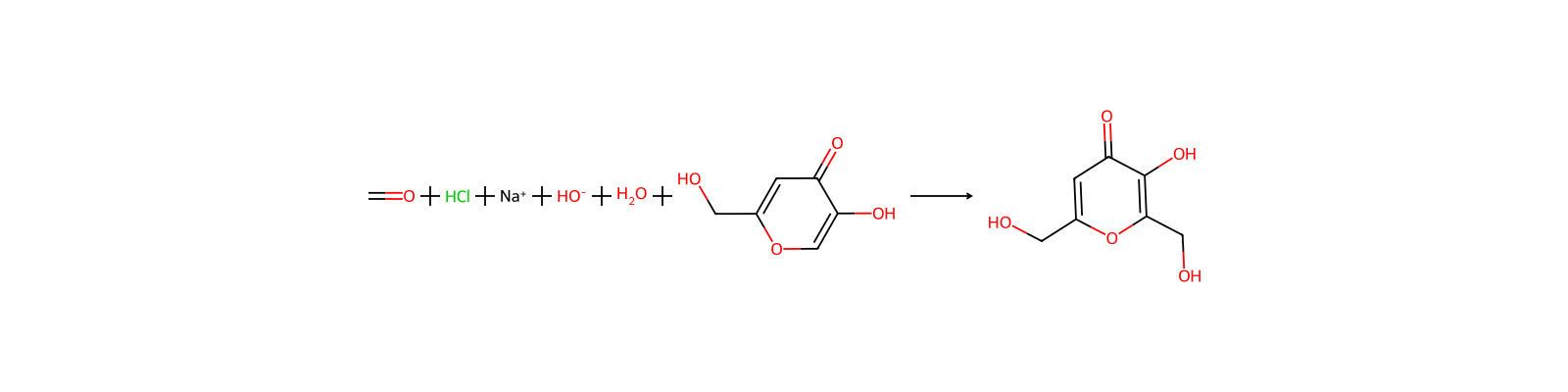
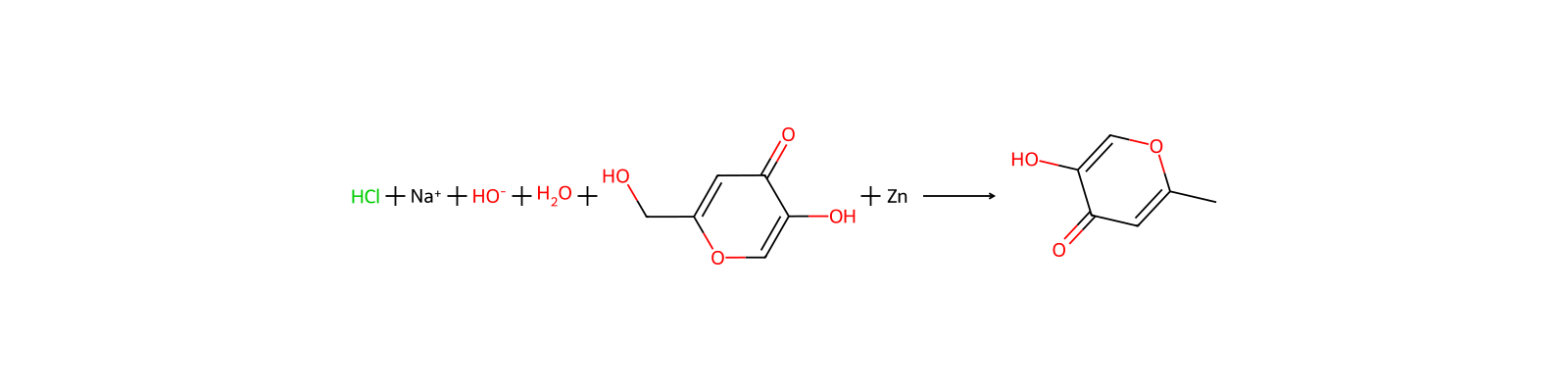
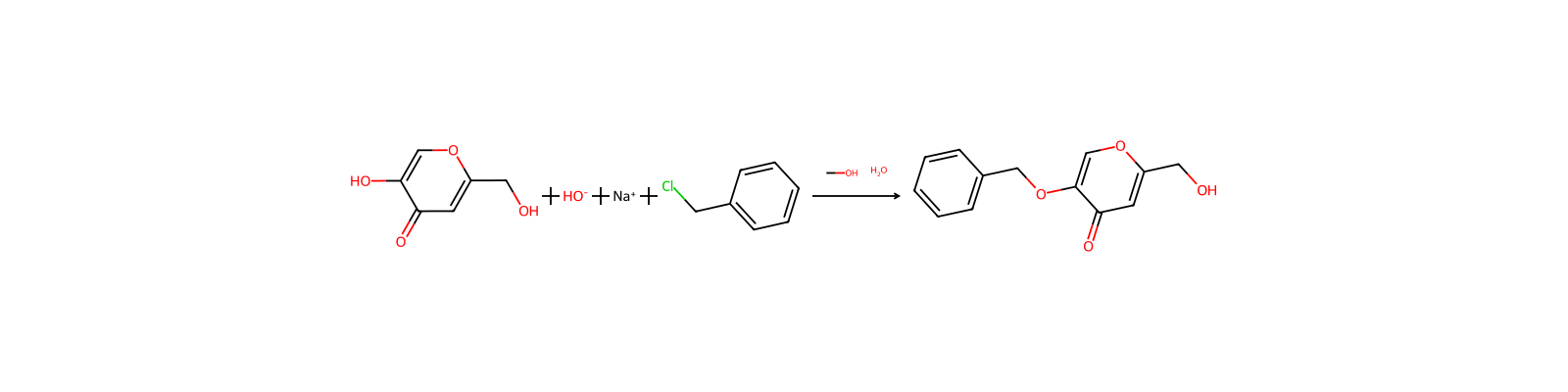
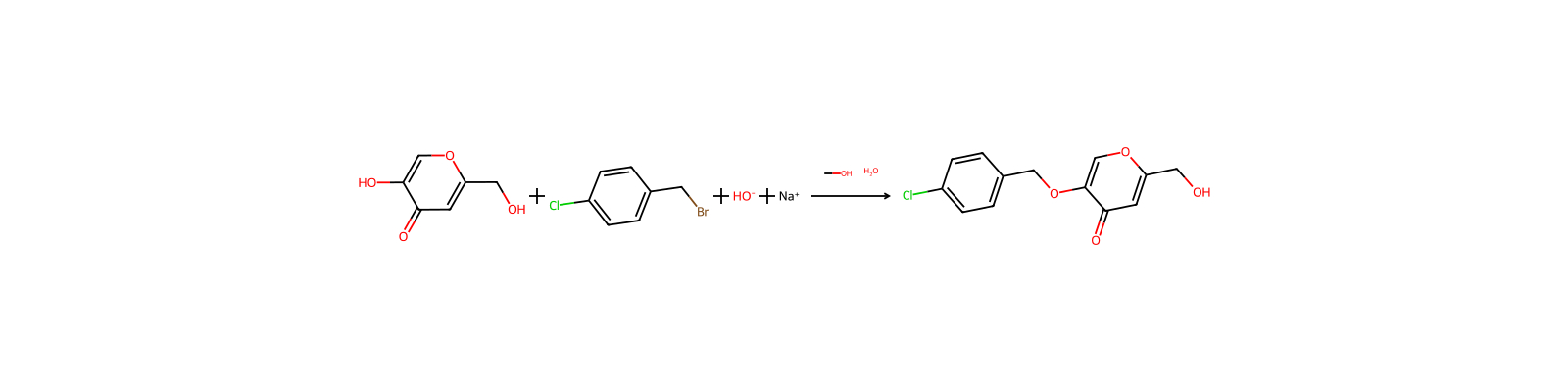
87 件



関連ノート
読み込み中…