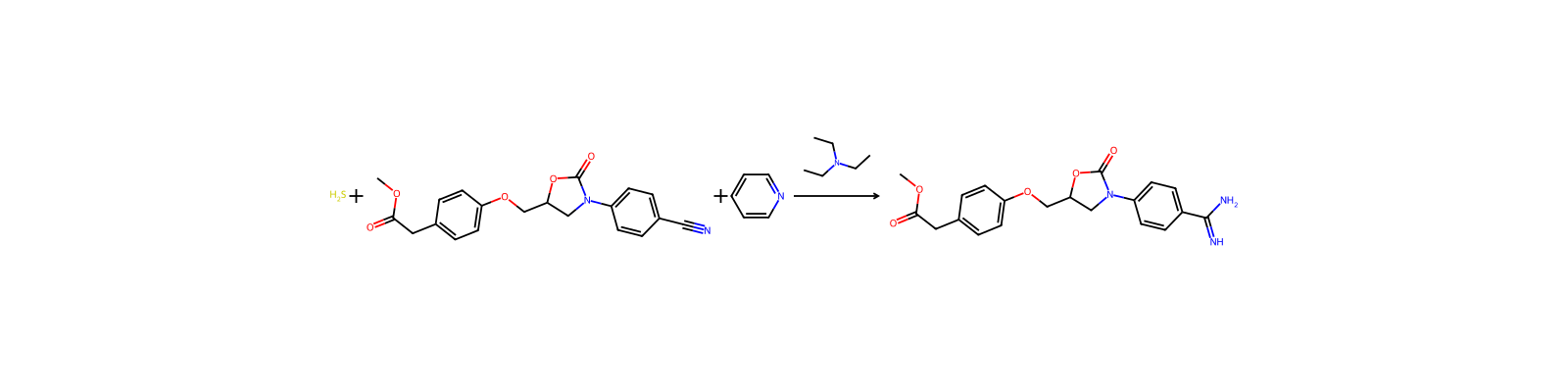
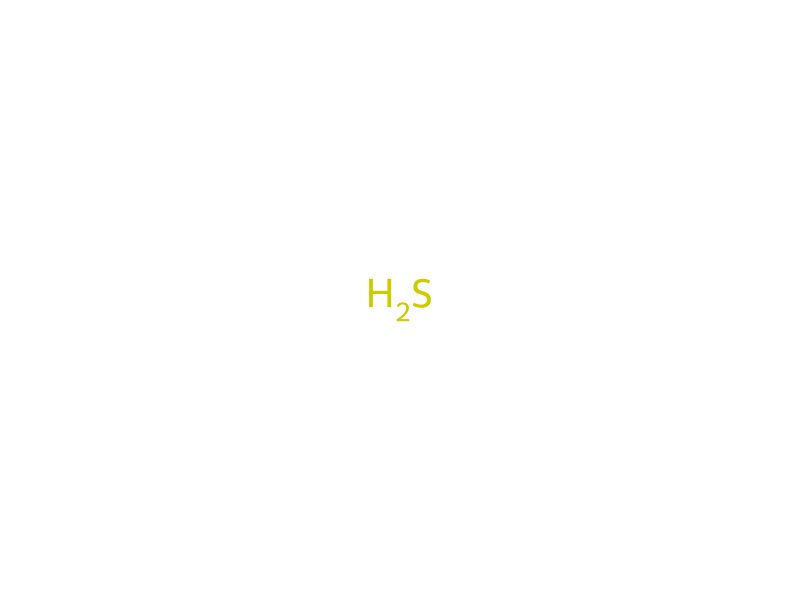
基本情報
- 標準SMILES
S- InChIKey
RWSOTUBLDIXVET-UHFFFAOYSA-N- 分子式
- H2S
- 平均分子量
- 34.08 g/mol
- 単同位体質量
- 33.98772106
概要
Hydrogen sulfide (H2S) occurs naturally in crude petroleum, natural gas, volcanic gases, and hot springs. It can also result from bacterial breakdown of organic matter. It is also produced by human and animal wastes. Bacteria found in your mouth and gastrointestinal tract produce hydrogen sulfide from bacteria decomposing materials that contain vegetable or animal proteins. Hydrogen sulfide can also result from industrial activities, such as food processing, coke ovens, kraft paper mills, tanneries, and petroleum refineries. Hydrogen sulfide is a flammable, colorless gas with a characteristic odor of rotten eggs. It is commonly known as hydrosulfuric acid, sewer gas, and stink damp. People can smell it at low levels.
名称と識別子
- 優先名称
- Hydrogen Sulfide
- IUPAC
- sulfane
名称と別名
hydrogen sulfideHydrosulfuric acidDihydrogen sulfideDihydrogen monosulfideStink DAMPHydrogen sulphideSulfureted hydrogen7783-06-4Sewer gasHydrogene sulfureAcide sulfhydriqueSchwefelwasserstoff
名称をさらに表示
ZwavelwaterstofSiarkowodorHydrogen-sulfideIdrogeno solforatoHydrogen sulfide (H2S)Sulfuretted hydrogenHydrogene sulphureAcide sulphhydrique
データベース識別子
- CAS
37331-50-3、7704-34-9、7783-06-4- PubChem CID
- 402
- DTXSID
DTXSID4024149- ChEMBL
CHEMBL1200739- ChEBI
CHEBI:26833- UNII
- YY9FVM7NSN
- EC Number
- 231-977-3
- Nikkaji
- J3.750H、J3.759A、J644.123H
物性
構造計算による物性
- XLogP
- 0.5
- 極性表面積
- 1 Ų
- 水素結合供与体数
- 1
- 水素結合受容体数
- 1
- 回転可能結合数
- 0
- 重原子数
- 1
- 形式電荷
- 0
- 複雑度
- 0
実験および物理化学的性質
Chemical Classes
Toxic Gases & Vapors -> Chemical Asphyxiants
Other Classes -> Thiols
Flammable agents - 4th degree
pHpH freshly prepared water soln: 4.5
SpringerMaterials PropertiesGibbs energy
PesticidesPesticide -> EPA IRIS
Odor
Strong odor of rotten eggs [Note: Sense of smell becomes rapidly fatigued & can NOT be relied upon to warn of the continuous presense of hydrogen sulfide].
Offensive odor
TasteSweetish taste
Food AdditivesFLAVORING AGENT OR ADJUVANT -> FDA Substance added to food
Density
0.916 at -76 °F (EPA, 1998) - Less dense than water; will float
1.5392 g/L at 0 °C at 760 mm Hg; Gas: 1.19 (Air = 1.00)
Relative density (water = 1): 0.92
0.916@76 °F
1.393 @25 °C
1.19(relative gas density)
Flavoring AgentsEU Flavoring substances
ViscosityGas at 101.325 KPa at 25 °C; 0.012 8 m Pa.S; 0.012 8 cP.
Color/FormColorless gas [Shipped as a liquefied compressed gas].
Solubility
0.4 % (NIOSH, 2024)
1 g dissolves in 94.3 ml absolute alcohol at 20 °C; 1 g dissolves in 48.5 mL ether at 20 °C
In water, 3980 mg/L at 20 °C
Soluble in glycerol, gasoline, kerosene, carbon disulfide, crude oil.
Soluble in certain polar organic solvents, notably methanol, acetone, propylene carbonate, sulfolane, tributyl phosphate, various glycols, and glycol ethers. N-Methylpyrrolidine dissolves 49 ml/g at 20 °C at atmospheric pressure.
3.74 mg/mL at 21 °C
安全と法規制
GHS分類
GHS Classification
Danger
H220: Extremely flammable gas [Danger Flammable gases]
P203, P210, P222, P260, P271, P273, P280, P284, P304+P340, P316, P320, P377, P381, P391, P403, P403+P233, P405, and P501 (click each P-code to see the statement)
Danger
H220 (100%): Extremely flammable gas [Danger Flammable gases]
P203, P210, P222, P260, P271, P273, P280, P284, P304+P340, P316, P320, P377, P381, P391, P403, P403+P233, P405, P410+P403, and P501 (click each P-code to see the statement)
危険有害性情報
Hazards IdentificationToxic/poison by inhalation (TIH/PIH)
Regulatory Information
Chemical: Hydrogen sulfide (H2S)
Hazard Traits - Environmental tox; Neurotoxicity; Respiratory Toxicity
Commission Regulation (EC) No 1565/2000 (Repealed by Com. Implementing Reg. (EU) No 872/2012)
Status: Active Update: 01-10-2020 https://echa.europa.eu/registration-dossier/-/registered-dossier/14463
Hydrogen sulphide: HSNO Approval: HSR001061 Approved with controls
The New Jersey Worker and Community Right to Know Act requires public and private employers to provide information about hazardous substances at their workplaces. (N.J.S.A. 34:5A-1 et. seq.)
Other Safety InformationIMAP assessments - Hydrogen sulfide (H2S): Human health tier I assessment
DOT LabelPoison Gas Flammable Gas
Fire Hazards
Compound is heavier than air and may travel a considerable distance to source of ignition and flash back. It forms explosive mixtures with air over a wide range. Also reacts explosively with bromine pentafluoride, chlorine trifluoride, nitrogen triiodide, nitrogen trichloride, oxygen difluoride, and phenyl diazonium chloride. When heated to decomposition, it emits highly toxic fumes of oxides of sulfur. Incompatible with many materials including strong oxidizers, metals, strong nitric acid, bromine pentafluoride, chlorine trifluoride, nitrogen triiodide, nitrogen trichloride, oxygen difluoride and phenyl diazonium chloride. Avoid physical damage to containers; sources of ignition; storage near nitric acid, strong oxidizing materials, and corrosive liquids or gases. (EPA, 1998)
· Flammable/combustible material.
· HIGHLY FLAMMABLE: Will be easily ignited by heat, sparks or flames.
· These materials are extremely flammable.
· HIGHLY FLAMMABLE: Will be easily ignited by heat, sparks or flames.
· HIGHLY FLAMMABLE: Will be easily ignited by heat, sparks or flames.
Fire PotentialFLAMMABLE GAS. LOW IGNITION ENERGY.
Health Hazards
Exposure to very high concentrations causes immediate death. Also death or permanent injury may occur after very short exposure to small quantities. It acts directly upon the nervous system resulting in paralysis of respiratory centers. (EPA, 1998)
· Fire may produce irritating and/or toxic gases.
· TOXIC; may be fatal if inhaled, ingested or absorbed through skin.
· TOXIC; Extremely Hazardous.
· May cause toxic effects if inhaled or absorbed through skin.
· TOXIC; may be fatal if inhaled, ingested or absorbed through skin.
Hazards Summary
Hydrogen sulfide (H2S) occurs naturally in crude petroleum, natural gas, volcanic gases, and hot springs. It can also result from bacterial breakdown of organic matter. It is also produced by human and animal wastes. Bacteria found in your mouth and gastrointestinal tract produce hydrogen sulfide from bacteria decomposing materials that contain vegetable or animal proteins. Hydrogen sulfide can also result from industrial activities, such as food processing, coke ovens, kraft paper mills, tanneries, and petroleum refineries. Hydrogen sulfide is a flammable, colorless gas with a characteristic odor of rotten eggs. It is commonly known as hydrosulfuric acid, sewer gas, and stink damp. People can smell it at low levels.
CNS injury is immediate and significant after exposure to hydrogen sulfide. At high concentrations, only a few breaths can lead to immediate loss of consciousness, coma, respiratory paralysis, seizures, and death. . . . Hydrogen sulfide is a mucous membrane and respiratory tract irritant; pulmonary edema, which may be immediate or delayed, can occur after exposure to high concentrations. [ATSDR Medical Management] Like cyanide, causes cellular asphyxiation; Also a mucous membrane irritant; IDLH = 100 ppm; Pulmonary edema at 300-500 ppm; Rapidly fatal at 600-800 ppm; [Olson, p. 271] H2S is heavier than air; it displaces air in confined spaces. 80 fatalities were recorded by OSHA from 1984-94. Prevent deaths by using H2S detection equipment, air-supplied respirators, and confined space safety training. [Fuller DC, Suruda AJ. J Occup Environ Med. 2000;42:939-942] Possible frostbite from contact with liquid; [NIOSH] The following chemicals can release H2S when spilled in water: Sulfur chlorides; Phosphorus pentasulfide; and Sodium, Potassium, Calcium & Zinc hydrosulfite. [ERG 2016] Measuring thiosulfate in urine allows health care providers to identify nonfatal H2S exposure, allowing life-saving prevention opportunities. Measuring thiosulfate in blood is the preferred method to confirm death from H2S exposure. [PMID 24164756] See the Process, Toxic Gas from Spilling Chemical in Water. Hydrogen sulfide is fibrogenic to the lungs in the context of an acute inhalation exposure complicated by bronchiolitis obliterans.
Thiols (or mercaptans, an older term) are a group of chemical compounds with structural similarity to alcohols, e.g., ethanethiol (C2H5SH) resembles ethanol (C2H5OH). Some thiols are used as warning gases. Their strong and repulsive odor can warn users of an explosive gas that is leaking into the air. [Hawley] See Benzenethiol, n-butyl mercaptan, methanethiol, ethanethiol and other thiols in this database. The thiols with higher vapor pressures can be acutely toxic in spill accidents causing respiratory irritation, coma, and death. The thiols can, like hydrogen sulfide, produce CNS injury and respiratory paralysis. [ACGIH] See Methyl mercaptan, Benzenethiol (Phenyl mercaptan), and 2-Methyl-2-heptanethiol all classified as TIH (Toxic Inhalation Hazard). [ERG 2016].
DOT ID and Guide
2448 133
1228 131
1053 117
3336 130
3071 131
1053 117
Reactive GroupSulfides, Inorganic
EC ClassificationSymbol: F+, T+, N; R: 12-26-50; S: (1/2)-9-16-36-38-45-61
UN ClassificationUN Hazard Class: 2.3; UN Subsidiary Risks: 2.1
安全と保護具
Fire Fighting
Stop flow of gas. Use water to keep fire-exposed containers cool and to protect men effecting the shut-off. Keep unnecessary people away; isolate hazard area and deny entry. Stay upwind; keep out of low areas. Ventilate closed spaces before entering them. Wear positive pressure breathing apparatus and special protective clothing. Evacuate area endangered by gas. Move container from fire area. Stay away from ends of tanks. Withdraw immediately in case of rising sound from venting safety device or any discoloration on tank due to fire. Cool containers with water using unmanned device until well after the fire is out. Isolate for one-half mile in all directions if tank car or truck is involved in fire.
Shut off supply; if not possible and no risk to surroundings, let the fire burn itself out. In other cases extinguish with water spray, dry powder. In case of fire: keep cylinder cool by spraying with water.
First Aid Measures
Administration of oxygen may be needed. Fresh air, rest. Half-upright position. Artificial respiration may be needed. No mouth-to-mouth artificial respiration. Refer immediately for medical attention.
ON FROSTBITE: rinse with plenty of water, do NOT remove clothes. Refer for medical attention .
First rinse with plenty of water for several minutes (remove contact lenses if easily possible), then refer for medical attention.
Accidental Release Measures
· CALL 911. Then call emergency response telephone number on shipping paper. If shipping paper not available or no answer, refer to appropriate telephone number listed on the inside back cover.
· ELIMINATE all ignition sources (no smoking, flares, sparks or flames) from immediate area.
· CALL 911. Then call emergency response telephone number on shipping paper. If shipping paper not available or no answer, refer to appropriate telephone number listed on the inside back cover.
· ELIMINATE all ignition sources (no smoking, flares, sparks or flames) from immediate area.
· CALL 911. Then call emergency response telephone number on shipping paper. If shipping paper not available or no answer, refer to appropriate telephone number listed on the inside back cover.
· ELIMINATE all ignition sources (no smoking, flares, sparks or flames) from immediate area.
First Aid
Warning: Caution is advised. Vital signs should be monitored closely.
General First Aid:
General First Aid:
General First Aid:
General First Aid:
General First Aid:
Safe StorageFireproof. Separated from strong oxidants. Cool. Keep in a well-ventilated room. Install continous monitoring system with alarm. Provision to contain effluent from fire extinguishing. Store in an area without drain or sewer access.
Firefighting HazardsHEAVIER THAN AIR ... & MAY TRAVEL CONSIDERABLE DISTANCE TO SOURCE OF IGNITION & FLASHBACK.
Exposure Control and Personal Protection
· Wear positive pressure self-contained breathing apparatus (SCBA).
· Wear positive pressure self-contained breathing apparatus (SCBA).
· Wear positive pressure self-contained breathing apparatus (SCBA).
· Wear positive pressure self-contained breathing apparatus (SCBA).
· Wear positive pressure self-contained breathing apparatus (SCBA).
TIH (Toxic Inhalation Hazard) - Term used to describe gases and volatile liquids that are toxic when inhaled. Some are TIH materials themselves, e.g., chlorine, and some release TIH gases when spilled in water, e.g., chlorosilanes. [ERG 2016].
Fire Fighting Procedures
Stop flow of gas before extinguishing fire. Use water spray, dry chemical, or carbon dioxide. Use water sprat to keep fire-exposed containers cool.
STOP FLOW OF GAS. USE WATER TO KEEP FIRE EXPOSED CONTAINERS COOL & TO PROTECT MEN EFFECTING SHUT OFF.
If material is on fire or involved in fire: Do not extinguish fire unless flow can be stopped. Use water in flooding quantities as fog. Apply water from as far a distance as possible. Cool all affected containers with flooding quantities of water. Use water spray to knock-down vapors.
To fight fire, stop flow of gas.
Storage ConditionsStore in a cool, dry, well-ventilated location. Separate from oxidizable materials.
Cleanup Methods
Eliminate all ignition sources. Approach release from upwind. Stop or control the leak, if this can be done without undue risk. Use water spray to cool and disperse vapors, protect personnel, and dilute spills to form nonflammable mixtures. Control runoff and isolate discharge material for proper disposal.
1) REMOVE ALL IGNITION SOURCES. 2) VENTILATE AREA OF SPILL OR LEAK TO DISPERSE GAS. 3) IF IN GASEOUS FORM, STOP FLOW OF GAS. IF SOURCE OF LEAK IS CYLINDER & ... CANNOT BE STOPPED IN PLACE, REMOVE THE LEAKING CYLINDER TO A SAFE PLACE IN THE OPEN AIR, & REPAIR THE LEAK OR ALLOW THE CYCLINDER TO EMPTY. 4) IF IN LIQ FORM, ALLOW TO VAPORIZE.
METHODS FOR THE BIOLOGICAL TREATMENT OF ACID MINE DRAINAGE WERE EVALUATED. HYDROGEN SULFIDE PRODUCED BY SULFATE REDUCTION CAN POTENTIALLY REACT WITH METALS IN SOLUTION TO FORM METAL SULFIDE PRECIPITATES. THE UTILITY OF A PILOT PLANT DESIGN INCORPORATING ANAEROBIC DIGESTION, SULFATE REDUCTION, AERATION AND FINAL CLARIFICATION AND SETTLING WAS DEMONSTRATED.
Environmental considerations: Land spill: Dike surface flow using soil, sand bags, foamed polyurethane, or foamed concrete. Absorb bulk liquid with fly ash or cement powder. Neutralize with agricultural lime (CaO), crushed limestone (CaCO3) or sodium bicarbonate (NaHCO3).
For more Cleanup Methods (Complete) data for HYDROGEN SULFIDE (6 total), please visit the HSDB record page.
Nonfire Spill ResponseExcerpt from ERG Guide 117 [Gases - Toxic - Flammable (Extreme Hazard)]:
Disposal Methods
Generators of waste (equal to or greater than 100 kg/mo) containing this contaminant, EPA hazardous waste number U135, must conform with USEPA regulations in storage, transportation, treatment and disposal of waste.
SRP: Wastewater from contaminant suppression, cleaning of protective clothing/equipment, or contaminated sites should be contained and evaluated for subject chemical or decomposition product concentrations. Concentrations shall be lower than applicable environmental discharge or disposal criteria. Alternatively, pretreatment and/or discharge to a permitted wastewater treatment facility is acceptable only after review by the governing authority and assurance that "pass through" violations will not occur. Due consideration shall be given to remediation worker exposure (inhalation, dermal and ingestion) as well as fate during treatment, transfer and disposal. If it is not practicable to manage the chemical in this fashion, it must be evaluated in accordance with EPA 40 CFR Part 261, specifically Subpart B, in order to determine the appropriate local, state and federal requirements for disposal.
A potential candidate for rotary kiln incineration at a temperature range of 820 to 1,600 °C and residence times of seconds for liquids and gases, and hours for solids.
A potential candidate for fluidized bed incineration at a temperature range of 450 to 980 °C and residence times of seconds for liquids and gases, and longer for solids.
毒性情報
Toxicological InformationCDC-ATSDR Toxicological Profile
Treatment
Treatment involves immediate inhalation of amyl nitrite, injections of sodium nitrite, inhalation of pure oxygen, administration of bronchodilators to overcome eventual bronchospasm, and in some cases hyperbaric oxygen therapy (HBO). HBO therapy has anecdotal support and remains controversial. (L1139)
Interactions
Asymmetric dimethylarginine (ADMA), an endogenous nitric oxide synthase (NOS) inhibitor, is profoundly protective against 1-methy-4-phenylpyridinium ion (MPP+)-induced neurotoxicity. Reactive oxygen species (ROS) overproduction contributes to the neurotoxicity of MPP+; while hydrogen sulfide (H2S) is a pivotal endogenous antioxidant. This study is to assess the potential role of endogenous H2Sin the neuroprotection of ADMA against MPP+ induced toxicity in PC12 cells. We showed that ADMA prevented MPP+-induced inhibition of endogenous H2Sgeneration through inhibiting the down-regulation of cystathionine-beta-synthetase (CBS, the major enzyme responsible for endogenous H?S generation in PC12 cells) expression and activity elicited by MPP+. ADMA obviously attenuated MPP+-triggered accumulation of intracellular ROS, dissipation of mitochondrial membrane potential (MMP), release of cytochrome c (Cyt-c), and down regulation of Bcl-2 protein expression in PC12 cells. Inhibition of CBS activity by amino-oxyacetate and CBS silencing with a short hairpin RNA vector targeting rat CBS gene reversed the protective action of ADMA against MPP+ caused cytotoxicity, ROS overproduction, and MMP loss in PC12 cells. These results indicate that the protection of ADMA against MPP+ mediated neurotoxicity involves the melioration of MPP+ induced inhibition of endogenous H2S generation. Our findings suggest that modulation of H2S production provide new therapeutic targets for the treatment of neurodegenerative disease, such as Parkinson's disease.
Pregnant rats were exposed to 0, 100, 200, 400 or 800 ppm of carbon disulfide (CS2), 100 ppm hydrogen sulfide (H2S) alone or in combination with 400 or 800 ppm CS2, 6 hr/day during days 6-20 gestation. Maternal reproduction and fetal parameters were evaluated on gestational day 21. Treatment with 100 or 200 ppm CS2 or with 100 ppm H2S caused no maternal toxicity or adverse effects on the developing embryo or fetus. Exposure to 400 or 800 ppm CS2 resulted in a low incidence of club foot and in a significant reduction of maternal weight gain. Significant incr in unossified sternebrae occurred at 800 ppm CS2 and reduction of fetal body weight at 400 and 800 ppm CS2. The latter effect was enhanced by combination with 100 ppm H2S. ... At levels of exposure associated with maternal toxicity, CS2 leads to an incr in incidence of club foot and to fetal toxicity which is enhanced by simultaneous exposure to H2S.
Hydrogen sulfide ... is produced endogenously in mammalian tissues from L-cysteine mainly by two pyridoxal-5'-phosphate dependent enzymes, cystathionine beta-synthetase and cystathionine gamma-lyase. ... Cystathionine beta-synthetase in the brain produces H2S, and that H2S facilitates the induction of hippocampal long term potentiation by enhancing NMDA receptor activity. ... mRNA for another H2S producing enzyme, cystathionine gamma-lyase is expressed in the ileum, portal vein and thoracic aorta. The ileum also expresses cystathionine beta-synthetase mRNA. These tissues produce H2S, and this production is blocked by cystathionine beta-synthetase and cystathionine gamma-lyase specific inhibitors. Although exogenously applied H2S alone relaxed these smooth muscles, much lower concn of H2S greatly enhanced the smooth muscle relaxation induced by NO in the thoracic aorta. These observations suggest that the endogenous H2S may regulate smooth muscle tone in synergy with NO.
Target Organs
Neurological (Nervous System), Respiratory (From the Nose to the Lungs)
Nervous
Eyes, respiratory system, central nervous system
Health Effects
Hydrogen sulfide is a highly toxic and flammable gas. Hydrogen sulfide is considered a broad-spectrum poison, meaning that it can poison several different systems in the body, although the nervous system is most affected. The toxicity of hydrogen sulfide is comparable with that of hydrogen cyanide. (L1139)
Ecotoxicity Values
EC50; Species: Gammarus pseudolimnaeus (Scud) length 11 mm; Conditions: freshwater, flow through, 15 °C, pH 7.5, hardness 220 mg/L CaCO3, alkalinity 140 mg/L CaCO3, dissolved oxygen 4 mg/L; Concentration: 62 ug/L for 48 hr; Effect: intoxication, immobilization
EC50; Species: Gammarus pseudolimnaeus (Scud) length 11 mm; Conditions: freshwater, flow through, 15 °C, pH 7.5, hardness 220 mg/L CaCO3, alkalinity 140 mg/L CaCO3, dissolved oxygen 6 mg/L; Concentration: 71 ug/L for 48 hr; Effect: intoxication, immobilization
EC50; Species: Gammarus pseudolimnaeus (Scud) length 11 mm; Conditions: freshwater, flow through, 10 °C, pH 7.5, hardness 220 mg/L CaCO3, alkalinity 140 mg/L CaCO3, dissolved oxygen 6 mg/L; Concentration: 95 ug/L for 48 hr; Effect: intoxication, immobilization
EC50; Species: Gammarus pseudolimnaeus (Scud) length 11 mm; Conditions: freshwater, flow through, 15 °C, pH 7.5, hardness 220 mg/L CaCO3, alkalinity 140 mg/L CaCO3, dissolved oxygen 4 mg/L; Concentration: 42 ug/L for 10 days; Effect: intoxication, immobilization
For more Ecotoxicity Values (Complete) data for HYDROGEN SULFIDE (35 total), please visit the HSDB record page.
Environmental Fate
TERRESTRIAL FATE: Hydrogen sulfide gas has been observed to partition to soils(1). For example, when hydrogen sulfide gas was passed over six air-dried and moist (50% field capacity) soils, 15.4-65.2 mg/g and 11.0-65.2 mg/g of hydrogen sulfide rapidly adsorbed to the dry and moist soils, respectively(1). Neither the capacity or rate of sorption was correlated to soil pH, organic matter content, or clay content; sterile controls ruled out the involvement of microorganisms(1); it was suggested that adsorption to soil surfaces might be an environmental sink for gaseous hydrogen sulfide(1). Volatilization of hydrogen sulfide from moist soil surfaces is expected to be an important fate process(SRC) given a Henry's Law constant of 0.0098 atm-cu m/mole at 25 °C(2). Hydrogen sulfide is a gas at ambient temperatures(3) and expected to volatilize from dry soil surfaces(SRC); however, hydrogen sulfide gas can adsorb to both moist and dry soil surfaces(1) which may attenuate the rate of volatilization(SRC). Hydrogen sulfide can be consumed by bacteria found in soil and water that oxidize hydrogen sulfide to elemental sulfur(4).
AQUATIC FATE: Volatilization of hydrogen sulfide from water surfaces is expected(1) based upon a Henry's Law constant of 0.0098 atm-cu m/mole at 25 °C(2). Using this Henry's Law constant and an estimation method(1), volatilization half-lives for a model river and model lake are 1.8 hours and 2.3 days, respectively(SRC). Hydrogen sulfide is a weak base and has two pKa values of pKa1 = 7.04 and pKa2 = 11.96(3) which indicate some dissociation at environmental pHs(4). At pH 5-6, the water-air transfer rate was found to behave like an unreactive gas, but as the pH increases to pH10, the transfer rate was enhanced and nearly 200 times faster at pH10 than pH 5(4). The rate of oxidation of hydrogen sulfide in air-saturated natural waters was measured over a temperature range (5-65 °C), pH range (1-12) and ionic strength(5); at 25 °C, the half-life was about 50 hours in water and 26 hours in seawater (pH8)(5). Hydrogen sulfide does not have bioaccumulation or food chain contamination potential(6). Hydrogen sulfide can be consumed by bacteria found in soil and water that oxidize hydrogen sulfide to elemental sulfur(7).
ATMOSPHERIC FATE: At atmospheric pressures, hydrogen sulfide is a gas above its boiling point of -60.33 °C(1), and therefore, will exist as a gas in the ambient environment(SRC). Gas-phase hydrogen sulfide is degraded in the atmosphere by reaction with photochemically-produced hydroxyl radicals(SRC); the half-life for this reaction in air is estimated to be 3.3. days(SRC), calculated from its rate constant of 4.8X10⁻¹² cu cm/molecule-sec at 25 °C(2). The reaction of hydrogen sulfide with hydroxyl radicals in air yields H20 and the SH radical(2) which is further oxidized to SO, then sulfur dioxide, and ultimately sulfate compounds(3). The gas-phase reaction of hydrogen sulfide with nitrate radicals in night-time air is relative slow and not competitive with hydroxyl radicals(4); the rate constant for reaction with nitrate radicals is reported as <8X10-16 cu cm/molecule-sec at 25 °C(5). Vapor-phase reaction with ozone is also relatively slow(SRC) based on a rate constant <2X10-20 cu cm/molecule-sec at 25 °C(5). Hydrogen sulfide does not absorb solar radiation reaching the troposphere(6) and therefore is not expected to be susceptible to direct photolysis by sunlight(SRC).
Atmospheric Fate: The lifetime of hydrogen sulfide (H2S) is affected by ambient temperature and other atmospheric variables including humidity, sunshine, and presence of other pollutants. The decreased temperatures and decreased levels of hydroxide in northern regions (e.g. Alberta, Canada) in winter increase the residence time of H2S in air.
Once released into the atmosphere, hydrogen sulfide will behave like many other gaseous pollutants and be dispersed and eventually removed. Residence times in the atmosphere range from about one day to more than 40 days, depending upon season, latitude, and atmospheric conditions.
Food Survey ValuesHydrogen sulfide was qualitatively detected in Beaufort cheese volatiles(1). Steamed crab meat contained hydrogen sulfide concentrations of 45.7 to 105.0 ug/kg(2).
Adverse Effects
Other Poison - Chemical Asphyxiant
Other Poison - Chemical Asphyxiant
Exposure Routes
The substance can be absorbed into the body by inhalation.
inhalation, skin and/or eye contact
Oral; inhalation; dermal
Toxicity Summary
Although very pungent at first, hydrogen sulfide quickly deadens the sense of smell, so potential victims may be unaware of its presence until it is too late. Hydrogen sulfide forms a complex bond with iron in the mitochondrial cytochrome enzymes, thereby blocking oxygen from binding and stopping cellular respiration. (L1139)
Ecotoxicity Excerpts
/AQUATIC SPECIES/ Exposure of channel catfish to 0.5 mg/L hydrogen sulfide at 20 °C resulted in hyperpnea, followed by apnea and respiratory arrest.
/AQUATIC SPECIES/ The effects of hydrogen sulfide (H2S) were tested in three ecotoxicological tests in order to evaluate its confounding potential in assessment of pore water and groundwater toxicity. The luminescent bacteria Vibrio fischeri, the water flea Daphnia magna, and the microalgae Scenedesmus vacuolatus often are part of a biotest battery. A new technique for the synthesis of hydrogen sulfide solutions of defined concentrations using an electrochemical generator instead of sodium sulfide solutions was used. Because hydrogen sulfide is volatile, the loss rate of H2S was studied over time to enable estimation of the mean test concentrations over the whole test duration. Loss rates were calculated to be 13 + or - 6% after 30 min, and 39 + or - 11% and 43 + or - 16% after a 24- and 48-hr exposure time, respectively. Sensitivities of the test organisms in terms of median effective concentration (EC50), corrected for the above loss rates, varied from 0.28 to 0.0036 and 0.055 mM for the luminescent bacteria, the crustacea, and the algae, respectively. A species-sensitivity distribution using EC and mean lethal concentration literature data for marine and freshwater crustaceans and phytoplankton showed a medium sensitivity of the water flea D. magna, though the bacteria V. fischeri and the algae S. vacuolatus were among the least-sensitive group of organisms. This demonstrates that only the algae and the bacteria are easy to use in the assessment of toxicity of matrices with H2S concentrations above 0.06 mM.
/PLANTS/ /Ten species of weeds 3 to 6 weeks of age were/ fumigated with 100 to 500 ppm hydrogen sulfide for four hours. /Results suggested that/ differences in susceptibility to injury /existed/ and ... that younger plants were more sensitive to damage than older ones. /Data also suggested/ that increases in temperature exacerbated the damage, as did dry soil.
法規制情報
RCRA Requirements
U135; As stipulated in 40 CFR 261.33, when hydrogen sulfide, as a commercial chemical product or manufacturing chemical intermediate or an off-specification commercial chemical product or a manufacturing chemical intermediate, becomes a waste, it must be managed according to Federal and/or State hazardous waste regulations. Also defined as a hazardous waste is any residue, contaminated soil, water, or other debris resulting from the cleanup of a spill, into water or on dry land, of this waste. Generators of small quantities of this waste may qualify for partial exclusion from hazardous waste regulations (40 CFR 261.5).
CERCLA Reportable Quantities
Persons in charge of vessels or facilities are required to notify the National Response Center (NRC) immediately, when there is a release of this designated hazardous substance, in an amount equal to or greater than its reportable quantity of 100 lb or 45.4 kg. The toll free number of the NRC is (800) 424-8802. The rule for determining when notification is required is stated in 40 CFR 302.4 (section IV. D.3.b).
Releases of CERCLA hazardous substances are subject to the release reporting requirement of CERCLA section 103, codified at 40 CFR part 302, in addition to the requirements of 40 CFR part 355. Hydrogen sulfide is an extremely hazardous substance (EHS) subject to reporting requirements when stored in amounts in excess of its threshold planning quantity (TPQ) of 500 lbs.
Clean Water Act Requirements
Hydrogen sulfide is designated as a hazardous substance under section 311(b)(2)(A) of the Federal Water Pollution Control Act and further regulated by the Clean Water Act Amendments of 1977 and 1978. These regulations apply to discharges of this substance. This designation includes any isomers and hydrates, as well as any solutions and mixtures containing this substance.
DHS Chemicals of Interest (COI)
Hydrogen sulfide
1
10000
23.73
45
Toxic chemical that can be released at a facility.
State Drinking Water Guidelines
(ME) MAINE 80 ug/l
(WI) WISCONSIN 30 ug/l
化学と産業
薬理情報
Mechanism of Action
Hydrogen sulfide (H(2)S) is mainly known for its toxicity but has recently been shown to be produced endogenously in mammalian tissues and to be associated with physiological regulatory functions. To better understand the role of biomembranes in modulating its biological distribution and effects; we measured the partition coefficient of H(2)S in models of biological membranes. The partition coefficients were found to be 2.1+/-0.2, 1.9+/-0.5 and 2.0+/-0.6 in n-octanol, hexane and dilauroylphosphatidylcholine liposome membranes relative to water, respectively (25 °C). This two-fold higher concentration of H(2)S in the membrane translates into a rapid membrane permeability, P(m)=3 cm/s. We used a mathematical model in three dimensions to gain insight into the diffusion of total sulfide in tissues. This model shows that the sphere of action of sulfide produced by a single cell expands to involve more than 200 neighboring cells, and that the resistance imposed by lipid membranes has a significant effect on the diffusional spread of sulfide at pH 7.4, increasing local concentrations. These results support the role of hydrogen sulfide as a paracrine signaling molecule and reveal advantageous pharmacokinetic properties for its therapeutic applications.
Hydrosulfide anion (hs-) ... forms complex with methemoglobin known as sulfmethemoglobin, which is analogous to cyanmethemoglobin. ... Dissociation constant for sulfmethemoglobin has been estimated as 6x10⁻⁶ moles/L where as the dissociation constant for cyanmethemoglobin is about 2x10⁻⁸ moles/L. Despite lower binding affinity for sulfide, induced methemoglobinemia provides unequivocal protection against death from acute sulfide poisoning in animals.
...interferes with the function of oxidative enzymes, mainly cytochrome oxidase, and results in tissue hypoxia.
Hydrogen sulfide is a ... potent inhibitor of the cytochrome oxidase system ... .
SUDDEN DEATH FROM INHALATION OF LARGE CONCN OF HYDROGEN SULFIDE DUE TO INHIBITION OF CELLULAR RESP IN VITAL TISSUES, PARTICULARLY BRAIN. ... APPARENTLY ... INHIBIT/S/ CYTOCHROME OXIDASE, THUS INHIBITING ELECTRON-TRANSPORT SYSTEM.
Metabolism/Metabolites
With the body, H2S is metabolized by oxidation, methylation, and reaction with metallo- or disulfide-containing proteins.
... In the bloodstream the gas is converted to alkali sulfide. The hydrosulfide radical is excreted by the lungs and in urine. Part of the sulfide is oxidized to sulfate and thiosulfate ... .
MeSH Pharmacological Classification
Any substance in the air which could, if present in high enough concentration, harm humans, animals, vegetation or materials. Substances include GASES; PARTICULATE MATTER; and volatile ORGANIC CHEMICALS.
Endogenously produced lipid-soluble gaseous molecules which function as neurotransmitters and signal mediators targeting ION CHANNELS and transporters.
Absorption, Distribution and Excretion
There is evidence that hydrogen sulfide functions as a neuromodulator and a smooth muscle relaxant. Over the last decade there has been a growing consensus that hydrogen sulfide functions as an endogenously produced substance with important physiologic functions. Hydrogen sulfide is absorbed through the skin, lung, and digestive tract lining. Some of the sulfide may be trapped by natural disulfide in the blood stream. Some is also excreted via sulfide in the feces. In the workplace, the lung, rather than the skin, appears to be the primary route of absorption. Results from animal inhalation studies indicate that hydrogen sulfide is widely distributed in the body, primarily to the brain, liver, kidney, pancreas, and small intestine. Recent studies have also suggested that hydrogen sulfide may act as a vasodilator. Within the body, hydrogen sulfide is metabolized by oxidation, methylation, and reaction with metallo- or disulfide-containing proteins. In the blood, the gas is associated with alkali sulfide and the hydrosulfide anion is excreted both by the lungs and urine. Hydrogen sulfide interferes with the function of oxidation enzymes, primarily the cytochrome oxidase system to result in hypoxia. /Researchers/ concluded that the affinities of cyanide and sulfide for the binding site on cytochrome c oxidase, the terminal step of electron transport, were of the same order of magnitude. These mechanisms of action data were consistent with those of other investigators. Hydrogen sulfide is not considered a cumulative toxin since it is rapidly oxidized to sulfate, which is readily excreted by the kidneys.
...the lung rather than the skin is the primary route of absorption. The dermal absorption of hydrogen sulfide is minimal. Results from animal inhalation studies indicate that H2S is distributed in the body to the brain, liver, kidneys, pancreas, and small intestine.
... Hydrogen sulfide is readily absorbed through the skin, lung and digestive tract lining. ... Some of the sulfide may be trapped by natural disulfides in the bloodstream. Some sulfide is also excreted as iron sulfide in feces.
First acid dissociation constant of hydrogen sulfide is about 1x10⁻⁷ molar so that in body fluids dissociated and undissociated hydrogen sulfide exist in about equal proportions. Undissociated acid, however, penetrates biological membranes more rapidly than the hydrosulfide anion.
Tissue LocationsBrain
Metabolite PathwaysBeta-mercaptolactate-cysteine disulfiduria
用途と製造
Uses
Hydrogen sulfide is produced naturally by decaying organic matter and is released from sewage sludge, liquid manure, sulfur hot springs, and natural gas. It is a byproduct of many industrial processes including petroleum refining, tanning, mining, wood pulp processing, rayon manufacturing, sugar beet processing, and hot asphalt paving. Hydrogen sulfide is used to produce elemental sulfur, sulfuric acid, and heavy water for nuclear reactors. [ATSDR Medical Management]
Steel Producing [Category: Industry]
Smoking cigarettes [Category: Food & Drugs]
Pulp and Paper Processing [Category: Industry]
Superficial sulfurization of metals with hydrogen sulfide allows modification of their physical or chemical properties. Hydrogen sulfide is used for passivation of the walls of reactors operating at high temperature in petrochemical operations such as steam cracking and hydrodealkylation. This treatment prevents desirable secondary reactions. Another use of hydrogen sulfide is the formation of a layer of sulfide on the surface of steel wires or plates that are to be coated with paint or plastic. This treatment protects the coating or improves the action of adhesive primers.
The most common industrial application of hydrogen sulfide is the production of organic compounds with a thiol function (i.e., RSH, where R is a hydrocarbon group) or a thiol group and another function (e.g., alcohol, acid).
U.S. Production
Production volumes for non-confidential chemicals reported under the Inventory Update Rule.[Table#1666]
Production volume for non-confidential chemicals reported under the 2006 Inventory Update Rule. Chemical: Hydrogen sulfide. Aggregated National Production Volume: 1 billion lbs and greater.
Consumption Patterns8.85X10+11 G AS AN INT FOR SULFURIC ACID (1966)
Methods of Manufacturing
Hydrogen sulfide is formed when hydrogen is fed into sulfur at 350 °C with or without a catalyst (e.g., bauxite, aluminum silicate, cobalt molybdate. High pressure also aids the reaction. ... In the industrial production of hydrogen sulfide (Fig. 1), the reaction occurs at 450 °C and 0.7 MPa. Hydrogen sulfide is separated from sulfur vapor by cooling and solidifying the sulfur on the walls of a heat exchanger. The exchanger is alternately cooled and heated to remelt and eliminate the sulfur deposit.
Sulfur reacts with methane to form a mixture of hydrogen sulfide and carbon disulfide. Carbon disulfide can be hydrolyzed, giving additional hydrogen sulfide. With higher alkanes (>C10) having a low vapor pressure, reaction takes place at 200-300 °C.
Hydrogen sulfide is obtained from ... gas: 1. directly if the hydrogen sulfide-carbon dioxide ratio is high enough to give an acid gas with the desired hydrogen sulfide content (80-90 vol%) or if a selective sweetening process is used; 2. after additional treatment, consisting of selective reprocessing (desired purity, 90-95%) or compression and subsequent distillation (minimum purity 99.5%).
Derivation: (1) By the action of dilute sulfuric acid on a sulfide, usually iron sulfide; (2) by direct union of hydrogen and sulfur vapor at a definite temperature and pressure; (3) as a by-product of petroleum refining.
Natural gas/synthesis gas/refinery gas/coke oven gas (solvent extraction); hydrogen + sulfur (reaction); natural gas (Lacquer distillation process); natural gas + sulfur (reaction; by-product of carbon disulfide production); metallurgic coke + sulfur (reaction; coproduced with carbon disulfide).
Formulations/PreparationsGrade: Technical 98.5%, purified 99.5% min, CP /chemically pure/.
Household ProductsInformation on 6 consumer products that contain Hydrogen sulfide in the following categories is provided:
Use ClassificationChemical Classes -> Inorganic substances
General Manufacturing InformationHydrogen sulfide (H2S): ACTIVE
関連反応
1,031 件


関連ノート
読み込み中…