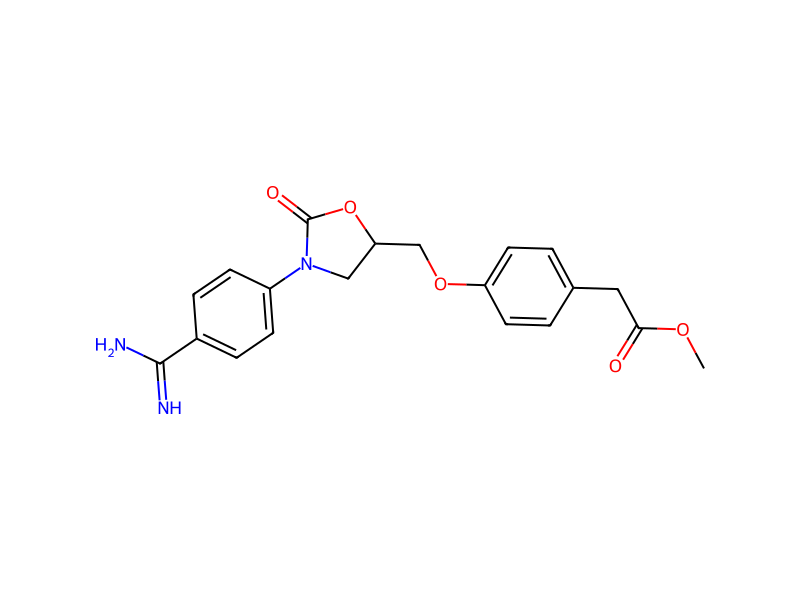
Hydrogen Sulfide → 3-p-Amidinophenyl-5-(p-methoxycarbonylmethylphenoxymethyl)oxazolidin-2-one
反応式
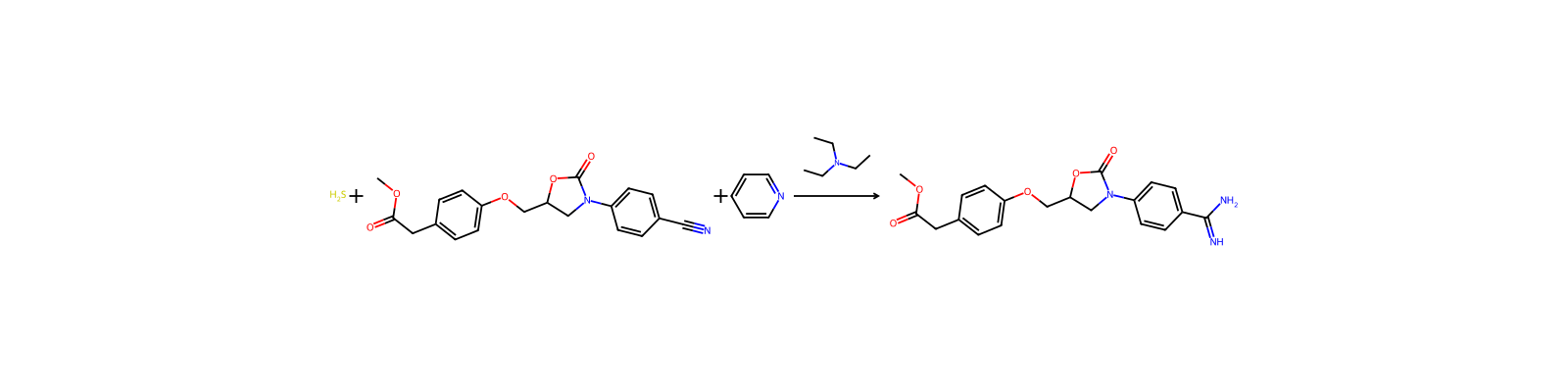
S.[C:2]([C:4]1[CH:9]=[CH:8][C:7]([N:10]2[CH2:14][CH:13]([CH2:15][O:16][C:17]3[CH:22]=[CH:21][C:20]([CH2:23][C:24]([O:26][CH3:27])=[O:25])=[CH:19][CH:18]=3)[O:12][C:11]2=[O:28])=[CH:6][CH:5]=1)#[N:3].[N:29]1C=CC=CC=1>C(N(CC)CC)C>[C:2]([C:4]1[CH:5]=[CH:6][C:7]([N:10]2[CH2:14][CH:13]([CH2:15][O:16][C:17]3[CH:22]=[CH:21][C:20]([CH2:23][C:24]([O:26][CH3:27])=[O:25])=[CH:19][CH:18]=3)[O:12][C:11]2=[O:28])=[CH:8][CH:9]=1)(=[NH:29])[NH2:3]参加物
5



実験手順
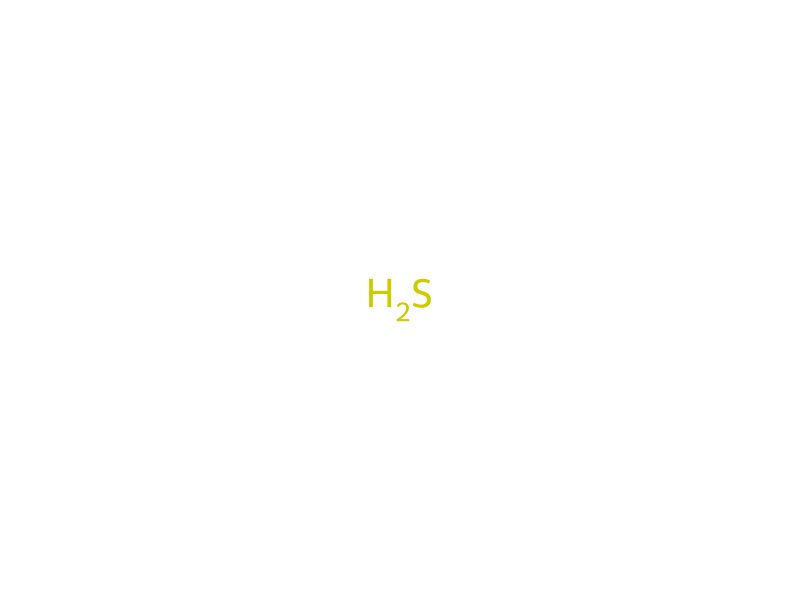
H2S gas is passed, at -10°, into a solution of 1.2 g of 3-p-cyanophenyl-5-(p-methoxycarbonyimethylphenoxymethyl)oxazolidin-2-one (obtainable in accordance with Example 1) in 50 ml of pyridine and 7 ml of triethylamine. The mixture is subsequently stirred at room temperature for 14 h and concentrated by evaporation; the residue is dissolved in 50 ml of acetone and treated with 9 ml of methyl iodide. After this mixture has been stirred for a further 6 h, it is filtered and the residue is washed with 5 ml of acetone and dissolved in 30 ml of methanol; 4.6 g of ammonium acetate are added to this solution, which is stirred at room temperature for 24 h. Following the customary working-up, 3-p-amidinophenyl-5-(p-methoxycarbonylmethylphenoxymethyl)oxazolidin-2-one (semihydriodide) is obtained, M.p. 151°-152°.