

基本情報
- 標準SMILES
Nc1ccc(O)c(C(=O)O)c1- InChIKey
KBOPZPXVLCULAV-UHFFFAOYSA-N- 分子式
- C7H7NO3
- 平均分子量
- 153.14 g/mol
- 単同位体質量
- 153.04259308
概要
5-aminosalicylic acid appears as odorless white to pinkish crystals or purplish-tan powder. Aqueous solutions acidic (pH approximately 4.1 at 0.8 mg/L water). (NTP, 1992)
名称と識別子
- 優先名称
- 5-Aminosalicylic Acid
- IUPAC
- 5-amino-2-hydroxybenzoic acid
- 現地名
- 5-アミノサリチル酸
- 英語名
- 5-Aminosalicylic acid
- 分子式
- C7H7NO3
- 分子量
- 153.14
名称と別名
5-Aminosalicylic acidmesalamine89-57-6Mesalazine5-Amino-2-hydroxybenzoic acid5-ASAFisalamineLialdam-Aminosalicylic acidBenzoic acid, 5-amino-2-hydroxy-MesalazinasfRowasa
名称をさらに表示
5-アミノサリチル酸2-ヒドロキシ-5-アミノ安息香酸ペンタサメサラジン5-アミノ-2-ヒドロキシ安息香酸5-アミノ-2-ヒドロキシベンゼンカルボン酸フィサラミン3-アミノ-6-ヒドロキシ安息香酸メサラミン5-アミノサリシル酸5アミノサリチル酸5-アミノサリチル酸(m-〃)5-アミノサリチル酸 [生化学用]5‐アミノサリチル酸5- アミノサリチル酸【メサラジン】5-アミノサリチル酸, 95%メサラジン (JAN)リアルダアサコールAsacolrowasaCanasaPentasaMesalmine
Aprisop-AminosalicylsaeureAsacolitinMesalazinumIialdaAsacol HDPentacol3-carboxy-4-hydroxyaniline
データベース識別子
- CAS
89-57-6- PubChem CID
- 4075
- DTXSID
DTXSID5024506- ChEMBL
CHEMBL704- ChEBI
CHEBI:6775- UNII
- 4Q81I59GXC
- EC Number
- 201-919-1
- Nikkaji
- J32.511B
物性
構造計算による物性
- XLogP
- 1.3
- 極性表面積
- 83.6 Ų
- 水素結合供与体数
- 3
- 水素結合受容体数
- 4
- 回転可能結合数
- 1
- 重原子数
- 11
- 形式電荷
- 0
- 複雑度
- 160
実験および物理化学的性質
Chemical ClassesOther Uses -> Pharmaceuticals
Drugs
Pharmaceuticals -> Metabolite of Sulfasalazine
Pharmaceuticals
Pharmaceuticals -> Listed in ZINC15
Pharmaceuticals -> Used in Switzerland
LogP
1.2
0.48
Color/FormWhite to pinkish crystals
Solubility
less than 1 mg/mL at 70 °F (NTP, 1992)
Slightly soluble in water, alcohol; more soluble in hot water; soluble in hydrochloric acid
Insoluble in ethanol
1.22e+01 g/L
Human Drugs
Breast Feeding; Lactation; Milk, Human; Gastrointestinal Agents; Anti-Inflammatory Agents, Non-Steroidal
FDA approved drugs -> Active ingredient
FDA approved drugs -> Active ingredient
Pharmaceuticals
Anti-inflammatory medicines
Melting Point
536 °F (decomposes) (NTP, 1992)
260-280 °C
283 °C
283 °C
Vapor Pressure0.00000006 [mmHg]
Physical Description
5-aminosalicylic acid appears as odorless white to pinkish crystals or purplish-tan powder. Aqueous solutions acidic (pH approximately 4.1 at 0.8 mg/L water). (NTP, 1992)
White to pinkish solid; [Merck Index] Purplish tan solid; [NTP] Powder; [Alfa Aesar MSDS]
Solid
Stability/Shelf LifeMesalamine is unstable in the presence of water and light, since oxidation and, to a lesser extent, light-catalyzed degradation of the drug occur.
Dissociation Constants
Mesalamine's production and use in the manufacture of light-sensitive paper, azo and sulfur dyes and as a gastrointestinal medication may result in its release to the environment through various waste streams. If released to air, an estimated vapor pressure of 6.1X10⁻⁸ mm Hg at 25 °C indicates mesalamine will exist in both the vapor and particulate phases in the atmosphere. Vapor-phase mesalamine will be degraded in the atmosphere by reaction with photochemically-produced hydroxyl radicals; the half-life for this reaction in air is estimated to be 18 hrs. Particulate-phase mesalamine will be removed from the atmosphere by wet or dry deposition. Mesalamine does contain chromophores that absorb at wavelengths >290 nm and therefore may be expected to be susceptible to direct photolysis by sunlight. If released to soil, mesalamine is expected to have very high mobility based upon an estimated Koc of 10. Estimated pKa values of 2.09, 5.26 and 13.64 indicate that this compound will dissociate to the zwitterion form in the environment. Volatilization from moist soil surfaces is not expected to be an important fate process based upon an estimated Henry's Law constant of 5.0X10⁻¹² atm-cu m/mole. Mesalamine is considered completely biodegradable under anaerobic conditions as was indicated by 95.6% methane production following acclimation. If released into water, mesalamine is not expected to adsorb to suspended solids and sediment based upon the estimated Koc. Volatilization from water surfaces is not expected to be an important fate process based upon this compound's estimated Henry's Law constant. An estimated BCF of 3 suggests the potential for bioconcentration in aquatic organisms is low. Hydrolysis is not expected to be an important environmental fate process since this compound lacks functional groups that hydrolyze under environmental conditions. Occupational exposure to mesalamine may occur through inhalation and dermal contact with this compound at workplaces where mesalamine is produced or used. Use data indicate that the general population may be exposed to mesalamine via dermal contact with products containing this compound as well as via ingestion following administration of drugs containing mesalamine, a gastrointestinal anti-inflammatory. (SRC)
Collision Cross Section
127.8 Ų [M-H]- [CCS Type: DT; Buffer gas: N2; Ionization: ESI-; Dataset: TOXCAST; Source Identifier: DTXSID5024506]
134.7 Ų [M+H]+ [CCS Type: TW; Method: calibrated with polyalanine and drug standards]
122.58 Ų [M+H-H2O]+ [CCS Type: TW; Method: calibrated with polyalanine and drug standards]
物理化学的性質
- 融点
- 275 · 275-280 °C (dec.) (lit.)
- 沸点
- 276.03 °C · 276.03°C (rough estimate)
- 比重(密度)
- 1.3585 · 1.3585 (rough estimate)
- 蒸気圧
- 0 Pa · 0Pa at 25℃
- 屈折率
- 1.55 · 1.5500 (estimate)
- 闪点
- 279 · 279-281°C
- 貯蔵温度
- 2 · 2-8°C
- 溶解性
- ジメチルスルホキシドに可溶。
- 酸解離定数(Pka)
- 2.74 · 2.74, 5.84(at 25℃)
- 外見
- 錠剤
- 色
- オフホワイトからグレー
- PH
- 4 · 4.0-4.1 (0.8g/l, H2O, 20℃)
- 水溶解度
- 0.1 g/100 · <0.1 g/100 mL で 21 ºC
- Decomposition
- 279 · 279-281 ºC
- Merck
- 14 · 14,5904
- BRN
- 2090421 · 2090421
- Henry's Law Constant
- 2 · 2.0×106 mol/(m3Pa) at 25℃, HSDB (2015)
- BCS Class
- 4 · 4
- 安定性
- 安定。酸、酸無水物、酸塩化物、クロロホルメート、強力な酸化剤とは混和しません。
- 主な用途
- 洗剤、毛染め剤、大腸がんの予防、炎症性腸疾患の治療、自己免疫疾患、胃腸炎、ケモカイン介在性疾患、粘膜組織障害、睡眠障害、直腸肛門しぶり腹、潰瘍性大腸炎
- InChI
- 1S/C7H7NO3/c8-4-1-2-6(9)5(3-4)7(10)11/h1-3,9H,8H2,(H,10,11)
- InChIKey
- KBOPZPXVLCULAV-UHFFFAOYSA-N
- SMILES
- Nc1ccc(O)c(c1)C(O)=O
- LogP
- 0.98 at · 0.98 at 25℃
- CAS データベース
- 89 · 89-57-6(CAS DataBase Reference)
- NISTの化学物質情報
- Mesalamine(89-57-6)
- EPAの化学物質情報
- 5 · Benzoic acid, 5-amino-2-hydroxy- (89-57-6)
化学的性質
化学的特性Off-White to pink crystals, melting point about 280 ℃ (decomposition). Soluble in hydrochloric acid, slightly soluble in hot water, and slightly bath in cold water or ethanol. In the manufacture of light-sensitive paper, azo and sulfur dyes.
安全と法規制
GHS分類
GHS Classification
This chemical does not meet GHS hazard criteria for 0.5% (1 of 195) of reports.
Warning
H315 (81.5%): Causes skin irritation [Warning Skin corrosion/irritation]
P261, P264, P264+P265, P271, P272, P273, P280, P302+P352, P304+P340, P305+P351+P338, P319, P321, P332+P317, P333+P317, P337+P317, P362+P364, P403+P233, P405, and P501 (click each P-code to see the statement)
Aggregated GHS information provided per 195 reports by companies from 21 notifications to the ECHA C&L Inventory. Each notification may be associated with multiple companies.
危険有害性情報
Regulatory Information
Status: Active Update: 01-03-2023 https://echa.europa.eu/registration-dossier/-/registered-dossier/5887
Mesalazine: Does not have an individual approval but may be used under an appropriate group standard
Other Safety InformationIMAP assessments - Benzoic acid, 5-amino-2-hydroxy-: Environment tier I assessment
Fire HazardsFlash point data for this chemical are not available; however, it is probably combustible. (NTP, 1992)
Health Hazards
SYMPTOMS: Symptoms of exposure to this compound include acute intolerance syndrome characterized by cramping, acute abdominal pain and discomfort, and bloody diarrhea. It may also cause headache, rash, gas (flatulence), nausea, flu, tiredness, weakness, malaise, fatigue, cold, sore throat, leg pain, joint pain, dizziness, bloating, back pain, hemorrhoids, itching, rectal pain, constipation, hair loss, peripheral edema, urinary burning, rectal soreness and burning, asthenia and insomnia. Other symptoms include fever, gastrointestinal problems, anorexia, epigastric pain, skin eruptions of various types, agranulocytosis, leukopenia, eosinophilia, lymphocytosis, atypical mononucleosis syndrome, thrombocytopenia and acute hemolytic anemia. Symptoms of exposure to a related compound include pruritus, erythematous macular or bullous eruptions, acidosis, hypokalemia, crystalluria, vomiting, hepatic necrosis, leukocytosis, laryngeal edema, methemoglobinemia and thyroid suppression. Other symptoms include allergic reactions, gastrointestinal irritation and prolonged prothrombin times.
Hazards Summary
Cardiac effects, renal toxicity, and pulmonary toxicity have been reported in patients taking this drug; Renal toxicity observed in experimental animals; [HSDB] Occupational asthma confirmed by broncho-provocation testing in a pharmaceutical worker; [Malo] No developmental toxicity observed in rats dosed up to 400 mg/kg/day during gestation; The preponderance of evidence suggests normal pregnancy outcomes in humans from therapeutic use throughout pregnancy; Does not appear to have the same effects on male fertility as sulfasalazine (abnormal semen parameters and infertility); [REPROTOX] May cause photosensitivity, cholestatic jaundice, diarrhea, dermatitis, agranulocytosis, muscle weakness, acute tubular necrosis, changes in structure or function of endocrine pancreas, focal lung fibrosis, and eosinophilia following oral administration in humans; [RTECS] A skin and strong eye irritant; [Alfa Aesar MSDS]
FDA Requirements
The Approved Drug Products with Therapeutic Equivalence Evaluations List identifies currently marketed prescription drug products, incl mesalamine, approved on the basis of safety and effectiveness by FDA under sections 505 of the Federal Food, Drug, and Cosmetic Act.
Reactive GroupAcids, Carboxylic
Reactivity Profile5-AMINOSALICYLIC ACID is incompatible with acids, acid chlorides, acid anhydrides, chloroformates and strong oxidizers. (NTP, 1992)
Air and Water ReactionsSensitive to moisture. Water insoluble.
Hazard Classes and CategoriesSkin Irrit. 2 (81.5%)
安全と保護具
Fire FightingFires involving this material can be controlled with a dry chemical, carbon dioxide or Halon extinguisher. A water spray may also be used. (NTP, 1992)
First Aid
EYES: First check the victim for contact lenses and remove if present. Flush victim's eyes with water or normal saline solution for 20 to 30 minutes while simultaneously calling a hospital or poison control center. Do not put any ointments, oils, or medication in the victim's eyes without specific instructions from a physician. IMMEDIATELY transport the victim after flushing eyes to a hospital even if no symptoms (such as redness or irritation) develop.
Storage Conditions
Commercially available oral mesalamine delayed-release tablets should be stored at a controlled room temperature of 20-25 °C, while the commercially available oral extended-release capsules should be stored at 25 °C but may be exposed to temperatures ranging from 15-30 °C.
Nonfire Spill Response
SMALL SPILLS AND LEAKAGE: If you spill this chemical, you should dampen the solid spill material with water, then transfer the dampened material to a suitable container. Use absorbent paper dampened with water to pick up any remaining material. Seal your contaminated clothing and the absorbent paper in a vapor-tight plastic bag for eventual disposal. Wash all contaminated surfaces with a soap and water solution. Do not reenter the contaminated area until the Safety Officer (or other responsible person) has verified that the area has been properly cleaned.
Disposal Methods
SRP: At the time of review, criteria for land treatment or burial (sanitary landfill) disposal practices are subject to significant revision. Prior to implementing land disposal of waste residue (including waste sludge), consult with environmental regulatory agencies for guidance on acceptable disposal practices.
Personal Protective Equipment (PPE)
RECOMMENDED RESPIRATOR: Where the neat test chemical is weighed and diluted, wear a NIOSH-approved half face respirator equipped with an organic vapor/acid gas cartridge (specific for organic vapors, HCl, acid gas and SO2) with a dust/mist filter. (NTP, 1992)
毒性情報
Interactions
Omeprazole may increase gastrointestinal pH; concurrent use may result in an increase in the absorption of mesalamine.
Acidification of the colonic lumen by lactulose may impair release of mesalamine from delayed- or extended-release formulations.
Hepatotoxicity
In large registration trials of various forms of mesalamine, serum enzyme elevations were no more common with the products than with placebo therapy and were less common than with sulfasalazine. In these large studies, there were no reported instances of clinically apparent liver injury. Since approval and wide scale usage, however, there have been isolated reports of acute and chronic liver injury with jaundice attributed to mesalamine therapy. Clinically apparent liver injury is estimated to occur at an incidence of 3.2 cases per million prescriptions. Several patterns of injury have been reported, including asymptomatic and mild elevations in serum ALT levels, mild hepatitis accompanying a hypersensitivity reaction within a few days or weeks of starting (sometimes following a similar reaction to sulfasalazine), drug fever with accompanying serum enzyme elevations or mild hepatitis, and more typically, idiosyncratic cholestatic or hepatocellular liver injury (Cases 1 and 2), which typically arises after 1 to 6 months of treatment and is not accompanied by signs of hypersensitivity (rash, fever, eosinophilia). Most cases of liver injury with jaundice have been mild-to-moderate in severity and resolve rapidly upon stopping. In cases with hypersensitivity reactions, corticosteroid therapy is often used and appears to speed recovery. There have been no convincing reports of fatal acute liver injury, chronic hepatitis or vanishing bile duct syndrome attributable to mesalamine.
Environmental Fate
TERRESTRIAL FATE: Based on a classification scheme(1), an estimated Koc value of 10(SRC), determined from a structure estimation method(2), indicates that mesalamine is expected to have very high mobility in soil(SRC). Volatilization of mesalamine from moist soil surfaces is not expected to be an important fate process(SRC) given an estimated Henry's Law constant of 5.0X10⁻¹² atm-cu m/mole(SRC), using a fragment constant estimation method(3). Mesalamine is not expected to volatilize from dry soil surfaces(SRC) based upon an estimated vapor pressure of 6.1X10⁻⁸ mm Hg(SRC), determined from a fragment constant method(4). Mesalamine is considered completely biodegradable under anaerobic conditions, as was indicated by 95.6% methane production following acclimation(5).
AQUATIC FATE: Based on a classification scheme(1), an estimated Koc value of 10(SRC), determined from a structure estimation method(2), indicates that mesalamine is not expected to adsorb to suspended solids and sediment(SRC). Volatilization from water surfaces is not expected(3) based upon an estimated Henry's Law constant of 5.0X10⁻¹² atm-cu m/mole(SRC), developed using a fragment constant estimation method(4). According to a classification scheme(5), an estimated BCF of 3(SRC), from an estimated log Kow of 0.98(6) and a regression-derived equation(7), suggests the potential for bioconcentration in aquatic organisms is low(SRC). Mesalamine is considered completely biodegradable under anaerobic conditions, as was indicated by 95.6% methane production following acclimation(8).
ATMOSPHERIC FATE: According to a model of gas/particle partitioning of semivolatile organic compounds in the atmosphere(1), mesalamine, which has an estimated vapor pressure of 6.1X10⁻⁸ mm Hg at tt °C(SRC), determined from a fragment constant method(2), will exist in both the vapor and particulate phases in the ambient atmosphere. Vapor-phase mesalamine is degraded in the atmosphere by reaction with photochemically-produced hydroxyl radicals(SRC); the half-life for this reaction in air is estimated to be 18 hrs(SRC), calculated from its rate constant of 2.1X10⁻¹¹ cu cm/molecule-sec at 25 °C(SRC) that was derived using a structure estimation method(3). Mesalamine does contain chromophores that absorb at wavelengths >290 nm and therefore may be susceptible to direct photolysis by sunlight(4).
Adverse Effects
Nephrotoxin - The chemical is potentially toxic to the kidneys in the occupational setting.
Patients tolerate most 5-ASA formulations. However, adverse effects may include nausea, gastrointestinal upset, abdominal pain, headaches, nasopharyngitis, rash, arthralgias, agranulocytosis, aplastic anemia, myalgias, bone marrow suppression, oligospermia, hematuria, and cholestatic hepatitis. Renal impairment, including interstitial nephritis, nephrotic syndrome, and renal failure, can be seen and must be carefully monitored before initiating treatment and during treatment.
Milk Concentrations
Following oral administration, low concentrations of mesalamine and higher concentrations of its metabolite, N-acetyl-5-aminosalicylic acid, have been detected in human breast milk. It is not known whether mesalamine or its metabolites are distributed into milk in humans following rectal administration.
Toxicity SummarySigns and Symptoms of Overdose
Effluent Concentrations
Mesalamine was detected not quantified in municipal landfill waste(1). Mesalamine was not detected in munitions wastewater from a former ammunition plant in Stadtallendorf, Germany as part of study of nitroaromatic compounds in munition wastewater(2).
Soil Adsorption/Mobility
Using a structure estimation method based on molecular connectivity indices(1), the Koc of mesalamine can be estimated to be 10(SRC). According to a classification scheme(2), this estimated Koc value suggests that mesalamine is expected to have very high mobility in soil. A predicted Kd value of 1.37 calculated for sludge samples in the UK, suggests that adsorption to sludge is low(3). Estimated pKa values of 2.09, 5.26 and 13.64(4) indicate that this compound will dissociate to the zwitterion form in the environment(SRC).
Human Toxicity Excerpts
/SIGNS AND SYMPTOMS/ Peripheral or generalized edema has been reported in about 1% of patients receiving the drug rectally. Pericarditis, manifested as chest pain, fever, and/or dyspnea, has occurred rarely in patients receiving rectal mesalamine. Evidence of pericarditis occurred within several days to weeks after initiation of rectal mesalamine therapy and resolved following discontinuance of the drug. In most patients, pericarditis recurred with mesalamine or olsalazine rechallenge. However, the risk of cross-sensitivity with sulfasalazine or other 5-aminosalicylic acid (mesalamine) prodrugs (e.g., olsalazine) currently is not known. Other evidence of pericarditis included pericardial friction rub, radiographic evidence of pleural effusion and/or cardiac enlargement with possible tamponade, echocardiographic evidence of pericardial effusion, and/or ECG abnormalities (e.g., ST- and T-wave changes and inferior Q waves suggestive of myocardial infarction, ST-segment depression). Although there appears to be an association between mesalamine use and the development of pericarditis in these patients, the mechanism is unknown and pericarditis also has been reported in patients with inflammatory bowel disease who were not receiving mesalamine. In some of these latter patients, pericarditis developed during sulfasalazine therapy and therefore, may have been secondary to the drug rather than to the underlying condition. The possibility of pericarditis should be considered in any patient who develops chest pain or dyspnea during mesalamine therapy. Discontinuance of therapy with the drug may be warranted in some such patients, while mesalamine rechallenge may be performed under careful clinical observation if there is a continued therapeutic need for the drug.
/SIGNS AND SYMPTOMS/ Ecchymosis, thrombocythemia, and thrombocytopenia have been reported in less than 1% of patients receiving oral mesalamine extended-release capsules; however, a causal relationship to the drug of these adverse effects has not been established. Adverse hematologic effects associated with preparations containing or being metabolized to mesalamine and reported in clinical studies, medical literature, or postmarketing reports include agranulocytosis, aplastic anemia, eosinophilia, leukopenia, anemia, and lymphadenopathy. In at least one patient receiving mesalamine rectal suppositories (500 mg every evening) for 7 months, leukopenia and thrombocytopenia occurred.
/CASE REPORTS/ We describe a case of a 25-yr-old woman with ulcerative colitis who developed marked thrombocytopenia during treatment and upon rechallenge with oral mesalamine. In contrast to its parent drug, sulfasalazine, which has often been reported to cause serious blood disorders, particularly agranulocytosis, mesalamine has rately been implicated as a cause of serious blood disorders. Although previous cases of hematological toxicity have been described in patients taking mesalamine, none of these patients were rechallenged in an effort to prove causality between 5-aminosalicyclic acid and the hematological abnormality as well as outrule the possible "autoimmune" contribution of inflammatory bowel disease to the hematological toxicity of these agents. This report demonstrates that mesalamine has the potential, like sulphasalazine, to cause marked thrombocytopenia in an idiosyncratic fashion. ...
/CASE REPORTS/ ... Two cases of biopsy-confirmed interstitial nephritis in patients being treated with 5-aminosalicylic acid /are reported/. Both had a trial of steroid therapy. One patient had partial recovery of renal function but the other patient was in chronic renal failure and likely was approaching the need for dialysis. Interstitial nephritis is an under-recognized complication of 5-aminosalicylic acid therapy. Early identification and withdrawal of this drug can lead to a partial or complete reversal of renal dysfunction.
For more Human Toxicity Excerpts (Complete) data for MESALAMINE (18 total), please visit the HSDB record page.
Artificial Pollution SourcesMesalamine's production and use in the manufacture of light-sensitive paper, azo and sulfur dyes and as a gastrointestinal medication(1) may result in its release to the environment through various waste streams(SRC).
Environmental Biodegradation
ANAEROBIC: Mesalamine, present at 250 mg/L, produced 95.6% methane following a lag phase of 65 days using 2-nitrophenol-adapted sludge in batch assays conducted in 120 ml glass serum flasks and is considered completely biodegradable under anaerobic conditions(1). Mesalamine was completely degraded by a mesophilic sludge in 30 days (mesophilic granular sludge from a full-scale UASB reactor treating chemical industry wastewater of Shell Nederland Chemie at Moerdijk, The Netherlands, VSS concn - 25.5 g/L; specific aceticlastic activity - 0.3 COD/L/g VSS, 30 °C) following a 20-day lag period(2). It was also completely degraded using a mesophilic floccular sludge from a lab-scale UASB reactor treating cattle manure wastewater - VSS concn 20.5 g/L; specific aceticlastic activity - 0.05 to 0.06 g COD/L/g VSS, so °C; however, specific incubation and acclimation details were not provided(2). Degradation using a thermophilic sludge was 100% in 48 days following a 34 day lag period - full-scale CSTR reactor digesting primary and secondary sludges at Kur'yanovskaya municipal aeration station, Moscow, Russia - VSS concn 20.5 g/L; specific aceticlastic activity 0.1 g COD/L g VSS, 55 °C(2).
Drug Induced Liver Injury
Drug Induced Liver Injury Rank (DILIrank 2.0)
Mesalamine
vLess-DILI-concern
7
Adverse reactions
DOI:10.1016/j.drudis.2016.02.015
法規制情報
FDA Requirements
The Approved Drug Products with Therapeutic Equivalence Evaluations List identifies currently marketed prescription drug products, incl mesalamine, approved on the basis of safety and effectiveness by FDA under sections 505 of the Federal Food, Drug, and Cosmetic Act.
安全データ
- F
- 8-10-23
- wgk
- 2
- tsca
- TSCA listed
- rtecs
- VO1400000
- 毒性
- LD50 orally in Rabbit: 2800 mg/kg LD50 dermal Rat > 5000 mg/kg
- hs_code
- 29225000
- risk_code
- 36/37/38-52/53
- 化審法
- (3)-1581
- hazard_code
- Xi
- safety_code
- 26-36-24/25-61-37/39
- hazard_class
- IRRITANT
- 自然発火温度
- 280 °C
- Hazard Classifications
- Eye Irrit. 2Skin Irrit. 2Skin Sens. 1STOT SE 3
- ストレージクラス
- 11 - Combustible Solids
- 有毒物質データの
- 89-57-6(Hazardous Substances Data)
化学と産業
薬理情報
ATC Code
A07EC02
A - Alimentary tract and metabolism
QA - Alimentary tract and metabolism
Protein Binding
In an in vitro study, at 2.5 mcg/mL, mesalamine and N-Ac-5-ASA are 43±6% and 78±1% bound, respectively, to plasma proteins. Protein binding of N-Ac-5-ASA does not appear to be concentration dependent at concentrations ranging from 1 to 10 mcg/mL.
Pharmacodynamics
Mesalazine is one of the two components of sulphasalazine, the other being sulphapyridine. It is the latter responsible for most of the side effects associated with sulphasalazine therapy, while mesalazine is known to be the active moiety in the treatment of ulcerative colitis. Mesalazine is thought to dampen the inflammatory process through its ability to inhibit prostaglandin synthesis, interfere with leukotriene synthesis, and consequent leukocyte migration as well as act as a potent scavenger of free radicals. Regardless of the mode of action, mesalazine appears to be active mainly topically rather than systemically. Intraperitoneally administered mesalazine at 30 and 340 mg/kg daily had similar efficacy in attenuating colitis as prednisolone 4 to 550 mg/kg daily given intraperitoneally or sulphasalazine 0.34 to 5 mg/kg given orally in immune complex-induced colitis mice. Mesalazine at 5 mmol/L and sulphasalazine 1.5 mmol/L also reversed the increase in water and chloride secretion and decrease the sodium in dinitrochlorbenzene-induced colitis guinea pig.
Mechanism of Action
Although the mechanism of action of mesalazine is not fully understood, it is believed to possess a topical anti-inflammatory effect on colonic epithelial cells. Mucosal production of arachidonic acid metabolites, both through the cyclooxygenase pathways, i.e., prostanoids, and through the lipoxygenase pathways, i.e., leukotrienes and hydroxyeicosatetraenoic acids, is increased in patients with chronic inflammatory bowel disease, and it is possible that mesalazine diminishes inflammation by blocking cyclooxygenase and inhibiting prostaglandin production in the colon. Furthermore, mesalazine also has the potential to inhibit the activation of Nuclear Factor kappa B (NFkB) and consequently the production of key pro-inflammatory cytokines. It has been proposed that reduced expression of PPAR gamma nuclear receptors (gamma form of peroxisome proliferator-activated receptors) may be implicated in ulcerative colitis, and that mesalazine produces pharmacodynamic effects through direct activation of PPAR gamma receptors in the colonic/rectal epithelium. Other research also showed the potential involvement of inducible NO synthase (iNOS) and that mesalazine can inhibit this enzyme to amiliorate the enteropathy in inflammatory bowel diseases. Moreover, since increased leukocyte migration, abnormal cytokine production, increased production of arachidonic acid metabolites, particularly leukotriene B4, and increased free radical formation in the inflamed intestinal tissue are all present in patients with inflammatory bowel disease it is also believed that mesalazine has in-vitro and in-vivo pharmacological effects that inhibit leukocyte chemotaxis, decrease cytokine and leukotriene production and scavenge for free radicals.
Mesalamine is effective in the treatment of inflammatory bowel diseases. However, the mechanisms of action of mesalamine remain unclear. IEC-6 and IRD-98, nontransformed rat small intestinal epithelial cell lines, were used to examine the effect of mesalamine on the expression of manganese superoxide dismutase (MnSOD). Rats were given mesalamine enemas to determine the effect on colonic MnSOD expression. Treatment with mesalamine at 0.02 or 2 mg/mL induced MnSOD mRNA levels 2.67-fold or 5.66-fold, respectively. Inhibition of 5-lipoxygenase activating protein with MK-886 or cyclooxygenase with indomethacin did not influence the level of MnSOD mRNA. Nuclear run-on experiments demonstrated an increase in de novo transcription following treatment with mesalamine. MnSOD protein levels were induced 2-fold at 24 hr and 4.23-fold at 48 hr following treatment with 1 mg/mL mesalamine. Mesalamine increased MnSOD 1.7-fold in vivo. Pretreatment with mesalamine significantly protected IRD-98 cells from tumor necrosis factor-alpha cytotoxicity. This is the first example of transcriptional gene regulation by mesalamine. The induction of MnSOD by mesalamine may contribute to the therapeutic mechanism of mesalamine.
Mucosal production of arachidonic acid metabolites, both through the cyclooxygenase and lipoxygenase pathways, is increased in patients with inflammatory bowel disease. Mesalamine appears to diminish inflammation by inhibiting cyclooxygenase and lipoxygenase, thereby decreasing the production of prostaglandins, and leukotrienes and hydroxyeicosatetraenoic acids (HETs), respectively. It is also believed that mesalamine acts aas a scavenger of oxygen-derived free radicals, which are produced in greater numbers in patients with inflammatory bowel disease.
Derivatives of 5-aminosalicylic acid (mesalamine) represent a mainstay in inflammatory bowel disease therapy, yet the precise mechanism of their therapeutic action is unknown. Because tumor necrosis factor (TNF)-alpha is important in the pathogenesis of inflammatory bowel disease, we investigated the effect of mesalamine on TNF-alpha-regulated signal transduction and proliferation in intestinal epithelial cells. Young adult mouse colon cells were studied with TNF-alpha, epidermal growth factor, or ceramide in the presence or absence of mesalamine. Proliferation was studied by hemocytometry. Mitogen-activated protein (MAP) kinase activation and IkappaBalpha expression were determined by Western blot analysis. Nuclear transcription factor kappaB (NF-kappaB) nuclear translocation was determined by confocal laser immunofluorescent microscopy. The antiproliferative effects of TNF-alpha were blocked by mesalamine. TNF-alpha and ceramide activation of MAP kinase were inhibited by mesalamine, whereas epidermal growth factor activation of MAP kinase was unaffected. TNF-alpha-stimulated NF-kappaB activation and nuclear translocation and the degradation of Ikappa-Balpha were blocked by mesalamine. Mesalamine inhibits TNF-alpha-mediated effects on intestinal epithelial cell proliferation and activation of MAP kinase and NF-kappaB. Therefore, it may function as a therapeutic agent based on its ability to disrupt critical signal transduction events in the intestinal cell necessary for perpetuation of the chronic inflammatory state.
Biological Half-Life
For the delayed-release formulation, after intravenous administration, the elimination half-life of mesalamine is reported to be approximately 40 minutes. After oral dosing, the median terminal half life values for mesalamine are usually about 25 hours, but are variable, ranging from 1.5 to 296 hours. There is a large inter-subject and intra-subject variability in the plasma concentrations of mesalamine and N-acetyl-5-aminosalicylic acid and in their terminal half-lives following the administration of mesalazine. For the extended-release formulation, following single and multiple doses of mesalazine, the mean half-lives were 9 to 10 hours for 5-ASA, and 12 to 14 hours for N-Ac-5-ASA. The mean elimination half-life was 5 hours (CV=73%) for 5-ASA and 5 hours (CV=63%) for N-acetyl-5-ASA in patients taking 500 mg mesalazine as a rectal suppository every 8 hours for 6 days. For the rectal enema suspension formulation, the elimination half-life was 0.5 to 1.5 hours for 5-ASA and 5 to 10 hours for N-acetyl-5-ASA.
Elimination of metabolite: 5 to 10 hr /N-acetyl-5-aminosalicylci acid/
Elimination: 0.5-1.5 hours
Metabolism/Metabolites
Mesalazine is metabolized both pre-systemically by the intestinal mucosa and systemically in the liver to N-acetyl-5-aminosalicylic acid (N-Ac-5-ASA) principally by NAT-1. Some acetylation also occurs through the action of colonic bacteria.
Mesalazine (5-aminosalicylic acid, 5-ASA), an anti-inflammatory agent for the treatment of inflammatory bowel diseases, is metabolized in organism to the principal biotransformation product, N-acetyl-5-ASA. Some other phase II metabolites (N-formyl-5-ASA, N-butyryl-5-ASA, N-beta-d-glucopyranosyl-5-ASA) have also been described. 5-ASA is a polar compound and besides it exhibits amphoteric properties. ...
The exact metabolic fate of mesalamine has not been clearly established. The drug undergoes rapid N-acetylation, probably in the liver, to form N-acetyl-5-aminosalicylic acid; mesalamine and N-acetyl-5-aminosalicylic acid also may undergo conjugation with glucuronic acid. Several other, unidentified metabolites also may be formed. It has been suggested that N-acetylation also may occur (to a limited extent) in the intestinal wall and/or the lumen. The intestinal flora probably are involved in this acetylation, and extensive floral acetylation may adversely affect clinical efficacy of the drug. Correlation between acetylator phenotype of patients receiving mesalamine and the degree of N-acetylation does not appear to exist. Although it has been suggested that N-acetyl-5-aminosalicylic acid may be pharmacologically active, therapeutic response has been poor in some patients treated rectally with this metabolite, and the relative contribution of this metabolite to the therapeutic effect of mesalamine remains questionable. N-Acetyl-5-aminosalicylic acid did not inhibit lipoxygenase in vitro.
Mesalazine has known human metabolites that include mesalazine, N-acetyl.
FDA Pharmacological Classification
4Q81I59GXC
MESALAMINE
Established Pharmacologic Class [EPC] - Aminosalicylate
Chemical Structure [CS] - Aminosalicylic Acids
Mesalamine is an Aminosalicylate.
MESALAMINE
MeSH Pharmacological Classification
Anti-inflammatory agents that are non-steroidal in nature. In addition to anti-inflammatory actions, they have analgesic, antipyretic, and platelet-inhibitory actions. They act by blocking the synthesis of prostaglandins by inhibiting cyclooxygenase, which converts arachidonic acid to cyclic endoperoxides, precursors of prostaglandins. Inhibition of prostaglandin synthesis accounts for their analgesic, antipyretic, and platelet-inhibitory actions; other mechanisms may contribute to their anti-inflammatory effects.
Absorption, Distribution and Excretion
Depending on the formulation administered, prescribing information for orally administered delayed-released tablets of 2.4g or 4.8g of mesalazine given once daily for 14 days to healthy volunteers was to found to be about 21% to 22% of the administered dose while prescribing information for an orally administered controlled-release capsule formulation suggests 20% to 30% of the mesalazine in the formulation is absorbed. In contrast, when mesalamine is administered orally as an unformulated 1-g aqueous suspension, mesalazine is approximately 80% absorbed.
Elimination of mesalazine is mainly via the renal route following metabolism to N-acetyl-5-aminosalicylic acid (acetylation). However, there is also limited excretion of the parent mesalazine drug in the urine. After the oral administration of the extended-release formulation of mesalazine, of the approximately 21% to 22% of the drug absorbed, less than 8% of the dose was excreted unchanged in the urine after 24 hours, compared with greater than 13% for N-acetyl-5-aminosalicylic acid. When given the controlled-release formulation, about 130 mg free mesalazine was recovered in the feces following a single 1-g dose, which was comparable to the 140 mg of mesalazine recovered from the molar equivalent sulfasalazine tablet dose of 2.5 g F3001]. Elimination of free mesalazine and salicylates in feces increased proportionately with the dose given. N-acetylmesalazine was the primary compound excreted in the urine (19% to 30%) following the controlled-release dosing. In patients with ulcerative proctitis treated with mesalamine 500 mg as a rectal suppository every 8 hours for 6 days, 12% or less of the dose was eliminated in urine as unchanged 5-ASA and 8% to 77% was eliminated as N-acetyl-5-ASA following the initial dose. At steady state, 11% or less of the dose was eliminated in the urine as unchanged 5-ASA and 3% to 35% was eliminated as N-acetyl-5-ASA.
For the extended-release formulation, mesalazine has a Vd of 18 L, confirming minimal extravascular penetration of systemically available drug. For the delayed-release formulation, the apparent volume of distribution was estimated to be 4.8 L.
The mean (SD) renal clearance in L/h for mesalazine following the single dose administration of mesalazine delayed-release tablets 4.8g under fasting conditions to young and elderly subjects were documented as 2.05 ± 1.33 in young subjects aged 18 to 35 years old, 2.04 ± 1.16 in elderly subjects aged 65 to 75 years old and 2.13 ± 1.20 in elderly subjects older than 75 years.
Following oral administration, low concentrations of mesalamine and higher concentrations of its metabolite, N-acetyl-5-aminosalicylic acid, have been detected in human breast milk. It is not known whether mesalamine or its metabolites are distributed into milk in humans following rectal administration.
Mesalamine and N-acetyl-5-aminosalicylic acid cross the placenta following oral administration; however, serum concentrations of mesalamine in umbilical cord and amniotic fluid are very low. It is not known whether mesalamine crosses the placenta following rectal administration.
Cellular LocationsCytoplasm
用途と製造
Uses
Used to make dyes and light-sensitive paper; Also used as a gastrointestinal anti-inflammatory drug; [Merck Index] A metabolite of the drug sulfasalazine; [REPROTOX]
In manufacture of light-sensitive paper, azo and sulfur dyes
Treatment of ulcerative colitis (England)
It is used orally, in a delay-release formulation, as a retention enema, and as a suppository.
THERAP CAT: Anti-inflammatory (gastrointestinal)
Synthetic Polymer MALDI Matrix Compounds
Consumption Patterns(2000, England) 40,421.72 kg/yr
Methods of ManufacturingPreparation by reduction of m-nitrobenzoic acid with Zn dust and HCl
Formulations/Preparations
... The pharmaceutical industry has been developing different delivery systems for Multi-Matrix System (MMX) mesalamine for the treatment of Crohn's disease and ulcerative colitis. The new oral mesalamine formulation is a once-daily MMX tablet that delivers the mesalamine to the colon, making it most useful in the treatment of ulcerative colitis. The MMX coating matrix and coating system begin dissolution in the final portion of the ileum. ...
Oral: Capsules, extended-release: 250 mg Pentasa, (Shire); 500 mg Pentasa, (Shire). Tablets, delayed-release: 400 mg Asacol, (Procter & Gamble). Rectal: Suppositories: 500 mg Canasa, (Axcan Scandipharm); 1 g Canasa, (Axcan Scandipharm). Suspension: 4 g/60 mL Mesalamine Suspension Enema, (Clay-Park), Mesalamine Suspension Enema, (Teva), Rowasa Suspension Enema (with potassium metabisulfite), (Solvay).
Oral: Tablet Delayed Release: 1.2 g Lialda (Shire).
Use ClassificationPharmaceuticals
General Manufacturing Information
Benzoic acid, 5-amino-2-hydroxy-: ACTIVE
One of the top 25 English prescription pharmaceuticals in 2000.
応用分野
用途メサラジン(Mesalazine)とは抗炎症薬の一つで、潰瘍性大腸炎、クローン病の炎症を治療するのに使用される。5-アミノサリチル酸(5-ASA)とも言われる。結核の治療薬パラアミノサリチル酸(4-アミノサリチル酸、PAS)の位置異性体。 元来使われていたサラゾスルファピリジンの副作用を解消するために開発された。サラゾスルファピリジンの成分のうち副作用の原因となっていたスルファピリジンを除き、有効成分5-アミノサリチル酸のみを取り出した治療薬。
用途有機合成原料(染料)。
用途サルファ剤です。腸内細菌に よりアゾ基が還元的に開裂し、抗炎症作用を 示します。
説明5-Aminosalicylic acid (5-ASA), also known as mesalazine or mesalamine, is a metabolite and potential pharmacologically active component of sulphasalazine, a drug used in the treatment of Crohn’s disease and ulcerative colitis. However, the mechanism by which this drug works has not been established. In whole blood assays, 5-ASA proves to be a weak, non-selective inhibitor of both COX-1 and COX-2 with IC50 values of 410 and 61 μM, respectively. In ionophore-stimulated colonic mucosal cells, 1 mM 5-ASA does not inhibit prostaglandin E2 (PGE2) production, but does reduce leukotriene B4 (LTB4) synthesis approx. 50%. In ionophore-stimulated human leukocytes, 400 μM 5-ASA reduces LTB4 production approximately 20%. 5-ASA does not inhibit 15-hydroxy PGDH at concentrations up to 50 μM.
使用5-Aminosalicylic acid is used in the preparation of gastrointestinal anti-inflammatory agents. It is a metabolite of sulfasalazine. It acts as a drug involved in the treatment of Crohn's disease and ulcerative colitis. Further, it is used to make dyes and light-sensitive papers.
一般的な説明Odorless white to pinkish crystals or purplish-tan powder. Aqueous solutions acidic (pH approximately 4.1 at 0.8 mg/L water) .
調製方法
製造方法Preparation by reduction of m-nitrobenzoic acid with Zn dust and HCl.
純化方法It crystallises as needles from H2O containing a little NaHSO3 to avoid aerial oxidation to the quinone-imine. The Me ester gives needles from *C6H6, m 96o, and the hydrazide has m 180-182o (from H2O). [Fallab et al. Helv Chim Acta 34 26 1951, Shavel J Amer Pharm Assoc 42 402 1953, Beilstein 14 IV 2058.]
上流・下流製品情報
上流原料
下流製品
サプライヤー50 社
国药集团化学试剂有限公司86-21-63210123 · [email protected]
北京华美互利生物化工010-56205725 · [email protected]
梯希爱(上海)化成工业发展有限公司021-67121386 · [email protected]
上海阿拉丁生化科技股份有限公司400-6206333 13167063860 · [email protected]
INTATRADE GmbH+49 3493/605464 · [email protected]
爱斯特(成都)生物制药股份有限公司+86-28-85122536 85324413 · [email protected]
上海如吉生物科技发展有限公司+86-21-65211385-8001 36031160 · [email protected]
科瑞迪化学400-821-5857 021-64326257 · [email protected]
LGM Pharma1-(800)-881-8210 · [email protected]
Syntechem Co.,Ltd[email protected]
Ark Pharm, Inc.847-367-3680 · [email protected]
上海迈瑞尔生化科技有限公司4006356688 18621169109 · [email protected]
武汉易泰科技有限公司上海分公司18930552037 · [email protected]
大连美仑生物技术有限公司0411-62910999 13889544652 · [email protected]
阿法埃莎(中国)化学有限公司400-6106006 · [email protected]
太原市瑞和丰科贸有限公司+86 351 7031519 · [email protected]
安耐吉化学&3A(安徽泽升科技股份有限公司)400-0056266 · [email protected]
上海瀚鸿科技股份有限公司021-54306202 13764082696 · [email protected]
上海柯维化学技术有限公司021-64609169 18901607656 · [email protected]
嘉兴市艾森化工有限公司0573-85285100 18627885956 · [email protected]
Pure Chemistry Scientific Inc.001-857-928-2050 or 1-888-588-9418 · [email protected]
上海隆盛化工有限公司58099637 13585536065 · [email protected]
MedChemexpress LLC021-58955995 · [email protected]
武汉丰泰威远科技有限公司027-87465837 19945049750 · [email protected]
孝感深远化工有限公司15527621225; 15527621225 · [email protected]
云南西力生物技术股份有限公司0871-65217109 · [email protected]
Beckmann-Kenko GmbH+49 4241 9308 88 · [email protected]
玛雅试剂+86 (573) 82222445 (0)18006601000 452520369 · [email protected]
四川库利南科技有限公司400-1166-196 18981987031 · [email protected]
上海耐士化工科技有限公司400-188-0725 +86 21 34310725 13611771617
天津希恩思生化科技有限公司400 638 7771 · [email protected]
南京维奥化工有限公司Please Send Email 18652950785 · [email protected]
河南多贝化工有限公司0370-2785118 17550508557 · [email protected]
斯百全化学(上海)有限公司021-021-021-67601398-809-809-809 15221380277 · [email protected]
上海源叶生物科技有限公司13636370518 · [email protected]
上海威翼化工有限公司18621196961 · [email protected]
深圳菲斯生物科技有限公司0755-83725681-603
上海思域化工科技有限公司86-21-34053660 · [email protected]
赛默飞世尔科技(中国)有限公司800-810-5118 · [email protected]
上海遐瑞医药科技有限公司+86 21 61551611
南京诺利斯医药科技有限公司13901585132 · [email protected]
江苏艾康生物医药研发有限公司025-66113011 13913916777 · [email protected]
TCI AMERICA800-4238616 · [email protected]
TOKYO CHEMICAL INDUSTRY CO., LTD.03-36680489 · [email protected]
TCI Europe320-37350700 · [email protected]
上海贤鼎生物科技有限公司4009209199 · [email protected]
深圳振强药物研发有限公司0755-66853366 13670046396 · [email protected]
越林试剂021-62960152 · [email protected]
南京杜莱生物技术有限公司025-84699383-8003;025-846993838003-8003 18013301590 · [email protected]
Clearsynth Labs Limited+91-22-26355700 · [email protected]
補足説明
定義ChEBI: Mesalamine is a monohydroxybenzoic acid that is salicylic acid substituted by an amino group at the 5-position. It has a role as a non-steroidal anti-inflammatory drug. It is an aromatic amine, an amino acid, a member of phenols, a monocarboxylic acid and a monohydroxybenzoic acid. It is functionally related to a salicylic acid. It is a conjugate acid of a mesalaminate(1-).
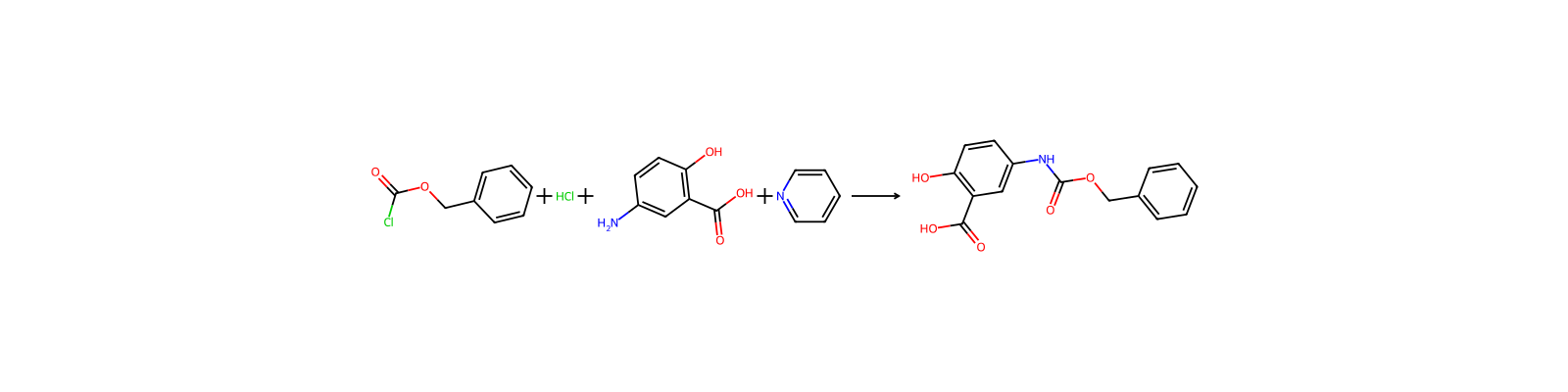
関連反応
163 件



関連ノート
読み込み中…