

基本情報
- 標準SMILES
C1N2CN3CN1CN(C2)C3- InChIKey
VKYKSIONXSXAKP-UHFFFAOYSA-N- 分子式
- C6H12N4
- 平均分子量
- 140.19 g/mol
- 単同位体質量
- 140.10619638
概要
Hexamethylenetetramine appears as odorless white crystalline powder or colorless lustrous crystals. Sublimes in a vacuum at about 505 °F with some decomposition. Solutions are strong bases (pH of 0.2 molar aqueous solution is 8.4). (NTP, 1992)
名称と識別子
- 優先名称
- Hexamethylenetetramine
- IUPAC
- 1,3,5,7-tetrazatricyclo[3.3.1.13,7]decane
- 現地名
- ヘキサメチレンテトラミン
- 英語名
- Hexamethylenetetramine
- 分子式
- C6H12N4
- 分子量
- 140.19
名称と別名
methenamineHexamethylenetetramine100-97-0HexamineUrotropineUrotropin1,3,5,7-TetraazaadamantaneUritoneHMTAHexamethylenamineFormamineHexamethylene tetramine
名称をさらに表示
ヘキサメチレンテトラミンヘキサミン1,3,5,7-テトラアザアダマンタンシスタミン【利尿薬】シストゲンメテナミンウロトロピンアミノホルム1,3,5,7-テトラアザトリシクロ[3.3.1.13,7]デカンウリトンアセトHMTホルマミンシスタミンアモホルムホルミン1,3,5,7-テトラアザトリシクロ[3,3,1,13,7]デカン (別名 ヘキサメチレンテトラミン)1,3,5,7-テトラアザトリシクロ[3.3.1.13.7]デカンウロトロピン(ヘキサメチレンテトラミン)ヘキサエチレンテトラミンヘキサメチレンテトラミン標準品hexamethylentetramineWLTPmethamine
MethenaminAmmoformCystaminCystogenAmmonioformaldehydeForminAceto HMTHexamethylenetetraamine
データベース識別子
- CAS
100-97-0、37604-90-3- PubChem CID
- 4101
- DTXSID
DTXSID6020692- ChEMBL
CHEMBL1201270- ChEBI
CHEBI:6824- UNII
- J50OIX95QV
- EC Number
- 202-905-8、629-509-1、925-145-5
- Nikkaji
- J1.072.370A、J39.765B
物性
構造計算による物性
- XLogP
- 0.3
- 極性表面積
- 13 Ų
- 水素結合供与体数
- 0
- 水素結合受容体数
- 4
- 回転可能結合数
- 0
- 重原子数
- 10
- 形式電荷
- 0
- 複雑度
- 84.8
実験および物理化学的性質
Chemical Classes
Nitrogen Compounds -> Amines, Aliphatic
Pharmaceutical
Drugs
Pharmaceuticals -> Listed in ZINC15
Pharmaceuticals -> Antibiotics
Pharmaceuticals
Cosmetics
Cosmetic ingredients (Methenamine) -> CIR (Cosmetic Ingredient Review)
Preservative
pHpH of 0.2 molar aqueous solution: 8.4
SpringerMaterials Properties15N nuclear magnetic resonance spectrum
Pesticides
Agrochemicals -> Pesticide active substances
Active substance -> EU Pesticides database: Not approved
Bactericides
LogP
log Kow = -2.18 at pH 7-9, 20 °C
-2.84
Odor
Odorless
Practically odorless
Density
1.35 at 68 °F (USCG, 1999) - Denser than water; will sink
1.3394 g/cu cm at 22 °C
Density: 1.27 at 25 °C
1.33 g/cm³
1.331 @ -5°C
Color/Form
Crystallizes from ethanol as colorless, hygroscopic rhombododecahedra.
Colorless crystalline solid
Colorless, lustrous crystals or white crystalline powder
White, crystalline powder or colorless, lustrous crystals
Solubility
greater than or equal to 100 mg/mL at 68 °F (NTP, 1992)
In water, 302,300 mg/L at 25 °C
Solubility of methenamine in 100 g of various solvents at 20 °C is: 13.4 g chloroform, 7.25 g in methanol, 2.89 g in absolute ethanol, 0.65 g in acetone, 0.23 g in benzene, 0.14 g in xylene, 0.06 g in ether, and near zero in petroleum ether.
At 12 °C, 81.3 g dissolves in 100 g of water; the solubility decreases slightly with increasing temperature.
Freely soluble in water; practically insoluble in petroleum ether
For more Solubility (Complete) data for METHENAMINE (6 total), please visit the HSDB record page.
Flash Point
482 °F (NTP, 1992)
482 °F
250 °C (482 °F) - closed cup
250 °C c.c.
物理化学的性質
- 融点
- 280 °C · 280 °C (subl.) (lit.)
- 沸点
- 246.7 °C · 246.7°C (rough estimate)
- 比重(密度)
- 1.33 · 1.33
- 蒸気密度
- 4.9 · 4.9 (vs air)
- 蒸気圧
- 0.01 mm · <0.01 mm Hg ( 20 °C)
- 屈折率
- 1.426 · 1.4260 (estimate)
- 闪点
- 482 °F · 482 °F
- 貯蔵温度
- 30 °C · Store below +30°C.
- 溶解性
- 2 O: · H2O: 1M at20℃、透明、無色
- 外見
- 個体
- 酸解離定数(Pka)
- 5.1 · 5.1(at 25℃)
- 色
- 白い
- 臭い (Odor)
- 無臭
- PH
- 7 · 7-10 (100g/l, H2O, 20℃)
- 水溶解度
- 895 g/L · 895g/L(20℃)
- Merck
- 14 · 14,5966
- BRN
- 2018 · 2018
- Henry's Law Constant
- 6.2 · 6.2×103 mol/(m3Pa) at 25℃, HSDB (2015)
- 安定性
- 安定。強酸、強酸化剤とは相容れない。
- 化粧品成分の機能
- 防腐剤抗菌剤
- InChI
- 1S/C6H12N4/c1-7-2-9-4-8(1)5-10(3-7)6-9/h1-6H2
- InChIKey
- VKYKSIONXSXAKP-UHFFFAOYSA-N
- SMILES
- C1N2CN3CN1CN(C2)C3
- LogP
- -2.18 · -2.18--2 at 20℃
- CAS データベース
- 100 · 100-97-0(CAS DataBase Reference)
- NISTの化学物質情報
- Hexamethylenetetramine(100-97-0)
- EPAの化学物質情報
- Hexamethylenetetramine (100-97-0)
化学的性質
化学的特性White or almost white, crystalline powder or colourless crystals.
安全と法規制
GHS分類
GHS Classification
Warning
H228: Flammable solid [Danger Flammable solids]
P210, P240, P241, P261, P272, P280, P302+P352, P321, P333+P317, P362+P364, P370+P378, and P501 (click each P-code to see the statement)
Danger
H228 (100%): Flammable solid [Danger Flammable solids]
P210, P240, P241, P261, P272, P280, P302+P352, P321, P333+P317, P362+P364, P370+P378, and P501 (click each P-code to see the statement)
危険有害性情報
Regulatory Information
Chemical: 1,3,5,7-Tetraazatricyclo[3.3.1.13,7]decane
Regulation (EC) No 1831/2003 (amended)
1,3,5,7-Tetraazatricyclo[3.3.1.13,7]decane is listed on the EPA's Chemical Data Reporting (CDR) system. Manufacturers and importers of 1,3,5,7-Tetraazatricyclo[3.3.1.13,7]decane are required to report information about their production and use of this chemical to the EPA under the Toxic Substances Control Act (TSCA). (40 eCFR Part 711)
2007/442
Status: Active Update: 19-10-2022 https://echa.europa.eu/registration-dossier/-/registered-dossier/15907
Hexamethylenetetramine: Does not have an individual approval but may be used under an appropriate group standard
Other Safety InformationIMAP assessments - 1,3,5,7-Tetraazatricyclo[3.3.1.13,7]decane: Human health tier II assessment
DOT LabelFlammable Solid
Fire Hazards
Special Hazards of Combustion Products: Formaldehyde gas and ammonia may be given off when hot. (USCG, 1999)
· Flammable/combustible material.
Combustible. Gives off irritating or toxic fumes (or gases) in a fire. Finely dispersed particles form explosive mixtures in air.
Fire PotentialCombustible.
Health Hazards
SYMPTOMS: Symptoms of exposure to this compound may include irritation of the skin, eyes, mucous membranes and upper respiratory tract. Exposure may cause skin rash and kidney irritation. Inhalation may cause coughing and shortness of breath. It may cause corrosion of the respiratory tract. Skin contact may cause redness, pain, rashes and burns of the skin. Eye contact may cause redness, pain and blurred vision. Ingestion of this compound may cause urinary tract irritation, digestive disturbances, and severe nephritis which may be fatal. If large amounts are ingested it can cause sore throat, abdominal pain, vomiting, diarrhea, painful and frequent urination, and blood in the urine. Large oral doses can also cause gastrointestinal irritation, albuminuria, hemorrhagic cystitis, mild azotemia, gross hematuria and dysuria, with inflammatory lesions in the renal tubules, renal pelvis, and urinary bladder. It can also cause irritation of the bladder, and nausea. Repeated use can lead to skin sensitization with urticaria or dermatitis. Prolonged contact can cause smarting and reddening of the skin. It can produce an asthma-like condition. Kidney damage has been reported.
· Fire may produce irritating and/or toxic gases.
Hazards SummaryA skin and eye irritant; A skin sensitizer; May cause asthma; [ICSC] Danger of skin sensitization; [MAK] TLV Basis is dermal sensitization. No evidence of increased risk of occupational asthma at concentrations of 0.2-2.6 mg/m3.
DOT ID and Guide1328 133
FDA Requirements
Drug products containing certain active ingredients offered over-the-counter (OTC) for certain uses. A number of active ingredients have been present in OTC drug products for various uses, as described below. However, based on evidence currently available, there are inadequate data to establish general recognition of the safety and effectiveness of these ingredients for the specified uses: Methenamine is included in orally administered menstrual drug products.
Reactive GroupAmines, Phosphines, and Pyridines
EC ClassificationSymbol: F, Xn; R: 11-42/43; S: (2)-16-22-24-37
UN ClassificationUN Hazard Class: 4.1; UN Pack Group: III
安全と保護具
Fire Fighting
Excerpt from ERG Guide 133 [Flammable Solids]:
Use water spray, foam, powder.
First Aid Measures
Fresh air, rest. Refer for medical attention.
Remove contaminated clothes. Rinse and then wash skin with water and soap. Refer for medical attention .
First rinse with plenty of water for several minutes (remove contact lenses if easily possible), then refer for medical attention.
Rinse mouth. Give a slurry of activated charcoal in water to drink. Refer for medical attention .
Accidental Release Measures
· CALL 911. Then call emergency response telephone number on shipping paper. If shipping paper not available or no answer, refer to appropriate telephone number listed on the inside back cover.
· ELIMINATE all ignition sources (no smoking, flares, sparks or flames) from immediate area.
First Aid
EYES: First check the victim for contact lenses and remove if present. Flush victim's eyes with water or normal saline solution for 20 to 30 minutes while simultaneously calling a hospital or poison control center. Do not put any ointments, oils, or medication in the victim's eyes without specific instructions from a physician. IMMEDIATELY transport the victim after flushing eyes to a hospital even if no symptoms (such as redness or irritation) develop.
General First Aid:
Safe StorageSeparated from strong acids and strong oxidants. Dry.
Exposure Control and Personal Protection· Wear positive pressure self-contained breathing apparatus (SCBA).
Fire Fighting Procedures
Suitable extinguishing media: Use water spray, alcohol-resistant foam, dry chemical or carbon dioxide.
Advice for firefighters: Wear self-contained breathing apparatus for firefighting if necessary.
Use water spray to cool unopened containers.
Solid streams of water may spread fire. Use water in flooding quantities as fog. Use dry chemical, graphite, or dry earth.
Storage ConditionsKeep container tightly closed in a dry and well-ventilated place. Hygroscopic. Storage class (TRGS 510): Flammable solid hazardous materials
Cleanup Methods
Accidental Release Measures: Personal precautions, protective equipment and emergency procedures: Use personal protective equipment. Avoid dust formation. Avoid breathing vapors, mist or gas. Ensure adequate ventilation. Remove all sources of ignition. Evacuate personnel to safe areas. Avoid breathing dust; Environmental precautions: Prevent further leakage or spillage if safe to do so. Do not let product enter drains; Methods and materials for containment and cleaning up: Sweep up and shovel. Contain spillage, and then collect with an electrically protected vacuum cleaner or by wetbrushing and place in container for disposal according to local regulations. Keep in suitable, closed containers for disposal.
Toxic compd can be removed by reverse osmosis. Hexamethyleneamine treated with oxygen in presence of pyrolusite ores to form HCO2H & NaNO3 which can be removed by biol treatment.
Nonfire Spill Response
SMALL SPILLS AND LEAKAGE: If you spill this chemical, you should dampen the solid spill material with water, then transfer the dampened material to a suitable container. Use absorbent paper dampened with water to pick up any remaining material. Seal your contaminated clothing and the absorbent paper in a vapor-tight plastic bag for eventual disposal. Wash all contaminated surfaces with a soap and water solution. Do not reenter the contaminated area until the Safety Officer (or other responsible person) has verified that the area has been properly cleaned.
Disposal Methods
SRP: Expired or waste pharmaceuticals shall carefully take into consideration applicable DEA, EPA, and FDA regulations. It is not appropriate to dispose by flushing the pharmaceutical down the toilet or discarding to trash. If possible return the pharmaceutical to the manufacturer for proper disposal being careful to properly label and securely package the material. Alternatively, the waste pharmaceutical shall be labeled, securely packaged and transported by a state licensed medical waste contractor to dispose by burial in a licensed hazardous or toxic waste landfill or incinerator.
SRP: At the time of review, criteria for land treatment or burial (sanitary landfill) disposal practices are subject to significant revision. Prior to implementing land disposal of waste residue (including waste sludge), consult with environmental regulatory agencies for guidance on acceptable disposal practices.
Product: Burn in a chemical incinerator equipped with an afterburner and scrubber but exert extra care in igniting as this material is highly flammable. Offer surplus and non-recyclable solutions to a licensed disposal company. Contact a licensed professional waste disposal service to dispose of this material; Contaminated packaging: Dispose of as unused product.
Spillage Disposal
Personal protection: filter respirator for organic gases and particulates adapted to the airborne concentration of the substance. Sweep spilled substance into covered containers. If appropriate, moisten first to prevent dusting. Wash away remainder with plenty of water.
毒性情報
Interactions
/In vet use/...in vivo synergism with antimicrobials has been demonstrated.
Diuretics, such as...thiazides can alkalinize urine & thus theoretically would limit usefulness of methenamine as well as its mandelate & hippurate salts...
Formaldehyde and some sulfonamides (e.g., sulfamethizole, sulfathiazole (not commercially available in the US)) form an insoluble precipitate in acid urine; therefore, methenamine salts should not be administered concomitantly with sulfonamides.
Hepatotoxicity
In prospective controlled trials, methenamine was generally well tolerated at conventional doses and no episodes of serum aminotransferase elevations or clinically apparent liver injury were reported. Since its approval and in over 100 years of general use, there have been no reports of clinically apparent liver injury attributable to methenamine. Thus, clinically apparent liver injury from methenamine must be rare if it occurs at all.
Ecotoxicity Values
LC50; Species: Nitocra spinipes (Harpacticoid Copepod) adult, length 0.6-0.8 mm; Conditions: saltwater, static, 10 °C, pH 7.8, salinity 7 ppt, alkalinity 75 mg/L CaCO3, dissolved oxygen >5 mg/L; Concentration: 92500000 ug/L for 96 hr (95% confidence interval: 26800000-305000000 ug/L) /formulation/
LC50; Species: Alburnus alburnus (Bleak) length 8 cm; Conditions: saltwater, static, 10 °C, pH 7.8, salinity 7 ppt, alkalinity 75 mg/L CaCO3, dissolved oxygen >5 mg/L; Concentration: >10000000 ug/L for 96 hr /formulation/
LC50; Species: Pimephales promelas (Fathead Minnow) 33 days, length 18.8 mm, weight 0.096 g; Conditions: freshwater, flow through, 25.2 °C, pH 7.8, hardness 44.9 mg/L CaCO3, dissolved oxygen 5.8 mg/L; Concentration: 49800000 ug/L for 96 hr (95% confidence interval: 44600000-55600000 ug/L) /99% purity/
LC50; Species: Cyprinodon variegatus (Sheepshead Minnow); Conditions: saltwater, static, pH 7.7, salinity 20.5 ppt, alkalinity 174 mg/L CaCO3; Concentration: 49000000 ug/L for 96 hr (95% confidence interval: 35885000-66908000 ug/L) /formulation/
Environmental Fate
TERRESTRIAL FATE: Based on a classification scheme(1), an estimated Koc value of 10(SRC), determined from a structure estimation method(2), indicates that methenamine is expected to have very high mobility in soil(SRC). The pKa of methenamine is 4.89(3), indicating that this compound will exist partially in cation form in the environment and cations generally adsorb more strongly to soils containing organic carbon and clay than their neutral counterparts(4). Volatilization of methenamine from moist soil surfaces is not expected to be an important fate process(SRC) given an estimated Henry's Law constant of 3.7X10⁻¹⁰ atm-cu m/mole(SRC), derived from its vapor pressure, 6.1X10⁻⁴ mm Hg(5), and water solubility, 3.02X10+5 mg/L(6). Methenamine is not expected to volatilize from dry soil surfaces based on its vapor pressure(SRC). Various biolodegradation screening studies have observed between 28-100% degradation of methenamine(7) suggesting that biodegradation is an important environmental fate process in soil(SRC). However, part (or most) of the degradation may be explained by hydrolysis to form formaldehyde and ammonia followed by biodegradation with the degradation rate increasing with acidity(7). Hydrolysis is expected to be an important fate process, especially in moist acidic soils. Aqueous hydrolysis half-lives of 13.8 hours and 1.6 hours have been measured at 37.5 °C and pH 5.8 and pH 2 respectively(8).
AQUATIC FATE: Based on a classification scheme(1), an estimated Koc value of 10(SRC), determined from a structure estimation method(2), indicates that methenamine is not expected to adsorb to suspended solids and sediment(SRC). Volatilization from water surfaces is not expected(3) based upon an estimated Henry's Law constant of 3.7X10⁻¹⁰ atm-cu m/mole(SRC), derived from its vapor pressure, 6.1X10⁻⁴ mm Hg(4), and water solubility, 3.02X10+5 mg/L(5). According to a classification scheme(6), an estimated BCF of 3(SRC), from its log Kow of -2.18(7) and a regression-derived equation(2), suggests the potential for bioconcentration in aquatic organisms is low(SRC). Various biolodegradation screening studies have observed between 28-100% degradation of methenamine(8) suggesting that biodegradation is an important environmental fate process in soil(SRC). However, part (or most) of the degradation may be explained by hydrolysis to form formaldehyde and ammonia followed by biodegradation with the degradation rate increasing with acidity(8). Aqueous hydrolysis half-lives of 13.8 hours and 1.6 hours have been measured at 37.5 °C and pH 5.8 and pH 2 respectively(9).
ATMOSPHERIC FATE: According to a model of gas/particle partitioning of semivolatile organic compounds in the atmosphere(1), methenamine, which has a vapor pressure of 6.1X10⁻⁴ mm Hg at 25 °C(2), will exist in both the vapor and particulate phases in the ambient atmosphere. Vapor-phase methenamine is degraded in the atmosphere by reaction with photochemically-produced hydroxyl radicals(SRC); the half-life for this reaction in air is estimated to be 45 minutes(SRC), calculated from its rate constant of 5.1X10⁻¹⁰ cu cm/molecule-sec at 25 °C(SRC) that was derived using a structure estimation method(3). Particulate-phase methenamine may be removed from the air by wet and dry deposition(SRC).
Food Survey ValuesMethenamine was not detected in Korean retail provolone cheese, glass noodle and tofu snack (detection limit 0.3-1.0 mg/kg)(1).
Adverse EffectsSkin Sensitizer - An agent that can induce an allergic reaction in the skin.
Exposure RoutesThe substance can be absorbed into the body by inhalation of its aerosol and by ingestion.
Milk ConcentrationsMethenamine is excreted into breast milk.
Toxicity Summary
On the basis of the animal and clinical data presented in this report, the CIR Expert Panel concludes that Methenamine is safe for cosmetic use at concentrations not to exceed 0.16% in formulation. It cannot be concluded that Methenamine is safe for use in cosmetic products intended to be aerosolized.
Safe for use in cosmetics, with qualifications
IDENTIFICATION AND USE: Methenamine is a white or colorless crystalline solid. It is an anti-infective agent. Methenamine hippurate tablets, USP are indicated for prophylactic or suppressive treatment of frequently recurring urinary tract infections when long-term therapy is considered necessary. Non-medical uses include the following: in adhesives, coatings, and sealing compounds; as cross-linking agent for hardening phenol-formaldehyde resin and vulcanizing rubber; as corrosion inhibitor for steel; as fuel tablets for camping stoves; as stabilizer for lubricating and insulating oils; in the chemical detection of metals; in the preservation of hides; as dye fixative; for the manufacture of explosive compounds; antimicrobial food additive. HUMAN EXPOSURE AND TOXICITY: GI distress frequently is caused by doses >500 mg four times a day, even with enteric coated tablets. Painful and frequent micturition, albuminuria, hematuria, and rashes may result from doses of 4 to 8 g/day given for longer than 3-4 weeks. Inhalation may cause asthma-like reactions in previously sensitized individuals. Vapors or solutions have produced skin irritation. Methenamine does not appear to be linked to congenital defects. ANIMAL STUDIES: Studies on rats, mice, cats, and guinea pigs suggest that methenamine is moderately toxic following acute exposure. Mild irritation occurred when a 5% solution of a mixture that contained 40% methenamine was placed on the skin of guinea pigs. In chronic toxicity studies in dogs and rats receiving oral methenamine, gastric and bladder irritation occurred with some hemorrhagic sites and ulceration. Methenamine hippurate has been administered to rats for 12 months and to monkeys for 6 months at dosages equivalent to twice the usual recommended human dosage without evidence of adverse effects. Dogs have received single IV dosages of up to 600 mg/kg of methenamine hippurate without overt toxic effects.
Signs and Symptoms
Cough.
Redness. Pain.
Redness. Pain.
Abdominal pain. Nausea. Vomiting.
Ongoing Test Status
EPA has released the Interactive Chemical Safety for Sustainability (iCSS) Dashboard. The iCSS Dashboard provides an interactive tool to explore rapid, automated (or in vitro high-throughput) chemical screening data generated by the Toxicity Forecaster (ToxCast) project and the federal Toxicity Testing in the 21st century (Tox21) collaboration. /The title compound was tested by ToxCast and/or Tox21 assays/[USEPA; ICSS Dashboard Application; Available from, as of December 17, 2015: http://actor.epa.gov/dashboard/]
Effluent ConcentrationsMethenamine was identified as a volatile organic compound emitted from various types of furniture coatings(1).
法規制情報
FDA Requirements
Drug products containing certain active ingredients offered over-the-counter (OTC) for certain uses. A number of active ingredients have been present in OTC drug products for various uses, as described below. However, based on evidence currently available, there are inadequate data to establish general recognition of the safety and effectiveness of these ingredients for the specified uses: Methenamine is included in orally administered menstrual drug products.
FIFRA Requirements
Residues of hexamethylenetetramine are exempted from the requirement of a tolerance when used in accordance with good agricultural practice as inert (or occasionally active) ingredients in pesticide formulations applied to growing crops or to raw agricultural commodities after harvest. Use: Preservative. Limit: For use in citrus washing solutions only at not more than 1%.
Residues of hexamethylenetetramine are exempted from the requirement of a tolerance when used in accordance with good agricultural practice as inert (or occasionally active) ingredients in pesticide formulations applied to growing crops only. Use: Stabilizer for carriers in solid pesticide formulations. Limit: None.
Atmospheric Standards
This action promulgates standards of performance for equipment leaks of Volatile Organic Compounds (VOC) in the Synthetic Organic Chemical Manufacturing Industry (SOCMI). The intended effect of these standards is to require all newly constructed, modified, and reconstructed SOCMI process units to use the best demonstrated system of continuous emission reduction for equipment leaks of VOC, considering costs, non air quality health and environmental impact and energy requirements. Hexamethylenetetramine is produced, as an intermediate or a final product, by process units covered under this subpart.
安全データ
- F
- 9-23
- wgk
- 1
- tsca
- TSCA listed
- rtecs
- MN4725000
- ridadr
- UN 1328
- 毒性
- LD50 orally in Rabbit: 9200 mg/kg
- PRTR法
- 第一種指定化学物質
- hs_code
- 2933 69 40
- risk_code
- 11-42/43-43
- 化審法
- (5)-1155
- 安衛法
- 変異原性物質
- hazard_code
- F,Xn,Xi
- safety_code
- 16-22-24-37
- hazard_class
- 4.1
- packing_group
- III
- 自然発火温度
- 770 °F
- 環境リスク評価
- ヘキサメチレンテトラミン(100-97-0)
- Hazard Classifications
- Flam. Sol. 2Skin Sens. 1B
- ストレージクラス
- 4.1B - Flammable solid hazardous materials
- 有毒物質データの
- 100-97-0(Hazardous Substances Data)
化学と産業
薬理情報
ATC Code
J - Antiinfectives for systemic use
QJ - Antiinfectives for systemic use
PharmacodynamicsIngestion of a 1-gram dose of methenamine hippurate produces antibacterial activity in the urine within 1/2 hour. Administration of 1 g twice daily produces continuous antibacterial activity in the urine.
Mechanism of Action
Methenamine does not have antibacterial properties in an alkaline environment (pH≥6); however, in a more acidic environment (pH<6), methenamine is hydrolyzed to formaldehyde. (1) Formaldehyde is considered to be highly bactericidal. (1) Formaldehyde has nonspecific antibacterial activity and works by denaturing proteins and nucleic acid of bacteria. (1) Certain bacteria such as Proteus sp. can alkalize urine, inhibiting the beneficial activity of formaldehyde. (1) The key role of the salt component of the drug, for example hippuric acid, is to maintain the acidic state of the urine. (1)
Biological Half-LifeElimination half-life = 3-4 hours assuming normal renal function. (1)
Metabolism/Metabolites
When in acidic urine (pH<6), methenamine is hydrolyzed to formaldehyde which acts as an antiseptic. (1)
Approximately 10-30% of an oral dose of methenamine is hydrolyzed by gastric acidity to formaldehyde and ammonia. When methenamine mandelate is administered as enteric-coated tablets, the percentage of the dose hydrolyzed in the GI tract and the rate of absorption of the drug are reduced.
Within 24 hours, 70-90% or more of a single oral dose of methenamine or one of its salts is excreted intact in the urine by glomerular filtration and tubular secretion. When the urine is acidic, methenamine is hydrolyzed to formaldehyde and ammonia; maximum hydrolysis occurs when urine pH is 5.5 or less.
Methenamine hippurate was administered orally as tablets or granules to healthy volunteers. Plasma concentrations of methenamine reached a maximum 1--2 hours after a single dose and then declined with a half-life of about 4 hours. The apparent distribution volume was similar to that of total body water. Renal clearance of methenamine was somewhat lower than that of creatinine. In cross-over experiments over six days, methenamine recovered in the urine corresponded to about 80 per cent of the dose given per 12 hours, slightly lower values being obtained from granules than from tablets. The efficient renal elimination of methenamine was confirmed in similar studies on patients post-operatively. Methenamine hippurate was also given to healthy pregnant women during labor, a few hours before expected delivery. Methenamine was found to pass the placental barrier. The concentration of methenamine in umbilical cord plasma was low but reached the level in maternal plasma after about 4 hours. In amniotic fluid the methenamine concentration was low and varying. No correlation was obtained to the maternal or umbilical cord plasma levels.
Methenamine & its salts are...rapidly excreted in urine where, providing the urine is acidic, methenamine is transformed to formaldehyde & ammonia.
MeSH Pharmacological ClassificationSubstances capable of killing agents causing urinary tract infections or of preventing them from spreading.
Absorption, Distribution and Excretion
After oral administration, rapid absorption of methenamine occurs. (1)
Methenamine is primarily eliminated via the kidneys. (1)
70-90% of a single oral dose of methenamine is excreted unchanged in the urine within 24 hours. (1)
/MILK/ The drug is distributed into milk.
Methenamine crosses the placenta.
The urinary excretion of both methenamine and formaldehyde was measured for 48 hr after the oral administration of 10 different methenamine products to 10 human subjects in a crossover study. The following dosage forms were evaluated: a tablet of methenamine base, a methenamine hippurate tablet, and eight products containing methenamine mandelate, including six enteric-coated tablets, a suspension, and a granule dosage form. The nonenteric-coated dosage forms were absorbed more rapidly, based on maximum excretion rates that occurred within 3 hr after dosing. The enteric-coated tablets, which were designed not to release methenamine until reaching the intestinal tract, exhibited maximum excretion rates that did not occur until 7-17 hr after dosing. There were no significant differences (p greater than 0.05) among products in terms of total excretion of free formaldehyde in the urine. However, large differences (p less than 0.05) were noted among products for urinary recovery of total methenamine, with the amount of administered dose recovered ranging from 16 to 83%.
Cellular LocationsCytoplasm
用途と製造
Uses
CIR ingredient: Methenamine
Used in adhesives, coatings, sealants, and leather preservatives; also used as an anticorrosion agent, antibiotic, dye fixative, chemical stabilizer, and curing agent for formaldehyde resins and rubber; [HSDB] Used as a drug (methenamine) taken by mouth to prevent recurrent urinary tract infections; [Medscape DrugInfo] Used as a hardener for epoxy resins of the bisphenol A type; Used in the tire, rubber, foundry, and phenol-formaldehyde resin industries; Sometimes used in topical drugs and cosmetics; [Kanerva, p. 1811] Used as a formaldehyde releaser for photographic film development. [Kanerva, p. 1054-5]
Molding and Core Making [Category: Foundry]
Anti-Infective Agents, Urinary
For methenamine (USEPA/OPP Pesticide Code: 045501) there are 0 labels match. /SRP: Not registered for current use in the U.S., but approved pesticide uses may change periodically and so federal, state and local authorities must be consulted for currently approved uses./
HMTA is used in the rubber industry to prevent vulcanized rubber from blocking and as a accelerator, as a curing agent for thermosetting resins (particularly phenyl-formaldehyde and urea-formaldehyde resins; in foundry mold castings as part of binder resins, in the production of nitrilotriacetic acid; in the manufacture of adhesives and coatings; in firelogs and briquettes for camping; and in flame-retardent materials. Because of its unique ability to hydrolyze to formaldehyde and ammonia under acidic conditions, it is also used in pharmaceuticals, for intestinal infection, and as a preservative in the food industry.
U.S. Exports(1972) NEGLIGIBLE
U.S. Imports(1972) 5.9X10+7 G
U.S. Production
2023: 25,000,000 - <40,000,000 lb
(1972) 4.32X10+10 G
Non-confidential 2012 Chemical Data Reporting (CDR) information on the production and use of chemicals manufactured or imported into the United States. Chemical: 1,3,5,7-T etraazatricyclo[3.3.1.13,7]decane. National Production Volume: 92,925,346 lb/yr.[USEPA/Pollution Prevention and Toxics; 2012 Chemical Data Reporting Database. 1,3,5,7-T etraazatricyclo
Consumption Patterns56% AS A CURING AGENT FOR PHENOLIC RESINS; 37% AS A CHEM INT FOR THE EXPLOSIVE, CYCLONITE; & 7% IN MISC APPLICATIONS (1974)
Consumer UsesPolymerization promoter
Industry UsesChemical reaction regulator
Methods of Manufacturing
Formaldehyde and ammonia can be converted into hexamethylenetetramine in the gas phase, in aqueous solution, or in a suspension in an inert solvent, although the most important of these procedures is that carried out in water. The usual process gives a pure product in yields near 90% and includes an economical drying step.
Hexamethylenetetramine is readily prepared by treating aqueous formaldehyde with ammonia followed by evaporation and crystallization of the solid product. The reaction is fast and essentially quantitative.
Formulations/Preparations
Grade: Technical, NF (as methenamine)
Hiprex tablets contain the dye tartrazine (FD&C yellow No. 5), which may cause allergic reactons including bronchial asthma in susceptible individuals.
Household ProductsInformation on 15 consumer products that contain Methenamine in the following categories is provided:
Use Classification
Food additives
Food Additives -> PRESERVATIVE -> JECFA Functional Classes
Food Additives -> PRESERVATIVE -> JECFA Functional Classes
Bactericides
Cosmetics -> Preservative
General Manufacturing Information
Mining (except Oil and Gas) and support activities
1,3,5,7-Tetraazatricyclo[3.3.1.13,7]decane: ACTIVE
Hampshire Chemical Corporation and Monsanto Company produce HMTA as an unisolated intermediate for captive use in the production of nitriloacetic acid. /Technical/
応用分野
解説ヘキサメチレンテトラミン.ヘキサミン,ウロトロピンともいう.ホルムアルデヒドと計算量のアンモニア水をまぜてつくる.結晶性粉末.263 ℃ で昇華する.水,エタノール,クロロホルムに可溶,ベンゼン,アセトン,エーテルに難溶.酸性水溶液中では原料に分解し,低温で濃硝酸と反応して爆薬トリメチレントリニトロアミンを,還元によりメチルアミンを生じる.利尿剤,尿路消毒薬,ゴムの加硫促進剤,ビスマス,銀などの分析試薬として用いられる.
用途泌尿器官系において、抗菌作 用を示すとされています。
用途泌尿器官系において、抗菌作 用を示すとされています。
用途pH緩衝剤。医薬原料。合成樹脂硬化促進剤、ゴム加硫促進剤。
説明Hexamethylenetetramine is a hardener in epoxy resins of the bisphenol A type and can also be used as an anticorrosive agent. It is a sensitizing agent in ceramics workers.
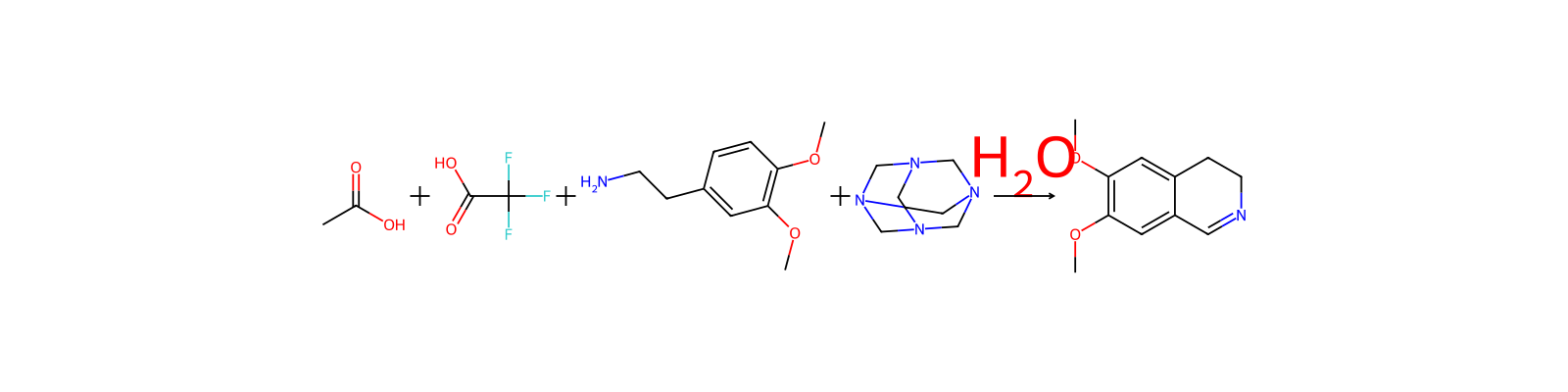
使用Hexamethylenetetramine is a versatile reagent in organic synthesis. It is used in the Duff reaction, the Sommelet reaction, and in the Delepine reaction.
一般的な説明Odorless white crystalline powder or colorless lustrous crystals. Sublimes in a vacuum at about 505° F with some decomposition. Solutions are strong bases (pH of 0.2 molar aqueous solution is 8.4).
使用用途ヘキサメチレンテトラミンは、治療薬に使用可能です。具体的には、適応症や膀胱炎、尿路感染症などが挙げられます。作用機序は、まずヘキサメチレンテトラミンが尿中でホルムアルデヒドになります。 そのホルムアルデヒドは、尿路で防腐性を有するため、尿路防腐剤として利用可能です。また、食品用の防腐保存剤も使用用途として挙げられます。海外では、チーズやイクラに添加されて使用されていますが、日本では食品防腐保存剤として用いられていません。
調製方法
製造方法Hexamethylenetetramine (also known as hexamine, hexa or HMT) is prepared from ammonia and formaldehyde: Ammonia is passed into formalin at 20-30C, with agitation. The resulting solution is evaporated under reduced pressure until most of the water is removed and the hexamethylenetetramine crystallizes. Yields of about 95% on both ammonia and formaldehyde can be achieved. Hexamethylenetetramine is a colourless crystalline solid which, on heating, sublimes with decomposition.
純化方法It is soluble in H2O (67%), CHCl3 (10%), EtOH (8%) and Et2O (0.3%), and a 0.2M solution has a pH of 8.4. Dissolve it in hot absolute EtOH (reflux, Norit), filter using a heated funnel, cool at room temperature first, then in ice. Wash the crystals with cold Et2O, dry them in air or under a vacuum. A further crop can be obtained by adding Et2O to the filtrate. It sublimes above 260o without melting. The picrate has m 179o(dec). [pK2 0 4.85: Reilley & Schmid Anal Chem 30 947 1958, pK2 0 6.30: Pummerer & Hofmann Chem Ber 56 1255 1923.] [Beilstein 26 I 306, 26 II 200, 26 III/IV 1680.]
上流・下流製品情報
上流原料
下流製品
補足説明
定義ChEBI: A polycyclic cage that is adamantane in which the carbon atoms at positions 1, 3, 5 and 7 are replaced by nitrogen atoms.
関連反応
699 件


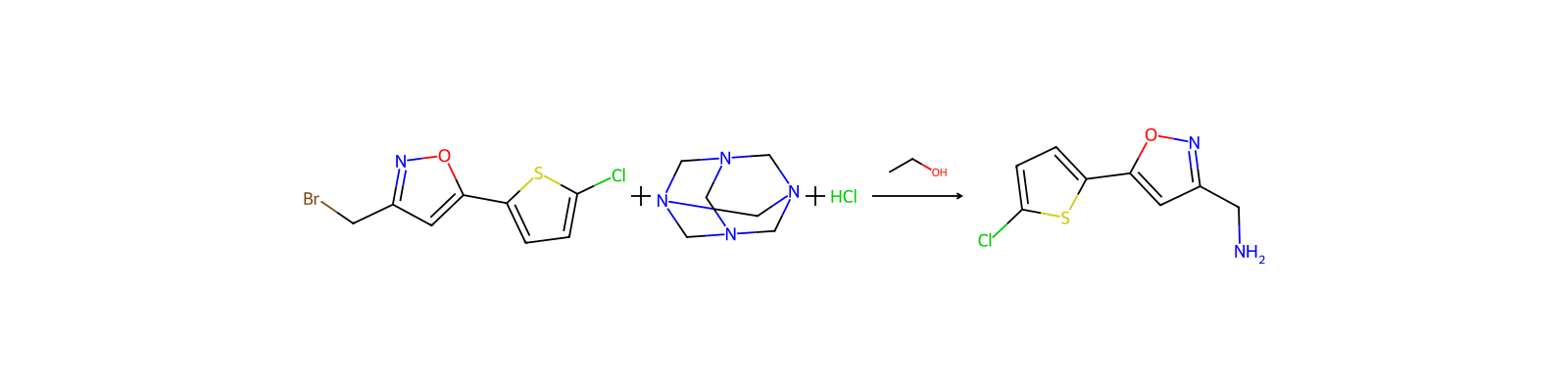
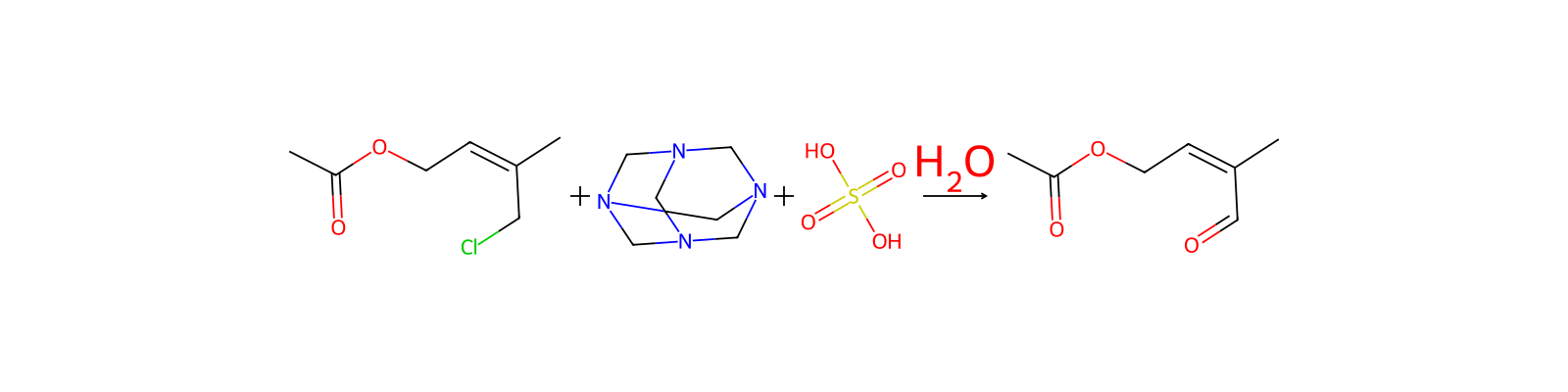
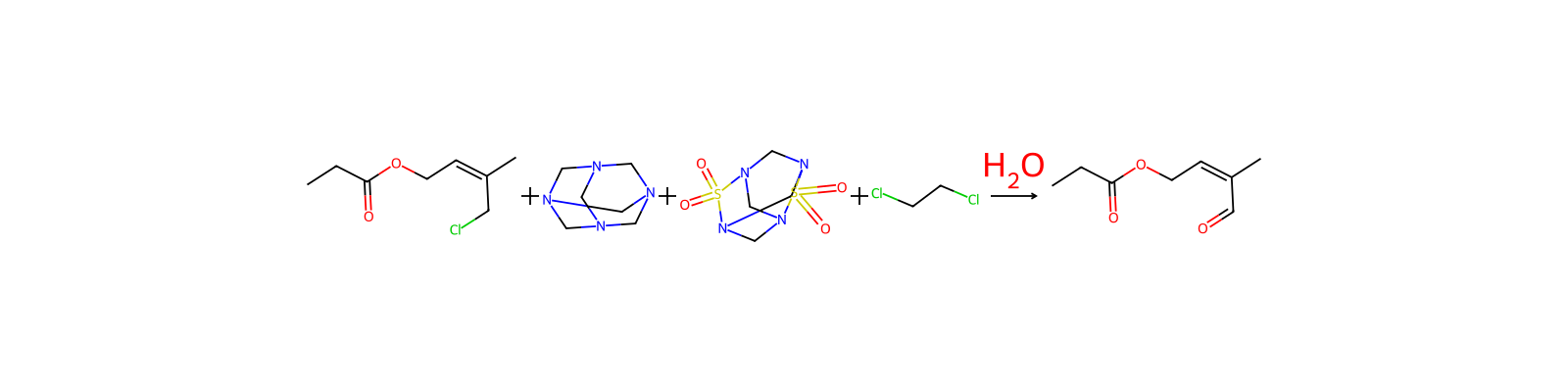
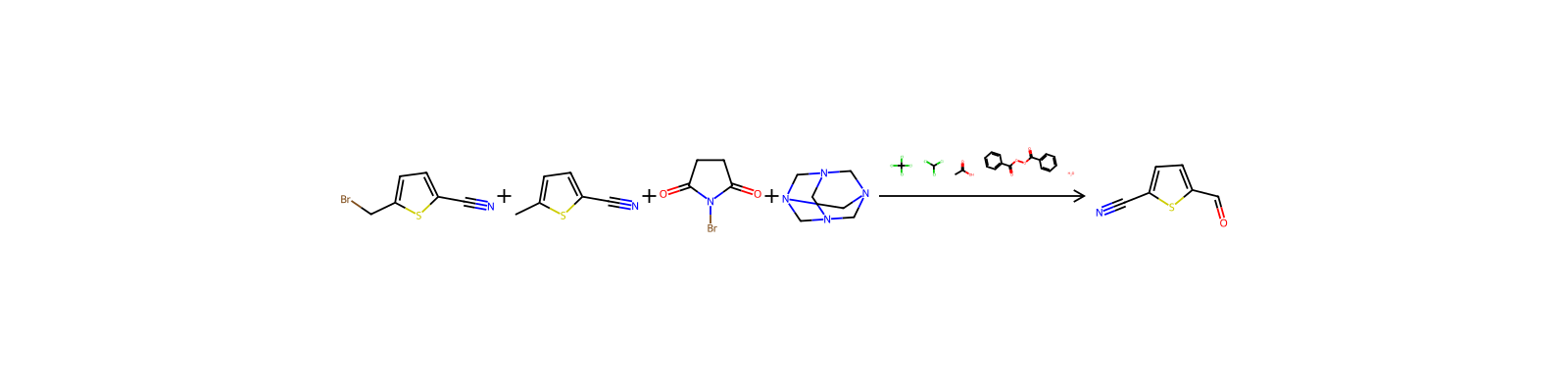
関連ノート
読み込み中…