ナトリウムチオシアナート
Sodium thiocyanate

基本情報
- CAS
540-72-7- 標準SMILES
N#C[S-].[Na+]- InChIKey
VGTPCRGMBIAPIM-UHFFFAOYSA-M- 分子式
- NaSCN
- 平均分子量
- 81.07 g/mol
- 単同位体質量
- 80.96491446
概要
Sodium thiocyanate is an odorless white solid. Sinks and mixes with water. (USCG, 1999)
名称と識別子
- 優先名称
- Sodium thiocyanate
- IUPAC
- sodium thiocyanate
- 現地名
- ナトリウムチオシアナート
- 英語名
- Sodium thiocyanate
- 分子式
- CNNaS
- 分子量
- 82.08
名称と別名
SODIUM THIOCYANATE540-72-7Sodium rhodanateSodium rhodanideThiocyanate sodiumSodium sulfocyanateThiocyanic acid, sodium saltScyanNaSCNHaimasedNatrium rhodanatumNatrium thiocyanat
名称をさらに表示
チオシアン酸ナトリウムロダンソーダハイマセドナトリウムチオシアナートシアンロダンソ-ダチオシアン酸NA0.1MOL/Lチオシアン酸ナトリウム溶液(N/10)0.1MOL/L(N/10) チオシアン酸ナトリウム溶液1MOL/L(1N) チオシアン酸ナトリウム溶液チオシアン酸ナトリウム ACS REAGENT,≥98.0%チオシアン酸ナトリウム PURUM P.A.,≥98.0% (ON DRIED BASIS,AT)チオシアン酸ナトリウム REAGENT GRADE,98-102% (TITRATION)チオシアン酸ナトリウム 溶液スルホシアン酸ナトリウムロダン化ナトリウムSODIUM THIOCYsodium cyanosulfanideSodium isothiocyanate (texniy technical gradeCNNaSusafek-t-434
Sodium thiocyanideSodium sulfocyanideNatriumrhodanidDTXSID40213435W0K9HKA05DTXCID101343CHEBI:30952RefChem:184128
データベース識別子
- CAS
540-72-7- PubChem CID
- 516871
- DTXSID
DTXSID4021343- ChEMBL
CHEMBL1644028- ChEBI
CHEBI:30952- UNII
- 5W0K9HKA05
- EC Number
- 208-754-4、630-465-0
- Nikkaji
- J44.071J
物性
構造計算による物性
- 極性表面積
- 24.8 Ų
- 水素結合供与体数
- 0
- 水素結合受容体数
- 2
- 回転可能結合数
- 0
- 重原子数
- 4
- 形式電荷
- 0
- 複雑度
- 34.5
実験および物理化学的性質
Chemical ClassesMetals -> Metals, Inorganic Compounds
CosmeticsHair conditioning
Pesticides
Herbicides
Active substance -> EU Pesticides database: Not approved
Density
greater than 1 at 68 °F (USCG, 1999)
1.7 g/cm³
SolubilitySolubility in water, g/100ml at 21 °C: 139
Decomposition368 °C
Melting Point
572 °F (USCG, 1999)
~300 °C
287 °C
Vapor Pressure0.00000004 [mmHg]
Food Contact SubstancesFCS -> FDA Inventory of Food Contact Substances Listed in 21 CFR
Physical Description
Sodium thiocyanate is an odorless white solid. Sinks and mixes with water. (USCG, 1999)
Sodium thiocyanate solution (56% or less) is an odorless clear to pale yellow liquid. (USCG, 1999)
CBI; Large Crystals; Dry Powder
Colorless or white deliquescent solid; [Merck Index] Colorless odorless solid; [Aldrich MSDS]
安全と法規制
安全情報は参考情報です。供給元の安全データシート(SDS)、適用法令、専門家による評価に代わるものではありません。
GHS分類
GHS Classification
Danger
H302+H312+H332 (38.3%): Harmful if swallowed, in contact with skin or if inhaled [Warning Acute toxicity, oral; acute toxicity, dermal; acute toxicity, inhalation]
P261, P264, P264+P265, P270, P271, P273, P280, P301+P317, P302+P352, P304+P340, P305+P351+P338, P305+P354+P338, P317, P321, P330, P337+P317, P362+P364, and P501 (click each P-code to see the statement)
Aggregated GHS information provided per 799 reports by companies from 25 notifications to the ECHA C&L Inventory. Each notification may be associated with multiple companies.
Warning
H302 (100%): Harmful if swallowed [Warning Acute toxicity, oral]
危険有害性情報
Regulatory Information
Chemical: Thiocyanic acid, sodium salt
Thiocyanic acid, sodium salt (1:1) is listed on the EPA's Chemical Data Reporting (CDR) system. Manufacturers and importers of Thiocyanic acid, sodium salt (1:1) are required to report information about their production and use of this chemical to the EPA under the Toxic Substances Control Act (TSCA). (40 eCFR Part 711)
2002/2076
REACH registered substance: Sodium thiocyanate (EC: 208-754-4)
Sodium thiocyanate: Does not have an individual approval but may be used under an appropriate group standard
Other Safety InformationIMAP assessments - Thiocyanate salts: Human health tier II assessment
Fire Hazards
Special Hazards of Combustion Products: Irritating oxides of sulfur and nitrogen may form in fire. (USCG, 1999)
Special Hazards of Combustion Products: Irritating oxides of sulfur and nitrogen may form in fire. (USCG, 1999)
Not combustible. Gives off irritating or toxic fumes (or gases) in a fire.
Health Hazards
Inhalation of dust causes irritation of nose and throat. Ingestion of large doses causes vomiting, extreme cerebral excitement, convulsions, and death in 10-48 hrs.; chronic poisoning can cause flu-like symptoms, skin rashes, weakness, fatigue, vertigo, nausea, vomiting, diarrhea, confusion. Contact with eyes causes irritation. Prolonged contact with skin may produce various skin eruptions, dizziness, cramps, nausea, and mild to severe disturbance of the nervous system. (USCG, 1999)
化学と産業
用途と製造
UsesUsed to make other thiocyanates; [Merck Index] Used as preservative for foods; [WHO JECFA]
U.S. Production2023: 10,000,000 - <25,000,000 lb
Consumer UsesBinder
Industry UsesNot Known or Reasonably Ascertainable
Use Classification
Food Additives -> PRESERVATIVE -> JECFA Functional Classes
Food Additives -> PRESERVATIVE -> JECFA Functional Classes
Food Additives -> PRESERVATIVE -> JECFA Functional Classes
Cosmetics -> Hair conditioning
General Manufacturing Information
CBI
Thiocyanic acid, sodium salt (1:1): ACTIVE
応用分野
用途アクリル繊維の溶剤、染料
用途有機チオシアン酸塩の製造、分析試薬、線維の染色、黒色ニッケルメッキ、ポリアクリル酸類の溶剤、除草剤
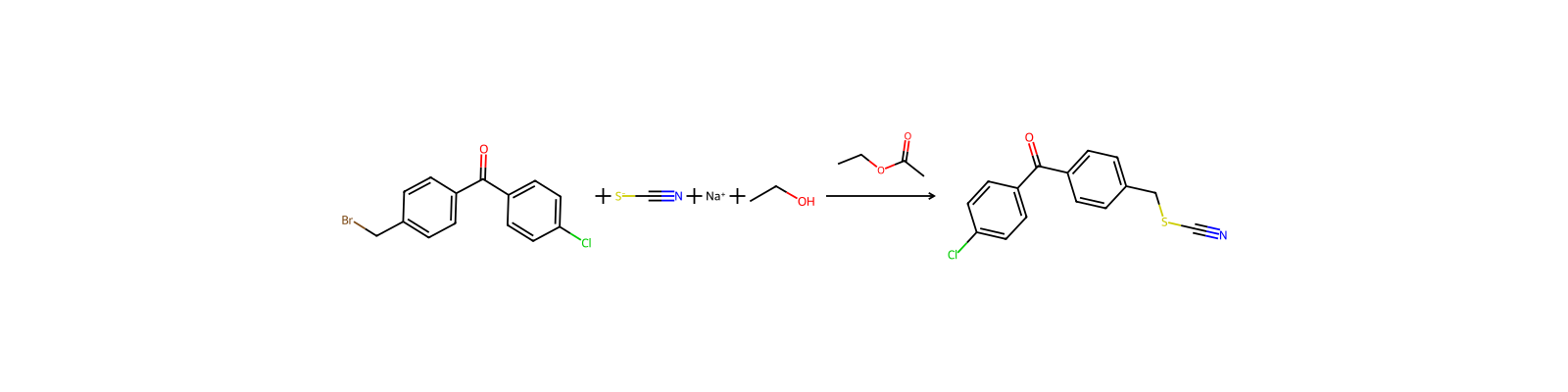
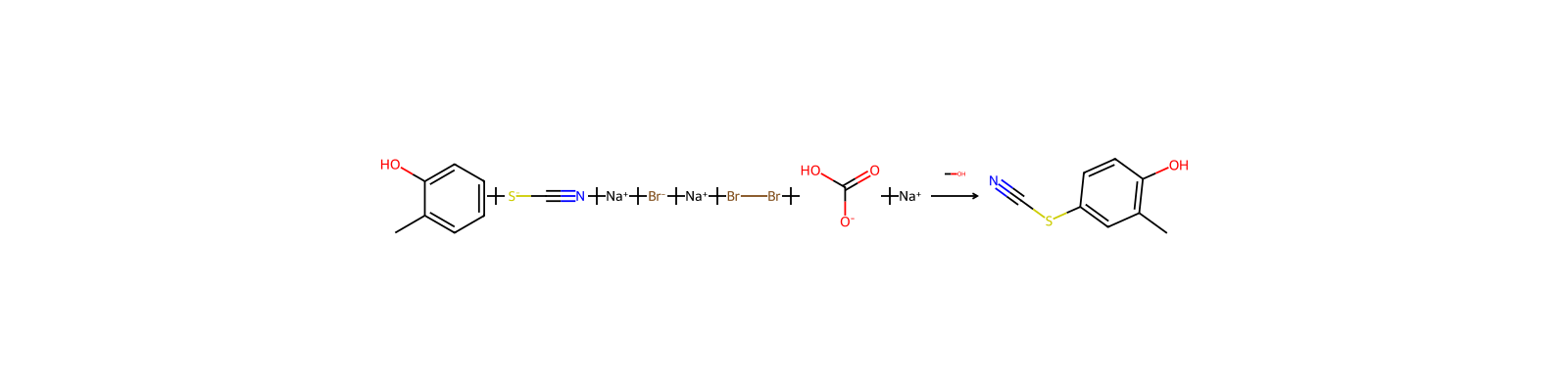
使用Sodium Thiocyanate is used widely in chemical synthesis as source of thiocyanate anion such as in the conversion of alkyl halides to alkylthiocyanates.
一般的な説明Odorless white solid. Sinks and mixes with water.
調製方法
製造方法Sodium thiocyanate is prepared by boiling an aqueous solution of sodium cyanide with sulfur: NaCN + S → NaSCN.
純化方法It is recrystallised from EtOH or Me2CO, and the mother liquor is removed from the crystals by centrifugation. It is very deliquescent and should be kept in an oven at 130o before use. It can be dried in a vacuum at 120o/P2O5 [Partington & Winterton Trans Faraday Soc 30 1104 1934]. Its solubility in H2O is 113% at 10o, 178% at 46o, 225.6% at 101.4o; in MeOH 35% at 15.8o, 51% at 48o, 53.5% at 52.3o; in EtOH 18.4% at 18.8o, 24.4% at 70.9o; and in Me2CO 6.85% at 18.8o and 21.4% at 56o [Hughes & Mead J Chem Soc 2282 1929]. Sodium thiocyanate has also been recrystallised from water, acetonitrile or from MeOH using Et2O for washing, then dried at 130o, or dried under vacuum at 60o for 2days. [Strasser et al. J Am Chem Soc 107 789 1985, Szezygiel et al. J Am Chem Soc 91 1252 1987.] (The latter purification removes material reacting with iodine.) Sodium thiocyanate solutions can be freed from traces of iron by repeated batch extractions with Et2O.
関連反応
173 件


化合物ノート
読み込み中…