
酢酸カリウム
Potassium Acetate
データを補完しています。しばらくしてからページを更新すると最新の内容を表示できます

基本情報
- CAS
127-08-2- 標準SMILES
CC(=O)[O-].[K+]- InChIKey
SCVFZCLFOSHCOH-UHFFFAOYSA-M- 分子式
- C2H3KO2
- 平均分子量
- 98.14 g/mol
- 単同位体質量
- 97.97701082
名称と識別子
- 優先名称
- Potassium Acetate
- IUPAC
- potassium acetate
- 現地名
- 酢酸カリウム
- 英語名
- Potassium Acetate
- 分子式
- C2H3KO2
- 分子量
- 98.14
名称と別名
Potassium acetate127-08-2Diuretic saltACETIC ACID, POTASSIUM SALTAcetic acid, potassium salt (1:1)Potassium ethanoateFEMA No. 2920Octan draselnyKali aceticumPotassium acetatesDTXSID7027043Potassium acetate in plastic container
名称をさらに表示
ジウレト塩酢酸カリウムカリウム=アセタート酢酸カリウム(無水)酢酸カリウム ACS REAGENT,≥99.0%酢酸カリウム PURISS. P.A.,≥99% (過塩素酸 TITRATION)酢酸カリウム PURISS.,MEETS ANALYTICAL SPECIFICATION OF PH. EUR.,BP,E261,99-101%酢酸カリウム REAGENTPLUS,≥99.0%酢酸カリウム 溶液酢酸カリウム (JAN)カリウム アセタート酢酸カリウム, 99.99%KOAcAcOKKacPotassium acetate solutionpharmAcetic acid, potassium salt, 99+%DisalMirfatRusyde
INS NO.261E261INS-261INS-261(I)DTXCID107043E-261M911911U02CHEBI:32029
データベース識別子
- CAS
127-08-2- PubChem CID
- 517044
- DTXSID
DTXSID7027043- ChEMBL
CHEMBL1201058- ChEBI
CHEBI:32029- UNII
- M911911U02
- EC Number
- 204-822-2、686-264-3
- Nikkaji
- J2.516J
物性
構造計算による物性補完中
- 極性表面積
- 40.1 Ų
- 水素結合供与体数
- 0
- 水素結合受容体数
- 2
- 回転可能結合数
- 0
- 重原子数
- 5
- 形式電荷
- 0
- 複雑度
- 34
実験および物理化学的性質
pH7,5-9,0 (5 % aqueous solution)
Density
1.6 g/cm³
1.57 @25 °C
SolubilitySolubility in water, g/100ml at 20 °C: 256
Melting Point
292 °C
309 °C
Physical Description
CBI; Large Crystals; Dry Powder; Liquid; Dry Powder; Large Crystals
Colourless, deliquescent crystals or a white crystalline powder, odourless or with a faint acetic odour
Lustrous colorless or white solid; Rapidly deliquescent; [Merck Index] White crystalline solid; [Aldrich MSDS]
WHITE FLAKES OR CRYSTALLINE POWDER.
物理化学的性質
- 融点
- 292 °C · 292 °C
- 比重(密度)
- 1.57 g/cm3 · 1.57 g/cm3 at 25 °C (lit.)
- 蒸気圧
- 1e-7 hPa · <0.0000001 hPa ( 25 °C)
- FEMA
- 2920 · 2920 | POTASSIUM ACETATE
- 屈折率
- 20 · n20/D 1.370
- 闪点
- 250 ℃ · >250℃
- 貯蔵温度
- room temp
- 溶解性
安全と法規制
安全情報は参考情報です。供給元の安全データシート(SDS)、適用法令、専門家による評価に代わるものではありません。
GHS分類
GHS Classification
This chemical does not meet GHS hazard criteria for 87.3% (418 of 479) of all reports.
Warning
H315 (11.5%): Causes skin irritation [Warning Skin corrosion/irritation];H319 (12.7%): Causes serious eye irritation [Warning Serious eye damage/eye irritation];H335 (11.5%): May cause respiratory irritation [Warning Specific target organ toxicity, single exposure; Respiratory tract irritation]
P261, P264, P264+P265, P271, P280, P302+P352, P304+P340, P305+P351+P338, P319, P321, P332+P317, P337+P317, P362+P364, P403+P233, P405, and P501 (click each P-code to see the statement)
Aggregated GHS information provided per 479 reports by companies from 11 notifications to the ECHA C&L Inventory. Each notification may be associated with multiple companies.;Reported as not meeting GHS hazard criteria per 418 of 479 reports by companies.;There are 9 notifications provided by 61 of 479 reports by companies with hazard statement code(s).;Information may vary between notifications depending on impurities, additives, and other factors. The percentage value in parenthesis indicates the notified classification ratio from companies that provide hazard codes. Only hazard codes with percentage values above 10% are shown. For more detailed information, please visit ECHA C&L website.
危険有害性情報
Regulatory Information
Chemical: Acetic acid, potassium salt
Acetic acid, potassium salt (1:1) is listed on the EPA's Chemical Data Reporting (CDR) system. Manufacturers and importers of Acetic acid, potassium salt (1:1) are required to report information about their production and use of this chemical to the EPA under the Toxic Substances Control Act (TSCA). (40 eCFR Part 711)
Status: Active Update: 21-04-2023 https://echa.europa.eu/registration-dossier/-/registered-dossier/15104
Potassium acetate: Non hazardous
Other Safety InformationIMAP assessments - Acetic acid, potassium salt: Human health tier I assessment
Fire Hazards
化学と産業
薬理情報
ATC Code
B - Blood and blood forming organs;B05 - Blood substitutes and perfusion solutions;B05X - I.v. solution additives;B05XA - Electrolyte solutions;B05XA17 - Potassium acetate
QB - Blood and blood forming organs;QB05 - Blood substitutes and perfusion solutions;QB05X - I.v. solution additives;QB05XA - Electrolyte solutions;QB05XA17 - Potassium acetate
Mechanism of Action
Potassium is the major cation (positive ion) inside animal cells, while sodium is the major cation outside animal cells. The concentration differences of these charged particles causes a difference in electric potential between the inside and outside of cells, known as the membrane potential. The balance between potassium and sodium is maintained by ion pumps in the cell membrane. The cell membrane potential created by potassium and sodium ions allows the cell generate an action potential—a "spike" of electrical discharge. The ability of cells to produce electrical discharge is critical for body functions such as neurotransmission, muscle contraction, and heart function. Potassium is also an essential mineral needed to regulate water balance, blood pressure and levels of acidity.
FDA Pharmacological Classification
KALI ACETICUM
Inhibition Large Intestine Fluid/Electrolyte Absorption [PE]; Osmotic Activity [MoA]; Increased Large Intestinal Motility [PE]; Potassium Salt [EPC]; Potassium Compounds [CS]; Osmotic Laxative [EPC]
POTASSIUM ACETATE
Potassium Compounds [CS]; Osmotic Laxative [EPC]; Increased Large Intestinal Motility [PE]; Potassium Salt [EPC]; Inhibition Large Intestine Fluid/Electrolyte Absorption [PE]; Osmotic Activity [MoA]
Absorption, Distribution and ExcretionMostly urine but also skin and feces.
用途と製造
Uses
CIR ingredient: Potassium Acetate
Used as a potassium supplement; [Merck Index] Used in the chemical industry (synthesis), textile processing industry, anti-freeze agents, foods (permitted additive in the UK), and pharmaceuticals; Also used as a pH regulator and industrial de-icer; [IUCLID] Used in foods as a buffer and antimicrobial preservative; [JECFA] Used as a dehydrating agent and in crystal glass; [Hawley]
関連反応
4,436 件

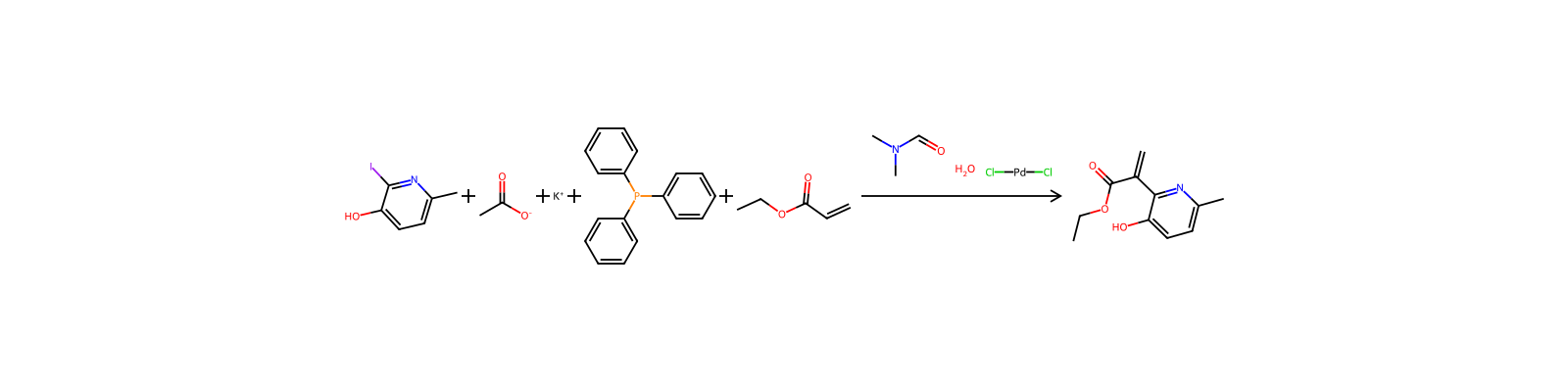

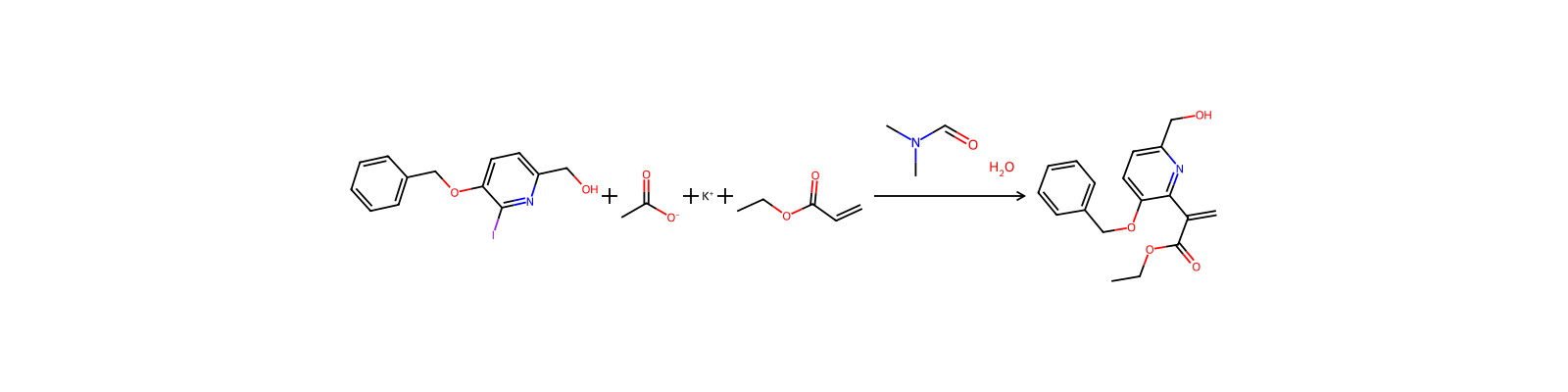

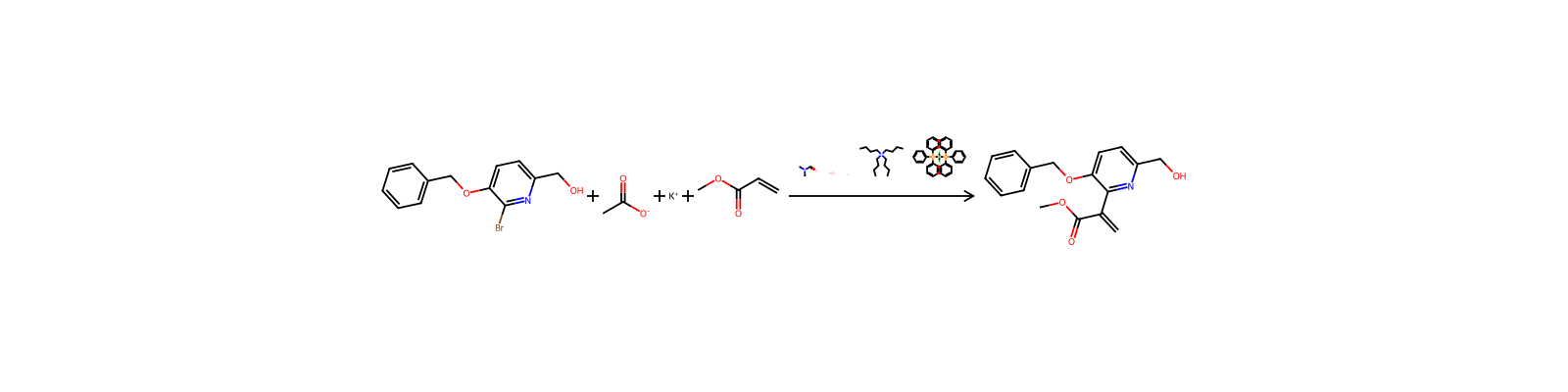
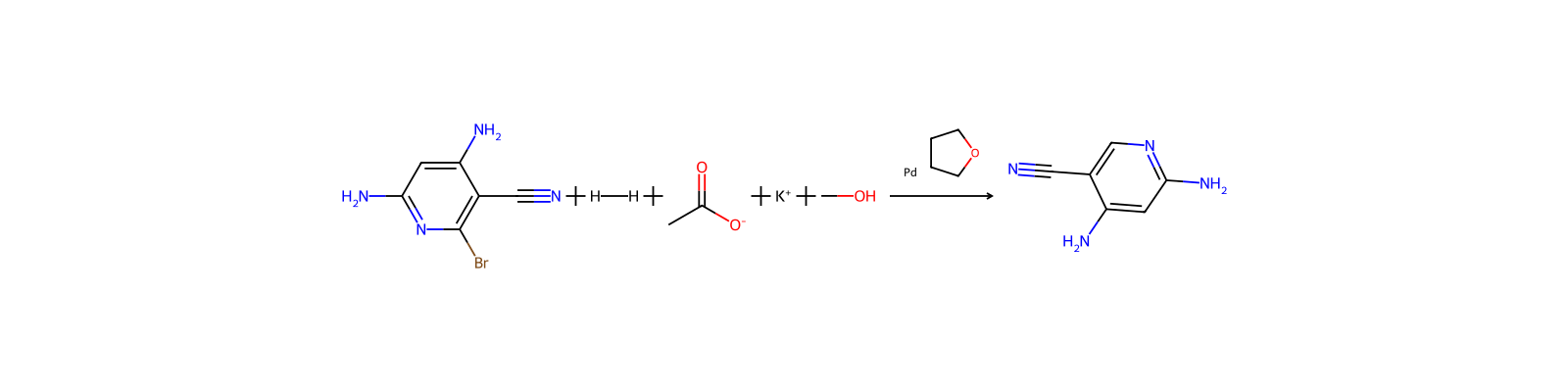
化合物ノート
読み込み中…