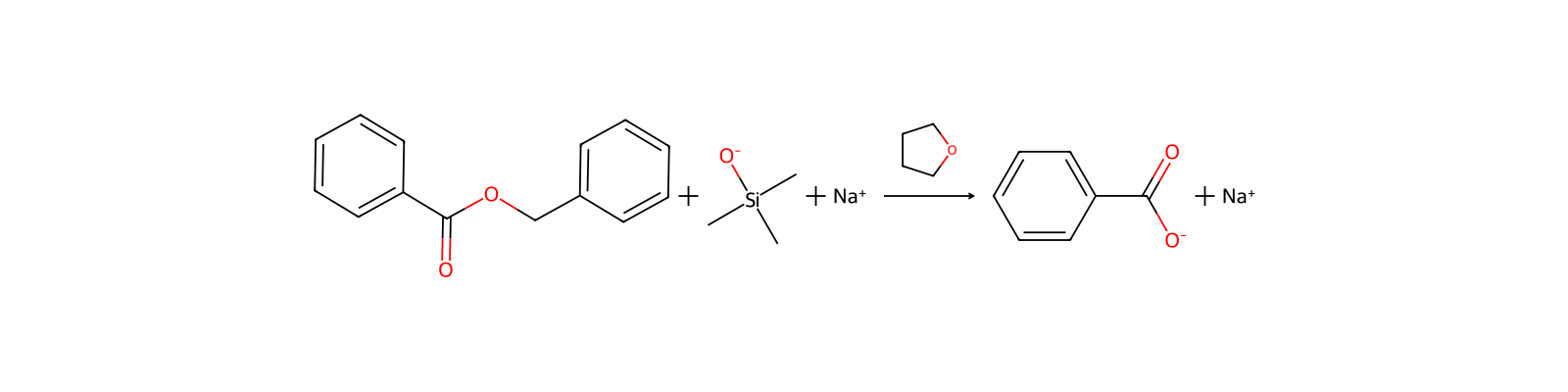
HRID 3937生成物として
Sodium Benzoate
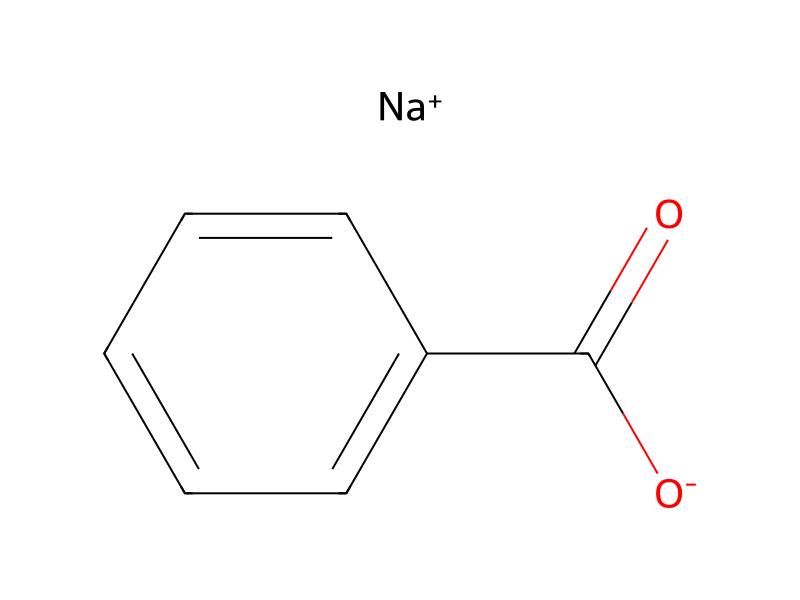
532-32-1O=C([O-])c1ccccc1.[Na+]WXMKPNITSTVMEF-UHFFFAOYSA-MSodium benzoate is an organic sodium salt resulting from the replacement of the proton from the carboxy group of benzoic acid by a sodium ion. It has a role as an EC 1.13.11.33 (arachidonate 15-lipoxygenase) inhibitor, an EC 3.1.1.3 (triacylglycerol lipase) inhibitor, an antimicrobial food preservative, a plant metabolite, a human xenobiotic metabolite, an algal metabolite and a drug allergen. It contains a benzoate.
532-32-1Plastics -> Polyolefin-II
Plastics -> Nucleating agents
Cosmetic ingredients (Sodium Benzoate) -> CIR (Cosmetic Ingredient Review)
Preservative
Sweetish, astringent taste
Unpleasant, sweetish, saline taste
1.50 g/cu cm (OECD Guideline 109 (Density of Liquids and Solids))
Relative density (water = 1): 1.44
安全情報は参考情報です。供給元の安全データシート(SDS)、適用法令、専門家による評価に代わるものではありません。
This chemical does not meet GHS hazard criteria for 61.8% (1827 of 2956) of all reports.
Warning
H319 (37.9%): Causes serious eye irritation [Warning Serious eye damage/eye irritation]
P264+P265, P280, P305+P351+P338, and P337+P317 (click each P-code to see the statement)
Aggregated GHS information provided per 2956 reports by companies from 12 notifications to the ECHA C&L Inventory.
Warning
Chemical: Benzoic acid, sodium salt (1:1)
Regulation (EC) No 1831/2003 (amended)
Benzoic acid, sodium salt (1:1) is listed on the EPA's Chemical Data Reporting (CDR) system. Manufacturers and importers of Benzoic acid, sodium salt (1:1) are required to report information about their production and use of this chemical to the EPA under the Toxic Substances Control Act (TSCA). (40 eCFR Part 711)
REACH registered substance: Sodium benzoate (EC: 208-534-8)
Sodium benzoate: Non hazardous
Combustible when exposed to heat or flame.
Sodium benzoate is combustible.
A mild eye irritant; [ICSC] Rats fed sodium benzoate at 8% of their diet for 90 days showed less weight gain and other physiological changes; [HSDB] May cause temporary hives; [CHEMINFO] Can cause non-immunological contact urticaria; [Kanerva, p. 219] Rapidly absorbed and excreted in the urine as hippuric acid; [Reference #1] TLV Basis: kidney changes; [ACGIH] May cause irritation; [MSDSonline]
A - Alimentary tract and metabolism
QA - Alimentary tract and metabolism
DJ-1 (PARK7) is a neuroprotective protein that protects cells from oxidative stress. Accordingly, loss-of-function DJ-1 mutations have been linked with a familial form of early onset Parkinson disease. Mechanisms by which DJ-1 level could be enriched in the CNS are poorly understood. Recently we have discovered anti-inflammatory activity of sodium benzoate (NaB), a metabolite of cinnamon and a widely-used food additive. Here we delineate that NaB is also capable of increasing the level of DJ-1 in primary mouse and human astrocytes and human neurons highlighting another novel neuroprotective effect of this compound. Reversal of DJ-1-inducing effect of NaB by mevalonate, farnesyl phosphate, but not cholesterol and ubiquinone, suggests that depletion of intermediates, but not end products, of the mevalonate pathway is involved in the induction of DJ-1 by NaB. Accordingly, either an inhibitor of p21(ras) farnesyl protein transferase (FPTI) or a dominant-negative mutant of p21(ras) alone was also able to increase the expression of DJ-1 in astrocytes suggesting an involvement of p21(ras) in DJ-1 expression. However, an inhibitor of geranyl geranyl transferase (GGTI) and a dominant-negative mutant of p21(rac) had no effect on the expression of DJ-1, indicating the specificity of the effect. Similarly lipopolysaccharide (LPS), an activator of small G proteins, also inhibited the expression of DJ-1, and NaB and FPTI, but not GGTI, abrogated LPS-mediated inhibition. Together, these results suggest that NaB upregulates DJ-1 via modulation of mevalonate metabolites and that p21(ras), but not p21(rac), is involved in the regulation of DJ-1.
This study underlines the importance of cinnamon, a widely-used food spice and flavoring material, and its metabolite sodium benzoate (NaB), a widely-used food preservative and a FDA-approved drug against urea cycle disorders in humans, in increasing the levels of neurotrophic factors [e.g., brain-derived neurotrophic factor (BDNF) and neurotrophin-3 (NT-3)] in the CNS. NaB, but not sodium formate (NaFO), dose-dependently induced the expression of BDNF and NT-3 in primary human neurons and astrocytes. Interestingly, oral administration of ground cinnamon increased the level of NaB in serum and brain and upregulated the levels of these neurotrophic factors in vivo in mouse CNS. Accordingly, oral feeding of NaB, but not NaFO, also increased the level of these neurotrophic factors in vivo in the CNS of mice. NaB induced the activation of protein kinase A (PKA), but not protein kinase C (PKC), and H-89, an inhibitor of PKA, abrogated NaB-induced increase in neurotrophic factors. Furthermore, activation of cAMP response element binding (CREB) protein, but not NF-kappaB, by NaB, abrogation of NaB-induced expression of neurotrophic factors by siRNA knockdown of CREB and the recruitment of CREB and CREB-binding protein to the BDNF promoter by NaB suggest that NaB exerts its neurotrophic effect through the activation of CREB. Accordingly, cinnamon feeding also increased the activity of PKA and the level of phospho-CREB in vivo in the CNS. These results highlight a novel neutrophic property of cinnamon and its metabolite NaB via PKA - CREB pathway, which may be of benefit for various neurodegenerative disorders.


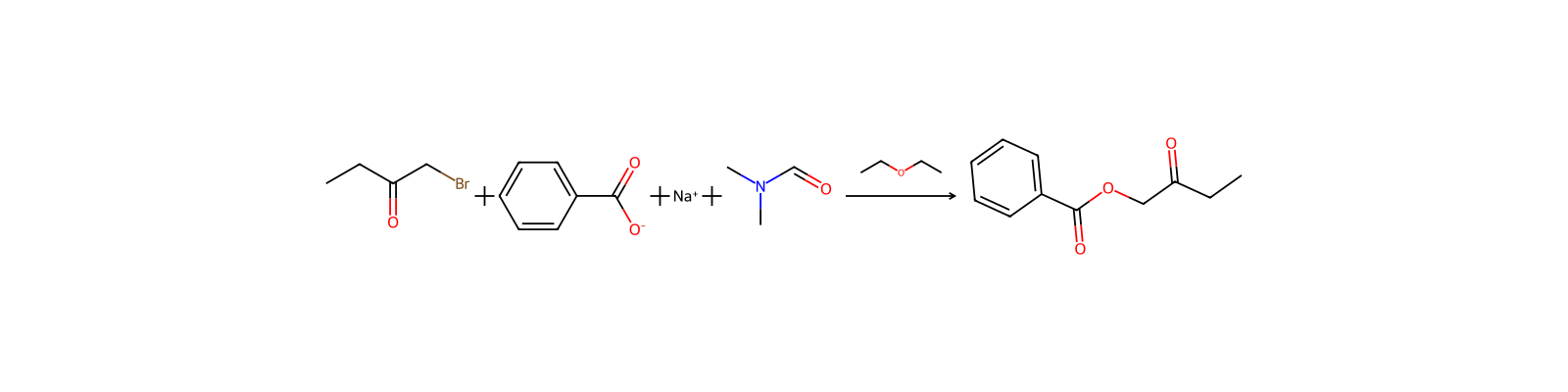


DTXSID1020140CHEMBL1356CHEBI:113455White, granules or crystalline powder
Colorless crystalline powder
Freely soluble in water, sparingly soluble in ethanol
In water, 556 g/L (temperature and pH not reported)
1 g dissolves in 1.8 mL water, 1.4 mL boiling water, about 75 mL alcohol, 50 mL mixture of 47.5 mL alcohol and 3.7 mL water
Solubility in water, g/100ml at 20 °C: 63
化学的特性Sodium benzoate is a white crystalline solid. It is odorless and nonflammable
Substances classified as antimycotics, when migrating from food-packaging material shall include: ... sodium benzoate.
Substance added directly to human food affirmed as generally recognized as safe (GRAS). The ingredient is used in food at levels not to exceed good manufacturing practice. Current usage results in a maximum level of 0.1 percent in food.
Sodium benzoate used as a chemical preservative at a level not exceeding 1% in animal drugs, feeds, and related products is generally recognized as safe when used in accordance with good manufacturing or feeding practice.
Drug products containing certain active ingredients offered over-the-counter (OTC) for certain uses. A number of active ingredients have been present in OTC drug products for various uses, as described below. However, based on evidence currently available, there are inadequate data to establish general recognition of the safety and effectiveness of these ingredients for the specified uses: sodium benzoate is included in orally administered menstrual drug products.
Unless specifically excluded, residues resulting from the use of the following substance as either an inert or an active ingredient in a pesticide chemical formulation, including antimicrobial pesticide chemicals, is exempted from the requirement of a tolerance under FFDCA section 408, if such use is in accordance with good agricultural or manufacturing practices. Benzoic acid, sodium salt is included on this list.
This action promulgates standards of performance for equipment leaks of Volatile Organic Compounds (VOC) in the Synthetic Organic Chemical Manufacturing Industry (SOCMI). The intended effect of these standards is to require all newly constructed, modified, and reconstructed SOCMI process units to use the best demonstrated system of continuous emission reduction for equipment leaks of VOC, considering costs, nonair quality health and environmental impact and energy requirements. Sodium benzoate is produced, as an intermediate or a final product, by process units covered under this subpart.
Special hazards arising from the substance or mixture: Carbon oxides, Sodium oxides
Poisonous gases are produced in fire, including sodium oxide.
Fresh air, rest.
Rinse skin with plenty of water or shower.
First rinse with plenty of water for several minutes (remove contact lenses if easily possible), then refer for medical attention.
Do NOT induce vomiting. Give one or two glasses of water to drink. Refer for medical attention .
Suitable extinguishing media: Use water spray, alcohol-resistant foam, dry chemical or carbon dioxide.
Advice for firefighters: Wear self-contained breathing apparatus for firefighting if necessary.
Use dry chemical, carbon dioxide, water spray, or foam extinguishers. ... If material or contaminated runoff enters waterways, notify downstream users of potentially contaminated waters. Notify local health and fire officials and pollution control agencies. From a secure, explosion-proof location, use water spray to cool exposed containers. If cooling steams are ineffective (venting sound increases in volume and pitch, tank discolors, or shows any signs of deforming), withdraw immediately to a secure position.
Keep container tightly closed in a dry and well-ventilated place. Hygroscopic. Keep in a dry place.
Store in a secure poison location. ... Store in tightly closed containers in a cool, well-ventilated area away from strong oxidizers. Where possible, automatically transfer material from drums or other storage containers to process containers. Sources of ignition, such as smoking and open flames, are prohibited where this chemical is handled, used, or stored. Metal containers involving the transfer of this chemical should be grounded and bonded. Wherever this chemical is used, handled, manufactured, or stored, use explosion-proof electrical equipment and fittings.
ACCIDENTAL RELEASE MEASURES: Personal precautions, protective equipment and emergency procedures: Use personal protective equipment. Avoid dust formation. Avoid breathing vapors, mist or gas. Ensure adequate ventilation. Avoid breathing dust. Environmental precautions: Do not let product enter drains. Methods and materials for containment and cleaning up: Pick up and arrange disposal without creating dust. Sweep up and shovel. Keep in suitable, closed containers for disposal.
Evacuate persons not wearing protective equipment from area of spill or leak until cleanup is complete. Remove all ignition sources. Collect powdered material in the most convenient and safe manner and deposit in sealed containers. Ventilate area after cleanup is complete. It may be necessary to contain and dispose of this chemical as a hazardous waste. If material or contaminated runoff enters waterways, notify downstream users of potentially contaminated waters.
SRP: Recycle any unused portion of the material for its approved use or return it to the manufacturer or supplier. Ultimate disposal of the chemical must consider: the material's impact on air quality; potential migration in air, soil or water; effects on animal, aquatic and plant life; and conformance with environmental and public health regulations. If it is possible or reasonable use an alternative chemical product with less inherent propensity for occupational harm/injury/toxicity or environmental contamination.
SRP: Wastewater from contaminant suppression, cleaning of protective clothing/equipment, or contaminated sites should be contained and evaluated for subject chemical or decomposition product concentrations. Concentrations shall be lower than applicable environmental discharge or disposal criteria. Alternatively, pretreatment and/or discharge to a permitted wastewater treatment facility is acceptable only after review by the governing authority and assurance that "pass through" violations will not occur. Due consideration shall be given to remediation worker exposure (inhalation, dermal and ingestion) as well as fate during treatment, transfer and disposal. If it is not practicable to manage the chemical in this fashion, it must be evaluated in accordance with EPA 40 CFR Part 261, specifically Subpart B, in order to determine the appropriate local, state and federal requirements for disposal.
Product: Offer surplus and non-recyclable solutions to a licensed disposal company. Contact a licensed professional waste disposal service to dispose of this material; Contaminated packaging: Dispose of as unused product.
ACCIDENTAL RELEASE MEASURES: Personal precautions, protective equipment and emergency procedures: Use personal protective equipment. Avoid dust formation. Avoid breathing vapors, mist or gas. Ensure adequate ventilation. Avoid breathing dust. Environmental precautions: Do not let product enter drains.
Precautions for safe handling: Avoid contact with skin and eyes. Avoid formation of dust and aerosols. Provide appropriate exhaust ventilation at places where dust is formed.
Gloves must be inspected prior to use. Use proper glove removal technique (without touching glove's outer surface) to avoid skin contact with this product. Dispose of contaminated gloves after use in accordance with applicable laws and good laboratory practices. Wash and dry hands.
SRP: Local exhaust ventilation should be applied wherever there is an incidence of point source emissions or dispersion of regulated contaminants in the work area. Ventilation control of the contaminant as close to its point of generation is both the most economical and safest method to minimize personnel exposure to airborne contaminants. Ensure that the local ventilation moves the contaminant away from the worker.
For more Preventive Measures (Complete) data for SODIUM BENZOATE (7 total), please visit the HSDB record page.
The GRAS report cited studies in which ingestion of sodium benzoate reduced the glycine-dependent formation of creatine, glutamine, urea, and uric acid and increased the effects of procaine, lidocaine, cocaine, tetracaine, and dibucaine. Under conditions of severely restricted fluid and salt intake, benzoates increased and prolonged the concentration of serum penicillin.
The interaction between sodium benzoate (SB) and calf thymus DNA in simulated physiological buffer (pH 7.4) using acridine orange (AO) dye as a fluorescence probe, was investigated by UV-Vis absorption, fluorescence and circular dichroism (CD) spectroscopy along with DNA melting studies and viscosity measurements. An expanded UV-Vis spectral data matrix was resolved by multivariate curve resolution-alternating least squares (MCR-ALS) approach. The equilibrium concentration profiles and the pure spectra for SB, DNA and DNA-SB complex from the high overlapping composite response were simultaneously obtained. The results indicated that SB could bind to DNA, and hydrophobic interactions and hydrogen bonds played a vital role in the binding process. Moreover, SB was able to quench the fluorescence of DNA-AO complex through a static procedure. The quenching observed was indicative of an intercalative mode of interaction between SB and DNA, which was supported by melting studies, viscosity measurements and CD analysis.
LC50; Species: Asellus intermedius (Aquatic Sowbug) juvenile; Conditions: freshwater, static, 20 °C, pH 6.5-8.5, hardness 130 mg/L CaCO3, alkalinity 93 mg/L CaCO3; Concentration: >100000 ug/L for 96 hr
LC50; Species: Daphnia magna (Water flea) 1-2 instar larva; Conditions: freshwater, static, 20 °C, pH 6.5-8.5, hardness 130 mg/L CaCO3, alkalinity 93 mg/L CaCO3; Concentration: >100000 ug/L for 96 hr
LC50; Species: Gammarus fasciatus (Scud) juvenile; Conditions: freshwater, static, 20 °C, pH 6.5-8.5, hardness 130 mg/L CaCO3, alkalinity 93 mg/L CaCO3; Concentration: >100000 ug/L for 96 hr
LC50; Species: Pimephales promelas (Fathead Minnow) juvenile; Conditions: freshwater, static, 20 °C, pH 6.5-8.5, hardness 130 mg/L CaCO3, alkalinity 93 mg/L CaCO3; Concentration: >100000 ug/L for 96 hr
For more Ecotoxicity Values (Complete) data for SODIUM BENZOATE (10 total), please visit the HSDB record page.
TERRESTRIAL FATE: Based on a classification scheme(1), an estimated Koc value of17(SRC), determined from a structure estimation method(2), indicates that sodium benzoate is expected to have very high mobility in soil(SRC). Volatilization of sodium benzoate from moist soil surfaces is not expected to be an important fate process(SRC) given sodium benzoate is expected to immediately dissociate and form the anion of benzoic acid in an aqueous environment(3), and ions do not volatilize(SRC). Sodium benzoate is not expected to volatilize from dry soil surfaces(SRC) based upon an estimated vapor pressure of 2.9X10⁻¹² mm Hg at 25 °C(SRC), determined from a fragment constant method(2). A variety of biodegradation screening tests have found sodium benzoate to be readily biodegradable(4,5). For example, CO2 evolution rates of 85-94% were reached after 28 days using an activated sludge inoculum(4).
AQUATIC FATE: Based on a classification scheme(1), an estimated Koc value of 17(SRC), determined from a structure estimation method(2), indicates that sodium benzoate is not expected to adsorb to suspended solids and sediment(SRC). Volatilization from water surfaces is not expected(SRC) given sodium benzoate is expected to immediately dissociate and form the anion of benzoic acid in an aqueous environment(3), and ions do not volatilize(SRC). According to a classification scheme(4), an estimated BCF of 3(SRC), from an estimated log Kow of -2.27(2) and a regression-derived equation(2), suggests the potential for bioconcentration in aquatic organisms is low(SRC). A variety of biodegradation screening tests have found sodium benzoate to be readily biodegradable(5,6). For example, CO2 evolution rates of 85-94% were reached after 28 days using an activated sludge inoculum(5). Hydrolysis is not expected to be an important environmental fate process since this compound lacks functional groups that hydrolyze under environmental conditions(7).
ATMOSPHERIC FATE: According to a model of gas/particle partitioning of semivolatile organic compounds in the atmosphere(1), sodium benzoate, which has an estimated vapor pressure of 2.9X10⁻¹² mm Hg at 25 °C(SRC), determined from a fragment constant method(2), is expected to exist solely in the particulate phase in the ambient atmosphere. Particulate-phase sodium benzoate that is adsorbed to atmospheric aerosol is degraded in the atmosphere by reaction with photochemically-produced hydroxyl radicals(SRC); the half-life for this reaction in air is estimated to be 4.3 days(SRC), calculated from its rate constant of 3.7X10⁻¹² cu cm/molecule-sec at 25 °C(3). Particulate-phase sodium benzoate may be removed from the air by wet and dry deposition(SRC).
Sodium benzoate is added directly to human food(1). It is used as a preservative in such foods as sauces, pickles, cider, fruit juices, wine coolers, syrups and concentrates, mincemeat and other acidic pie fillings, margarine, egg powder, fish (as a brine dip component), bottled carbonated beverages, and fruit preserves, jams, and jellies(1). The popularity of diet soft drinks has led to an increased demand(1).
Safe in the present practices of use and concentration. Ingredient, concentration, and use information are available in documents discoverable at https://cir-reports.cir-safety.org
IDENTIFICATION AND USE: Sodium benzoate is a colorless crystalline powder. It is used as food preservative, antiseptic, medicine, in tobacco, in pharmaceutical preparations, as an intermediate for manufacture of dyes, and as a rust and mildew inhibitor. HUMAN EXPOSURE AND TOXICITY: In a study with 2045 patients of dermatological clinics, only 5 persons (approximately 0.2%) showed a positive reaction in patch tests, while 34 of 5202 patients (approximately 0.7%) with contact urticaria reacted positively. Cases of urticaria, asthma, rhinitis, or anaphylactic shock have been reported following oral, dermal, or inhalation exposure to sodium benzoate. The symptoms appear shortly after exposure and disappear within a few hours. Chromosome aberration test was carried out on sodium benzoate using human embryonic lung culture cells. Sodium benzoate produced no significant increase in the aberration frequency in the anaphase chromosomes when tested at the dosage levels 0, 2.0 ug/mL, 20 ug/mL and 200 g/mL. In human embryonic lung cells (WI-38) treated with sodium benzoate both chromosome abnormalities and mitotic indices were within normal values. Sodium benzoate was mutagenic and cytotoxic in lymphocytes, where it caused micronucleus formation and chromosome break. ANIMAL STUDIES: An acute dermal irritation/corrosion study gave no indication for skin irritating effect in rabbits. Sodium benzoate was only slightly irritating to the eye. In a 90-day study with rats dosed with 0, 1, 2, 4, or 8% sodium benzoate via diet, the mortality in the highest dose group (approx. 6290 mg/kg body weight per day) was about 50%. Other effects in this group included a reduced weight gain, increased relative weights of liver and kidneys, and pathological changes in these organs. Sodium benzoate was given in drinking water to 50 female and 50 male mice from weeks 5 on for lifespan. The average daily intake of sodium benzoate was 119.2 mg for a female and 124.0 mg for a male (approx. 5.95 - 6.2 g/kg bw/d). There was no effect on the survival of the treated mice when compared with the untreated control. There were no significant differences between the tumor distribution in sodium benzoate-treated and untreated control mice. In a developmental study rats were injected intraperitoneally with 100, 315, or 1000 mg/kg sodium benzoate on gestation days 9 to 11 or 12 to 14. Reduced fetal body weight, increased in utero deaths (by 12%), and gross anomalies were noted at the highest dose. No evidence of teratogenicity was noted in rats administered 510 mg/kg of sodium benzoate by gavage on gestation days 9 to 11. Sodium benzoate (up to 3.0 mg/plate) was tested in the Salmonella/microsome test using S. typhimurium TA 92, TA 94, TA 98, TA 100, TA 1535 and TA 1537. No significant increases in the numbers of revertant colonies were detected in any S. typhimurium strains at the maximum dose. Sodium benzoate tested negative in a cytogenetic assay (bone marrow) in rats after single or multiple oral application of doses up to 5000 mg/kg body weight. In a study with mice, there was also no indication of mutagenic activity in a host-mediated assay.
Cough.
Rash.
Redness.
Nausea. Vomiting. Abdominal pain.
EPA has released the Interactive Chemical Safety for Sustainability (iCSS) Dashboard. The iCSS Dashboard provides an interactive tool to explore rapid, automated (or in vitro high-throughput) chemical screening data generated by the Toxicity Forecaster (ToxCast) project and the federal Toxicity Testing in the 21st century (Tox21) collaboration. /The title compound was tested by ToxCast and/or Tox21 assays/[USEPA; ICSS Dashboard Application; Available from, as of July 7, 2016: http://actor.epa.gov/dashboard/]
Using a structure estimation method based on molecular connectivity indices(1), the Koc of sodium benzoate can be estimated to be 17(SRC). According to a classification scheme(2), this estimated Koc value suggests that sodium benzoate is expected to have very high mobility in soil.
/HUMAN EXPOSURE STUDIES/ The information concerning skin reactions caused by benzoic acid or sodium benzoate in the general population is limited. In a study with 2045 patients of dermatological clinics, only 5 persons (approximately 0.2%) showed a positive reaction in patch tests, while 34 of 5202 patients (approximately 0.7%) with contact urticaria reacted positively. From these data, it can be concluded that skin reactions caused by benzoic acid or sodium benzoate in the healthy general population are rare.
/HUMAN EXPOSURE STUDIES/ In Europe amoxicillin plus clavulanic acid is the most commonly prescribed antibiotic and sodium benzoate is contained in the suspension formulation as a preservative. We studied the relevance of sodium benzoate as the culprit agent in a group of children with a history of adverse reactions to amoxicillin plus clavulanic acid suspension. A total of 89 children were enrolled over a period of 3 years (2006-2009). Single blind oral provocation tests (OPTs) with amoxicillin plus clavulanic acid, sodium benzoate and placebo were performed. 20 children with recurrent idiopathic urticaria were investigated as a control group. According to personal history: 70% of reactions were late in developing while 23% of reactions were immediate and for 5% of the cases it was not possible to define the timing. 8 children (8/89=9%) resulted positive to the provocation tests with amoxicillin plus clavulanic acid; ten children (10/89=11%) had positive results with sodium benzoate; 3% had a double positivity (i.e. excipient and active drug). The timing of reactions significantly differs between the Amoxicillin plus clavulanic acid and sodium benzoate groups (p=0.002). Sodium benzoate probably acts through a non-immunologic mechanism and care should be given to children allergic to sodium benzoate containing pharmaceutical formulations.
/SIGNS AND SYMPTOMS/ Cases of urticaria, asthma, rhinitis, or anaphylactic shock have been reported following oral, dermal, or inhalation exposure to benzoic acid and sodium benzoate. The symptoms appear shortly after exposure and disappear within a few hours, even at low doses.
/GENOTOXICITY/ Chromosome aberration test was carried out on sodium benzoate using human embryonic lung culture cells. Sodium benzoate produced no significant increase in the aberration frequency in the anaphase chromosomes when tested at the dosage levels 0, 2.0 ug/mL, 20 ug/mL and 200 g/mL.
For more Human Toxicity Excerpts (Complete) data for SODIUM BENZOATE (10 total), please visit the HSDB record page.
Sodium benzoate's production and use as antimicrobial and preservative in foods, soft drinks, pharmaceuticals, tobacco and cosmetics and its use as a corrosion inhibitor and chemical intermediate(1-3) may result in its release to the environment through various waste streams(SRC).
AEROBIC: Sodium benzoate, present at 100 mg/L, reached >60% of its theoretical BOD in 4 weeks using an activated sludge inoculum at 30 mg/L in the Japanese MITI test which classified the compound as readily biodegradable(1). Using adapted activated sludge and 10, 20, and 50 mg/L test compound, sodium benzoate had CO2 evolution rates of 85-94% after 28 days classifying the compound as readily biodegradable(2). Sodium benzoate was readily biodegradable under aerobic conditions in several standard test systems including a Modified MIT test (84% degradation, 100 mg/L, 10 days), Modified Sturm test (80-90% degrdation, 50 mg/L, 7 days) and a Closed Bottle test (75-111% degradation, 5 mg/L, 30 days)(3). Using OECD Guideline 301B and seawater as test medium or inoculum, sodium benzoate (at 10 mg/L) had degradation of 85-97% over 28 days based on CO2 measurement(4). Sodium benzoate at 3000 mg/L was readily biodegraded in a Zahn-Wellens test using activated sludge with degradation rates of 80-100% over 2-7 days(5). Results of a 20-day BOD study found sodium benzoate to have a biooxidation rate of 78-100% after 5-20 days(6); results of an OECD 301D test found biooxidation rates of 76-85% 5-28 days(6). Sodium benzoate, used as reference material in a die-away using seawater from the Bay of Cadiz (Iberian Peninsula), degraded from an initial 20 mg/L to <1 mg/L after 12 days(7).
ANAEROBIC: Anaerobic mineralization of sodium benzoate by domestic sewage sludge varied from 50% to 96.5% (measurement of carbon dioxide and methane over 28-61 days) at initial concentrations of 50-90 mg/L(1). In a study using anaerobic sludge from sewage works receiving a mixture of domestic and industrial wastewaters, 93% mineralization of sodium benzoate was observed after 1 week of incubation (measurement of carbon dioxide and methane; initial concentration 50 mg carbon/L)(2).
Substances classified as antimycotics, when migrating from food-packaging material shall include: ... sodium benzoate.
Substance added directly to human food affirmed as generally recognized as safe (GRAS). The ingredient is used in food at levels not to exceed good manufacturing practice. Current usage results in a maximum level of 0.1 percent in food.
Sodium benzoate used as a chemical preservative at a level not exceeding 1% in animal drugs, feeds, and related products is generally recognized as safe when used in accordance with good manufacturing or feeding practice.
Drug products containing certain active ingredients offered over-the-counter (OTC) for certain uses. A number of active ingredients have been present in OTC drug products for various uses, as described below. However, based on evidence currently available, there are inadequate data to establish general recognition of the safety and effectiveness of these ingredients for the specified uses: sodium benzoate is included in orally administered menstrual drug products.
Unless specifically excluded, residues resulting from the use of the following substance as either an inert or an active ingredient in a pesticide chemical formulation, including antimicrobial pesticide chemicals, is exempted from the requirement of a tolerance under FFDCA section 408, if such use is in accordance with good agricultural or manufacturing practices. Benzoic acid, sodium salt is included on this list.
This action promulgates standards of performance for equipment leaks of Volatile Organic Compounds (VOC) in the Synthetic Organic Chemical Manufacturing Industry (SOCMI). The intended effect of these standards is to require all newly constructed, modified, and reconstructed SOCMI process units to use the best demonstrated system of continuous emission reduction for equipment leaks of VOC, considering costs, nonair quality health and environmental impact and energy requirements. Sodium benzoate is produced, as an intermediate or a final product, by process units covered under this subpart.
After oral and dermal uptake, benzoate is metabolized in the liver by conjugation with glycine, resulting in the formation of hippuric acid. The rate of biotransformation in humans is high: after oral doses of 40, 80 or 160 mg sodium benzoate/kg body weight, the transformation to hippuric acid was independent of the dose - about 17-29 mg/kg body weight per hour, corresponding to about 500 mg/kg body weight per day. Other /studies/ obtained higher values of 0.8-2 g/kg body weight per day.
Another metabolite of benzoate is the benzoyl glucuronide.
The metabolism of the benzoates depletes glycine concentrations and can therefore alter the glycine-dependent metabolism of other compounds. /A study/ demonstrated that ... sodium benzoate successfully competed with aspirin for glycine, resulting in increased concentration and persistence of salicyclic acid in the body.
This study underlines the importance of cinnamon, a widely-used food spice and flavoring material, and its metabolite sodium benzoate (NaB), a widely-used food preservative and a FDA-approved drug against urea cycle disorders in humans, in increasing the levels of neurotrophic factors [e.g., brain-derived neurotrophic factor (BDNF) and neurotrophin-3 (NT-3)] in the CNS. NaB, but not sodium formate (NaFO), dose-dependently induced the expression of BDNF and NT-3 in primary human neurons and astrocytes. Interestingly, oral administration of ground cinnamon increased the level of NaB in serum and brain and upregulated the levels of these neurotrophic factors in vivo in mouse CNS. Accordingly, oral feeding of NaB, but not NaFO, also increased the level of these neurotrophic factors in vivo in the CNS of mice. NaB induced the activation of protein kinase A (PKA), but not protein kinase C (PKC), and H-89, an inhibitor of PKA, abrogated NaB-induced increase in neurotrophic factors. Furthermore, activation of cAMP response element binding (CREB) protein, but not NF-kappaB, by NaB, abrogation of NaB-induced expression of neurotrophic factors by siRNA knockdown of CREB and the recruitment of CREB and CREB-binding protein to the BDNF promoter by NaB suggest that NaB exerts its neurotrophic effect through the activation of CREB. Accordingly, cinnamon feeding also increased the activity of PKA and the level of phospho-CREB in vivo in the CNS. These results highlight a novel neutrophic property of cinnamon and its metabolite NaB via PKA - CREB pathway, which may be of benefit for various neurodegenerative disorders.
Substances that destroy fungi by suppressing their ability to grow or reproduce. They differ from FUNGICIDES, INDUSTRIAL because they defend against fungi present in human or animal tissues.
Substances capable of inhibiting, retarding or arresting the process of fermentation, acidification or other deterioration of foods.
Overall there are signs of systemic absorption via oral and dermal exposures, no evidence of target organs or of excretion. After oral ingestion and dermal absorption, the test substance will be metabolised to hippuric acid. Despite the low log Pow value, results of the 28-day study in rats and the predicted metabolism do not indicate a potential for the substance to bioaccumulate.
After oral ingestion of benzoic acid and sodium benzoate, there is a rapid absorption (of undissociated benzoic acid) from the gastrointestinal tract in experimental animals or humans. ... 100% absorption can be assumed. In humans, the peak plasma concentration is reached within 1-2 hr.
Hippuric acid is rapidly excreted in urine. In humans, after oral doses of up to 160 mg/kg body weight, 75-100% of the applied dose is excreted as hippuric acid within 6 hr after administration, and the rest within 2-3 days.
Experiments on the distribution and elimination of (14)C-benzoate in the rat have shown no accumulation of sodium benzoate or benzoic acid in the body.
For more Absorption, Distribution and Excretion (Complete) data for SODIUM BENZOATE (6 total), please visit the HSDB record page.
CIR ingredient: Sodium Benzoate
Used as an intermediate and preservative (foods, pharmaceuticals, lotions, mouthwashes, and water-based paint); [HSDB] Used as flavoring agent, adjuvant in foods, clinical reagent (bilirubin assay), and diagnostic aid (hepatic function); [Merck Index] Used as corrosion inhibitor in engine cooling systems; [CHEMINFO]
Painting (Pigments, Binders, and Biocides) [Category: Paint]
For sodium benzoate (USEPA/OPP Pesticide Code: 009103) there are 0 labels match. /SRP: Not registered for current use in the U.S., but approved pesticide uses may change periodically and so federal, state and local authorities must be consulted for currently approved uses./
Reported uses (ppm):
Food preservative, antiseptic, medicine, tobacco, pharmaceutical preparations, intermediate for manufacture of dyes, rust and mildew inhibitor.
(1972) 5.2X10+7 GRAMS
(1975) 1.06X10+8 GRAMS
(1984) 1.43X10+9 G
2023: 50,000,000 - <100,000,000 lb
(1972) 6.02X10+9 GRAMS
(1975) 4.32X10+9 GRAMS
(1985) 6.81X10+9 g to 9.08X10+9 g (demand)
Non-confidential 2012 Chemical Data Reporting (CDR) information on the production and use of chemicals manufactured or imported into the United States. Chemical: Benzoic acid, sodium salt. National Production Volume: 51,960,109 lb/yr.
Produced by the neutralization of benzoic acid with sodium bicarbonate, sodium carbonate or sodium hydroxide.
Benzoic acid is neutralized with sodium bicarbonate solution, the solution filtered, concentrated, and allowed to crystallize.
Sodium benzoate is produced by the neutralization of benzoic acid with caustic soda and/or soda ash. The resulting solution is then treated to remove trace impurities as well as color bodies and then dried in steam heated double drum dryers. The product removed from the dryers is light and fluffy and in order to reduce shipping and storage space the sodium benzoate is normally compacted. It is then milled and classified into two product forms; dense granular and dense powder. Sodium Benzoate is also available in extruded form.
Grade: USP, FCC /Food Chemicals Codex/, technical.
National Formulary, Food Chemicals Codex dense powder, flake, low dusting dense beverage, granular and technical grades available.
It is then milled and classified into two product forms; dense granular and dense powder. Sodium Benzoate is also available in extruded form.
EPA Safer Chemical Functional Use Classes -> Preservatives and Antioxidants
Safer Chemical Classes -> Green circle - The chemical has been verified to be of low concern
Food additives
Fragrance Ingredients
Food Additives -> PRESERVATIVE -> JECFA Functional Classes
Cosmetics -> Preservative
Transportation Equipment Manufacturing
Benzoic acid, sodium salt (1:1): ACTIVE
用途清涼飲料、しょう油
説明Sodium benzoate has the chemical formula NaC7H5O2; it is a widely used food preservative, with E number E211. It is the sodium salt of benzoic acid and exists in this form when dissolved in water. It can be produced by reacting sodium hydroxide with benzoic acid.
天然物の起源Benzoic acid occurs naturally in many plants and in animals. The salt is not found to occur naturally.
来歴In 1820, benzoic acid was discovered by German chemist Friedrich Wöhler through the oxidation of toluene. His research laid the groundwork for the eventual production of sodium benzoate. The process typically involves neutralizing benzoic acid with sodium hydroxide, creating sodium benzoate—a stable compound with excellent antibacterial and antifungal properties. Sodium benzoate was commercially introduced in the late 19th century. Its preservative qualities made it particularly valuable as food products began to be mass-produced and distributed. In 1908, sodium benzoate was recognized as a food preservative by the U.S. Food and Drug Administration (FDA). This allowed it to be used in various food products, including soft drinks, pickles, and sauces, to prevent spoilage and extend shelf life.
使用sodium benzoate is a non-toxic, organic salt preservative that is particularly effective against yeast, with some activity against molds and bacteria. It is generally used in concentrations of 0.1 to 0.2 percent.
一般的な説明Sodium benzoate is a sodium salt of benzoic acid, that is freely soluble in water compared to benzoic acid. It is generally used as an antimicrobial preservative in cosmetics, food, and pharmaceuticals.Pharmaceutical secondary standards for application in quality control, provide pharma laboratories and manufacturers with a convenient and cost-effective alternative to the preparation of in-house working standards.
製造方法Produced by the neutralization of benzoic acid with sodium bicarbonate, sodium carbonate or sodium hydroxide.
Sodium benzoate is prepared by adding benzoic acid to a hot concentrated solution of sodium carbonate until effervescence ceases. The solution is then evaporated, cooled and allowed to crystallize or evaporate to dryness, and then granulated.
純化方法Crystallise it from EtOH (12mL/g). [Beilstein 9 IV 27.]
定義本品は、安息香酸(*)のナトリウム塩であり、次の化学式で表される。参照表示名称:安息香酸
定義sodium benzoate: An either colourlesscrystalline or white amorphouspowder, C6H5COONa, soluble inwater and slightly soluble in ethanol.It is made by the reaction of sodiumhydroxide with benzoic acid and isused in the dyestuffs industry and asa food preservative. It was formerlyused as an antiseptic.