ホームMCPワークベンチSkills
ホームワークベンチ通知マイページ
llms.txt · MCPガイドプライバシーポリシー · 利用規約 · サポートv1.8.0
  1. ホーム
  2. /化合物

ヨード酢酸

Iodoacetic Acid

HCID 5240
ノートを作成反応を作成見積依頼を出す
印刷プレビュー
基本情報概要名称と識別子物性安全と法規制化学と産業関連反応化合物ノート
部分構造検索類似構造を探す

基本情報

CAS
64-69-7
標準SMILES
O=C(O)CI
InChIKey
JDNTWHVOXJZDSN-UHFFFAOYSA-N
分子式
C2H3IO2
平均分子量
185.95 g/mol
単同位体質量
185.91777734

概要

Iodoacetic acid appears as colorless or white crystals. (NTP, 1992)

名称と識別子

優先名称
Iodoacetic Acid
IUPAC
2-iodoacetic acid
現地名
ヨード酢酸
英語名
Iodoacetic acid
分子式
C2H3IO2
分子量
185.95

名称と別名

IODOACETIC ACID64-69-72-Iodoacetic acidAcetic acid, iodo-Monoiodoacetic acidIodoethanoic acidMonoiodine acetateKyselina jodoctovaNSC-2125WF5188V710DTXSID5025445CHEBI:74571
名称をさらに表示
モノヨード酢酸2-ヨード酢酸ヨード酢酸ヨードエタン酸ヨード酢酸,モノヨード酢酸(モノ)IAmonoiodoacetateiodoaceticlodoacetic acidSKL245CH2ICOOHiodo-aceticaci
Acid, IodoaceticIodoacetate, SodiumAcid, MonoiodoaceticIodoacetate, MonosodiumRefChem:791146DTXCID505445200-590-1iodoacetate

データベース識別子

CAS
64-69-7
PubChem CID
5240
DTXSID
DTXSID5025445
ChEMBL
CHEMBL376280
ChEBI
CHEBI:74571
UNII
WF5188V710
EC Number
200-590-1
Nikkaji
J1.405B

物性

構造計算による物性

XLogP
0.5
極性表面積
37.3 Ų
水素結合供与体数
1
水素結合受容体数
2
回転可能結合数
1
重原子数
5
形式電荷
0
複雑度
42.9

実験および物理化学的性質

Chemical ClassesOther Classes -> Organic Acids
LipidsFatty Acyls [FA] -> Fatty Acids and Conjugates [FA01] -> Halogenated fatty acids [FA0109]
SpringerMaterials PropertiesDiamagnetic susceptibility
Color/Form · 2 件

Colorless or white crystals

White to yellow powder or flakes

Solubility · 4 件

greater than or equal to 100 mg/mL at 70.7 °F (NTP, 1992)

Soluble in water

Soluble in alcohol; very slightly soluble in ether

Soluble in ethanol, petroleum ether; slightly soluble in ether, chloroform

CorrosivityCorrosive
Boiling Point · 2 件

Decomposes (NTP, 1992)

Decomposes

DecompositionWhen heated to decomposition it emits toxic fumes of /iodine/.
Melting Point · 3 件

181 °F (NTP, 1992)

82-83 °C

Colorless or white crystals. MP: 210 °C. Soluble in water, alcohol; very slightly soluble in ether. Hygroscopic in moist air /Iodoacetic acid, sodium salt/

安全と法規制

安全情報は参考情報です。供給元の安全データシート(SDS)、適用法令、専門家による評価に代わるものではありません。

GHS分類

GHS Classification · 6 件

Danger

H301: Toxic if swallowed [Danger Acute toxicity, oral]

P260, P264, P270, P280, P301+P316, P301+P330+P331, P302+P361+P354, P304+P340, P305+P354+P338, P316, P321, P330, P363, P405, and P501 (click each P-code to see the statement)

Danger

H301 (100%): Toxic if swallowed [Danger Acute toxicity, oral]

P260, P264, P270, P280, P301+P316, P301+P330+P331, P302+P361+P354, P304+P340, P305+P354+P338, P316, P321, P330, P363, P405, and P501 (click each P-code to see the statement)

危険有害性情報

Regulatory Information · 2 件

Chemical: Acetic acid, iodo-

Iodoacetic acid: Does not have an individual approval but may be used under an appropriate group standard

DOT LabelCorrosive
Fire HazardsFlash point data for this chemical are not available, but it is probably non-flammable. (NTP, 1992)
Health HazardsSYMPTOMS: Exposure to this compound may cause irritation of the skin, eyes and mucous membranes and may lead to contact dermatitis or severe burns.
Hazards Summary · 1 件

A strong skin, eye, and mucous membrane irritant; [HSDB] May cause severe burns; [CAMEO] Corrosive to skin; [eChemPortal: ERMA] Causes severe burns; [eChemPortal: ESIS] A corrosive substance that can cause severe injury to the skin, eyes, and respiratory tract; Inhalation may cause chemical pneumonitis; [MSDSonline]

Reactive GroupAcids, Carboxylic
Reactivity ProfileIODOACETIC ACID reacts vigorously with bases and is corrosive. (NTP, 1992)

化学と産業

薬理情報

Mechanism of Action · 1 件

Iodoacetate inhibits glyceraldehyde-3-phosphate dehydrogenase and therefore prevents conversion of 1,3-diphosphoglyceraldehyde into 1,3-glyceric acid, necessary reaction in pyruvate and lactate production ... Glycolysis provides major source of energy to photoreceptor cells, and inhibition ... lead to cell destruction.

MeSH Pharmacological ClassificationCompounds or agents that combine with an enzyme in such a manner as to prevent the normal substrate-enzyme combination and the catalytic reaction.
Absorption, Distribution and Excretion... Monoiodoacetic acid distributed rapidly to peripheral tissues, particularly to organs that are rich in sulfhydryl groups, such as the liver and kidney.

用途と製造

Uses · 3 件

Used as intermediate and in biological research; [HSDB]

Reagent.

A major symptom of patients with osteoarthritis (OA) is pain that is triggered by peripheral as well as central changes within the pain pathways. The current treatments for OA pain such as NSAIDS or opiates are neither sufficiently effective nor devoid of detrimental side effects. Animal models of OA are being developed to improve our understanding of OA-related pain mechanisms and define novel pharmacological targets for therapy. Currently available models of OA in rodents include surgical and chemical interventions into one knee joint. The monoiodoacetate (MIA) model has become a standard for modelling joint disruption in OA in both rats and mice. The model, which is easier to perform in the rat, involves injection of MIA into a knee joint that induces rapid pain-like responses in the ipsilateral limb, the level of which can be controlled by injection of different doses. Intra-articular injection of MIA disrupts chondrocyte glycolysis by inhibiting glyceraldehyde-3-phosphatase dehydrogenase and results in chondrocyte death, neovascularization, subchondral bone necrosis and collapse, as well as inflammation. The morphological changes of the articular cartilage and bone disruption are reflective of some aspects of patient pathology. Along with joint damage, MIA injection induces referred mechanical sensitivity in the ipsilateral hind paw and weight bearing deficits that are measurable and quantifiable. These behavioral changes resemble some of the symptoms reported by the patient population, thereby validating the MIA injection in the knee as a useful and relevant pre-clinical model of OA pain. The aim of this article is to describe the methodology of intra-articular injections of MIA and the behavioral recordings of the associated development of hypersensitivity with a mind to highlight the necessary steps to give consistent and reliable recordings.

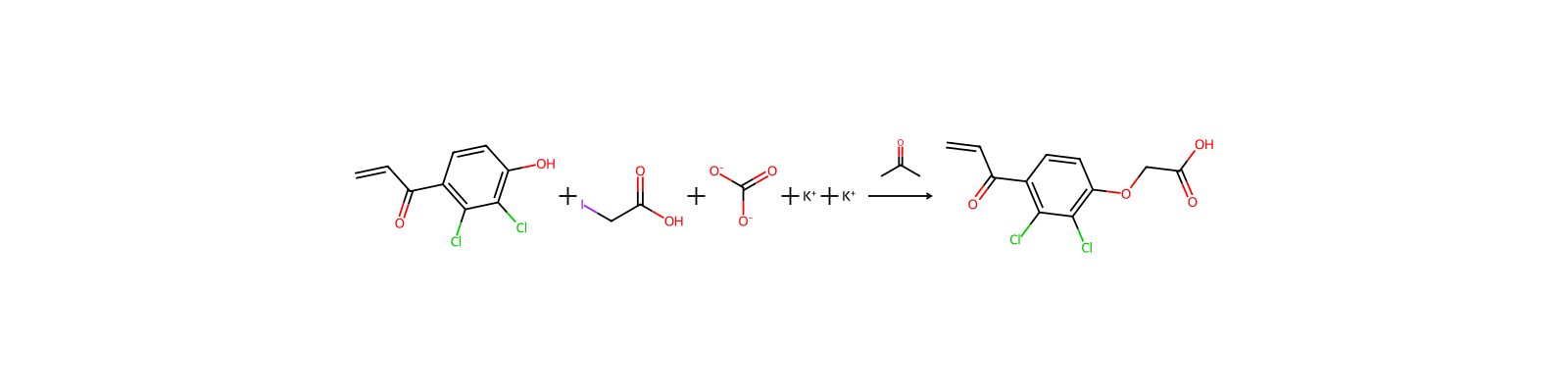
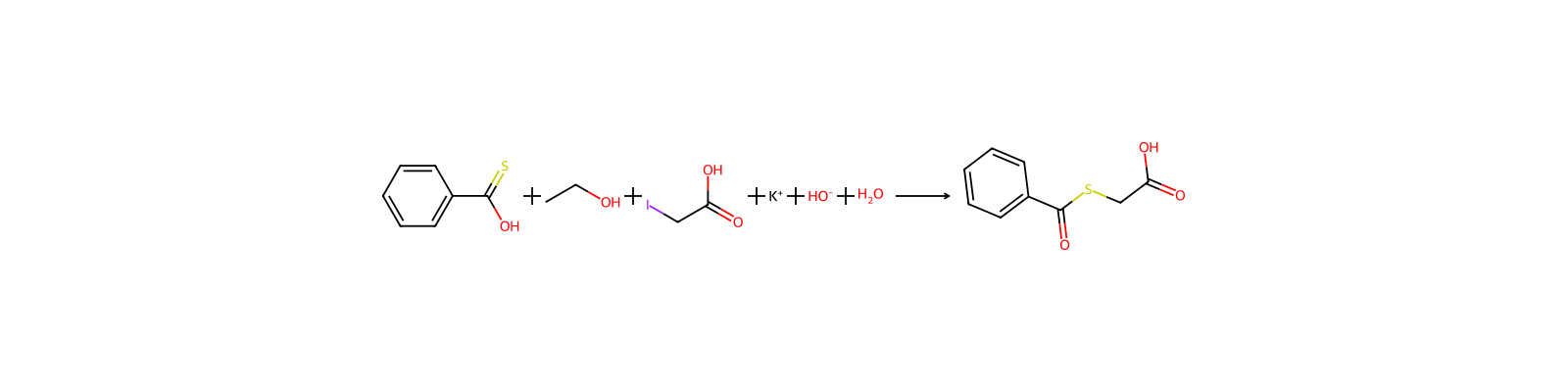
関連反応

36 件
反応記録を作成
HRID 65001 の反応式
HRID 65001反応物としてuspto-grants-1986_09
HRID 69560 の反応式
HRID 69560反応物としてuspto-grants-2014_09
HRID 223803 の反応式
HRID 223803反応物としてuspto-grants-1982_10
HRID 223821 の反応式
HRID 223821反応物としてuspto-grants-1982_10
HRID 225518 の反応式
HRID 225518反応物としてuspto-grants-2009_07
HRID 255943 の反応式
HRID 255943反応物としてuspto-grants-1987_10
HRID 292011 の反応式
HRID 292011反応物としてTraining data from https://doi.org/10.1039/C8SC04228D (8/10)
HRID 299419 の反応式
HRID 299419反応物としてTraining data from https://doi.org/10.1039/C8SC04228D (8/10)
1 / 5 ページ

化合物ノート

読み込み中…

このページの内容基本情報概要名称と識別子物性安全と法規制化学と産業関連反応化合物ノート
その他の操作
ノートを作成反応を作成見積依頼を出す
Physical Description · 2 件

Iodoacetic acid appears as colorless or white crystals. (NTP, 1992)

Colorless or white solid; [Merck Index] Pale yellow crystalline flakes; Soluble in water; [MSDSonline]

Stability/Shelf LifeStable under recommended storage conditions.
Dissociation ConstantspKa = 3.18 at 25 °C

物理化学的性質

融点
79 °C · 79 °C
沸点
208 °C · 208°C
比重(密度)
2.2003 · 2.2003 (estimate)
闪点
208 °C · 208°C
貯蔵温度
2 · 2-8°C
溶解性
2 O: · H2O: 可溶、透明からもやもや
外見
液体
酸解離定数(Pka)
3.12 · 3.12(at 25℃)
色
かすかに黄色
由来生物
synthetic
水溶解度
600 g/L · 600g/L(20℃)
Merck
14 · 14,5025
BRN
1739079 · 1739079
Henry's Law Constant
2.4 · 2.4×102 mol/(m3Pa) at 25℃, HSDB (2015)
安定性
-20 ℃で保管してください。 · 安定。強酸化剤、アルカリ、強還元剤とは相容れない。 -20℃で保管してください。
InChI
1S/C2H3IO2/c3-1-2(4)5/h1H2,(H,4,5)
InChIKey
JDNTWHVOXJZDSN-UHFFFAOYSA-N
SMILES
OC(=O)CI
CAS データベース
64 · 64-69-7(CAS DataBase Reference)
NISTの化学物質情報
Acetic acid, iodo-(64-69-7)
EPAの化学物質情報
Iodoacetic acid (64-69-7)

化学的性質

化学的特性white to light yellow crystalline powder

Air and Water Reactions
May be sensitive to heat, light, and air. Water soluble
Toxic Combustion ProductsSpecial hazards arising from the substance or mixture: Carbon oxides, hydrogen iodide.
Hazard Classes and Categories · 4 件

Acute Tox. 3 (100%)

Acute toxicity - category 3

Acute toxicity (Oral) - Category 3

Acute Tox. 3 *

Skin, Eye, and Respiratory IrritationsIodoacetic acid ... is toxic to essentially all parts of the eye, when either applied directly or administered systemically. Iodoacetate has been shown to be toxic to the cornea, iris, lens, ciliary body, and retina.
Hazardous Reactivities and IncompatibilitiesIncompatible materials: Strong bases, strong reducing agents.

安全と保護具

Fire FightingFires involving this compound can be controlled with a dry chemical, carbon dioxide or Halon extinguisher. (NTP, 1992)
First Aid · 1 件

EYES: First check the victim for contact lenses and remove if present. Flush victim's eyes with water or normal saline solution for 20 to 30 minutes while simultaneously calling a hospital or poison control center. Do not put any ointments, oils, or medication in the victim's eyes without specific instructions from a physician. IMMEDIATELY transport the victim after flushing eyes to a hospital even if no symptoms (such as redness or irritation) develop.

Fire Fighting Procedures · 2 件

Suitable extinguishing media: Use water spray, alcohol-resistant foam, dry chemical or carbon dioxide.

Advice for firefighters: Wear self contained breathing apparatus for fire fighting if necessary.

Storage ConditionsKeep container tightly closed in a dry and well-ventilated place. Recommended storage temperature: -20 °C.
Cleanup Methods · 1 件

ACCIDENTAL RELEASE MEASURES: Personal precautions, protective equipment and emergency procedures: Wear respiratory protection. Avoid dust formation. Avoid breathing vapors, mist or gas. Ensure adequate ventilation. Evacuate personnel to safe areas. Avoid breathing dust. Environmental precautions: Prevent further leakage or spillage if safe to do so. Do not let product enter drains. Methods and materials for containment and cleaning up: Pick up and arrange disposal without creating dust. Sweep up and shovel. Keep in suitable, closed containers for disposal.

Nonfire Spill Response · 1 件

SMALL SPILLS AND LEAKAGE: If you spill this chemical, you should dampen the solid spill material with water, then transfer the dampened material to a suitable container. Use absorbent paper dampened with water to pick up any remaining material. Seal your contaminated clothing and the absorbent paper in a vapor-tight plastic bag for eventual disposal. Wash all contaminated surfaces with a strong soap and water solution. Do not reenter the contaminated area until the Safety Officer (or other responsible person) has verified that the area has been properly cleaned.

Disposal Methods · 2 件

SRP: Recycle any unused portion of the material for its approved use or return it to the manufacturer or supplier. Ultimate disposal of the chemical must consider: the material's impact on air quality; potential migration in air, soil or water; effects on animal, aquatic and plant life; and conformance with environmental and public health regulations. If it is possible or reasonable use an alternative chemical product with less inherent propensity for occupational harm/injury/toxicity or environmental contamination.

Product: Offer surplus and non-recyclable solutions to a licensed disposal company. Contact a licensed professional waste disposal service to dispose of this material. Dissolve or mix the material with a combustible solvent and burn in a chemical incinerator equipped with an afterburner and scrubber. Contaminated packaging: Dispose of as unused product.

Preventive Measures · 5 件

ACCIDENTAL RELEASE MEASURES: Personal precautions, protective equipment and emergency procedures: Wear respiratory protection. Avoid dust formation. Avoid breathing vapors, mist or gas. Ensure adequate ventilation. Evacuate personnel to safe areas. Avoid breathing dust. Environmental precautions: Prevent further leakage or spillage if safe to do so. Do not let product enter drains.

Precautions for safe handling: Avoid contact with skin and eyes. Avoid formation of dust and aerosols. Provide appropriate exhaust ventilation at places where dust is formed.

Appropriate engineering controls: Avoid contact with skin, eyes and clothing. Wash hands before breaks and immediately after handling the product.

Gloves must be inspected prior to use. Use proper glove removal technique (without touching glove's outer surface) to avoid skin contact with this product. Dispose of contaminated gloves after use in accordance with applicable laws and good laboratory practices. Wash and dry hands.

For more Preventive Measures (Complete) data for Iodoacetic acid (6 total), please visit the HSDB record page.

Isolation and EvacuationExcerpt from ERG Guide 154 [Substances - Toxic and/or Corrosive (Non-Combustible)]:
Personal Protective Equipment (PPE) · 5 件

MINIMUM PROTECTIVE CLOTHING: If Tyvek-type disposable protective clothing is not worn during handling of this chemical, wear disposable Tyvek-type sleeves taped to your gloves.

Eye/face protection: Face shield and safety glasses. Use equipment for eye protection tested and approved under appropriate government standards such as NIOSH (US) or EN 166 (EU).

Handle with gloves.

Body Protection: Complete suit protecting against chemicals. The type of protective equipment must be selected according to the concentration and amount of the dangerous substance at the specific workplace.

Respiratory protection: Where risk assessment shows air-purifying respirators are appropriate use a full-face particle respirator type N100 (US) or type P3 (EN 143) respirator cartridges as a backup to engineering controls. If the respirator is the sole means of protection, use a full-face supplied air respirator. Use respirators and components tested and approved under appropriate government standards such as NIOSH (US) or CEN (EU).

毒性情報

Environmental Fate · 3 件

TERRESTRIAL FATE: Based on a classification scheme(1), an estimated Koc value of 1.4(SRC), determined from a structure estimation method(2), indicates that iodoacetic acid is expected to have very high mobility in soil(SRC). The pKa of iodoacetic acid is 3.18(3), indicating that this compound will exist almost entirely in the anion form in the environment and anions generally do not adsorb more strongly to soils containing organic carbon and clay than their neutral counterparts(4). Volatilization from moist soil is not expected because the compound exists as an anion and anions do not volatilize. Iodoacetic acid is not expected to volatilize from dry soil surfaces(SRC) based upon an estimated vapor pressure of 3.2X10⁻² mm Hg at 25 °C(SRC), determined from a fragment constant method(2). Biodegradation data in soil were not available(SRC, 2018); however, iodoacetic acid was susceptible to biodegradation by a Norcadia sp isolated from soil(5).

AQUATIC FATE: Based on a classification scheme(1), an estimated Koc value of 1.4(SRC), determined from a structure estimation method(2), indicates that iodoacetic acid is not expected to adsorb to suspended solids and sediment(SRC). A pKa of 3.18(3) indicates iodoacetic acid will exist almost entirely in the anion form at pH values of 5 to 9 and, therefore, volatilization from water surfaces is not expected to be an important fate process(SRC). According to a classification scheme(4), an estimated BCF of 3(SRC), from an estimated log Kow of 0.85(2) and a regression-derived equation(2), suggests the potential for bioconcentration in aquatic organisms is low(SRC). Iodoacetic acid is degraded in natural water by reaction with photochemically-produced hydroxyl radicals(SRC); the half-life for this reaction in natural water is estimated to be about 41 minutes(SRC), calculated from a measured rate constant of 5.7X10⁻⁹ L/mol-sec(5). Biodegradation data in water were not available(SRC, 2018). However, iodoacetic acid was biodegraded 95-100% by Afipia spps isolated from drinking water enrichment cultures developed through acclimation to chloroacetic acids(6).

ATMOSPHERIC FATE: According to a model of gas/particle partitioning of semivolatile organic compounds in the atmosphere(1), iodoacetic acid, which has an estimated vapor pressure of 3.2X10⁻² mm Hg at 25 °C(SRC), determined from a fragment constant method(2), is expected to exist solely as a vapor in the ambient atmosphere. Vapor-phase iodoacetic acid is degraded in the atmosphere by reaction with photochemically-produced hydroxyl radicals(SRC); the half-life for this reaction in air is estimated to be 18 days(SRC), calculated from its rate constant of 8.9X10⁻¹³ cu cm/molecule-sec at 25 °C(SRC) that was derived using a structure estimation method(2). Iodoacetic acid absorbs UV light at wavelength 260 nm(3) and, therefore, is not expected to be susceptible to direct photolysis since sunlight consists of wavelengths above 290 nm(SRC).

Adverse EffectsDermatotoxin - Skin burns.
Toxicity Summary · 1 件

IDENTIFICATION AND USE: Iodoacetic acid is a solid. It is used as a reagent. HUMAN STUDIES: Iodoacetic acid is toxic to essentially all parts of the eye, when either applied directly or administered systemically. Iodoacetate has been shown to be toxic to the cornea, iris, lens, ciliary body, and retina. Iodoacetic acid did not increase significantly the frequency of micronucleus in binucleated TK6 cells. Stable chromosome aberrations (translocations) were induced in human cells by sodium iodoacetate. ANIMAL STUDIES: Iodoacetate injected intravenously in rabbits or cats causes almost immediate drop in the electric action potentials of the retina, owing to injury of the visual cells. It also causes proteins and cells to appear in the aqueous humor and induces cellular exudation into the vitreous body in five days. Histologic changes are observable in the corneal endothelium and ciliary epithelium. When applied to eyes from which the corneal epithelium has been removed, or when injected into the corneal stroma, solutions from 0.001 M to 0.1 M cause severe to devastating injury. Addition of iodoacetate to the aqueous humor causes corneal edema. Injection into the anterior chamber caused severe damage to the cornea and iris as well as cataract. Excised or isolated rabbit retina has been shown by several investigators to be directly poisoned by iodoacetate, abolishing the ERG and causing selective destruction of rod cells at low concentrations. Iodoacetate is selectively more injurious to rods than cones. The intra-articular injection of iodoacetate into the knee joint of rats produced changes in the articular cartilage which resembled those of osteoarthritis. Iodoacetic acid transformed NIH3T3 cells in a cell-transformation assay that resulted in aggressive fibrosarcomas after injection into mice. Iodoacetic acid was significantly genotoxic to S. typhimurium.

Ecotoxicity Excerpts · 1 件

/AQUATIC SPECIES/ Using seawater for toilet flushing may introduce high levels of bromide and iodide into a city's sewage treatment works, and result in the formation of brominated and iodinated disinfection byproducts (DBPs) during chlorination to disinfect sewage effluents. In a previous study, the authors' group has detected the presence of many brominated DBPs and identified five new aromatic brominated DBPs in chlorinated saline sewage effluents. The presence of brominated DBPs in chlorinated saline effluents may pose adverse implications for marine ecology. In this study, besides the detection and identification of another seven new aromatic halogenated DBPs in a chlorinated saline sewage effluent, their developmental toxicity was evaluated using the marine polychaete Platynereis dumerilii. For comparison, the developmental toxicity of some commonly known halogenated DBPs was also examined. The rank order of the developmental toxicity of 20 halogenated DBPs was 2,5-dibromohydroquinone > 2,6-diiodo-4-nitrophenol >/= 2,4,6-triiodophenol > 4-bromo-2-chlorophenol >/= 4-bromophenol > 2,4-dibromophenol >/= 2,6-dibromo-4-nitrophenol > 2-bromo-4-chlorophenol > 2,6-dichloro-4-nitrophenol > 2,4-dichlorophenol > 2,4,6-tribromophenol > 3,5-dibromo-4-hydroxybenzaldehyde > bromoform >/= 2,4,6-trichlorophenol > 2,6-dibromophenol > 2,6-dichlorophenol > iodoacetic acid ? tribromoacetic acid > bromoacetic acid > chloroacetic acid. On the basis of developmental toxicity data, a quantitative structure-activity relationship (QSAR) was established. The QSAR involved two physical-chemical property descriptors (log P and pKa) and two electronic descriptors (the lowest unoccupied molecular orbital energy and the highest occupied molecular orbital energy) to indicate the transport, biouptake, and biointeraction of these DBPs. It can well predict the developmental toxicity of most of the DBPs tested.

Ongoing Test Status · 1 件

The following link will take the user to the National Toxicology Program (NTP) Test Status of Agents Search page, which tabulates the results and current status of tests such as "Short-Term Toxicity Studies", "Long-term Carcinogenicity Studies", "Developmental Studies", "Genetic Toxicology Studies", etc., performed with this chemical. Testing status for iodoacetic acid is available.[Available from, as of February 1, 2019: https://ntpsearch.niehs.nih.gov/?e=True&ContentType=Testing+Status]

Effluent Concentrations · 1 件

Iodoacetic acid's presence in raw waste water has been traced in some cases to use of iodinated x-ray contrast media used in medical imaging. Concentrations ranging from 3,880-4,100 ug/L have been reported for various iodinated contrast media, with a resulting iodoacetic acid concentration range of 0.09-1.8 ug/L formed as a disinfectant byproduct. By-product formation levels of 1.8-4.3 yg/L have been reported from use of tincture of iodine(1).

Soil Adsorption/Mobility · 1 件

Using a structure estimation method based on molecular connectivity indices(1), the Koc of iodoacetic acid can be estimated to be 1.4(SRC). According to a classification scheme(2), this estimated Koc value suggests that iodoacetic acid is expected to have very high mobility in soil. The pKa of iodoacetic acid is 3.18(3), indicating that this compound will exist almost entirely in the anion form in the environment and anions generally do not adsorb more strongly to soils containing organic carbon and clay than their neutral counterparts(4).

Human Toxicity Excerpts · 5 件

/GENOTOXICITY/ Stable /chromosome/ aberrations (translocations) were induced in human cells by sodium iodoacetate.

/GENOTOXICITY/ Chemical disinfection of water generates harmful chemical compounds, known as disinfection by-products (DBPs). One class of DBPs is constituted by haloacetic acids (HAAs), the second major group in prevalence (after trihalomethanes) detected in finished drinking water. In this article, we report the results obtained in the evaluation of the chromosome damage induced by three monohaloacetic acids, namely iodoacetic acid (IAA), bromoacetic acid (BAA) and chloroacetic acid (CAA). To evaluate the induction of chromosome damage, we used the cytokinesis-block micronucleus test that measures the ability of genotoxic agents to induce both clastogenic and/or aneugenic effects. ... We tested five doses of each HAA, in addition to the negative and positive controls. The highest dose tested for each HAA was that immediately lower than the dose producing total cytotoxicity. Our results show that none of the three HAAs tested was able to increase significantly the frequency of micronucleus in binucleated TK6 cells, the rank order in decreasing cytotoxicity was IAA > BAA >> CAA.

/ALTERNATIVE and IN VITRO TESTS/ Disinfection by-products (DBPs) are compounds produced in the raw water disinfection processes. Although increased cancer incidence has been associated with exposure to this complex mixture, the carcinogenic potential of individual DBPs remains not well known; thus, further studies are required. Haloacetic acids (HAAs) constitute an important group among DBPs. In this study, we have assessed the in vitro carcinogenic potential of three HAAs namely chloro-, bromo-, and iodoacetic acids. Using a long-term (8 weeks) and sub-toxic doses exposure scenario, different in vitro transformation markers were evaluated using a human urothelial cell line (T24). Our results indicate that long-term exposure to low doses of HAAs did not reproduce the genotoxic effects observed in acute treatments, where oxidative DNA damage was induced. No changes in the transformation endpoints analyzed were observed, as implied by the absence of significant morphological, cell growth rate and anchorage-independent cell growth pattern modifications. Interestingly, HAA-long-term exposed cells developed resistance to oxidative stress damage, what would explain the observed differences between acute and long-term exposure conditions. Accordingly, data obtained under long-term exposure to sub-toxic doses of HAAs could be more accurate, in terms of risk assessment, than under acute exposure scenarios.

/ALTERNATIVE and IN VITRO TESTS/ The process of disinfecting drinking water inadvertently leads to the formation of numerous disinfection byproducts (DBPs). Some of these are mutagenic, genotoxic, teratogenic, and cytotoxic, as well as potentially carcinogenic both in vivo and in vitro. We investigated the in vitro biological activity of five DBPs: three monohaloacetic acids (monoHAAs) [chloroacetic acid (CAA), bromoacetic acid (BAA), and iodoacetic acid (IAA)] and two novel halobenzoquinones (HBQs) [2,6-dichloro-p-benzoquinone (DCBQ) and 2,6-dibromo-p-benzoquinone]. We focused particularly on cytotoxicity and induction of two adaptive stress response pathways: the oxidative stress responsive Nrf2/ARE and DNA-damage responsive p53 pathways. All five DBPs were cytotoxic to the Caco-2 cell line after a 4 hr exposure, and all DBPs induced both of the adaptive stress response pathways, Nrf2/ARE and p53, in the micromolar range, as measured by two beta-lactamase-based reporter gene assays. The decreasing order of potency for all three endpoints for the five DBPs was IAA /approximately equal to/ BAA > DCBQ /approximately equal to/ DBBQ > CAA. Induction of oxidative stress was previously proposed to be the molecular initiating event (MIE) for both classes of DBPs. However, comparing the levels of activation of the two pathways uncovered that the Nrf2/ARE pathway was the more sensitive endpoint for HAAs, whereas the p53 pathway was more sensitive in the case of HBQs. Therefore, the DNA damage-responsive p53 pathway may be an important piece of information to fill in a gap in the adverse outcome pathway framework for the assessment of HBQs. Finally, we ... compared the potential risk of the two novel HBQs using a benchmarking approach to that of the well-studied CAA, which suggested that their relative risk may be lower than that of BAA and IAA.

Artificial Pollution Sources · 1 件

Iodoacetic acid's production and use as an analytical reagent(1), presence in iodinated x-ray contrast media and formation as a chemical by-product of chlorination and chloramination of drinking water(2) may result in the release of iodoacetic acid to the environment through various waste streams(SRC).

Environmental Biodegradation · 1 件

PURE CULTURE: A single bacteria strain of Nocardia, isolated from soil, was able to readily bio-metabolize iodoacetic acid in a 20-day laboratory incubation study(1); in contrast, a single strain of Pseudomonas was unable to metabolize iodoacetic acid(1). Biodegradation of iodoacetic acid by Afipia spp and Methylobacterium sp (phylum Proteobacteria) was reported, isolated from drinking water system cultures enriched by previous exposures to mono-, di- and trichlioroacetic acids. Iodoacetic acid, present at 30 mg/L was approximately 95% biodegraded in 5 days by Afipia felis strain EMDA2 and 100% biodegraded in less than 2 days by A. broomeae strain GTs(2).

Environmental Bioconcentration · 1 件

An estimated BCF of 3 was calculated for iodoacetic acid (SRC), using an estimated log Kow of 0.85(1) and a regression-derived equation(2). According to a classification scheme(3), this BCF suggests the potential for bioconcentration in aquatic organisms is low(SRC).

Volatilization from Water/Soil · 1 件

A pKa of 3.18(1) indicates iodoacetic acid will exist almost entirely in the anion form at pH values of 5 to 9 and, therefore, volatilization from water surfaces is not expected to be an important fate process(SRC). Iodoacetic acid is not expected to volatilize from dry soil surfaces(SRC) based upon an estimated vapor pressure of 3.2X10⁻² mm Hg(SRC), determined from a fragment constant method(1).

安全データ

F
8-9
wgk
1
tsca
TSCA listed
rtecs
AI3500000
ridadr
UN 2923 8/PG 1
毒性
LD50 intravenous in dog: 45mg/kg
hs_code
29159080
risk_code
25-35
安衛法
57,57-2
hazard_code
T,C
safety_code
22-36/37/39-45
hazard_class
8
packing_group
II
Hazard Classifications
Acute Tox. 3 OralEye Dam. 1Skin Corr. 1A
ストレージクラス
6.1A - Combustible acute toxic Cat. 1 and 2very toxic hazardous materials
有毒物質データの
64-69-7(Hazardous Substances Data)
Methods of Manufacturing · 3 件

Iodoacetic acid cannot be prepared by the direct iodination of acetic acid, but has been prepared by iodination of acetic anhydride in the presence of sulfuric or nitric acid. Iodoacetic acid can also be prepared by reaction of chloroacetic or bromoacetic acid with sodium or potassium iodide.

Iodination of acetic anhydride in the presence of sulfuric or nitric acid; reaction of chloroacetic or bromoacetic acid with sodium or potassium iodide.

Prepd by treating chloroacetic acid in acetone solution with NaI.

General Manufacturing Information · 2 件

Acetic acid, 2-iodo-: ACTIVE

... Biological and biochemical experimentation.

応用分野 · 5 件

解説ヨード酢酸,板状晶(石油エーテル).融点83 ℃.水,エタノールに可溶,エーテルに微溶.タンパク質中のアミノ酸の親核性基の保護修飾剤として使われ,SH基は pH 8付近で選択的に,-NH基や-NH2基は pH 9以上でカルボキシメチル化される.SH酵素の不可逆的阻害剤.森北出版「化学辞典(第2版)

用途有機合成原料。

用途クロマト誘導体化試薬、中間体、酵素阻害剤

使用Iodoacetic acid is used as a reagent for the modification of sulfhydryl groups in organic synthesis. It reacts with cysteine moiety in proteins to prevent the re-formation of disulfide bonds during protein sequencing. It is also used as a general reagent in acylation reactions as well as in glycopeptide synthesis.

一般的な説明Colorless or white crystals.

調製方法

純化方法Crystallise it from pet ether (b 60-80o) or CHCl3/CCl4. [Beilstein 2 IV 534.]

上流・下流製品情報

上流原料

クロロ酢酸ビス酢酸銅(II)·水和物よう素酢酸

下流製品

ロルノキシカムヨード酢酸クロリド二(ヨード酢酸)無水物N-(2-ヒドロキシエチル)グリシンAcetic acid, 2-[(methylsulfonyl)oxy]-Glycine, N-propyl-

補足説明

定義ChEBI: A haloacetic acid that is acetic acid in which one of the hydrogens of the methyl group is replaced by an iodine atom.

For more Human Toxicity Excerpts (Complete) data for Iodoacetic acid (7 total), please visit the HSDB record page.