
HRID 85366反応物として
Linolenic Acid

463-40-1CC/C=C\C/C=C\C/C=C\CCCCCCCC(=O)ODTOSIQBPPRVQHS-PDBXOOCHSA-NLinolenic acid is a clear colorless liquid. (NTP, 1992)
463-40-1DTXSID7025506CHEMBL8739CHEBI:27432Lipids -> Unambiguous Lipids
Fatty Acyls [FA] -> Fatty Acids and Conjugates [FA01] -> Unsaturated fatty acids [FA0103]
Cosmetic ingredients (Linolenic Acid) -> CIR (Cosmetic Ingredient Review)
Emollient; Antistatic; Cleansing; Skin conditioning; Hair conditioning; Surfactant
6.46
6.46
安全情報は参考情報です。供給元の安全データシート(SDS)、適用法令、専門家による評価に代わるものではありません。
This chemical does not meet GHS hazard criteria for 87.2% (2010 of 2305) of all reports.
Warning
H317 (10.4%): May cause an allergic skin reaction [Warning Sensitization, Skin]
P261, P272, P280, P302+P352, P321, P333+P317, P362+P364, and P501 (click each P-code to see the statement)
Aggregated GHS information provided per 2305 reports by companies from 9 notifications to the ECHA C&L Inventory.
Chemical: 9,12,15-Octadecatrienoic acid, (Z,Z,Z)-
9,12,15-Octadecatrienoic acid, (9Z,12Z,15Z)- is listed on the EPA's Chemical Data Reporting (CDR) system. Manufacturers and importers of 9,12,15-Octadecatrienoic acid, (9Z,12Z,15Z)- are required to report information about their production and use of this chemical to the EPA under the Toxic Substances Control Act (TSCA). (40 eCFR Part 711)
9,12,15-Octadecatrienoic acid, (9Z,12Z,15Z)-: Does not have an individual approval but may be used under an appropriate group standard
SYMPTOMS: Exposure to this compound may cause blurred vision, coughing, abdominal pain, nausea, vomiting, respiratory distress, skin burns and irritation of the skin, eyes and respiratory tract. It may also cause decreased fibrinogen levels and increased platelet adhesiveness.
Alpha Linolenic Acid (ALA) is an 18-carbon polyunsaturated fatty acid with three double bonds. It is also called an omega-3 fatty acid, and is essential for all mammals. Alpha-linolenic acid (or omega 3 fatty acid) intake can decrease the risk of cardiovascular diseases by 1) preventing arrhythmias that can lead to sudden cardiac death, 2) decreasing the risk of thrombosis (blood clot formation) that can lead to heart attack or stroke, 3) decreasing serum triglyceride levels, 4) slowing the growth of atherosclerotic plaque, 5) improving vascular endothelial function, 6) lowering blood pressure slightly, and 7) decreasing inflammation. ALA deficiencies can lead to visual problems and sensory neuropathy. Scaly and hemorrhagic skin or scalp inflammations may also develop.
Alpha Linolenic Acid or ALA is considered an essential fatty acid because it is required for human health, but cannot be synthesized by humans. It is in fact a plant-derived fatty acid. Humans can synthesize other omega-3 fatty acids from ALA, including eicosapentaenoic acid (EPA) and docosahexaenoic acid (DHA). EPA is a precursor of the series-3 prostaglandins, the series-5 leukotrienes and the series-3 thromboxanes. These eicosanoids have anti-inflammatory and anti-atherogenic properties. ALA metabolites may also inhibit the production of the pro-inflammatory eicosanoids, prostaglandin E2 (PGE2) and leukotriene B4 (LTB4), as well as the pro-inflammatory cytokines, tumor necrosis factor-alpha (TNF-alpha) and interleukin-1 beta (IL-1 beta). Omega-3 fatty acids like ALA and its byproducts can modulate the expression of a number of genes, including those involved with fatty acid metabolism and inflammation. They regulate gene expression through their effects on the activity of transcription factors including NF-kappa B and members of the peroxisome proliferator-activated receptor (PPAR) family. Incorporation of ALA and its metabolites in cell membranes can affect membrane fluidity and may play a role in anti-inflammatory activity, inhibition of platelet aggregation and possibly in anti-proliferative actions of ALA. ALA is first metabolized by delta6 desaturease into steridonic acid.


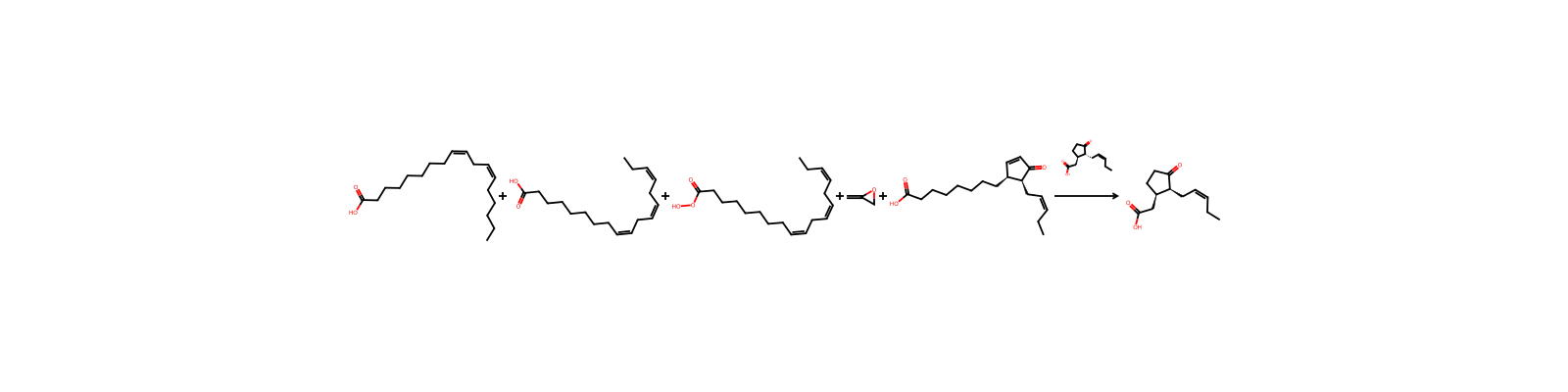
化学的特性clear light yellow to yellow liquid
化学性质リノレイン酸の化学式はC18H32O2で18個の炭素原子からなる長い炭化水素鎖を持ちますこの分子は二重結合を2つ含むため「多価不飽和」と分類されますこの二重結合の配置がリノレイン酸の化学的性質と生物学的活性に影響を与えます
EYES: First check the victim for contact lenses and remove if present. Flush victim's eyes with water or normal saline solution for 20 to 30 minutes while simultaneously calling a hospital or poison control center. Do not put any ointments, oils, or medication in the victim's eyes without specific instructions from a physician. IMMEDIATELY transport the victim after flushing eyes to a hospital even if no symptoms (such as redness or irritation) develop.
SMALL SPILLS AND LEAKAGE: If you spill this chemical, FIRST REMOVE ALL SOURCES OF IGNITION. Then, use absorbent paper to pick up all liquid spill material. Your contaminated clothing and absorbent paper should be sealed in a vapor-tight plastic bag for eventual disposal. Solvent wash all contaminated surfaces with 60-70% ethanol followed by washing with a soap and water solution. Do not reenter the contaminated area until the Safety Officer (or other responsible person) has verified that the area has been properly cleaned.
RECOMMENDED RESPIRATOR: Where the neat test chemical is weighed and diluted, wear a NIOSH-approved half face respirator equipped with an organic vapor/acid gas cartridge (specific for organic vapors, HCl, acid gas and SO2) with a dust/mist filter. (NTP, 1992)
The CIR Expert Panel concluded that the following ingredients are safe in the present practices of use andconcentration described in the safety assessment when formulated to be non-irritating and non-sensitizing, which may be basedon a QRA...Linolenic Acid...
Safe for use in cosmetics, with qualifications
Alpha Linolenic Acid or ALA is considered an essential fatty acid because it is required for human health, but cannot be synthesized by humans. It is in fact a plant-derived fatty acid. Humans can synthesize other omega-3 fatty acids from ALA, including eicosapentaenoic acid (EPA) and docosahexaenoic acid (DHA). EPA is a precursor of the series-3 prostaglandins, the series-5 leukotrienes and the series-3 thromboxanes. These eicosanoids have anti-inflammatory and anti-atherogenic properties. ALA metabolites may also inhibit the production of the pro-inflammatory eicosanoids, prostaglandin E2 (PGE2) and leukotriene B4 (LTB4), as well as the pro-inflammatory cytokines, tumor necrosis factor-alpha (TNF-alpha) and interleukin-1 beta (IL-1 beta). Omega-3 fatty acids like ALA and its byproducts can modulate the expression of a number of genes, including those involved with fatty acid metabolism and inflammation. They regulate gene expression through their effects on the activity of transcription factors including NF-kappa B and members of the peroxisome proliferator-activated receptor (PPAR) family. Incorporation of ALA and its metabolites in cell membranes can affect membrane fluidity and may play a role in anti-inflammatory activity, inhibition of platelet aggregation and possibly in anti-proliferative actions of ALA. ALA is first metabolized by delta6 desaturease into steridonic acid.
CIR ingredient: Linolenic Acid
Essential fatty acid; Found in most drying oils; Used as a nutrient; [Merck Index] Used in biochemical research, drying oils, and cosmetics; [NTP]
Painting (Pigments, Binders, and Biocides) [Category: Paint]
For nutritional supplementation and for treating dietary shortage or imbalance.
EPA Safer Chemical Functional Use Classes -> Surfactants
Safer Chemical Classes -> Green circle - The chemical has been verified to be of low concern
Fragrance Ingredients
Cosmetics -> Emollient; Antistatic; Cleansing; Skin conditioning; Hair conditioning; Surfactant
Plastics Product Manufacturing
9,12,15-Octadecatrienoic acid, (9Z,12Z,15Z)-: ACTIVE
解説α-リノレン酸,無色の液体.融点-11 ℃,沸点230~232 ℃(133 Pa).d184 0.914.n20D 1.4780.水に不溶,多くの有機溶剤に可溶.還元すればステアリン酸になる.ヒトや動物の組織には,Δ15-不飽和化酵素がないために生合成できず,食物から摂取しなければならない必須脂肪酸である.森北出版「化学辞典(第2版)
用途リノレイン酸は細胞膜の柔軟性を保つのに重要な役割を果たしますまたプロスタグランジンと呼ばれる物質の生成にも関係していてこれは体内の炎症反応や免疫応答に重要ですさらにリノレイン酸はコレステロールの代謝にも影響を及ぼし心血管系の健康を支える要素となります
説明Linolenic acid (LA), also known as Alpha-linolenic acid (ALA), is an omega-3 essential fatty acid with a wide range of biological activities such as cardiovascular protection, anticancer, neuroprotection, anti-osteoporosis, anti-inflammatory, and antioxidant.LA is mainly sourced from plants, such as nuts and seeds, and is used for the endogenous synthesis of LC omega-6 fatty acids. It is used medicinally as a nutritional supplement and to treat dietary deficiencies or imbalances.
天然物の起源linolenic acid occurs as the glyceride in many seed fats. It is an essential fatty acid in the diet.
使用linolenic acid is also known as alpha-linolenic acid; omega-3. An essential fatty acid found in most drying oils. It is slightly irritating to the mucous membranes. It may be used in a cosmetic preparation for any of the following broad uses: anti-static, cleansing, emollient, skin-conditioning, and surfactant properties.
一般的な説明Linolenic acid is a clear colorless liquid. (NTP, 1992)
定義本品は、次の化学式で表される不飽和脂肪酸である。
定義ChEBI: Alpha-linolenic acid is a linolenic acid with cis-double bonds at positions 9, 12 and 15. Shown to have an antithrombotic effect. It has a role as a micronutrient, a nutraceutical and a mouse metabolite. It is an omega-3 fatty acid and a linolenic acid. It is a conjugate acid of an alpha-linolenate and a (9Z,12Z,15Z)-octadeca-9,12,15-trienoate.