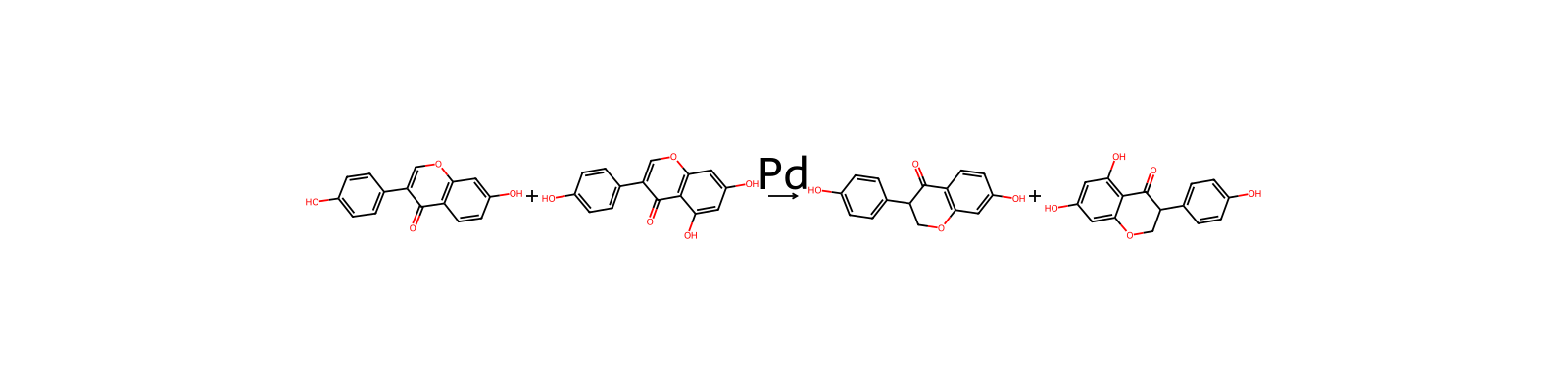
基本情報
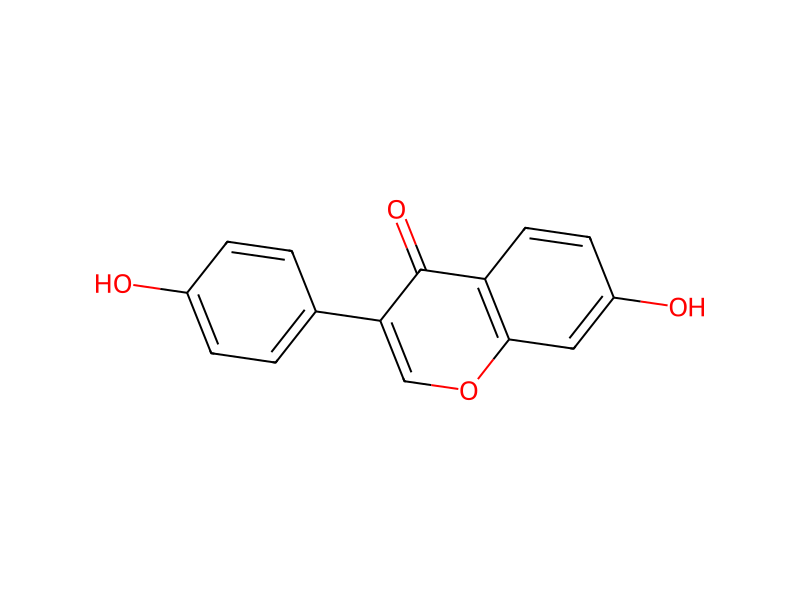
- 標準SMILES
O=c1c(-c2ccc(O)cc2)coc2cc(O)ccc12- InChIKey
ZQSIJRDFPHDXIC-UHFFFAOYSA-N- 分子式
- C15H10O4
- 平均分子量
- 254.24 g/mol
- 単同位体質量
- 254.0579088
概要
Daidzein is a member of the class of 7-hydroxyisoflavones that is 7-hydroxyisoflavone substituted by an additional hydroxy group at position 4'. It has a role as an EC 2.7.7.7 (DNA-directed DNA polymerase) inhibitor, an antineoplastic agent, an EC 3.2.1.20 (alpha-glucosidase) inhibitor, a plant metabolite and a phytoestrogen. It is a conjugate acid of a daidzein(1-).
名称と識別子
- 優先名称
- Daidzein
- IUPAC
- 7-hydroxy-3-(4-hydroxyphenyl)chromen-4-one
- 現地名
- ダイゼイン
- 英語名
- Daidzein
- 分子式
- C15H10O4
- 分子量
- 254.24
名称と別名
daidzein486-66-84',7-DihydroxyisoflavoneDaidzeol7-hydroxy-3-(4-hydroxyphenyl)-4H-chromen-4-one7,4'-Dihydroxyisoflavone7-Hydroxy-3-(4-hydroxyphenyl)-4H-1-benzopyran-4-one7-hydroxy-3-(4-hydroxyphenyl)chromen-4-oneDiadzein7-Hydroxy-3-(4-hydroxyphenyl)-4-benzopyroneDTXSID90223106287WC5J2L
名称をさらに表示
ダイゼインダイジェイン3-(p-ヒドロキシフェニル)-7-ヒドロキシクロモンジメチルビオカニンB4',7-ジヒドロキシイソフラボン3-(4-ヒドロキシフェニル)-7-ヒドロキシ-4H-1-ベンゾピラン-4-オンダイゼオール7-ヒドロキシ-3-(4-ヒドロキシフェニル)-4H-1-ベンゾピラン-4-オンダイドゼインdiadzein (ジアゾゼイン)7-ヒドロキシ-3-(4-ヒドロキシフェニル)-4H-クロメン-4-オン4′,7-ジヒドロキシイソフラボンDaidzein 486-66-84’,7-dihydroxy-isoflavon4,7-Dihydroxyisoflavone(Daidzein)7-HYDROXY-3-(4-HYDROXY-PHENYL)-CHROMEN-4-ONEk251bGMP-5TatoinDaizeolK 251-6
DTXCID102310CHEBI:28197RefChem:5729207-635-44H-1-Benzopyran-4-one, 7-hydroxy-3-(4-hydroxyphenyl)-Daidzein (Standard)MFCD000169544,7-Dihydroxyisoflavone
データベース識別子
- CAS
486-66-8- PubChem CID
- 5281708
- DTXSID
DTXSID9022310- ChEMBL
CHEMBL8145- ChEBI
CHEBI:28197- UNII
- 6287WC5J2L
- EC Number
- 207-635-4
- Nikkaji
- J6.014C
物性
構造計算による物性
- XLogP
- 2.5
- 極性表面積
- 66.8 Ų
- 水素結合供与体数
- 2
- 水素結合受容体数
- 4
- 回転可能結合数
- 1
- 重原子数
- 19
- 形式電荷
- 0
- 複雑度
- 382
実験および物理化学的性質
DrugsPharmaceuticals -> Listed in ZINC15
LipidsPolyketides [PK] -> Flavonoids [PK12] -> Isoflavonoids [PK1205]
Endocrine DisruptorsPotential endocrine disrupting compound
Melting Point323 °C
Physical DescriptionSolid
Collision Cross Section
155.8 Ų [M+H]+ [CCS Type: DT; Buffer gas: N2; Ionization: ESI+; Dataset: TOXCAST; Source Identifier: DTXSID9022310]
162.33 Ų [M-H]- [CCS Type: DT; Method: stepped-field]
172 Ų [M+Na]+
物理化学的性質
- 融点
- 315 · 315-323°C (dec.)
- 沸点
- 317.45 °C · 317.45°C (rough estimate)
- 比重(密度)
- 1.1629 · 1.1629 (rough estimate)
- 屈折率
- 1.43 · 1.4300 (estimate)
- 貯蔵温度
- 2 · 2-8°C
- 溶解性
- 10 mg/mL · DMSO: 10 mg/mL
- 外見
- 粉
- 酸解離定数(Pka)
- 7.01 · 7.01±0.20(Predicted)
- 色
- ホワイトからオフホワイト
- 由来生物
- synthetic
- 水溶解度
- 不溶性
- Merck
- 14 · 14,2801
- BRN
- 231523 · 231523
- 主な用途
- 食品および飲料
- 化粧品成分の機能
- スキンコンディショニング - その他
- InChI
- 1S/C15H10O4/c16-10-3-1-9(2-4-10)13-8-19-14-7-11(17)5-6-12(14)15(13)18/h1-8,16-17H
- InChIKey
- ZQSIJRDFPHDXIC-UHFFFAOYSA-N
- SMILES
- Oc1ccc(cc1)C2=COc3cc(O)ccc3C2=O
- LogP
- 2.632 · 2.632 (est)
- CAS データベース
- 486 · 486-66-8(CAS DataBase Reference)
- EPAの化学物質情報
- 4 H-1-Benzopyran-4-one, · 4H-1-Benzopyran-4-one, 7-hydroxy-3-(4-hydroxyphenyl)- (486-66-8)
化学的性質
化学的特性Off-White Crystalline Solid
安全と法規制
GHS分類
GHS Classification
This chemical does not meet GHS hazard criteria for 3.7% (3 of 81) of reports.
Warning
H315 (95.1%): Causes skin irritation [Warning Skin corrosion/irritation]
P264, P264+P265, P280, P302+P352, P305+P351+P338, P321, P332+P317, P337+P317, and P362+P364 (click each P-code to see the statement)
Aggregated GHS information provided per 81 reports by companies from 5 notifications to the ECHA C&L Inventory. Each notification may be associated with multiple companies.
危険有害性情報
Regulatory Information4H-1-Benzopyran-4-one, 7-hydroxy-3-(4-hydroxyphenyl)-: Does not have an individual approval but may be used as a component in a product covered by a group standard. It is not approved for use as a chemical in its own right.
Hazard Classes and CategoriesSkin Irrit. 2 (95.1%)
毒性情報
Carcinogen ClassificationNo indication of carcinogenicity to humans (not listed by IARC).
安全データ
- wgk
- 3
- rtecs
- DJ3100040
- hs_code
- 29329990
- risk_code
- 36/38
- hazard_code
- Xi
- safety_code
- 24-26-37/39
- hazard_class
- IRRITANT
- Hazard Classifications
- Eye Irrit. 2Skin Irrit. 2
- ストレージクラス
- 11 - Combustible Solids
化学と産業
薬理情報
Metabolism/MetabolitesDaidzein has known human metabolites that include (2S,3S,4S,5R)-3,4,5-Trihydroxy-6-[3-(4-hydroxyphenyl)-4-oxochromen-7-yl]oxyoxane-2-carboxylic acid and Dihydrodazein.
MeSH Pharmacological ClassificationCompounds derived from plants, primarily ISOFLAVONES that mimic or modulate endogenous estrogens, usually by binding to ESTROGEN RECEPTORS.
Cellular LocationsMembrane
用途と製造
Uses
Isoflavones compounds are found in a number of plants, but soybeans and soy products like tofu and textured vegetable protein are the primary food source. Equol represents the main active product of daidzein metabolism, produced via specific microflora in the gut.
応用分野
解説ダイゼイン,イソフラボン類の一つ.マメ科Pueraria thunbergiana Benth.の根に含まれ,またGlycine hispida L.の種子では配糖体ダイジンとして存在する植物エストロゲンの一種.マメ科の植物に存在し、大豆や豆腐などの食品にも含まれる。体内で雌性ホルモンと似たはたらきをするファイトエストロゲンの一つとして知られる。無色の柱状晶.融点315~320 ℃(300 ℃ より黒変する).λmax 250 nm(log ε 4.44).水に不溶,アルコール類,アセトンに可溶.アルカリに溶けて,溶液は紫外線下で蛍光を発する.塩化鉄(Ⅲ)溶液で呈色しない.
説明Daidzein mainly comes from leguminous plants, the seeds of soybean (dadou), red clover grass, or all Pueraria roots. Its medicinal value was first recorded in Shen Nong Ben Cao Jing 2838 BC.Daidzein, one of the main soy isoflavones, is also the main component of radix puerariae (Gegen) which is the dry root of kudzu leguminous plants. Radix puerariae can reduce fever, produce saliva, and relieve diarrhea. Its chemical composition is complicated, including puerarin, xyloside, soy flavonoids, soybean flavonoid glycosides, beta-sitosterol, daidzin, daidzein. The main effective components are puerarin and daidzein
来歴Daidzein is a kind of isoflavone compound, which was first synthetized by researchers in China. It has been widely used in drugs, food supplements, and cosmetics. Because of two phenolic hydroxyl structures, Daidzein has poor water solubility, poor liposolubility, and strong first-pass effect, leading to the low bioavailability of oral absorption, which limits its widely clinical usage. Ipriflavone is a kind of isoflavone modified from Daidzein, which has been used for the treatment of osteoporosis in Japan and some European countries. The effects of a series of amino alkoxy derivatives of ipriflavones on inhibiting the bone absorption were evaluated. The researchers found that 7-amino alkoxy derivative works best. When Daidzein was alkylated or acylated at 7-hydroxyl selectively, the stability was increased, and thus the proliferation of MCF-7 cell was inhibited.
使用Inactive analog of Genistein (Cat. #G350000). Blocks the G1 phase of the cell cycle in Swiss 3T3 cells by inhibiting casein kinase II activity1. Daidzein has also been shown to inhibit the action of GABA on recombinant GABAA receptors2. uv max:250 nm (log e 4.44)
一般的な説明Daidzein is an endocrine-active estrogenic isoflavone. This phytoestrogen is capable to bind to estrogen to exert estrogenic effects in vivo. It can naturally be found in soybean seed and flour.
上流・下流製品情報
上流原料
下流製品
サプライヤー50 社
国药集团化学试剂有限公司86-21-63210123 · [email protected]
北京华美互利生物化工010-56205725 · [email protected]
梯希爱(上海)化成工业发展有限公司021-67121386 · [email protected]
上海阿拉丁生化科技股份有限公司400-6206333 13167063860 · [email protected]
山西玉宁生物科技有限公司13623677056
成都健腾生物技术有限公司028-85159085 · [email protected]
西安久启生物科技有限公司18729366352 13186100227
上海如吉生物科技发展有限公司+86-21-65211385-8001 36031160 · [email protected]
Shaanxi Huike Botanical Development Co., Ltd+86-29-62663046 · [email protected]
科瑞迪化学400-821-5857 021-64326257 · [email protected]
上海将来实业股份有限公司400-0066400 13621662912 · [email protected]
南京丙承生物科技有限公司18805194892
Syntechem Co.,Ltd[email protected]
上海迈瑞尔生化科技有限公司4006356688 18621169109 · [email protected]
南部县诚信科技有限公司0838-5675166 15883665058 · [email protected]
武汉易泰科技有限公司上海分公司18930552037 · [email protected]
大连美仑生物技术有限公司0411-62910999 13889544652 · [email protected]
阿法埃莎(中国)化学有限公司400-6106006 · [email protected]
太原市瑞和丰科贸有限公司+86 351 7031519 · [email protected]
安耐吉化学&3A(安徽泽升科技股份有限公司)400-0056266 · [email protected]
上海瀚鸿科技股份有限公司021-54306202 13764082696 · [email protected]
天津万象恒远科技有限公司15722085254 · [email protected]
成都普菲德生物技术有限公司028-82610909 13388174823 · [email protected]
上海相辉医药科技有限公司13761987713 · [email protected]
上海融禾医药科技发展有限公司17301719108 13341702378 · [email protected]
嘉兴市艾森化工有限公司0573-85285100 18627885956 · [email protected]
TransMIT GmbH PlantMetaChem+49-172-1024293 · [email protected]
Pure Chemistry Scientific Inc.001-857-928-2050 or 1-888-588-9418 · [email protected]
深圳虹彩祥根生物科技有限公司+86-0755-89668383 · [email protected]
MedChemexpress LLC021-58955995 · [email protected]
武汉丰泰威远科技有限公司027-87465837 19945049750 · [email protected]
孝感深远化工有限公司15527621225; 15527621225 · [email protected]
云南西力生物技术股份有限公司0871-65217109 · [email protected]
山东西亚化学有限公司13355009207 13355009207 · [email protected]
四川库利南科技有限公司400-1166-196 18981987031 · [email protected]
成都健腾生物技术有限公司86-28-85159085 · [email protected]
百盛HK进出口有限公司+86-18068513926
斯百全化学(上海)有限公司021-021-021-67601398-809-809-809 15221380277 · [email protected]
上海源叶生物科技有限公司13636370518 · [email protected]
艾科试剂4008-755-333 18080918076 · [email protected]
成都锦然生物科技有限公司028-83311324 1278112614 · [email protected]
上海思域化工科技有限公司86-21-34053660 · [email protected]
西安康培基生物科技有限公司86-029-85456576 · [email protected]
赛默飞世尔科技(中国)有限公司800-810-5118 · [email protected]
AdooQ BioScience, LLC+1 (866) 930-6790 · [email protected]
TCI AMERICA800-4238616 · [email protected]
TOKYO CHEMICAL INDUSTRY CO., LTD.03-36680489 · [email protected]
TCI Europe320-37350700 · [email protected]
上海贤鼎生物科技有限公司4009209199 · [email protected]
南京杜莱生物技术有限公司025-84699383-8003;025-846993838003-8003 18013301590 · [email protected]
補足説明
定義本品は、次の化学式で表される有機化合物である。
定義ChEBI: A member of the class of 7-hydroxyisoflavones that is 7-hydroxyisoflavone substituted by an additional hydroxy group at position 4'.
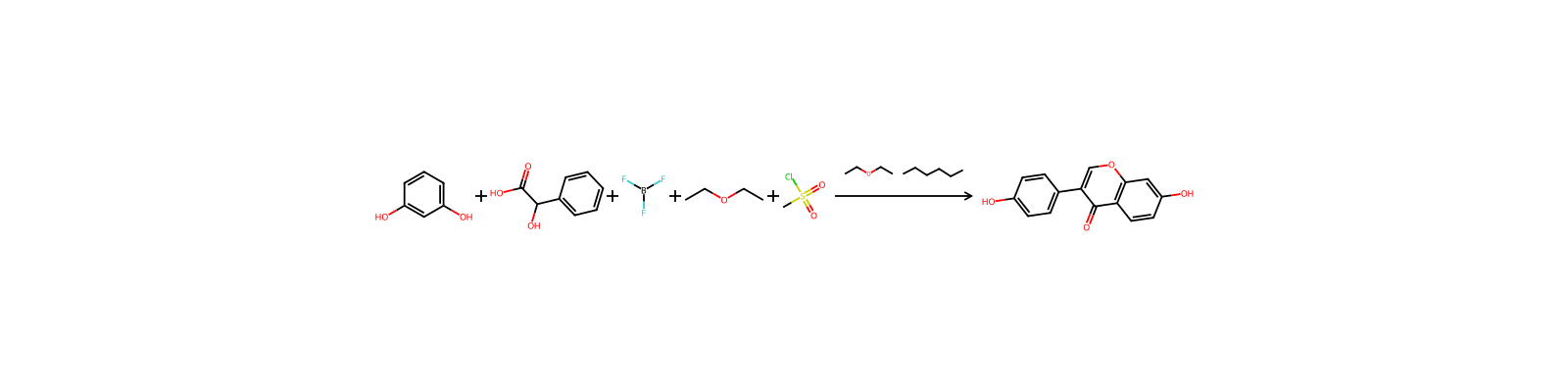
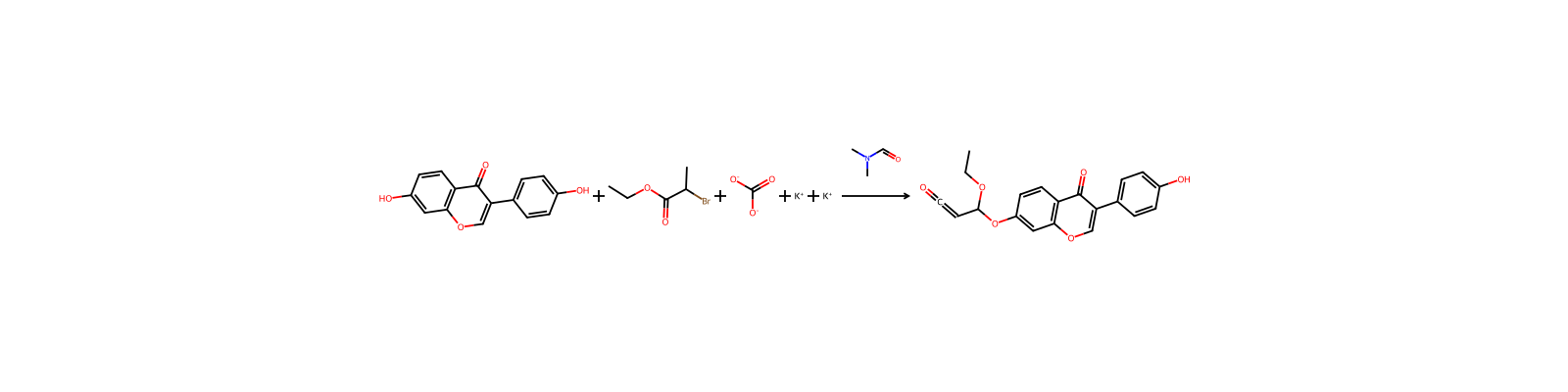
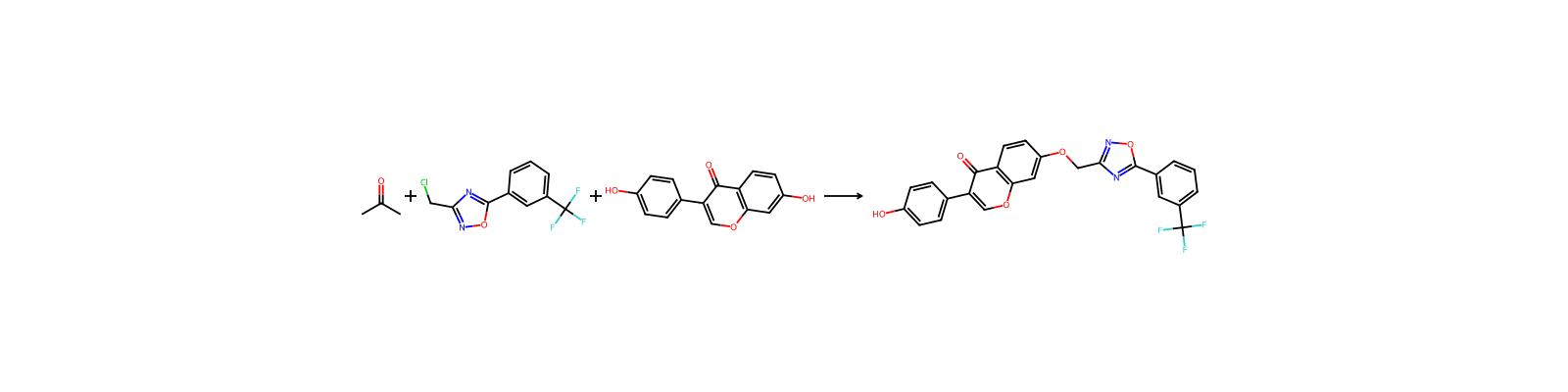
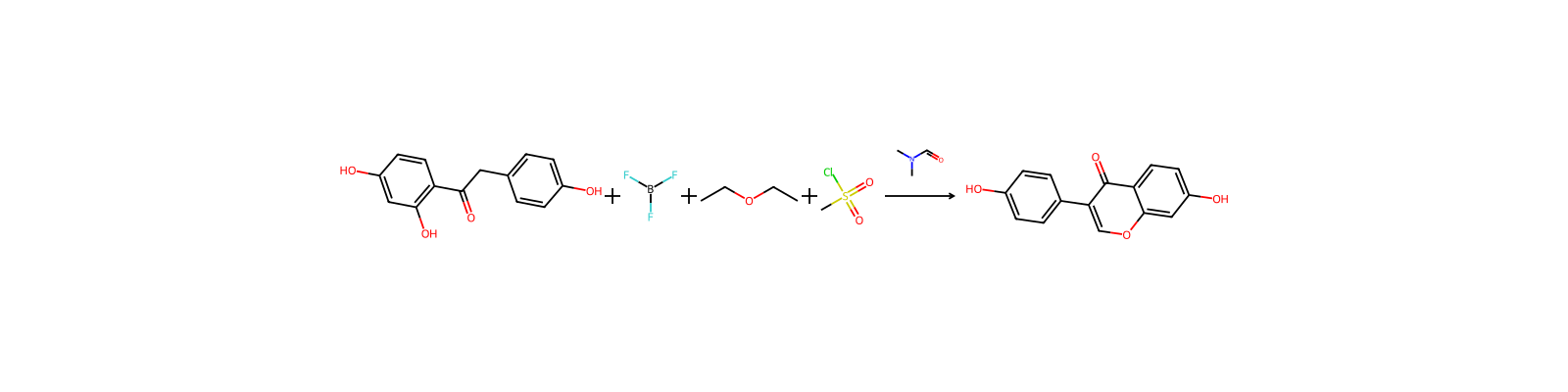
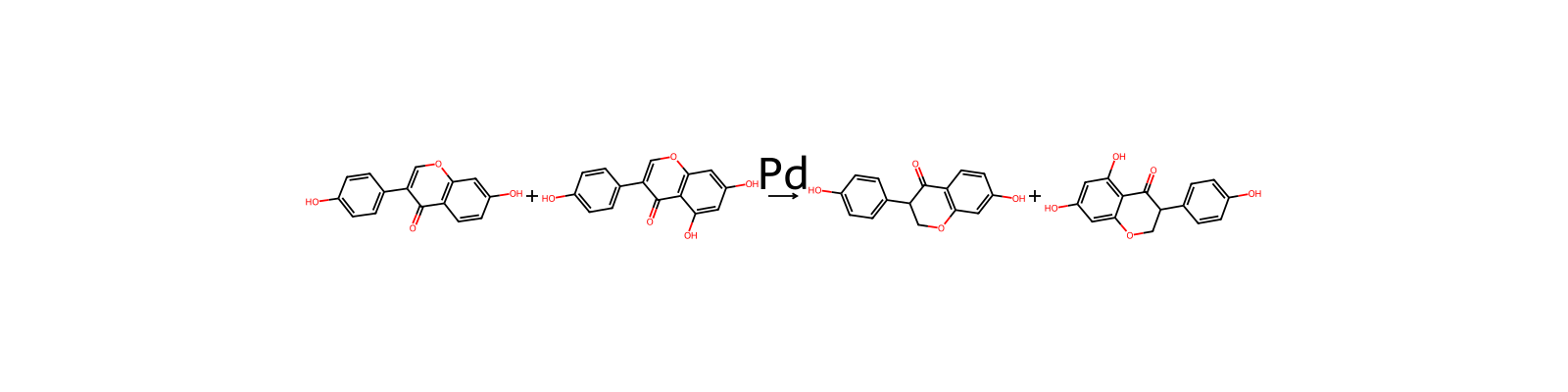
関連反応
49 件


関連ノート
読み込み中…