1-メチルピペラジン
1-Methylpiperazine
データを補完しています。しばらくしてからページを更新すると最新の内容を表示できます

基本情報
- CAS
109-01-3- 標準SMILES
CN1CCNCC1- InChIKey
PVOAHINGSUIXLS-UHFFFAOYSA-N- 分子式
- C5H12N2
- 平均分子量
- 100.16 g/mol
- 単同位体質量
- 100.10004839
名称と識別子
- 優先名称
- 1-Methylpiperazine
- IUPAC
- 1-methylpiperazine
- 現地名
- 1-メチルピペラジン
- 英語名
- 1-Methylpiperazine
- 分子式
- C5H12N2
- 分子量
- 100.16
名称と別名
1-MethylpiperazineN-Methylpiperazine109-01-3PIPERAZINE, 1-METHYL-1-methyl piperazineB92I95EL9QNSC-30195NSC-30675DTXSID4021898RefChem:434645DTXCID601898CHEBI:46920
名称をさらに表示
1-メチルピペラジン4-メチルピペラジンN-メチルピペラジン1‐メチルピペラジンNMPRZ1-MethyipiperazineN-MethylpiperazinPiperazine,1-methyl-CL046AKOS BBS-000036651-methyl-piperazin
203-639-54-Methylpiperazinen-methyl piperazine1-Methyl-piperazineMETHYLPIPERAZINEmethyl piperazineN-METHYL-PIPERAZINE1-methylpyperazine
データベース識別子
- CAS
109-01-3- PubChem CID
- 53167
- DTXSID
DTXSID4021898- ChEMBL
CHEMBL1011- ChEBI
CHEBI:166561- UNII
- B92I95EL9Q
- EC Number
- 203-639-5
- Nikkaji
- J1.011A
物性
構造計算による物性補完中
- XLogP
- -0.4
- 極性表面積
- 15.3 Ų
- 水素結合供与体数
- 1
- 水素結合受容体数
- 2
- 回転可能結合数
- 0
- 重原子数
- 7
- 形式電荷
- 0
- 複雑度
- 48
実験および物理化学的性質
Vapor Pressure3.0 [mmHg]
Physical DescriptionClear light yellow hygroscopic liquid; [Sigma-Aldrich MSDS]
Kovats Retention Index
839;847;852;838.5
1266;1270;1274;1282;1282;1286;1262
物理化学的性質
- 融点
- -6 °C · -6 °C
- 沸点
- 138 °C · 138 °C(lit.)
- 比重(密度)
- 0.903 g/mL · 0.903 g/mL at 25 °C(lit.)
- 蒸気密度
- 3.5 · 3.5 (vs air)
- 蒸気圧
- 12 hPa · 12 hPa (20 °C)
- 屈折率
- 20 · n20/D 1.466(lit.)
- 闪点
- 108 °F · 108 °F
- 貯蔵温度
- 2 · 2-8°C
- 溶解性
- クロロホルム(可溶)、メタノール(可溶)
- 酸解離定数(Pka)
- 1 · pK1:4.94(+2);pK2:9.09(+1) (25°C,μ=0.1)
- 外見
- 液体
- 比重
- 0.903 · 0.903
- 色
- クリア
安全と法規制
安全情報は参考情報です。供給元の安全データシート(SDS)、適用法令、専門家による評価に代わるものではありません。
GHS分類
GHS Classification
This chemical does not meet GHS hazard criteria for 1.1% (4 of 377) of reports.
Danger
H226 (98.7%): Flammable liquid and vapor [Warning Flammable liquids];H312 (44.8%): Harmful in contact with skin [Warning Acute toxicity, dermal];H314 (98.9%): Causes severe skin burns and eye damage [Danger Skin corrosion/irritation];H317 (53.8%): May cause an allergic skin reaction [Warning Sensitization, Skin];H318 (51.7%): Causes serious eye damage [Danger Serious eye damage/eye irritation];H330 (24.4%): Fatal if inhaled [Danger Acute toxicity, inhalation];H331 (12.5%): Toxic if inhaled [Danger Acute toxicity, inhalation];H332 (56.8%): Harmful if inhaled [Warning Acute toxicity, inhalation]
P210, P233, P240, P241, P242, P243, P260, P261, P264, P264+P265, P271, P272, P280, P284, P301+P330+P331, P302+P352, P302+P361+P354, P303+P361+P353, P304+P340, P305+P354+P338, P316, P317, P320, P321, P333+P317, P362+P364, P363, P370+P378, P403+P233, P403+P235, P405, and P501 (click each P-code to see the statement)
Aggregated GHS information provided per 377 reports by companies from 24 notifications to the ECHA C&L Inventory. Each notification may be associated with multiple companies.;Reported as not meeting GHS hazard criteria per 4 of 377 reports by companies.;There are 23 notifications provided by 373 of 377 reports by companies with hazard statement code(s).;Information may vary between notifications depending on impurities, additives, and other factors. The percentage value in parenthesis indicates the notified classification ratio from companies that provide hazard codes. Only hazard codes with percentage values above 10% are shown. For more detailed information, please visit ECHA C&L website.
危険有害性情報
Regulatory Information
Chemical: Piperazine, 1-methyl-
Status: Active Update: 08-07-2022 https://echa.europa.eu/registration-dossier/-/registered-dossier/13739;Status: Active Update: 20-10-2022 https://echa.europa.eu/registration-dossier/-/registered-dossier/18323
1-Methylpiperazine: Does not have an individual approval but may be used under an appropriate group standard
The New Jersey Worker and Community Right to Know Act requires public and private employers to provide information about hazardous substances at their workplaces. (N.J.S.A. 34:5A-1 et. seq.)
化学と産業
用途と製造
UsesUsed to make large scale and fine chemicals; [ECHA REACH Registrations]
General Manufacturing InformationPiperazine, 1-methyl-: ACTIVE
応用分野
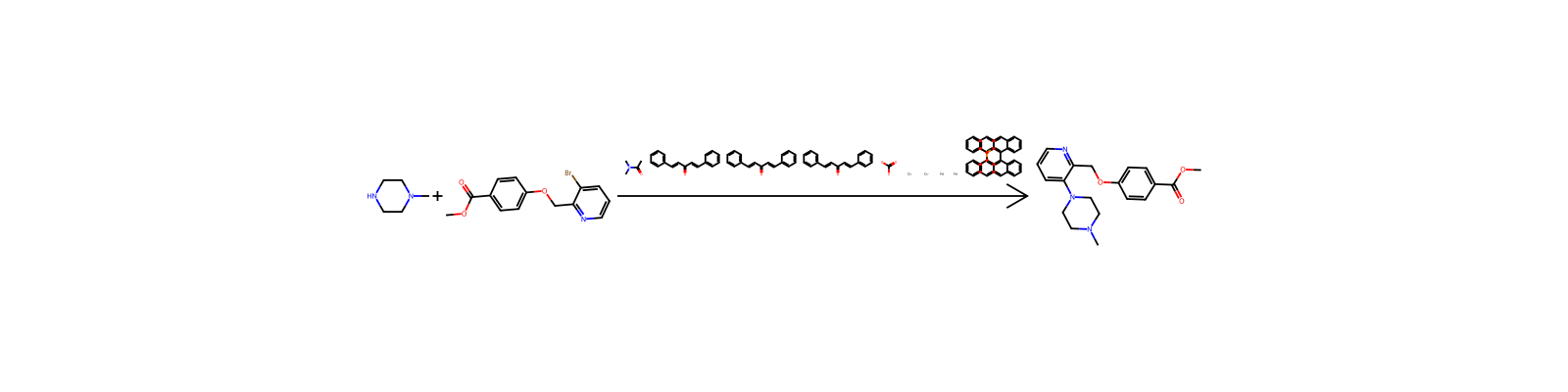
使用1-Methylpiperazine is used in the preparation of 2-(4-Methyl-1-piperazinylmethyl)acrylophenone(MPMAP)
上流・下流製品情報
上流原料
下流製品
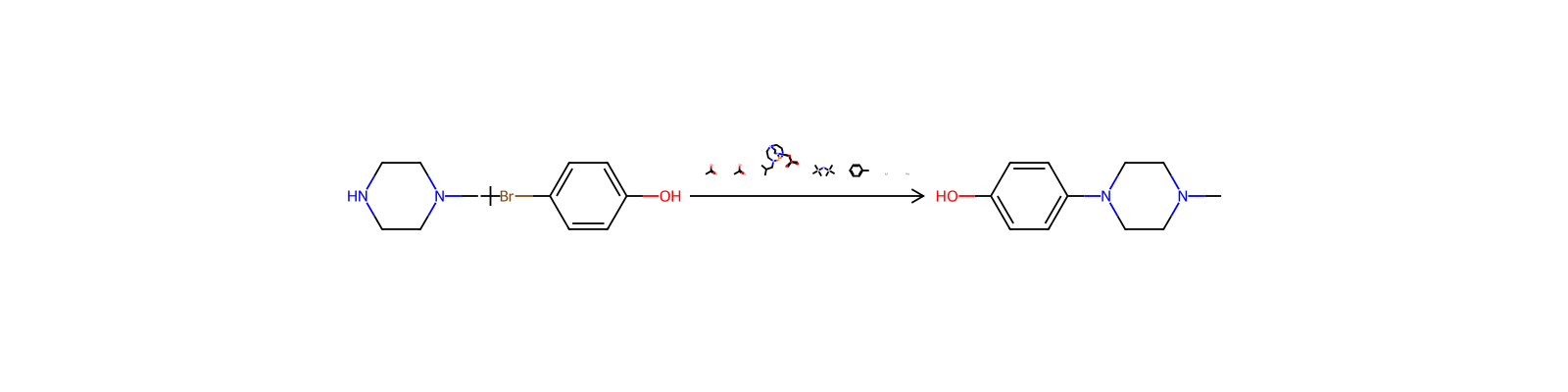
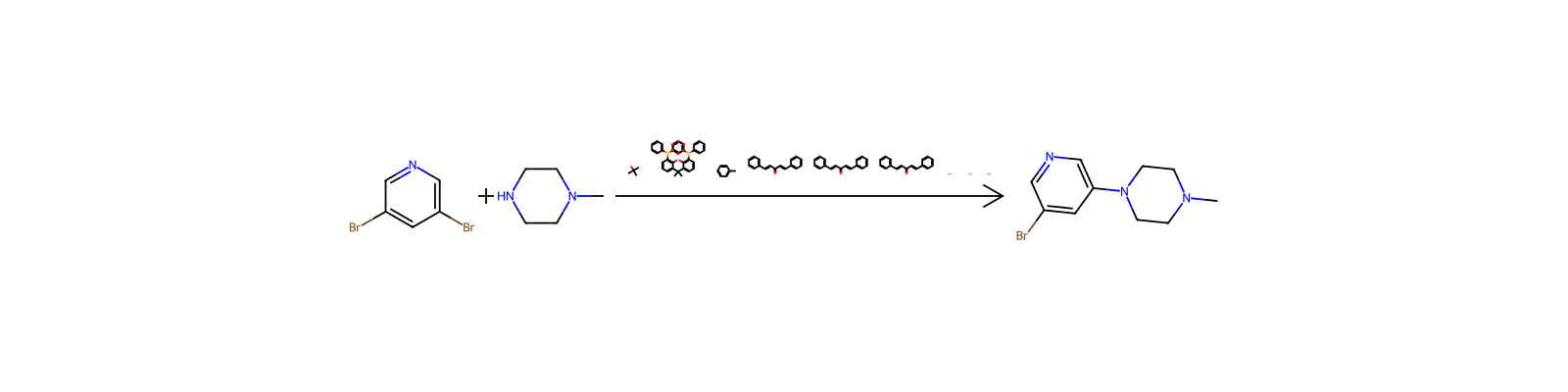
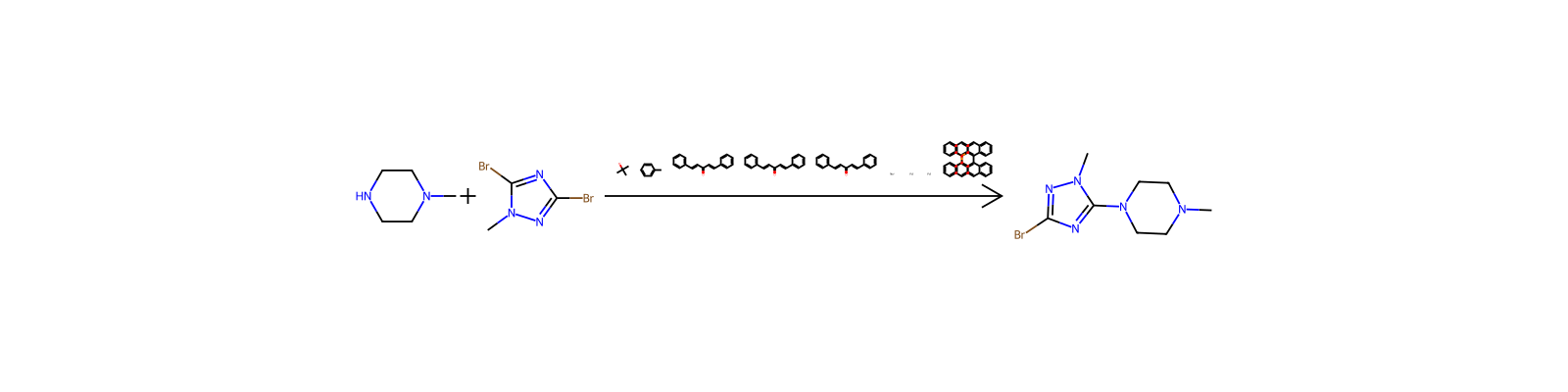
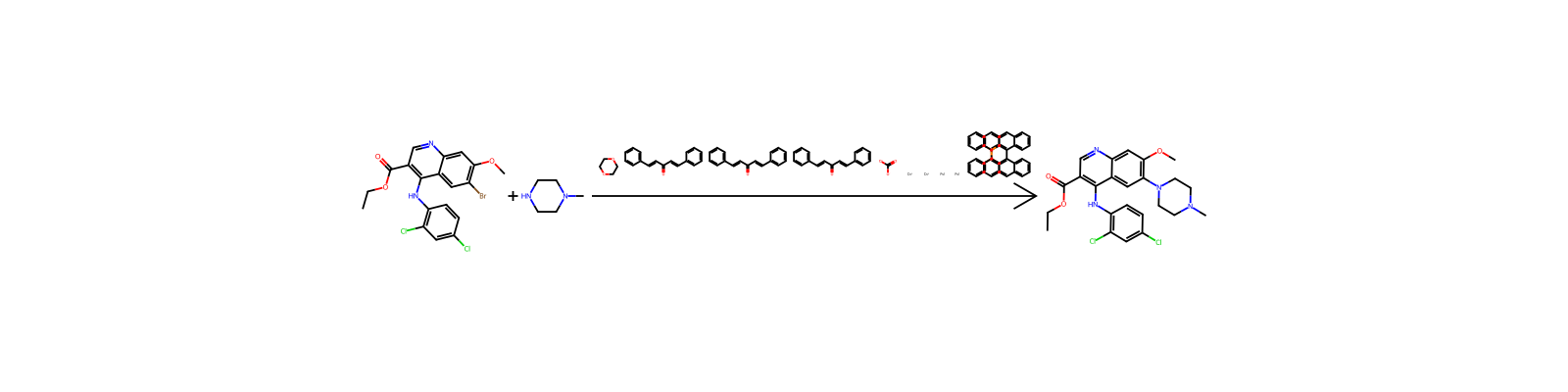
関連反応
5,438 件



化合物ノート
読み込み中…