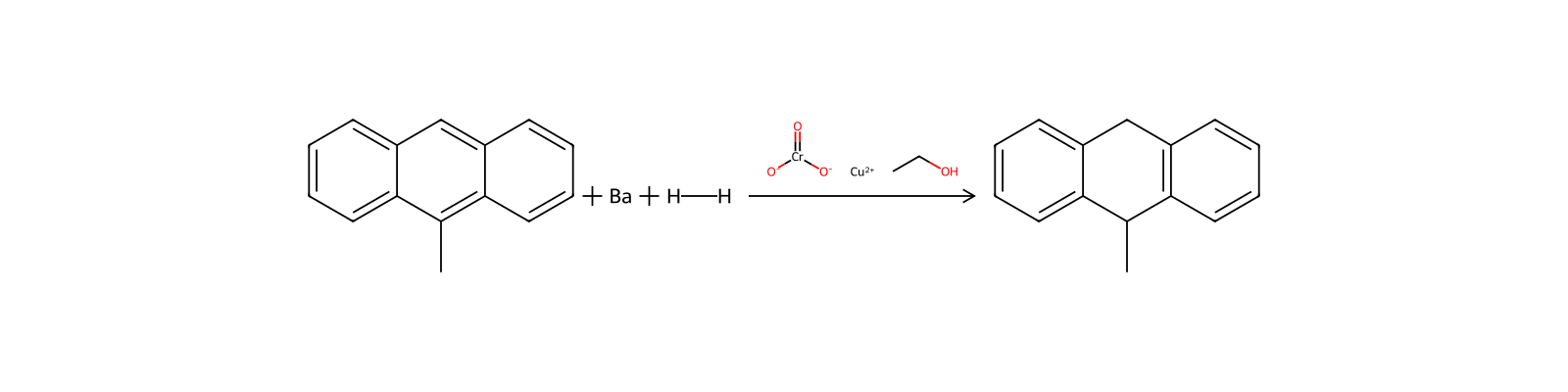
HRID 66271反応物として
Barium

7440-39-3[Ba]DSAJWYNOEDNPEQ-UHFFFAOYSA-NBarium is a silvery-white metal which exists in nature only in ores containing mixtures of elements. It combines with other chemicals such as sulfur or carbon and oxygen to form barium compounds. Barium compounds are used by the oil and gas industries to make drilling muds. Drilling muds make it easier to drill through rock by keeping the drill bit lubricated. They are also used to make paint, bricks, ceramics, glass, and rubber. Barium sulfate is sometimes used by doctors to perform medical tests and to take x-rays of the gastrointestinal tract.
7440-39-3DTXSID8023894Metals -> Metals, Inorganic Compounds
Flammable agents - 3rd degree
Trace element
3.51 at 68 °F (NTP, 1992) - Denser than water; will sink
3.62 g/cu cm
3.6 g/cm³
3.51 at 68 °F
3.62 @25 °C
Reacts with water; slightly soluble in ethanol
Solubility in water: reaction
2984 °F at 760 mmHg (NTP, 1992)
1897 °C
1640 °C
2984 °F
1897 °C @760 [mm Hg]
1337 °F (NTP, 1992)
727 °C
725 °C
1337 °F
727 °C
安全情報は参考情報です。供給元の安全データシート(SDS)、適用法令、専門家による評価に代わるものではありません。
This chemical does not meet GHS hazard criteria for 9.4% (49 of 519) of reports.
Danger
H228 (37.8%): Flammable solid [Danger Flammable solids]
P210, P223, P231+P232, P240, P241, P260, P261, P264, P264+P265, P270, P271, P280, P301+P316, P301+P330+P331, P302+P335+P334, P302+P352, P302+P361+P354, P304+P340, P305+P351+P338, P305+P354+P338, P316, P317, P319, P321, P330, P332+P317, P337+P317, P362+P364, P363, P370+P378, P402+P404, P403+P233, P405, and P501 (click each P-code to see the statement)
Aggregated GHS information provided per 519 reports by companies from 19 notifications to the ECHA C&L Inventory. Each notification may be associated with multiple companies.
Danger
Chemical: Barium
Hazard Traits - Cardiovascular Toxicity
Barium is listed on the EPA's Chemical Data Reporting (CDR) system. Manufacturers and importers of Barium are required to report information about their production and use of this chemical to the EPA under the Toxic Substances Control Act (TSCA). (40 eCFR Part 711)
REACH registered substance: Barium (EC: 231-149-1)
Barium: Does not have an individual approval but may be used under an appropriate group standard
The New Jersey Worker and Community Right to Know Act requires public and private employers to provide information about hazardous substances at their workplaces. (N.J.S.A. 34:5A-1 et. seq.)
Dangerous When Wet
Spontaneously Combustible
Excerpt from ERG Guide 138 [Substances - Water-Reactive (Emitting Flammable Gases)]:
Excerpt from ERG Guide 135 [Substances - Spontaneously Combustible]:
Blood: 18 hours (1.9 hours with hemodialysis); whole body: few days; [TDR, p. 145]
The biological half-time for barium in the bone of mice seems to be 100 days ...
An estimate of the biological half-life for barium in the rat is 90-120 days.
The absorption of ingested barium depends on factors such as the presence of food in the intestine, the sulfate content in the food, the age of the animal, and the location of the barium in the GI tract.
... The standard man ... of 70 kg contains approx 22 mg of barium ... A major part of the element is concentrated in the bone (nearly 91%), the remainder being in soft tissues such as the aorta, brain, heart, kidney, spleen, pancreas, and lung ... In human beings there is no increase of total barium with age, except in the aorta and lung ... Barium deposition in the bone occurred preferentially in the active sites of bone growth.
In healthy human beings in a state of barium equilibrium (virtually all of the intake occurring by mouth), approx 91% of the total output was found in the feces, 6% in sweat, and 3% in urine ...
... Barium has been identified in all samples taken from stillborn babies and children up to 1 yr of age, implying that barium can cross the placental barrier and be transported in the maternal milk.
For more Absorption, Distribution and Excretion (Complete) data for Barium, Elemental (10 total), please visit the HSDB record page.
The largest end use of barium is as a getter to remove the last traces of gases from vacuum and television picture tubes. It is also used to improve performance of lead alloy grids of acid batteries, as a component of grey and ductile irons, and in the manufacture of steel, copper and other metals. [HSDB]
Steel Producing [Category: Industry]
Ceramics making [Category: Hobbies]
Carrier for radium; deoxidizer for steel and other metals; alloys of barium with aluminum or magnesium are used as getters in vacuum systems and electronic tubes; emissions from (140)Ba contribute to fission products of uranium rods; emissions from (133)Ba and (137m)Ba are used as std in gamma-spectrometry.


CHEMBL4297653CHEBI:3259510 mmHg at 1920 °F (NTP, 1992)
1 Pa, 638 °C; 10 Pa, 765 °C; 100 Pa, 912 °C; 1 kPa, 1115 °C; 10 kPa, 1413 °C; 100 kPa, 1897 °C
10 mmHg at 1920 °F
Barium appears as a silver to white metallic solid. Contact may cause burns to skin, eyes, and mucous membranes. May be toxic by ingestion, inhalation and skin absorption. Used to make other chemicals.
Barium alloy, pyrophoric is mixture of barium and other metals or nonmetallic elements to improve the specific usefulness of barium. Barium alloys are a solid and can ignite spontaneously in contact with air. This material is toxic and products given off in fire could be very toxic.
Other Solid
Elemental barium: a silver to white metallic solid; [CAMEO]
YELLOWISH-TO-WHITE LUSTROUS SOLID IN VARIOUS FORMS.
A silver to white metallic, odorless solid
化学的特性Barium is a silvery-white metal. It exists in nature only in ores containing mixtures of elements. The important combinations are peroxide, chloride, sulfate, carbonate, nitrate, and chlorate. The pure metal oxidizes readily and reacts with water, emitting hydrogen. It combines with other chemicals such as sulfur or carbon and oxygen to form barium compounds. Barium compounds are used by the oil and gas industries to make drilling muds. Barium attacks most metals with the formation of alloys; iron is the most resistant to alloy formation. Barium forms alloys and intermetallic compounds with lead, potassium, platinum, magnesium, silicon, zinc, aluminum, and mercury. Barium compounds exhibit close relation-ships with the compounds of calcium and strontium, which are also alkaline earth metals. Doctors sometimes use barium sulfate to perform medical tests and to take x-rays of the gastrointestinal tract. Twentyive barium isotopes have been identii ed. 138Ba is the most abundant; the others are unstable isotopes with half-lives ranging from 12.8 days for 140Ba to 12 sec for 143Ba. Two of these isotopes, 131Ba and 139Ba, are used in research as radioactive tracers. The general population is exposed to barium through air, drinking water, and food.
· Produce flammable gases on contact with water.
Flammable. Many reactions may cause fire or explosion. Finely dispersed particles form explosive mixtures in air.
Excerpt from ERG Guide 138 [Substances - Water-Reactive (Emitting Flammable Gases)]:
Excerpt from ERG Guide 135 [Substances - Spontaneously Combustible]:
· Inhalation or contact with vapors, substance or decomposition products may cause severe injury or death.
Barium is a silvery-white metal which exists in nature only in ores containing mixtures of elements. It combines with other chemicals such as sulfur or carbon and oxygen to form barium compounds. Barium compounds are used by the oil and gas industries to make drilling muds. Drilling muds make it easier to drill through rock by keeping the drill bit lubricated. They are also used to make paint, bricks, ceramics, glass, and rubber. Barium sulfate is sometimes used by doctors to perform medical tests and to take x-rays of the gastrointestinal tract.
The soluble salts are toxic: acetate, chloride, hydroxide, oxide, nitrate, and (poly)sulfide. Insoluble salts are rarely toxic: arsenate, chromate, fluoride, oxalate, and sulfate. In the gastric acid of the stomach, barium carbonate (insoluble) converts into barium chloride (soluble). Signs of barium poisoning are abdominal cramping, severe hypokalemia, and paralysis within 2 hours of ingestion. [Goldfrank, p. 1434-5] Concentrated solutions of barium oxide or barium hydroxide are strongly alkaline and corrosive to the skin and eyes. Soluble barium ion is a muscle poison that can cause respiratory arrest and ventricular fibrillation with a lethal dose of about 3-4 g. when absorbed by the gut. [ACGIH] A study of welders using consumable electrodes with high barium content 4 hours daily showed high levels of barium in the urine, but no discernable health effects. [Reference #1] Ingestion of soluble barium compounds in high doses may induce acute renal failure. [Rosenstock, p. 575]
Metals, Elemental and Powder, Active
Metals, Elemental and Powder, Active
Toxicology & Carcinogenesis Studies of Barium Chloride Dihydrate in F344/N Rats and B6C3F1 Mice (Drinking Water Studies). Technical Report Series No. 432 (1994) NIH Publication No. 94-3163 U.S. Department of Health and Human Services, National Toxicology Program, National Institute of Environmental Health Sciences, Research Triangle Park, NC 27709
D005; A solid waste containing barium may or may not become characterized as a hazardous waste when subjected to the Toxicity Characteristic Leaching Procedure listed in 40 CFR 261.24, and if so characterized, must be managed as a hazardous waste. /Barium/
Excerpt from ERG Guide 138 [Substances - Water-Reactive (Emitting Flammable Gases)]:
Excerpt from ERG Guide 135 [Substances - Spontaneously Combustible]:
Use special powder, dry sand. NO water.
Fresh air, rest. Refer for medical attention.
Remove contaminated clothes. Rinse skin with plenty of water or shower. Refer for medical attention .
First rinse with plenty of water for several minutes (remove contact lenses if easily possible), then refer for medical attention.
Rinse mouth. Refer for medical attention .
· CALL 911. Then call emergency response telephone number on shipping paper. If shipping paper not available or no answer, refer to appropriate telephone number listed on the inside back cover.
· ELIMINATE all ignition sources (no smoking, flares, sparks or flames) from immediate area.
EYES: First check the victim for contact lenses and remove if present. Flush victim's eyes with water or normal saline solution for 20 to 30 minutes while simultaneously calling a hospital or poison control center. Do not put any ointments, oils, or medication in the victim's eyes without specific instructions from a physician. IMMEDIATELY transport the victim after flushing eyes to a hospital even if no symptoms (such as redness or irritation) develop.
Excerpt from ERG Guide 135 [Substances - Spontaneously Combustible]:
General First Aid:
The substance may spontaneously ignite on contact with air (if in powder form).
Reacts violently with fire extinguishing agents, such as water, bicarbonate, powder, foam, and carbon dioxide.
· Wear positive pressure self-contained breathing apparatus (SCBA).
0.5 [mg/m3], as Ba, inhalable fraction (soluble compds)[German Research Foundation (DFG)]
Use dry chemical, carbon dioxide, water spray, or alcohol foam extinguisher ... If material or contaminated runoff enters waterways, notify downstream users of potentially contaminated waters. Notify local health and fire officials and pollution control agencies. From a secure, explosion-proof location, use water spray to cool exposed containers. If cooling streams are ineffective (venting sound increases in volume and pitch, tank discolors or shows any signs of deforming), withdraw immediately to a secure position ... The only respirators recommended for fire fighting are self-contained breathing apparatuses that have full facepieces and are operated in a pressure-demand or other positive-pressure mode.
If material on fire or involved in fire: Do not use water. Use graphite, soda ash, powdered sodium chloride, or suitable dry powder. If fire is massive, back off, protect surroundings, and let burn. Keep run-off water out of sewers and water sources.
Barium metal should be stored in a dry area, separated from halogenated solvents, strong oxidants, acids, in tightly closed containers under an inert gas blanket, petroleum, or oxygen-free liquid. Rubber gloves, rubber protective clothing and apron, goggles and /particulate/ filter mask should be worn when working in a barium storage area.
Store under inert gas, petroleum, or other oxygen-free liquid.
... Packaged in argon filled plastic bags inside argon filled steel containers.
Barium is packaged in airtight steel drums containing up to 100 kg of the metal under argon or paraffin oil. Smaller amounts (1-10 kg) are packaged in tin cans, and even smaller samples are packaged in hermetically sealed glass bottles.
Barium should always be stored in a dry, well ventilated place and every contact with moisture and air avoided.
Spill handling: evacuate and restrict persons not wearing protective equipment from area of spill or leak until cleanup is complete. Remove all ignition sources. Small quantities of barium metal may be dissolved in large quantities of water. Soda ash is added and the solution then neutralized with /hydrochloric acid/. Collect powdered material in the most convenient and safe manner and deposit in sealed containers. Ventilate area of spill or lead after clean-up is complete. It may be necessary to contain and dispose of this chemical as a hazardous waste. If material or contaminated runoff enters waterways, notify downstream users of potentially contaminated waters. Contact your Department of Environmental Protection or your regional office of the federal EPA for specific recommendations.
Excerpt from ERG Guide 138 [Substances - Water-Reactive (Emitting Flammable Gases)]:
Excerpt from ERG Guide 135 [Substances - Spontaneously Combustible]:
ATSDR Toxicological Profile for Barium - Succinctly characterizes the toxicologic and adverse health effects information.
Ranking: 69 (total points: 1232)
Cardiovascular (Heart and Blood Vessels), Gastrointestinal (Digestive), Renal (Urinary System or Kidneys)
Urinary
IDENTIFICATION: Barium is a yellowish white soft metal that is strongly electropositive. In nature barium occurs in a combined state, the principal forms being barite (barium sulfate) and witherite (barium carbonate). Barium is also present in small quantities in igneous rocks such as feldspar and micas. It may also be found as a natural component of fossil fuel and is present in the air, water and soil. HUMAN EXPOSURE: Exposure to barium can occur through the air, water or food. Another souce of barium is nuclear fallout. The average person accumulates 91% of barium in bones. Trace quantities are found in various tissues such as the aorta, brain, heart, kidney, spleen, pancreas and lung. Total barium in human beings tends to increase with age and the levels in the body depend on the geographical location of the individual /SRP: Some sources say barium decreases with age/. Barium has also been found in all samples of stillborn babies, suggesting it can cross the placenta. Inhaled barium can be absorbed through the lung or directly from the nasal membrane into the blood. Barium is eliminated in the urine and feces, the rates varying with the route of administration. Within 24 hr approximately 20% of the barium dose, injected into humans was eliminated in the feces and approxinately 5% in the urine. Plasma barium is almost eliminated from the blood stream within 24 hr. ANIMAL/PLANT STUDIES: In general, barium does not accumulate in common plants in sufficient quantities to be toxic to animals. Large quantities of barium (as high as 1260 mg/kg) accumulated in legumes, alfalfa and soybeans. The elimination of ingested barium in animals occurs mainly in the feces rather than in the urine. An estimated of the biological half-life for barium in the rat is 90-120 days. The acute effects of barium ingestion in animals includes salivation, nausea, diarrhea, tachycardia, hypokalaemia, twitching, flacid paralysis of skeletal muscle, respiratory muscle paralysis and ventricular fibrillation may lead to death. Various studies have demonstrated the detremental effect of barium upon ventricular automaticity and pacemaker current in the heart. IV barium injections to anesthetized dogs indicated that these acute effects were due to prompt and substantial hypokalemia. Barium causes mild skin and eye irritation. No conclusive association was found between the level of barium in the drinking water and the incidence of congenital malformations. There is no evidence that barium is carcinogenic. Rats given 10 or 100 mg barium/L in their drinking water for 16 months experienced hypertension, but at a level of 1 mg/L did not induce any blood pressure changes. Analysis of myocardial function at 16 months (100 mg barium/L) revealed significantly altered cardiac contractility and excitability, myocardial metabolic disturbances and hypersensitivity of the cardiovascular system to sodium pentobarbital. Barium posesses chemical and physiological properties that allow it to compete with and replace calcium, particularly those relating to the release of adrenal catecholamines and neurotransmitters such as acetylcholine and norepinephrine. Barium affects the development of germinating bacterial spores and has a variety of specific effects on different microorganisms including the inhibition of cellular processes. Little information is available on the effects of barium on aquatic organisms. There were no effects on survival of fish following exposure for 30 days. However, in a 21 day study, impairment of reproduction and reduction in growth in daphnids. Marine plants as well as invertebrates may actively accumulate barium from sea water.
Cough. Sore throat.
Redness.
Redness. Pain.
Barium and Compounds
Urinary
2 x 10 ^-1 mg/kg-day
Consideration should be given to the skin, eye, heart, & lung in any placement or periodic examination.
... Individuals with pulmonary diseases /should be protected from exposure/.
Acute toxicity was evaluated in a bioassay of mice L-cells exposed to a test water medium containing lead, silver, arsenic, barium, cadmium, and chromium had EC50 values (50% reduction in protein synthesis) were 0.5 mg/l, lead; 0.5 mg/l, silver; 0.5 mg/l, arsenic; 0.1 mg/l, cadmium; 0.1 mg/l, barium; 0.2 mg/l, chromium. No other observations were reported.
/HUMAN EXPOSURE STUDIES/ The health effects associated with occupational exposure to barium during arc welding with barium-containing stick electrodes and flux-cored wires were investigated ... A group of 18 healthy welders not using barium-containing consumables in the past 10 days was divided into three groups: group A (n = 8, mean age 30.4 years) performed arc welding with barium-containing stick electrodes, group B (n = 5, mean age 43.6 years) performed arc welding with barium-containing self-shielded flux-cored wires, and group C (n = 5, mean age 32.0 years) performed arc welding with barium-containing self-shielded flux-cored wires using welding guns with built-in ventilation systems. All welders performed welding with barium-free consumables on Thursday and Friday of the first week of the study. Barium-containing consumables were used during week 2 of the study and on Monday of week 3. The subjects welded for an average of 4 hr/day. The average barium concentrations in the breathing zones were 4.4 (range 0.1-22.7), 2.0 (0.3-6.0), and 0.3 (0.1-1.5) mg/cu m for groups A, B, and C, respectively. No exposure-related subjective adverse health symptoms or neurological signs were found. No significant differences between pre- and post-shift electrocardiogram, pulse rate, whole-blood pH, base excess and standard bicarbonate, or plasma concentrations of sodium, magnesium, and total and ionized calcium were observed. During week 2, decreases in plasma potassium concentrations were observed in groups A and C; the levels returned to the normal range under continuation of barium exposure and were not statistically different from levels during week 1 (no barium exposure). This drop in serum potassium levels was not observed in group B, which had a barium exposure level similar to that of group A.
/SIGNS AND SYMPTOMS/ ... In cases of individuals exposed to very high concentrations of airborne barium; the effects include electrocardiogram (ECG) abnormalities, muscle weakness and paralysis, hypokalemia, and abdominal cramps, nausea, and vomiting.
/SIGNS AND SYMPTOMS/ All cases of acute oral barium poisoning in adults exhibit gastrointestinal disturbances as the initial symptoms. These include gastric pain, vomiting, and diarrhea. In one case, severe gastrointestinal hemorrhage occurred in an adult male victim.
/CASE REPORTS/ The rapid onset of reflex paralysis was reported in a chrome-plating worker following the inhalation of barium powder. Complete recovery occurred during the 5 day period that followed exposure.
D005; A solid waste containing barium may or may not become characterized as a hazardous waste when subjected to the Toxicity Characteristic Leaching Procedure listed in 40 CFR 261.24, and if so characterized, must be managed as a hazardous waste. /Barium/
Persons in charge of vessels or facilities are required to notify the National Response Center (NRC) immediately, when there is a release of this designated hazardous substance, in an amount equal to or greater than its reportable quantity of 1000 lb or 454 kg. The toll free number of the NRC is (800) 424-8802. The rule for determining when notification is required is stated in 40 CFR 302.4 (section IV. D.3.b). /Barium/
(AZ) ARIZONA 1,500 ug/l
(MN) MINNESOTA 2000 ug/l
EPA 2000 ug/l
Maximum Contaminant Level: 2 mg/L /Barium/
Maximum Contaminant Level Goal: 2 mg/L /Barium/
Deoxidizer for copper; Fray's metal; lubricant for anode rotors in X-ray tubes; spark-plug alloys.
Used as a component in various proprietary nodularizing and deoxidizing alloys
2023: 250,000 - <400,000 lb
Production volumes for non-confidential chemicals reported under the Inventory Update Rule. [Table#4945]
... Can be extracted by heating barium oxides with aluminum in vacuo at about 1200 °C & condensing barium vapor in the cool end of tube; or with ferrosilicon at temp about 50 °C higher. Lead-barium-calcium alloys can be prepd by electrolysis of fused chlorides in cell with molten lead as the cathode.
Barium is prepared commercially by the thermal reduction of barium oxide with aluminum.
To obtain the pure metal, barium oxide as starting material is reduced with ... silicon under vacuum at 1050 °C. The barium obtained (96-98.5%) is purified by vacuum distillation (99.5%).
Grades: technical; pure; forms: rods, wire, plate, powder
Composition of commercial barium metal:
Barium-cadmium cmpd: powder grade; barium-cadmium-organic phosphorus cmpd: liq grades, liq & solid grades; barium-cadmium-zinc-organic phosphorus cmpd: liq grade, liq & solid grades; barium-zinc cmpd: powder & liq grades, liq & solid grades
Mining (except Oil and Gas) and support activities
Barium: ACTIVE
Production of ultra pure barium metal has been investigated on a lab scale. Redistillation, zone recrystallization, and combinations of these techniques have been studied. Impurity levels of less than 100 ppm have been attained.
解説Ba.原子番号56の元素.電子配置1s22s22p63s23p63d104s24p64d105s25p66s2の周期表2族元素.原子量137.33.7種の安定同位体(138Ba,137Ba,136Ba,135Ba,134Ba,132Ba,130Ba)と13種の放射性同位体が知られている.1809年H. Davy(デイビー)が電解によりアマルガムとして得たが,1901年A.A. Guntzにより水素化バリウムを分解してはじめて金属が遊離された.1774年K.W. Scheele(シェーレ)は鉱物BaSO4を“Schwerspaterde”とよんだが,密度の高いことからギリシア語の“重い”βαρυζ (barys)からbaryte(日本語名:重晶石)と名称がかわり,Davy提案の元素名bariumのもととなった.天然には,重晶石BaSO4,毒重石BaCO3などの形で産出する.地殻中の存在度250 ppm.酸化バリウムをアルミニウムで真空中1200 ℃ で還元すると得られる.銀白色の軟らかい金属.体心立方格子構造.格子定数a = 0.501 nm.密度3.5 g cm-3(20 ℃).融点725 ℃,沸点1640 ℃.炎色反応は緑色.化学的性質はカルシウム,ストロンチウムに似るが作用はよりはげしい.水とはげしく反応して水素と水酸化バリウムを生じる.高温では水素,酸素,窒素と直接化合する.またハロゲン,炭素,ケイ素,ホウ素とも直接化合する.二酸化炭素とは高温で反応し炭素と炭化物を生じる.高温ではガラス,磁器を侵す.酸と反応して水素を発生し,その酸の塩を生じる.バリウムイオンは体内で有毒である.金属の脱酸剤,特殊合金として真空管のゲッター,車両用の軸受などに用いられる.化合物中ではつねに酸化数2の陽イオンとして存在する.おもな化合物には,水素化物,ハロゲン化物,水酸化物,酸化物,過酸化物,過塩素酸塩,硫酸塩,炭酸塩,硝酸塩などがあり,一般に無色のイオン結晶で,水に難溶のものが少なくない.硫酸塩は水に難溶で Ba2+ の検出や定量分析に利用され,クロム酸塩,シュウ酸塩,炭酸塩も水に難溶.硫酸塩以外は酸に溶ける.可溶性の塩は潮解性も吸湿性もない.森北出版「化学辞典(第2版)
用途アルミニウムまたはマグネシウムの合金として真空管のゲッターに、ニッケルの合金として自動車の点火栓に、またカルシウム‐鉛の合金として車両用の軸受に使用される。なお、バリウムイオンは生体内では有毒であるから取扱いに注意を要する。また、X線造影剤として用いられるバリウム塩は硫酸バリウムである。
天然物の起源Barium is the 17th most abundant element in the Earth’s crust, making up about 0.05%of the crust. It is found in the minerals witherite, which is barium carbonate (BaCO3), andbarite, known as barium sulfate (BaSO4). Pure barium metal does not exist on Earth—only ascompounds or in minerals and ores. Barium ores are found in Missouri, Arkansas, Georgia,Kentucky, Nevada, California, Canada, and Mexico.It is produced by the reduction of barium oxide (BaO), using aluminum or silicon ina high-temperature vacuum. It is also commercially produced by the electrolysis of moltenbarium chloride (BaCl2) at about 950oC, wherein the barium metal is collected at the cathodeand chlorine gas is emitted at the anode.
使用Pure barium metal has few commercial uses because of it reactivity with air and water.Nevertheless, this property makes it useful as a “getter” or scavenger to remove the last tracesof gas from vacuum tubes. Barium metal is used to form alloys with other metals. One alloy isused to make sparkplugs that easily emit electrons when heated, thus improving the efficiencyof internal combustion engines.Its compounds have many practical uses. For example, when the mineral barite is groundup into a fine powder, it can be used as a filler and brightener for writing and computer paper.It is also used (along with zinc sulfide) as a pigment, called lithopone, for white paint. Bariumcompounds are also used in the manufacture of plastics, rubber, resins, ceramics, rocket fuel,fireworks, insecticides, and fungicides and to refine vegetable oils.A major medical use is a solution of barium sulfide (with flavoring) that is ingested bypatients undergoing stomach and intestinal X-ray and CT scan examinations. Barium sulfideis opaque to X-rays, and thus it blocks the transmission of the rays. The organs appear in contrast against a background, which highlights any problems with the digestive system.
一般的な説明Barium alloy, pyrophoric is mixture of barium and other metals or nonmetallic elements to improve the specific usefulness of barium. Barium alloys are a solid and can ignite spontaneously in contact with air. Barium is toxic and products given off in fire could be very toxic.
用途積層セラミックコンデンサー(MLCC)、塗料用体質顔料、光学ガラス等世界的には石油やガス田の掘削用泥材への用途が圧倒的であるが、日本においては、本用途は少ない。MLCC.にはチタン酸バリウムが使用され、その原料として塩化バリウム、炭酸バリウム、水酸化バリウムが使用される。塗料用体質顔料には、重晶石の粉砕物と沈降性硫酸バリウムが使用される。光学ガラスには、炭酸バリウムや硝酸バリウムが使用される。その他の用途として、インキ、X 線造影剤、自動車ブレーキパッド、鉛蓄電池添加剤、樹脂安定剤、蛍光体、触媒等がある。
純化方法Barium is cleaned by washing with diethyl ether to remove adhering paraffin, then filed in an argon-filled glove box, washed first with ethanol containing 2% conc HCl, then with dry ethanol. It is dried in a vacuum and stored under argon [Addison et al. J Chem Soc 3868 1962]. It has also been purified by double distillation under 10mm of argon pressure.
定義A dense, low-melting reactive metal; the fifth member of group 2 (formerly IIA) of the periodic table and a typical alkaline-earth element. The electronic configuration is that of xenon with two additional outer 6s electrons. Barium is of low abundance; it is found as witherite (BaCO3) and barytes (BaSO4). The metal is obtained by the electrolysis of the fused chloride using a cooled cathode which is slowly withdrawn from the melt. Because of its low melting point barium is readily purified by vacuum distillation. Barium metal is used as a ‘getter’, i.e., a compound added to a system to seek out the last traces of oxygen; and as an alloy constituent for certain bearing metals.Barium has a low ionization potential and a large radius. It is therefore strongly electropositive and its properties, and those of its compounds, are very similar to those of the other alkaline-earth elements calcium and strontium.