

基本情報
- 標準SMILES
O=C1NC(=O)C(=O)C(=O)N1- InChIKey
HIMXGTXNXJYFGB-UHFFFAOYSA-N- 分子式
- C4H2N2O4
- 平均分子量
- 142.07 g/mol
- 単同位体質量
- 142.00145654
概要
Alloxan is a member of the class of pyrimidones, the structure of which is that of perhydropyrimidine substituted at C-2, -4, -5 and -6 by oxo groups. It has a role as a metabolite and a hyperglycemic agent. It is functionally related to a barbituric acid.
名称と識別子
- 優先名称
- Alloxan
- IUPAC
- 1,3-diazinane-2,4,5,6-tetrone
- 現地名
- ヘキサヒドロピリミジン-2,4,5,6-テトラオン
- 英語名
- Alloxan
- 分子式
- C4H2N2O4
- 分子量
- 142.07
名称と別名
Alloxan50-71-52,4,5,6(1H,3H)-PyrimidinetetroneMesoxalylureaMesoxalylcarbamide1,3-diazinane-2,4,5,6-tetroneALLOXANEPyrimidinetetroneAlloxan 71692,4,5,6-TetraoxohexahydropyrimidineNSC 71695,6-dioxouracil
名称をさらに表示
メソキサリルカルバミド2,4,5,6-テトラオキソヘキサヒドロピリミジンピリミジン-2,4,5,6(1H,3H)-テトラオンメソキサリル尿素アロキサン2,4,5,6-ピリミジンテトラオン5-オキソバルビツル酸2,4,5,6(1H,3H)-ピリミジンテトラオンピリミジンテトラオンヘキサヒドロピリミジン-2,4,5,6-テトラオン2,4,5,6(1H,3H)-ピリミジンテトロンPyrimidine-2,4,5,6(1H,3H)-tetraoneALOXANALLOXAN 98%MesoxalureaUrea, mesoxalyl-yrimidinetetrone
6SW5YHA5NGALLOXANUMDTXSID5044946NSC-7169CHEBI:76451RefChem:58576DTXCID3024946200-062-0
データベース識別子
- CAS
2244-11-3、50-71-5- PubChem CID
- 5781
- DTXSID
DTXSID5044946- ChEMBL
CHEMBL1096009- ChEBI
CHEBI:76451- UNII
- 6SW5YHA5NG
- EC Number
- 200-062-0
- Nikkaji
- J1.362E
物性
構造計算による物性
- XLogP
- -1
- 極性表面積
- 92.3 Ų
- 水素結合供与体数
- 2
- 水素結合受容体数
- 4
- 回転可能結合数
- 0
- 重原子数
- 10
- 形式電荷
- 0
- 複雑度
- 222
実験および物理化学的性質
Chemical ClassesNitrogen Compounds -> Pyrimidines
pHAcid to litmus
SpringerMaterials PropertiesCrystal structure
LogP
log Kow = -1.84
-1.84
-1.86
Density1.07
Color/FormOrthorhombic crystals from anhydrous acetone or glacial acetic acid or by sublimation in vacuo. Turns pink at 230 °C ... Hot aqueous solutions are yellow and become colorless on cooling
Solubility
Sol in benzene
Soluble in acetone, alcohol, methanol, glacial acetic acid; slightly soluble in chloroform, petroleum ether, toluene, ethyl acetate and acetic anhydride. Insoluble in ether.
Freely soluble in water.
Boiling PointSublimes
Melting Point
256 °C (decomposes)
256 °C
Physical Description
Solid; [Merck Index] Tetrahydrate: White solid; [Reidel-de Haen MSDS]
Solid
Dissociation ConstantspKa = 6.63 at 25 °C
Other Experimental Properties
Anhydrous ... Aqueous solns, after being in contact with the human skin for some time, give it a red color and a disagreeable odor.
Turns pink at 230 °C
Large triclinic prisms or oblique monoclinic rhombs from water. /Tetrahydrate/
By heating tetrahydrate at 100 °C or by exposing it to the air. Forms triclinic pinacoidal crystals /Monohydrate/
For more Other Experimental Properties (Complete) data for ALLOXAN (6 total), please visit the HSDB record page.
物理化学的性質
- 融点
- 245 °C · ~245 °C (dec.)
- 沸点
- 259.59 °C · 259.59°C (rough estimate)
- 比重(密度)
- 1.8588 · 1.8588 (rough estimate)
- 屈折率
- 1.461 · 1.4610 (estimate)
- 貯蔵温度
- 2 · 2-8°C
- 酸解離定数(Pka)
- pK (25°) 6.63
- 水溶解度
- 8 g/L · 8g/L(温度表記なし)
- CAS データベース
- 50 · 50-71-5(CAS DataBase Reference)
- NISTの化学物質情報
- Alloxan(50-71-5)
- EPAの化学物質情報
- 2 · 2,4,5,6(1H,3H)-Pyrimidinetetrone (50-71-5)
化学的性質
化学的特性Alloxan is a white crystals, become pink on exposure to air; colorless aqueous solution which imparts pink color to skin. Soluble in water and alcohol.
安全と法規制
危険有害性情報
Regulatory InformationAlloxan: Does not have an individual approval but may be used under an appropriate group standard
Hazards Summary
Intraperitoneal injection in pregnant rats at day of fertilization causes rare incidence of hyperglycemia and low frequency of malformations at 80 to 100 mg/kg, where doses of 110 to 150 mg/kg cause severe hyperglycemia and maternal or embryonic death; Selectively cytotoxic to pancreatic islet B-cells (human B-cells are resistant to concentrations highly toxic in mice and rats); Emergency treatment: Vacor; Vacor destroys pancreatic beta cells; In human poisoning cases after ingestion, Vacor caused orthostatic hypotension, autonomic dysfunction, encephalopathy, peripheral neuropathy, hyperglycemia, and ketoacidosis; Systemic poisoning not reported after inhalation or skin absorption; A dose as low as 19 grams of Vacor may be fatal; [HSDB] Causes diabetes mellitus, effects on fertility, and other changes to retina, blood, brain, and liver in toxic-dose studies of rats (intraperitoneal and intravenous routes); [RTECS] Tetrahydrate: An eye irritant; [Reidel-de Haen MSDS] See Pyriminil.
Hazardous Reactivities and IncompatibilitiesFine dust dispersed in air in sufficient concentrations, and in the presence of an ignition source is a potential dust explosion hazard. /Alloxan monohydrate/
安全と保護具
Fire Fighting ProceduresSmall fire: Use DRY chemical powder. Large Fire: Use water spray, fog or foam. Do not use water jet. /Alloxan monohydrate/
Storage ConditionsKeep container tightly closed. Keep container in a cool, well-ventilated area. Do not store above 8 °C (46.4 °F). /Alloxan monohydrate/
Cleanup Methods
Small Spill: Use appropriate tools to put the spilled solid in a convenient waste disposal container. FInish cleaning by spreading water on the contaminated surface and dispose of according to local and regional authority requirements. Large Spill: Use a shovel to put the material into a convenient waste disposal container. FInish cleaning by spreading water on the contaminated surface and allow to evacate through the sanitary system. /Alloxan monohydrate/
Disposal Methods
SRP: The most favorable course of action is to use an alternative chemical product with less inherent propensity for occupational exposure or environmental contamination. Recycle any unused portion of the material for its approved use or return it to the manufacturer or supplier. Ultimate disposal of the chemical must consider: the material's impact on air quality; potential migration in soil or water; effects on animal, aquatic, and plant life; and conformance with environmental and public health regulations.
Preventive Measures
Eye contact: Check for and remove any contact lenses. In case of contact, immediately flus eyes with plenty of water for at least 15 minutes. Get medical attention if irritation occurs. Skin contact: Wash with soap and water. COmver the irritatd skin with an emollient. Get medical attention if irritation develops. Inhalation: If inhaled, remove to fresh air. If not breathing, give artificial respiration. If breathing is difficult, gie oxygen. Get medical attention. Ingestion: Do NOT induce vomiting unless directed to do so by medical personnel. Never give anything by mouth to an unconscious person. If alarge quantities of this material are swallowed, call a physician immediately. /Alloxan monohydrate/
Personal Protective Equipment (PPE)
Personal Protection: Safety glasses. Lab coat. Dust respirator. Be sure to use an approved/certified respirator ... Gloves. Personal Protection in Case of a Large Spill: Splash goggles. Full suit. Dust respirator. Boots. Gloves. A self contained breathing apparatus should be used to avoid inhalation of the product. Suggested protective clothing might not be sufficient; consult a specialist BEFORE handling this product. /Alloxan monohydrate/
毒性情報
Interactions
The extract of the methanolic leaves of Bauhinia cheilandra (BC) was tested on glucose loaded and alloxan-induced diabetic rats. In both tests, the methanolic extract at doses of 300, 600, and 900 mg/kg, has shown a statistically significant and considerable hypoglycemic activity.
This study analyzed the antidiabetic properties of an ethanol extract of the stem bark of Psidium guajava, an indigenous medicinal plant used to control diabetes in Indian System of Medicine. The anti-hyperglycemic activity of this plant on blood glucose levels of normal, normal glucose loaded (OGTT) and alloxan-induced hyperglycaemic rats was evaluated. The results showed that ethanol stem bark extract exhibited statistically significant hypoglycemic activity in alloxan-induced hyperglycemic rats but was devoid of significant hypoglycemic effect in normal and normal glucose loaded rats (OGTT).
Nicotinamide protected NMRI mice against alloxan-induced hyperglycemia when given 10 min before, but not 10 min after, the injection of the drug. Pretreatment in vivo with nicotinamide induced hyperglycemia at the time of alloxan injection, and this could account for the protective action of nicotinamide against alloxan diabetes.
The present study was carried out to investigate the effects of onion (Allium cepa Linn) and garlic (Allium sativum Linn) juices on biochemical parameters, enzyme activities and lipid peroxidation in alloxan-induced diabetic rats. Alloxan was administered as a single dose (120 mg/kg BW) to induce diabetes. A dose of 1 mL of either onion or garlic juices/100 g body weight (equivalent to 0.4 g/100 g BW) was orally administered daily to alloxan-diabetic rats for four weeks. The levels of glucose, urea, creatinine and bilirubin were significantly (p<0.05) increased in plasma of alloxan-diabetic rats compared to the control group. Aspartate aminotransferase (AST), alanine aminotransferase (ALT), lactate dehydrogenase (LDH), and alkaline and acid phosphatases (AlP, AcP) activities were significantly (p<0.05) increased in plasma and testes of alloxan-diabetic rats, while these activities were decreased in liver compared with the control group. Brain LDH was significantly (p<0.05) increased. The concentration of thiobarbituric acid reactive substances and the activity of glutathione S-transferase in plasma, liver, testes, brain, and kidney were increased in alloxan-diabetic rats. Treatment of the diabetic rats with repeated doses of either garlic or onion juices could restore the changes of the above parameters to their normal levels...
For more Interactions (Complete) data for ALLOXAN (11 total), please visit the HSDB record page.
Human Toxicity Excerpts
/EPIDEMIOLOGY STUDIES/ ... Blood levels of alloxan in children with insulin-dependent diabetes mellitus were investigated. The observations were made in 68 children aged 6-15 years and in a control group of 44 healthy children in the same age range. ... The mean level of alloxan in blood from children with insulin-dependent diabetes mellitus was 8.76 +/- 9.64 ug/mL and in blood from healthy children was 1.53 +/- 1.10 ug/mL. The difference was statistically significant (P < 0.05). ... The results obtained suggest therefore that higher levels of alloxan in diabetic children are of significance in the onset of insulin-dependent diabetes mellitus.
/ALTERNATIVE and IN VITRO TESTS/ This study examines the susceptibility of human pancreatic islets to agents that are cytotoxic for rodent beta cells--i.e., sodium nitroprusside (NP, a nitric oxide donor), streptozotocin (SZ), or alloxan. After 5-8 days in tissue culture, human or rodent islets were exposed for 14 h to NP (50-200 microM) or for 30 min to SZ or alloxan (1-3 mM). Glucose oxidation by human islets was not reduced by NP, but there was a dose-dependent inhibition in rat (40-90% inhibition; P < 0.001) and mouse (10-60% inhibition; P < 0.05) islet glucose oxidation. Glucose (16.7 mM)-induced insulin release by human islets was not impaired after a 30-min exposure to SZ or alloxan, at concentrations that inhibited insulin release from rat (30-80% inhibition; P < 0.001) or mouse (10-70% inhibition; P < 0.05) islets. The viability of human beta cells purified by flow cytometry was not affected by SZ or alloxan (5 mM), as judged 1 or 4 days after a 10-min exposure and subsequent culture; these conditions were cytotoxic for rat beta cells, with 65-95% (P < 0.01) dead beta cells after 4 days. Human islets transplanted under the kidney capsule of nude mice were not affected by in vivo alloxan exposure, as suggested by preserved graft morphology and insulin content, whereas the endogenous beta cells of the transplanted mice were severely damage (80% decrease in pancreatic insulin content and morphological signs of beta-cell destruction). Thus human beta cells are resistant to NP, SZ, or alloxan at concentrations that decrease survival and function of rat or mouse beta cells. These marked interspecies differences emphasize the relevance of repair and/or defense mechanisms in beta-cell destruction and raise the possibility that such differences may also be present among individuals of the same species.
/ALTERNATIVE and IN VITRO TESTS/ The influence of alloxan on mammalian cell glucose metabolism has been investigated using human diploid fibroblastic cells in culture. When cell monolayers were exposed to D-[14C]glucose, the presence of alloxan (0.31-1.87 mM) resulted initially in a dose-dependent enhancement of total cell glucose incorporation. This was observed within 2 min and declined by 6 min. After that time, alloxan inhibited glucose incorporation. When hexose transport was examined directly using glucose analogues, alloxan neither enhanced nor inhibited the uptake of 3-O-methylglucose or 2-deoxyglucose. Alloxan exerted no effect on cell permeability or cell viability. These results suggest that alloxan may directly influence cell glucose metabolism beyond the level of phosphorylation. The dual effect of alloxan on glucose incorporation may be related to the alloxan stimulation and subsequent inhibition of glucose-induced insulin release in pancreatic islets.
/ALTERNATIVE and IN VITRO TESTS/ ...The effects of alloxan on insulin and glucagon secretion, islet insulin content, and morphology of human fetal islet-like cell clusters (ICCs)... from two fetuses /were studied/. Culture medium (RPMI 1640) containing either 2.0 (low) or 11.1 (high) mM glucose was used during the alloxan exposure. Alloxan exposure lasted for 5 min at room temperature, with final concentrations of 0.3, 1, 3, 10, 30 and 100 mM. Medium samples were collected for hormone assays on days 0, 1, 2, 3, 6, and 10 and islet insulin contents were measured on day 10 after alloxan treatment. Electron microscopy of ICCs was done 24 hr after the drug exposure. Control ICCs steadily increased their insulin secretion during the whole study period. Alloxan concentrations above 0.3 mM significantly (p < 0.01) decreased insulin secretion at the low glucose concentration. High glucose protected beta cells from alloxan toxicity. There was no difference in islet insulin contents between alloxan-treated and control cultures. Glucagon secretion by glucose media was not affected by alloxan exposure. All islet cells including beta cells remained intact in electron microscopy. The results suggest a block in insulin secretion by alloxan, but beta cells appear to recover at least partly in their insulin-secreting capacity.
/ALTERNATIVE and IN VITRO TESTS/ ... The present study ... examined the potential of known diabetogenic agents (streptozotocin (STZ) and alloxan (AL)), with different mechanisms of action, for induction of direct injury in an immortal human keratinocyte HaCat cell line. In contrast to STZ, which induces alkylation of DNA, a genotoxic effect of AL is achieved through reactive oxygen species. ... HaCat cells are highly sensitive to STZ, but not to AL. At a concentration of 10mM STZ, cell viability decreased to 32 +/-13% of control (P<0.05), as compared to 82 +/-14% with 10mM of AL. Cells treated with 10 and 20mM STZ showed a significant increase in apoptosis (3.9- and 6.7-fold), but not in necrosis, compared to naive cells (P<0.05). In contrast to STZ, no increase in apoptotic and necrotic cell death was observed after AL treatment. Pretreatment with non-metabolizable 3-O-methyl glucose (3-OMG), which can blockade glucose transporter, or with poly(ADP-ribose) polymerase inhibitors (nicotinamide or 3-aminobenzamide), did not protect keratinocytes from STZ injury. ... STZ, but not AL, /was/ highly toxic to the HaCat cell line. Unlike insulin-producing cells, STZ-induced injury of immortal human keratinocyte HaCat cells is independent of the glucose transporters as well as of the activation of poly(ADP-ribose) polymerase.
Drug Induced Liver Injury
Drug-Induced Liver Injury Severity and Toxicity (DILIst)
alloxan
DILI Negative
DOI:10.1016/j.drudis.2019.09.022
Non-Human Toxicity Excerpts
/LABORATORY ANIMALS: Chronic Exposure or Carcinogenicity/ Male rats of WBN/Kob strain are one of the diabetic model animals and develop long-lasting diabetic symptoms and some complications from about 40 weeks of age without any treatment. A single iv dose of alloxan... frequently induced proliferative lesions of squamous epithelium in tongue, esophagus and forestomach of male and female WBN/Kob rats, and hastened the onset and acceleration of diabetic conditions. Histopathologically, proliferative changes of squamous cell of forestomach varied with the severity of hyperplasia in alloxan-treated rats (100% of 31 males and 94.1% of 17 females) and progressed to SCC in approximately 20% of all rats. Metastasis to regional lymph nodes was also observed in two cases. Proliferative changes were most severe in the forestomach and were constantly accompanied with chronic suppurative inflammation of the mucosal epithelium with infection of filamentous fungi and/or bacterial colonies. In contrast, forestomach of the spontaneously diabetic male rats showed only slight hyperplasia of the mucosal epithelium confined to the limiting ridge in approximately 30% of the cases. All non-diabetic female rats showed neither proliferative changes nor the inflammatory process in the mucosa. Immunohistochemically, COX-2 and iNOS were positive in these chronic suppurative inflammatory lesions accompanied by proliferative squamous epithelium. From these results, it is suggested that chronic inflammatory processes play an important role in the pathogenesis of alloxan-induced SCC. ...[Kodama Y et al; Cancer Sci. 2006 Oct;97(10):1023-30 (2006)]
/LABORATORY ANIMALS: Developmental or Reproductive Toxicity/ The effect of alloxan on embryo and fetal development in rats was evaluated. Alloxan was injected intraperitoneally (ip) in pregnant rats at doses of 80 to 150 mg/kg at Day 0 (day of fertilization), and 110 mg/kg at Day 4 of pregnancy. Hyperglycemia was rarely produced at alloxan doses from 80 to 100 mg/kg, and the frequency of malformations observed was low. Higher doses (110 to 150 mg/kg) caused severe hyperglycemia, and maternal or embryonic death. When 110 mg/kg was administered on Day 4 of gestation (the day before embryo implantation), all rats had resorption nodules and litters with embryos with delayed growth. We recommend the induction of diabetes mellitus on Day 4 of pregnancy for studies of diabetes-gestation interaction.[Palomar-Morales M et al; Reprod Toxicol 12 (6): 659-65 (1998)]
/LABORATORY ANIMALS: Developmental or Reproductive Toxicity/ ... In this investigation, 6 apparently healthy adult male dogs were ...divided in two groups /and/...diabetes mellitus was induced in one group by intravenous (iv) injection of alloxan (100 mg/kg). Dogs with a fasting blood glucose (FBS) of more than 200 mg/dL were considered to be diabetic. Four weeks following induction of diabetes mellitus, ...livers and whole reproductive systems, including the testes, penis, urethra, and prostate, were dissected. The epididymides, corpus cavernosum, corpus spongiosum, penile urethra, and vas deferens were also dissected and removed from the reproductive tract. The results showed significantly (P<0.05) increased arginase specific activity (ASA) in the liver, epididymis, prostate, corpus cavernosum and corpus spongiosum of the diabetic dogs. In the reproductive system of the diabetic dog, the maximum and minimum ASA was seen in the corpus cavernosum and testes, respectively (105.12 +/- 8.76 vs. 25.0 +/- 0.55). No such variation was observed in the ASA of normal dogs (39.0 +/- 5.47 vs. 25.0 +/- 5.47). There was no significant difference in plasma testosterone level between the groups. In conclusion, diabetes increased the ASA in liver, prostate, epididymis, corpora cavernosa, and corpora spongiosum of the male dogs and may contribute to erectile dysfunction or low fertility in diabetics.
/LABORATORY ANIMALS: Developmental or Reproductive Toxicity/ ... newborn piglets of alloxan diabetic sows /were compared morphologically/ with those of control animals. ... There were no histochemically detectable marked differences between the two groups investigated. In particular no differences in glycogen content of the liver and heart were observed. In all cases the endocrine pancreas was immature with sporadic formation of islet structures. In both groups we were able to demonstrate A- and B-cells immunohistochemically but not a hyperplasia of the B-cell system. The results obtained correlate with the absence of hyperinsulinemia in newborn pigs of alloxan diabetic sows. ... The changes in newborn pigs of alloxan diabetic sows do not correlate with those in diabetic fetopathy in human beings.[Emmrich P et al; Exp Clin Endocrinol 86 (1): 69-73 (1985)]
For more Non-Human Toxicity Excerpts (Complete) data for ALLOXAN (19 total), please visit the HSDB record page.
安全データ
- F
- 8-10-23
- wgk
- 3
- tsca
- TSCA listed
- risk_code
- 20/21/22-36/37/38
- hazard_code
- Xn
- safety_code
- 26-36
- 有毒物質データの
- 50-71-5(Hazardous Substances Data)
化学と産業
薬理情報
Mechanism of Action
Alloxan and streptozotocin are widely used to induce experimental diabetes in animals. The mechanism of their action in B cells of the pancreas has been intensively investigated and now is quite well understood. The cytotoxic action of both these diabetogenic agents is mediated by reactive oxygen species, however, the source of their generation is different in the case of alloxan and streptozotocin. Alloxan and the product of its reduction, dialuric acid, establish a redox cycle with the formation of superoxide radicals. These radicals undergo dismutation to hydrogen peroxide. Thereafter highly reactive hydroxyl radicals are formed by the Fenton reaction. The action of reactive oxygen species with a simultaneous massive increase in cytosolic calcium concentration causes rapid destruction of B cells. Streptozotocin enters the B cell via a glucose transporter (GLUT2) and causes alkylation of DNA. DNA damage induces activation of poly ADP-ribosylation, a process that is more important for the diabetogenicity of streptozotocin than DNA damage itself. Poly ADP-ribosylation leads to depletion of cellular NAD+ and ATP. Enhanced ATP dephosphorylation after streptozotocin treatment supplies a substrate for xanthine oxidase resulting in the formation of superoxide radicals. Consequently, hydrogen peroxide and hydroxyl radicals are also generated. Furthermore, streptozotocin liberates toxic amounts of nitric oxide that inhibits aconitase activity and participates in DNA damage. As a result of the streptozotocin action, B cells undergo the destruction by necrosis.
Type 1 diabetes results from irreversible damage of insulin-producing beta-cells. In laboratory animals, diabetes can be induced with alloxan (ALX), a 2,4,5,6-tetraoxopyrimidine. ALX is a potent generator of reactive oxygen species (ROS), which can mediate beta-cell toxicity. However, the initial lesions on essential beta-cell structures are not known. In this study, we report that the glucose transporter 2 (GLUT2) and glucokinase (GK) are target molecules for ALX. Ex vivo, a gradual decrement of both GLUT2 and GK mRNA expression was found in islets isolated from ALX-treated C57BL/6 mice. This reduction was more pronounced for GLUT2 than for GK. The mRNA expression of beta-actin was also slightly affected with time after ALX exposure, the proinsulin mRNA, however, remained unaffected as well as the pancreatic total insulin content. Pretreatment with D-glucose (D-G) protected the mRNA expression of GLUT2 and GK against ALX toxicity and prevented diabetes. Yet, in these euglycemic mice, an impaired oral glucose tolerance persisted. Pretreatment with 5-thio-D-glucose (5-T-G) failed to prevent ALX diabetes, administration of zinc sulfate (Zn(2+))-enriched drinking water, however, reduced ALX-induced hyperglycemia. In conclusion, ALX exerted differential toxicity on beta-cell structures similar to in vitro results reported from this laboratory. Furthermore, the present results differ from those reported for the diabetogen streptozotocin (STZ). Injections of multiple low doses (MLD) of STZ reduced GLUT2 expression only, but failed to affect expression of GK and proinsulin as well as beta-actin as internal control. MLD-STZ diabetes was prevented by pretreatment with both D-G and 5-T-G and administration of Zn(2+)-enriched drinking water. Apparently, ALX and MLD-STZ exert diabetogenicity by different pathways requiring different interventional schedules for prevention.
...Insulin-producing cells of human pancreatic islets are more resistant to alloxan-, streptozotocin-, nitroprusside-, or cytokine-induced injury than those of mouse and rat islets. ... Human pancreatic islets were obtained from heart-beating organ donors. The expression of the stress proteins heat shock protein 70 (hsp70) and heme oxygenase and the anti-apoptosis gene bcl-2 was determined in isolated rat, mouse, and human islets, either cultured in vitro or transplanted under the kidney capsule of nude mice, using immunoblot analysis. Rat and human islet sensitive hydrogen peroxide was assess by glucose oxidation measurements. Isolated islets were also analyzed for their catalase and superoxide dismutase activities, and the islet cell levels of reduced glutathione were determined in response to hydrogen peroxide and nitroprusside. Programmed cell death in human and rat islets in response to streptozotocin was evaluated using TUNEL staining. RESULTS: Cultured human islets expressed higher contents of hsp70 than mouse and rat islets at basal conditions. Also after 4 weeks under the kidney capsule of normoglycemic mice, the hsp70 levels were higher in human islets than in rat islets. The expression of another stress protein, heme oxygenase (HO), was strongly increased in cultured rat islets, but was not affected in human islets. Expression of the bcl-2 gene could not be detected in human islets. In spite of this, 0.5 mM streptozotocin induced apotosis in rat but not in human islet cells. Hydrogen peroxide (0.1 and 0.4 mM) decreased glucose oxidation rates in rat but not in human islets. The levels of reduced glutathione were moderately decreased in human and rat islet cells and sharply decreased in mouse islet cells in response to hydrogen peroxide. Moreover, the activities of catalase and superoxide dismutase (SOD) were markedly lower in mouse islets than in human islets. The activity of catalase was lower in rat islets than in human islets. CONCLUSION: Human islets differ clearly from mouse and rat islets in their increased expression of hsp70, catalase, and SOD, which may explain the increased resistance of human islets to beta cell toxins.
Alloxan is known to induce diabetes in experimental animals through destruction of insulin-producing 3-cells of pancreas. The mechanism of DNA damage induced by alloxan was investigated using 32P-labeled human DNA fragments. Cu(II)-dependent DNA damage increased with the concentration of alloxan and NADH. Alloxan induced DNA cleavage frequently at thymine and cytosine residues in the presence of NADH and Cu(II). Catalase and bathocuproine, a Cu(I)-specific chelator, almost completely inhibited DNA damage, suggesting the involvement of H2O2 and Cu(I). Alloxan induced Cu(II)-dependent production of 8-oxodG in calf thymus DNA in the presence of NADH. UV-visible and electron spin resonance (ESR) spectroscopic studies showed that superoxide anion radical and alloxan radical were generated by the reduction of alloxan by NADH, and also by the autoxidation of dialuric acid, the reduced form of alloxan. These results suggest that the copper-oxygen complex derived from the reaction of H2O2 with Cu(I) participates in Cu(II)-dependent DNA damage by alloxan plus NADH and dialuric acid. The mechanism of DNA damage is discussed in relation to diabetogenic action of alloxan.
For more Mechanism of Action (Complete) data for ALLOXAN (12 total), please visit the HSDB record page.
Metabolism/Metabolites
Dialuric acid is formed as a result of alloxan reduction. It is then re-oxidized back to alloxan establishing a redox cycle for the generation of superoxide radicals. The reaction between alloxan and dialuric acid is a process in which intermediate alloxan radicals and an unidentified compound with a maximum absorption at 305 nm is formed. The latter appears when alloxan is reduced by GSH. ... One of the targets of the reactive oxygen species is DNA of pancreatic islets.
Alloxan ... decays in the absence of reductants into alloxanic acid. In the presence of glutathione, it is reduced via the alloxan radical into dialuric acid, which autoxidizes back to alloxan. During this redox cycling process, reactive oxygen species are formed that destroy beta cells in the islets of Langerhans...
This in vitro study compares the frequency of redox cycling between alloxan and dialuric acid at different initial ratios of glutathione and alloxan. Alloxan oxidizes GSH to GSSG. The rate of GSH oxidation at a given initial GSH concentration of 2.0 mmol/L depends on the initial concentration of alloxan added. The higher the concentration of alloxan in relation to the initial concentration of GSH, the faster GSH oxidation proceeds, as well as oxygen consumption, and therefore, formation of reactive oxygen species. The highest rates of GSH oxidation, i.e. GSSG formation, were found at concentration ratios of between 2.0 mmol/L GSH and 0.2 and 0.04 mmol/L alloxan, respectively. Because 0.04 mmol/L alloxan oxidizes 2.0 mmol/L GSH completely, a frequency of at least 25 cycles between alloxan and dialuric acid within 3 hours can be assumed. During each redox cycle, two molecules of GSH are oxidized to one molecule of GSSG, and during each cycle one molecule of oxygen is reduced simultaneously to one molecule of hydrogen peroxide. In total, therefore, one molecule of alloxan oxidizes at least 50 molecules of GSH and forms about 25 molecules of hydrogen peroxide.
Absorption, Distribution and Excretion
The uptake of [2-(14)C]alloxan by the pancreatic gland was investigated in control and streptozotocin-induced diabetic (STZ) rats, using both in vitro and in vivo techniques. Whether after 10 to 60 min incubation of pieces of pancreas in the presence of [2-(14)C]alloxan or 60 min to 24 h after intravenous injection of [2-(14)C]alloxan to control and insulin-treated STZ rats, the radioactive content of the pancreas (dpm/mg wet weight) only represented, in the STZ rats, about two thirds of the reference value found in control animals. These findings indicate that insulin-producing islet B-cells participate to a sizeable extent to the overall uptake of [2-(14)C]- alloxan by the whole pancreatic gland, despite the fact that they account for no more than about one percent of the total pancreas mass. Hence, it should be possible to preferentially label the endocrine moiety of the pancreas, in the perspective of its imaging and quantification by a non-invasive procedure, by use of a suitable radiolabelled molecule selectively taken up by islet, as distinct from acinar, pancreatic cells.
Tissue LocationsEpidermis
Cellular LocationsCytoplasm
用途と製造
Uses
Used in organic synthesis and to induce diabetes in experimental animals; [Merck Index] Used in cosmetics; [Hawley]
Alloxan is a well-known and universally used agent for evoking experimental diabetes through its toxic effect on the B cells of the Langerhans islets.
In production of diabetes in experimental animals; in nutrition experiments; in organic synthesis
Methods of Manufacturing
The best synthetic route to alloxan is direct oxidation of barbituric acid with chromium trioxide.
Preparation by direct oxidation of uric acid
General Manufacturing Information2,4,5,6(1H,3H)-Pyrimidinetetrone: ACTIVE
応用分野
解説2,4,5,6(1H,3H)-pyrimidinetetrone.C4H2N2O4(142.08).メソオキサリル尿素ともいう.メソシュウ酸の環式ウレイドにあたる.尿酸,またはバルビツル酸を,硝酸で酸化すると得られる."四水和物は無色の斜方柱状晶で,風解して一水和物となり,150 ℃ 以上で無水和物となり,170 ℃ で分解する.無水和物(アセトンまたは氷酢酸より)は柱状晶.分解点230 ℃(赤変),融点256 ℃(分解).Ka 2.3×10⁻⁷(25 ℃).水,エタノールに可溶.鉄(Ⅲ)塩は濃青色を呈する.一連の環式ウレイド誘導体の合成原料となる.冷時還元によってアロキサンチンを,熱時ではジアルル酸を,濃硫酸と加温するとバルビツル酸に,希硝酸と煮沸するとパラバン酸に,アルカリでアロキサン酸になる.アロキサンのオキシムをビオルル酸という.LD50 184 mg/kg(マウス,静脈).[CAS 50-71-5]森北出版「化学辞典(第2版)
使用Alloxan is used in biochemical research, cosmetics, organic synthesis.
調製方法
純化方法Crystallisation from water gives the tetrahydrate. Anhydrous crystals are obtained by crystallisation from acetone, glacial acetic acid or by sublimation in vacuo. [See below and Beilstein 24 H 500, 24 I 428, 24 II 301, 24 III/IV 2137.]
上流・下流製品情報
下流製品
サプライヤー40 社
国药集团化学试剂有限公司86-21-63210123 · [email protected]
北京华美互利生物化工010-56205725 · [email protected]
南通飞宇生物科技有限公司0513-68819626 15152877458 · [email protected]
Career Henan Chemica Co+86-0371-86658258 +86-13203830695 · [email protected]
宁波季诺化学品有限公司0574-87314919 057487319282 · [email protected]
大连美仑生物技术有限公司0411-62910999 13889544652 · [email protected]
烟台盛凯伦生物制品有限公司13356901049 · [email protected]
上海景颜化工科技有限公司13817811078 · [email protected]
艾科试剂4008-755-333 18080918076 · [email protected]
陕西麟邦实业有限公司17709134430 · [email protected]
上海丽康新材料有限公司+86-16631818819 +86-17736933208 · [email protected]
上海将来实业股份有限公司400-0066400 13621662912 · [email protected]
Qingdao Dexin Chemical Co., Ltd+86-15553333686 · [email protected]
上海石洋化工有限公司021-56795766 · [email protected]
成都零六生物科技有限公司400-1166-196 13458535857 · [email protected]
湖北巨胜科技有限公司027-59599241 18871490274 · [email protected]
北京诺其雅盛生物科技有限公司4000-819-385 010-62329685 13718666987
九鼎化学(上海)科技有限公司4009209199 · [email protected]
广东翁江化学试剂有限公司0751-2886766 13927870850 · [email protected]
成都润泽本土化工有限公司028-88469284 18000562381 · [email protected]
上海西陇生化科技有限公司021-52907766-8042
成都标样生物科技有限公司028-81700200 13308200041 · [email protected]
山东西亚化学有限公司4009903999 13395398332 · [email protected]
河北贞佳新材料有限公司0319-5925599 13315915972
上海新平精细化学品有限公司18221735425 · [email protected]
广东翁江化学试剂有限公司0751-2886750 13927877953 · [email protected]
烟台盛凯伦化学科技有限公司13356901049 · [email protected]
山东小野化学股份有限公司0539-6362799 20)
Shaanxi Didu New Materials Co. Ltd+86-86-17392712779 +86-13289823923 · [email protected]
江苏艾康生物医药研发有限公司025-66113011 19370895928 · [email protected]
厦门盈融达化工有限公司+86-0592-6210733 · [email protected]
上海宏叶生物科技有限公司400-9205774 400-920-5774 · [email protected]
合肥博美生物科技有限责任公司13739298932 13856598764 · [email protected]
上海江格化工有限公司15921040873 · [email protected]
陕西缔都医药化工有限公司029-029-029-81148696 18161915376 · [email protected]
XIAMEN AMITY INDUSTRY AND TRADE CO., LTD.+8618950047208 · [email protected]
山东天铭生物科技发展有限责任公司400-9019001 400-901-9001
重庆卡兰医药有限公司[email protected]
上海陶术生物科技股份有限公司+1-781-999-5354 · [email protected]
Hefei TNJ Chemical Industry Co.,Ltd.+86-0551-65418671 +86-189 4982 3763 · [email protected]
補足説明
定義ChEBI: A member of the class of pyrimidones, the structure of which is that of perhydropyrimidine substituted at C-2, -4, -5 and -6 by oxo groups.
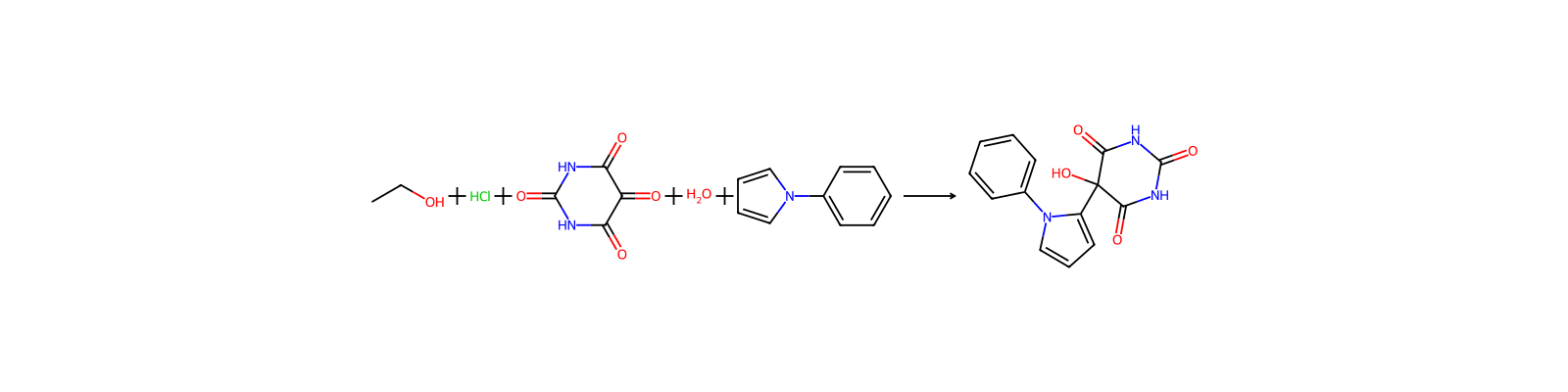
関連反応
44 件



関連ノート
読み込み中…