ホームMCPワークベンチSkills
ホームワークベンチ通知マイページ
llms.txt · MCPガイドプライバシーポリシー · 利用規約 · サポートv1.8.0
  1. ホーム
  2. /化合物

2-アミノフェノール

2-Aminophenol

HCID 5801
ノートを作成反応を作成見積依頼を出す
印刷プレビュー

データを補完しています。しばらくしてからページを更新すると最新の内容を表示できます

基本情報概要名称と識別子物性安全と法規制化学と産業関連反応化合物ノート
部分構造検索類似構造を探す

基本情報

CAS
27598-85-2
標準SMILES
Nc1ccccc1O
InChIKey
CDAWCLOXVUBKRW-UHFFFAOYSA-N
分子式
C6H7NO
平均分子量
109.13 g/mol
単同位体質量
109.05276384

概要

O-aminophenol appears as off-white crystals or beige powder. (NTP, 1992)

名称と識別子

優先名称
2-Aminophenol
IUPAC
2-aminophenol
現地名
2-アミノフェノール
英語名
2-Aminophenol
分子式
C6H7NO
分子量
109.13

名称と別名

2-Aminophenol95-55-6O-AMINOPHENOLo-Hydroxyaniline2-HydroxyanilinePhenol, 2-amino-2-Amino-1-hydroxybenzeneFouramine OPBenzofur GGPelagol Grey GGPelagol 3GANako Yellow 3GA
名称をさらに表示
2-アミノフェノールBASFウルソール3GAペラゴール3GAベンゾフルGG2-ヒドロキシアニリン2-ヒドロキシフェニルアミンC.I.オキシデーションベース17ペラゴールグレーGGパラドンオリーブグリーンBフラミンOPo-ヒドロキシアニリンウルソール3GAo-アミノフェノールゾバ3GAナコイエロウ3GAO-アミノフェノルoアミノフェノ-ルoアミノフェノルO‐アミノフェノール2-アミノフェノール, 99%ORTHO AMINO PHENOLOAPOrsinRodol 2G2-amino-phenoMesalaMine IMpurity CMesalazine EP IMpurity C
BASF ursol 3GAZoba 3GAPhenol, o-amino-Questiomycin Bo-Hydroxyphenylamineortho-aminophenol2-HydroxyanalineNako Yellow ga

データベース識別子

CAS
27598-85-2、95-55-6
PubChem CID
5801
DTXSID
DTXSID8024498
ChEMBL
CHEMBL28319
ChEBI
CHEBI:18112
UNII
23RH73DZ65
EC Number
202-431-1
Nikkaji
J3.955A

物性

構造計算による物性補完中

XLogP
0.6
極性表面積
46.3 Ų
水素結合供与体数
2
水素結合受容体数
2
回転可能結合数
0
重原子数
8
形式電荷
0
複雑度
74.9

実験および物理化学的性質

Chemical Classes · 2 件

Nitrogen Compounds -> Amino Phenols

Dye

DrugsPharmaceuticals -> Listed in ZINC15
Cosmetics · 2 件

Cosmetic ingredients (o-Aminophenol) -> CIR (Cosmetic Ingredient Review)

Hair dyeing

SpringerMaterials Properties13C nuclear magnetic resonance spectrum
LogP · 3 件

log Kow = 0.62

0.62

0.57

Density · 3 件

1.328 (NTP, 1992) - Denser than water; will sink

1.328 g/cu cm at 25 °C

1.3 g/cm³

Color/Form · 4 件

Crystals, rapidly becoming brown

White orthorhombic bipyramidal needles from benzene or water

White crystals; turn brown with age

COLORLESS RHOMBIC NEEDLES OR PLATES

Solubility · 5 件

less than 0.1 mg/mL at 70 °F (NTP, 1992)

1 g dissolves in 50 mL cold water, 23 mL alcohol

Slightly soluble in toluene, chloroform, and cold water; soluble in ethanol, and hot water, very soluble in acetonitrile, ethyl acetate, acetone, dimethyl sulfoxide

安全と法規制

安全情報は参考情報です。供給元の安全データシート(SDS)、適用法令、専門家による評価に代わるものではありません。

GHS分類

GHS Classification · 6 件

Warning

H302: Harmful if swallowed [Warning Acute toxicity, oral]

P203, P261, P264, P270, P271, P280, P301+P317, P304+P340, P317, P318, P330, P405, and P501 (click each P-code to see the statement)

Warning

H302 (100%): Harmful if swallowed [Warning Acute toxicity, oral]

P203, P261, P264, P270, P271, P280, P301+P317, P304+P340, P317, P318, P330, P405, and P501 (click each P-code to see the statement)

危険有害性情報

Regulatory Information · 4 件

Chemical: Phenol, 2-amino-

Chemical: Phenol, amino-

Status: Active Update: 19-02-2018 https://echa.europa.eu/registration-dossier/-/registered-dossier/19856

2-Aminophenol: Does not have an individual approval but may be used under an appropriate group standard

Other Safety InformationIMAP assessments - Phenol, 2-amino-: Human health tier II assessment
DOT LabelPoison
Fire Hazards · 2 件

Excerpt from ERG Guide 152 [Substances - Toxic (Combustible)]:

Combustible. Gives off irritating or toxic fumes (or gases) in a fire.

Fire PotentialCombustible
Health HazardsSYMPTOMS: Symptoms of exposure to this compound include redness of the skin, coughing, and nausea.
Hazards Summary · 1 件

Skin sensitization is the greatest hazard from industrial exposure. Occupational asthma and methemoglobinemia have been reported after dust inhalation. [HSDB from Patty, F. (ed.). Industrial Hygiene and Toxicology: Volume II: Toxicology. 2nd ed. New York: Interscience Publishers, 1963. 2131] Can induce methemoglobinemia; A skin sensitizer; [ICSC]

化学と産業

薬理情報

Metabolism/Metabolites · 5 件

Recovery in urine for 24 hr of a single oral dose of 1 g in rabbits (strain and sex not given) was 95% of the administered dose: 11% unchanged o-aminophenol, 2-4% acetamidophenol, 15% aminophenolsulfate, 52% aminophenylglucuronide, 13% acetamidophenylglucuronide.

Yields 3-aminoacetechol in rabbit; yields o-aminophenyl-beta-glucuronide in guinea pig, mouse, rabbit; yields o-aminophenylsulfate in rabbit, mouse; yields 4-aminoresorcinol probably in rabbit.

Yields 3-aminoacetechol in rabbit. Yields o-aminophenyl-beta-d-glucuronide in guinea pig, mouse, rabbit. /From table/

Yields o-aminophenyl sulfate in rabbit, mouse. Yields 4-aminoresorcinol probably in rabbit. /From table/

For more Metabolism/Metabolites (Complete) data for 2-Aminophenol (8 total), please visit the HSDB record page.

Absorption, Distribution and Excretion · 2 件

Recovery in urine for 24 hr of a single oral dose of 1 g in rabbits (strain and sex not given) was 95% of the administered dose ...

The substance can be absorbed into the body by ingestion, through the skin and by inhalation of its aerosol.

用途と製造

Uses · 6 件

CIR ingredient: o-Aminophenol

Used in dyes for furs and hair, as a developer in photography, and an intermediate for pharmaceuticals. [HSDB]

Photographic Processing [Category: Other]

Manufacture of azo and sulfur dyes ... hydrochloride used in dyeing fur, hair, leather, etc.

Dyeing furs and hair ... Manufacture of pharmaceuticals

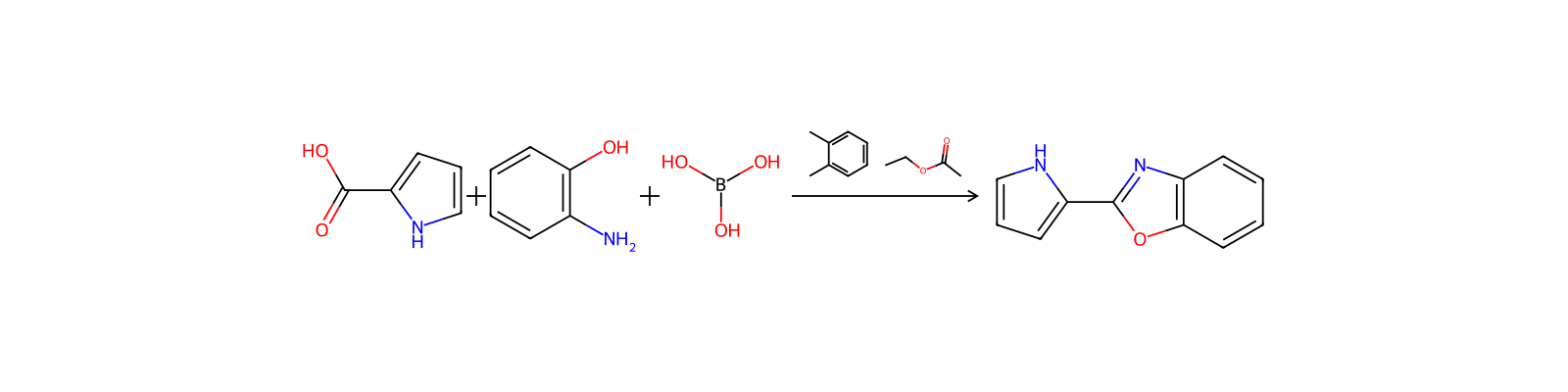
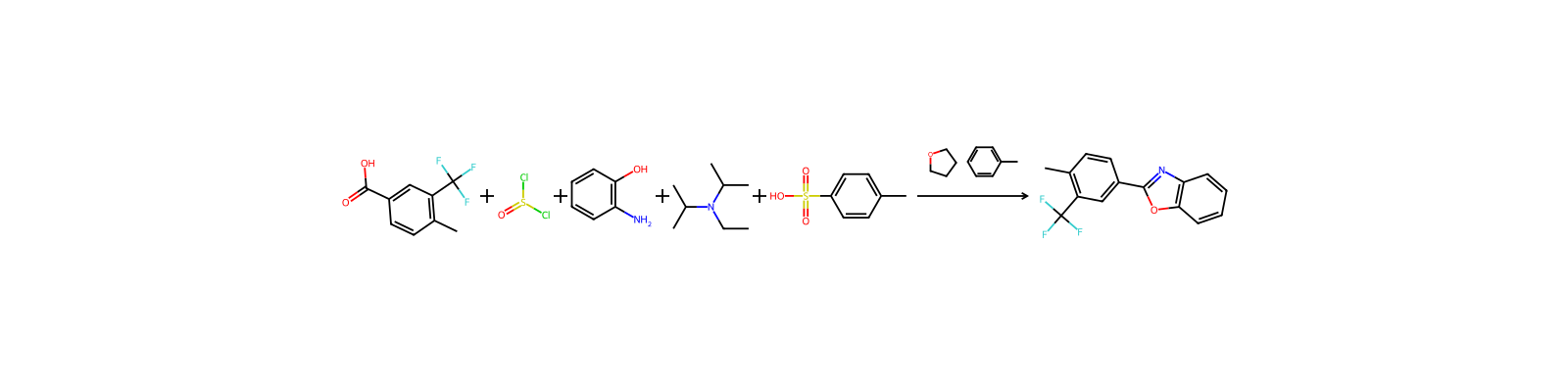
/2-Aminophenol is/ a strong reducing agent and is employed as a photographic developer ... it also acts as a corrosion inhibitor in paints and as an anticorrosion-lubricating agent in 2-cycle engine fuels. 2-Aminophenol is a principal intermediate in the synthesis of such heterocyclic systems as oxyquinolines, phenoxazines, and benzoxazoles (which are inflammation inhibitors) ... 2-Aminophenol is specifically used for shading leather, fur, and hair from grays to yellowish brown. It has also found application in the determination and extraction of certain precious metals.

関連反応

532 件

反応記録を作成
HRID 5845 の反応式
HRID 5845反応物としてuspto-grants-1993_09
HRID 6209 の反応式
HRID 6209反応物としてuspto-grants-1993_09
HRID 6429 の反応式
HRID 6429反応物としてuspto-grants-1993_09
HRID 7681 の反応式
HRID 7681反応物としてuspto-grants-2006_08
HRID 7687 の反応式
HRID 7687反応物としてuspto-grants-2006_08
HRID 7692 の反応式
HRID 7692反応物としてuspto-grants-2006_08
HRID 7695 の反応式
HRID 7695反応物としてuspto-grants-2006_08
HRID 7706 の反応式
HRID 7706反応物としてuspto-grants-2006_08
1 / 67 ページ

化合物ノート

読み込み中…

このページの内容基本情報概要名称と識別子物性安全と法規制化学と産業関連反応化合物ノート
その他の操作
ノートを作成反応を作成見積依頼を出す

Soluble in ethyl ether; very soluble in ethanol; slightly soluble in benzene, trifluoroacetic acid

In water, 2.0X10+3 mg/L at 20 °C

Flash Point · 2 件

168 °C (334 °F) - closed cup

>175 °C c.c.

Boiling Point · 3 件

Sublimes at 307 °F at 11 mmHg (NTP, 1992)

Sublimes at 153 °C

243 °C @760 [mm Hg]

Decomposition · 2 件

When heated to decomposition it emits toxic /nitroxides/.

170-174 °C

Melting Point · 4 件

342 to 343 °F (NTP, 1992)

170-174 °C

MP: 172-173 °C; sublimes on further heating

174 °C

物理化学的性質

融点
172 °C · 172 °C
沸点
164 °C · 164 °C (11.2515 mmHg)
比重(密度)
1.328 · 1.328
蒸気圧
14 hPa · 14 hPa (153 °C)
屈折率
1.5444 · 1.5444 (estimate)
闪点
168 °C · 168 °C
貯蔵温度
30 °C · Store below +30°C.
溶解性
17 g/L · 17g/L(20℃)
外見
粉
酸解離定数(Pka)
4.78 · 4.78, 9.97(at 20℃)
色
白から茶色
PH
6.5 · 6.5-7.5 (10g/l, H2O, 20℃)
水溶解度
17 g/L · 17g/L(20℃)
Merck
14 · 14,461
BRN
606075 · 606075
Henry's Law Constant
4.9 · 4.9×104 mol/(m3Pa) at 25℃, HSDB (2015)
安定性
安定していますが、空気や光に敏感な場合があります。強力な酸化剤とは相容れない。
化粧品成分の機能
ヘアカラーリング
InChI
1S/C6H7NO/c7-5-3-1-2-4-6(5)8/h1-4,8H,7H2
InChIKey
CDAWCLOXVUBKRW-UHFFFAOYSA-N
SMILES
Nc1ccccc1O
LogP
0.62 · 0.620
CAS データベース
95 · 95-55-6(CAS DataBase Reference)
NISTの化学物質情報
2 · Phenol, 2-amino-(95-55-6)
EPAの化学物質情報
o-Aminophenol (95-55-6)
化学的性質 · 1 件

化学的特性2-aminophenol appears as colorless needles or as white crystalline substance turning tan to brown on exposure to air. It forms white orthorhombic bipyramidal needles when crystallized from water or benzene. The crystals have eight molecules to the elementary cell. Insoluble in benzene, soluble in ethanol and water. o-aminophenol is contained in hair dyes and can cause contact dermatitis in hairdressers.

Reactive GroupPhenols and Cresols
EC ClassificationSymbol: Xn; R: 20/22-68; S: (2)-28-36/37
UN ClassificationUN Hazard Class: 6.1; UN Pack Group: III
Special Reports · 2 件

European Commission, ESIS; IUCLID Dataset, 2-Aminophenol (95-55-6) (2000 CD-ROM edition).[Available from, as of June 7, 2010: http://esis.jrc.ec.europa.eu/]

Elder RL; J Am Coll Toxicol 7 (3): 279-334 (1988). Final report on the safety assessment of p-aminophenol, m-aminophenol & o-aminophenol. Review liver, immune system, reproduction, mutagenicity, embryotoxicity, kinetics, methemoglobinemia, renal tubular necrosis, photosensitization, skin irritation, eye irritation, & carcinogenicity of hair dye.

Reactivity ProfileO-AMINOPHENOL can react with oxidizing agents. (NTP, 1992) THF forms explosive products with 2-aminophenol [Lewis 3227].

安全と保護具

Fire Fighting · 2 件

This compound is not very flammable but any fire involving this compound may produce dangerous vapors. You should evacuate the area. All firefighters should wear full-body protective clothing and use self-contained breathing apparatuses. You should extinguish any fires involving this chemical with a dry chemical, carbon dioxide, foam, or halon extinguisher. (NTP, 1992)

Use alcohol-resistant foam, carbon dioxide, water spray, powder.

First Aid Measures · 4 件

Fresh air, rest. Refer for medical attention.

Rinse and then wash skin with water and soap.

First rinse with plenty of water for several minutes (remove contact lenses if easily possible), then refer for medical attention.

Rinse mouth. Give a slurry of activated charcoal in water to drink. Refer for medical attention .

First Aid · 1 件

EYES: First check the victim for contact lenses and remove if present. Flush victim's eyes with water or normal saline solution for 20 to 30 minutes while simultaneously calling a hospital or poison control center. Do not put any ointments, oils, or medication in the victim's eyes without specific instructions from a physician. IMMEDIATELY transport the victim after flushing eyes to a hospital even if no symptoms (such as redness or irritation) develop.

Safe StorageStore in an area without drain or sewer access. Well closed. Separated from oxidants and food and feedstuffs.
Fire Fighting Procedures · 2 件

Use dry chemical, carbon dioxide, or alcohol foam extinguishers. Vapors are heavier than air and will collect in low areas. Vapors may travel long distances to ignition sources and flashback. Vapors in confined areas may explode when exposed to fire. Storage containers and parts of containers may rocket great distances, in many directions. If material or contaminated runoff enters waterways, notify downstream users of potentially contaminated waters. Notify local health and fire officials and pollution control agencies. From a secure, explosion-proof location, use water spray to cool exposed containers. If cooling streams are ineffective (venting sound increases in volume and pitch, tank discolors or shows any signs of deforming), withdraw immediately to a secure position ... The only respirators recommended for fire fighting are self-contained breathing apparatuses that have full facepieces and are operated in a pressure-demand or other positive-pressure mode. /Anisidines/

If material on fire or involved in fire: Extinguish fire using agent suitable for type of surrounding fire. (Material itself does not burn or burns with difficulty.) Use water in flooding quantities as fog. Use foam, dry chemical, or carbon dioxide. Keep run-off water out of sewers and water sources. /Aminophenols/

Storage ConditionsStore in tightly closed containers in a cool, well-ventilated area. Aminophenols must be stored to avoid contact with strong oxidizers (such as chlorine, bromine, and fluorine), since violent reactions occur. /Aminophenols/
Cleanup Methods · 1 件

Spill handling: keep dust under control. Use a vacuum or wet method to reduce dust during clean-up. Do not sweep. Evacuate persons not wearing protective equipment from area of spill or leak until clean-up is complete. Remove all ignition sources. Collect powdered material in the most convenient and safe manner and deposit in sealed containers. Ventilate area after clean-up is complete. It may be necessary to contain and dispose of this chemical as a hazardous waste. If material or contaminated runoff enters waterways, notify downstream users of potentially contaminated waters. Contact your Department of Environmental Protection of your regional office of the federal EPA for specific recommendations. /Aminophenols/

Nonfire Spill Response · 1 件

SMALL SPILLS AND LEAKAGE: Should a spill occur while you are handling this chemical, you should dampen the solid spill material with alcohol, then transfer the dampened material to a suitable container. Use absorbent paper dampened with alcohol to pick up any remaining material. Seal the absorbent paper, and any of your clothes, which may be contaminated, in a vapor-tight plastic bag for eventual disposal. Solvent wash all contaminated surfaces with alcohol followed by washing with a strong soap and water solution. Do not reenter the contaminate area until the Safety Officer (or other responsible person) has verified that the area has been properly cleaned.

Disposal Methods · 2 件

SRP: The most favorable course of action is to use an alternative chemical product with less inherent propensity for occupational harm/injury/toxicity or environmental contamination. Recycle any unused portion of the material for its approved use or return it to the manufacturer or supplier. Ultimate disposal of the chemical must consider: the material's impact on air quality; potential migration in soil or water; effects on animal and plant life; and conformance with environmental and public health regulations.

Incineration. /Aminophenols/

Spillage Disposal · 1 件

Personal protection: chemical protection suit and particulate filter respirator adapted to the airborne concentration of the substance. Do NOT let this chemical enter the environment. Sweep spilled substance into covered sealable containers. If appropriate, moisten first to prevent dusting. Carefully collect remainder. Then store and dispose of according to local regulations.

Preventive Measures · 4 件

... Disposable natural rubber latex gloves and disposable PVC gloves should not be used repeatedly for handling the hair dye products /p-aminophenol, m-aminophenol, o-aminophenol, and p-phenylenediamine/.

If material not on fire and not involved in fire: Keep sparks, flames, and other sources of ignition away. Keep material out of water sources and sewers. /Aminophenols/

Personnel protection: Avoid breathing dusts, and fumes from burning material. Keep upwind ... Avoid bodily contact with the material ... Do not handle broken packages unless wearing appropriate personal protective equipment. /Aminophenols/

SRP: The scientific literature for the use of contact lenses by industrial workers is inconsistent. The benefits or detrimental effects of wearing contact lenses depend not only upon the substance, but also on factors including the form of the substance, characteristics and duration of the exposure, the uses of other eye protection equipment, and the hygiene of the lenses. However, there may be individual substances whose irritating or corrosive properties are such that the wearing of contact lenses would be harmful to the eye. In those specific cases, contact lenses should not be worn. In any event, the usual eye protection equipment should be worn even when contact lenses are in place.

Isolation and EvacuationExcerpt from ERG Guide 152 [Substances - Toxic (Combustible)]:

毒性情報

Treatment · 1 件

Methemoglobinemia can be treated with supplemental oxygen and methylene blue 1% solution administered intravenously slowly over five minutes followed by IV flush with normal saline. Methylene blue restores the iron in hemoglobin to its normal (reduced) oxygen-carrying state. (L1613)

Interactions · 1 件

An investigation was carried out of the effects of ortho-aminophenol (95556) (o-AP), meta-aminophenol (591275) (m-AP), para-aminophenol (123308) (p-AP) & acetaminophen (103902) (AAP) on the induction of preneoplastic lesions in the liver & kidney of male Fischer-344-rats by N-ethyl-N-hydroxyethylnitrosamine (13147256) (EHEN). The rats in this 52 wk investigation included those give 0.1% EHEN in their drinking water for 2 wk & then, beginning 1 wk later, given 0.8% of either o-AP, m-AP, p-AP or AAP in the basal diet for 49 wk; those given EHEN & thereafter only the basal diet; & those given one of the test cmpds without prior EHEN admin. Body, liver & kidney weights were determined for sacrificed rats, & liver sections were subjected to immunohistochemical exam of glutathione-S-transferase placental type (GSTP) positive foci. The numbers of GSTP positive foci in the liver were significantly decreased in rats given o-AP, m-AP, p-AP or AAP after EHEN as compared to values for rats given EHEN alone. However, lowered incidences of GSTP positive foci were observed only in rats given o-AP or AAP after EHEN. Only p-AP & AAP gave significantly higher incidences of microadenoma & adenoma in the kidney.

Health Effects2-Aminophenol may act as a skin sensitizer and cause contact dermatitis. In addition, inhalation of large amounts can cause methemoglobinemia and bronchial asthma. (T21)
Ecotoxicity Values · 5 件

LD50 Coturnix coturnix japonica (Japanese Quail) oral 316 mg/kg bw endpoint: mortality

LD50 House Sparrow oral 316 mg/kg bw

LD50 Redwinged Blackbird oral > 1000 mg/kg bw

LD50 Starling oral > 1000 mg/kg bw

LC50; Species: Danio rerio (zebra danio, eggs); Conditions: freshwater, static, 26 °C, dissolved oxygen >7 mg/L; Concentration: 0.033 mg/L (0.033-0.034 mg/L) (33 ug/L (33-34 ug/L)) for 72 hr /formulated product, 99% pure/

Environmental Fate · 3 件

TERRESTRIAL FATE: Based on a classification scheme(1), an estimated Koc value of 90(SRC), determined from a structure estimation method(2), indicates that 2-aminophenol is expected to have high mobility in soil(SRC). However, anilines are expected to bind strongly to humus or organic matter in soils due to the high reactivity of the aromatic amino group(3,4), suggesting that mobility may be much lower in some soils(SRC). Measured pKa values are 4.72 and 9.71(5), for the amine and hydroxy functional groups, respectively(6); 2-aminophenol is amphoteric and behaves either as a weak acid or weak base; the basic character usually predominates(5). Volatilization of 2-aminophenol from moist soil surfaces is not expected to be an important fate process(SRC) given an estimated Henry's Law constant of 2X10⁻¹⁰ atm-cu m/mole(SRC), using a fragment constant estimation method(7). 2-Aminophenol is not expected to volatilize from dry soil surfaces(SRC) based upon an estimated vapor pressure of 5X10⁻⁴ Hg at 25 °C(SRC), determined from a fragment constant method(8). Based on screening tests, 2-aminophenol is expected to biodegrade; when present at 100 mg/L, in a respirometry screening test using an activated sludge inoculum, 45% of the theoretical BOD was reached in 10 days(9). A rate constant of 0.279X10⁻² per hour was measured for 2-aminophenol in a screening test using a non-adapted activated sludge inoculum(10). Under denitrifying conditions in sediment, 2-aminophenol was mineralized following a long lag phase at a rate of 12.9 umol/L/day(11). It was not mineralized under methanogenic conditions in a 26-week sediment grab sample study(11).

AQUATIC FATE: Based on a classification scheme(1), an estimated Koc value of 90(SRC), determined from a structure estimation method(2), indicates that 2-aminophenol is expected to adsorb to suspended solids and sediment(SRC). Volatilization from water surfaces is not expected(3) based upon an estimated Henry's Law constant of 2X10⁻¹⁰ atm-cu m/mole(SRC), developed using a fragment constant estimation method(4). According to a classification scheme(5), an estimated BCF of 3(SRC), from its log Kow of 0.62(6) and a regression-derived equation(2), suggests the potential for bioconcentration in aquatic organisms is low(SRC). 2-Aminophenol is not expected to undergo hydrolysis in the environment due to the lack of functional groups that hydrolyze under environmental conditions(3). Based on screening tests, 2-aminophenol is expected to biodegrade when present at 100 mg/L, in a respirometry screening test using an activated sludge inoculum, 45% of the theoretical BOD was reached in 10 days(7). A rate constant of 0.279X10⁻² per hour was measured for 2-aminophenol in a screening test using a non-adapted activated sludge inoculum(8). Under denitrifying conditions in sediment, 2-aminophenol was mineralized following a long lag phase at a rate of 12.9 umol/L/day(9). It was not mineralized under methanogenic conditions in a 26-week sediment grab sample study(9).

ATMOSPHERIC FATE: According to a model of gas/particle partitioning of semivolatile organic compounds in the atmosphere(1), 2-aminophenol, which has an estimated vapor pressure of 5.0X10⁻⁴ mm Hg at 25 °C(SRC), determined from a fragment constant method(2), will exist in both the vapor and particulate phases in the ambient atmosphere. Vapor-phase 2-aminophenol is degraded in the atmosphere by reaction with photochemically-produced hydroxyl radicals(SRC); the half-life for this reaction in air is estimated to be 5 hours(SRC), calculated from its rate constant of 7.4X10⁻¹¹ cu cm/molecule-sec at 25 °C(SRC) that was derived using a structure estimation method(3). Particulate-phase 2-aminophenol may be removed from the air by wet or dry deposition(SRC). 2-Aminophenol absorbs light at wavelengths 281 nm(4) and therefore is not expected to be susceptible to direct photolysis by sunlight(SRC).

Adverse EffectsMethemoglobinemia - The presence of increased methemoglobin in the blood; the compound is classified as secondary toxic effect
Exposure Routes · 2 件

The substance can be absorbed into the body by ingestion, through the skin and by inhalation of its aerosol.

Oral (L138) ; inhalation (L138)

Toxicity Summary · 2 件

Safe in the present practices of use and concentration. Ingredient, concentration, and use information are available in documents discoverable at https://cir-reports.cir-safety.org

2-Aminophenol interacts with both adult and fetal hemoglobin, forming methemoglobin. In comparison to its isomers, 3-aminophenol and 4-aminophenol, 2-aminophenol is the most effective in forming methemoglobin. Since methemoglobin cannot bind oxygen like hemoglobin can, elevated levels of methemoglobin cause a condition called methemoglobinemia, which can result in tissue hypoxia. (L1613, A2862)

Ecotoxicity Excerpts/BIRDS and MAMMALS/ Ip injection of 50 mg/kg /of 2-Aminophenol/ in Japanese quail produced a peak of 25% methemoglobin in the blood after 10 min.
Signs and Symptoms · 5 件

See Ingestion.

MAY BE ABSORBED!

Redness.

Blue lips, fingernails and skin. Confusion. Convulsions. Cough. Dizziness. Headache. Laboured breathing. Nausea. Unconsciousness. Symptoms may be delayed.

2-Aminophenol may cause contact dermatitis. Signs and symptoms of methemoglobinemia may include shortness of breath, cyanosis, mental status changes, headache, fatigue, exercise intolerance, dizziness and loss of consciousness. Severe methemoglobinemia can result in dysrhythmias, seizures, coma, and death. (T21, L1613)

ICSC Environmental DataThis substance may be hazardous to the environment. Special attention should be given to aquatic organisms.
Soil Adsorption/Mobility · 1 件

Using a structure estimation method based on molecular connectivity indices(1), the Koc of 2-aminophenol can be estimated to be 90(SRC). According to a classification scheme(2), this estimated Koc value suggests that 2-aminophenol is expected to have high mobility in soil. However, anilines are expected to bind strongly to humus or organic matter in soils due to the high reactivity of the aromatic amino group(3-4), suggesting that mobility may be much lower in some soils(SRC). Measured pKa values are 4.72 and 9.71(5), for the amine and hydroxy functional groups, respectively(6); 2-aminophenol is amphoteric and behaves either as a weak acid or weak base; the basic character usually predominates(5). At pH 8.4, 25.5% of added 2-aminophenol is sorbed by an organoclay(7). The sorptive capacity of clays for amine-substituted phenolic sorbate decreased with increasing pH above the corresponding pKa(8).

安全データ

F
8-10-23
wgk
2
tsca
TSCA listed
rtecs
SJ4950000
ridadr
UN 2512 (AMINOPHENOLS (o-, m-, p-))
毒性
LD50 orally in Rabbit: 1300 mg/kg
hs_code
29222900
risk_code
20/22-68-34-20/21/22
化審法
(3)-675
安衛法
変異原性物質
hazard_code
Xn,C
safety_code
28-36/37-28A-45-36/37/39-26-68-20/22
hazard_class
6.1
packing_group
III
自然発火温度
190 °C
環境リスク評価
o-アミノフェノール(95-55-6)
Hazard Classifications
Acute Tox. 4 InhalationAcute Tox. 4 OralMuta. 2
ストレージクラス
6.1C - Combustible acute toxic Cat.3toxic compounds or compounds which causing chronic effects
有毒物質データの
95-55-6(Hazardous Substances Data)
U.S. Imports · 2 件

(1977) 3.01X10+7 G (PRINCPL CUSTMS DISTS)

(1979) 4.73X10+7 G (PRINCPL CUSTMS DISTS)

U.S. Production · 5 件

(1977) PROBABLY GREATER THAN 2.27X10+6 GRAMS

(1979) PROBABLY GREATER THAN 2.27X10+6 GRAMS

Production figures for the aminophenols are scarce, the compounds usually being classified along with many other aniline derivatives. Most production of the technical grade materials (95% purity) occurs on-site as they are chiefly used as intermediate reactants in continuous chemical syntheses. World production of the fine chemicals (99% purity) is probably no more than a few hundred metric tons yearly... /Aminophenols/

Phenol, 2-amino- is listed as a High Production Volume (HPV) chemical (65FR81686). Chemicals listed as HPV were produced in or imported into the U.S. in >1 million pounds in 1990 and/or 1994. The HPV list is based on the 1990 Inventory Update Rule. (IUR) (40 CFR part 710 subpart B; 51FR21438).

For more U.S. Production (Complete) data for 2-Aminophenol (6 total), please visit the HSDB record page.

Methods of ManufacturingBy reduction of ortho-nitrophenol mixed with aqueous ammonia by means of stream of hydrogen sulfide.
Formulations/PreparationsGrades: technical; 99% minimum.
Household ProductsInformation on 3 consumer products that contain 2-Aminophenol in the following categories is provided:
Use ClassificationCosmetics -> Hair dyeing
General Manufacturing Information · 2 件

Phenol, 2-amino-: ACTIVE

Also available as the hydrochloride

応用分野 · 6 件

解説アミノフェノールとは、のベンゼン環上の水素原子うちの一つをアミノ基で置換した有機化合物です。 アミノ基の位置によって、o-アミノフェノール (オルトアミノフェノール)、m-アミノフェノール (メタアミノフェノール)、p-アミノフェノール (パラアミノフェノール) の3種類の異性体が存在します。3つの異性体は全て常温では固体であり、それぞれ「白色ないし淡黄色の結晶、針状の形」 (オルト体) 、「白色」 (メタ体) 、「無色板状晶」 (パラ体) です。特に、パラ体は空気中で徐々に酸化し、色が褐色に変わるとされています。 アミノフェノールの分子量は109.13、密度はそれぞれ、オルト体: 1.328g/cm3、メタ体: 1.276g/cm3、パラ体: 1.13 g/cm3であり、3種類ともなどの極性溶媒に溶けやすい物質です。水への溶解度は、オルト体: 2.0×10³mg/L (20℃) 、メタ体: 26g/L (20℃) 、パラ体: 16g/L (20℃) でそれぞれ異なります。

用途アゾ系媒染染料、写真薬原料

用途有機合成原料(染料等)、写真用薬品。

使用2-Aminophenol is an isomer of 4-Aminophenol and is used as a reagent for the synthesis of heterocyclic compounds and dyes. It is also used to make dyes and pharmaceuticals.

一般的な説明2-Aminophenol, also called o-aminophenol, is an aromatic amphoteric compound with the formula C6H4(OH)NH2. It is a white needle-shaped crystal that darkens when exposed to light and air. It is an isomer of aminophenol and serves as a vital chemical intermediate for dyes, medicine, printing, and biological applications.

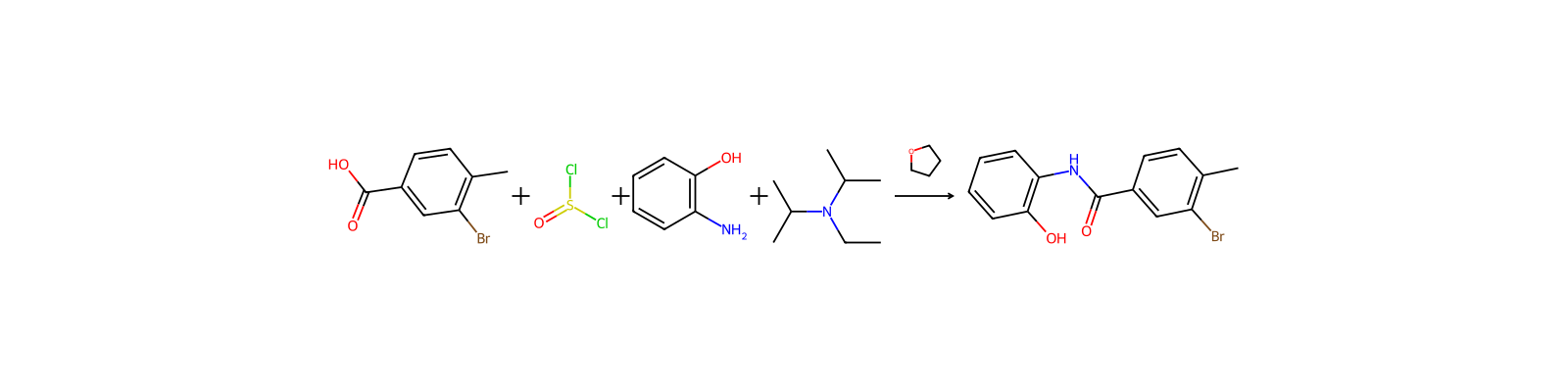
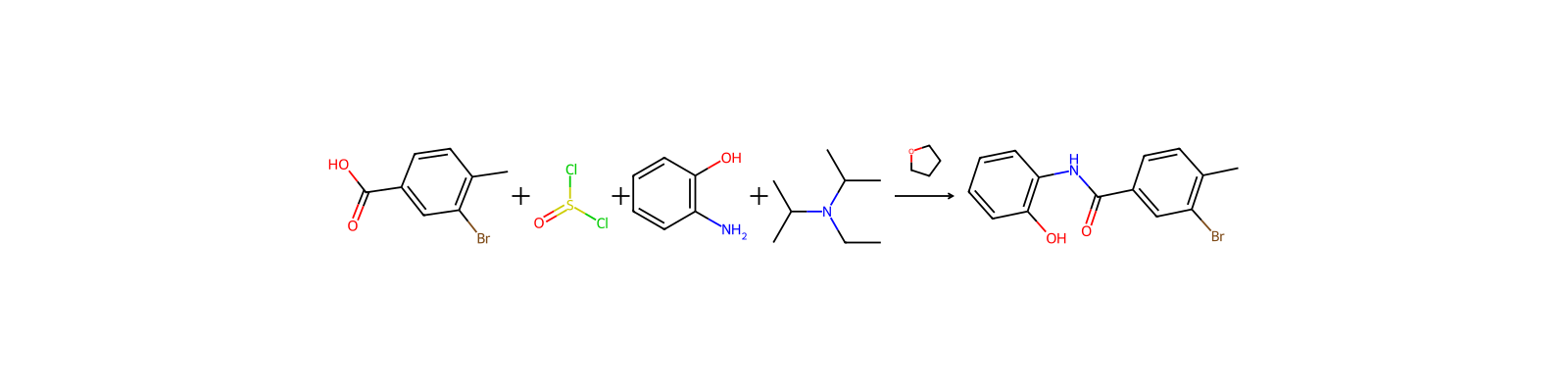
使用用途図1. アミノフェノールの化学反応 アミノフェノールは、3種類とも有機合成化学における重要なビルディングブロックとして用いられます。すなわち、医薬や染料などの原料です。 また、o-アミノフェノールは、還元剤として働くため、写真現像薬の一種です (製品名、Atomal・Ortolなど) 。

調製方法 · 3 件

製造方法2-Aminophenol is obtained by reduction of o-nitrophenol with sodium sulfide or hydrogen gas.

製造方法フェノールをニトロ化するとo-ニトロフェノールとp-ニトロフェノールの混合物が生成し、還元によりo-アミノフェノール、及び、p-アミノフェノールを得ることが可能です。これは、フェノールのヒドロキシ基のオルトパラ配向性に由来します。の還元には、適切な還元剤 (NaBH4など) 、または水素と触媒 (Raney Niなど) を用いた水素化反応などを用います。

純化方法Purify it by dissolving it in hot water, decolorising with activated charcoal, filtering and cooling to induce crystallisation. Maintain an atmosphere of N2 over the hot phenol solution to prevent its oxidation [Charles & Freiser J Am Chem Soc 74 1385 1952]. It can also be crystallised from EtOH using the same precautions. [Beilstein 13 IV 805.]

上流・下流製品情報

上流原料

硫化ナトリウム2-クロロニトロベンゼン2-ニトロフェノール

下流製品

2'-ヒドロキシアセトアニリド2,5-ビス(ベンゾオキサゾール-2-イル)チオフェンサンクロミン ファスト ブルー MBスミライトスープラレッド5BW5-Methoxymethyl-2,3-pyridinedicarboxylic acidピレノキシン2-クロロベンゾオキサゾールジチオりん酸O,O-ジエチルS-(6-クロロ-2-オキソベンゾオキサゾール-3(2H)-イル)メチル2-ベンゾオキサゾリノングリオキサールビス(2-ヒドロキシアニル)C.I.リアクティブブルー1041,4-ビス(2-ベンゾオキサゾリル)ナフタレンビス(8-キノリノラト)銅(II)8-ヒドロキシキナルジンReactive Blue X-Rフェノキサプロップ-エチル標準品4-(2-Oxo-1,3-benzoxazol-3(2H)-yl)butanoic acid8-キノリノール4-ビニルピリジンSulphur Brown 5Direct Violet 89

補足説明

定義ChEBI: 2-aminophenol is the aminophenol which has the single amino substituent located ortho to the phenolic -OH group. It has a role as a bacterial metabolite.