ホームMCPワークベンチSkills
ホームワークベンチ通知マイページ
llms.txt · MCPガイドプライバシーポリシー · 利用規約 · サポートv1.8.0
  1. ホーム
  2. /化合物

L-Alanine

HCID 5950
ノートを作成反応を作成見積依頼を出す
印刷プレビュー
基本情報概要名称と識別子物性安全と法規制化学と産業関連反応化合物ノート
部分構造検索類似構造を探す

基本情報

CAS
18875-37-1
標準SMILES
C[C@H](N)C(=O)O
InChIKey
QNAYBMKLOCPYGJ-REOHCLBHSA-N
分子式
C3H7NO2
平均分子量
89.09 g/mol
単同位体質量
89.04767846

概要

L-alanine is the L-enantiomer of alanine. It has a role as an EC 4.3.1.15 (diaminopropionate ammonia-lyase) inhibitor and a fundamental metabolite. It is a L-alpha-amino acid, an alanine, a pyruvate family amino acid and a proteinogenic amino acid. It is a conjugate base of a L-alaninium. It is a conjugate acid of a L-alaninate. It is an enantiomer of a D-alanine. It is a tautomer of a L-alanine zwitterion.

名称と識別子

優先名称
L-Alanine
IUPAC
(2S)-2-aminopropanoic acid
英語名
Poly-L-alanine
分子式
C3H7NO2
分子量
89.09

名称と別名

L-alanine56-41-7alanine(S)-Alanine(2S)-2-Aminopropanoic acidL-alpha-alanine(S)-2-Aminopropanoic acidL-2-Aminopropionic acid2-Aminopropionic acidL-(+)-AlanineL-2-Aminopropanoic acidL-alpha-Aminopropionic acid
名称をさらに表示
polyalanineCL171Poly-L-alaninePOLY-L-ALANINE USP/EP/BP
(L)-Alaninealpha-Aminopropionic acidalaninaL-S-Aminopropionic acidAlaninumALANINE, L-Propanoic acid, 2-amino-, (S)-OF5P57N2ZX

データベース識別子

CAS
18875-37-1、25191-17-7、26336-61-8、302-72-7、56-41-7、77160-91-9
PubChem CID
5950
DTXSID
DTXSID20873899
ChEMBL
CHEMBL279597
ChEBI
CHEBI:16977
UNII
OF5P57N2ZX
EC Number
200-273-8
Nikkaji
J9.168E

物性

構造計算による物性

XLogP
-3
極性表面積
63.3 Ų
水素結合供与体数
2
水素結合受容体数
3
回転可能結合数
1
重原子数
6
形式電荷
0
複雑度
61.8

実験および物理化学的性質

Chemical ClassesBiological Agents -> Amino Acids and Derivatives
Cosmetics · 2 件

Cosmetic ingredients (Alanine) -> CIR (Cosmetic Ingredient Review)

Antistatic

LogP · 2 件

log Kow = -2.85

-2.85

OdorOdorless
TasteSweet taste
Food AdditivesNUTRIENT SUPPLEMENT -> FDA Substance added to food
Density1.432 g/cu cm at 22 °C
Flavoring AgentsEU Flavoring substances
Color/Form · 2 件

Orthorhombic crystals from water

White crystalline powder

Solubility · 4 件

Solubility in cold 80% ethanol = 0.2%

Slightly soluble in ethanol, pyridine; insoluble in ether, acetone

In water, 1.64X10+5 mg/L at 25 °C

204 mg/mL

Boiling Point250 °C (sublimes)

安全と法規制

安全情報は参考情報です。供給元の安全データシート(SDS)、適用法令、専門家による評価に代わるものではありません。

GHS分類

GHS Classification · 3 件

This chemical does not meet GHS hazard criteria for 99% (294 of 297) of all reports.

Not Classified

Aggregated GHS information provided per 297 reports by companies from 5 notifications to the ECHA C&L Inventory.

危険有害性情報

Regulatory Information · 6 件

Chemical: Alanine, N,N'-(methylenedi-4,1-phenylene)bis[2-methyl-, dimethyl ester, polymer with 1,1'-methylenebis[4-isocyanatobenzene]

Chemical: L-Alanine

Regulation (EC) No 1831/2003 (amended)

L-Alanine is listed on the EPA's Chemical Data Reporting (CDR) system. Manufacturers and importers of L-Alanine are required to report information about their production and use of this chemical to the EPA under the Toxic Substances Control Act (TSCA). (40 eCFR Part 711)

Alanine is listed on the EPA's Chemical Data Reporting (CDR) system. Manufacturers and importers of Alanine are required to report information about their production and use of this chemical to the EPA under the Toxic Substances Control Act (TSCA). (40 eCFR Part 711)

Status: Active Update: 27-04-2023 https://echa.europa.eu/registration-dossier/-/registered-dossier/14143

Other Safety InformationIMAP assessments - L-Alanine: Environment tier I assessment
Hazards SummaryMay cause irritation; [Sigma-Aldrich MSDS]
FDA Requirements · 1 件

L-Alanine is a food additive permitted for direct addition to food for human consumption, as long as 1) the quantity of the substance added to food does not exceed the amount reasonably required to accomplish its intended physical, nutritive, or other technical effect in food, and 2) any substance intended for use in or on food is of appropriate food grade and is prepared and handled as a food ingredient.

Hazard Classes and Categories

化学と産業

薬理情報

PharmacodynamicsIs an important source of energy for muscle tissue, the brain and central nervous system; strengthens the immune system by producing antibodies; helps in the metabolism of sugars and organic acids.
Mechanism of Action · 1 件

L-Alanine is a non-essential amino acid that occurs in high levels in its free state in plasma. It is produced from pyruvate by transamination. It is involved in sugar and acid metabolism, increases immunity, and provides energy for muscle tissue, brain, and the central nervous system. BCAAs are used as a source of energy for muscle cells. During prolonged exercise, BCAAs are released from skeletal muscles and their carbon backbones are used as fuel, while their nitrogen portion is used to form another amino acid, Alanine. Alanine is then converted to Glucose by the liver. This form of energy production is called the Alanine-Glucose cycle, and it plays a major role in maintaining the body's blood sugar balance.

FDA Pharmacological Classification · 5 件

OF5P57N2ZX

ALANINE

Established Pharmacologic Class [EPC] - Amino Acid

Chemical Structure [CS] - Amino Acids

Alanine is an Amino Acid.

Tissue LocationsAll Tissues
Cellular LocationsCytoplasm
Metabolite Pathways2-Hydroxyglutric Aciduria (D And L Form)

用途と製造

Uses · 6 件

CIR ingredient: Alanine

A non-essential amino acid; [Merck Index] Used in microbiological and biochemical research and as a dietary supplement; [HSDB] Used as a flavoring agent; [FDA]

MICROBIOLOGICAL & BIOCHEMICAL RESEARCH

MEDICATION

Use (kg; approx.) in Germany (2009): >25000

Used for protein synthesis.

関連反応

510 件
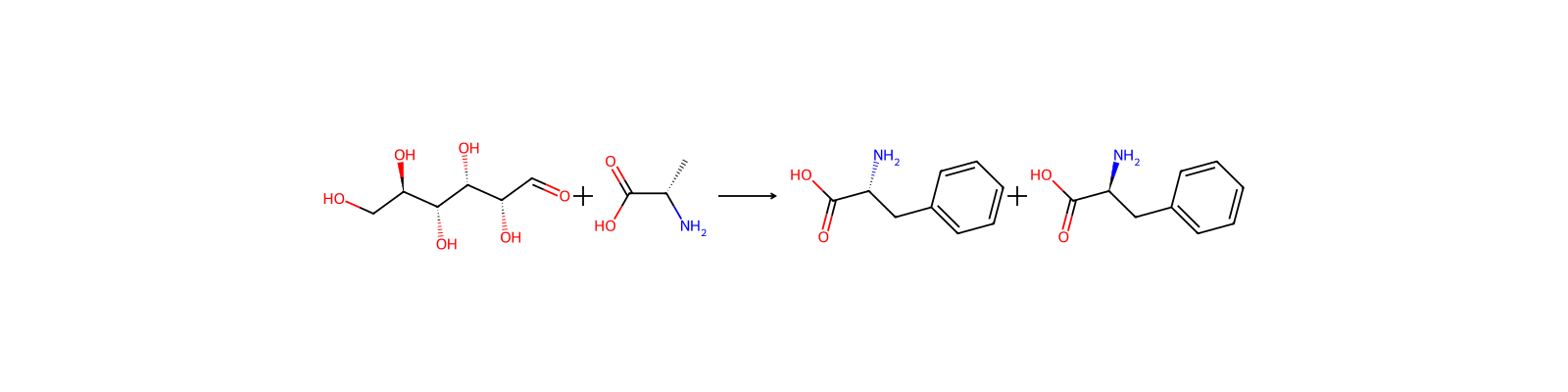
反応記録を作成
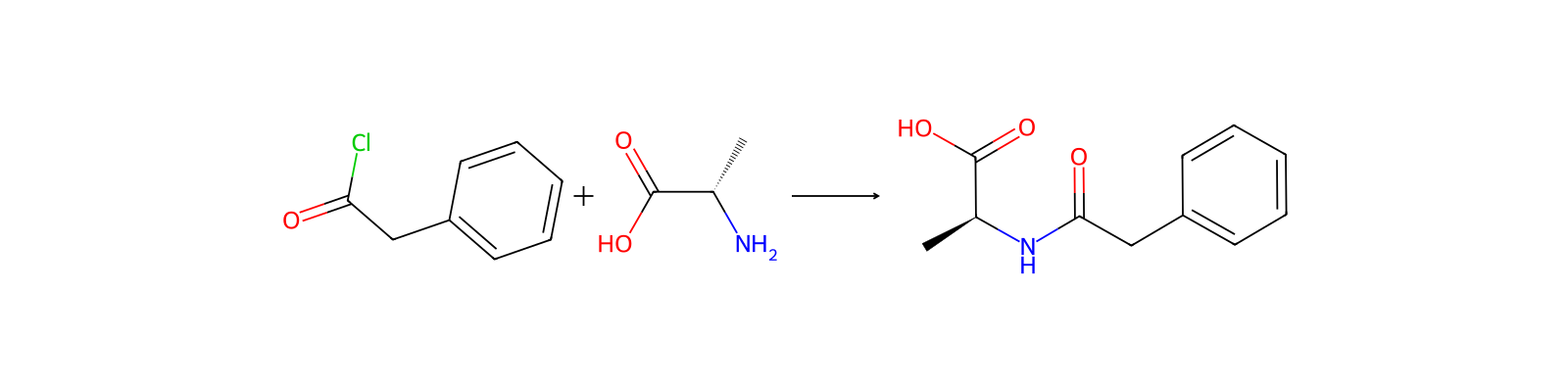
HRID 1957 の反応式
HRID 1957反応物としてuspto-grants-1998_03
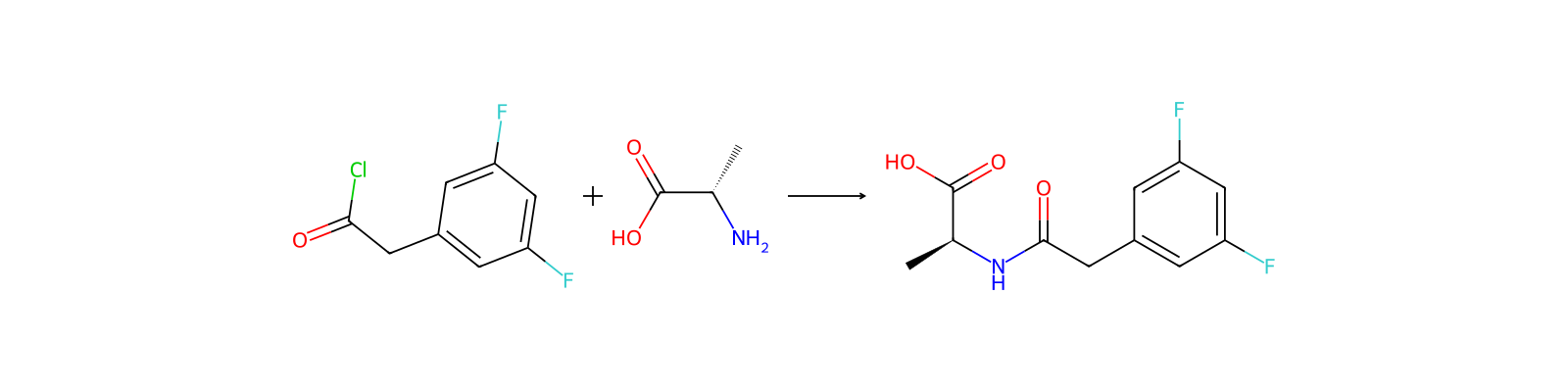
HRID 1958 の反応式
HRID 1958反応物としてuspto-grants-1998_03
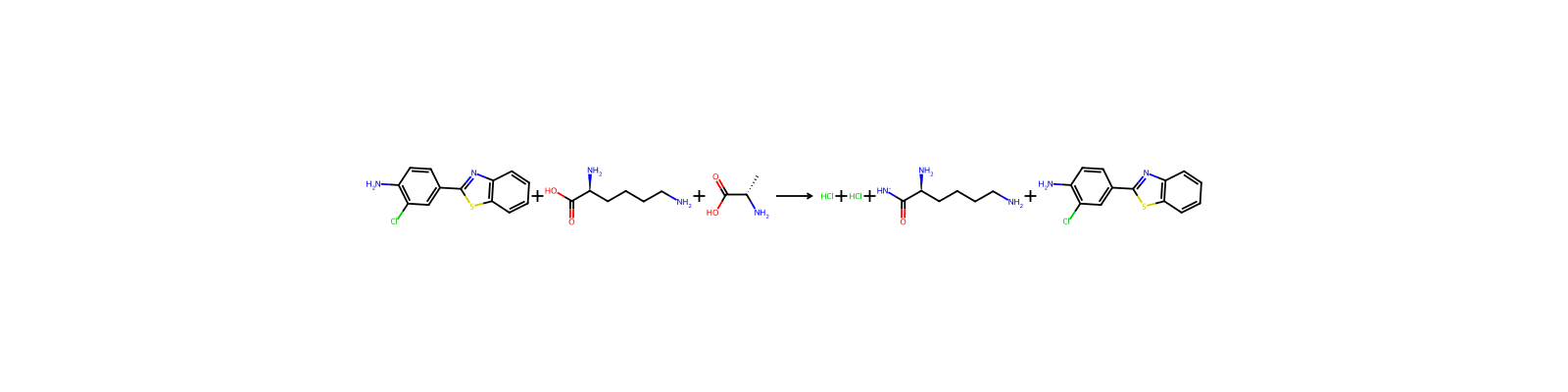
HRID 4416 の反応式
HRID 4416反応物としてuspto-grants-1988_02
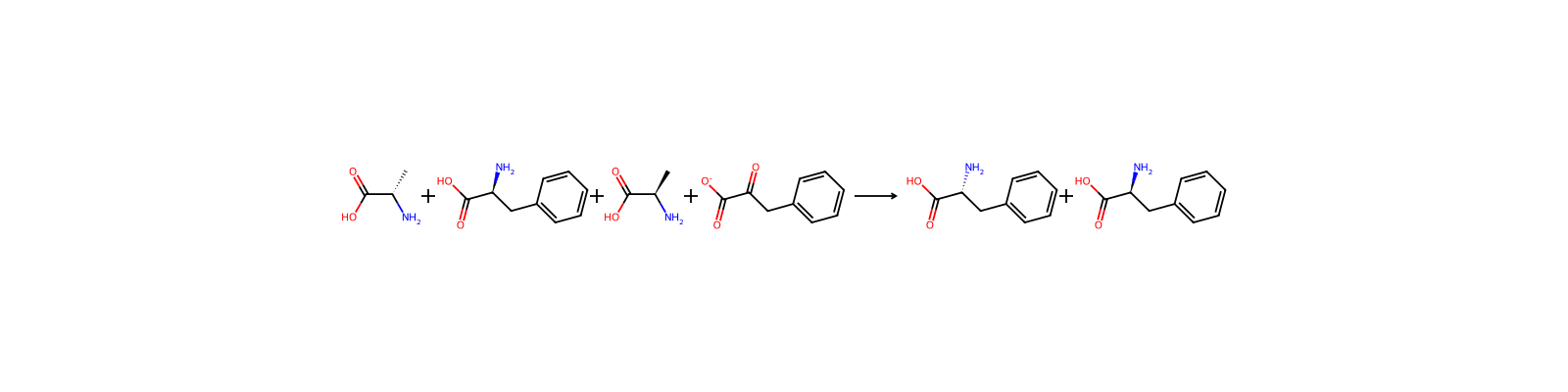
HRID 23007 の反応式
HRID 23007反応物としてuspto-grants-2005_02
HRID 23008 の反応式
HRID 23008反応物としてuspto-grants-2005_02
HRID 23060 の反応式
HRID 23060反応物としてuspto-grants-2005_02
HRID 23063 の反応式
HRID 23063反応物としてuspto-grants-2005_02
HRID 25266 の反応式
HRID 25266反応物としてuspto-grants-2005_02
1 / 64 ページ

化合物ノート

読み込み中…

このページの内容基本情報概要名称と識別子物性安全と法規制化学と産業関連反応化合物ノート
その他の操作
ノートを作成反応を作成見積依頼を出す
Melting Point · 2 件

297 °C (decomposes)

300 °C

Not Classified

安全と保護具

Disposal Methods · 1 件

SRP: At the time of review, criteria for land treatment or burial (sanitary landfill) disposal practices are subject to significant revision. Prior to implementing land disposal of waste residue (including waste sludge), consult with environmental regulatory agencies for guidance on acceptable disposal practices.

毒性情報

Environmental Fate · 3 件

TERRESTRIAL FATE: Based on a classification scheme(1), Koc values ranging from 31.7-65(2), indicate that L-alanine is expected to have very high to high mobility in soil(SRC). Measured pKa values of 2.34 (carboxylic acid) and 9.69 (primary amine)(3), indicate that this compound will exist as a zwitterion in the environment. Volatilization of L-alanine from moist soil surfaces is not expected to be an important fate process(SRC) since ionic compounds do not volatilize. L-Alanine is not expected to volatilize from dry soil surfaces(SRC) based upon an estimated vapor pressure of 1.1X10⁻⁷ mm Hg at 25 °C(SRC), determined from a fragment constant method(4). L-Alanine is expected to biodegrade in soil based on 61-81% loss of C-14 labeled carbon as CO2 from loam and sandy loam soil after 1 week(5).

AQUATIC FATE: Based on a classification scheme(1), measured Koc values ranging from 31.7-65(2), indicate that L-alanine is not expected to adsorb to suspended solids and sediment(SRC). Measured pKa values of 2.34 (carboxylic acid) and 9.69 (primary amine)(3), indicate that this compound will exist as a zwitterion in the environment. Volatilization of L-alanine from water surfaces is not expected to be an important fate process(SRC) since ionic compounds do not volatilize. According to a classification scheme(4), a BCF of 0.004(SRC), from its log Kow of -2.85(5) and a regression-derived equation(6), suggests the potential for bioconcentration in aquatic organisms is low(SRC). L-Alanine is expected to biodegrade in water based on 96% degradation after 23 days measured in a screening test using an activated sludge inoculum(7).

ATMOSPHERIC FATE: According to a model of gas/particle partitioning of semivolatile organic compounds in the atmosphere(1), L-alanine, which has an estimated vapor pressure of 1.1X10⁻⁷ mm Hg at 25 °C(SRC), determined from a fragment constant method(2), is expected to exist in both the vapor and particulate phases in the ambient atmosphere. Vapor-phase L-alanine is degraded in the atmosphere by reaction with photochemically-produced hydroxyl radicals(SRC); the half-life for this reaction in air is estimated to be 11 hours(SRC), calculated from its rate constant of 3.5X10⁻¹¹ cu cm/molecule-sec at 25 °C(SRC) that was derived using a structure estimation method(3). Particulate-phase L-alanine may be removed from the air by wet or dry deposition(SRC). L-Alanine does not contain chromophores that absorb at wavelengths >290 nm and therefore is not expected to be susceptible to direct photolysis by sunlight(4).

Toxicity Summary · 2 件

Safe in the present practices of use and concentration. Ingredient, concentration, and use information are available in documents discoverable at https://cir-reports.cir-safety.org

L-Alanine is a non-essential amino acid that occurs in high levels in its free state in plasma. It is produced from pyruvate by transamination. It is involved in sugar and acid metabolism, increases immunity, and provides energy for muscle tissue, brain, and the central nervous system. BCAAs are used as a source of energy for muscle cells. During prolonged exercise, BCAAs are released from skeletal muscles and their carbon backbones are used as fuel, while their nitrogen portion is used to form another amino acid, Alanine. Alanine is then converted to Glucose by the liver. This form of energy production is called the Alanine-Glucose cycle, and it plays a major role in maintaining the body's blood sugar balance.

Animal Concentrations · 1 件

Typical raw materials for the isolation of amino acids include swine bristles, blood meal, collagen, and horn chips(1). The content in percentage of dried substance for these materials is 4%, 7.1%, 10%, and 4.2%, respectively(1). /Amino acids/

Soil Adsorption/Mobility · 1 件

Koc values of 35.7 and 31.7-65 have been measured for alanine in surface sediment(1). According to a classification scheme(2), these Koc values suggest that L-alanine is expected to have very high to high mobility in soil. Measured pKa values of 2.34 (carboxylic acid) and 9.69 (primary amine)(3), indicate that this compound will exist as a zwitterion in the environment.

Natural Pollution SourcesL-Alanine, a nonessential amino acid, is produced within living organisms(1). Dietary intake of L-alanine is not essential for life since sufficient quantities are produced within the human body(1).
Human Toxicity Excerpts · 2 件

/ALTERNATIVE and IN VITRO TESTS/ The amino acid L-alanine has been shown to exert long-term cytoprotection by as yet unidentified molecular mechanisms. Using cultured human endothelial cells (ECV 304), the present study investigates the effect of L-alanine on hydrogen peroxide-mediated cytotoxicity and expression of the antioxidant stress proteins, heme oxygenase-1 (HO-1) and ferritin. Pretreatment with L-alanine (0.3-3mM) protected endothelial cells from hydrogen peroxide-dependent cytotoxicity and increased the surviving endothelial cell fraction by 76%. The described protection was associated with a significant induction of heme oxygenase activity and ferritin protein synthesis. A protective effect similar to L-alanine was observed when preincubating the cells with iron-free apoferritin or the antioxidant HO-1 product, bilirubin. The present study demonstrates that L-alanine stimulates expression of the antioxidant defense proteins HO-1 and ferritin in endothelial cells. Increased heme oxygenase activity and ferritin expression improve endothelial dysfunction suggesting an antiatherogenic potential of L-alanine.

/OTHER TOXICITY INFORMATION/ The response to a primed constant infusion of alanine 2 mg/kg/min on glucose and urea kinetics in 4 healthy overnight fasted subjects was /studied/ by use of concurrent primed infusions of 6,6-d2-glucose and radiolabeled urea. When no alanine was infused, plateaus in glucose and urea concn and enrichment were maintained for the final 3 hr of 4 hr infusion of tracers. When alanine was infused over the final 2 hr of a second protocol, urea enrichment decr significantly, indicating an incr in urea production corresponding to a potential incr in glucogenesis from alanine of 20%. The alanine infusion had no effect on either the plasma concn or enrichment of glucose, suggesting hepatic glucose output was not affected.

Fish/Seafood ConcentrationsThe concentration of alanine measured in zebra mussels collected from 6 locations across NY state was 4.00 g/100g dry weight(1).
Artificial Pollution SourcesL-Alanine's production and use in microbiological and biochemical research and as a dietary supplement(1) may result in its release to the environment through various waste streams(SRC).
Environmental Biodegradation · 3 件

AEROBIC: An initial alanine concentration of 333 mg/L in an activated sludge inoculum (71.4 mL/L) was reduced by 96% after 23 days as measured by BOD(1). L-Alanine, at an initial concentration of 100 mg/L, reached 40-53% of its theoretical oxygen demand after 3.3-3.75 days in an activated sludge inoculum at 30 mg/L(2). L-Alanine, at an initial concentration of 500 mg/L, reached 96.2-96.6% of its theoretical oxygen demand after 5 days in an activated sludge inoculum at 1,296-1,316 mg/L(3). Alanine at 500 mg/L reached 40% of its theoretical oxidation after 12 hours of aeration in acclimated activated sludge(4). alpha-DL-Alanine, at an initial concentration of 500 mg/L, reached 43% of its theoretical oxygen demand after 24 hours in an activated sludge inoculum at 2,500 mg/L(5). alpha-DL-Alanine at 2-10 mg/L reached approximately 39% of its theoretical oxygen demand after 5 days in tests using a sea water dilution method and a standard dilution method(6). A proposed pathway for the metabolic degradation of alanine in activated sludge is through hydrolysis to lactic acid followed by oxidation through pyruvic acid to formic acid and acetic acid followed by complete oxidation(7).

AEROBIC: C-14 labeled alanine was applied at 3,000 ppm to a closed, constantly aerated system in Steinbeck loam (pH 5.0) and Greenfield sandy loam (pH 7.0)(1). After 1 week, 61-81% of the carbon applied to the Steinbeck loam and 79% of the carbon applied to the Greenfield sandy loam was lost as CO2(1).

ANAEROBIC: Alanine was listed among organic compounds that were utilized as energy substrates in batch cultures inoculated with activated sludge (2 mg dry weight/L) under chlorate-reducing conditions(1). Additional information was not provided(1).

Carcinogen ClassificationNo indication of carcinogenicity to humans (not listed by IARC).
Environmental Bioconcentration · 1 件

An estimated BCF of 0.004 in fish was calculated for L-alanine(SRC), using an estimated log Kow of -2.85(1) and a regression-derived equation(2). According to a classification scheme(3), this BCF suggests the potential for bioconcentration in aquatic organisms is low(SRC).

Volatilization from Water/Soil · 1 件

Measured pKa values of 2.34 (carboxylic acid) and 9.69 (primary amine)(1), indicate that this compound will exist as a zwitterion in the environment. Volatilization of L-alanine from moist soil or water surfaces is not expected to be an important fate process(SRC) since ionic compounds do not volatilize. L-Alanine is not expected to volatilize from dry soil surfaces(SRC) based upon a an estimated vapor pressure of 1.1X10⁻⁷ mm Hg(SRC), determined from a fragment constant method(2).

法規制情報

FDA Requirements · 1 件

L-Alanine is a food additive permitted for direct addition to food for human consumption, as long as 1) the quantity of the substance added to food does not exceed the amount reasonably required to accomplish its intended physical, nutritive, or other technical effect in food, and 2) any substance intended for use in or on food is of appropriate food grade and is prepared and handled as a food ingredient.

U.S. Production · 4 件

2023: 10,000,000 - <50,000,000 lb

2023: 50,000 - <250,000 lb

World market for L-alanine in 1982: 130 tonnes; World market for DL-alanine in 1982: 2000 tonnes, in 1984: 700 tonnes

Production volumes for non-confidential chemicals reported under the Inventory Update Rule. [Table#3588]

Consumer UsesChelating agent
Industry Uses · 2 件

Intermediate

Chelating agent

Methods of Manufacturing · 3 件

HYDROLYSIS OF PROTEIN (GELATIN, SILK, ZEIN); ORG SYNTHESIS.

L-Alanine is produced via asymmetric hydrolysis with microbial acylase, and it is still isolated from protein hydrolysates on an industrially scale; L- alanine may be prepared...by enzymatic decarboxylation of L-aspartic acid with an immobilized microorganism such as Pseudomonas dacunhae.

l-Alanine is industrially produced from l-aspartic acid by means of immobilized Pseudomonas dacunhae cells in a pressurized bioreactor. In direct fermentation microorganisms usually accumulate d,l-alanine because of present alanine racemase. With a d-cycloserine resistant mutant selected from Brevibacterium lactofermentum, it is possible to obtain 46 g/L d-alanine with an enantiomeric excess (e.e.) of 95 %. An alanine racemase-deficient mutant of Arthrobacter oxydans was reported, that produces 75 g/L l-alanine from glucose with a yield of 52 % and 95 % e.e.. To a certain extent l-alanine is still isolated from protein hydrolysates.

Formulations/Preparations · 2 件

GRADES: REAGENT; TECHNICAL.

Reagent grade; USP and FCC grades

Household ProductsInformation on 33 consumer products that contain Alanine in the following categories is provided:
Use ClassificationCosmetics -> Antistatic
General Manufacturing Information · 6 件

All Other Basic Organic Chemical Manufacturing

All Other Chemical Product and Preparation Manufacturing

L-Alanine: ACTIVE

Alanine: ACTIVE

Alanine is used for meat and poultry Maillard flavors. It is used to a lesser extent for chocolate, cocoa, cream, butter, and tobacco Maillard flavors.

AN AMINO ACID CLASSIFIED AS NON-ESSENTIAL FOR THE MAINTENANCE OF GROWTH IN RATS.

応用分野

使用POLY-L-ALANINE is used as molecular weight standards.