
D-ガラクトピラノース
D-Galactose

基本情報
- CAS
10257-28-0- 標準SMILES
OC[C@H]1OC(O)[C@H](O)[C@@H](O)[C@H]1O- InChIKey
WQZGKKKJIJFFOK-SVZMEOIVSA-N- 分子式
- C6H12O6
- 平均分子量
- 180.16 g/mol
- 単同位体質量
- 180.0633881
概要
D-galactopyranose is a galactopyranose having D-configuration. It has a role as a mouse metabolite and an Escherichia coli metabolite. It is a D-galactose and a galactopyranose.
名称と識別子
- 優先名称
- D-Galactose
- IUPAC
- (3R,4S,5R,6R)-6-(hydroxymethyl)oxane-2,3,4,5-tetrol
- 現地名
- D-ガラクトピラノース
- 英語名
- D-(+)-Galactose
- 分子式
- C6H12O6
- 分子量
- 180.16
名称と別名
D-Galactopyranosegalactopyranosegalactopyranoside(3R,4S,5R,6R)-6-(hydroxymethyl)oxane-2,3,4,5-tetrolD-GalCHEBI:12936CHEBI:28061CHEBI:28260GALNSC-8102RefChem:7383GlyTouCan:G68158BT
名称をさらに表示
(2S)-2α,3α,4β,5β-テトラヒドロキシテトラヒドロ-2H-ピラン-6β-メタノールD-ガラクトピラノースα-D-ガラクトピラノース(3R,4S,5R,6R)-2,3,4,5-テトラヒドロキシテトラヒドロ-2H-ピラン-6-メタノール(3R,4S,5R,6R)-6-(ヒドロキシメチル)オキサン-2,3,4,5-テトラオール(2R)-3α,4α,5β,6-テトラヒドロキシテトラヒドロ-2H-ピラン-2α-メタノール(2R,3R,4S,5R)-3,4,5,6-テトラヒドロキシテトラヒドロ-2H-ピラン-2-メタノールガラクトースGALACTOSE(3R,4S,5R,6R)-6-(Hydroxymethyl)tetrahydro-2H-pyran-2,3,4,5-tetraolNsc8102CEREBOSEGALACTOSE, D-(+)-Glucose impurity 11Lactulose impurity B(EP)-D-glucopyranosyl)-3-O-(&beta
CHEBI:37621DTXCID601437050G68158BT200-416-459-23-47IOF6H4H77Brain sugarCerebrose
データベース識別子
- CAS
10257-28-0、26566-61-0、59-23-4- PubChem CID
- 6036
- DTXSID
DTXSID001015860- ChEMBL
CHEMBL195923、CHEMBL6067641- ChEBI
CHEBI:4139- EC Number
- 200-416-4、233-595-2
- Nikkaji
- J330.863D
物性
構造計算による物性
- XLogP
- -2.6
- 極性表面積
- 110 Ų
- 水素結合供与体数
- 5
- 水素結合受容体数
- 6
- 回転可能結合数
- 1
- 重原子数
- 12
- 形式電荷
- 0
- 複雑度
- 151
実験および物理化学的性質
Chemical ClassesBiological Agents -> Monosaccharides and Derivatives
CosmeticsCosmetic ingredients (Galactose) -> CIR (Cosmetic Ingredient Review)
SpringerMaterials PropertiesChemical shift
Vapor Pressure0.00000002 [mmHg]
Physical DescriptionWhite powder; [Sigma-Aldrich MSDS]
Collision Cross Section
142.39 Ų [M+Na]+ [CCS Type: DT; Method: stepped-field]
142.1 Ų [M+Na]+ [CCS Type: DT; Method: single field calibrated with Agilent tune mix (Agilent)]
141.9 Ų [M+Na]+ [CCS Type: DT; Method: single field calibrated with ESI Low Concentration Tuning Mix (Agilent)]
136 Ų [M+Na]+ [CCS Type: TW; Method: calibrated with polyalanine]
物理化学的性質
- 融点
- 168 · 168-170 °C(lit.)
- 沸点
- 410.8 · 410.8±45.0 °C(Predicted)
- 比重(密度)
- 1.732 · 1.732±0.06 g/cm3(Predicted)
- 溶解性
- 2 O: · H2O: 100 mg/mL
- 外見
- 粉
安全と法規制
安全情報は参考情報です。供給元の安全データシート(SDS)、適用法令、専門家による評価に代わるものではありません。
GHS分類
GHS Classification
This chemical does not meet GHS hazard criteria for 100% (180 of 180) of all reports.
Not Classified
Aggregated GHS information provided per 180 reports by companies from 2 notifications to the ECHA C&L Inventory.
Warning
H319 (100%): Causes serious eye irritation [Warning Serious eye damage/eye irritation]
P264+P265, P280, P305+P351+P338, and P337+P317 (click each P-code to see the statement)
危険有害性情報
Regulatory Information
Chemical: D-Galactose
D-Galactopyranose: Does not have an individual approval but may be used under an appropriate group standard
D-Galactose: Does not have an individual approval but may be used under an appropriate group standard
Other Safety InformationIMAP assessments - D-Galactose: Human health tier I assessment
Hazards Summary
Teratogenicity observed in rats at 55% of the diet; [Shepard's Catalog of Teratogenic Agents] Causes changes in motor activity, decreased cellular immune response, other liver changes, inflammation, other degenerative changes to brain and coverings, multiple enzyme effects, effects on lipids (including transport), changes in both tubules and glomeruli, and depressed renal function tests in acute subcutaneous studies of mice; [RTECS] May cause irritation; [Sigma-Aldrich MSDS]
Hazard Classes and Categories
Not Classified
Eye Irrit. 2A (100%)
毒性情報
Toxicity SummarySafe in the present practices of use and concentration. Ingredient, concentration, and use information are available in documents discoverable at https://cir-reports.cir-safety.org
化学と産業
薬理情報
ATC Code
V - Various
QV - Various
Protein BindingReadily accessible data regarding the protein binding of galactose is not available.
Pharmacodynamics
Galactose is a naturally occurring monosaccharide that forms the disaccharide lactose when combined with glucose (another monosaccharide). Subsequently, when lactose or small amounts of free galactose found in various common dairy products (and other foods) are consumed, the hydrolysis of lactose to glucose and galactose occurs and galactose is itself further metabolized to generate glucose. Such glucose is, of course, ultimately relied upon and used as the primary metabolic fuel for humans in a variety of biological reactions. Conversely, however, the ways in which galactose is commonly used in therapeutic agents generally do not rely upon such pharmacodynamics, even though they ultimately remain the most important ways in which galactose exerts or elicits useful biological actions for the human body.
Mechanism of Action
In the development of typhoid Ty21a live oral vaccine, the use of exogenous galactose is critical. When dealing with Salmonella typhimurium, it has been shown that rough strains with incomplete lipopolysaccharide (LPS) lacking O-specific side chains are much less virulent than smooth strains with complete LPS with O-specific side chains. Salmonella typhimurium gal E mutants used to produce the vaccine are effectively avirulent and highly protective but lack the specific UDP-galactose 4-epimerase enzyme which allows for the normal synthesis of UDP-galactose from UDP-glucose. The consequence of this mutant defect is that the gal E mutants can only generate incomplete LPS without O-specific antigen side chains, which are not capable enough as the complete LPS with O-specific side chains at generating an immunologic response. When exogenous galactose is added to the vaccine medium, however, it allows the mutants to generate UDP-galactose via galactose 1-phosphate. This ultimately allows the mutants to form smooth-type LPS with O-specific side chains. Regardless, the mutant's epimerase defect ultimately results in the accumulation of such intermediary products like galactose 1-phosphate and UDP-galactose, which consequently causes lysis of the mutant cells. The resultant vaccine is subsequently effective enough to elicit an immunologic response while the bacteriolysis prevents the mutant cells from regaining virulence under conditions where smooth type LPS similar to the active parental strain is synthesized. Galactose is also an essential element to the chemical structure of the commonly used laxative solution lactulose. Lactulose itself is a synthetic disaccharide that is made in parts from lactose, galactose, and various other sugars. It is poorly absorbed from the gastrointestinal tract and no enzyme capable of hydrolysis of lactulose is present in human gastrointestinal tissue. Oral doses of lactulose subsequently arrive at the colon largely unchanged. At the colon, lactulose is finally broken down predominantly to lactic acid, and also small amounts of formic and acetic acids by the action of colonic bacteria, which results in an increase in osmotic pressure and slight acidification of the colonic contents. This action consequently causes an increase in stool water content and softens the stool for a laxative effect.
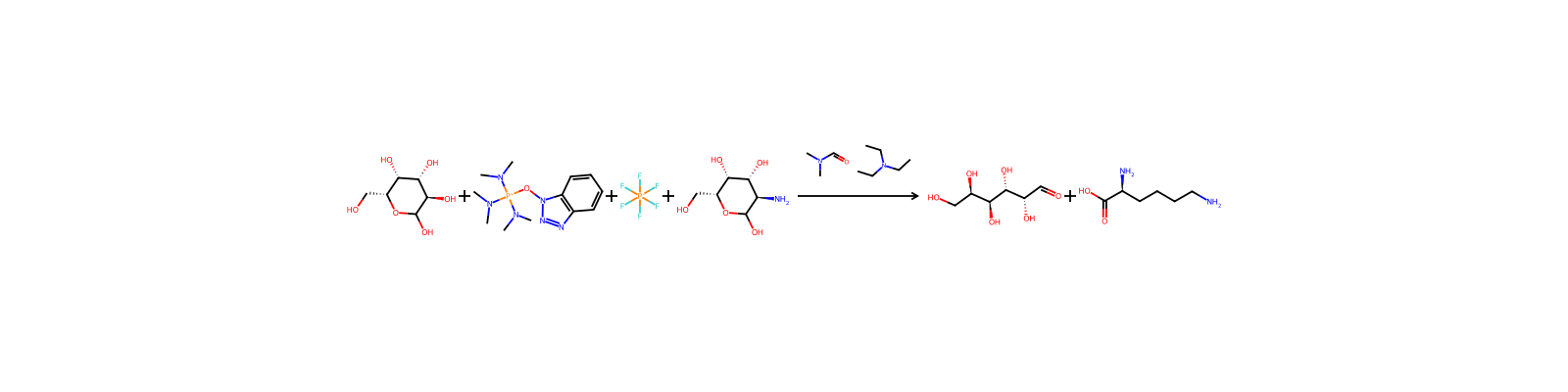
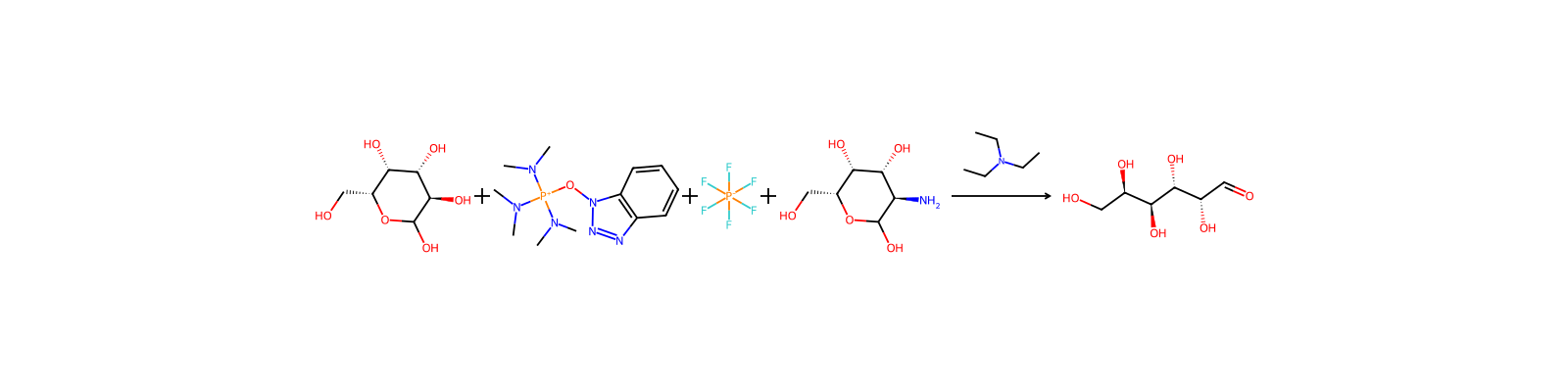
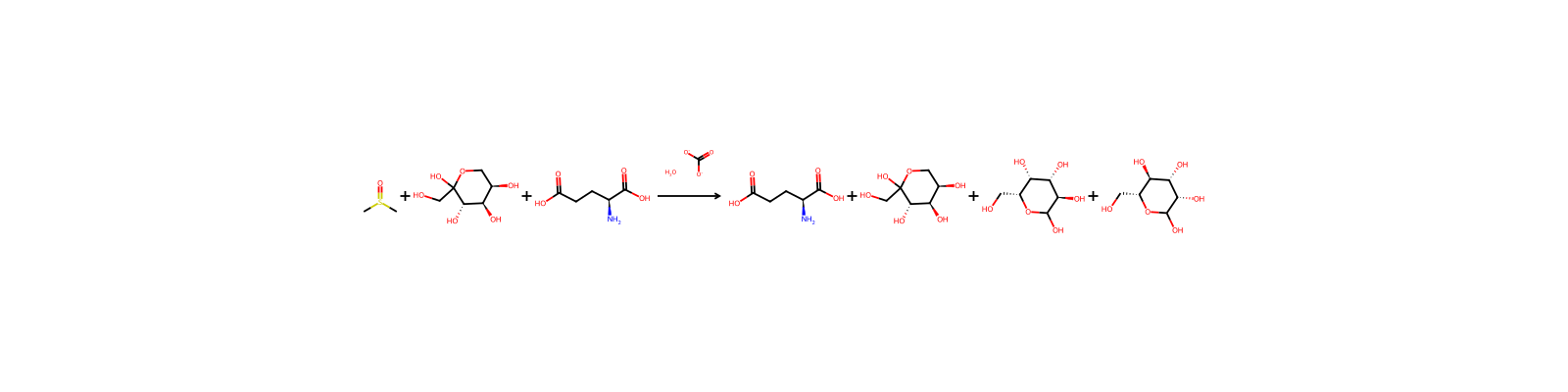
関連反応
7 件


化合物ノート
読み込み中…