
HRID 271371生成物として
Lilac acetaldehyde

104-09-6Cc1ccc(CC=O)cc1CIXAYNMKFFQEFU-UHFFFAOYSA-N(4-Methylphenyl)acetaldehyde is a member of phenylacetaldehydes.
104-09-6DTXSID0051524CHEBI:1786231162 mg/L @ 20 °C (exp)
Insoluble in water; soluble in oils
Miscible at room temperature (in ethanol)
221.00 to 222.00 °C. @ 760.00 mm Hg
210 °C
Solid
Colourless oily liquid; powerful, refreshing, green-fruity, forest like, sweet floral odour
安全情報は参考情報です。供給元の安全データシート(SDS)、適用法令、専門家による評価に代わるものではありません。
Danger
H317 (89.3%): May cause an allergic skin reaction [Warning Sensitization, Skin]
P261, P264+P265, P272, P280, P302+P352, P305+P354+P338, P317, P321, P333+P317, P362+P364, and P501 (click each P-code to see the statement)
Aggregated GHS information provided per 356 reports by companies from 3 notifications to the ECHA C&L Inventory. Each notification may be associated with multiple companies.
Chemical: Benzeneacetaldehyde, 4-methyl-
Commission Regulation (EC) No 1565/2000 (Repealed by Com. Implementing Reg. (EU) No 872/2012)
Benzeneacetaldehyde, 4-methyl-: Does not have an individual approval but may be used under an appropriate group standard
Fragrance Ingredients
Flavouring Agent -> FLAVOURING_AGENT -> JECFA Functional Classes
Flavoring Agents -> JECFA Flavorings Index
Flavouring Agent -> FLAVOURING_AGENT -> JECFA Functional Classes
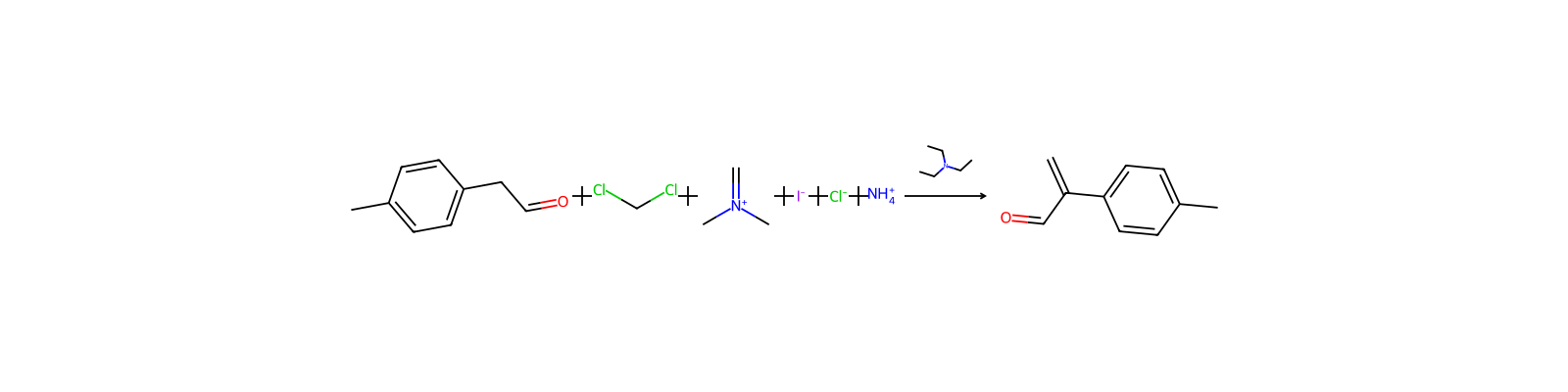
製造方法From p-methylbenzaldehyde; also from p-methylbenzyl chloride and hexamethylene tetramine.The methods of preparation correspond closely to those of phenylacetaldehyde. Thus, the compound can be prepared by glycidic ester synthesis from 4-methylbenzaldehyde and chloroacetate ester, by hydroformylation of 4-methylbenzylhalide with Co2(CO)8Na2CO3 in acetonitrile, or by oxidation of 4-methylstyrene.



化学的特性p-Tolylacetaldehyde has a powerful and refreshing green-fruity, "forest-like", sweet, floral odor of moderate tenacity. The undiluted material has a rather sharp initial odor, but sweetness predominates in the diluted product. The taste is sweet-fruity, mildly green at concentrations near 10 ppm.