ホームMCPワークベンチSkills
ホームワークベンチ通知マイページ
llms.txt · MCPガイドプライバシーポリシー · 利用規約 · サポートv1.8.0
  1. ホーム
  2. /化合物

p-Toluenesulfonic acid

HCID 6101
ノートを作成反応を作成見積依頼を出す
印刷プレビュー

データを補完しています。しばらくしてからページを更新すると最新の内容を表示できます

基本情報概要名称と識別子物性安全と法規制化学と産業関連反応化合物ノート
部分構造検索類似構造を探す

基本情報

CAS
104-15-4
標準SMILES
Cc1ccc(S(=O)(=O)O)cc1
InChIKey
JOXIMZWYDAKGHI-UHFFFAOYSA-N
分子式
C7H8O3S
平均分子量
172.2 g/mol
単同位体質量
172.01941512

概要

Toluene sulfonic acid, liquid, with more than 5% free sulfuric acid appears as colorless to black solid. Odorless or nearly odorless. (USCG, 1999)

名称と識別子

優先名称
p-Toluenesulfonic acid
IUPAC
4-methylbenzenesulfonic acid
英語名
Toluene sulfonic acid
分子式
C7H8O3S
分子量
172.2

名称と別名

4-Methylbenzenesulfonic acidP-TOLUENESULFONIC ACID104-15-44-Toluenesulfonic acidp-Toluenesulphonic acidTosic acidToluene-4-sulfonic acidp-Tolylsulfonic acidTosylic acidToluenesulfonic acidBenzenesulfonic acid, 4-methyl-p-Methylbenzenesulfonic acid
名称をさらに表示
Toluenesulfonic acid impurity 2
p-Methylphenylsulfonic acidEltesolMethylbenzenesulfonic acidCyclophil P T S ANacure 1040Cyzac 4040Kyselina p-toluenesulfonovaManro PTSA 65 E

データベース識別子

CAS
104-15-4、25231-46-3
PubChem CID
6101
DTXSID
DTXSID0026701
ChEMBL
CHEMBL541253
ChEBI
CHEBI:27849
UNII
QGV5ZG5741
EC Number
203-180-0
Nikkaji
J5.025C

物性

構造計算による物性補完中

XLogP
1.7
極性表面積
62.8 Ų
水素結合供与体数
1
水素結合受容体数
3
回転可能結合数
1
重原子数
11
形式電荷
0
複雑度
206

実験および物理化学的性質

Chemical Classes · 4 件

Other Classes -> Benzenesulfonic Acid Derivatives

Corrosives

Ionic Liquids

Industrial compound

Cosmetics · 2 件

Cosmetic ingredients (Toluene Sulfonic Acid) -> CIR (Cosmetic Ingredient Review)

Surfactant; Hydrotrope

LogP · 2 件

0.9 (calculated)

0.09

Density · 2 件

1.45 at 77 °F (USCG, 1999) - Denser than water; will sink

Relative density (water = 1): 1.24

Color/FormMONOCLINIC LEAFLETS OR PRISMS
Solubility · 3 件

ABOUT 67 G/100 ML WATER; SOL IN ALCOHOL, ETHER

VERY SOL IN WATER /SODIUM SALT/

Solubility in water, g/100ml at 25 °C: 67 (freely soluble)

Flash Point · 2 件

363 °F (184 °C) (CLOSED CUP)

184 °C c.c.

Boiling Point · 2 件

140 °C @ 20 MM HG

Boiling point = 38 °C

Melting Point · 6 件

安全と法規制

安全情報は参考情報です。供給元の安全データシート(SDS)、適用法令、専門家による評価に代わるものではありません。

GHS分類

GHS Classification · 6 件

Warning

H315: Causes skin irritation [Warning Skin corrosion/irritation]

P261, P264, P264+P265, P271, P280, P302+P352, P304+P340, P305+P351+P338, P319, P321, P332+P317, P337+P317, P362+P364, P403+P233, P405, and P501 (click each P-code to see the statement)

Danger

H314 (42.3%): Causes severe skin burns and eye damage [Danger Skin corrosion/irritation]

P260, P261, P264, P264+P265, P271, P280, P301+P330+P331, P302+P352, P302+P361+P354, P304+P340, P305+P351+P338, P305+P354+P338, P316, P317, P319, P321, P332+P317, P337+P317, P362+P364, P363, P403+P233, P405, and P501 (click each P-code to see the statement)

危険有害性情報

Regulatory Information · 5 件

Chemical: Benzenesulfonic acid, 4-methyl-

Benzenesulfonic acid, 4-methyl- is listed on the EPA's Chemical Data Reporting (CDR) system. Manufacturers and importers of Benzenesulfonic acid, 4-methyl- are required to report information about their production and use of this chemical to the EPA under the Toxic Substances Control Act (TSCA). (40 eCFR Part 711)

Status: Active Update: 06-03-2023 https://echa.europa.eu/registration-dossier/-/registered-dossier/15138

Toluenesulphonic acid: Does not have an individual approval but may be used under an appropriate group standard

The New Jersey Worker and Community Right to Know Act requires public and private employers to provide information about hazardous substances at their workplaces. (N.J.S.A. 34:5A-1 et. seq.)

Other Safety InformationEvaluation - Chemicals that are unlikely to require further regulation to manage risks to human health
DOT LabelCorrosive
Fire Hazards · 2 件

Special Hazards of Combustion Products: Irritating oxides of sulfur may be formed. (USCG, 1999)

Combustible. Gives off irritating or toxic fumes (or gases) in a fire.

化学と産業

薬理情報

Metabolism/MetabolitesYIELDS 3-METHYLCATECHOL IN PSEUDOMONAS: FOCHT, DD & WILLIAMS, FD, CAN J MICROBIOL, 16, 309 (1970); YIELDS 4-METHYLCATECHOL IN PSEUDOMONAS: CAIN, RB & FARR, DR, BIOCHEM J. 106, 859 (1968). /FROM TABLE/
Absorption, Distribution and Excretion · 2 件

PROBABLY EXCRETED AS P-TOLUENESULFONIC ACID. /FROM TABLE/

FOLLOWING ORAL OR IP ADMIN, P-TOLUENESULFONATE WAS EVENLY DISTRIBUTED IN TISSUES, EXCEPT IN BRAIN & FAT TISSUES.

用途と製造

Uses · 6 件

CIR ingredient: Toluene Sulfonic Acid

Used in the chemical industry as a catalyst; also used in the manufacturing of textile dyes, drugs, cleaning agents, polymers, and paints; [HSDB] Used in photography (color bleaching); [www.ci.tucson.az.us/arthazards/medium.html] Used as a catalyst (with applications including resins in foundry cores), as a curing agent for resins, as a descaling agent (industrial metal cleaners), in electroplating bathes, plastics, dyes, pharmaceutical intermediates, food packaging adhesives, and as a coupling and wetting agent; [EPA ChAMP]

Acid and Alkali Cleaning of Metals [Category: Clean]

/USED AS REAGENT IN/ KIRSTEN MODIFICATION OF KLEBER METHOD (FOR LEMON OIL).

Manufacture of 4-formylbenzenesulfonic acid, p-sulfobenzoic acid, 2-chlorotoluene-4-sulfonic acid, and 4-(chloromethyl)phenylmethanesulfonic acid

Effect solubility of disperse dyes, initiator for catalytic polymerization of caprolactam, catalyst for dimerization of alpha- methylstyrene.

U.S. Imports(1975) 2.20X10+7 GRAMS (PRINCPL CUSTMS DISTS)
U.S. Production · 3 件

2023: 10,000,000 - <25,000,000 lb

(1972) PROBABLY GREATER THAN 1.36X10+6 GRAMS

(1975) PROBABLY GREATER THAN 6.81X10+6 GRAMS

Consumer UsesSurfactant (surface active agent)

関連反応

12,736 件
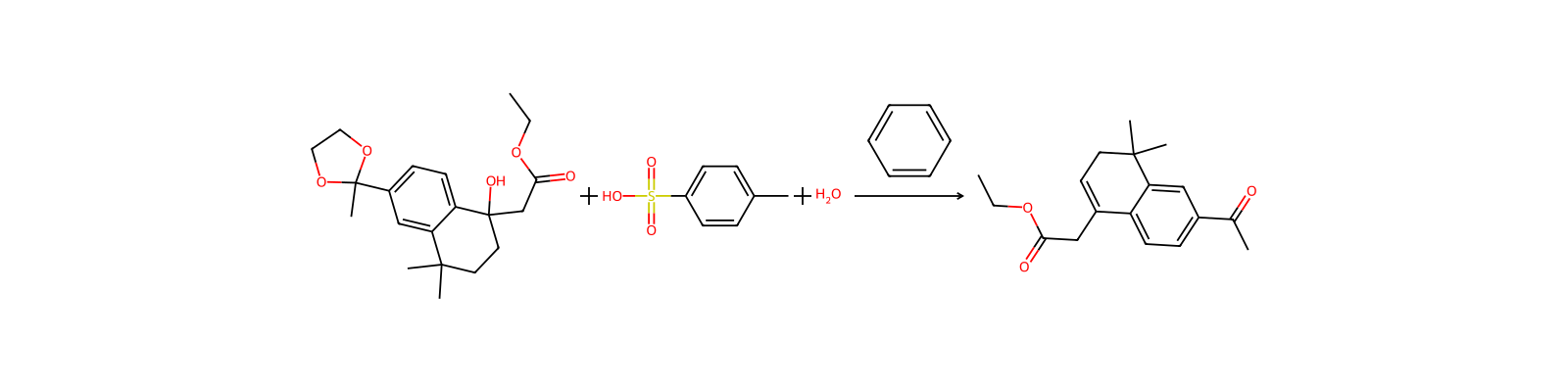
反応記録を作成
HRID 1123 の反応式
HRID 1123反応物としてuspto-grants-1998_03
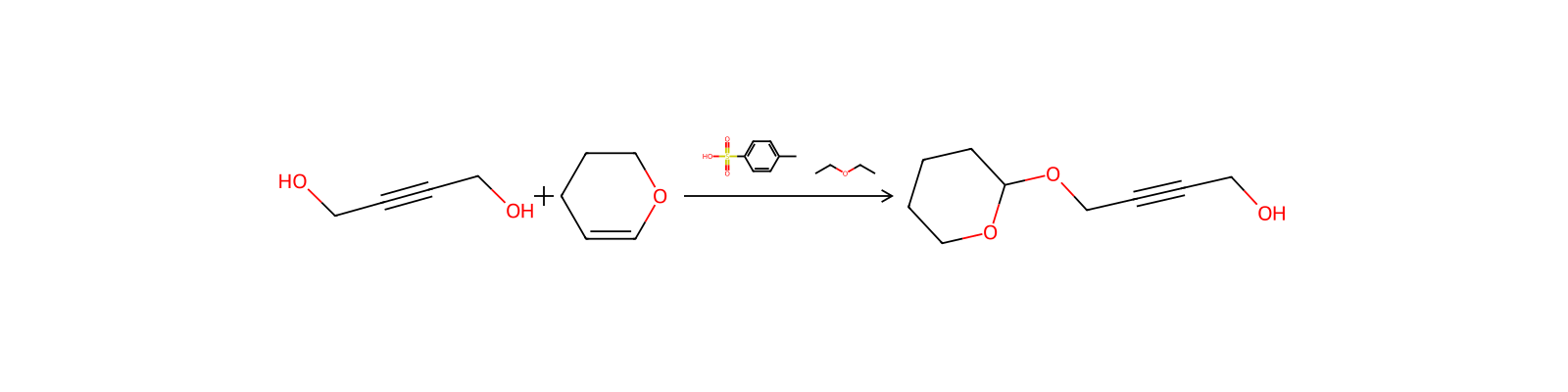
HRID 1275 の反応式
HRID 1275反応物としてuspto-grants-1998_03
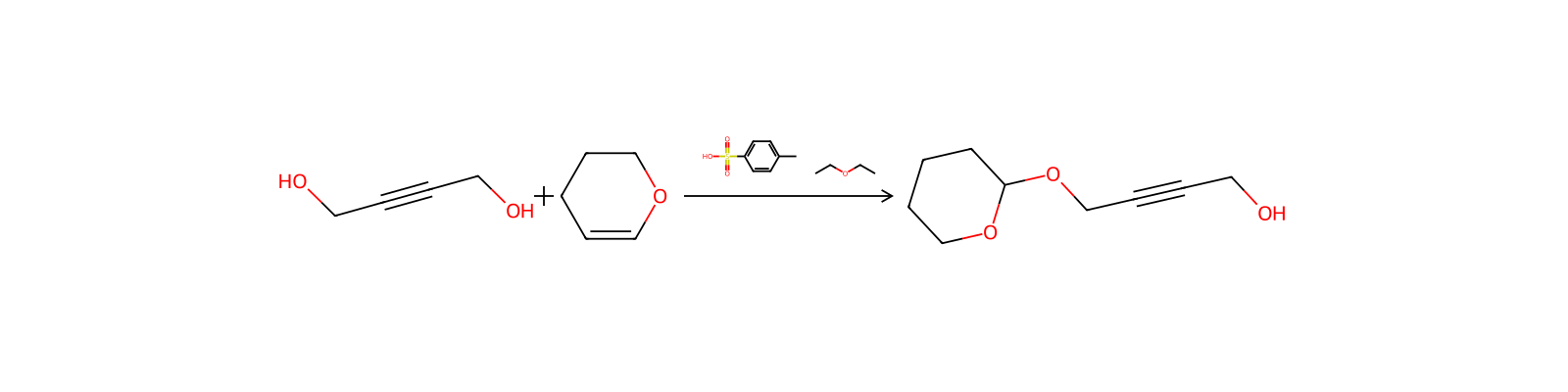
HRID 1361 の反応式
HRID 1361反応物としてuspto-grants-1998_03
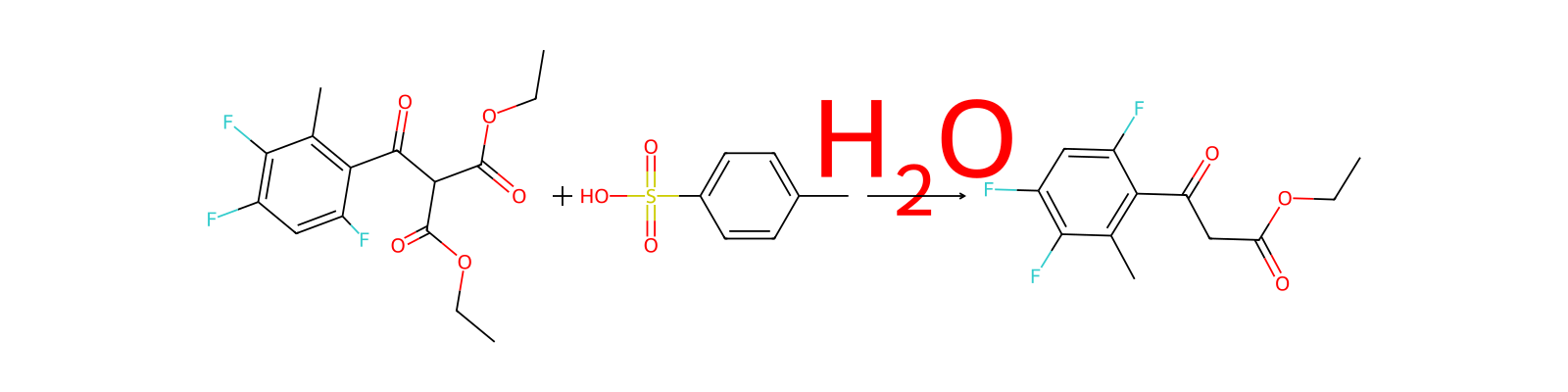
HRID 1381 の反応式
HRID 1381反応物としてuspto-grants-1998_03
HRID 1387 の反応式
HRID 1387反応物としてuspto-grants-1998_03
HRID 1563 の反応式
HRID 1563触媒としてuspto-grants-1998_03
HRID 2068 の反応式
HRID 2068触媒としてuspto-grants-1998_03
HRID 2168 の反応式
HRID 2168触媒としてuspto-grants-1998_03
1 / 500 ページ

化合物ノート

読み込み中…

このページの内容基本情報概要名称と識別子物性安全と法規制化学と産業関連反応化合物ノート
その他の操作
ノートを作成反応を作成見積依頼を出す

221 °F (USCG, 1999)

106-107 °C

106-107 °C /ANHYDROUS/

MELTING POINT: 38 °C /METASTABLE FORM/

Melting point = 106 °C /monohydrate/; 93 °C /trihydrate/

104.50 °C. @ 760.00 mm Hg

Vapor Pressure0.0000027 [mmHg]
Food Contact SubstancesFCS -> FDA Inventory of Food Contact Substances Listed in 21 CFR
Physical Description · 4 件

Toluene sulfonic acid, liquid, with more than 5% free sulfuric acid appears as colorless to black solid. Odorless or nearly odorless. (USCG, 1999)

Liquid; Dry Powder; Liquid; Dry Powder; CBI; Large Crystals

Colorless hygroscopic solid; [ICSC] Colorless to black solid with no or little odor; [CHRIS] Off-white crystals; [Integra MSDS]

COLOURLESS HYGROSCOPIC FLAKES.

物理化学的性質

EPAの化学物質情報
Benzenesulfonic acid, methyl- (25231-46-3)
Fire PotentialIgnites after considerable preheating.
Health HazardsContact with eyes or skin causes severe irritation. Ingestion causes irritation of mouth and stomach. (USCG, 1999)
Hazards Summary · 1 件

Corrosive to skin; [Quick CPC] High inhalation exposure of dust may cause pulmonary edema; [ICSC] A severe skin and eye irritant; [CHRIS] Absorbs moisture from air forming a highly acidic liquid; Commercial grades are aqueous solutions (minimum 65% with a maximum of 0.8% free sulfuric acid) and solids (90% and 95% pure); Highly irritating or corrosive to skin and eyes of rabbits; Not a skin sensitizer in guinea pig maximization test; [IUCLID] Causes severe burns; Inhalation may cause corrosive injuries to upper respiratory tract and lungs; Harmful by ingestion and inhalation; [Integra MSDS]

Reactive GroupAcids, Strong Oxidizing
EC ClassificationSymbol: Xi; R: 36/37/38; S: (2)-26-37
UN ClassificationUN Hazard Class: 8; UN Pack Group: III
Reactivity AlertsStrong Oxidizing Agent
Reactivity Profile · 1 件

TOLUENE SULFONIC ACID, LIQUID, WITH MORE THAN 5% FREE SULFURIC ACID reacts exothermically with chemical bases (for example: amine, amides, and inorganic hydroxides). The reactions can generate dangerously large amounts of heat in small spaces. Dissolution in water or dilution of concentrated solutions with water may generate significant heat. Reacts with sodium hypochlorite to produce chlorine gas. Can react with active metals, including iron and aluminum, and also many less active metals, to dissolve the metal and liberate hydrogen and/or toxic gases. Can initiate possibly violent polymerization in certain alkenes such as allyl chloride. Reacts with cyanide salts and compounds to release gaseous hydrogen cyanide. Flammable and/or toxic gases are also often generated by reactions with dithiocarbamates, isocyanates, mercaptans, nitrides, nitriles, sulfides, and weak or strong reducing agents. Additional gas-generating reactions may occur with sulfites, nitrites, thiosulfates (to give H2S and SO3), dithionites (SO2), and carbonates: the carbon dioxide gas from the last is nontoxic but the heat and spattering from the reaction can be troublesome. Can catalyze (increase the rate of) chemical reactions. May burn but not ignited readily. Incompatible with carbides, bromates, chlorates, fulminates, picrates, and powdered metals [Haz. Chem. Data 1966]. Produces highly toxic fumes of oxides of sulfur when heated to decomposition.

安全と保護具

Fire Fighting · 2 件

Fire Extinguishing Agents: Water (USCG, 1999)

Use water spray, powder, alcohol-resistant foam, carbon dioxide. In case of fire: keep drums, etc., cool by spraying with water.

First Aid Measures · 4 件

Fresh air, rest. Half-upright position. Artificial respiration may be needed. Refer immediately for medical attention.

Remove contaminated clothes. Rinse skin with plenty of water or shower. Refer immediately for medical attention.

Rinse with plenty of water for several minutes (remove contact lenses if easily possible). Refer immediately for medical attention.

Rinse mouth. Do NOT induce vomiting. Refer immediately for medical attention.

First AidEYES: wash thoroughly with copious amounts of water for at least 15 min.; call physician if irritation persists.
Safe StorageDry. Separated from strong bases and food and feedstuffs.
Nonfire Spill ResponseNeutralizing Agents for Acids and Caustics: Flush with water, rinse with dilute sodium bicarbonate or lime solution. (USCG, 1999)
Disposal Methods · 2 件

SRP: At the time of review, criteria for land treatment or burial (sanitary landfill) disposal practices are subject to significant revision. Prior to implementing land disposal of waste residue (including waste sludge), consult with environmental regulatory agencies for guidance on acceptable disposal practices.

Spillage disposal: /SRP: For laboratory quantities:/ Wear eye protection, laboratory coat and nitrile rubber gloves. Scoop into a pail of cold water. Neutralize with sodium carbonate and wash into the drain with at least 50 times its volume of water.

Spillage Disposal · 1 件

Personal protection: complete protective clothing including self-contained breathing apparatus. Sweep spilled substance into covered dry, plastic containers. If appropriate, moisten first to prevent dusting. Carefully collect remainder. Then store and dispose of according to local regulations.

Isolation and EvacuationExcerpt from ERG Guide 153 [Substances - Toxic and/or Corrosive (Combustible)]:
Eye PreventionWear face shield or eye protection in combination with breathing protection.
Fire PreventionNO open flames.
Inhalation RiskEvaporation at 20 °C is negligible; a harmful concentration of airborne particles can, however, be reached quickly when dispersed, especially if powdered.
Skin PreventionProtective gloves. Protective clothing.

毒性情報

Environmental Fate · 3 件

TERRESTRIAL FATE: p-Toluenesulfonic acid is a strong acid (pKa = -1.34(1)) and is completely dissociated and highly soluble (about 620 g/L(2)) in water. It would be expected to leach fairly rapidly. Its biodegradation in soil is unknown(SRC).

AQUATIC FATE: Once released into the aquatic compartment, p- toluenesulfonic acid will not be transported into the sediment or volatilize to the atmosphere. Based on the results of biodegradation screening studies(1-8), it may slowly biodegrade if acclimated microbial populations are present. p- Toluenesulfonic acid would not be expected to bioconcentrate in aquatic organisms(SRC).

ATMOSPHERIC FATE: Based on its estimated vapor pressure, 2.7X10⁻⁶ mm Hg at 25 °C(2), p-toluenesulfonic acid should exist in the atmosphere both as an aerosol and as a vapor(4). Vapor-phase p- toluenesulfonic acid will react with photochemically-produced hydroxyl radicals resulting in an estimated half-life of 11.8 days (3,SRC). p-Toluenesulfonic acid is highly soluble in water, 620,000 mg/L(1), and therefore should be scavenged by rain(SRC).

Adverse EffectsDermatotoxin - Skin burns.
Exposure RoutesSerious local effects by all routes of exposure.
Toxicity Summary · 2 件

Toluene Sulfonic Acid...safe as cosmetic ingredient in the present practice of use and concentration as described in this safety assessment, when formulated to be nonirritating

Safe for use in cosmetics, with qualifications

Signs and Symptoms · 4 件

Sore throat. Cough. Burning sensation. Laboured breathing. Shortness of breath.

Redness. Pain. Serious skin burns.

Redness. Pain. Burns.

Sore throat. Burning sensation in the throat and chest. Shock or collapse.

ICSC Environmental DataThe substance is harmful to aquatic organisms.
Soil Adsorption/Mobility · 1 件

The log Koc for p- toluenesulfonic acid estimated from molecular structure is 19(1). According to a suggested classification scheme(2), this estimated Koc suggests that p-toluenesulfonic acid is highly mobile in soil and would readily leach(SRC).

Natural Pollution SourcesNone. (SRC)
Human Toxicity Excerpts · 4 件

/IT IS/ HIGHLY IRRITATING TO SKIN, MUCOUS MEMBRANES.

MODERATELY TOXIC; SKIN IRRITANT.

Contact with eyes or skin causes severe irritation. Ingestion causes irritation of mouth and stomach.

Irritating to skin, eyes and mucous membranes. Highly toxic if swallowed.

Artificial Pollution SourcesWastewater from production(1). Wastewater from its use in organic synthesis or as a catalyst(1).
Environmental Biodegradation · 1 件

Experimental results are conflicting on the biodegradability of p-toluenesulfonic acid. Results range from 100% degradation in a few days with acclimated activated sludge to no degradation in 37-64 days(1-6). There are special species that are capable of degrading this compound and its degradation depends on the existance and cultivation of these species in the environment(7,8).

Environmental Bioconcentration · 1 件

Using an estimated log Kow of -0.62(1), one would estimate a BCF of 0.2 for p- toluenesulfonic acid using a recommended regression equation(2). This would indicate that p-toluenesulfonic acid would not bioconcentrate in aquatic organisms(SRC).

Industry Uses
Catalyst
Methods of Manufacturing · 3 件

PREPARED BY SULFONATION OF TOLUENE WITH 96-100% SULFURIC ACID; WHEN CARRIED OUT AT 75 °C COMPOSITION OF REACTION PRODUCT IS 75% PARA-, 19% ORTHO- AND 6% META-TOLUENESULFONIC ACID.

CONVENIENT LAB PREPN. SEPARATION OF TOLUENE FROM PETROLEUM FRACTIONS CAN BE ACCOMPLISHED BY SULFONATION WITH SULFURIC ACID @ 60 °C.

BY ACTION OF CHLOROSULFONIC ACID ON TOLUENE AT A LOW TEMPERATURE.

Formulations/Preparations · 2 件

GRADES: ANHYDROUS; MONOHYDRATE; 40% AQUEOUS SOLUTION

Anhydrous grade, monohydrate gradem solution forms, dark brown semicrystaline to crystalline solid.

Use ClassificationCosmetics -> Surfactant; Hydrotrope
General Manufacturing Information · 3 件

All Other Basic Organic Chemical Manufacturing

Benzenesulfonic acid, 4-methyl-: ACTIVE

Purification is possible by crystallization from 66% sulfuric acid or via the barium salt.

補足説明

定義本品は、次の化学式で表される芳香族スルホン酸の置換体である。