ブロモアセチルブロミド
Bromoacetyl bromide
データを補完しています。しばらくしてからページを更新すると最新の内容を表示できます
基本情報
- CAS
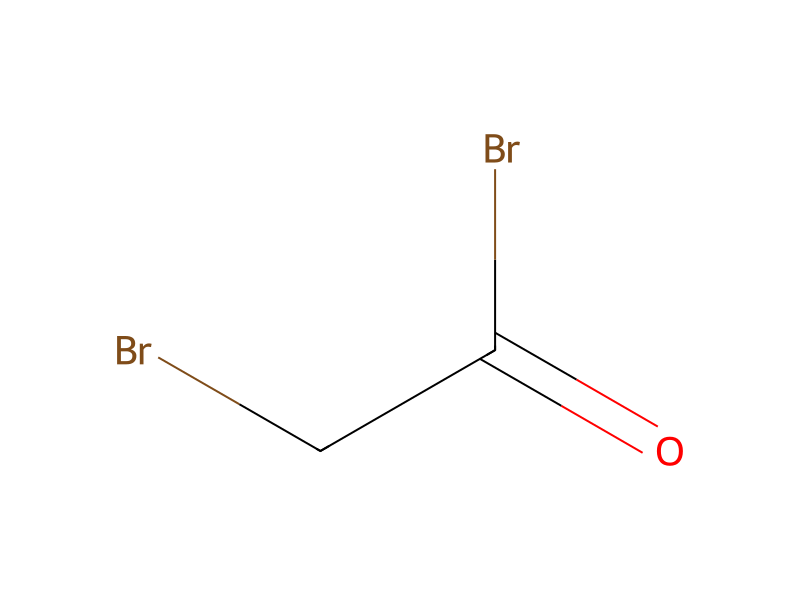
598-21-0- 標準SMILES
O=C(Br)CBr- InChIKey
LSTRKXWIZZZYAS-UHFFFAOYSA-N- 分子式
- C2H2Br2O
- 平均分子量
- 201.84 g/mol
- 単同位体質量
- 199.84723888
概要
Bromoacetyl bromide appears as a water-white liquid with a pungent odor. Denser than water. Irritates skin, eyes and mucous membranes. May be toxic by ingestion, inhalation and skin absorption. Used to make other chemicals.
名称と識別子
- 優先名称
- Bromoacetyl bromide
- IUPAC
- 2-bromoacetyl bromide
- 現地名
- ブロモアセチルブロミド
- 英語名
- Bromoacetyl bromide
- 分子式
- C2H2Br2O
- 分子量
- 201.84
名称と別名
Bromoacetyl bromide598-21-0ACETYL BROMIDE, BROMO-Acetyl bromide, 2-bromo-CCRIS 9090EINECS 209-923-5UN2513alpha-bromoacetyl bromideDTXSID10605062bromoacetyl bromideAcetyl bromide, bromoalphaBromoacetyl bromide
名称をさらに表示
ブロモアセチルブロミド2-ブロモアセチルブロミドブロモ酢酸ブロミド1,2-ジブロモエタノンα-ブロモアセチルブロマイド臭化ブロモアセチル臭化ブロムアセチルブロモアセチルブロミド, 98%acetylbromide,bromo-bromoacetylBroMoacetyl brAKOS BBS-00004286bromo-acetylbromid?BROMOACETYL?BROMIBrominemonobromide1,2-Dibromoethanone
Acetyl bromide, 2bromoRefChem:570322BROMOETHANOYL BROMIDEMONOBROMOACETYL BROMIDEDTXCID7042699209-923-52-Bromoacetyl bromidebromoacetylbromide
データベース識別子
- CAS
598-21-0- PubChem CID
- 61147
- DTXSID
DTXSID1060506- UNII
- GV64Q4VP87
- EC Number
- 209-923-5
- Nikkaji
- J474J
物性
構造計算による物性補完中
- XLogP
- 1.6
- 極性表面積
- 17.1 Ų
- 水素結合供与体数
- 0
- 水素結合受容体数
- 1
- 回転可能結合数
- 1
- 重原子数
- 5
- 形式電荷
- 0
- 複雑度
- 42.9
実験および物理化学的性質
Chemical Classes
Other Classes -> Halogenated Ketones
Corrosives
SpringerMaterials PropertiesSchoenflies notation
Density2.317 at 68 °F (USCG, 1999) - Denser than water; will sink
Boiling Point298 °F at 760 mmHg (USCG, 1999)
Physical Description
Bromoacetyl bromide appears as a water-white liquid with a pungent odor. Denser than water. Irritates skin, eyes and mucous membranes. May be toxic by ingestion, inhalation and skin absorption. Used to make other chemicals.
Fuming water-white liquid with a pungent odor; [CAMEO] Colorless to light yellow liquid with an extremely irritating odor; [CHRIS] Dark brown liquid; [Sigma-Aldrich MSDS]
物理化学的性質
- 融点
- 148.5 °C · 148.5°C (estimate)
- 沸点
- 147 · 147-150 °C(lit.)
- 比重(密度)
- 2.324 g/mL · 2.324 g/mL at 20 °C
- 蒸気圧
- 3.8 mm · 3.8 mm Hg ( 25 °C)
- 屈折率
- 20 · n20/D 1.547(lit.)
安全と法規制
安全情報は参考情報です。供給元の安全データシート(SDS)、適用法令、専門家による評価に代わるものではありません。
GHS分類
GHS Classification
Danger
H314 (100%): Causes severe skin burns and eye damage [Danger Skin corrosion/irritation]
P260, P264, P264+P265, P280, P301+P330+P331, P302+P361+P354, P304+P340, P305+P354+P338, P316, P317, P321, P363, P405, and P501 (click each P-code to see the statement)
Aggregated GHS information provided per 73 reports by companies from 9 notifications to the ECHA C&L Inventory. Each notification may be associated with multiple companies.
Not Classified
危険有害性情報
Regulatory Information
Chemical: Acetyl bromide, bromo-
Status: Active Update: 10-05-2022 https://echa.europa.eu/registration-dossier/-/registered-dossier/17142
Bromoacetyl bromide: Does not have an individual approval but may be used under an appropriate group standard
The New Jersey Worker and Community Right to Know Act requires public and private employers to provide information about hazardous substances at their workplaces. (N.J.S.A. 34:5A-1 et. seq.)
DOT LabelCorrosive
Fire Hazards
Special Hazards of Combustion Products: Heat of fire can cause decomposition, with evolution of highly toxic and irritating hydrogen bromide and bromophosgene vapors.
· Combustible material: may burn but does not ignite readily.
Health Hazards
Inhalation causes severe irritation of upper respiratory system. External contact causes severe irritation of eyes and skin. Ingestion causes severe irritation of mouth and stomach. (USCG, 1999)
· TOXIC and/or CORROSIVE; inhalation, ingestion or contact (skin, eyes) with vapors, dusts or substance may cause severe injury, burns or death.
Hazards Summary
Reacts violently with water evolving hydrogen bromide; Causes severe skin irritation and serious eye injury; Brief contact can cause second- and third-degree skin burns; [CHRIS] Readily hydrolyzes; Causes burns; Inhalation may cause corrosive injuries to upper respiratory tract; [Sigma-Aldrich MSDS] See Dichloroacetone. See Hydrogen bromide.
化学と産業
用途と製造
UsesUsed in chemical manufacture; [CAMEO]
General Manufacturing InformationAcetyl bromide, 2-bromo-: ACTIVE
応用分野
用途有機合成原料(医薬品)、殺菌剤原料。
用途エーテルとアセタールの選択的開裂
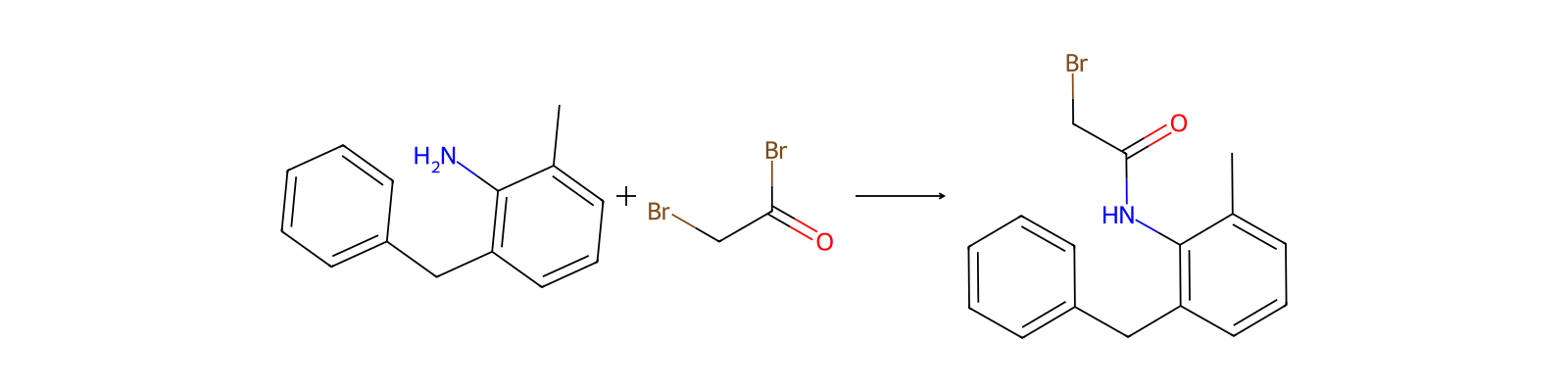
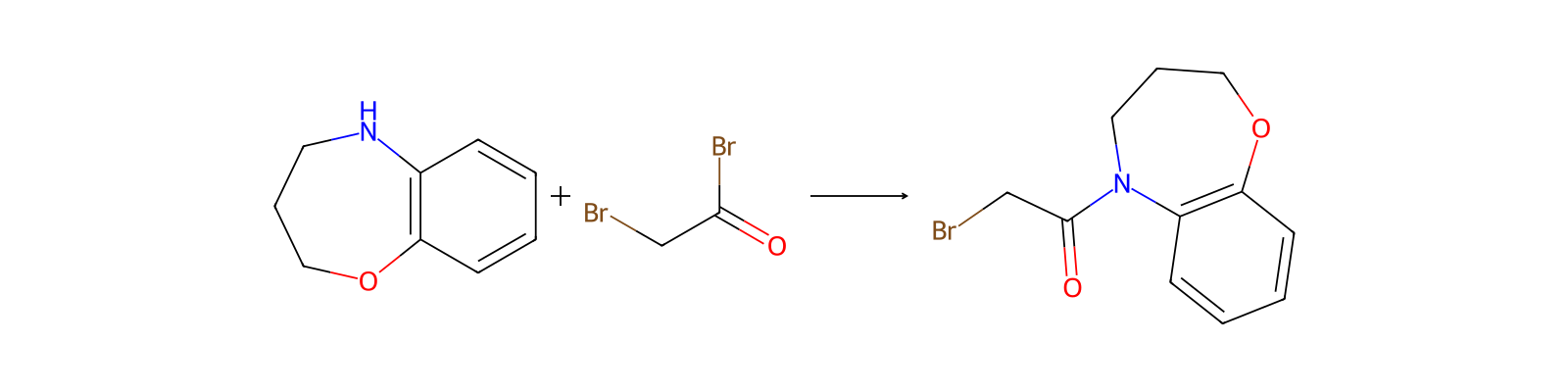
使用Bromoacetyl bromide is widely used in the synthesis of fine chemicals, agrochemicals, dyes and pharmaceuticals. As an acylating agent, it reacts with 10H-phenothiazine to give 10-bromoacetyl-10H-phenothiazine. Similarly, it is also involved in the preparation of bromoactylated starch which is a biodegradable thermoplastic copolymer.
一般的な説明A water-white liquid with a pungent odor. Denser than water. Irritates skin, eyes and mucous membranes. May be toxic by ingestion, inhalation and skin absorption. Used to make other chemicals.
上流・下流製品情報
上流原料
下流製品
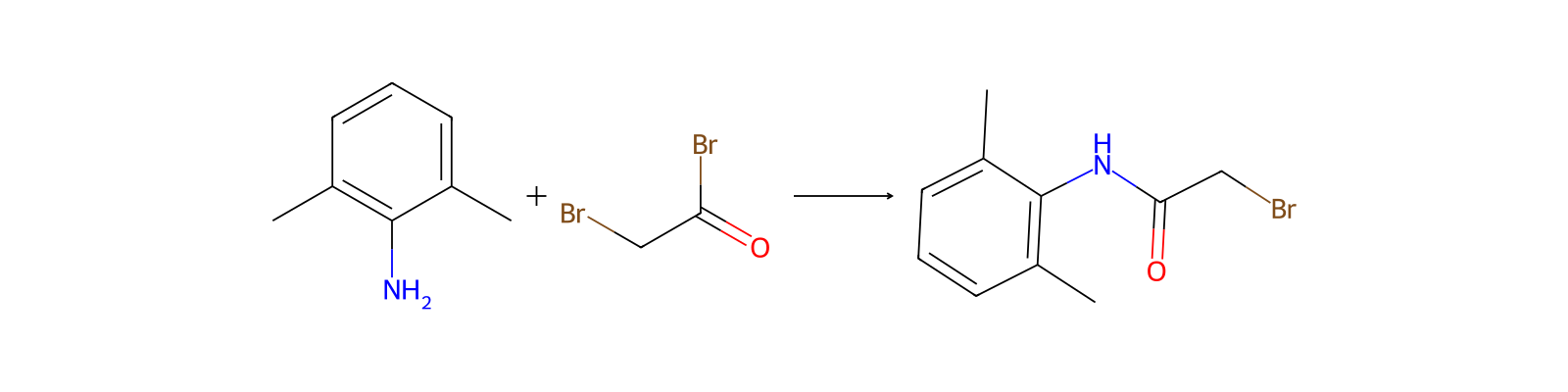
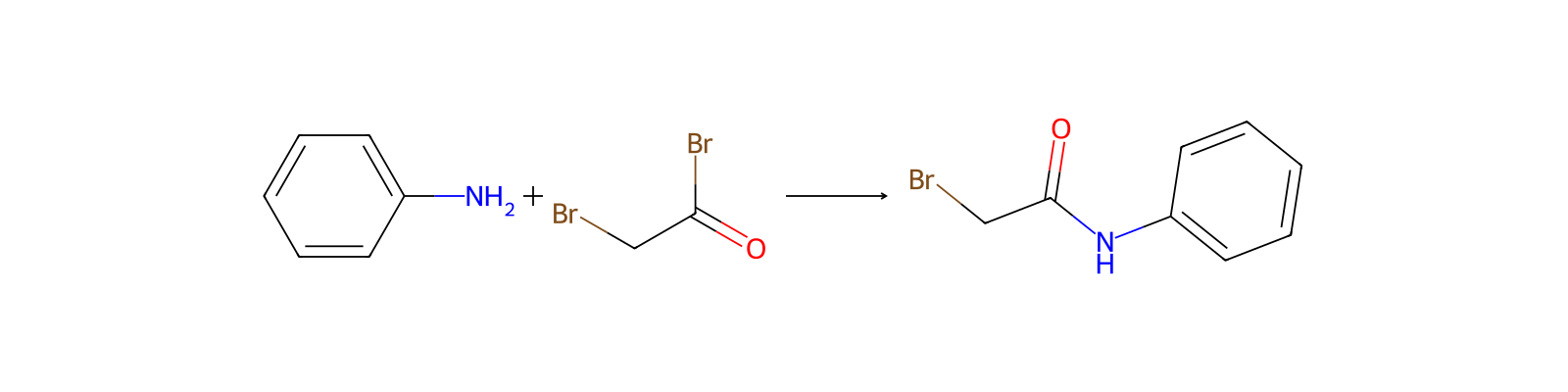
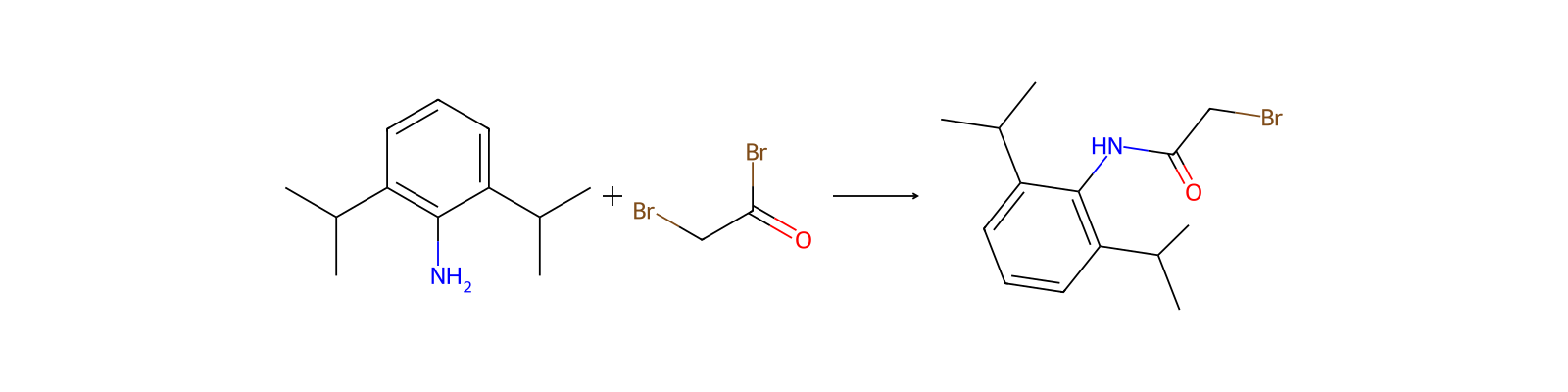
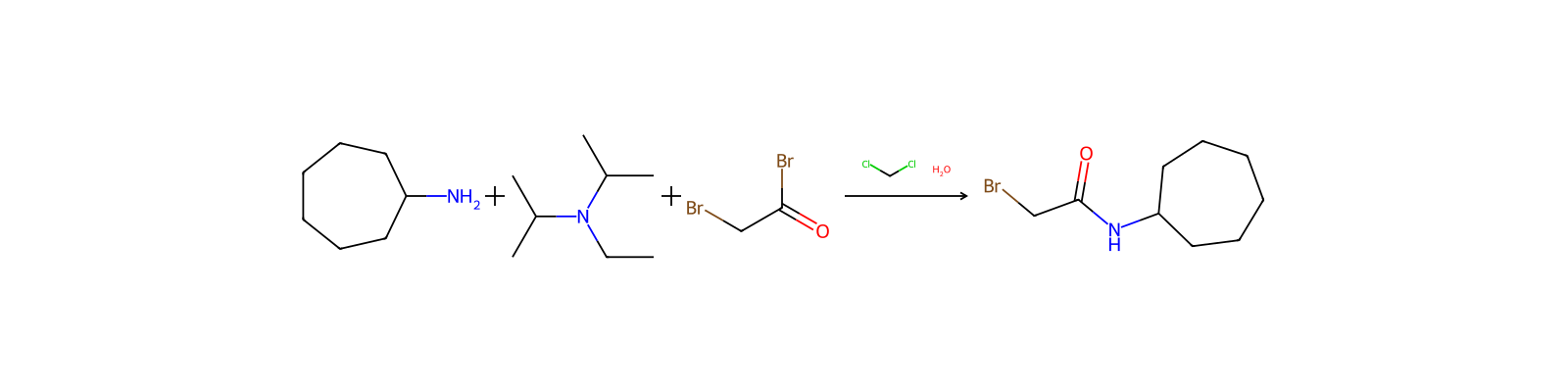
関連反応
1,289 件

化合物ノート
読み込み中…