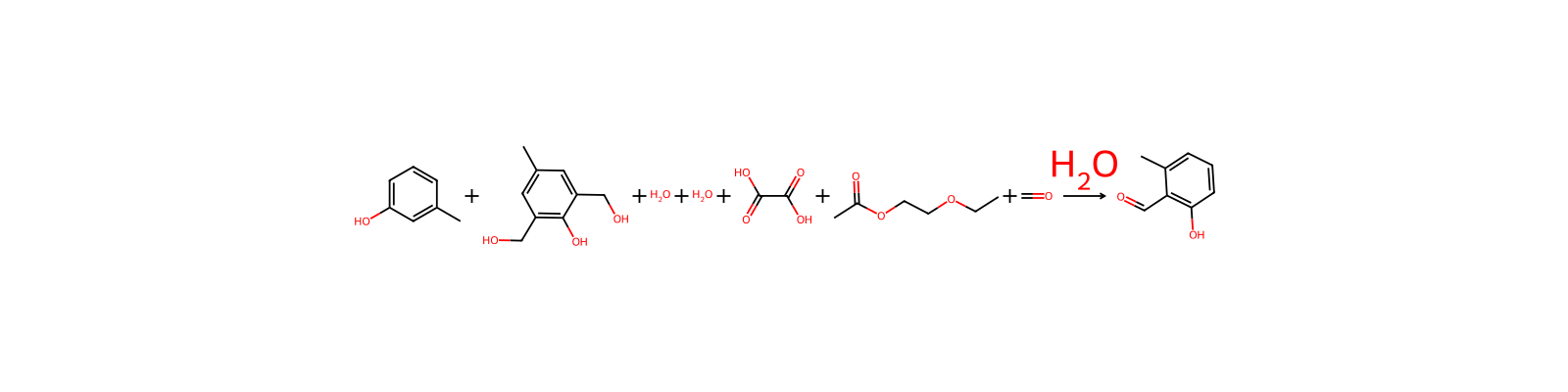

基本情報
- 標準SMILES
O.O.O=C(O)C(=O)O- InChIKey
GEVPUGOOGXGPIO-UHFFFAOYSA-N- 分子式
- C2H2O4.2H2O
- 平均分子量
- 126.07 g/mol
- 単同位体質量
- 126.01643791
概要
Oxalic acid is a dicarboxylic acid. It is a colorless crystalline solid that dissolves in water to give colorless, acidic solutions. In terms of acid strength, it is much stronger than acetic acid. Oxalic acid, because of its di-acid structure can also act as a chelating agent for metal cations. About 25% of produced oxalic acid is used as a mordant in dyeing processes. It is also used in bleaches, especially for pulpwood. Oxalic acid's main applications include cleaning (it is also found in baking powder) or bleaching, especially for the removal of rust. Oxalic acid is found in a number of common foods with members of the spinach family being particularly high in oxalates. Beat leaves, parsley, chives and cassava are quite rich in oxalate. Rhubarb leaves contain about 0.5% oxalic acid and jack-in-the-pulpit (Arisaema triphyllum) contains calcium oxalate crystals. Bacteria naturally produce oxalates from the oxidation of carbohydrates. At least two pathways exist for the enzyme-mediated formation of oxalate in humans. In one pathway, oxaloacetate (part of the citric acid cycle) can be hydrolyzed to oxalate and acetic acid by the enzyme oxaloacetase. Oxalic acid can also be generated from the dehydrogenation of glycolic acid, which is produced by the metabolism of ethylene glycol. Oxalate is a competitive inhibitor of lactate dehydrogenase (LDH). LDH catalyses the conversion of pyruvate to lactic acid oxidizing the coenzyme NADH to NAD+ and H+ concurrently. As cancer cells preferentially use aerobic glycolysis, inhibition of LDH has been shown to inhibit tumor formation and growth. However, oxalic acid is not particularly safe and is considered a mild toxin. In particular, it is a well-known uremic toxin. In humans, ingested oxalic acid has an oral lowest-published-lethal-dose of 600 mg/kg. It has been reported that the lethal oral dose is 15 to 30 grams. The toxicity of oxalic acid is due to kidney failure caused by precipitation of solid calcium oxalate, the main component of kidney stones. Oxalic acid can also cause joint pain due to the formation of similar precipitates in the joints.
名称と識別子
- 優先名称
- Oxalic acid dihydrate
- IUPAC
- oxalic acid;dihydrate
- 現地名
- エタン二酸·2水和物
- 英語名
- Oxalic acid dihydrate
- 分子式
- C2H6O6
- 分子量
- 126.07
名称と別名
Oxalic acid dihydrate6153-56-6Ethanedioic acid, dihydrateETHANEDIOIC ACID DIHYDRATE0K2L2IJ59OOXALICUM ACIDUMDTXSID2075003VARROMED COMPONENT OXALIC ACID DIHYDRATERefChem:1093935DTXCID8043070612-167-2Oxalic acid, dihydrate
名称をさらに表示
しゅう酸·2水和物しゅう酸·二水和物エタン二酸·2水和物シュウ酸二水和物シュウ酸二水和物 TRACESELECT,≥99.9999% (METALS BASIS)しゅう酸(2水和物)OXALIPLATIN RELATED COMPOUND A (エタン二酸, 二水和物)シュウ酸 二水和物しゅう酸二水和物, ACS, 99.5-102.5%しゅう酸・二水和物しゅう酸・2水和物エタン二酸・2水和物ETHANEDIOIC ACIDOxalate AcidOXALIC ACID 2H2OOXALIC ACID 2HYD XTLKH2PO56Has two acidOxalicAcidGrOXALIC ACID PUREACS, 99.5-102.5%
MFCD00149102OXALIC ACID (1,2-13C2)UNII-0K2L2IJ59OOxalicaciddihydrateoxalicacid dihydratedihydrate oxalic acidoxalic acid di-hydrateOXALIC ACID, ACS
データベース識別子
- CAS
6153-56-6- PubChem CID
- 61373
- DTXSID
DTXSID2075003- ChEMBL
CHEMBL5315063- UNII
- 0K2L2IJ59O
- EC Number
- 612-167-2
物性
構造計算による物性
- 極性表面積
- 76.6 Ų
- 水素結合供与体数
- 4
- 水素結合受容体数
- 6
- 回転可能結合数
- 1
- 重原子数
- 8
- 形式電荷
- 0
- 複雑度
- 71.5
実験および物理化学的性質
Chemical ClassesOther Classes -> Organic Acids
FragrancesFragrance Ingredient (Oxalic acid dihydrate) -> IFRA transparency List
LogP-0.81
Density
1.65 g/cm³
1.653 @25 °C
SolubilitySolubility in water, g/100ml at 20 °C: 13-14
Animal Drugs
EMA approved medicines: Veterinary medicine
EMA approved medicines: Veterinary medicine
Melting Point
101-102 °C
189.5 °C
Vapor Pressure0.54 [mm Hg] @105 °C
Physical Description
Large Crystals; Dry Powder; Other Solid; Liquid; Liquid; Other Solid
Colorless solid; [ICSC] Colorless hygroscopic crystals; [Sigma-Aldrich MSDS]
COLOURLESS CRYSTALS.
物理化学的性質
- 融点
- 104 · 104-106 °C(lit.)
- 沸点
- 108 · 108-109°C
- 比重(密度)
- 1 · 1,65 g/cm3
- 蒸気密度
- 4.4 · 4.4 (vs air)
- 蒸気圧
- 0.01 mm · <0.01 mm Hg ( 20 °C)
- 闪点
- 157 °C · 157°C
- 貯蔵温度
- 5 °C · Store at +5°C to +30°C.
- 溶解性
- 2 O: · H2O: 20℃で可溶1M、無色透明
- 外見
- 粉体・固形
- 比重
- 1.65 · 1.65
- 色
- 黄色から黄緑色
- PH
- 1 · ~1.0 (25℃, 1M in H2O)
- 水溶解度
- 138 g/L · 138g/L(20℃)
- Merck
- 14 · 14,6911
- BRN
- 3679436 · 3679436
- 安定性
- 安定。アルカリ、酸塩化物、鋼、銀、銀化合物、湿気とは相容れない。金属との接触を避けてください。
- InChI
- 1S/C2H2O4.2H2O/c3-1(4)2(5)6;;/h(H,3,4)(H,5,6);2*1H2
- InChIKey
- GEVPUGOOGXGPIO-UHFFFAOYSA-N
- SMILES
- [H]O[H].[H]O[H].OC(=O)C(O)=O
- CAS データベース
- 6153 · 6153-56-6(CAS DataBase Reference)
- NISTの化学物質情報
- Oxalic acid dihydrate(6153-56-6)
- EPAの化学物質情報
- Oxalic acid dihydrate (6153-56-6)
- Absorption
- 303 nm · cut-off at 303nm in H2O at 1M
化学的性質
化学的特性Oxalic acid dihydrate occurs as colorless crystals or a white crystalline powder; it is odorless. It sublimes at 150–160 °C and effloresces in warm, dry air. One gram is soluble in 7 mL of water, 2 mL of boiling water, 2.5 mL of ethanol, 1.8 mL of boiling ethanol, 100 mL of diethyl ether, and 5.5 mL of glycerol; it is insoluble in benzene, chloroform, and petroleum ether. The pH of a 0.1 mol/L solution is 1.3. It has low toxicity; (rabbit, dermal) is 2000 mg/kg.
安全と法規制
GHS分類
GHS Classification
This chemical does not meet GHS hazard criteria for 1.1% (6 of 561) of reports.
Danger
H302+H312 (12.7%): Harmful if swallowed or in contact with skin [Warning Acute toxicity, oral; acute toxicity, dermal]
P260, P264, P264+P265, P270, P280, P301+P317, P302+P352, P305+P354+P338, P317, P319, P321, P330, P332+P317, P362+P364, and P501 (click each P-code to see the statement)
Aggregated GHS information provided per 561 reports by companies from 13 notifications to the ECHA C&L Inventory. Each notification may be associated with multiple companies.
Danger
危険有害性情報
Regulatory Information
Chemical: Ethanedioic acid, dihydrate
Ethanedioic acid, dihydrate is listed on the EPA's Chemical Data Reporting (CDR) system. Manufacturers and importers of Ethanedioic acid, dihydrate are required to report information about their production and use of this chemical to the EPA under the Toxic Substances Control Act (TSCA). (40 eCFR Part 711)
Oxalic acid dihydrate: Does not have an individual approval but may be used under an appropriate group standard
Other Safety InformationEvaluation - Chemicals that are unlikely to require further regulation to manage risks to environment
Fire HazardsCombustible. Gives off irritating or toxic fumes (or gases) in a fire.
Hazards Summary
Causes burns; Ingestion may have effects on calcium balance; Repeated or prolonged exposure may cause kidney stones; [ICSC] Causes burns; Inhalation may cause corrosive injuries to upper respiratory tract and lungs; Harmful by ingestion and skin absorption; May have teratogenic effects; Targets the kidney, nerves, blood, and eyes; [Sigma-Aldrich MSDS] See Oxalic acid.
EC ClassificationSymbol: Xn; R: 21/22; S: (2)-24/25
UN ClassificationUN Hazard Class: 8; UN Pack Group: III
Chemical Dangers
Decomposes on contact with hot surfaces or flames. This produces formic acid and carbon monoxide. The solution in water is a medium strong acid. Reacts violently with strong oxidants. This generates fire and explosion hazard. Reacts with some silver compounds. This produces explosive silver oxalate. Attacks some forms of plastic.
Packaging and LabellingDo not transport with food and feedstuffs.
Hazard Classes and Categories
Acute Tox. 4 (98.8%)
Acute toxicity - category 4
安全と保護具
Fire FightingUse water spray, powder, foam, carbon dioxide. In case of fire: keep drums, etc., cool by spraying with water.
First Aid Measures
Fresh air, rest. Half-upright position. Refer immediately for medical attention.
Remove contaminated clothes. Rinse skin with plenty of water or shower for at least 15 minutes. Refer for medical attention .
Rinse with plenty of water (remove contact lenses if easily possible). Refer immediately for medical attention.
Rinse mouth. Do NOT induce vomiting. Refer immediately for medical attention.
Safe StorageSeparated from strong oxidants and food and feedstuffs.
Spillage Disposal
Personal protection: particulate filter respirator adapted to the airborne concentration of the substance, protective gloves and safety goggles. Sweep spilled substance into covered plastic containers. If appropriate, moisten first to prevent dusting. Wash away remainder with plenty of water.
Eye PreventionWear face shield or eye protection in combination with breathing protection.
Fire PreventionNO open flames.
Inhalation RiskEvaporation at 20 °C is negligible; a harmful concentration of airborne particles can, however, be reached quickly when dispersed.
Skin PreventionProtective gloves. Protective clothing.
Exposure PreventionPREVENT DISPERSION OF DUST!
Ingestion PreventionDo not eat, drink, or smoke during work. Wash hands before eating.
Inhalation PreventionUse ventilation (not if powder), local exhaust or breathing protection.
Threshold Limit Values (TLV)
1.0 [mg/m3]
2.0 [mg/m3]
1 mg/m
毒性情報
Treatment
Acute Exposure: If oxalic acid is swallowed, immediately give the person water or milk, unless instructed otherwise by a health care provider. DO NOT give water or milk if the person is having symptoms (such as vomiting, convulsions, or a decreased level of alertness) that make it hard to swallow. If acute exposure occurs to the eyes, irrigate opened eyes for several minutes under running water. Chronic exposure: in some patients with primary hyperoxaluria type 1, pyridoxine treatment (vitamin B6) may decrease oxalate excretion and prevent kidney stone formation.
Health Effects
Because it binds vital nutrients such as calcium, long-term consumption of foods high in oxalic acid can be problematic. Healthy individuals can safely consume such foods in moderation, but those with kidney disorders, gout, rheumatoid arthritis, or certain forms of chronic vulvar pain (vulvodynia) are typically advised to avoid foods high in oxalic acid or oxalates. The calcium oxalate precipitate (better known as kidney stones) obstruct the kidney tubules. Conversely, calcium supplements taken along with foods high in oxalic acid can cause calcium oxalate to precipitate out in the gut and drastically reduce the levels of oxalate absorbed by the body (by 97% in some cases.) Chronically high levels of oxalic acid are associated with at least 2 inborn errors of metabolism including: Type I primary hyperoxaluria and Primary hyperoxaluria. Oxalate stones in primary hyperoxaluria tend to be severe, resulting in relatively early kidney damage (before age 20), which impairs the excretion of oxalate leading to a further acceleration in accumulation of oxalate in the body. After the development of renal failure patients may develop oxalate deposits in the bones, joints and bone marrow. Severe cases may develop haematological problems such as anaemia and thrombocytopaenia. The deposition of oxalate in the body is sometimes called "oxalosis" to be distinguished from "oxaluria" which refers to oxalate in the urine.
Adverse EffectsDermatotoxin - Skin burns.
Exposure RoutesThe substance can be absorbed into the body by inhalation of its aerosol and by ingestion. Serious local effects by all routes of exposure.
Toxicity Summary
The affinity of divalent metal ions is sometimes reflected in their tendency to form insoluble precipitates. Thus in the body, oxalic acid also combines with metals ions such as Ca2+, Fe2+, and Mg2+ to deposit crystals of the corresponding oxalates, which irritate the gut and kidneys. (2) Therefore the toxicity of oxalic acid is due to kidney failure caused by precipitation of solid calcium oxalate, the main component of kidney stones. Oxalic acid can also cause joint pain due to the formation of similar precipitates in the joints. Ingestion of ethylene glycol results in oxalic acid as a metabolite that can also cause acute kidney failure.
Signs and Symptoms
Cough. Sore throat. Burning sensation. Shortness of breath. Laboured breathing. Headache.
Redness. Pain. Skin burns.
Redness. Pain. Blurred vision. Burns.
Sore throat. Burning sensation. Abdominal pain. Laboured breathing. Convulsions. Paralysis. Cardiac dysrhythmia. Shock or collapse.
Oxalic acid poisoning symptoms include weakness, burning in the mouth, death from cardiovascular collapse, on the respiratory system, throat – burning in the throat, abdominal pain, nausea, vomiting, diarrhea, convulsions, and coma.
Carcinogen ClassificationNo indication of carcinogenicity (not listed by IARC). (L135)
安全データ
- wgk
- 1
- tsca
- Yes
- rtecs
- RO2450000
- ridadr
- UN 3261 8/PG 3
- 毒性
- LD50 orally in Rabbit: 375 mg/kg
- hs_code
- 29171100
- risk_code
- 21/22-41
- 安衛法
- 57,57-2
- hazard_code
- Xn,C
- safety_code
- 24/25-39-37-36-26
- hazard_class
- 8
- packing_group
- III
- 毒劇物取締法
- III
- Hazard Classifications
- Acute Tox. 4 DermalAcute Tox. 4 OralEye Dam. 1
- ストレージクラス
- 11 - Combustible Solids
化学と産業
薬理情報
Metabolism/MetabolitesOxalic acid is not metabolized but excreted in the urine.
用途と製造
Uses
Used in calico printing and dyeing, bleaching straw hats and leather, cleaning wood and metals, purifying methanol, decolorizing crude glycerol, stabilizing hydrocyanic acid, removing paint, and removing stains; Also used in ceramics and pigments, in veterinary hemostatic solutions, in blood specimen anticoagulants, and in other industries (paper, photography, engraving, and rubber manufacturing); [Merck Index] Permitted for use as an inert ingredient in non-food pesticide products; [EPA]
Pulp and Paper Processing [Category: Industry]
Oxalic acid and oxalates are abundantly present in many plants, most notably fat hen (lamb's quarters), sorrel, and Oxalis species. The root and/or leaves of rhubarb and buckwheat are listed being high in oxalic acid.[8] Other edible plants that contain significant concentrations of oxalic acid include—in decreasing order—star fruit (carambola), black pepper, parsley, poppy seed, amaranth, spinach, chard, beets, cocoa, chocolate, most nuts, most berries, and beans. (L618)
U.S. Production2023: 2,500,000 - <4,000,000 lb
Consumer UsesBleaching agent
Industry UsesPlating agent
Household ProductsInformation on 42 consumer products that contain Oxalic acid dihydrate in the following categories is provided:
Use ClassificationFragrance Ingredients
General Manufacturing InformationNot Known or Reasonably Ascertainable
応用分野
解説しゅう酸二水和物 (Oxalic Acid Dihydrate)とは、C2H2O4·2H2Oで表される有機化合物です。 ジカルボン酸である (Oxalic Acid, C2H2O4) の水和物を指します。CAS番号は6153-56-6です。分子量126.07、融点104〜106℃であり、常温では白色の結晶または結晶性粉末です。水及びに溶けやすく、に溶けにくい化合物です。 しゅう酸は吸湿性があるため、湿気を含んだ空気中に放置することで二水和物の状態になります。また、水溶液からも二水和物が析出します。
用途汎用試薬、還元剤、漂白剤、化合物の精製。
用途二酸化硫黄自動分析機中のカラム充填剤。
用途食品: 水飴ぶどう糖の製造、植物油の精製。 金属処理: 化学研磨?ピックリング(酸洗浄)、車両?船舶洗浄、ラジエーター洗浄(除錆?脱スケール効果)、 ステンレス鋼の冷間引抜用潤滑剤、アルマイト製造、稀土類の精製。 医薬品 :持続性サルファ剤?シュウ酸セリウム?アミノ酸製剤?α-ケト酸等の製造。 繊維?皮革: 染料?色素の製造、染色用、漂白剤、皮なめし。 環境 :メッキ混合スラッジの処理、消臭剤(対アミン?アンモニア系物質)、排水処理用脱水機フィルター洗浄。
用途汎用試薬、還元剤。
使用Oxalic acid dihydrate is a purifying agent in pharmaceutical industry, special in antibiotic medication, such as Oxytetracycline , Chloramphenicol , etc; * Precipitating agent in Rare-earth mineral processing; * Bleaching agent in the textile activities, wood pulp bleaching; * Rust-remover for Metal treatment; * Grinding agent, such as Marble polishing; * Waste water treatment, removing calcium from water.
一般的な説明Oxalic acid dihydrate (OAD) crystals are reported to be monoclinic with P21/n space group. The electron density of OAD has been obtained using X-ray diffraction studies under high resolution.
使用用途しゅう酸二水和物の使用用途として、化学分野では主に試薬、金属表面処理剤、還元剤、医薬品の中間体原料が挙げられます。具体的な使用例は、持続性サルファ剤や、シュウ酸セリウム、アミノ酸製剤、α-ケト酸などの製造です。還元性があるため、還元滴定にも用いることができます。 また、食品添加物としても認められている化合物です。ただし、食品添加物として用いる場合は最終製品からしゅう酸を取り除くことが条件となっています。具体例は、水飴ぶどう糖の製造や、植物油の精製などです。 それ以外の用途には、染料原料や漂白剤などの用途があり、幅広く利用されています。
調製方法
純化方法Crystallise oxalic acid from distilled water. Dry it in a vacuum over H2SO4. The anhydrous acid can be obtained by drying at 100o overnight. [Beilstein 2 IV 1819.]
上流・下流製品情報
上流原料
下流製品
サプライヤー50 社
国药集团化学试剂有限公司86-21-63210123 · [email protected]
上海阿拉丁生化科技股份有限公司400-6206333 13167063860 · [email protected]
上海如吉生物科技发展有限公司+86-21-65211385-8001 36031160 · [email protected]
韶远科技(上海)有限公司021-50795510 4000665055 · [email protected]
科瑞迪化学400-821-5857 021-64326257 · [email protected]
上海迈瑞尔生化科技有限公司4006356688 18621169109 · [email protected]
武汉易泰科技有限公司上海分公司18930552037 · [email protected]
山东宇硕化工有限公司18866159232 18866159232 · [email protected]
阿法埃莎(中国)化学有限公司400-6106006 · [email protected]
安耐吉化学&3A(安徽泽升科技股份有限公司)400-0056266 · [email protected]
上海瀚鸿科技股份有限公司021-54306202 13764082696 · [email protected]
上海景颜化工科技有限公司13817811078 · [email protected]
上海泰坦科技股份有限公司400-6009262 15618770481 · [email protected]
武汉丰泰威远科技有限公司027-87465837 19945049750 · [email protected]
天津金汇太亚化学试剂有限公司022-59582624 18622766592 · [email protected]
孝感深远化工有限公司15527621225; 15527621225 · [email protected]
山东西亚化学有限公司13355009207 13355009207 · [email protected]
玛雅试剂+86 (573) 82222445 (0)18006601000 452520369 · [email protected]
天津希恩思生化科技有限公司400 638 7771 · [email protected]
斯百全化学(上海)有限公司021-021-021-67601398-809-809-809 15221380277 · [email protected]
艾科试剂4008-755-333 18080918076 · [email protected]
赛默飞世尔科技(中国)有限公司800-810-5118 · [email protected]
北京伊诺凯科技有限公司400-810-7969 010-59572699 · [email protected]
江苏艾康生物医药研发有限公司025-66113011 13913916777 · [email protected]
深圳振强药物研发有限公司0755-66853366 13670046396 · [email protected]
南京杜莱生物技术有限公司025-84699383-8003;025-846993838003-8003 18013301590 · [email protected]
北京环宇世纪化学科技有限公司hysj_bj.com
HBCChem, Inc.+1-510-219-6317 · [email protected]
上海麦克林生化科技股份有限公司15221275939 15221275939 · [email protected]
杭州杰恒化工有限公司0571-87396432 · [email protected]
上海有朋化工有限公司021-69005955 13701776567 · [email protected]
北京海力扬化学科技有限公司13718199399 · [email protected]
四川海诺威科技有限公司13708085536 13708085536 · [email protected]
上海凯赛化工有限公司021-33516722 13701817765 · [email protected]
上海彤源化工有限公司021-021-69182866 13701855675 · [email protected]
上海蓝润化学有限公司021-69515658 ; 69515628 13701998368 · [email protected]
上海容立化学科技有限公司021-69992220 13701886816 · [email protected]
上海康拓化工有限公司021-69185552 13701777608 · [email protected]
池州凯隆进出口贸易有限公司[email protected]
Sigma-Aldrich西格玛奥德里奇(上海)贸易有限公司021-61415566 800-8193336 · [email protected]
TargetMol中国(陶术生物)021-021-33632979 15002134094 · [email protected]
Alfa Chemistry1-516-6625404 · [email protected]
上海波以尔化工有限公司021-50182298 021-50180596 · [email protected]
九鼎化学(上海)科技有限公司4009209199 · [email protected]
廊坊乾耀科技有限公司0316-2132008 19932680339 · [email protected]
浙江海强化工有限公司0571-86050367 0571-86960370 0571-86050387 · [email protected]
成都润泽本土化工有限公司028-88469284 18000562381 · [email protected]
上海岚克医药科技发展有限公司0086-21-58956006
南京艾比克斯生化科技有限公司025-87193546 18652950785 · [email protected]
北京华威锐科化工科技有限公司89508211 18501085097 · [email protected]
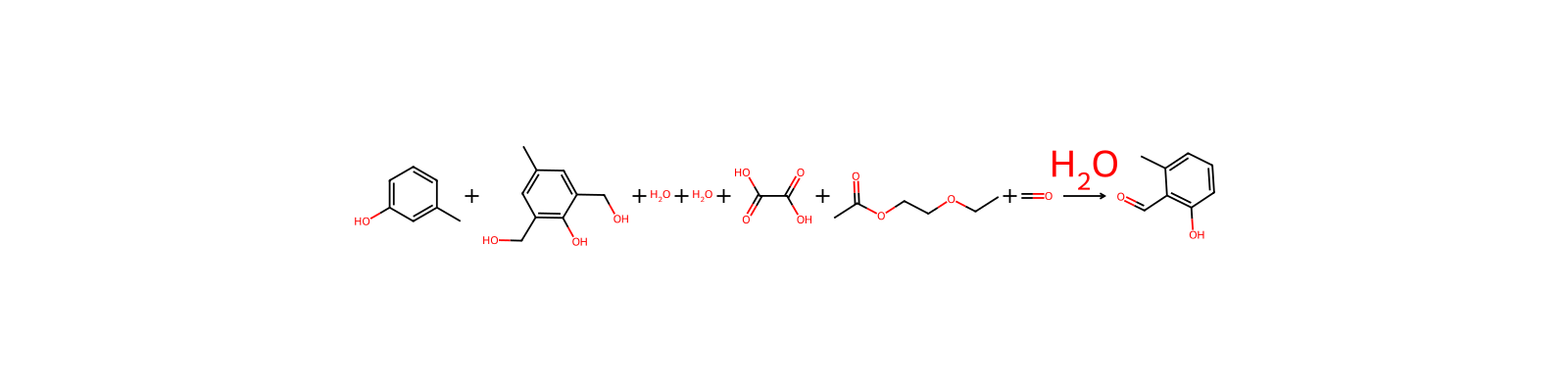
関連反応
337 件





関連ノート
読み込み中…