反応式

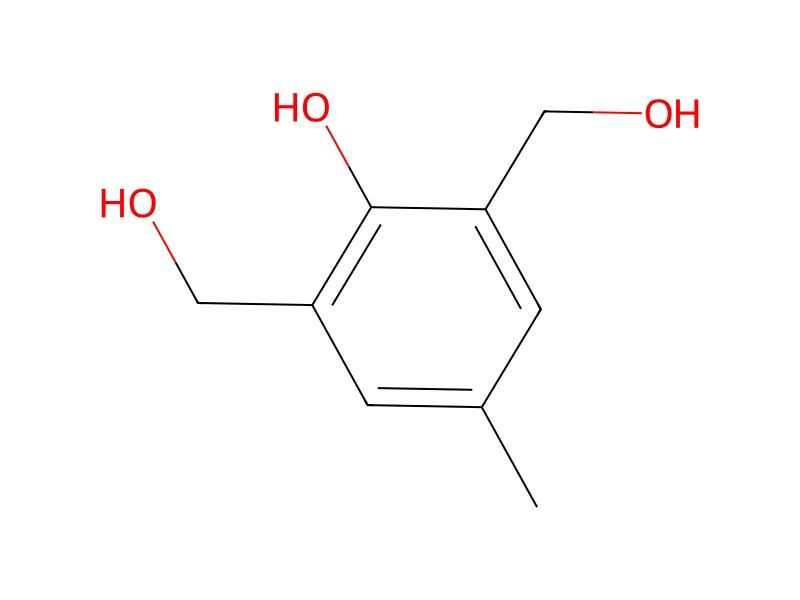
[C:1]1([OH:11])[C:10]2[C:5](=[CH:6][CH:7]=[CH:8][CH:9]=2)[CH:4]=[CH:3][CH:2]=1.OC[C:14]1[C:19]([OH:20])=[C:18](CO)[CH:17]=[C:16]([CH3:23])[CH:15]=1.O.O.[C:26](O)(=O)C(O)=O>CCOCCOC(C)=O>[C:1]1([OH:11])[C:10]2[C:5](=[CH:6][CH:7]=[CH:8][CH:9]=2)[CH:4]=[CH:3][CH:2]=1.[CH2:26]=[CH:23][C:16]1[CH:17]=[CH:18][C:19]([OH:20])=[CH:14][CH:15]=1参加物



実験手順
A mixture comprising of 72.1 g 1-naphthol, 84.1 g 2,6-bis(hydroxymethyl)-p-cresol, 5.0 g oxalic acid dihydrate and 150 ml ethyl cellosolve acetate in a 0.5-L resin kettle, equipped as in Example 1, was heated to initiate the condensation reaction substantially forming the 1-naphthol-methylene-p-cresol alternating copolymer. An exothermic reaction resulted, reaching a peak temperature of about 120° C. The reaction mixture was allowed to reflux for about 2 hours, 108.1 g m-cresol and 48.8 g of 36.9 percent formaldehyde were added, and the condensation mixture again allowed to reflux for about 2 hours. The volatiles present in the reaction mixture were removed by distillation and stripping as described in Example 1. About 201 g of a block copolymer having a number average molecular weight, Mn, of 1940 Daltons and a Tg of about 121° C. were obtained.
後処理
- temperaturewas heated
- customthe condensation reaction
出典と根拠
- ORDレコード
- ord-83149e1ca8264321b43a17aed6898120
- 出典データセット
- uspto-grants-1995_05
- 特許番号
- US05419995
関連ノート
読み込み中…