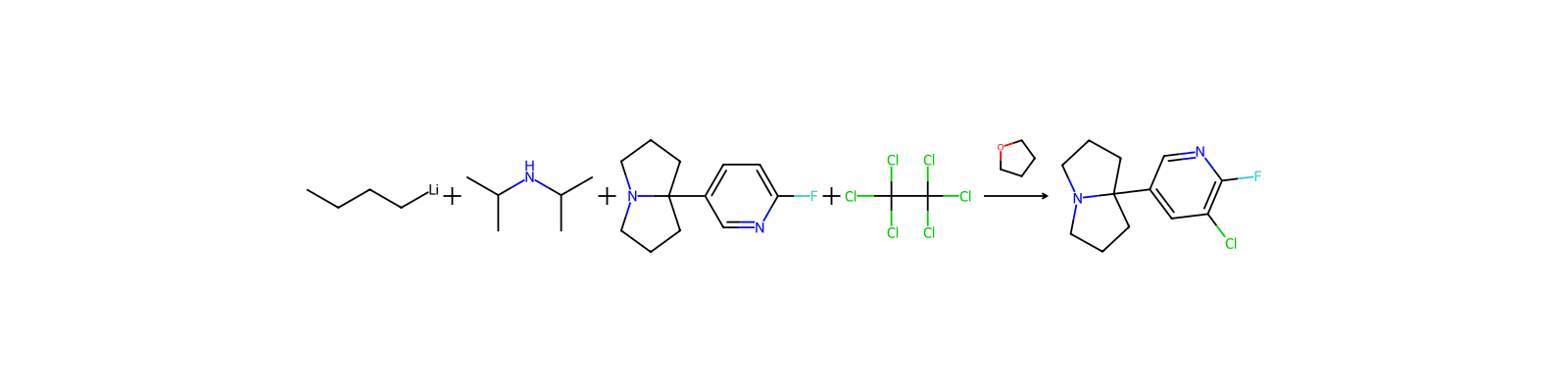
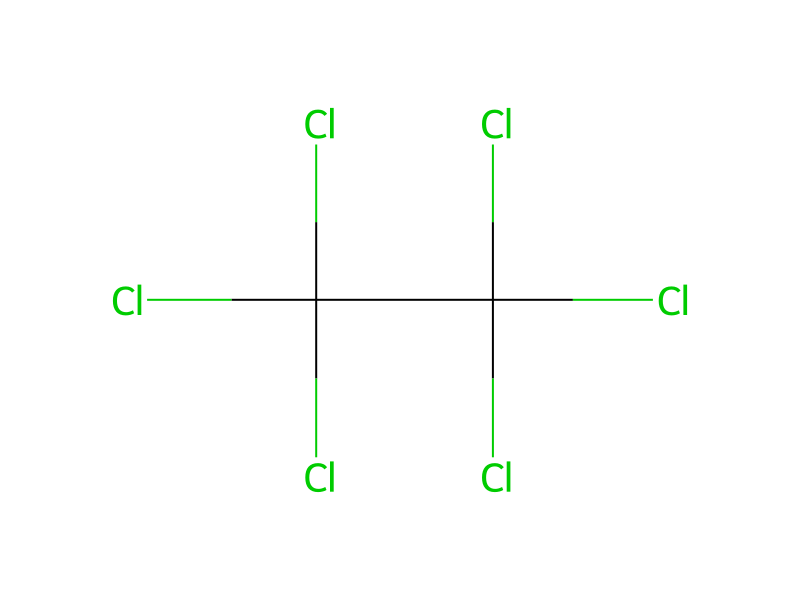
基本情報
- 標準SMILES
ClC(Cl)(Cl)C(Cl)(Cl)Cl- InChIKey
VHHHONWQHHHLTI-UHFFFAOYSA-N- 分子式
- C2Cl6
- 平均分子量
- 236.7 g/mol
- 単同位体質量
- 233.81311608
概要
Hexachloroethane is a colorless solid that gradually evaporates when it is exposed to air. It is also called HCE, perchloroethane, and carbon hexachloride. Its vapors smell like camphor. In the United States, about half of the hexachloroethane is used by the military for smoke-producing devices. It is also used to remove air bubbles in melted aluminum. Hexachloroethane may be present as an ingredient in some fungicides, insecticides, lubricants, and plastics. Hexachloroethane does not occur naturally in the environment. It is no longer made in the United States, but it is formed as a by-product in the production of some chemicals. Some hexachloroethane can be formed by incinerators when materials containing chlorinated hydrocarbons are burned. Hexachloroethane itself does not catch fire easily. Some hexachloroethane can also be formed when chlorine reacts with carbon compounds in drinking water.
名称と識別子
- 優先名称
- Hexachloroethane
- IUPAC
- 1,1,1,2,2,2-hexachloroethane
- 現地名
- ヘキサクロロエタン
- 英語名
- Hexachloroethane
- 分子式
- C2Cl6
- 分子量
- 236.74
名称と別名
HEXACHLOROETHANE67-72-1PerchloroethaneEthane, hexachloro-Avlothane1,1,1,2,2,2-HexachloroethaneCarbon hexachlorideDistokalDistopanDistopinFalkitolFasciolin
名称をさらに表示
ヘキサクロロエタン六塩化エタンディストピン1,1,1,2,2,2-ヘキサクロロエタンディストパンファルキトールアブロタンペルクロロエタンファスシオリンエギトールモッテンヘキスディストカルフェノヘプパークロロエタン六化エタンヘキサクロロエタン(六塩化エタン)ヘキサクロロエタン STANDARDヘキサクロロエタン Standard, 100 µg/mL in MeOHヘキサクロロエタン Standard, 1000 µg/mL in MeOHカーボンヘキサクロリドC2Cl6CCl3CCl3Fron110NA 9037
MottenhexePhenohepEgitolHexachlorethaneEthylene hexachlorideHexachloroethyleneEthane hexachlorideHexachlor-aethan
データベース識別子
- CAS
67-72-1- PubChem CID
- 6214
- DTXSID
DTXSID7020689- ChEMBL
CHEMBL160929- ChEBI
CHEBI:39227- UNII
- G30K3QQT4J
- EC Number
- 200-666-4
- Nikkaji
- J1.413C
物性
構造計算による物性
- XLogP
- 4.1
- 極性表面積
- 0 Ų
- 水素結合供与体数
- 0
- 水素結合受容体数
- 0
- 回転可能結合数
- 0
- 重原子数
- 8
- 形式電荷
- 0
- 複雑度
- 61.5
実験および物理化学的性質
Chemical Classes
Hazardous Air Pollutants (HAPs)
Other Classes -> Halogenated Aliphatics, Saturated
Carcinogens
Volatile Organic Compound (VOC)
SpringerMaterials PropertiesMoessbauer quadrupole effect
PesticidesPesticide -> EPA IRIS
LogP
log Kow = 4.14
3.9
OdorCamphor-like odor
Density
2.091 at 68 °F (USCG, 1999) - Denser than water; will sink
2.091 g/cu cm at 20 °C
Relative density (water = 1): 2.1
2.09
2.091 @ 21°C
2.09
Color/Form
Colorless crystals
Crystal structure: rhombic <46 °C; triclinic 46-71 °C; cubic >71 °C
Solubility
less than 1 mg/mL at 70 °F (NTP, 1992)
Soluble in alcohol, benzene, chloroform, ether, oils
Very sol in ether and tetrachloroethylene
In water, 50 mg/L at 20 °C
Solubility in water: none
(72 °F): 0.005%
CorrosivityLiquid hexachloroethane will attack some forms of plastics, rubber and coating
Boiling Point
368.2 °F at 760 mmHg (Sublimes) (NTP, 1992)
Sublimes
368.2 °F (sublimes)
Sublimes
Decomposition
When heated to decomposition it emits toxic fumes of /hydrogen chloride/ and phosgene.
... At temp above 185 °C, may give carbon tetrachloride and tetrachloroethylene.
Melting Point
Sublimes (NTP, 1992)
Sublimes
368.2 °F (sublimes)
368 °F (Sublimes)
物理化学的性質
- 融点
- 183 · 183-185 °C (dec.) (lit.)
- 沸点
- 186 ℃ · 186℃
- 比重(密度)
- 2.091 g/mL · 2.091 g/mL at 25 °C (lit.)
- 蒸気密度
- 8.16 · 8.16 (vs air)
- 蒸気圧
- 0.4 mm · 0.4 mm Hg ( 20 °C)
- 屈折率
- 1.5282 · 1.5282 (estimate)
- 闪点
- 9 ℃ · 9℃
- 貯蔵温度
- 2 · 2-8°C
- 溶解性
- アルコール、ベンゼン、クロロホルム、エーテルに可溶
- 外見
- 結晶または結晶性粉末
- 色
- 白い
- 水溶解度
- 0.05 g/L · 0.05g/L(22℃)
- 比熱容量
- 0.84 J/ · Cp(crystal): 0.84 J/(g·K), at 25℃
- Merck
- 14 · 14,4679
- BRN
- 1740341 · 1740341
- Henry's Law Constant
- 1.43 · 1.43, 2.81, and 5.31 at 10, 20, and 30 °C, respectively (Munz and Roberts, 1987)
- 安定性
- 安定。不燃性。高温の金属、強力な酸化剤と反応する可能性があります。
- InChI
- 1S/C2Cl6/c3-1(4,5)2(6,7)8
- InChIKey
- VHHHONWQHHHLTI-UHFFFAOYSA-N
- SMILES
- ClC(Cl)(Cl)C(Cl)(Cl)Cl
- CAS データベース
- 67 · 67-72-1(CAS DataBase Reference)
- NISTの化学物質情報
- Ethane, hexachloro-(67-72-1)
- EPAの化学物質情報
- Hexachloroethane (67-72-1)
化学的性質
化学的特性Hexachloroethane is a white solid with a camphor-like odor. It gradually evaporates when it is exposed to air.
安全と法規制
GHS分類
GHS Classification
This chemical does not meet GHS hazard criteria for 3.1% (1 of 32) of reports.
Danger
H315 (28.1%): Causes skin irritation [Warning Skin corrosion/irritation]
P203, P261, P264, P264+P265, P271, P273, P280, P302+P352, P304+P340, P305+P351+P338, P318, P319, P321, P332+P317, P337+P317, P362+P364, P391, P403+P233, P405, and P501 (click each P-code to see the statement)
Aggregated GHS information provided per 32 reports by companies from 13 notifications to the ECHA C&L Inventory. Each notification may be associated with multiple companies.
Danger
危険有害性情報
Regulatory Information
Chemical: Ethane, hexachloro-
Hazard Traits - Bioaccumulation; Carcinogenicity; Dermatotoxicity; Environmental Persistence; Hepatotoxicity and Digestive System Toxicity; Nephrotoxicity and Other Toxicity to the Urinary System; Neurotoxicity; Reproductive Toxicity; Respiratory Toxicity
Ethane, 1,1,1,2,2,2-hexachloro- is listed on the EPA's Chemical Data Reporting (CDR) system. Manufacturers and importers of Ethane, 1,1,1,2,2,2-hexachloro- are required to report information about their production and use of this chemical to the EPA under the Toxic Substances Control Act (TSCA). (40 eCFR Part 711)
TP - indicates a substance that is the subject of a proposed TSCA section 4 test rule.
Status: Active Update: 14-04-2023 https://echa.europa.eu/registration-dossier/-/registered-dossier/32635
Restricted substance: Hexachloroethane
Other Safety InformationIMAP assessments - Ethane, hexachloro-: Human health tier II assessment
DOT LabelPoison
Fire Hazards
Special Hazards of Combustion Products: Irritating hydrogen chloride vapor may form in fire. (USCG, 1999)
Not combustible. Gives off irritating or toxic fumes (or gases) in a fire.
Fire PotentialNot flammable by standard tests in air.
Health Hazards
Compound is a powerful narcotic and liver poison; may also cause changes in blood composition and neurological disturbances. Repeated exposure by inhalation can be fatal. Ingestion causes vomiting, diarrhea, severe mucosal injury, liver necrosis, cyanosis, unconsciousness, loss of reflexes, and death. Contact with eyes causes irritation and lachrymation. Can be absorbed through the skin and may produce severe skin lesions. (USCG, 1999)
Hazards Summary
Hexachloroethane is a colorless solid that gradually evaporates when it is exposed to air. It is also called HCE, perchloroethane, and carbon hexachloride. Its vapors smell like camphor. In the United States, about half of the hexachloroethane is used by the military for smoke-producing devices. It is also used to remove air bubbles in melted aluminum. Hexachloroethane may be present as an ingredient in some fungicides, insecticides, lubricants, and plastics. Hexachloroethane does not occur naturally in the environment. It is no longer made in the United States, but it is formed as a by-product in the production of some chemicals. Some hexachloroethane can be formed by incinerators when materials containing chlorinated hydrocarbons are burned. Hexachloroethane itself does not catch fire easily. Some hexachloroethane can also be formed when chlorine reacts with carbon compounds in drinking water.
Hexachloroethane is used by the military for smoke-producing devices, in metal and alloy production, and as an ingredient in insecticides. Hexachloroethane acts primarily as a central nervous system (CNS) depressant in humans acutely (short-term) exposed to it. Hexachloroethane is also moderately irritating to the skin, mucous membranes, and liver in humans. Neurological, liver, and kidney effects have been observed in animals exposed to hexachloroethane. No information is available on the chronic (long-term), reproductive, developmental, or carcinogenic effects of hexachloroethane in humans. Hepatocellular carcinomas (liver tumors) were observed in mice following oral exposure to hexachloroethane. EPA has classified hexachloroethane as a Group C, possible human carcinogen.
Animals exposed to 48 ppm show no adverse effects except respiratory irritation. Feeding rats HCE for 16 weeks results in kidney and liver injury. [ACGIH] Has powerful narcotic effects; Also injures the liver and causes lacrimation on eye contact; [CAMEO] May cause unconsciousness; May have CNS effects, causing tremors and ataxia at high exposure levels; May cause liver and kidney injury; Can be absorbed through skin; [ICSC] A skin, eye, mucous membrane, and upper respiratory tract irritant; A CNS depressant; [HSDB] May cause smarting and reddening of skin if spilled and allowed to remain on clothes; An eye irritant and lachrymator; A strong narcotic and hepatotoxin; May cause nervous system disorders; [CHRIS] A strong irritant; May cause liver and kidney injury; Can be absorbed through skin; Carcinogenic effects observed in animal studies; [Alfa Aesar MSDS]
The major hazards encountered in the use and handling of hexachloroethane stem from its toxicologic properties. Toxic by all routes (ie, inhalation, ingestion, and dermal contact), exposure to this colorless crystalline substance may occur from its use as an inhibitor in explosives and pyrotechnics, as a vulcanizing agent, as a polymer additive, in the manufacture of smoke candles and grenades, and in metal refining. Effects from exposure may irritation of the mucous membranes, skin, lung and cornea, liver and kidney damage, and CNS depression. Also, it should be noted that the EPA Integrated Risk Assessment Information System (IRIS) has placed hexachloroethane on a list of substances that it considers possibly carcinogenic to humans. Both the OSHA PEL and the ACGIH TLV for hexachloroethane have been set at a TWA of 1 ppm. In activities or situations where over exposure may occur, wear a self-contained breathing apparatus, face shield, and impervious clothing. If contact should occur. immediately flush affected skin or eyes with running water for at least 15 minutes, and remove contaminated clothing and shoes at the site. While hexachloroethane does not ignite easily, it may burn with the production of irritating and poisonous gases carbon tetrachloride and tetrachloroethylene. Fires involving hexachloroethane may be extinguished with dry chemical, CO2, Halon, water spray, fog, or standard foam. Hexachloroethane should be stored in cool, dark areas, away from alkalies and metals. Note this substance will attack some forms of plastics, rubber, and coatings. Shipping regulations and other DOT regulatory requirements should be consulted before transport. Small spills of hexachloroethane may be taken up with vermiculite, dry sand, earth, or other noncombustible absorbent, and placed into containers for later disposal. Hexachloroethane is a potential candidate for rotary kiln and fluidized bed forms of incineration. Before implementing land disposal of waste hexachloroethane, consult with regulatory agencies for guidance.
Reactive GroupHalogenated Organic Compounds
UN ClassificationUN Hazard Class: 9; UN Pack Group: III
Special Reports
Dacre JC et al; Problem Definition Studies on Potential Environmental Pollutants. V. Physical, Chemical Toxicological, and Biological Properties of Seven Chemicals Used in Pyrotechnic Compositions; Report: 101 pages (1979), Order No AO90631. A summary of physical/chemical properties, analytical methods, mammalian toxicology, environmental considerations, and standards for seven chemicals, incl hexachloroethane is presented.
Fishbein L; Potential Halogenated Industrial Carcinogenic and Mutagenic Chemicals: II. Halogenated Saturated Hydrocarbons; Sci Total Environ 11 (2): 163-96 (1979). Hexachloroethane was among 8 compounds reviewed principally in terms of synthesis, areas of application, stability, distribution reactivity, levels of exposure, populations at risk, carcinogenicity, mutagenicity and metabolism.
Bauer U; Human Exposure to Environmental Chemicals - Studies on Volatile Organic Halogenated Compounds in Water, Air, Food, and Human Tissues. III. Results of Studies; Zentralbl Bakteriol, Mikrobiol Hyg Abt, 1, Orig B 174 (3): 200-37 (1981). A review of organic halogenated compounds is presented.
USEPA; Ambient Water Quality Criteria Doc: Chlorinated Ethanes (1980) EPA 440/5-80-029
For more Special Reports (Complete) data for HEXACHLOROETHANE (10 total), please visit the HSDB record page.
RCRA Requirements
D034; A waste containing hexachloroethane may or may not be characterized as a hazardous waste following testing by the Toxicity Characteristic Leaching Procedure as prescribed by the Resource Conservation and Recovery Act (RCRA) regulations.
U131; As stipulated in 40 CFR 261.33, when hexaxhloroethane, as a commercial chemical product or manufacturing chemical intermediate or an off-specification commercial chemical product or a manufacturing chemical intermediate, becomes a waste, it must be managed according to Federal and/or State hazardous waste regulations. Also defined as a hazardous waste is any residue, contaminated soil, water, or other debris resulting from the cleanup of a spill, into water or on dry land, of this waste. Generators of small quantities of this waste may qualify for partial exclusion from hazardous waste regulations (40 CFR 261.5).
TSCA Requirements
Pursuant to section 8(d) of TSCA, EPA promulgated a model Health and Safety Data Reporting Rule. The section 8(d) model rule requires manufacturers, importers, and processors of listed chemical substances and mixtures to submit to EPA copies and lists of unpublished health and safety studies. Hexachloroethane is included on this list. Effective date 4/29/83; Sunset date 1/13/86.
安全と保護具
Fire Fighting
Excerpt from ERG Guide 154 [Substances - Toxic and/or Corrosive (Non-Combustible)]:
In case of fire in the surroundings, use appropriate extinguishing media. In case of fire: keep drums, etc., cool by spraying with water.
First Aid Measures
Fresh air, rest.
Remove contaminated clothes. Rinse and then wash skin with water and soap.
Rinse with plenty of water for several minutes (remove contact lenses if easily possible). Refer for medical attention.
Rinse mouth. Refer for medical attention .
First Aid
EYES: First check the victim for contact lenses and remove if present. Flush victim's eyes with water or normal saline solution for 20 to 30 minutes while simultaneously calling a hospital or poison control center. Do not put any ointments, oils, or medication in the victim's eyes without specific instructions from a physician. IMMEDIATELY transport the victim after flushing eyes to a hospital even if no symptoms (such as redness or irritation) develop.
(General first aid procedures)
Safe StorageSeparated from strong oxidants, alkali metals and food and feedstuffs. See Chemical Dangers. Store in an area without drain or sewer access. Provision to contain effluent from fire extinguishing.
Exposure Control and Personal Protection1.0 [ppm]
Fire Fighting Procedures
If material involved in fire: Extinguish fire using agent suitable for type of surrounding fire. (Material itself does not burn or burns with difficulty.) Use water in flooding quantities as fog. Cool all affected containers with flooding quantities of water. Apply water from as far a distance as possible.
Storage Conditions
...Hexachloroethane must be stored to avoid contact with hot iron, zinc, aluminum, and alkalis, since violent reactions occur. Store in tightly closed containers in a cool, well-ventilated area away from heat.
Before being stored or transported over longer periods of time, chlorinated ethanes ... should be carefully analyzed for water, free acid, and stabilizers because decomposition may lead to excessive corrosion. ... Chlorinated ethanes should not be brought into contact with tanks, containers, valves, etc made of aluminum. /Chloroethanes/
Cleanup Methods
1. Ventilate area of spill; 2. Collect spilled material in the most convenient and safe manner for reclamation or for disposal. ... Liquid containing hexachloroethane should be absorbed in vermiculite, dry sand, earth or a similar material.
Evacuate and restrict persons not wearing protective equipment from area of spill or leak until clean-up is complete. Remove all ignition sources. Collect powdered material in the most convenient and safe manner and deposit in sealed containers. Ventilate area after clean-up is complete. It may be necessary to contain and dispose of this chemical as a hazardous waste.
Nonfire Spill ResponseExcerpt from ERG Guide 154 [Substances - Toxic and/or Corrosive (Non-Combustible)]:
Disposal Methods
[40 CFR 240-280, 300-306, 702-799 (7/1/2006)] Generators of waste (equal to or greater than 100 kg/mo) containing this contaminant, EPA hazardous waste number D034 & U131, must conform with USEPA regulations in storage, transportation, treatment and disposal of waste.
Generators of waste (equal to or greater than 100 kg/mo) containing this contaminant, EPA hazardous waste number U131, must conform with USEPA regulations in storage, transportation, treatment and disposal of waste.
A potential candidate for rotary kiln incineration at a temperature range of 820 to 1,600 °C and residence times of seconds for liquids and gases, and hours for solids. A potential candidate for fluidized bed incineration at a temperature range of 450 to 980 °C and residence times of seconds for liquids and gases, and longer for solids.
Chemical Treatability of Hexachloroethane; Concentration Process: Activated carbon; Chemical Classification: Halocarbons; Scale of Study: Batch Flow/Laboratory Scale; Type of Wastewater Used: Pure Compound; Influent Concentration: 100 ppb; Results of Study: 100% removal; 98% desorbed from carbon by elutriation with solvent (Filtrasorb 300 used solvent included pentane-acetone, diethylether, methylene chloride-acteone, methyl chloride-acetone, and acetone).
For more Disposal Methods (Complete) data for HEXACHLOROETHANE (9 total), please visit the HSDB record page.
Spillage Disposal
Personal protection: particulate filter respirator adapted to the airborne concentration of the substance. Do NOT let this chemical enter the environment. Sweep spilled substance into covered containers. Carefully collect remainder. Then store and dispose of according to local regulations.
Preventive Measures
If materials not on fire and not involved in fire: Keep material out of water sources and sewers. Build dikes to contain flow as necessary. Attempt to stop leak if without undue personnel hazard.
Personnel protection: Avoid breathing vapors. If contact with the material anticipated, wear appropriate chemical protective clothing. Avoid breathing fumes from burning material. Wash away any material which may have contacted the body with copious amounts of water or soap and water. Avoid bodily contact with the material.
SRP: The scientific literature for the use of contact lenses in industry is conflicting. The benefit or detrimental effects of wearing contact lenses depend not only upon the substance, but also on factors including the form of the substance, characteristics and duration of the exposure, the uses of other eye protection equipment, and the hygiene of the lenses. However, there may be individual substances whose irritating or corrosive properties are such that the wearing of contact lenses would be harmful to the eye. In those specific cases, contact lenses should not be worn. In any event, the usual eye protection equipment should be worn even when contact lenses are in place.
If the use of respirators is necessary, the only respirators permitted are those that have been approved by the Mine Safety and Health Administration (formerly Mining Enforcement and Safety Administration) or by the National Institute for Occupational Safety and Health. In addition to respirator selection, a complete respiratory protection program should be instituted which includes regular training, maintenance, inspection, cleaning, and evaluation.
For more Preventive Measures (Complete) data for HEXACHLOROETHANE (14 total), please visit the HSDB record page.
毒性情報
Toxicological InformationCDC-ATSDR Toxicological Profile
Body Burden
Mean hexachloroethane concentrations as high as 7.30 ug/L were measured in the blood plasma of 12 occupationally exposed individuals involved in the production of military smoke munition(1). Hexachloroethane was listed among halogenated volatile organic chemicals detected in less than 10% of blood samples from 1,000 adults who participated in the Tird national Health and Nutrition Examination Survey (NHANES III) from 1988-1994(2).
Hexachloroethane was detected at a mean concentration of 427 ppt [ng/mL] in 20% of samples of ovarian follicular fluid obtained from 150 Canadian women. It was not detected in serum.
Cancer Sites
Urinary
[in animals: liver cancer]
Interactions
Rats were exposed to white smoke generated from mixtures of titanium dioxide-hexachloroethane (TiO2-HC) and zinc hexachloroethane (Zn-HC), respectively, in an inhalation chamber operated in the static mode. The acute inhalation toxicity of TiO2-HC smoke was much lower than the Zn-HC smoke. Thus, the animals survived exposure to TiO2-HC smoke, even at relatively high smoke concentrations. This smoke was irritating to the animals and minor, acute inflammatory changes were seen in lung tissue. In contrast, Zn-HC smoke was very toxic and caused lethal injuries to the experimental animals, even at relatively low concentrations. Pulmonary injuries were extensive and death was due to blood congestion with pulmonary edema. Since the TiO2-HC and Zn-HC mixtures form titanium tetrachloride and zinc chloride, respectively, a separate study was performed in which rats were exposed to zinc chloride gas or zinc chloride aerosol.
Target Organs
Cancer, Dermal (Skin), Hepatic (Liver), Neurological (Nervous System), Renal (Urinary System or Kidneys), Respiratory (From the Nose to the Lungs)
Nervous
Eyes, skin, respiratory system, kidneys
Ecotoxicity Values
LC50 Eisenia fetida (Earthworm, adult, 300-500 mg) dermal 19 ug/sq cm/48 hr (95% confidence interval: 16-23 ug/sq cm)
LC50 Daphnia magna 2.9 mg/L/48 hr /Conditions of bioassay not specified/.
LC50 Daphnia magna (Water flea) 8,070 ug/L/96 hr (static, unmeasured bioassay)
LC50; Species: Daphnia magna (Water flea, age 0-24 hr neonate); Conditions: freshwater, static, 22.0 °C, pH 8.23 (8.16-8.29), hardness 196 mg/L CaCO3, alkalinity 172 mg/L CaCO3, dissolved oxygen 6.56 mg/L (6.45-6.78 mg/L); Concentration: 1360 ug/L for 48 hr (1040-1790 ug/L) /98% purity/
For more Ecotoxicity Values (Complete) data for HEXACHLOROETHANE (38 total), please visit the HSDB record page.
Environmental Fate
TERRESTRIAL FATE: Based on a classification scheme(1), Koc values ranging from 1,380 to 2,360(2,3) indicate that hexachloroethane is expected to have low to slight mobility in soil(SRC). Volatilization of hexachloroethane from moist soil surfaces is expected to be an important fate process(SRC) given a Henry's Law constant of 3.89X10⁻³ atm-cu m/mole(4). Hexachloroethane is not expected to volatilize from dry soil surfaces(SRC) based upon a vapor pressure of 0.4 mm Hg(5). The biodegradation half-life of hexachloroethane in a non-adapted aerobic sandy soil was reported as 25-48 days(5).
AQUATIC FATE: Based on a classification scheme(1), Koc values ranging from 1,380 to 2,360(2,3), indicate that hexachloroethane is expected to adsorb to suspended solids and sediment(SRC). Volatilization from water surfaces is expected(4) based upon a Henry's Law constant of 3.89X10⁻³ atm-cu m/mole at 25 °C(5). Using this Henry's Law constant and an estimation method(3), volatilization half-lives for a model river and model lake are 2 hours and 6 days, respectively(SRC). According to a classification scheme(6), BCF values ranging from 1.0 to 708(7-10) suggest the potential for bioconcentration in aquatic organisms is low to high(SRC). Hexachloroethane injected into a shallow sand aquifer was degraded with a half-life of 40 days in 10 °C groundwater under anaerobic conditions(11).
ATMOSPHERIC FATE: According to a model of gas/particle partitioning of semivolatile organic compounds in the atmosphere(1), hexachloroethane, which has a vapor pressure of 0.4 mm Hg at 20 °C(2), is expected to exist solely as a vapor in the ambient atmosphere. Hexachloroethane does not contain functional groups that react with atmospheric oxidants such as hydroxyl radicals, nitrate radicals and ozone(3). Hexachloroethane does not contain chromophores that absorb at wavelengths >290 nm(4) and therefore is not expected to be susceptible to direct photolysis by sunlight(SRC).
Adverse EffectsNeurotoxin - Other CNS neurotoxin
Exposure Routes
The substance can be absorbed into the body by ingestion.
inhalation, skin absorption, ingestion, skin and/or eye contact
Ecotoxicity Excerpts
/AQUATIC SPECIES/ /Fathead minnows, 44 days of age, in 24.7 °C water, in toxicant concentrations of 0.28 to 2.16 mg/L were studied/. Affected fish lost schooling behavior, had increased respiration, and lost equilibrium prior to death. No effect data recorded. Individual lengths and weight of the test fish not recorded; ... Measured mean weight was 0.28 g. The chemical was dissolved using dimethylformamide (DMF) as a solvent carrier. Samples not taken at 96 hr ... . Minimum detection limits were not recorded.
/AQUATIC SPECIES/ /Fathead minnows, 32 days of age, in 24.7 °C water, in toxicant concentrations of 0.29 to 3.34 mg/L were studied/. Affected fish lost schooling behavior, had increased respiration, and lost equilibrium prior to death. No effect data recorded. Individual lengths and weight of the test fish not recorded; ... Measured mean weight was 0.13 g. ... Mean recovery was likely >90%. ... Samples not taken at 96 hr ... . Control chamber concentrations were <0.001 mg/L.
/AQUATIC SPECIES/ Static acute and renewal chronic tests were conducted with Daphnia magna, Daphnia pulex and Ceriodaphnia reticulata to determine their relative sensitivities to selected organic and inorganic chemicals: 2-chloroethanol, 2,4-pentanedione, pentachlorophenol, hexachloroethane, 2,2,2-trichloroethanol, 2-methyl-1-propanol, 2-methyl-2,4-pentadiol, endrin, silver, lead, chromium, and cadmium. The three species tested yielded comparable acute EC50 values for Dalphnia magna, Dalphnia pulex and Ceriodaphnia reticulata varied twofold for hexachloroethane. Chronic EC50 values for the three species were within one order to magnitude for 2-chloroethanol, 2,4-pentanedione, cadmium, chromium and silver. Differences in the sensitivities of these three popular cladoceran test species were within one order of magnitude. Reproductive impairment in all three test species appeared to be a more sensitive indicator of chronic toxicity than survival.
/AQUATIC SPECIES/ The available freshwater data for chlorinated ethanes indicate that toxicity increases greatly with increasing chlorination, and that acute toxicity occurs at concentrations as low as ... 980 ug/L for hexachloroethane. ... Chronic toxicity occurs at concentrations as low as ... 540 ug/L for hexachloroethane.
/AQUATIC SPECIES/ The available saltwater data for chlorinated ethanes indicate that toxicity increases greatly with increasing chlorination and that acute toxicity to fish and invertebrate species occurs at concentrations as low as ... 940 ug/L for hexachloroethane.
Animal Concentrations
Hexachloroethane was detected in bird eggs collected in the Lake Baikal region of Russia from the following bird species, concentration in ug/kg dry weight: Mallard, 150; Pintail, <10; Shoveler, 225; Tufted duck, <10; Pochard, 105.3; Goose, 103.7; Domestic fowl, <10; Heron, 69.1; Herring gull, 73.8; Common gull, 194.4; Common tern, 28.8; Black headed gull, <10; Liapwing, 201.6; Slavonian grebe, 216.7; Marsh sandpiper, <10(1). The mean concentrations of hexachloroethane measured in C. sapidus, F. heteroclitus, M. Undulatus, and B. Patronus samples collected from different locations in the Bayou d'Inde located 6.4 km west of Lake Charles, Louisiana were 0.132-0.281, 2.32-12.2, 0.641-4.29, and 2.92-5.14 mg/kg of lipid, respectively(2).
Signs and Symptoms
Cough.
Redness.
irritation eyes, skin, mucous membrane; In Animals: kidney damage; [potential occupational carcinogen]
法規制情報
RCRA Requirements
D034; A waste containing hexachloroethane may or may not be characterized as a hazardous waste following testing by the Toxicity Characteristic Leaching Procedure as prescribed by the Resource Conservation and Recovery Act (RCRA) regulations.
U131; As stipulated in 40 CFR 261.33, when hexaxhloroethane, as a commercial chemical product or manufacturing chemical intermediate or an off-specification commercial chemical product or a manufacturing chemical intermediate, becomes a waste, it must be managed according to Federal and/or State hazardous waste regulations. Also defined as a hazardous waste is any residue, contaminated soil, water, or other debris resulting from the cleanup of a spill, into water or on dry land, of this waste. Generators of small quantities of this waste may qualify for partial exclusion from hazardous waste regulations (40 CFR 261.5).
TSCA Requirements
Pursuant to section 8(d) of TSCA, EPA promulgated a model Health and Safety Data Reporting Rule. The section 8(d) model rule requires manufacturers, importers, and processors of listed chemical substances and mixtures to submit to EPA copies and lists of unpublished health and safety studies. Hexachloroethane is included on this list. Effective date 4/29/83; Sunset date 1/13/86.
Atmospheric Standards
This action promulgates standards of performance for equipment leaks of Volatile Organic Compounds (VOC) in the Synthetic Organic Chemical Manufacturing Industry (SOCMI). The intended effect of these standards is to require all newly constructed, modified, and reconstructed SOCMI process units to use the best demonstrated system of continuous emission reduction for equipment leaks of VOC, considering costs, non-air quality health and environmental impact and energy requirements. Hexachloroethane is produced, as an intermediate or final product, by process units covered under this subpart.
Listed as a hazardous air pollutant (HAP) generally known or suspected to cause serious health problems. The Clean Air Act, as amended in 1990, directs EPA to set standards requiring major sources to sharply reduce routine emissions of toxic pollutants. EPA is required to establish and phase in specific performance based standards for all air emission sources that emit one or more of the listed pollutants. Hexachloroethane is included on this list.
CERCLA Reportable Quantities
Persons in charge of vessels or facilities are required to notify the National Response Center (NRC) immediately, when there is a release of this designated hazardous substance, in an amount equal to or greater than its reportable quantity of 100 lb or 45.4 kg. The toll free number of the NRC is (800) 424-8802. The rule for determining when notification is required is stated in 40 CFR 302.4 (section IV. D.3.b).
Clean Water Act Requirements
Toxic pollutant designated pursuant to section 307(a)(1) of the Federal Water Pollution Control Act and is subject to effluent limitations. /Chlorinated ethanes/
The levels of hexachloroethane in ambient water which may result in an incremental cancer risk of 1X10⁻⁵, 1X10⁻⁶, and 1X10⁻⁷ over an individual lifetime are estimated to be 19 ug/l, 1.9 ug/l, and 0.19 ug/l, respectively. On the basis of the consumption of aquatic organisms alone, the corresponding levels in ambient water are estimated to be 87.4 ug/l, 8.74 ug/l, and 0.87 ug/l, respectively.
State Drinking Water Guidelines(ME) MAINE 7 ug/L
Federal Drinking Water GuidelinesEPA 1 ug/l
安全データ
- OEB
- B
- OEL
- TWA: 1 ppm (10 mg/m3) [skin] (Chloroethanes)
- wgk
- 3
- IDLA
- 300 ppm
- tsca
- TSCA listed
- rtecs
- KI4025000
- ridadr
- UN 9037
- 毒性
- MLD i.v. in dogs: 325 mg/kg (Barsoum, Saad)
- PRTR法
- 第二種指定化学物質
- hs_code
- 29031990
- risk_code
- 40-51/53-36/37/38-39/23/24/25-36/38-23/24/25-11-50/53-52/53
- 化審法
- (2)-57
- 安衛法
- 57,57-2
- hazard_code
- Xn,N,T,F
- safety_code
- 36/37-61-45-36/37/39-26-24-16-7-37/39
- hazard_class
- 9
- packing_group
- III
- Hazard Classifications
- Aquatic Acute 1Aquatic Chronic 1Carc. 2Eye Irrit. 2
- ストレージクラス
- 11 - Combustible Solids
- 有毒物質データの
- 67-72-1(Hazardous Substances Data)
化学と産業
薬理情報
Mechanism of Action
Hexachloroethane produces a spectrum of histopathological effects in the kidneys of male rats, but not of female rats or of mice, which are consistent with those typically induced by chemicals that cause alpha2u-globulin nephropathy. It is structurally similar to pentachloroethane, which also causes renal tumors in male rats. Pentachloroethane has been shown to increase the renal cortical concentrations of alpha2u-globulin and stimulate renal cell proliferation. Although these comparisons suggest that hexachloroethane acts through an alpha2u-globulin associated mechanism, the available data are insufficient to fulfil the criteria for establishing this mechanism.
Biological Half-Life
Approximately 2.5 days; [HSDB]
A group of male rats was given 62 mg/kg/day for 8 weeks to estimate tissue clearance. Clearance of hexachloroethane from fat, liver, kidney,and blood occurred in an apparent first-order manner with a half-life of approx 2.5 days.
Analyzed liver, kidneys, blood, and adipose tissue from rats fed hexachloroethane in a 110 d dietary feeding study. After 57 d...Reported that the "concentration of HCE in the kidneys of male rats was significantly higher at all dose levels when compared to females (mg HCE/g of kidney with increasing dose <294>males: 1.4, 24.3, 95.1; females: 0.4, 0.7, 2.0). The results of the tissue analysis indicated that HCE was cleared in an apparent first-order manner with a half-life estimated to be 2-3 days."
Metabolism/Metabolites
Under aerobic conditions, rat liver microsomes convert carbon tetrachloride to an electrophilic form of chlorine that is trapped with 2,6-dimethylphenol to form 4-chloro-2,6-dimethylphenol. The mechanism of cytochrome p450 catalyzed electrophilic Cl formation from CCl4 was examined with structure-activity studies of electrophilic halogen formation and chemically and in vitro microsomal studies. The chemical oxidants, hydrogen peroxide, cumene hydroperoxide, and iodobenzene diacetate, did not support electrophilic halogen formation from hexachloroethane in microsomal studies.
The dechlorination rates of six haloethanes /including hexachloroethane/ were investigated in vitro using liver microsomes derived from rats treated with Aroclor 1254. ... Dechlorination kinetics were measured at various substrate concentrations. Electron densities in the molecules for which dechlorination data are available were calculated by the MINDO/3 method. A previously reported correlation between electronic parameters and dechlorination rate was not confirmed but rather a separate relationship between these parameters for each of three structural classes (RCH2Cl, RCHCl2, and RCCl3) was observed. On the basis of these observations, possible reaction mechanisms and their toxicological implications are discussed.
Chlorinated olefin was formed in vitro from hexachloroethane by phenobarbital-induced rat liver microsomes. The production of tetrachloroethylene was quantified by gas chromatography. The formation of olefins from these polychlorinated ethanes is apparently due to a cytochrome p450 mediated vic-bisdechlorination reaction which may involve a free radical intermediate.
When 500 mg/kg (14)C-hexachloroethane were fed to rabbits, only 5% of the radioactivity was excreted in the urine after 3 days. ... Between 14 & 24% of the dose was expired unchanged or as CO2, tetrachloroethylene and 1,1,2,2-tetrachloroethane; the rest remained in the carcass.
For more Metabolism/Metabolites (Complete) data for HEXACHLOROETHANE (10 total), please visit the HSDB record page.
MeSH Pharmacological ClassificationAgents that kill parasitic worms. They are used therapeutically in the treatment of HELMINTHIASIS in man and animal.
Absorption, Distribution and Excretion
Orally admin hexachloroethane is absorbed and appears rapidly in the systemic circulation. It is distributed widely throughout the body, the highest concn being found in the fat, the lowest in muscle.
... A dose of 0.5 g/kg of body weight in a rabbit was slowly metabolized. Approximately 5 percent appeared in the urine in a period of 3 days and from 14 to 24 percent in the expired air.
Hexachloroethane (HCE) was fed to Fischer 344 rats at approximate doses of 0, 1, 15 or 62 mg/kg/day for 16 weeks. Selected tissues were assayed at termination for HCE content. Histopathological examination identified the kidney as the primary target organ with male rats more sensitive than female rats. The kidney concentration of HCE increased proportionately with dose in the males, but there were disproportionately small increases with dose in females. A group of male rats was given 62 mg/kg/day for 8 weeks to estimate tissue clearance. Clearance of HCE from fat, liver, kidney and blood occurred in an apparent first-order manner with a half-life of approximately 2.5 days. The apparent first-order elimination suggests that HCE metabolism and excretion were not saturated in rats given up to 62 mg/kg/day and suggests that, in the range of doses given, toxicity should be proportional to exposure concentration.
A small group (n = 12) of military white smoke munition workers provided blood plasma during a production break (S I) and after five weeks' production (S II) of a hexachloroethane (HCE)/titanium dioxide formula. Plasma was also obtained from a sex and age matched control group (n = 12) and a group (n = 13) of previously HCE-exposed workers, respectively. HCE in plasma (P-HCE) was determined with gas chromatography and electron capture detection. No HCE was found in the plasma samples from the two control groups. In the HCE exposed group the mean (+/- SD) P-HCE level increased almost two orders of magnitude from S I (0.08 +/- 0.14 microgram/L) to S II (7.30 +/- 6.04 micrograms/L) despite efforts to minimize the internal dose.
For more Absorption, Distribution and Excretion (Complete) data for HEXACHLOROETHANE (6 total), please visit the HSDB record page.
用途と製造
Uses
In the United States, about half of the hexachloroethane is used by the military for smoke-producing devices. Another use of hexachloroethane is in pyrotechnics. It inhibits the explosiveness of methane and the combustion of ammonium perchlorate. Hexachloroethane is used as an anthelmintic (to destroy tapeworms) in sheep and cattle. It is also added to the feed of ruminants to prevent methanogenesis and increase feed efficiency, and it is used as an ingredient in some fungicides and insecticides. Hexachloroethane is used in metal and alloy production. Hexachloroethane has various applications as a polymer additive. It has flameproofing qualities and increases affinity for dyes.
Used by the military to make smoke bombs and by industry to remove air bubbles from molten aluminum; no longer produced in the United States; [ATSDR ToxFAQs] Used in metallurgy for refining aluminum alloys, removing impurities from molten metals, recovering metal from ores or smelting products, and as degassing agent for magnesium, to inhibit explosiveness of methane and combustion of ammonium perchlorate, in pyrotechnics, fire extinguishing fluids, organic synthesis, as ignition suppressant, polymer additive, flame-proofing agent, vulcanizing agent, swelling agent and to increase dye affinity for polymer fibers, laboratory chemical, plasticizer for cellulose esters, insecticide, rubber process solvent, camphor substitute in nitrocellulose, retardant in fermentation, to make synthetic diamonds, and as veterinary anthelmintic (flukicide); [HSDB] Has also been used in fungicide and insecticide formulations, extreme-pressure lubricants, moth repellents, and submarine paints; [NTP]
Aluminum Producing [Category: Industry]
Hexachloroethane is contained in pyrotechnics. It inhibits the explosiveness of methane and the combustion of ammonium perchlorate. Smoke containing hexachloroethane is used to extinguish fires.
Hexachloroethane has various applications as a polymer additive. It has flame proofing qualities, increases sensitivity to radiation crosslinking, and is used as a vulcanizing agent. Added to polymer fibers, it acts as a swelling agent and increases affinity for dyes.
Moth repellant /former use/; fire extinguishing fluids manufacture; laboratory chemical; military smoke candles and grenades; plasticizer for cellulose esters; insecticide and rubber process solvent; camphor substitute in nitrocellulose solvent; retardant in fermentation process
U.S. Imports
(1978) 7.88X10+8 G
(1982) 5.10X10+8 G
(1984) 6.51X10+8 g
(1986) 4.47X10+6 lb
U.S. Production
2023: 75,000 - <500,000 lb
(1977) AT LEAST 9.58X10+8 G
Production volumes for non-confidential chemicals reported under the Inventory Update Rule. [Table#3793]
Hexachloroethane is listed as a High Production Volume (HPV) chemical (65FR81686). Chemicals listed as HPV were produced in or imported into the U.S. in >1 million pounds in 1990 and/or 1994. The HPV list is based on the 1990 Inventory Update Rule. (IUR) (40 CFR part 710 subpart B; 51FR21438).
Consumption Patterns
According to USA distributors, hexachloroethane had three major applications within the United States prior to 1979: 50% used by the military in the production of smoke bombs and other smoke munitions. 30-40% in the manufacture of degassing pellets to be used in aluminum foundries to force air bubbles out of molten ore. 10-20% as an anthelmintic for the control of sheep flukes.
Industry UsesIntermediate
Methods of Manufacturing
By-product from the chlorination of ethylene and propylene with excess chlorine in vapor phase at 550-650 °C without a catalyst.
In the presence of catalysts, trichloroethylene is readily chlorinated to hexachloroethane.
Ethylene dichloride + chlorine (chlorination; byproduct of trichloroethylene/perchloroethylene production)
Ethane/propane + chlorine (chlorinolysis; byproduct of perchloroethylene/carbon tetrachloride production)
A primary source for hexachloroethane is from the production of tetrachloroethylene and carbon tetrachloride by chlorinolysis of hydrocarbons and chlorinated hydrocarbon residues. It can be separated from the residues by distillation and fractionated crystallization. For the intentional production of hexachloroethane, tetrachloroethylene is chlorinated batchwise in the presence of iron chloride. The hexachloroethane crystallizes from the mother liquor and is isolated. The mother liquor is recycled and again chlorinated.
Formulations/Preparations
Purity: 98.0% minimum
Smoke mixture with US Army designation HC, type C is composed of ca 6.7 wt% grained aluminum, 46.7 wt% zinc oxide, and 46.7 wt% hexachloroethane.
Use ClassificationChemical Classes -> Volatile organic compounds
General Manufacturing Information
All Other Basic Organic Chemical Manufacturing
Ethane, 1,1,1,2,2,2-hexachloro-: ACTIVE
Industrial uses of hexachloroethane are diminishing, so that most hexachloroethane is either recycled or incinerated with HCl - or chlorine recovery depending on the individual technology applied. ... Hexachloroethane is one of the more toxic chloroethanes. Its use in plasticizer or rubber formulations is, therefore, decreasing..
応用分野
解説ヘキサクロロエタン,化学式 CCl3CCl3 。カーボンヘキサクロリド,パークロロエタンともいう。ショウノウ様の臭気をもつ結晶。容易に昇華する。沸点 186.8℃。水に不溶,アルコール,ベンゼン,クロロホルム,油に可溶。爆発性のため注意が必要。セルロイド製造でショウノウの代用,ゴムの加硫の際の硫化促進剤などの用途がある。人に対する毒性として,皮膚刺激,粘膜や肝臓をおかす。高濃度では麻酔の働きをする。獣医薬として牛などの肝蛭 (かんてつ) 駆除剤となる。
用途農薬(殺虫剤、防虫剤)、有機合成原料、アルミニウム鋳物脱ガス剤、脱酸剤。
用途発煙筒用発煙剤、花火、家畜駆虫剤、アルミニウム鋳物脱ガス、脱酸剤(アルミニウム、マグネシウム、銅及びこれらの合金に用いられる)、切削油添加剤、塩化ビニル可塑助剤、エッチングガス
使用Hexachloroethane is used as a solvent, infireworks and smoke devices; in explosives,in celluloid, as an insecticide, and as a rubbervulcanizing accelerator. Earlier it was used asan anthelmintic for livestock. Hexachloroethane is a highly efficient chlorinating agent in the preparation of chlorosilanes from hydrosilanes.
一般的な説明Hexachloroethane is a colorless, crystalline solid with a camphor-like odor. Hexachloroethane may cause illness from inhalation or ingestion and may irritate skin, eyes and mucous membranes. When heated to high temperatures Hexachloroethane may emit toxic fumes. The primary hazard is the threat to the environment. Immediate steps should be taken to limit its spread to the environment. Hexachloroethane is used to make other chemicals.
調製方法
純化方法Steam distil it, then crystallise it from 95% EtOH. Dry it in the dark under vacuum. [Beilstein 1 IV 148.]
上流・下流製品情報
上流原料
下流製品
補足説明
定義ChEBI: A member of the class of chloroethanes that is ethane in which all the hydrogens are replaced by chloro groups.
関連反応
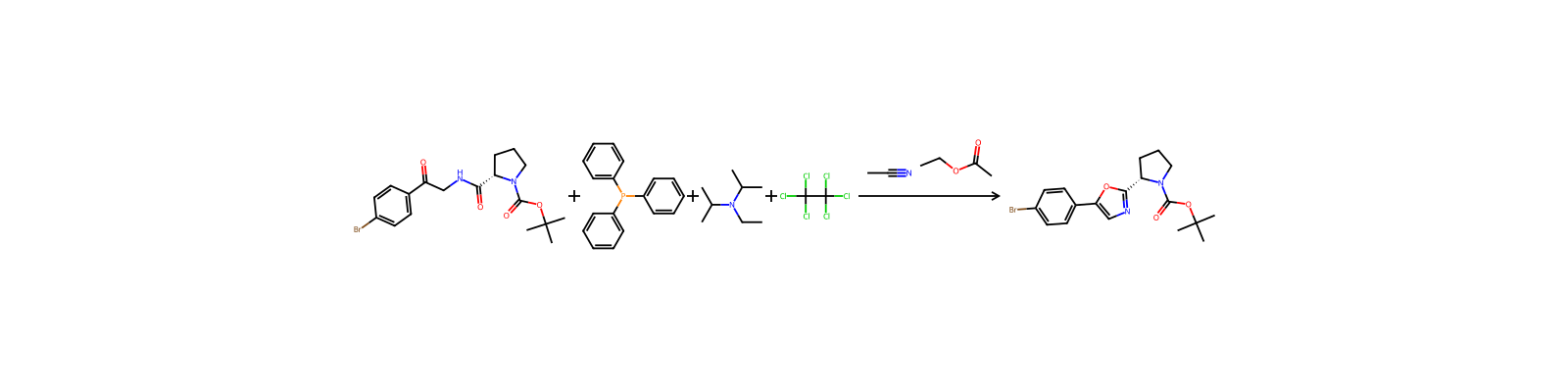
612 件



関連ノート
読み込み中…