ホームMCPワークベンチSkills
ホームワークベンチ通知マイページ
llms.txt · MCPガイドプライバシーポリシー · 利用規約 · サポートv1.8.0
  1. ホーム
  2. /化合物

ヨードメタン

Methyl iodide

HCID 6328
ノートを作成反応を作成見積依頼を出す
印刷プレビュー

データを補完しています。しばらくしてからページを更新すると最新の内容を表示できます

基本情報概要名称と識別子物性安全と法規制化学と産業関連反応化合物ノート
部分構造検索類似構造を探す

基本情報

CAS
74-88-4
標準SMILES
CI
InChIKey
INQOMBQAUSQDDS-UHFFFAOYSA-N
分子式
CH3I
平均分子量
141.939 g/mol
単同位体質量
141.9279481

概要

Methyl Iodide can cause cancer according to an independent committee of scientific and health experts.

名称と識別子

優先名称
Methyl iodide
IUPAC
iodomethane
現地名
ヨードメタン
英語名
Iodomethane
分子式
CH3I
分子量
141.94

名称と別名

IODOMETHANEMethyl iodide74-88-4MonoiodomethaneMethane, iodo-MethyljodidJod-methanIodometanoJoodmethaanMethyljodideMetylu jodekIodure de methyle
名称をさらに表示
ヨードメタンヨードメチルメチルヨージドよう化メチルハロン-10001ヨードメタン ヨウ化メチル ヨウ化物沃化メチルヨードメタン よう化メチルよう化メチル STANDARDヨードメタン 溶液よう化メチル Standard, 2.0 mg/mL in MeOHよう化メチル, 100 µg/mL in MeOHヨードメタンヨーカヒュームマイヒューム沃化メタンCH3IMethyl iodineIDOMETHANEMethyliodidIODOMETHANESYNONYMS/METHYLIODIDEMethane,iodo-Methyliodide,99%
Monoioduro di metileHalon 10001RCRA waste number U138DAT010ZJSRNSC-9366DTXSID0024187CHEBI:39282RefChem:817805

データベース識別子

CAS
74-88-4
PubChem CID
6328
DTXSID
DTXSID0024187
ChEMBL
CHEMBL115849
ChEBI
CHEBI:39282
UNII
DAT010ZJSR
EC Number
200-819-5
Nikkaji
J1.063.962J、J1.245.462G、J2.382E

物性

構造計算による物性補完中

XLogP
1.5
極性表面積
0 Ų
水素結合供与体数
0
水素結合受容体数
0
回転可能結合数
0
重原子数
2
形式電荷
0
複雑度
2

実験および物理化学的性質

Chemical Classes · 2 件

Hazardous Air Pollutants (HAPs)

Toxic Gases & Vapors -> Other Toxic Gases & Vapors

SpringerMaterials PropertiesDunham energy parameter
Pesticides · 2 件

Pesticide -> EPA IRIS

Volatile Organic Compound (VOC) (Pesticide/Volatile Organic Compound (VOC))

LogP · 2 件

log Kow= 1.51

1.51

OdorPungent, ether-like odor.
Density · 6 件

2.279 at 68 °F (USCG, 1999) - Denser than water; will sink

2.28 @ 20 °C/4 °C

DENSITY OF SATURATED AIR: 3.04 (AIR= 1)

Relative density (water = 1): 2.3

2.28

2.2789 @ 20°C

Viscosity · 2 件

0.606 cP at 0 °C, 0.424 cP at 40 °C.

0.18 mm²/s at 40 °C

Color/FormColorless, transparent liquid (turns brown on exposure to light)
Solubility · 6 件

10 to 50 mg/mL at 64 °F (NTP, 1992)

Miscible with alcohol, ether.

安全と法規制

安全情報は参考情報です。供給元の安全データシート(SDS)、適用法令、専門家による評価に代わるものではありません。

GHS分類

GHS Classification · 6 件

Danger

H301: Toxic if swallowed [Danger Acute toxicity, oral]

P203, P261, P264, P270, P271, P280, P301+P316, P302+P352, P304+P340, P316, P317, P318, P319, P321, P330, P332+P317, P362+P364, P403+P233, P405, and P501 (click each P-code to see the statement)

This chemical does not meet GHS hazard criteria for 0.4% (1 of 264) of reports.

Danger

H226 (42.8%): Flammable liquid and vapor [Warning Flammable liquids]

危険有害性情報

Hazards IdentificationToxic/poison by inhalation (TIH/PIH)
Regulatory Information · 6 件

Chemical: Methane, iodo-

Hazard Traits - Carcinogenicity; Neurotoxicity; Respiratory Toxicity

Methane, iodo- is listed on the EPA's Chemical Data Reporting (CDR) system. Manufacturers and importers of Methane, iodo- are required to report information about their production and use of this chemical to the EPA under the Toxic Substances Control Act (TSCA). (40 eCFR Part 711)

Status: Active Update: 03-08-2021 https://echa.europa.eu/registration-dossier/-/registered-dossier/12834

Iodomethane: HSNO Approval: HSR003006 Approved with controls

The New Jersey Worker and Community Right to Know Act requires public and private employers to provide information about hazardous substances at their workplaces. (N.J.S.A. 34:5A-1 et. seq.)

Other Safety InformationIMAP assessments - Methane, iodo-: Human health tier II assessment
DOT LabelPoison Inhalation Hazard
Fire Hazards · 3 件

Special Hazards of Combustion Products: Toxic and irritating gases are generated when exposed to fire or heat.

· Non-combustible, substance itself does not burn but may decompose upon heating to produce corrosive and/or toxic fumes.

化学と産業

薬理情報

Mechanism of Action · 1 件

Toxicologic and metabolic similarities among the monohalomethanes (chloride, bromide, iodide substituted) suggest a common mechanism of toxic action, probably methylation and disturbance or inactivation of essential proteins (rather than presence of the parent compound or free halide per se).

Metabolism/Metabolites · 5 件

ORAL DOSES OF IODOMETHANE TO RATS WERE RAPIDLY CONVERTED INTO S-METHYLGLUTATHIONE IN LIVER & EXCRETED IN BILE. IT WAS DEGRADED TO S-METHYLCYSTEINE BY KIDNEY HOMOGENATES. ONLY A SMALL PROPORTION OF THE DOSE OF IODOMETHANE OR ITS METABOLITE, S-METHYLCYSTEINE, WAS EXCRETED AS A CMPD RELATED TO METHYLMERCAPTURIC ACID.

Urinary metabolites (2 percent of the total dose) detected after subcutaneous injection of rats with 50 mg/kg body weight methyl iodide were S-methylcysteine, N-acetyl-S-methylcysteine, S-methylthio-acetic acid and N-(methylthioacetyl)glycine. ... S-Methylglutathione was isolated from livers of rats treated orally with 90 mg/kg body weight methyl iodide; approximately 25% of an oral dose of 50 mg/kg body weight was excreted into the bile as S-methylglutathione. ... Liver and kidney homogenates catalyzed the disappearance of methyl iodide in the presence of glutathione ... . S-Methylglutathione was converted to S-methylcysteine by kidney homogenate.

Methyl iodide reacted in vitro with 4-(para-nitrobenzyl)pyridine and N-7-deoxy- guanosine.

After inhalation of trace amounts of I-methyl iodide, the disappearance of radioactivity from the plasma, uptake in the thyroid and excretion in the urine resembled that of orally administered inorganic iodide.

1-iodomethane has known human metabolites that include methylglutathione.

Absorption, Distribution and Excretion · 4 件

RETENTION OF INHALED (132)I-METHYL IODIDE IN 18 VOLUNTEERS RANGED FROM 43-92%, WITH MEAN OF 72% OF AMT INHALED; LEVEL WAS HIGHLY DEPENDENT ON RESP RATE, LOW RATES ... ASSOC WITH HIGH RETENTION & VICE VERSA ... INHALED (132)I-METHYL IODIDE WAS RAPIDLY CLEARED FROM LUNGS OF 4 VOLUNTEERS & BROKEN DOWN TO RELEASE IODIDE ION.

ORALLY ADMIN METHYL IODIDE WAS ... EXCRETED IN BILE OF RAT (22-28% OF 50 MG/KG BODY WT DOSE) ...

IN POISONED RABBITS METHYL IODIDE WAS FOUND IN BRAIN, LIVER & KIDNEYS.

Approximately 1% of an oral dose of 76 mg/kg body weight methyl iodide given to rats was expired unchanged within 30 min of administration.

関連反応

30,249 件
反応記録を作成
HRID 812 の反応式
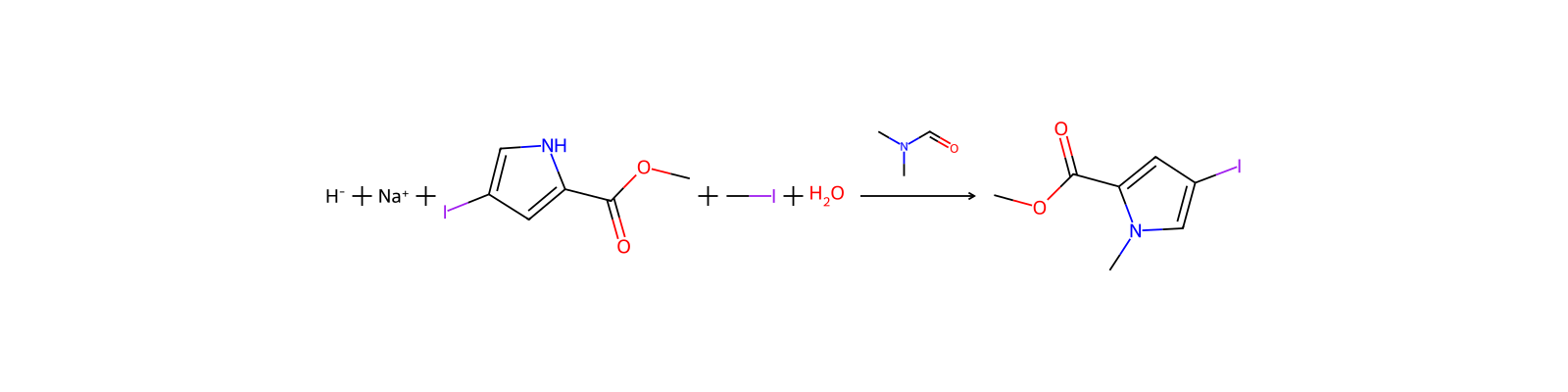
HRID 812反応物としてuspto-grants-1998_03
HRID 920 の反応式
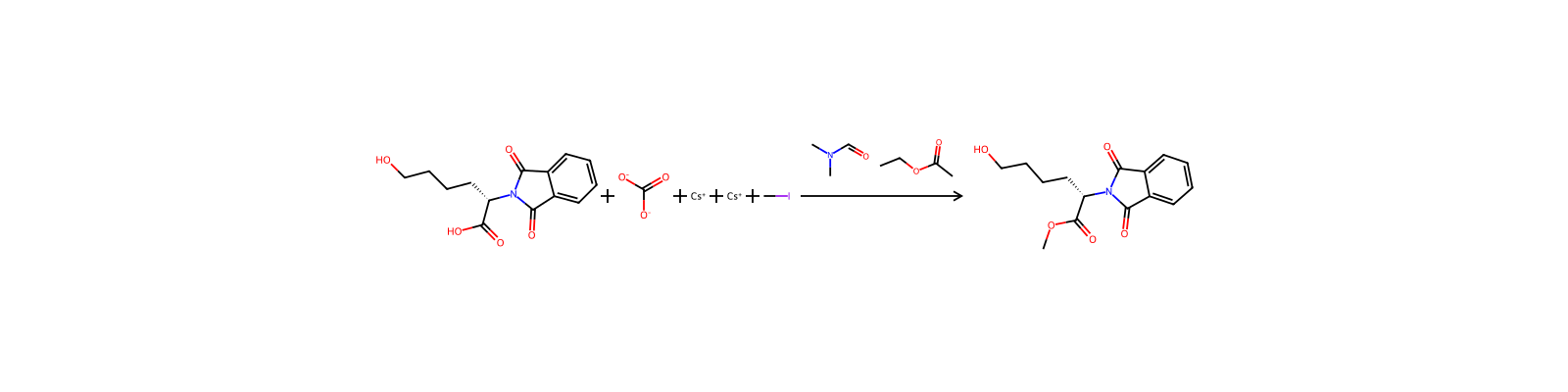
HRID 920反応物としてuspto-grants-1998_03
HRID 1129 の反応式
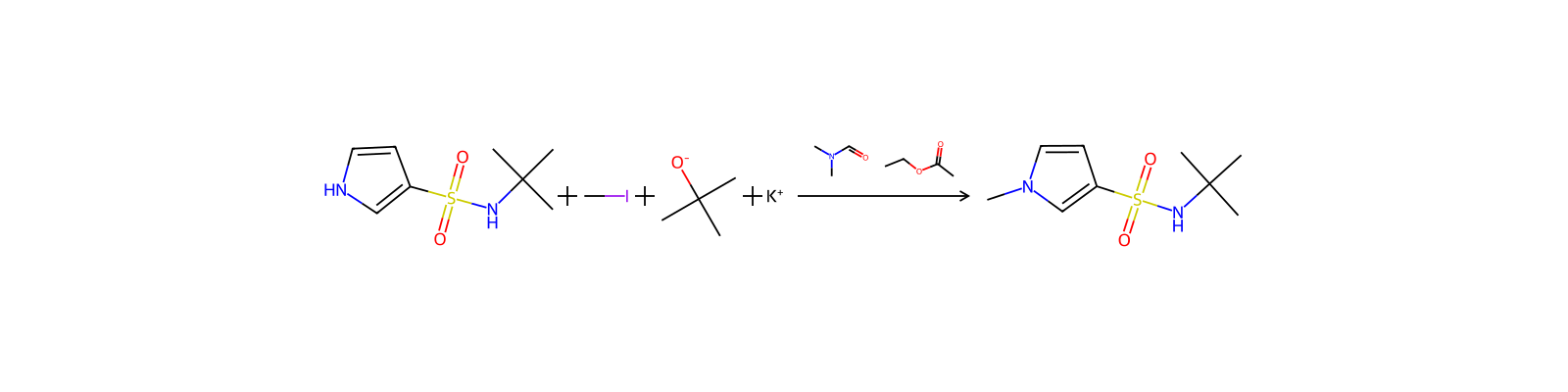
HRID 1129反応物としてuspto-grants-1998_03
HRID 1131 の反応式
HRID 1131反応物としてuspto-grants-1998_03
HRID 1198 の反応式
HRID 1198反応物としてuspto-grants-1998_03
HRID 1320 の反応式
HRID 1320反応物としてuspto-grants-1998_03
HRID 1334 の反応式
HRID 1334反応物としてuspto-grants-1998_03
HRID 1353 の反応式
HRID 1353反応物としてuspto-grants-1998_03
1 / 500 ページ

化合物ノート

読み込み中…

このページの内容基本情報概要名称と識別子物性安全と法規制化学と産業関連反応化合物ノート
その他の操作
ノートを作成反応を作成見積依頼を出す

Sol in acetone

SOL IN CARBON TETRACHLORIDE

1.39X10+4 mg/l at 20 °C in water

Solubility in water, g/100ml at 20 °C: 1.4

Boiling Point · 6 件

108.3 °F at 760 mmHg (NTP, 1992)

42.5 °C

42.5 °C

109 °F

42.43 °C @760 [mm Hg]

109 °F

DecompositionIODIDE & HYDROGEN IODIDE MAY BE RELEASED WHEN METHYL IODIDE UNDERGOES THERMAL DECOMPOSITION (270 °C).
Melting Point · 6 件

-87.6 °F (NTP, 1992)

-66.5 °C

-66.5 °C

-88 °F

-66.4 °C

-88 °F

物理化学的性質

融点
64 · −64(lit.)
沸点
41 · 41-43 °C
比重(密度)
2.28 g/mL · 2.28 g/mL at 25 °C(lit.)
蒸気密度
4.89 · 4.89 (vs air)
蒸気圧
24.09 psi · 24.09 psi ( 55 °C)
屈折率
20 · n20/D 1.530
闪点
18 °F · −18 °F
貯蔵温度
2 · 2-8°C
溶解性
20 ℃で可溶14g/L · 水:20℃で可溶14g/L
外見
液体
比重
2.28 · 2.280
色
クリア
臭い (Odor)
甘い、空気のような匂い (利用可能な閾値データなし);不適切な警告プロパティ
PH
5.2 · 5.2 (H2O, 25℃)
爆発限界(explosive limit)
8.5 · 8.5-66% (v/v)
水溶解度
14 g/L · 14g/L(20℃)
比熱容量
0.89 J/ · Cp(liquid): 0.89 J/(g·K); Cp(gas): 0.31 J/(g·K), at 25℃
Merck
14 · 14,6087
BRN
969135 · 969135
Henry's Law Constant
5.06 at · 5.06 at 21 °C (Gan and Yates, 1996)
Dielectric constant
7 · 7.0(20℃)
安定性
光に敏感
InChI
1S/CH3I/c1-2/h1H3
InChIKey
INQOMBQAUSQDDS-UHFFFAOYSA-N
SMILES
CI
LogP
1.51 · 1.510
CAS データベース
74 · 74-88-4(CAS DataBase Reference)
NISTの化学物質情報
Methyl iodide(74-88-4)
EPAの化学物質情報
Methyl iodide (74-88-4)

化学的性質

化学的特性light yellow to light pink liquid

Not combustible. Gives off irritating or toxic fumes (or gases) in a fire.

Fire PotentialIodomethane is not flammable.
Health Hazards · 2 件

Inhalation of vapor causes lung congestion and pulmonary edema. Higher concentrations causes rapid narcosis and death. Contact with liquid irritates eyes and burns skin. (USCG, 1999)

· Highly toxic, may be fatal if inhaled, ingested or absorbed through skin.

Hazards Summary · 2 件

Methyl iodide is used as an intermediate in the manufacture of some pharmaceuticals and pesticides, in methylation processes, and in the field of microscopy. In humans, acute (short-term) exposure to methyl iodide by inhalation may depress the central nervous system (CNS), irritate the lungs and skin, and affect the kidneys. Massive acute inhalation exposure to methyl iodide has led to pulmonary edema. Acute inhalation exposure of humans to methyl iodide has resulted in nausea, vomiting, vertigo, ataxia, slurred speech, drowsiness, skin blistering, and eye irritation. Chronic (long-term) exposure of humans to methyl iodide by inhalation may affect the CNS and cause skin burns. EPA has not classified methyl iodide for potential carcinogenicity.

Liquid causes second degree burns after contact for a few minutes. [CHRIS] Corrosive to skin; [Quick CPC] In animal feeding studies, methyl iodide is hepatotoxic, ten times as acutely toxic as carbon tetrachloride. After an industrial accident, an exposed chemical plant worker developed symptoms of central nervous system poisoning and died. [ACGIH] Inhalation can cause pulmonary edema, CNS depression, and death; [CAMEO] A lachrymator; [CHEMINFO] It is an acute pulmonary irritant that can cause chronic neurological symptoms after a heavy dermal exposure. [Reference #1]

DOT ID and Guide · 2 件

2644 151

2644 151

Reactive GroupHalogenated Organic Compounds
EC ClassificationSymbol: T; R: 21-23/25-37/38-40; S: (1/2)-36/37-38-45
UN ClassificationUN Hazard Class: 6.1; UN Pack Group: I

安全と保護具

Fire Fighting · 2 件

Excerpt from ERG Guide 151 [Substances - Toxic (Non-Combustible)]:

In case of fire in the surroundings, use appropriate extinguishing media. In case of fire: keep drums, etc., cool by spraying with water.

First Aid Measures · 4 件

Fresh air, rest. Refer immediately for medical attention.

Remove contaminated clothes. Rinse and then wash skin with water and soap. Refer for medical attention .

First rinse with plenty of water for several minutes (remove contact lenses if easily possible), then refer for medical attention.

Rinse mouth. Do NOT induce vomiting. Give a slurry of activated charcoal in water to drink. Refer immediately for medical attention.

Accidental Release Measures · 2 件

· CALL 911. Then call emergency response telephone number on shipping paper. If shipping paper not available or no answer, refer to appropriate telephone number listed on the inside back cover.

· Do not touch damaged containers or spilled material unless wearing appropriate protective clothing.

First Aid · 3 件

EYES: First check the victim for contact lenses and remove if present. Flush victim's eyes with water or normal saline solution for 20 to 30 minutes while simultaneously calling a hospital or poison control center. Do not put any ointments, oils, or medication in the victim's eyes without specific instructions from a physician. IMMEDIATELY transport the victim after flushing eyes to a hospital even if no symptoms (such as redness or irritation) develop.

General First Aid:

(General first aid procedures)

Safe StorageProvision to contain effluent from fire extinguishing. Separated from strong oxidants and food and feedstuffs. Well closed. Ventilation along the floor. Store in an area without drain or sewer access.
Exposure Control and Personal Protection · 2 件

· Wear positive pressure self-contained breathing apparatus (SCBA).

TIH (Toxic Inhalation Hazard) - Term used to describe gases and volatile liquids that are toxic when inhaled. Some are TIH materials themselves, e.g., chlorine, and some release TIH gases when spilled in water, e.g., chlorosilanes. [ERG 2016].

Fire Fighting Procedures · 2 件

Self-contained breathing apparatus with a full facepiece operated in pressure-demand or other positive-pressure mode.

If material on fire or involved in fire: Extinguish fire using agent suitable for type of surrounding fire. (Material itself dose not burn or burns with difficulty.) Cool all affected containers with flooding quantities of water. Apply water from as far a distance as possible. Keep run-off water out of sewers and water sources.

Storage Conditions · 2 件

Keep containers closed and store in a dark place.

... MATERIALS WHICH ARE TOXIC AS STORED OR WHICH CAN DECOMPOSE INTO TOXIC COMPONENTS DUE TO CONTACT WITH HEAT, MOISTURE, ACID, OR ACID FUMES, SHOULD BE STORED IN COOL, WELL-VENTILATED PLACE, OUT OF DIRECT RAYS OF SUN, AWAY FROM AREAS OF HIGH FIRE HAZARD & SHOULD BE PERIODICALLY INSPECTED & MONITORED.

Cleanup Methods · 2 件

1. VENTILATE AREA OF SPILL OR LEAK. 2. COLLECT FOR RECLAMATION OR ABSORB IN VERMICULITE, DRY SAND, EARTH, OR SIMILAR MATERIAL.

/In laboratory/ absorb the spills with paper towels, or like materials. Place in hood to evaporate. Dispose by burning the towel.

Nonfire Spill ResponseExcerpt from ERG Guide 151 [Substances - Toxic (Non-Combustible)]:
Disposal Methods · 2 件

Generators of waste (equal to or greater than 100 kg/mo) containing this contaminant, EPA hazardous waste number U138, must conform with USEPA regulations in storage, transportation, treatment and disposal of waste.

A potential candidate for liquid injection incineration at a temperature range of 650 to 1,600 °C and a residence time of 0.1 to 2 seconds. A potential candidate for rotary kiln incineration at a temperature range of 820 to 1,600 °C and residence times of seconds for liquids and gases, and hours for solids. A potential candidate for fluidized bed incineration at a temperature range of 450 to 980 °C and residence times of seconds for liquids and gases, and longer for solids.

Spillage Disposal · 1 件

Evacuate danger area! Consult an expert! Personal protection: self-contained breathing apparatus. Collect leaking and spilled liquid in sealable containers as far as possible. Absorb remaining liquid in sand or inert absorbent. Then store and dispose of according to local regulations.

毒性情報

Cancer Sites[in animals: lung, kidney & forestomach tumors]
Interactions · 2 件

... SYNERGIZES TOXICITY OF FENITROTHION ELEVEN FOLD & DICHLOROVOS TWO FOLD /IN MOUSE LIVER/.

S-Methyl-N-acetylpenicillamine, S-methylthiol, and S-methylcysteine, as well as iodomethane decreased biliary excretion of methylmercury markedly. Excretion of sulfhydryl in bile was not influenced by S-methylcysteine, S-methylthiol, S-methyl-N-acetylpenicillamine or a low dose of iodomethane (0.5 mmol/kg). This indicated that coupling of methylmercury to glutathione in the liver before biliary excretion was glutathione S-transferase-dependent reaction and the methylthiols tested, or metabolites of these compounds were likely to be inhibitors of S-transferase. The effect of S-methylcysteine and low doses of iodomethane (1 mmol/kg) seem to deplete the liver of reduced glutathione through S-methylation as illustrated by decreased biliary excretion of sulfhydryl.

Target OrgansEyes, skin, respiratory system, central nervous system
Environmental Fate · 3 件

TERRESTRIAL FATE: Based on a classification scheme(1), an estimated Koc value of 14(SRC), determined from a structure estimation method(2), indicates that methyl iodide should have very high mobility in soil(SRC). Volatilization of methyl iodide from moist soil surfaces is expected to be an important fate process(SRC) given a Henry's Law constant of 0.00526 atm-cu m/mole at 25 °C(3). The potential for volatilization of methyl iodide from dry soil surfaces may exist based upon a vapor pressure of 405 mm Hg(4). Cumulative volatilization losses of methyl iodide, applied at 30 cm, from 60-cm soil columns packed with a sandy loam soil ranged from 94% when the soil was untarped to 75% with a high-barrier tarp(5). Volatilization losses were significantly lower, 38% and 53%, from soils high in organic matter and capable of rapidly degrading the chemical. Ten days after methyl iodide was applied to field plots (30 cm depth) covered with a polyethylene film, methyl iodide was detected at most depths(5). It was concluded that should the water table be shallow and the degradation rate in soil low, methyl iodide may leach into ground water(5). Methyl iodide abiotically degrades in soil by hydrolysis and reaction with chloride ions, HS- and other nucleophiles(6). The half-life of methyl iodide in soils that were rich in organic matter was 9-13 days, while in a sandy loam soil it was 42-63 days. The organic-rich soils were thought to contain more nucleophiles with which methyl iodide could react(6).

AQUATIC FATE: Based on a classification scheme(1), an estimated Koc value of 14(SRC), determined from an estimation method(2), indicates that methyl iodide is not expected to adsorb to suspended solids and sediment in water(SRC). Volatilization from water surfaces is expected(3) based upon a Henry's Law constant of 0.00526 atm-cu m/mole at 25 °C(4). Using this Henry's Law constant and an estimation method(3), volatilization half-lives for a model river and model lake are 1.3 hours and 4.8 days, respectively(SRC). Methyl iodide hydrolyses slowly in water with a half-life of 110-251 days at 20-25 °C(8,9). It reacts with chloride ions in seawater in which its half-life is 20 and 58 days at 19.2 and 10.8 °C, respectively(8). According to a classification scheme(5), an estimated BCF of 2.9(SRC), from its log Kow of 1.51(6) and a regression-derived equation(7), suggests the potential for bioconcentration in aquatic organisms is low.

ATMOSPHERIC FATE: According to a model of gas/particle partitioning of semivolatile organic compounds in the atmosphere(1), methyl iodide, which has a vapor pressure of 405 mm Hg at 25 °C(2), is expected to exist solely as a vapor in the ambient atmosphere. Vapor-phase methyl iodide is degraded in the atmosphere by reaction with photochemically-produced hydroxyl radicals(SRC); the half-life for this reaction in air is estimated to be 220 days(SRC), from its rate constant of 7.20X10⁻¹⁴ cu cm/molecule-sec at 25 °C(3). However the major loss process for methyl iodide in the atmosphere is direct photolysis. The half-life of this reaction is 2.8-5.5 days(3,4). Physical removal of methyl iodide from air may occur via wet deposition since methyl iodide is relatively soluble in water(SRC).

Adverse EffectsNeurotoxin - Other CNS neurotoxin
Exposure Routes · 2 件

The substance can be absorbed into the body by inhalation of its vapour and by ingestion.

inhalation, skin absorption, ingestion, skin and/or eye contact

Signs and Symptoms · 5 件

Cough. Sore throat. Nausea. Vomiting. Diarrhoea. Headache. Dizziness. Drowsiness. Weakness. Convulsions. Confusion. Death Symptoms may be delayed.

Redness. Pain.

Redness. Pain.

See Inhalation.

irritation eyes, skin, respiratory system; nausea, vomiting; dizziness, ataxia; slurred speech, drowsiness; dermatitis; [potential occupational carcinogen]

Effluent ConcentrationsMethyl iodide was detected (conc not reported) in air samples collected above a hazardous waste site in NJ(1); its presence is likely the result of volatile emissions from the site(1).
ICSC Environmental DataThe substance is very toxic to aquatic organisms. This substance does enter the environment under normal use. Great care, however, should be taken to avoid any additional release, for example through inappropriate disposal.
EPA IRIS InformationMethyl iodide
Medical Surveillance · 3 件

Physical examination of workers for placement in operations involving possible exposure to these alkylating agents should include consideration of increased personal risk due to cigarette smoking, pregnancy, or treatment with steroids or cytotoxic agents. /Alkylating agents/

IN HUMANS EXPOSED TO METHYL IODIDE, SERUM LIPID CONTENT, ESP THE TRIGLYCERIDE CONTENT WAS SHARPLY INCR, WITH NO APPARENT NERVOUS DISORDER. THUS, BLOOD EXAM, ESP SERUM LIPID, & FUNCTIONAL EXAM OF LIVER & KIDNEY, MAY BE USED FOR EARLY DETECTION OF METHYL IODIDE POISONING.

Initial Medical Examination: A complete history and physical examination: The purpose is to detect pre-existing conditions that might place the exposed employee at increased risk, and to establish a baseline for future health monitoring. Examination of the central nervous system should be stressed. The skin should be examined for evidence of chronic disorders. Periodic Medical Examination: The aforementioned medical examinations should be repeated on an annual basis.

Soil Adsorption/Mobility · 1 件

Using a structure estimation method based on molecular connectivity indices(1), the Koc for methyl iodide can be estimated to be 14(SRC). According to a classification scheme(2), this estimated Koc value suggests that methyl iodide should have very high mobility in soil. The soil/water distribution coefficient of methyl iodide in various soils were (soil, Kd): Greenfield sandy loam, 0.09; Linne clay loam, 0.15; Carsetas loamy sand, 0.16; and potting mix, 0.55(3).

法規制情報

RCRA Requirements · 1 件

U138; As stipulated in 40 CFR 261.33, when methyl iodide, as a commercial chemical product or manufacturing chemical intermediate or an off-specification commercial chemical product or a manufacturing chemical intermediate, becomes a waste, it must be managed according to Federal and/or State hazardous waste regulations. Also defined as a hazardous waste is any residue, contaminated soil, water, or other debris resulting from the cleanup of a spill, into water or on dry land, of this waste. Generators of small quantities of this waste may qualify for partial exclusion from hazardous waste regulations (40 CFR 261.5).

Atmospheric Standards · 1 件

Listed as a hazardous air pollutant (HAP) generally known or suspected to cause serious health problems. The Clean Air Act, as amended in 1990, directs EPA to set standards requiring major sources to sharply reduce routine emissions of toxic pollutants. EPA is required to establish and phase in specific performance based standards for all air emission sources that emit one or more of the listed pollutants. Methyl iodide is included on this list.

CERCLA Reportable Quantities · 1 件

Persons in charge of vessels or facilities are required to notify the National Response Center (NRC) immediately, when there is a release of this designated hazardous substance, in an amount equal to or greater than its reportable quantity of 100 lb or 45.4 kg. The toll free number of the NRC is (800) 424-8802; In the Washington D.C. metropolitan area (202) 426-2675. The rule for determining when notification is required is stated in 40 CFR 302.4 (section IV. D.3.b).

Clean Water Act RequirementsToxic pollutant designated pursuant to section 307(a)(1) of the Federal Water Pollution Control Act and is subject to effluent limitations. /Halomethanes/

安全データ

F
8
OEB
B
OEL
TWA: 2 ppm (10 mg/m3) [skin]
wgk
1
IDLA
100 ppm
tsca
TSCA listed
rtecs
PA9450000
ridadr
UN 2644
毒性
LD50 orally in rats: 76 mg/kg; LD50 s.c. in mice: 0.78 mmoles/kg (IARC, 1986)
hs_code
29033990
risk_code
21-23/25-37/38-40-11-39/23/24/25-23/24/25-38-20/22
化審法
(2)-42
安衛法
特化則 特定化学物質(特定第2類) 変異原性物質
hazard_code
T,F,Xn
safety_code
36/37-38-45-9-24-16-7-60-36/37/39-33-23-20-4
hazard_class
6.1
packing_group
I
毒劇物取締法
劇物
Hazard Classifications
Acute Tox. 3 InhalationAcute Tox. 3 OralAcute Tox. 4 DermalAquatic Acute 1Aquatic Chronic 2Carc. 2Eye Dam. 1Flam. Liq. 3Skin Irrit. 2STOT SE 3
ストレージクラス
3 - Flammable liquids
有毒物質データの
74-88-4(Hazardous Substances Data)

用途と製造

Uses · 3 件

Methyl iodide is used as an intermediate in the manufacture of some pharmaceuticals and pesticides. It is also used in methylation processes and in the field of microscopy. Proposed uses of methyl iodide are as a fire extinguisher and as an insecticidal fumigant.

Used as a methylating agent; used in microscopy because of its high refractive index; [ACGIH]

Methylating agent; in microscopy because of its high refractive index; as imbedding material for examining diatoms; in testing for pyridine. Light sensitive etching agent for electronic circuits; component in fire extinguishers.

ImpuritiesIODINE MAY BE PRESENT AS AN IMPURITY.
U.S. Production · 6 件

2023: 75,000 - <500,000 lb

(1971) 9,000 lb sold

(1972) 18,000 lb

(1977) Iodinated hydrocarbons: 58,000 lb

(1977) AT LEAST 4.99X10+6 G

For more U.S. Production (Complete) data for METHYL IODIDE (9 total), please visit the HSDB record page.

Consumer UsesOther
Industry UsesPreservative
Methods of Manufacturing · 2 件

Prepd from methyl alcohol, iodine and red phosphorus; from potassium iodide and methyl sulfate.

From potassium iodide and methyl p-toluenesulfonate; by reaction of dimethyl sulfate with an aqueous iodine slurry containing a reducing agent such as iron or sodium bisulfite; by reaction of methanol and hydrogen iodide; and by reaction of methanol, iodine, and diborane.

Formulations/Preparations... AVAIL IN USA & JAPAN IN GRADE CONTAINING @ LEAST 99% OF PURE CHEM.
General Manufacturing Information · 4 件

Pharmaceutical and Medicine Manufacturing

Methane, iodo-: ACTIVE

... COMMERCIAL PRODN ... IN USA WAS FIRST REPORTED IN 1943, WHEN ABOUT 1400 KG WERE MANUFACTURED ...

Methyl iodide has been investigated in India for use as a fumigant to control internal fungi of grain sorghum.

応用分野 · 5 件

解説ヨウ化メチル.ヨードメタンともいう.硫酸ジメチルにヨウ化カリウム水溶液を反応させるか,メタノールにヨウ素と赤リンを作用させると得られる.液体.融点-66.5 ℃,沸点42.4 ℃.d2042.279.n20D1.5317.有機溶媒に可溶,水に微溶.多くの第三級アミンと反応して第四級アンモニウム塩を生成するなど,有機合成におけるメチル化剤として用いられる.空気中で光により一部分解して褐色になるので,冷暗所に保有する.光を当てるとヨウ素を遊離して着色する。ヨウ化カリウムの水溶液に硫酸ジメチルを加えれば得られる。メチル化剤として用いられるほか、医薬の発泡剤に用いられることもあるが、皮膚に付着すると炎症をおこし、蒸気を吸入すると神経障害をおこし、かつ習慣性がある。ラットの経口半数致死量(LD50)は体重1キログラム当り20ミリグラム。

用途有機合成原料、メチル化剤、医薬?農薬(殺虫剤)原料

使用.Iodomethane is an approved pesticide used to control insects, plant parasitic nematodes, soil borne pathogens and weed seeds.

一般的な説明A colorless liquid that turns brown on exposure to light. Denser than water. Contact may irritate skin, eyes and mucous membranes. Very toxic by ingestion, inhalation and skin absorption.

使用用途ヨウ化メチルは、の代替として、殺センチュウを目的とした脂肪族ハロゲン化物の燻蒸剤として主に用いられます。細菌や糸状菌による病害に対する防除効果もあります。 適用作物には、果樹、野菜及び花き等があり、路地及び施設でのメロンやトマトのネコブセンチュウ、倉庫及び天幕でのクリのクリシギゾウムシやクリミガ等に適用可能です。 殺虫効果が得られる理由は、蒸気として土壌、作物又は木材内部に拡散し、塩基性要求核中心と反応すると、ピルビン酸脱水素酵素やコハク酸脱水素酵素などの必須酵素を阻害するためだと考えられています。

調製方法 · 3 件

Methyl iodide has had very limited use as a chemical intermediate (methylations), and in microscopy because of its high refractive index, as imbedding materials for examining diatoms, and in tests for pyridine. It has been proposed as a fire extinguisher and insecticidal fumigant. It is a product of natural biological processes. Methyl iodide is a currently registered pesticide.

合成方法ヨウ素とリンにメタノールを反応させ,蒸留精製して製品とする

純化方法Methyl iodide deteriorates rapidly with liberation of iodine if exposed to light. It is usually purified by shaking with dilute aqueous Na2S2O3 or NaHSO3 until colourless, then washing with water, dilute aqueous Na2CO3, and more water, drying with CaCl2 and distilling. It is stored in a brown bottle away from sunlight in contact with a small amount of mercury, powdered silver or copper. (Prolonged exposure of mercury to methyl iodide forms methylmercuric iodide.) Methyl iodide can be dried further using CaSO4 or P2O5. An alternative purification is by percolation through a column of silica gel or activated alumina, then distillation. The solution can be degassed by using a repeated freeze-pump-thaw cycle. [Beilstein 1 IV 87.]

上流・下流製品情報

上流原料

炭酸カルシウムヨウ化カリウムジクロロカルシウムりん

下流製品

Androst-5-ene-3,17-diol-17-propanoic acid lactoneカンレノン2-フェニル-2-プロパノール4-Chloro-N-methylpyrimidin-2-amine3,3-Dimethylisobenzofuran-1(3H)-one5-メチル-2-メチルチオ-4(1H)-ピリミジノン(1-メチル-1H-ベンズイミダゾール-2-イル)メチルアミン5-ブロモ-4-クロロ-2-(メチルチオ)ピリミジン2-メトキシ-5-ニトロベンズアルデヒド2,2-ジメチルシクロペンタノンクラリスロマイシン4,6-ジメチル-2-(メチルチオ)ピリミジン2-Iodo-3-methoxy-6-methylpyridineネオペンチルヨージド1-(2-ジメチルアミノエチル)-5-メルカプトテトラゾール7-メトキシクマリンN,N,N-トリメチルベンゼンメタンアミニウム·ヨージド(R)-グリシジルメチルエーテル1,2-ジメチルピリジニウム・ヨージド2,5-ジヒドロ-5-チオキソ-1H-テトラゾール-1-メタンスルホン酸Androst-5-ene-3,17-diol-17-propiolic acid potassium salt3,17-Dihydroxyandrost-5-ene-17-propionic acid phtassium saltBenzyl-(2-methylsulfanyl-pyrimidin-4-yl)-amine3,17-Dihydroxyandrost-5-ene-17-propiolic acid2-メチル-2H-インダゾール-3-カルボン酸アステミゾール5-メトキシ-2-ニトロトルエンfluorocarbon sulfactant FC-3(17R)-4,5-ジデヒドロスピロ[アンドロスタン-17,5'(4'H)-フラン]-2',3(3'H)-ジオンプラゾシン2-(メチルチオ)-4-メチルピリミジン5-Methoxy-2-methylpyridineメチルアンドロステンジオール3,5-Dimethyl-3H-imidazole-4-carboxylic acid ethyl ester4-クロロ-2-メチルチオピリミジンFluorocaruor surfactant FC-42-ブロモ-3-メトキシ-6-メチルピリジン(S)-グリシジルメチルエーテル2,2-ジメチルシクロヘキサノン2-アセチル-3-メチルピラジン

補足説明

定義ChEBI: A member of the class of iodomethanes that is methane in which one of the hydrogens is replaced by iodine.