
基本情報
- 標準SMILES
C1CO1- InChIKey
IAYPIBMASNFSPL-UHFFFAOYSA-N- 分子式
- C2H4O
- 平均分子量
- 44.05 g/mol
- 単同位体質量
- 44.02621475
名称と識別子
- 優先名称
- Ethylene Oxide
- IUPAC
- oxirane
- 現地名
- 酸化エチレン
- 英語名
- ETHYLENE OXIDE
- 分子式
- C2H4O
- 分子量
- 44.05
名称と別名
OxiraneETHYLENE OXIDE75-21-8Epoxyethane1,2-EpoxyethaneOxacyclopropaneDihydrooxireneAnproleneOxidoethaneOxyfumeEthene oxideDimethylene oxide
名称をさらに表示
エチレンオキシド (約0.8mol/Lヘキサン溶液)エチレンオキシド (約1.0mol/Lテトラヒドロフラン溶液)エチレンオキシド (約1.0mol/Lトルエン溶液)エチレンオキシド (約1mol/Lエチルエーテル溶液)エチレンオキシド (約1mol/Lジクロロメタン溶液)オキシランステリガスエチレンオキシドオキサンフミゲートエルナックHアンプロレン1,2-エポキシエタン酸化エチレンアセプトン-Cエチレンオキサイドエポキシエタンオキシラン (約0.8mol/Lヘキサン溶液)オキシラン (約1.0mol/Lテトラヒドロフラン溶液)オキシラン (約1.0mol/Lトルエン溶液)OxaneeoC2H4OETOethylene oxide solutionEthylenoxidEthylene oxid
AmproleneAnprolineAethylenoxidMerpolOxiran1,2-EpoxyaethanOxyfume 12T-Gas
データベース識別子
- CAS
75-21-8、857892-58-1- PubChem CID
- 6354
- DTXSID
DTXSID0020600- ChEMBL
CHEMBL1743219- ChEBI
CHEBI:27561- UNII
- JJH7GNN18P
- EC Number
- 200-849-9、617-762-0
- Nikkaji
- J1.942I
物性
構造計算による物性
- XLogP
- -0.1
- 極性表面積
- 12.5 Ų
- 水素結合供与体数
- 0
- 水素結合受容体数
- 1
- 回転可能結合数
- 0
- 重原子数
- 3
- 形式電荷
- 0
- 複雑度
- 10
実験および物理化学的性質
LogP
log Kow = -0.30
-0.3
Odor
Sweet
Reminiscent of bruised apples
... Ether-like odor
Density
0.8222 at 50 °F (EPA, 1998) - Less dense than water; will float
0.882 at 10 °C/10 °C
Relative density (water = 1): 0.9
0.82 (liquid at 50 °F)
0.8821 @ 10°C
0.82 (Liquid at 50 °F)
Viscosity9.45X10-3 mPa.s (25 °C, gas) and 0.254 mPa.s (10 °C, liquid)
Color/Form
Colorless ... gas at ordinary room temp and pressure; liquid below 12 °C
Colorless gas or liquid (below 51 degrees F) ...
Solubility
Miscible (NTP, 1992)
Soluble in benzene, acetone, ethanol, ether
Miscible with... carbon tetrachloride.
Miscible with water
Solubility in water: miscible
Miscible
Flash Point
-0.4 to 0 °F (EPA, 1998)
-20 °F (-29 °C) (closed cup)
-18 °C (open cup)
Flammable gas
-20 °F (liquid)
NA (Gas) -20 °F (Liquid)
Boiling Point
51.3 °F at 760 mmHg (EPA, 1998)
10.6 °C
11 °C
51 °F
10.6 °C @760 [mm Hg]
51 °F
Decomposition
Liquid ethylene oxide is not detonable, but the vapor may be readily initiated into explosive decomposition.
Explosive decomposition may occur.
Decompostion products are explosive.
Melting Point
-170.5 °F (EPA, 1998)
-111.7 °C
-111 °C
-171 °F
-112.5 °C
-171 °F
Vapor Density
1.49 (EPA, 1998) - Heavier than air; will sink (Relative to Air)
1.49
Relative vapor density (air = 1): 1.5
1.49
Odor Threshold
Odor Threshold Low: 257.0 [ppm];Odor Threshold High: 690.0 [ppm];Detection odor threshold from AIHA (mean = 420 ppm)
Recognition: 1.5 mg/cu m= 0.8 ppm, mean detection concn: 700 ppm; absolute perception limit: 260 ppm; 50% recognition: 500 ppm; 100% recognition: 500 ppm
Low: 520 mg/cu m; High: 1400 mg/cu m
300 ppm in air
物理化学的性質
- 融点
- 111 °C · −111 °C(lit.)
- 沸点
- 10.7 °C · 10.7 °C(lit.)
- 比重(密度)
- 0.882 g/mL · 0.882 g/mL at 25 °C(lit.)
- 蒸気圧
- 1095 mmHg · 1095 mmHg at 20 °C
- 屈折率
- 20 · n20/D 1.3597(lit.)
- 闪点
- -17.7 ℃ · <-17.7℃
- 貯蔵温度
- 2 · 2-8°C
- 外見
- 無色のガス
- 臭い (Odor)
- 257 · 257~690ppmで検出可能な甘い匂い
- 比熱容量
- 2 J/ · Cp(liquid): 2 J/(g·K); Cp(gas): 1.09 J/(g·K), at 25℃
- Merck
- 3802 · 3802
- BRN
- 102378 · 102378
- Henry's Law Constant
- 5.8 · 5.8×10-2 mol/(m3Pa) at 25℃, Conway et al. (1983)
- Dielectric constant
- 14 · 14.0(-4℃)
- 主な用途
- 農業洗浄剤化粧品食品および飲料パーソナルケア
- InChI
- 1S/C2H4O/c1-2-3-1/h1-2H2
- InChIKey
- IAYPIBMASNFSPL-UHFFFAOYSA-N
- SMILES
- C1CO1
- LogP
- -0.3 · -0.30
- CAS データベース
- 75 · 75-21-8(CAS DataBase Reference)
- EPAの化学物質情報
- Ethylene oxide (75-21-8)
化学的性質
化学的特性Ethylene oxide is the simplest cyclic ether. It is a colorless gas or liquid and has a sweet, etheric odor. Ethylene oxide is a flammable, very reactive and explosive chemical substance. On decomposition, vapors of pure ethylene oxide mix with air or inert gases and become highly explosive. Ethylene oxide, is used in large scale as an intermediate in the production of monoethylene glycol, diethylene glycol, triethylene glycol, poly(ethylene) glycols, ethylene glycol ethers, ethanolamine, ethoxylation products of fatty alcohols, fatty amines, alkyl phenols, cellulose, and poly(propylene glycol). It is also used as a fumigant for food and cosmetics, and in hospital sterilization of surgical equipment and heat sensitive materials.
安全と法規制
GHS分類
GHS Classification
Danger
H220: Extremely flammable gas [Danger Flammable gases];H301: Toxic if swallowed [Danger Acute toxicity, oral];H314: Causes severe skin burns and eye damage [Danger Skin corrosion/irritation];H318: Causes serious eye damage [Danger Serious eye damage/eye irritation];H331: Toxic if inhaled [Danger Acute toxicity, inhalation];H335: May cause respiratory irritation [Warning Specific target organ toxicity, single exposure; Respiratory tract irritation];H336: May cause drowsiness or dizziness [Warning Specific target organ toxicity, single exposure; Narcotic effects];H340: May cause genetic defects [Danger Germ cell mutagenicity];H350: May cause cancer [Danger Carcinogenicity];H360Fd: May damage fertility; Suspected of damaging the unborn child [Danger Reproductive toxicity];H372: Causes damage to organs through prolonged or repeated exposure [Danger Specific target organ toxicity, repeated exposure]
P203, P210, P222, P260, P261, P264, P264+P265, P270, P271, P280, P301+P316, P301+P330+P331, P302+P361+P354, P304+P340, P305+P354+P338, P316, P317, P318, P319, P321, P330, P363, P377, P381, P403, P403+P233, P405, and P501 (click each P-code to see the statement)
This chemical does not meet GHS hazard criteria for < 0.1% (1 of 3652) of reports.
危険有害性情報
Hazards IdentificationToxic/poison by inhalation (TIH/PIH)
Regulatory Information
Chemical: Oxirane
Hazard Traits - Carcinogenicity; Dermatotoxicity; Developmental Toxicity; Genotoxicity; Hematotoxicity; Neurotoxicity; Reproductive Toxicity; Respiratory Toxicity;Authoritative List - ATSDR Neurotoxicants; CA TACs; EC Annex VI CMRs - Cat. 1B; IARC Carcinogens - 1; IRIS Carcinogens - Carcin.; NTP RoC - known; OEHHA RELs; Prop 65;Report - regardless of intended function of ingredient in the product
Oxirane is listed on the EPA's Chemical Data Reporting (CDR) system. Manufacturers and importers of Oxirane are required to report information about their production and use of this chemical to the EPA under the Toxic Substances Control Act (TSCA). (40 eCFR Part 711)
Status: Active Update: 31-10-2012 https://echa.europa.eu/registration-dossier/-/registered-dossier/1668;Status: Cease Manufacture Update: 01-05-2018 https://echa.europa.eu/registration-dossier/-/registered-dossier/24308;Status: Active Update: 12-01-2011 https://echa.europa.eu/registration-dossier/-/registered-dossier/6191;Status: Active Update: 08-11-2012 https://echa.europa.eu/registration-dossier/-/registered-dossier/8062;Status: Cease Manufacture Update: 27-07-2010 https://echa.europa.eu/registration-dossier/-/registered-dossier/1229;Status: Active Update: 18-05-2023 https://echa.europa.eu/registration-dossier/-/registered-dossier/15813
Oxirane (ethylene oxide): HSNO Approval: HSR001059 Approved with controls
The New Jersey Worker and Community Right to Know Act requires public and private employers to provide information about hazardous substances at their workplaces. (N.J.S.A. 34:5A-1 et. seq.)
Other Safety InformationIMAP assessments - Oxirane: Human health tier II assessment
DOT LabelPoison Gas Flammable Gas
Fire Hazards
Severe explosion hazard when exposed to heat or flame. Irritating vapors are generated when heated. Vapor is heavier than air and may travel considerable distance to a source of ignition and flash back. Vapor forms explosive mixtures with air over a wide range. Liquid is not detonable but the vapor may be readily initiated into explosive decomposition. Avoid metal fittings containing copper, silver, mercury or magnesium; ammonia, oxidizing agents; acids, organic bases; amines; certain salts; alcohols; mercaptans, ferric chloride; magnesium perchlorate; m-nitroaniline; trimethylamine, potassium, tin chlorides; alkanethiols; bromoethane; aluminum chloride; aluminum oxide; iron chlorides; and iron oxides. Avoid air, heat, acids and bases, metal or metal chloride catalysts. Hazardous polymerization may occur. Avoid acids; covalent halides such as chlorides of aluminum, iron (III), tin (IV); basic materials like alkali hydrides, ammonia, amines, and potassium; catalytically active solids such as aluminum or iron oxides or rust, chlorides of boron, aluminum, tin, and iron; some carbonates; and metals such as copper and copper alloys (EPA, 1998)
· Flammable; may be ignited by heat, sparks or flames.;· May form explosive mixtures with air. Ethylene oxide (UN1040) may react explosively even in the absence of air.;· Those substances designated with a (P) may polymerize explosively when heated or involved in a fire.;· Vapors from liquefied gas are initially heavier than air and spread along ground.;· Vapors may travel to source of ignition and flash back.;· Some of these materials may react violently with water.;· Cylinders exposed to fire may vent and release toxic and flammable gas through pressure relief devices.;· Containers may explode when heated.;· Ruptured cylinders may rocket.;· Runoff may create fire or explosion hazard.
Extremely flammable. Gas/air mixtures are explosive. Risk of fire and explosion as a result of decomposition when heated.
Fire PotentialFlammable gas.
Health Hazards
It can cause death. Lowest inhalation concentration causing toxic effects is 12500 ppm/10 seconds. It is a strong skin irritant. Neurological disorders and even death have been reported. (EPA, 1998)
· TOXIC; may be fatal if inhaled or absorbed through skin. Some may cause severe skin burns and eye damage.;· Contact with gas or liquefied gas may cause burns, severe injury and/or frostbite.;· Fire will produce irritating, corrosive and/or toxic gases.;· Runoff from fire control or dilution water may cause environmental contamination.
Hazards Summary
Ethylene oxide is a flammable gas with a somewhat sweet odor. It dissolves easily in water. Ethylene oxide is a man-made chemical that is used primarily to make ethylene glycol (a chemical used to make antifreeze and polyester). A small amount (less than 1%) is used to control insects in some stored agricultural products and a very small amount is used in hospitals to sterilize medical equipment and supplies.
The major use of ethylene oxide is as a chemical intermediate in the manufacture of ethylene glycol. Ethylene oxide is also used as a sterilizing agent for medical equipment and a fumigating agent for spices. The acute (short-term) effects of ethylene oxide in humans consist mainly of central nervous system depression and irritation of the eyes and mucous membranes. Chronic (long-term) exposure to ethylene oxide in humans can cause irritation of the eyes, skin, nose, throat, and lungs, and damage to the brain and nervous system. There also is some evidence linking ethylene oxide exposure to reproductive effects. EPA has concluded that ethylene oxide is carcinogenic to humans by the inhalation route of exposure. Evidence in humans indicates that exposure to ethylene oxide increases the risk of lymphoid cancer and, for females, breast cancer.
Acute inhalation injuries result from exposures between 200 and 400 ppm. At higher concentrations, ethylene oxide (EtO) may cause neurological dysfunction. Chronic effects of exposure include reproductive toxicity and peripheral neuropathy. [LaDou, p. 501] The most common skin effects are irritation and second degree burns, but allergic contact dermatitis has been reported. [Sullivan, p. 1135] Healthcare workers performing EtO sterilization may develop cataracts. Highest exposures occurred during unloading (especially when the sterilization cycle was interrupted) and during cylinder changing. [J Occup Environ Med 1999 Jun;41(6):492-9] There is limited positive data that EtO causes spontaneous abortions in humans and birth defects and testicular damage in experimental animals. [ATSDR Case Studies #29] [Ethylene oxide allergy in dialysis patients. Purello D'Ambrosio F, et al. Nephrol Dial Transplant. 1997 Jul;12(7):1461-3.] [Airborne occupational contact dermatitis from ethylene oxide. Romaguera C, et al. Contact Dermatitis. 1998 Aug;39(2):85.] Liquid causes second degree burns after contact for a few minutes. [CHRIS] Corrosive to skin; [Quick CPC] Germ cell mutagens that have shown to increase the mutant frequency in the progeny of exposed mammals. [MAK] Although the IARC Working Group concluded that the epidemiological evidence for carcinogenicity of EO was limited, EO was classified as a category 1 carcinogen because of its rodent carcinogenicity, alkylating properties and ability to cause chromosomal aberrations. However, the substantial epidemiological evidence regarding carcinogenic effects of EO to date does not show any consistent carcinogenic effects in humans and clearly these alkylating properties have not led to any consistent cancer excess in exposed populations. [PMID 19430313] There were reports from Sweden among producers and some users of ethylene oxide that hinted at excess risks of leukemia. But larger American studies have subsequently shown no suc
DOT ID and Guide
1040 119P
1040 119P
Reactive GroupEpoxides;Polymerizable Compounds
EC ClassificationSymbol: F+, T; R: 45-46-12-23-36/37/38; S: 53-45; Note: E
UN ClassificationUN Hazard Class: 2.3; UN Subsidiary Risks: 2.1
安全と保護具
Fire Fighting
Move container from fire area if you can do so without risk. Stay away from ends of tanks. Fight fire from maximum distance. For massive fire in cargo area, use unmanned hose holder or monitor nozzles; if this is impossible, withdraw from area and let fire burn. Withdraw immediately in case of rising sound from venting safety device or any discoloration of tank due to fire. Isolate for 1 mile in all directions if tank car or truck is involved in fire. Keep unnecessary people away; isolate hazard area and deny entry. Stay upwind; keep out of low areas. Wear positive pressure breathing apparatus and full protective clothing. Evacuate area endangered by gas.;Extinguish with alcohol foam, carbon dioxide, dry chemical or water spray, fog, or foam. Let burn unless leak can be stopped immediately. (EPA, 1998)
Shut off supply; if not possible and no risk to surroundings, let the fire burn itself out. In other cases extinguish with powder, alcohol-resistant foam, water spray, carbon dioxide. In case of fire: keep cylinder cool by spraying with water. Combat fire from a sheltered position.
First Aid Measures
Fresh air, rest. Refer for medical attention.
Remove contaminated clothes. ON FROSTBITE: rinse with plenty of water, do NOT remove clothes. Rinse skin with plenty of water or shower. Refer for medical attention .
First rinse with plenty of water for several minutes (remove contact lenses if easily possible), then refer for medical attention.
Accidental Release Measures
· CALL 911. Then call emergency response telephone number on shipping paper. If shipping paper not available or no answer, refer to appropriate telephone number listed on the inside back cover.;· Keep unauthorized personnel away.;· Stay upwind, uphill and/or upstream.;· Many gases are heavier than air and will spread along the ground and collect in low or confined areas (sewers, basements, tanks, etc.).;· Ventilate closed spaces before entering, but only if properly trained and equipped.
· ELIMINATE all ignition sources (no smoking, flares, sparks or flames) from immediate area.;· All equipment used when handling the product must be grounded.;· Do not touch or walk through spilled material.;· Stop leak if you can do it without risk.;· Do not direct water at spill or source of leak.;· Use water spray to reduce vapors or divert vapor cloud drift. Avoid allowing water runoff to contact spilled material.;· FOR CHLOROSILANES, use alcohol-resistant foam to reduce vapors.;· If possible, turn leaking containers so that gas escapes rather than liquid.;· Prevent entry into waterways, sewers, basements or confined areas.;· Isolate area until gas has dispersed.
First Aid
Warning: Ethylene oxide is corrosive to moist tissues. Caution is advised.;Signs and Symptoms of Acute Ethylene Oxide Exposure: Signs and symptoms of acute exposure to ethylene oxide may be severe, and include dyspnea (shortness of breath), cough, pulmonary edema, pneumonia, and respiratory failure. Lethargy, headache, dizziness, twitching, convulsions, paralysis, and coma may be observed. Cardiac arrhythmias and cardiovascular collapse may also occur. Gastrointestinal effects of acute exposure may include nausea, vomiting, and abdominal pain. Ethylene oxide may severely irritate or burn mucous membranes and moist skin. Eye contact may result in conjunctivitis (red, inflamed eyes) and erosion of the cornea.;Emergency Life-Support Procedures: Acute exposure to ethylene oxide may require decontamination and life support for the victims. Emergency personnel should wear protective clothing appropriate to the type and degree of contamination. Air-purifying or supplied-air respiratory equipment should also be worn, as necessary. Rescue vehicles should carry supplies such as plastic sheeting and disposable plastic bags to assist in preventing spread of contamination.;Inhalation Exposure:;1. Move victims to fresh air. Emergency personnel should avoid self-exposure to ethylene oxide.;2. Evaluate vital signs including pulse and respiratory rate, and note any trauma. If no pulse is detected, provide CPR. If not breathing, provide artificial respiration. If breathing is labored, administer oxygen or other respiratory support.;3. Obtain authorization and/or further instructions from the local hospital for administration of an antidote or performance of other invasive procedures.;4. Transport to a health care facility.;Dermal/Eye Exposure:;1. Remove victims from exposure. Emergency personnel should avoid self- exposure to ethylene oxide.;2. Evaluate vital signs including pulse and respiratory rate, and note any trauma. If no pulse is detected, provide CPR. If not breathing, provide artificial respiration. If breathing is labored, administer oxygen or other respiratory support.;3. Remove contaminated clothing as soon as possible.;4. If eye exposure has occurred, eyes must be IMMEDIATELY flushed with lukewarm water for AT LEAST 15 minutes.;5. If liquid is spilled on the skin, allow ethylene oxide to vaporize before washing THOROUGHLY with soap and water.;6. Obtain authorization and/or further instructions from the local hospital for administration of an antidote or performance of other invasive procedures.;7. Transport to a health care facility.;Ingestion Exposure:;1. Evaluate vital signs including pulse and respiratory rate, and note any trauma. If no pulse is detected, provide CPR. If not breathing, provide artificial respiration. If breathing is labored, administer oxygen or other respiratory support.;2. Obtain authorization and/or further instructions from the local hospital for administration of an antidote or performance of other invasive procedures.;3. Give the victims water or milk: children up 1 year old, 125 mL (4 oz or 1/2 cup); children 1 to 12 years old 200 mL (6 oz or 3/4 cup); adults, 250 mL (8 oz or 1 cup). Water or milk should be given only if victims are conscious and alert.
General First Aid:;· Call 911 or emergency medical service.;· Ensure that medical personnel are aware of the material(s) involved, take precautions to protect themselves and avoid contamination.;· Move victim to fresh air if it can be done safely.;· Administer oxygen if breathing is difficult.;· If victim is not breathing:;-- DO NOT perform mouth-to-mouth resuscitation; the victim may have ingested or inhaled the substance.;-- If equipped and pulse detected, wash face and mouth, then give artificial respiration using a proper respiratory medical device (bag-valve mask, pocket mask equipped with a one-way valve or other device).;-- If no pulse detected or no respiratory medical device available, provide continuous compressions. Conduct a pulse check every two minutes or monitor for any signs of spontaneous respirations.;· Remove and isolate contaminated clothing and shoes.;· For minor skin contact, avoid spreading material on unaffected skin.;· In case of contact with substance, remove immediately by flushing skin or eyes with running water for at least 20 minutes.;· For severe burns, immediate medical attention is required.;· Effects of exposure (inhalation, ingestion, or skin contact) to substance may be delayed.;· Keep victim calm and warm.;· Keep victim under observation.;· For further assistance, contact your local Poison Control Center.;· Note: Basic Life Support (BLS) and Advanced Life Support (ALS) should be done by trained professionals.;Specific First Aid:;· In case of contact with liquefied gas, only medical personnel should attempt thawing frosted parts.
(General first aid procedures);Eye: Irrigate immediately - If this chemical contacts the eyes, immediately wash (irrigate) the eyes with large amounts of water, occasionally lifting the lower and upper lids. Get medical attention immediately.;Skin: Water flush immediately - If this chemical contacts the skin, immediately flush the contaminated skin with water. If this chemical penetrates the clothing, immediately remove the clothing and flush the skin with water. Get medical attention promptly.;Breathing: Respiratory support;Swallow: Medical attention immediately (liquid)
Safe StorageFireproof. Cool.
Firefighting HazardsVapor is heavier than air and may travel considerable distance to a source of ignition and flash back.
Exposure Control and Personal Protection
· Wear positive pressure self-contained breathing apparatus (SCBA).;· Wear chemical protective clothing that is specifically recommended by the manufacturer when there is NO RISK OF FIRE.;· Structural firefighters' protective clothing provides thermal protection but only limited chemical protection.
Biological Exposure Indices (BEI) [ACGIH] - N-(2-hydroxyethyl)valine (HEV) hemoglobin adducts = 5000 pmol HEV/g globin. See urine BEI and further details. [TLVs and BEIs];TIH (Toxic Inhalation Hazard) - Term used to describe gases and volatile liquids that are toxic when inhaled. Some are TIH materials themselves, e.g., chlorine, and some release TIH gases when spilled in water, e.g., chlorosilanes. [ERG 2016].
Fire Fighting Procedures
GAS: Poisonous gases are produced in fire. Do not estinguish the fire unless the flow of gas can be stopped and any remaining gas is out of the line. Specially trained personnel may use fog lines to cool exposures and let the fire burn itself out. Vapors are heavier than air and will collect in low areas. Vapors may travel long distances to ignition sources and flashback. Vapors in confined area may explode in fire. Storage containers and parts of containers may rocket great distances, in many directions. If materials or contaminated runoff enters waterways, notify downstream users of potentially contaminated waters. Notify local health and fire officials and pollution control agencies. From a secure, explosion-proof location, use water spray to cool exposed containers. If cooling streams are ineffective (venting sound increases in volume and pitch, tank discolors, or shows any signs of deforming), withdraw immediately to a secure position. If employees are expected to fight fires, they must be trained and equipped. LIQUID: Poisonous gases are produced in fire. Use dry chemical, carbon dioxide, or foam extinguishers. Although soluble in water, solutions will continue to burn until diluted to approximately 22 volumes of water to one volume of ethylene oxide. Vapors are heavier than air and will collect in low areas. Vapors may travel long distances to ignition sources and flashback. Vapors in confined area may explode in fire. Storage containers and parts of containers may rocket great distances, in many directions. If materials or contaminated runoff enters waterways, notify downstream users of potentially contaminated waters. Notify local health and fire officials and pollution control agencies. From a secure, explosion-proof location, use water spray to cool exposed containers. If cooling streams are ineffective (venting sound increases in volume and pitch, tank discolors, or shows any signs of deforming), withdraw immediately to a secure position. If employees ar
Fire extinguishing agents: water.
Stop flow of gas if possible. Combat fires from behind barrier, with unmanned hose holder or monitor nozzle. Flood discharge area with water. Cool exposed containers and protect men effecting shut off with water.
Carbon dioxide and dry-chemical extinguishers are useful against small fire.
For more Fire Fighting Procedures (Complete) data for ETHYLENE OXIDE (8 total), please visit the HSDB record page.
Storage Conditions
Prior to working with this chemical you should be trained on its proper handling and storage. Before entering a confined space where this chemical may be present, check to make sure that an explosive concentration does not exist. It must be stored to avoid contact with even small amounts of acids (such as nitric or sulfuric acids); alkalis (such as sodium bydroxide or potassium hydroxide); cataylic anhydrous chlorides of iron, aluminum or tin; iron or aluminum oxide; or metallic potassium hydroxide); catalytic anhydrous chlorides of iron, aluminum or tin; iron or aluminum oxide; or metallic potassium hydroxide, since it may react by itself, liberating much heat and causing a possible explosion. Ethylene oxide should not contact oxidizers (such as perchlorates, perxoides, permanganates, chlorates, and nitrates) since an explosion could occur. Store in tightly closed containers in a cool, well-ventilated area away from heat, sparks, or sunlight. Sources of ignition such as smoking and open flames are prohibited where ethlyene oxide is handled, used, or stored. Metal containers involving the transfer of 5 gallons or more of ethylene oxide should br grounded and bonded. Drums must be equipped with self-closing valves, pressure vacuum bungs, and flame arresters. Use only non-sparking tools and equipment, especially when opening and closing containers of ethylene oxide . Wherever ethylene oxide is used, handled, manufactured, or stored, use explosion-proof electrical equipment and fittings.
Store EtO in tightly closed cylinders or tanks in a cool, shaded, well-ventilated, explosion-proof area.
Temperature: ambient
Protect containers against physical damage, check for leakage intermittently. Store in distant outdoor tank or container protected from direct sunlight, lined with insulating material, equipped with an adequate refrigeration and water system. Indoor storage should be restricted to small quantities. Place material in a combustible liquid cabinet which is fireproof in conformity with regulations.
For more Storage Conditions (Complete) data for ETHYLENE OXIDE (7 total), please visit the HSDB record page.
Cleanup Methods
GAS: Evacuate and restrict persons not wearing protective equipment from area of spill or leak until cleanup is complete. Remove all ignition sources. Establish forced ventilation to keep levels below explosive limit. Stop the flow of gas if it can be done safely. If source of leak us a cylinder and the leak cannot be stopped in place, remove leaking cylinder to a safe place in the open air, and repair leak or allow cylinder to empty. Keep this chemical out of a confined space, such as a sewer, because of the possibility of an explosion, unless the sewer is designed to prevent the build-up of explosive concentrations. LIQUID: For small spills flush area with flooding amounts of water. For large spills, dike spill for later disposal. Absorb liquids in vermiculite, dry sand, earth, or a similar non-organic materials and deposit in sealed containers. May also be covered with weak reducing agents; resulting sludge neutralized and flushed to sewer. Collect powdered material in the most convenient and safe manner and deposit in sealed containers. Ventilate area of spill or leak after clean-up is complete. It may be necessary to contain and dispose of this chemical as a hazardous waste. If material or contaminated runoff enters waterways, notify downstream users of potentially contaminated waters. Contact your Department of Environmental Protection or your regional office of the federal EPA for specific recommendations. If employees are required to clean-up spills, they must be properly trained and equipped.
Shut off ignition sources and call fire dept. Stop /flow/ if possible. Stay upwind and use water spray to "knock down" vapor. Isolate and remove discharged material. Notify local health and pollution control agencies.
PRECAUTIONS FOR "CARCINOGENS": A high-efficiency particulate arrestor (HEPA) or charcoal filters can be used to minimize amt of carcinogen in exhausted air ventilated safety cabinets, lab hoods, glove boxes or animal rooms ... Filter housing that is designed so that used filters can be transferred into plastic bag without contaminating maintenance staff is avail commercially. Filters should be placed in plastic bags immediately after removal ... The plastic bag should be sealed immediately ... The sealed bag should be labelled properly ... Waste liquids ... should be placed or collected in proper containers for disposal. The lid should be secured & the bottles properly labelled. Once filled, bottles should be placed in plastic bag, so that outer surface ... is not contaminated ... The plastic bag should also be sealed & labelled. ... Broken glassware ... should be decontaminated by solvent extraction, by chemical destruction, or in specially designed incinerators. /Chemical Carcinogens/
Eliminate all ignition sources. Releases may require isolation or evacuation. Approach release from upwind. Stop or control the leak, if this can be done without undue risk. Use water spray to cool and disperse vapors, protect personnel, and dilute spills to form nonflammable mixtures. Water solutions no longer flammable in open areas when diluted as 1 part in 22 parts water. In enclosed areas such as sewers, dilution to 1 part in 100 parts water may be required to eliminate flash potential. Control runoff and isolate discharged material for proper disposal.
Nonfire Spill Response
Excerpt from ERG Guide 119 [Gases - Toxic - Flammable; polymerization hazard]:;ELIMINATE all ignition sources (no smoking, flares, sparks or flames) from immediate area. All equipment used when handling the product must be grounded. Do not touch or walk through spilled material. Stop leak if you can do it without risk. Do not direct water at spill or source of leak. Use water spray to reduce vapors or divert vapor cloud drift. Avoid allowing water runoff to contact spilled material. FOR CHLOROSILANES, use alcohol-resistant foam to reduce vapors. If possible, turn leaking containers so that gas escapes rather than liquid. Prevent entry into waterways, sewers, basements or confined areas. Isolate area until gas has dispersed. (ERG, 2024)
Disposal Methods
[40 CFR 240-280, 300-306, 702-799 (7/1/2006)] Generators of waste (equal to or greater than 100 kg/mo) containing this contaminant, EPA hazardous waste number U115, must conform with USEPA regulations in storage, transportation, treatment and disposal of waste.
Concentrated waste containing no peroxides-discharge liquid at a controlled rate near a pilot flame. Concentrated waste containing peroxides-perforation of a container of the waste from a safe distance followed by open burning.
A good candidate for rotary kiln incineration at a temperature range of 820 to 1,600 °C and residence times of seconds for liquids and gases, and hours for solids. A good candidate for fluidized bed incineration at a temperature range of 450 to 980 °C and residence times of seconds for liquids and gases, and longer for solids.
Evaporation & open burning: A) Place on ground in an open area. Evaporate or burn by igniting from a safe distance. B) Dissolve in benzene, petroleum ether or higher alcohol such as butanol. Dispose by burning the soln. Recommendable method: Incineration. Peer review: Ethylene oxide boils @ 11 °C, therefore burning in an incinerator can cause difficulties unless a gas feed can be arranged. It is soluble in water or alcohol and these soln can be burned. (Peer-review conclusions of an IRPTC expert consultation (May 1985))
For more Disposal Methods (Complete) data for ETHYLENE OXIDE (9 total), please visit the HSDB record page.
毒性情報
Toxicological InformationCDC-ATSDR Toxicological Profile
TreatmentThere is no antidote for ethylene oxide poisoning. Treatment is supportive of respiratory and cardiovascular functions.
Cancer Sites
Immune;Reproductive
[peritoneal cancer, leukemia]
Interactions
Cell transformation in vitro of C3H/10T1/2 cells, using gamma-radiation and ethylene oxide, in both the absence and presence of the cancer promoter, 12-O-tetradecanoylphorbol-13- acetate, was studied. 12-O-tetradecanoylphorbol-13-acetate promotes transformation of C3H/10T1/2 cells to the same extent. In the dose ranges studied the average enhancement of the transformation frequency was 2.4 and 2.5 for ethylene oxide and gamma-radiation, respectively. The rad-equivalence of ethylene oxide in the presence of 12-O-tetradecanoylphorbol-13-acetate was calculated to be 75 + or - 52 rad/mMh (95% confidence interval) which is consistent with the value 78 + or - 14 rad/mMh (95% confidence interval) obtained without 12-O-teradecanoylphorbol-13-acetate treatment.
Target Organs
Cancer, Developmental (effects during periods when organs are developing) , Endocrine (Glands and Hormones), Hematological (Blood Forming), Neurological (Nervous System), Reproductive (Producing Children), Respiratory (From the Nose to the Lungs)
Eyes, skin, respiratory system, liver, central nervous system, blood, kidneys, reproductive system
Health Effects
At high doses (>200 ppm) ethylene oxide irritates mucous membranes of the nose and throat; higher concentrations cause damage to the trachea and bronchi, progressing into the partial collapse of the lungs. High concentrations can cause pulmonary edema and damage the cardiovascular system. Because the odor threshold for ethylene oxide varies between 250 and 700 ppm, the gas will already be at toxic concentrations when it can be smelled. Ethylene oxide is carcinogenic, mutagenic and an irritant. With chronic low doses, an increased incidence of brain tumors and mononuclear cell leukemia was found in rats that had inhaled ethylene oxide at concentrations of 10, 33, or 100 mL/m3 over a period of two years. Studies of workers exposed to ethylene oxide in ethylene oxide factories or hospital sterilizing rooms have shown an increased incidence of leukemia, stomach cancer, cancer of the pancreas and Hodgkin's disease.
Ecotoxicity Values
LC50; Species: Artemia sp. (Brine shrimp); Conditions: saltwater, static; Concentration: 350000 ug/L for 24 hr /formulated product/
LC50; Species: Artemia sp. (Brine shrimp); Conditions: saltwater, static; Concentration: 490000 ug/L for 48 hr /formulated product/
LC50; Species: Daphnia magna (Water flea); Conditions: freshwater, static; Concentration: 260000 ug/L for 24 hr /formulated product/
LC50; Species: Daphnia magna (Water flea); Conditions: freshwater, static; Concentration: 137000 ug/L for 48 hr (95% confidence interval: 83000-179000 ug/L) /formulated product/
For more Ecotoxicity Values (Complete) data for ETHYLENE OXIDE (10 total), please visit the HSDB record page.
Environmental Fate
TERRESTRIAL FATE: Based on a classification scheme(1), a Koc value of 2.2(2), indicates that ethylene oxide is expected to have very high mobility in soil(SRC). Volatilization of ethylene oxide from moist soil surfaces is expected to be an important fate process(SRC) given a Henry's Law constant of 1.48X10⁻⁴ atm-cu m/mole(3). Ethylene oxide is expected to volatilize from dry soil surfaces(SRC) based upon a vapor pressure of 1.31X10+3 mm Hg(4). Since ethylene oxide hydrolyzes to ethylene glycol which is readily biodegraded, the importance of biodegradation of ethylene oxide in the environment is not able to be accurately assessed(3).
AQUATIC FATE: Based on a classification scheme(1), a Koc value of 2.2(2), indicates that ethylene oxide is not expected to adsorb to suspended solids and sediment(SRC). Volatilization from water surfaces is expected(3) based upon a Henry's Law constant of 1.48X10⁻⁴ atm-cu m/mole(4). Using this Henry's Law constant and an estimation method(3), volatilization half-lives for a model river and model lake are 6 hours and 4 days, respectively(SRC). According to a classification scheme(5), an estimated BCF of 3(SRC), from its log Kow of -0.30(6) and a regression-derived equation(7), suggests the potential for bioconcentration in aquatic organisms is low(SRC). Since ethylene oxide hydrolyzes to ethylene glycol which is readily biodegraded, the importance of biodegradation of ethylene oxide in the environment is not able to be accurately assessed(4).
ATMOSPHERIC FATE: According to a model of gas/particle partitioning of semivolatile organic compounds in the atmosphere(1), ethylene oxide, which has a vapor pressure of 1.13X10+3 mm Hg at 25 °C(2), is expected to exist solely as a gas in the ambient atmosphere. Gas-phase ethylene oxide is degraded in the atmosphere by reaction with photochemically-produced hydroxyl radicals(SRC); the half-life for this reaction in air is estimated to be 57 days(SRC), calculated from its rate constant of 7.6X10⁻¹⁴ cu cm/molecule-sec at 25 °C(3). Ethylene oxide does not contain chromophores that absorb at wavelengths >290 nm(4) and therefore is not expected to be susceptible to direct photolysis by sunlight(SRC). In a smog chamber experiment, 20% of the ethylene oxide degraded in 5.3 hr(5).
Food Survey ValuesAccording to a 1970-76 FDA Monitoring Program, ethylene oxide was detected, not quantified in 1 out of 2,372 samples of eggs in 1975(1).
Adverse Effects
Neurotoxin - Sensorimotor;Occupational hepatotoxin - Secondary hepatotoxins: the potential for toxic effect in the occupational setting is based on cases of poisoning by human ingestion or animal experimentation.;Reproductive Toxin - A chemical that is toxic to the reproductive system, including defects in the progeny and injury to male or female reproductive function. Reproductive toxicity includes developmental effects. See Guidelines for Reproductive Toxicity Risk Assessment.;Dermatotoxin - Skin burns.;Skin Sensitizer - An agent that can induce an allergic reaction in the skin.;Asthma - Reversible bronchoconstriction (narrowing of bronchioles) initiated by the inhalation of irritating or allergenic agents.;Toxic Pneumonitis - Inflammation of the lungs induced by inhalation of metal fumes or toxic gases and vapors.;IARC Carcinogen - Class 1: International Agency for Research on Cancer classifies chemicals as established human carcinogens.;NTP Carcinogen - Known to be a human carcinogen.;ACGIH Carcinogen - Suspected Human.
Exposure Routes
The substance can be absorbed into the body by inhalation and through the skin.
inhalation, ingestion, (liquid), skin and/or eye contact
Inhalation, Dermal
Toxicity Summary
IDENTIFICATION: Ethylene oxide is a colorless, high reactive gas at room temperature and pressure. It used in the manufacture of ethylene glycol and surfactants. It used in the manufacture of surfactants. Ethylene oxide is also used as a sterilant for health care materials and other heat-sensitive products. HUMAN EXPOSURE: Ethylene oxide is rapidly taken up via the lungs, distributed, and metabolized to ethylene glycol and to glutathione conjugates. Ethylene oxide can be absorbed though the skin from the gas phase or from aqueous solutions and is uniformly distributed throughout the body. Ethylene oxide is an alkylating agent and forms protein and DNA adducts. Hemoglobin adducts have been used for biomonitoring. Based on studies primarily in occupationally exposed populations, ethylene oxide is an ocular, respiratory, and dermal irritant and a sensitizing agent. Neurological effects (primarily sensorimotor polyneuropathy) have been observed in workers exposed to relatively high concentrations. The route of likely greatest exposure and focus of the human health is inhalation from air. There is some evidence of an association between exposure to ethylene oxide and the development of haematological cancers in epidemiological studies of occupationally exposed populations, limitations of the data preclude definitive conclusions. There is consistent evidence that ethylene oxide has induced clastogenic changes in exposed workers. ANIMAL/PLANT STUDIES: The acute inhalation toxicity of ethylene oxide in rodents and dogs is low. In inhalation studies, ethylene oxide has induced a wide range of tumours (e.g., leukaemia, lymohoma, brain, lung). Ethylene oxide induces gene mutations at all phylogenetic levels tested in vitro and in vivo. It also induces germ cell mutations and clastogenic effects in experimental animals. In experimental animals, ethylene oxide is fetotoxic in the presence and absence of maternal toxicity at concentrations higher than those assoc
Ethylene oxide is an alkylating agent. The addition of alkyl groups to proteins, DNA, and RNA by binding to the sulfhydryl and hydroxyl, amino, and carboxyl groups, prevents normal cellular metabolism and ultimately kills cells. It is likely that the carcinogenicity of ethylene oxide in laboratory animals arises primarily as a result of its direct alkylation of DNA and RNA. In vivo exposure to ethylene oxide induced mutations (5- to 5.6-fold) at the Hprt locus in splenic T-lymphocytes in rats and mice.
法規制情報
Regulatory Information
Chemical: Oxirane
Hazard Traits - Carcinogenicity; Dermatotoxicity; Developmental Toxicity; Genotoxicity; Hematotoxicity; Neurotoxicity; Reproductive Toxicity; Respiratory Toxicity;Authoritative List - ATSDR Neurotoxicants; CA TACs; EC Annex VI CMRs - Cat. 1B; IARC Carcinogens - 1; IRIS Carcinogens - Carcin.; NTP RoC - known; OEHHA RELs; Prop 65;Report - regardless of intended function of ingredient in the product
Oxirane is listed on the EPA's Chemical Data Reporting (CDR) system. Manufacturers and importers of Oxirane are required to report information about their production and use of this chemical to the EPA under the Toxic Substances Control Act (TSCA). (40 eCFR Part 711)
Status: Active Update: 31-10-2012 https://echa.europa.eu/registration-dossier/-/registered-dossier/1668;Status: Cease Manufacture Update: 01-05-2018 https://echa.europa.eu/registration-dossier/-/registered-dossier/24308;Status: Active Update: 12-01-2011 https://echa.europa.eu/registration-dossier/-/registered-dossier/6191;Status: Active Update: 08-11-2012 https://echa.europa.eu/registration-dossier/-/registered-dossier/8062;Status: Cease Manufacture Update: 27-07-2010 https://echa.europa.eu/registration-dossier/-/registered-dossier/1229;Status: Active Update: 18-05-2023 https://echa.europa.eu/registration-dossier/-/registered-dossier/15813
Oxirane (ethylene oxide): HSNO Approval: HSR001059 Approved with controls
The New Jersey Worker and Community Right to Know Act requires public and private employers to provide information about hazardous substances at their workplaces. (N.J.S.A. 34:5A-1 et. seq.)
RCRA Requirements
U115; As stipulated in 40 CFR 261.33, when ethylene oxide, as a commercial chemical product or manufacturing chemical intermediate or an off-specification commercial chemical product or a manufacturing chemical intermediate, becomes a waste, it must be managed according to Federal and/or State hazardous waste regulations. Also defined as a hazardous waste is any residue, contaminated soil, water, or other debris resulting from the cleanup of a spill, into water or on dry land, of this waste. Generators of small quantities of this waste may qualify for partial exclusion from hazardous waste regulations (40 CFR 261.5).
TSCA Requirements
Pursuant to section 8(d) of TSCA, EPA promulgated a model Health and Safety Data Reporting Rule. The section 8(d) model rule requires manufacturers, importers, and processors of listed chemical substances and mixtures to submit to EPA copies and lists of unpublished health and safety studies. Oxirane is included on this list. Effective date: 10/4/82; Sunset date: 10/4/92.
FIFRA Requirements
Tolerances are established for residues of the antimicrobial agent and insecticide ethylene oxide, when used as a postharvest fumigant in or on the following food commodities: [Table#606]
Ethylene oxide may be safely used as a fumigant for the control of microorganisms and insect infestation in ground spices and other processed natural seasoning materials, except mixtures to which salt has been added, in accordance with the following prescribed conditions: (i) Ethylene oxide, either alone or admixed with carbon dioxide or dichlorodifluoromethane, shall be used in amounts not to exceed that required to accomplish the intended technical effects. If used with dichlorodifluoromethane, the dichlorodifluoromethane shall conform with the requirements prescribed by 21 CFR 173.355 of this chapter. (ii) To assure safe use of the fumigant, its label and labeling shall conform to that registered with the U.S. Environmental Protection Agency and it shall be used in accordance with such label or labeling. (iii) Residues of ethylene oxide in ground spices from both postharvest application to whole spices and application to the ground spices shall not exceed the established tolerance of 50 parts per million for residues in whole spices in paragraph (a)(1) of this section.
As the federal pesticide law FIFRA directs, EPA is conducting a comprehensive review of older pesticides to consider their health and environmental effects and make decisions about their future use. Under this pesticide reregistration program, EPA examines health and safety data for pesticide active ingredients initially registered before November 1, 1984, and determines whether they are eligible for reregistration. In addition, all pesticides must meet the new safety standard of the Food Quality Protection Act of 1996. Ethylene oxide is found on List A, which contains most food use pesticides and consists of the 194 chemical cases (or 350 individual active ingredients) for which EPA issued registration standards prior to FIFRA, as amended in 1988. Case No: 2275; Pesticide type: insecticide, fungicide, rodenticide, antimicrobial; Case Status:In Pre-Special Review. The pesticide is in or has completed the reregistration process and, meanwhile, is also the subject of an in-depth Special Review.; Active ingredient (AI): Ethylene oxide; Data Call-in (DCI) Date(s): 05/24/91; AI Status: The producers of the pesticide has made commitments to conduct the studies and pay the fees required for reregistration, and are meeting those commitments in a timely manner.
Atmospheric Standards
This action promulgates standards of performance for equipment leaks of Volatile Organic Compounds (VOC) in the Synthetic Organic Chemical Manufacturing Industry (SOCMI). The intended effect of these standards is to require all newly constructed, modified, and reconstructed SOCMI process units to use the best demonstrated system of continuous emission reduction for equipment leaks of VOC, considering costs, non air quality health and environmental impact and energy requirements. Ethylene oxide is produced, as an intermediate or a final product, by process units covered under this subpart.
Listed as a hazardous air pollutant (HAP) generally known or suspected to cause serious health problems. The Clean Air Act, as amended in 1990, directs EPA to set standards requiring major sources to sharply reduce routine emissions of toxic pollutants. EPA is required to establish and phase in specific performance based standards for all air emission sources that emit one or more of the listed pollutants. Ethylene oxide is included on this list.
CERCLA Reportable Quantities
Persons in charge of vessels or facilities are required to notify the National Response Center (NRC) immediately, when there is a release of this designated hazardous substance, in an amount equal to or greater than its reportable quantity of 10 lb or 4.54 kg. The toll free number of the NRC is (800) 424-8802. The rule for determining when notification is required is stated in 40 CFR 302.4 (section IV. D.3.b).
Releases of CERCLA hazardous substances are subject to the release reporting requirement of CERCLA section 103, codified at 40 CFR part 302, in addition to the requirements of 40 CFR part 355. Ethylene oxide is an extremely hazardous substance (EHS) subject to reporting requirements when stored in amounts in excess of its threshold planning quantity (TPQ) of 1,000 lbs.
DHS Chemicals of Interest (COI)
Ethylene oxide
1
10000
Flammable chemical that can be released at a facility.
State Drinking Water Guidelines(FL) FLORIDA 10 ug/L
安全データ
- F
- 4.5-31
- OEB
- C
- OEL
- TWA: <0.1 ppm (0.18 mg/m3), Ceiling: 5 ppm (9 mg/m3) [10-min/day]
- wgk
- 2
- IDLA
- 800 ppm
- tsca
- TSCA listed
- rtecs
- KX2450000
- ridadr
- UN 1040
- 毒性
- LD50 oral (rat) 72 mg/kgLC50 inhal (rat) 800 ppm (1600 mg/m3)PEL (OSHA) 1 ppm (2 mg/m3)TLV-TWA (ACGIH) 1 ppm (2 mg/m3)
- PRTR法
- 特定第一種指定化学物質
- hs_code
- 29101000
- risk_code
- 45-46-12-23-36/37/38-39/23/24/25-23/24/25-11-67-20-36/37-19-6
- 化審法
- (2)-218 優先評価化学物質
- 安衛法
- 有機則 第二種有機溶剤等 特化則 特定化学物質(特定第2類) 変異原性物質
- 消防法
- 危-4-特-I
- hazard_code
- F+,T,F
- safety_code
- 53-45-36/37-16-24/25-23-26
- hazard_class
- 2.3
- DOT Classification
- 2.3, Hazard Zone D (Gas poisonous by inhalation)
- 毒劇物取締法
- 劇物
- 自然発火温度
- 429 °C
- 環境リスク評価
- エチレンオキシド(75-21-8)
- Hazard Classifications
- Carc. 1BMuta. 1BRepr. 1B
- ストレージクラス
- 6.1C - Combustible acute toxic Cat.3toxic compounds or compounds which causing chronic effects
- 有毒物質データの
- 75-21-8(Hazardous Substances Data)
毒性と防護
毒性エチレンオキシドは疫学調査による流産の増加という報告が複数あるとともに、動物実験による生殖細胞変異原性等、明確な影響が認められることから、「人に対して生殖毒性を示すことが知られている物質」に相当すると判断されています。 その他、急性毒性としては、皮膚に付着すると水疱ができる、目に入ると角膜炎を起こすことがある、蒸気を多量に吸入した場合、麻酔作用を起こし、死に至ることがあります。取扱う際は、保護眼鏡、防護手袋、有機ガス用防毒マスクの着用が必要です。 参考文献
化学と産業
薬理情報
Mechanism of Action
Ethylene oxide is an electrophilic agent that alkylates nucleophilic groups in biological macromolecules .... Since ethylene oxide is formed during the metabolism of ethylene, a natural body constituent, endogenous as well as exogenous sources of ethylene and ethylene oxide contribute to background alkylation of proteins such as hemoglobin and albumin, as well as DNA ... . N-(2-Hydroxyethyl)valine (HEVal) and hydroxyethylhistidine (HEHis) adducts have been frequently monitored in tissues of workers exposed to ethylene oxide in occupational settings ... . Background levels of HEVal in non-smokers ranged from 9 to 188 pmol/g globin ... Studies of smokers exposed to ethylene oxide in cigarette smoke ... and occupationally exposed workers ... have revealed higher levels of hemoglobin HEVal adducts among individuals with a GSTT1 null genotype (ie, homozygous deletion of GSTT1 gene) than among those with a GSTT1 positive genotype (ie, having at least one copy of the GSTT1 gene). ...
Ethylene oxide binding to DNA results primarily in the formation of 7-(2-hydroxyethyl)guanine (7-HEGua) ... . In DNA extracted from the lymphocytes of unexposed individuals, mean background levels of 7-HEGua ranged from 2 to 8.5 pmol/mg DNA ... Human tissue contains 10- to 15-fold higher levels of endogenous 7-HEGua than rodent tissue. ... In mice, half-lives for the removal of 7-HEGua in DNA from a variety of tissues (brain, lung, spleen, liver, and testes) were 1.5- to 3.9-fold lower than in rats ... . In both rats and mice, substantive depletion of glutathione pools has been observed following single exposure to high levels (ie, > 550 mg/cu m) of ethylene oxide ... although it should be noted that increases in tumour incidence have been observed at lower concentrations. ...
The /physiologically based pharmacokinetic (PBPK)/ models for rats, mice, and humans are qualitatively similar in their elements and provide for interspecies comparisons of internal ethylene oxide dose. The models are consistent with the conclusion that ethylene oxide is acting as a direct-acting alkylating agent in humans and rodents. Quantitative differences in response in biomarkers of exposure and effect are accounted for by differences in basic physiology between rodents and humans, rather than by factors suggesting a different mode of action.
Evidence for a common mechanism of carcinogenesis in humans and experimental animals comes from studies that have demonstrated similar genetic damage in cells of exposed animals and workers. The DNA damaging activity of ethylene oxide provides its effectiveness as a sterilant, and it is this same property that accounts for its carcinogenic risk to humans.
Biological Half-Life
No reports found; [TDR, p. 694]
Labeled ethylene oxide is primarily excreted in urine and a half-life of approximately 10 min was estimated for the first-order clearance of ethylene oxide in rodents.
The elimination half life is estimated at 40 to 55 minutes in humans.
Metabolism/Metabolites
Ethylene oxide reacts with glutathione to form cysteine derivatives, forms ethylene glycol by epoxide hydrolase with subsequent metabolism of the glycol, and reacts with chloride to form 2-chloroethanol. The relative importance of these pathways is undefined. Ethylene glycol glutathione conjugates are metabolites of ethylene oxide. ...
In adult male Sprague-Dawley rats, male Swiss CD-1 mice, and male rabbits, 20 or 60 mg/kg ethylene oxide as a solution in distilled water was injected into the caudal vein in rats and mice or in the marginal vein in rabbits. Some animals were exposed to 200 ppm ethylene oxide in inhalation chambers. The animals were housed in metabolism cages, and urine samples were collected at 0-6 hr and 6-24 hr. The urine samples were analyzed for 2-hydroxyethylmercapturic acid, N-acetyl-S-carboxy-methyl-L cysteine, S-(2-hydroxyethyl)-L-cysteine, S-carboxymethyl-L-cysteine, and ethylene glycol. Species-related differences in the metabolic disposition of ethylene oxide were observed. Excretion product patterns did not differ significantly between injected doses. Rats (n= 5) eliminated 37% of ethylene oxide as 2-hydroxyethylmercapturic acid (31%) and ethylene glycol (6%); mice (n= 10) converted 19.3% of the ethylene oxide to 2-hydroxyethylmercapturic acid (8.3%), S-2-hydroxyethyl-L-cysteine (5.8%), S-carboxymethyl-L-cysteine (1.9%), and ethylene glycol (3.3%). The rabbits (n= 3) excreted only 2% of the ethylene oxide, primarily as ethylene glycol. In rats, larger amounts of 2-hydroxyethylmercapturic acid were excreted in the 6-24 hr period, and larger amounts of ethylene glycol were excreted in the 0-6 hr period. In mice, equal amounts of 3-hydroxyethylmercapturic acid were excreted in the two collection periods and larger amounts of ethylene glycol were excreted in the 6-24 hr period. No urine was voided by the rabbits in the 0-6 hr period. No qualitative differences in urinary metabolite excretion of ethylene oxide were observed relative to the method of exposure.
In the presence of water and chloride, ethylene oxide is hydrolyzed to 2-chloroethanol and ethylene glycol. The glycol is further metabolized to oxalate, formic acid and CO2.
Within 24 hours following iv treatment 35% of the administered doses ranging from 1 to 10 mg/kg to the rat were excreted as 2-hydroxyethyl-mercapturic acid (2-HEMA) in the urine. After inhalation exposure to different ethylene oxide concentrations, the 2-HEMA levels determined in 24 hr-urine were linearly related to ethylene oxide exposure levels.
In animals and humans, there are two routes of ethylene oxide catabolism, both of which are considered to be detoxification pathways. The first involves hydrolysis to ethylene glycol, with subsequent conversion to oxalic acid, formic acid, and carbon dioxide. The second involves conjugation with glutathione, with subsequent metabolic steps yielding S-(2-hydroxyethyl)cysteine (S-(2-carboxymethyl)cysteine) and N-acetylated derivatives (ie, N-acetyl-S-(2-hydroxyethyl)cysteine (and N-acetyl-S-(2-carboxymethyl)cysteine)) ... . The route involving conjugation with glutathione appears to predominate in rats and mice; in larger species (rabbits, dogs), the conversion of ethylene oxide is primarily via hydrolysis through ethylene glycol ... . Ethylene oxide may also be formed from the metabolism of ethylene ... . A physiologically based pharmacokinetic (PBPK) model for the dosimetry of inhaled ethylene oxide was first developed for rats and included binding of ethylene oxide to hemoglobin and DNA in addition to tissue distribution, metabolic pathways (ie, hydrolysis by epoxide hydrolase and conjugation by glutathione-S-transferase), and depletion of hepatic and extra-hepatic glutathione ... . The model was then refined and extended to mice and humans ... . Simulations indicate that in mice, rats, and humans, about 80%, 60%, and 20%, respectively, would be metabolized via glutathione conjugation ... . This is consistent with observed levels of theta-class glutathione S-transferase (GSTT1) enzyme activity in the order mice > rats > humans. In rats and mice, GSTT1 activity was highest in the liver, followed by the kidney and testes. Rat brain and rat and mouse lung contained small amounts of activity compared with other tissues (enzyme activity in mouse brain was not examined). Ethylene oxide is a substrate for the human GSTT1 enzyme ... .
The metabolism of ethylene oxide is not completely known. Data from animal studies indicate two possible pathways for the metabolism of ethylene oxide: hydrolysis to ethylene glycol and glutathione conjugation to form mercapturic acid and meththio-metabolites.
MeSH Pharmacological Classification
Substances used on inanimate objects that destroy harmful microorganisms or inhibit their activity. Disinfectants are classed as complete, destroying SPORES as well as vegetative forms of microorganisms, or incomplete, destroying only vegetative forms of the organisms. They are distinguished from ANTISEPTICS, which are local anti-infective agents used on humans and other animals. (From Hawley's Condensed Chemical Dictionary, 11th ed)
Absorption, Distribution and Excretion
The study reported here examined the dosimetry of ethylene oxide (EO) in male B6C3F1 mice by direct determination of blood EO concentrations. Steady-state blood EO concentrations were measured during a single 4-hr nose-only inhalation exposure (0, 50, 100, 200, 300, or 400 ppm EO). In addition, glutathione (GSH) concentrations were measured in liver, lung, kidney, and testis to assess the role of the GSH depletion in the saturable metabolism previously observed in mice. Blood EO concentrations were found to increase linearly with exposure concentration up to 200 ppm. Markedly sublinear blood dosimetry was observed at exposure concentrations exceeding 200 ppm. An EO exposure concentration-dependent reduction in tissue GSH levels was observed, with both liver and lung GSH levels significantly depressed at EO exposure concentrations of 100 ppm or greater. /The/ results also indicate that depletion of GSH is likely responsible for nonlinear dosimetry of EO in mice and that GSH depletion corresponds with reports of dose-rate effects in mice exposed to EO.
... The objectives of this study were to examine the relationship between cigarette smoking and hemoglobin adducts derived from ... EO and to investigate whether null genotypes for glutathione transferase (GSTM1 and GSTT1) alter the internal dose of these agents. The hemoglobin adduct ... N-(2-hydroxyethyl)valine (HEVal), which is formed from EO, and GST genotypes were determined in blood samples obtained from 16 nonsmokers and 32 smokers (one to two packs/day). Smoking information was obtained by questionnaire, and plasma cotinine levels were determined by immunoassay. Glutathione transferase null genotypes (GSTM1 and GSTT1) were determined by PCR. ... HEVal levels increased with increased cigarette smoking dose (both self-reported and cotinine-based). ... HEVal levels were also correlated. ... GSTM1 null genotypes had no significant impact on HEVal. However, HEVal levels were significantly elevated in GSTT1-null individuals when normalized to smoking status or cotinine levels. ... The lack of a functional GSTT1 is estimated to increase the internal dose of EO derived from cigarette smoke by 50-70%.
AFTER EXPOSURE OF MICE TO MIXT OF 1,2-(3)H-ETHYLENE OXIDE VAPOR IN AIR FOR 75 MIN, 90-95% OF RADIOACTIVITY WAS ELIMINATED IN 24 HR. HIGHEST CONCN OF RESIDUAL RADIOACTIVITY WERE FOUND IN PROTEIN FRACTIONS OF SPLEEN; SMALLER AMT OCCURRED IN LIVER, KIDNEY, LUNG & TESTIS.
Iv injection of (14)C-labeled ethylene oxide indicated that (14)C concn in the testicle, epididymis and other organs were higher than those in the blood when measured 20 min to 4 hr after exposure. Radioactivity was still present in the epididymis 24 hr after exposure had ended.
For more Absorption, Distribution and Excretion (Complete) data for ETHYLENE OXIDE (11 total), please visit the HSDB record page.
用途と製造
Uses
Ethylene oxide is used mainly as a chemical intermediate in the manufacture of ethylene glycol (antifreeze), textiles, detergents, polyurethane foam, solvents, medicine, adhesives, and other products.;Relatively small amounts of ethylene oxide are used as a fumigant, as a sterilant for food (spices) and cosmetics, and in hospital sterilization of surgical equipment and plastic devices that cannot be sterilized by steam.
Ethylene oxide sterilizers are used by medical and dental staff to sterilize heat-sensitive instruments. [p. 736, Harber] Occupational asthma from ethylene oxide has been reported in a nurse. [Malo]
Sterilizing Equipment [Category: Clean]
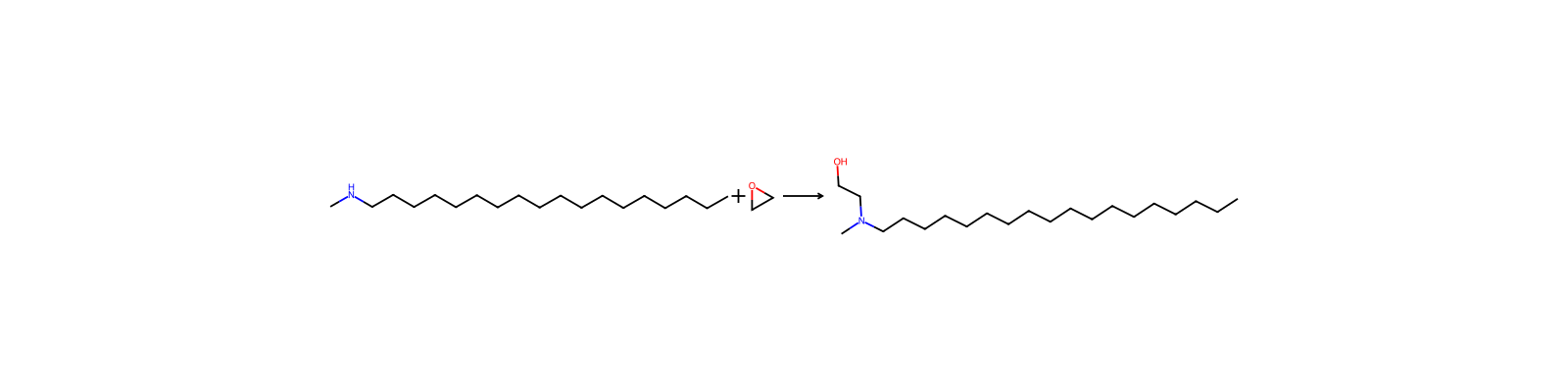
/In the/ manufacture of ethylene glycol and higher glycols, surfactants, acrylonitrile, ethanolamines; petroleum demulsifier; fumigant; rocket propellant; industrial sterilant (e.g., medical plastic tubing); fungicide.
For Ethylene oxide (USEPA/OPP Pesticide Code: 042301) ACTIVE products with label matches. /SRP: Registered for use in the U.S. but approved pesticide uses may change periodically and so federal, state and local authorities must be consulted for currently approved uses./
ETO is an antimicrobial and conventional chemical. It is a biocide, Pesticide: fungicide, fumigant, herbicide, insecticide, rodenticide used to control the following pests: American foulbrood disease (Bacillus larvae), animal pathogenic bacteria, animal pathogenic fungi, bacteria, bacterial spores, Candida albicans, European foulbrood disease (Streptoccus pluton), Herpes simplex virus, Hew (FDA/BVM), unspecified microorganisms, Mycobacterium spp., Nosema apis, Pseudomonas spp., Rhinoviruses, storage microorganisms, stored product insects, wax moth. ... ETO is used to sterilize medical or laboratory equipment, pharmaceuticals, and aseptic packaging ... or to reduce microbial load on musical instruments, cosmetics, whole and ground spices or other seasoning materials ... and artifacts, archival material or library objects. In North Carolina, ETO is also used to fumigate beehive equipment (eg, woodenware boxes and frames) and wax or plastic combs that are contaminated with the bacteria Paenibacillus larvae, the cause of American Foulbrood Disease.
ImpuritiesEthylene oxide is available commercially in the United States as a high-purity chemical that contains a maximum of 0.03% water, 0.003% aldehydes as acetaldehyde, and 0.002% acidity as acetic acid.
U.S. Exports
(1978) 3.46X10+10 G
(1983) 6.27X10+9 G
(1985) 2.82X10+10 g
CHEMICAL PROFILE: Ethylene Oxide. US Exports: 1994: 27 million pounds
For more U.S. Exports (Complete) data for ETHYLENE OXIDE (8 total), please visit the HSDB record page.
U.S. Imports
(1977) 1.15X10+10 G
(1982) 4.30X10+9 G
(1985) 1.03X10+10 g
CHEMICAL PROFILE: Ethylene Oxide. US Imports: 1994: 32 million pounds
For more U.S. Imports (Complete) data for ETHYLENE OXIDE (8 total), please visit the HSDB record page.
U.S. Production
2023: 7,000,000,000 - <8,500,000,000 lb;2022: 7,000,000,000 - <8,500,000,000 lb;2021: 5,500,000,000 - <7,000,000,000 lb;2020: 7,000,000,000 - <8,500,000,000 lb
(1977) 2.03X10+12 G
(1982) 2.26X10+12 G
(1986) 2.49X10+12 g /Estimated/
(1985) 2.58X10+12 g
For more U.S. Production (Complete) data for ETHYLENE OXIDE (20 total), please visit the HSDB record page.
Consumption Patterns
CHEM INT FOR ETHYLENE GLYCOL, 60.5%; CHEM INT FOR NONIONIC SURFACTANTS (ACYCLIC), 7.1%; CHEM INT FOR NONIONIC SURFACTANTS (CYCLIC), 4.6%; CHEM INT FOR GLYCOL ETHERS, 7.2%; CHEM INT FOR ETHANOLAMINES, 7.1%; CHEM INT FOR DIETHYLENE GLYCOL, 5.1%; CHEM INT FOR TRIETHYLENE GLYCOL, 2.1%; CHEM INT FOR POLYETHYLENE GLYCOL, 1.6%; OTHER, 4.7% (1981)
Monoethylene glycol, 59%; higher glycols, 15%; ethoxylates, 10%; ethanolamines, 6%; glycol ethers, 5%; miscellaneous, 5% (1984)
CHEMICAL PROFILE: Ethylene oxide. End-use Pattern for Ethylene Oxide in 1987;Table: End-use Pattern for Ethylene Oxide in 1987 [Table#594]
CHEMICAL PROFILE: Ethylene oxide. US Demand: 1986: 5.7 billion pounds; 1987: 5.8 billion pounds; 1991: 6.4 billion pounds /projected/
For more Consumption Patterns (Complete) data for ETHYLENE OXIDE (18 total), please visit the HSDB record page.
Consumer UsesOther;Monomers;Intermediate
Industry UsesMonomers;Intermediate
Methods of Manufacturing
(1) Oxidation of ethylene in air or oxygen with silver catalyst; (2) action of an alkali on ethylene chlorohydrin.
Prepared from ethylene chlorohydrin and potassium hydroxide ... manufactured by catalytic oxidation of ethylene.
Direct oxidation ... utilizes the catalytic oxidation of ethylene with oxygen over a silver-based catalyst ... .
The process involves the reaction of ethylene with hypochlorous acid followed by dehydrochlorination of the resulting chlorohydrin with lime .... . /Chlorohydrin process/
Ethylene oxide was first produced in the United States in 1921. Until 1937, ethylene oxide was produced by the chlorohydrin process, in which ethylene was treated with hypochlorous acid to produce ethylene chlorohydrin. Calcium hydroxide or sodium hydroxide was used to convert ethylene chlorohydrin to ethylene oxide. Currently in the United States, essentially all production of ethylene oxide uses the direct vapor phase oxidation process. This process oxidizes ethylene with air or oxygen in the presence of a silver catalyst to produce ethylene oxide.
Formulations/Preparations
ETO is formulated and marketed as a gas or a pressurized liquid. The end use formulations are all gas mixtures of ETO and inert gases (eg, carbon dioxide) in varying concentrations.
/ETHYLENE OXIDE/ IS MIXED WITH EITHER CARBON DIOXIDE OR FLUOROCARBON 12 ... TO ELIMINATE FLAMMABILITY ... . CARBOXIDE IS NONFLAMMABLE MIXTURE OF 10% BY WT ETHYLENE OXIDE IN CARBON DIOXIDE ... STERILANT 12 IS NONFLAMMABLE MIXT OF 12% BY WT ... IN FLUOROCARBON 12 ... .
Grades or purity: commercial: 100% must contain no acetylene.
GRADES: TECHNICAL; PURE (99.7%).
For more Formulations/Preparations (Complete) data for ETHYLENE OXIDE (35 total), please visit the HSDB record page.
Household Products
Cosmetics product ingredient: Ethylene oxide (Oxirane);Also known as: oxirane; dihydrooxirene; dimethylene oxide; epoxyethane; oxane;Source: Ethylene oxide is a highly reactive gas with a slightly sweet odor. Ethylene oxide is used primarily in the synthesis of other chemicals for use in perfumes and other cosmetics. It is also used in small amounts to sterilize food and cosmetics.;Potential health impacts: People are mainly exposed to ethylene oxide from inhaling ethylene oxide vapors. Studies of female rats given ethylene oxide orally found higher rates of stomach cancer. Studies of mice exposed to ethylene oxide by inhalation showed an increase in lung, uterine, and breast tumors. Many large occupational studies show that workers exposed to ethylene oxide have higher rates of breast, lymphatic, and hematopoietic (blood) cancers. The International Agency for Research on Cancer (IARC) categorizes ethylene oxide as a human carcinogen. California Proposition 65 lists ethylene oxide as both a carcinogen and a developmental toxin.;Product count: 180
Information on 66 consumer products that contain Ethylene oxide in the following categories is provided:;• Auto Products;• Commercial / Institutional;• Home Maintenance;• Inside the Home;• Personal Care;• Pet Care
Use ClassificationFood Additives -> PRESERVATIVE -> JECFA Functional Classes
応用分野
解説エチレンオキシド,酸化エチレン,オキシラン(oxirane)ともいう.工業的には,エテンをα-アルミナに銀とアルカリ金属を担持した触媒により,直接気相酸化して得られる.実験室的には,エチレンクロロヒドリンをアルカリと反応させて合成する.快香があり,沸点以下では無色の液体.融点-111.3 ℃,沸点12.5 ℃.水と自由に混合し,エタノール,エーテルに易溶.水和してエチレングリコールを生成し,水酸化アルカリ,塩化鉄(Ⅲ)などによって重合し,ポリエチレングリコールを生成する.種々の有機化合物の合成原料として用いられ,エチレングリコールとしてポリエステル原料,ポリエチレングリコールとして洗剤原料,化粧品基剤,繊維処理剤,合成樹脂原料,殺菌剤などに用いられる.
用途種々の有機化合物の誘導体(ポリオキシエチレン系界面活性剤、エチレングリコール、エタノールアミンなど)の合成反応に用いる。また、強力な殺菌剤として薫蒸消毒に用いられる。
説明Ethylene oxide (C2H4O) is a kind of cyclic ether with important industrial applications. Although it is highly toxic and dangerous for household application and consumers to use, it can be used for the manufacture of many important industrial and commercialized products as well as some chemicals and intermediates. For example, it is very useful in the production of detergents, thickeners, solvents, plastics, and many kinds of organic chemicals such as ethylene glycol, ethanolamines, simple and complex glycols, polyglycol ethers, and other compounds. It is also a commonly sterilization methods used in the healthcare industry. In addition, it can be used as an accelerator of maturation of tobacco leaves and fungicide, as well as the main component of thermobaric weapons (fuel-air explosives). In industry, it is generally manufactured through direct oxidation of ethylene. In low doses, it can be used as a pesticide and a sterilizing agent owing to its effect of causing DNA damage. However, this property also make it a potential carcinogen. ethylene oxide structure
天然物の起源Reported found in Bantu beer.
使用Ethylene oxide is widely used as a sterilizingagent; as a fumigant; as a propellant; in theproduction of explosives; in the manufactureof ethylene glycol, polyethylene oxide, gly-col ethers, crown ethers, ethanolamines, andother derivatives; and in organic synthesis.
使用用途エチレンオキシドは、そのままの状態で使用される場合と、他の化合物の合成用原料として使用される場合があります。そのままの状態で使用される場合は、強力な殺菌剤として使用されています。エチレンオキサイド滅菌と呼ばれる消毒に用いられ、高温での滅菌に耐えられない耐熱性の低いものの滅菌に効果的です。 また、合成用原料として使用される場合は、、エチレンオキシドが重合したポリエチレンオキシドの原料として使用されることが多いです。そのほか、、エチレンカーボネート、アルキルエーテルなどの原料としても使用されます。 ポリエチレンオキシドは高い親水性を持つため、疎水性であるアルキル基などと組み合わせることで、界面活性剤になり、非イオン系界面活性剤として洗剤などに活用することも可能です。
調製方法
製造方法By catalytic oxidation of ethylene.
Ethylene oxide is currently produced by the direct oxidation of ethylene with oxygen or air over a catalyst. Ethylene is approximately 60% converted to the oxide at temperatures in the range of 100–150℃. In the past, an indirect but more general and more specific synthesis path consisted of adding hypochlorous acid to olefins to form the chlorohydrins. Subsequent treatment with strong bases results in dehydrochlorination and the formation of the epoxide.
製造方法エチレンクロロヒドリンと水酸化アルカリとの反応により生成する。この反応は、1859年にフランスのC・A・ウュルツにより最初に行われた反応で、エチレンオキシドの実験室的製法として知られている。 1937年に銀触媒上でエチレンを空気または酸素で直接酸化する方法が開発され、工業的にはこの方法により製造されることが多い。
合成方法エチレンの直接気相酸化法
純化方法Dry oxirane with CaSO4, then distil it from crushed NaOH. It has also been purified by passage, as a gas, through towers containing solid NaOH. [Beilstein 17/1 V 3.]
上流・下流製品情報
上流原料
下流製品
補足説明
定義ChEBI: A saturated organic heteromonocyclic parent that is a three-membered heterocycle of two carbon atoms and one oxygen atom.
関連反応
856 件




関連ノート
読み込み中…