ホームMCPワークベンチSkills
ホームワークベンチ通知マイページ
llms.txt · MCPガイドプライバシーポリシー · 利用規約 · サポートv1.8.0
  1. ホーム
  2. /化合物

2,2'-アゾビス(イソブチロニトリル)

Azobisisobutyronitrile

HCID 6547
ノートを作成反応を作成見積依頼を出す
印刷プレビュー

データを補完しています。しばらくしてからページを更新すると最新の内容を表示できます

基本情報概要名称と識別子物性安全と法規制化学と産業関連反応化合物ノート
部分構造検索類似構造を探す

基本情報

CAS
34241-39-9
標準SMILES
CC(C)(C#N)N=NC(C)(C)C#N
InChIKey
OZAIFHULBGXAKX-UHFFFAOYSA-N
分子式
C8H12N4
平均分子量
164.21 g/mol
単同位体質量
164.1061964

概要

Insoluble in water and denser than water. Moderately toxic by ingestion. Readily ignited by sparks or flames. Burns intensely and persistently. Toxic oxides of nitrogen produced during combustion. Used as a catalyst, in vinyl polymerizations and a blowing agent for plastics.

名称と識別子

優先名称
Azobisisobutyronitrile
IUPAC
2-(2-cyanopropan-2-yldiazenyl)-2-methylpropanenitrile
現地名
2,2'-アゾビス(イソブチロニトリル)
英語名
AIBN
分子式
C8H12N4
分子量
164.21

名称と別名

78-67-12,2'-Azobis(2-methylpropionitrile)AzobisisobutyronitrileAzdhPorofor NAceto AZIBPianofor anPorofor 57Azobis(isobutyronitrile)Chkhz 57VAZO 64AZODIISOBUTYRONITRILE
名称をさらに表示
2,2'-アゾビス(イソブチロニトリル)ポリ-ゾールAZDN1,2-ビス(1-シアノ-1-メチルエチル)ジアゼン2,2'-アゾビス(2-メチルプロパンニトリル)バゾ642,2'-アゾビス[2-メチルプロパンニトリル]アゾビスイソブチロニトリルアゾイソブチロニトリルポロホール572,2'-ジシアノ-2,2'-アゾプロパンアセトAZIB2,2'-(ジアゼン-1,2-ジイル)ビス(2-メチルプロパンニトリル)α,α'-アゾビスイソブチロニトリル2,2,2',2'-テトラメチル[2,2'-アゾビスアセトニトリル]2,2'-アゾジイソブチロニトリル2,2'-アゾビス(2-メチルプロピオノニトリル)2,2'-アゾビスイソブチロニトリル2,2'-ジメチル-2,2'-ジアゼンジイルビス(プロパンニトリル)2,2'-アゾビス(2-メチルプロピオニトリル)2,2’-アゾビスイソブチロニトリルAIBNABINAZOISOBUTYRONITRILEAIVN2,2'-Azobisisobutyronitrile2,2-AZOBIS(2-METHYLPROPIONITRILE)ALPHA,ALPHA'-AZOISOBUTYRONITRILEPropanenitrile, 2,2'-azobis[2-methyl-
2,2'-Azobis(2-methylpropanenitrile)DTXSID10264572,2'-azobis(2-cyanopropane)PERKADOX AIBNDTXCID60809637alpha,alpha'-azobis(isobutyronitrile)Azobis[isobutyronitrile]2,2'-Azobis[2-methylpropionitrile]

データベース識別子

CAS
34241-39-9、78-67-1
PubChem CID
6547
DTXSID
DTXSID1026457
ChEMBL
CHEMBL1886625
ChEBI
CHEBI:189360
UNII
FZ6PX8U5YB
EC Number
201-132-3、829-366-7
Nikkaji
J1.955K、J3.670.816F

物性

構造計算による物性補完中

XLogP
1.3
極性表面積
72.3 Ų
水素結合供与体数
0
水素結合受容体数
4
回転可能結合数
2
重原子数
12
形式電荷
0
複雑度
251

実験および物理化学的性質

Chemical Classes · 2 件

Nitrogen Compounds -> Nitriles

Flammable agents - 3rd degree

SpringerMaterials PropertiesBoiling point
Density1.1 g/cm³
Color/Form · 2 件

CRYSTALS FROM ETHANOL + WATER

WHITE POWDER

Solubility · 3 件

SOL IN METHANOL @ 0, 20, 40 °C: 1.8, 4.96, 16.06 G/100 ML; SOL IN ETHANOL @ 0, 20, 40 °C: 0.58, 2.04, 7.15 G/100 ML

INSOL IN WATER; SOL IN MANY ORG SOLVENTS; SOL IN VINYL MONOMERS

Solubility in water at 20 °C: none

Melting Point221 °F (105 °C)
Vapor Pressure · 2 件

0.0067 [mmHg]

Vapor pressure, Pa at 20 °C:

Food Contact SubstancesFCS -> FDA Inventory of Food Contact Substances Listed in 21 CFR
Physical Description · 4 件

Insoluble in water and denser than water. Moderately toxic by ingestion. Readily ignited by sparks or flames. Burns intensely and persistently. Toxic oxides of nitrogen produced during combustion. Used as a catalyst, in vinyl polymerizations and a blowing agent for plastics.

安全と法規制

安全情報は参考情報です。供給元の安全データシート(SDS)、適用法令、専門家による評価に代わるものではありません。

GHS分類

GHS Classification · 6 件

Danger

H242: Heating may cause a fire [Danger Self-reactive substances and mixtures; Organic peroxides]

P210, P234, P235, P240, P261, P264, P270, P271, P273, P280, P301+P317, P304+P340, P317, P330, P370+P378, P403, P410, P411, P420, and P501 (click each P-code to see the statement)

Danger

H242 (100%): Heating may cause a fire [Danger Self-reactive substances and mixtures; Organic peroxides]

P210, P234, P235, P240, P261, P264, P270, P271, P273, P280, P301+P317, P304+P340, P317, P330, P370+P378, P403, P410, P411, P420, and P501 (click each P-code to see the statement)

危険有害性情報

Regulatory Information · 5 件

Chemical: Propanenitrile, 2,2'-azobis[2-methyl-

Propanenitrile, 2,2'-(1,2-diazenediyl)bis[2-methyl- is listed on the EPA's Chemical Data Reporting (CDR) system. Manufacturers and importers of Propanenitrile, 2,2'-(1,2-diazenediyl)bis[2-methyl- are required to report information about their production and use of this chemical to the EPA under the Toxic Substances Control Act (TSCA). (40 eCFR Part 711)

REACH registered substance: 2,2'-dimethyl-2,2'-azodipropiononitrile (EC: 201-132-3)

Propanenitrile, 2,2'-azobis(2-methyl)-: HSNO Approval: HSR001429 Approved with controls

The New Jersey Worker and Community Right to Know Act requires public and private employers to provide information about hazardous substances at their workplaces. (N.J.S.A. 34:5A-1 et. seq.)

Other Safety InformationIMAP assessments - Propanenitrile, 2,2'-azobis[2-methyl-: Human health tier I assessment
DOT LabelFlammable Solid
Fire Hazards · 2 件

Excerpt from ERG Guide 150 [Substances (Self-Reactive / Temperature Controlled)]:

Highly flammable. Finely dispersed particles form explosive mixtures in air. Risk of fire and explosion when dissolving in organic solvents. Explosive.

化学と産業

薬理情報

Metabolism/MetabolitesIN ORGANISM, FORMS HCN WHICH IS FOUND IN BLOOD, LIVER & BRAIN.

用途と製造

Uses · 5 件

Used as blowing agent (elastomers and plastics), catalyst (vinyl polymerizations), curing agent (unsaturated polyester resins), and fumigant (when heated); [HSDB]

Plastic Composites Manufacturing [Category: Industry]

BLOWING AGENT FOR ELASTOMERS & PLASTICS; INITIATOR FOR FREE RADICAL REACTIONS

CATALYST FOR VINYL POLYMERIZATIONS & FOR CURING UNSATURATED POLYESTER RESINS

AZOBISNITRILES ARE CARRIER GASES FOR FUMIGANTS. COMPOUND CONTAINING PERMETHRIN 10, 2,2'-AZOBISISOBUTYRONITRILE 80, & MOLDING AGENT 10 PARTS WAS GRANULATED. WHEN HEATED 92% OF PERMETHRIN GASIFIED.

U.S. Production2023: 1,000,000 - <2,500,000 lb
Consumer UsesOther
Industry UsesChain transfer agent
Methods of Manufacturing · 2 件

...BY OXIDATION OF ALPHA,ALPHA'-HYDRAZOBUTYRIC ACID DINITRILE: OVERBERGER ET AL, J AM CHEM SOC 71, 2661 (1949); HORNER, SCHWENK, ANN 566, 69 (1950); FROM 2-AMINOISOBUTYRONITRILE + NAOCL: BRITISH PATENT 672,106 (1952 TO DU PONT)...

...FROM 2,2'-DICHLORO-2,2'-AZOPROPANE: BENZING, ANN 631, 1 (1960); BRITISH PATENT 929,182 (1963 TO MONSANTO).

General Manufacturing Information · 2 件

Plastics Material and Resin Manufacturing

Propanenitrile, 2,2'-(1,2-diazenediyl)bis[2-methyl-: ACTIVE

応用分野 · 7 件

解説無色の結晶.融点107 ℃(分解).エーテル,エタノールに可溶,水に不溶.約80 ℃ 以上に加熱すると窒素を発生し,テトラメチルスクシノニトリルC6H12(CN)2になる.この分解反応過程で生成する1-シアノ-1-メチルエチルラジカルを利用して,ラジカル反応開始剤として広く用いられている.そのほか,スポンジなどの製造用発泡剤として,ゴム,エポキシ,および塩化ビニル樹脂の発泡体製造に用いられる.生体内ではシアン化水素を発生する.LD50 0.7 g/kg(マウス,経口).森北出版「化学辞典(第2版)

関連反応

3,883 件
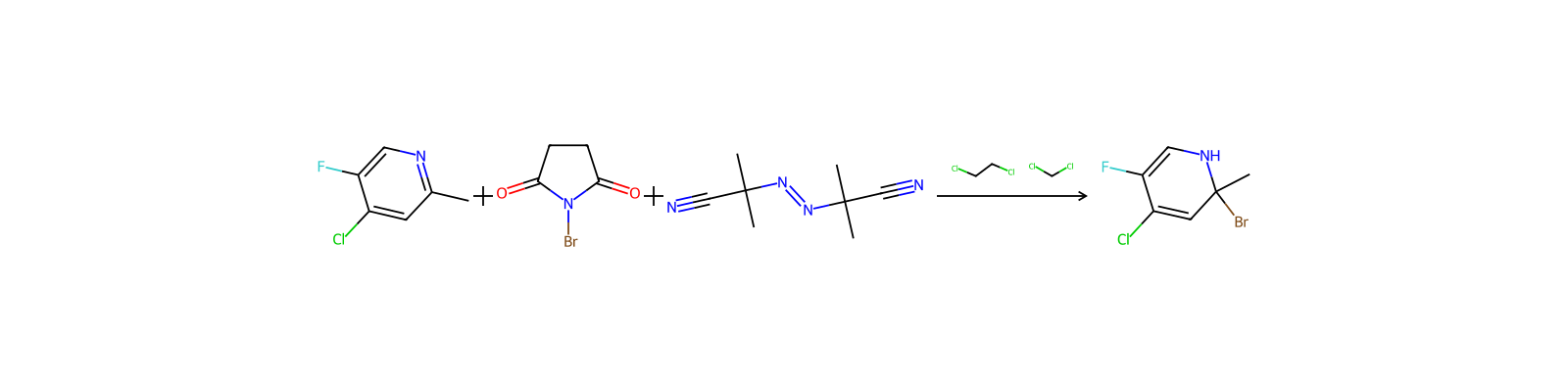
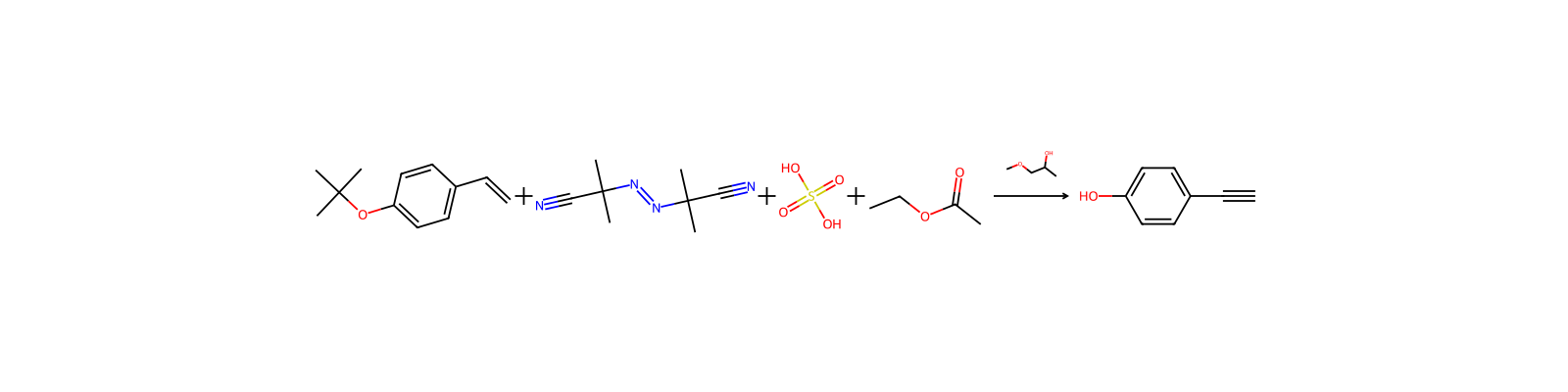
反応記録を作成
HRID 1402 の反応式
HRID 1402反応物としてuspto-grants-1998_03
HRID 1865 の反応式
HRID 1865反応物としてuspto-grants-1998_03
HRID 2449 の反応式
HRID 2449触媒としてuspto-grants-1998_03
HRID 2675 の反応式
HRID 2675反応物としてuspto-grants-1998_03
HRID 2676 の反応式
HRID 2676反応物としてuspto-grants-1998_03
HRID 2940 の反応式
HRID 2940反応物としてuspto-grants-1998_03
HRID 2943 の反応式
HRID 2943反応物としてuspto-grants-1998_03
HRID 2946 の反応式
HRID 2946反応物としてuspto-grants-1998_03
1 / 486 ページ

化合物ノート

読み込み中…

このページの内容基本情報概要名称と識別子物性安全と法規制化学と産業関連反応化合物ノート
その他の操作
ノートを作成反応を作成見積依頼を出す

Dry Powder; Other Solid; Large Crystals; CBI

White solid; [ICSC] Fine white crystals; [MSDSonline]

WHITE POWDER.

Autoignition Temperature · 2 件

147 °F (64 °C)

64 °C

Other Experimental PropertiesDECOMPOSES @ 107 °C

物理化学的性質

融点
102 · 102-104 °C (dec.)(lit.)
沸点
281.68 °C · 281.68°C (rough estimate)
比重(密度)
1.11 · 1.11
蒸気圧
0.81 Pa · 0.81Pa at 24.85℃
屈折率
20 · n20/D1.495
闪点
4 ℃ · 4℃
貯蔵温度
2 · 2-8°C
溶解性
クロロホルム(微量)、メタノール(微量)
外見
個体
色
EtOHからの結晶
臭い (Odor)
無臭
水溶解度
不溶性
比熱容量
1.45 J/ · Cp(crystal): 1.45 J/(g·K), at 25℃
Merck
13 · 13,920
BRN
1708400 · 1708400
Henry's Law Constant
2.4 · 2.4×100 mol/(m3Pa) at 25℃, Duchowicz et al. (2020)
安定性
可燃性固体。衝撃に敏感。熱的に不安定。アセトンまたはヘプタンと混合すると爆発する可能性があります。酸化剤と相容れない。
InChI
1S/C8H12N4/c1-7(2,5-9)11-12-8(3,4)6-10/h1-4H3/b12-11+
InChIKey
OZAIFHULBGXAKX-VAWYXSNFSA-N
SMILES
CC(C)(\N=N\C(C)(C)C#N)C#N
LogP
1.1 at · 1.1 at 25℃
CAS データベース
78 · 78-67-1(CAS DataBase Reference)
NISTの化学物質情報
2 · 2,2'-Azo-bis-isobutyronitrile(78-67-1)
EPAの化学物質情報
Azobis(isobutyronitrile) (78-67-1)

化学的性質

化学性质白色結晶,分解温度 106℃,水・アルコー ルに微溶

Health HazardsExcerpt from ERG Guide 150 [Substances (Self-Reactive / Temperature Controlled)]:
Hazards Summary · 1 件

Forms hydrogen cyanide in the body; [Merck Index] Decomposed by warming forming toxic fumes such as tetramethylsuccinonitrile and cyanide; May decompose explosively from heating, shock, friction, or concussion; May cause CNS and liver effects; [ICSC] May form explosive mixture of dust in air; May self-decompose or self-ignite from heat, chemical reaction, or impact; [CAMEO] Effects in high-dose animal studies include toxicity to liver and kidneys; [eChemPortal: SIDSUNEP] Highly flammable; May explode from shock, friction, fire, or other source of ignition; May cause irritation; Targets the CNS, liver, and kidneys; [MSDSonline] See NITRILES.

Reactive GroupAzo, Diazo, Azido, Hydrazine, and Azide Compounds
EC ClassificationSymbol: E, Xn; R: 2-11-20/22-52/53; S: (2)-39-41-47-61
UN ClassificationUN Hazard Class: 4.1
Reactivity AlertsExplosive
Reactivity Profile · 1 件

Self-decomposition or self-ignition may be triggered by heat, chemical reaction, friction or impact. Self-accelerating decomposition may occur if the specific control temperature is not maintained. These materials are particularly sensitive to temperature rises. AZODIISOBUTYRONITRILE is an azo compound. Azo, diazo, azido compounds can detonate. This applies in particular to organic azides that have been sensitized by the addition of metal salts or strong acids. Toxic gases are formed by mixing materials of this class with acids, aldehydes, amides, carbamates, cyanides, inorganic fluorides, halogenated organics, isocyanates, ketones, metals, nitrides, peroxides, phenols, epoxides, acyl halides, and strong oxidizing or reducing agents. Flammable gases are formed by mixing materials in this group with alkali metals. Explosive combination can occur with strong oxidizing agents, metal salts, peroxides, and sulfides.

Chemical Dangers · 1 件

Decomposes on warming. This produces toxic fumes of tetramethylsuccinonitrile (see ICSC 1121) and cyanide. May decompose explosively on shock, friction or concussion. May explode on heating. Reacts violently with alcohols, oxidants, ketones such as acetone, aldehydes and hydrocarbons such as heptane. This generates fire and explosion hazard.

安全と保護具

Fire Fighting · 2 件

Excerpt from ERG Guide 150 [Substances (Self-Reactive / Temperature Controlled)]:

Use water in large amounts, water spray. In case of fire: keep drums, etc., cool by spraying with water.

First Aid Measures · 4 件

Fresh air, rest. Refer for medical attention.

Remove contaminated clothes. Rinse skin with plenty of water or shower.

First rinse with plenty of water for several minutes (remove contact lenses if easily possible), then refer for medical attention.

Induce vomiting (ONLY IN CONSCIOUS PERSONS!). Give a slurry of activated charcoal in water to drink. Refer for medical attention .

First AidExcerpt from ERG Guide 150 [Substances (Self-Reactive / Temperature Controlled)]:
Safe StorageFireproof. Cool. Separated from strong oxidants and incompatible materials. See Chemical Dangers.
Nonfire Spill ResponseExcerpt from ERG Guide 150 [Substances (Self-Reactive / Temperature Controlled)]:
Spillage Disposal · 1 件

Consult an expert! Personal protection: filter respirator for organic gases and particulates adapted to the airborne concentration of the substance. Do NOT let this chemical enter the environment. Remove all ignition sources. Sweep spilled substance into covered containers. If appropriate, moisten first to prevent dusting.

Isolation and EvacuationExcerpt from ERG Guide 150 [Substances (Self-Reactive / Temperature Controlled)]:
Eye PreventionWear safety goggles or eye protection in combination with breathing protection.
Fire PreventionNO open flames, NO sparks and NO smoking. Do NOT expose to friction or shock. Closed system, dust explosion-proof electrical equipment and lighting. Prevent deposition of dust. Prevent build-up of electrostatic charges (e.g., by grounding).
Inhalation RiskEvaporation at 20 °C is negligible; a harmful concentration of airborne particles can, however, be reached quickly when dispersed.
Skin PreventionProtective gloves.
Exposure PreventionPREVENT DISPERSION OF DUST!

毒性情報

Adverse EffectsOccupational hepatotoxin - Secondary hepatotoxins: the potential for toxic effect in the occupational setting is based on cases of poisoning by human ingestion or animal experimentation.
Exposure RoutesThe substance can be absorbed into the body by ingestion.
Signs and SymptomsHeadache. Nausea. Weakness. Convulsions.
ICSC Environmental DataThe substance is harmful to aquatic organisms. The substance may cause long-term effects in the aquatic environment.
Human Toxicity ExcerptsMAY BE TOXIC BY INGESTION.
Probable Routes of Human Exposure...IS TOXIC, & RELEASES NITROGEN GAS & RESIDUE OF TETRAMETHYL SUCCINIC DINITRILE, WHICH PERSISTS IN FOAM. THIS COMPD...HAS BEEN BELIEVED TO BE CAUSE OF HEADACHE, NAUSEA, & OTHER ILL-DEFINED SYSTEMIC COMPLAINTS IN WORKERS.
Toxicity DataLC (rat) > 12,000 mg/m3/4h

安全データ

F
4.4
wgk
2
tsca
TSCA listed
rtecs
UG0800000
ridadr
UN 3234 4.1
毒性
LDLo orl-rat: 670 mg/kg 34ZIAG 0,117,69
PRTR法
第一種指定化学物質
hs_code
29269090
risk_code
2-11-20/22-52/53-67-65-48/20-38-63-66-36
化審法
(2)-1531
消防法
危-5-II
hazard_code
E,Xn,F,Xi
safety_code
39-41-47-61-62-36/37-16-26
hazard_class
4.1
packing_group
II
毒劇物取締法
劇物
環境リスク評価
2,2'-アゾビスイソブチロニトリル(78-67-1)
Hazard Classifications
Aquatic Chronic 3Asp. Tox. 1Flam. Liq. 2Repr. 2Skin Irrit. 2STOT RE 2STOT SE 3
ストレージクラス
3 - Flammable liquids
有毒物質データの
78-67-1(Hazardous Substances Data)

用途それを応用する発泡剤、ラジカル重合誘発剤、ハロゲネーション用触媒。

用途合成樹脂ゴムの発泡剤、重合酸化触媒

用途合成樹脂原料(発泡剤、重合開始剤)。

使用Used as an initiator in the synthesis of highly cross-linked Poly(divinylbenzene) (PDVB) polymers. 1 Used as an initiator in the polymerization process of 2-hydroxyethyl methacrylate (HEMA). 2

一般的な説明Insoluble in water and denser than water. Moderately toxic by ingestion. Readily ignited by sparks or flames. Burns intensely and persistently. Toxic oxides of nitrogen produced during combustion. Used as a catalyst, in vinyl polymerizations and a blowing agent for plastics.

使用用途アゾビスイソブチロニトリルは、容易に分解して、窒素ガスの放出とともに2-シアノ-2-プロピルラジカルを与えます。この性質を利用して、各種ラジカル反応のラジカル開始剤として広く利用されています。 代表的な反応は、ビニル化合物やなどの汎用ポリマーを合成する重合反応や、 (HBr) を用いたアルケンのヒドロ臭素化反応などです。を溶媒とするとの混合溶液にアゾビスイソブチロニトリルを加えて穏やかに加熱すると、ポリスチレンを得ることができます。また、有機合成における中間体、ゴムやプラスチックなどの発泡剤などの利用用途もあります。

上流・下流製品情報

上流原料

ブチロニトリル次亜塩素酸ナトリウムアセトンシアンヒドリン抱水ヒドラジンアセトン塩素シアン化ナトリウム

下流製品

4-[4-(ブロモメチル)フェニル]-1,2,3-チアジアゾールジクロロアセチル クロリドsuper absorbent resin synthesized by microwave cation ion radiation4-(ピペリジン-1-カルボニル)フェニルボロン酸2,1,3-ベンゾチアジアゾール-5-イルメタノール4-(2-CYANOETHYLAMINOCARBONYL)PHENYLBORONIC ACID2',3'-ジデオキシイノシン2,1,3-ベンゾチアジアゾール-5-カルバルデヒド3-(2-CYANOETHYLAMINOCARBONYL)PHENYLBORONIC ACIDgraft copolymer PAA-G-PIPA microsphere2-(ブロモメチル)安息香酸2,6-ジクロロベンズアルデヒドジベンゾスベレノンジフェニル[2-(トリエトキシシリル)エチル]ホスフィン4,5,6,7-テトラクロロイソベンゾフラン-1(3H)-オン2,1,3-ベンゾオキサジアゾール-4-カルボキシアルデヒド2-TRIFLUOROMETHYLQUINOLINE-7-CARBOXYLIC ACID4-(1,2,3-チアジアゾール-4-イル)ベンズアルデヒドa new kind of liquid crystal copolymer3,7-ジクロロ-8-(ジクロロメチル)キノリン4-(ブロモメチル)-3-メトキシ安息香酸メチル1-(3-CHLORO-4-((CYCLOPROPYLAMINO)METHYL)PHENYL)ETHANONE3-QUINOLIN-2-YLPROPANOIC ACID4-(1,2,3-THIADIAZOL-4-YL)BENZYLAMINE HYDROCHLORIDE2-クロロベンジル クロリドMaleic acid-allyl alcohol copolymerdimethylacrolyl phenoxy propanestyrene copolymer optical plastics2-ブロモ-2-(2-クロロフェニル)酢酸メチル5-(ブロモメチル)ベンゾ[C][1,2,5]チアジアゾールamphoteric super absorbent resin synthesized by microwave radiationα-(4-クロロフェニル)-α-トリクロロメチル-4-クロロベンゼンメタノール3-フェノキシフェニルアセトニトリル3-CHLORO-4-((CYCLOPROPYLAMINO)METHYL)BENZALDEHYDE11ブロモウンデカン酸デフラザコート1-(3-カルボキシアルデヒドベンジル)ピペリジン2'-ニトロアセトフェノン2,4-ジクロロベンジルクロリド2-ニトロベンジルブロミド1-[4-(4,4,5,5-テトラメチル-1,3,2-ジオキサボロラン-2-イル)ベンジル]ピロリジン

補足説明

定義ChEBI: (E)-Azobis(isobutyronitrile) is an azo compound.