ホームMCPワークベンチSkills
ホームワークベンチ通知マイページ
llms.txt · MCPガイドプライバシーポリシー · 利用規約 · サポートv1.8.0
  1. ホーム
  2. /化合物

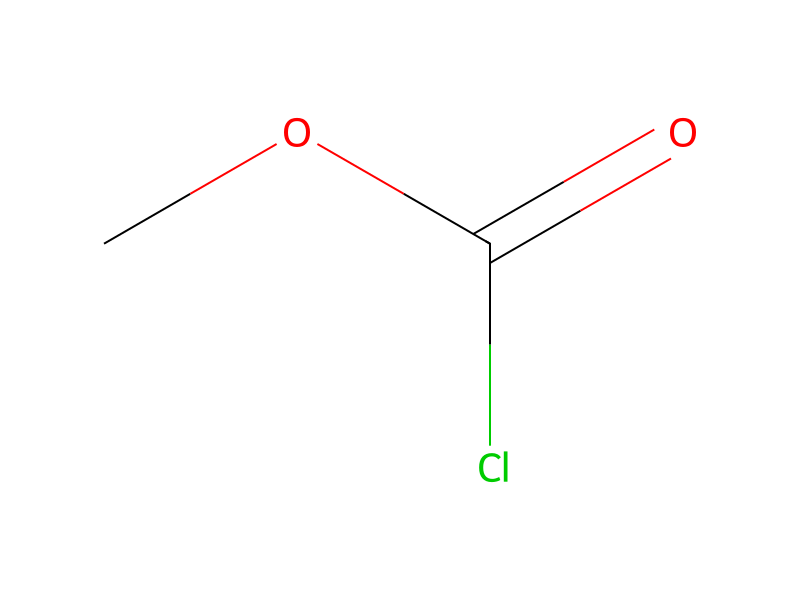
メチルクロロホルマート

Methyl chloroformate

HCID 6586
ノートを作成反応を作成見積依頼を出す
印刷プレビュー

データを補完しています。しばらくしてからページを更新すると最新の内容を表示できます
基本情報概要名称と識別子物性安全と法規制化学と産業関連反応化合物ノート
部分構造検索類似構造を探す

基本情報

CAS
79-22-1
標準SMILES
COC(=O)Cl
InChIKey
XMJHPCRAQCTCFT-UHFFFAOYSA-N
分子式
C2H3ClO2
平均分子量
94.5 g/mol
単同位体質量
93.98215702

概要

Methyl chloroformate appears as a colorless liquid with a pungent odor. Flash point 54 °F. Corrosive to metals and tissue. Vapors heavier than air. Very toxic by inhalation. Used to make other chemicals and insecticides.

名称と識別子

優先名称
Methyl chloroformate
IUPAC
methyl carbonochloridate
現地名
メチルクロロホルマート
英語名
Methyl chloroformate
分子式
C2H3ClO2
分子量
94.5

名称と別名

METHYL CHLOROFORMATE79-22-1Methyl chlorocarbonateChloroformic acid methyl esterMethoxycarbonyl chlorideMetilcloroformiatoK-StoffMethylchloorformiaatCarbonochloridic acid, methyl esterFormic acid, chloro-, methyl esterChloroformiate de methyleChlorocarbonic acid methyl ester
名称をさらに表示
クロロぎ酸メチルメチルクロロホルマート(炭酸メチル)クロリドメトキシぎ酸クロリドクロロ炭酸メチルクロリド炭酸メチルカルボノクロリジン酸メチルメトキシメタン酸クロリドクロロ炭酸メチルエステルm-tert.-ブチルフェニルクロロフォ-メ-トクロロギ酸メチル 塩化物クロロ蟻酸メチルメチルクロロホルマートMethyl carbonochloridateMCFMethyl Chloroforatetl438CarbonoJACS-79-22-1
Chlorocarbonate de methyleChlorameisensaeure methylesterTL 438DTXSID0024185Methylester kyseliny chlormravenciMethylester kyseliny chloruhliciteRC6VA8OB2NDTXCID004185

データベース識別子

CAS
79-22-1
PubChem CID
6586
DTXSID
DTXSID0024185
ChEMBL
CHEMBL3182300
UNII
RC6VA8OB2N
EC Number
201-187-3
Nikkaji
J3.836I

物性

構造計算による物性補完中

XLogP
1.2
極性表面積
26.3 Ų
水素結合供与体数
0
水素結合受容体数
2
回転可能結合数
1
重原子数
5
形式電荷
0
複雑度
42.9

実験および物理化学的性質

Chemical Classes · 2 件

Toxic Gases & Vapors -> Acid Halides

Corrosives

SpringerMaterials PropertiesCoriolis coupling
PesticidesPesticide -> EPA IRIS
OdorUnpleasant, acrid
Density · 4 件

1.223 at 68 °F (EPA, 1998) - Denser than water; will sink

1.223 @ 20 °C/4 °C

Relative density (water = 1): 1.22

1.22 @ 20°C

Color/FormCLEAR LIQUID
Solubility · 2 件

SOL IN CHLOROFORM, BENZENE, IN ALL PROPORTIONS IN ALCOHOL, ETHER

Solubility in water: poor

CorrosivityCorrodes rubber
Flash Point · 5 件

54 °F (EPA, 1998)

12 °C

24.4 °C (Tag open cup), 17.8 °C (Tag closed cup)

76 °F (open cup); 73 °F (closed cup)

12 °C

Boiling Point · 4 件

安全と法規制

安全情報は参考情報です。供給元の安全データシート(SDS)、適用法令、専門家による評価に代わるものではありません。

GHS分類

GHS Classification · 6 件

Danger

H225: Highly Flammable liquid and vapor [Danger Flammable liquids]

P210, P233, P240, P241, P242, P243, P260, P264, P270, P271, P280, P284, P301+P317, P301+P330+P331, P302+P352, P302+P361+P354, P303+P361+P353, P304+P340, P305+P354+P338, P316, P317, P320, P321, P330, P362+P364, P363, P370+P378, P403+P233, P403+P235, P405, and P501 (click each P-code to see the statement)

Danger

H225 (100%): Highly Flammable liquid and vapor [Danger Flammable liquids]

P210, P233, P240, P241, P242, P243, P260, P264, P264+P265, P270, P271, P280, P284, P301+P316, P301+P317, P301+P330+P331, P302+P352, P302+P361+P354, P303+P361+P353, P304+P340, P305+P354+P338, P316, P317, P320, P321, P330, P362+P364, P363, P370+P378, P403+P233, P403+P235, P405, and P501 (click each P-code to see the statement)

危険有害性情報

Hazards IdentificationToxic/poison by inhalation (TIH/PIH)
Regulatory Information · 5 件

Chemical: Carbonochloridic acid, methyl ester

Carbonochloridic acid, methyl ester is listed on the EPA's Chemical Data Reporting (CDR) system. Manufacturers and importers of Carbonochloridic acid, methyl ester are required to report information about their production and use of this chemical to the EPA under the Toxic Substances Control Act (TSCA). (40 eCFR Part 711)

Status: Active Update: 15-07-2020 https://echa.europa.eu/registration-dossier/-/registered-dossier/13903

Methyl chloroformate: HSNO Approval: HSR006728 Approved with controls

The New Jersey Worker and Community Right to Know Act requires public and private employers to provide information about hazardous substances at their workplaces. (N.J.S.A. 34:5A-1 et. seq.)

Other Safety InformationEvaluation - Chemicals that are unlikely to require further regulation to manage risks to human health
DOT LabelPoison Inhalation Hazard Flammable Liquid Corrosive

化学と産業

用途と製造

Uses · 6 件

Used to make pesticides, pharmaceuticals and other chemicals; Used as a solvent in the photographic industry; [HSDB]

Photographic Processing [Category: Other]

Organic synthesis, insecticides.

... AS A WARFARE AGENT DURING WORLD WAR I. /FORMER USE/

Reactive intermediate to pesticides, pharmaceuticals and other chemicals; pharmaceutical synthesis, agricultural products (herbicides, insecticides)

Used as solvent in the photographic industry ... employed in the production of carbamates that are used to synthesize dyes, drugs, veterinary medicines, herbicides, and insecticides ... . Used as starting material for the synthesis of the preservative velcorin.

ImpuritiesCarbon dioxide, hydrogen chloride, phosgene, and alkyl chlorides; main impurities are corresponding carbonates /Chloroformic esters/
U.S. Production2023: 50,000 - <250,000 lb
Industry UsesIntermediate
Methods of ManufacturingMADE FROM PHOSGENE AND METHYL ALCOHOL
Formulations/Preparations · 4 件

GRADES OR PURITY: 97+%

Grade: Technical (95% minimum)

Typical specifications of commercial chloroformates: purity, 98%; phosgene, <0.1%, iron, <10 ppm; acidity as HCl, <0.1%; alcohol or phenol, <2% /Chloroformic esters/

Commercial products have concentrations of 97-99 wt% /Chloroformic esters/

General Manufacturing Information · 3 件

All Other Basic Organic Chemical Manufacturing

Carbonochloridic acid, methyl ester: ACTIVE

Most chloroformate production is used captively and production figures are not available.

応用分野 · 3 件

関連反応

3,575 件
反応記録を作成
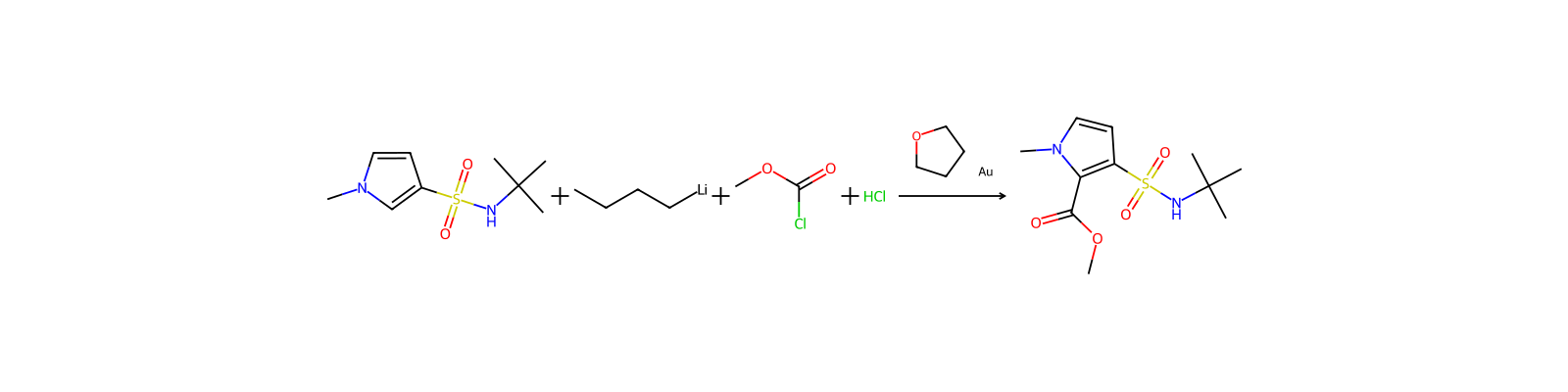
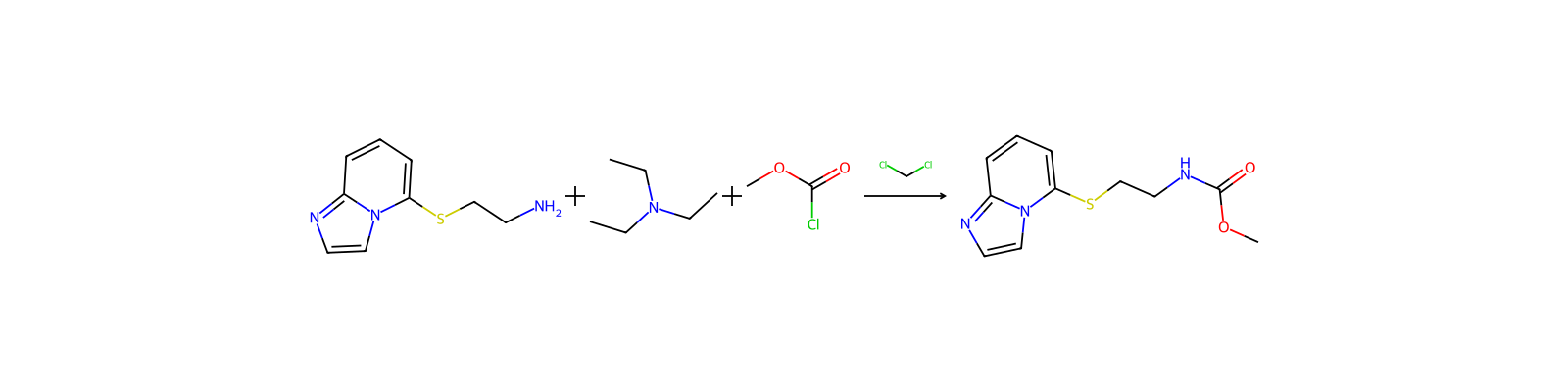
HRID 813 の反応式
HRID 813反応物としてuspto-grants-1998_03
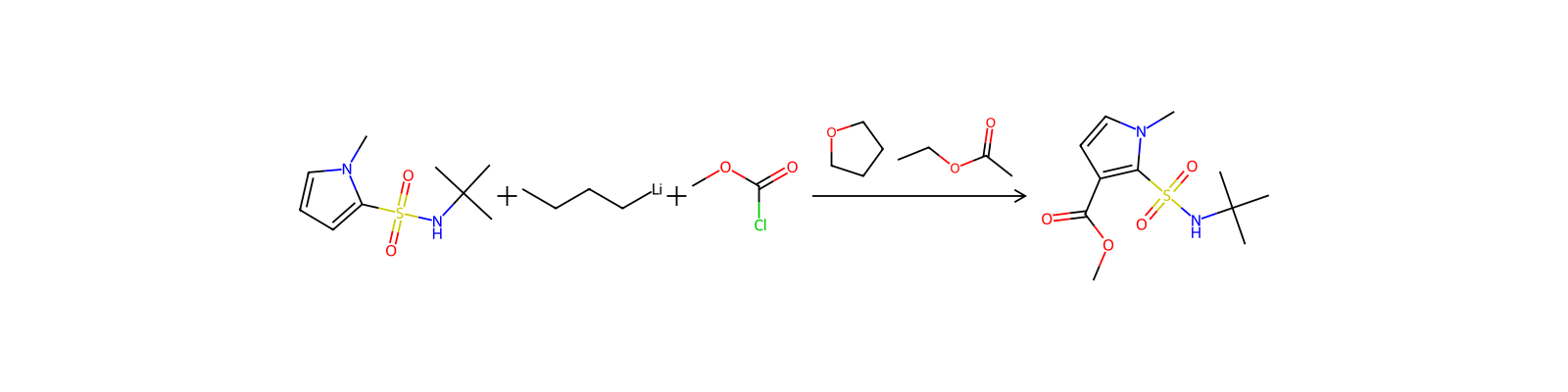
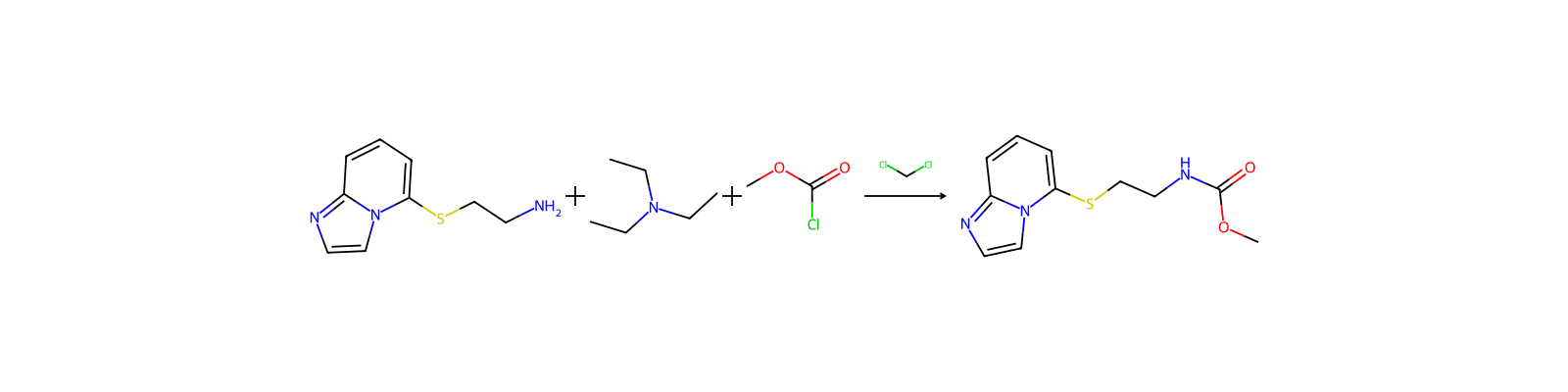
HRID 814 の反応式
HRID 814反応物としてuspto-grants-1998_03
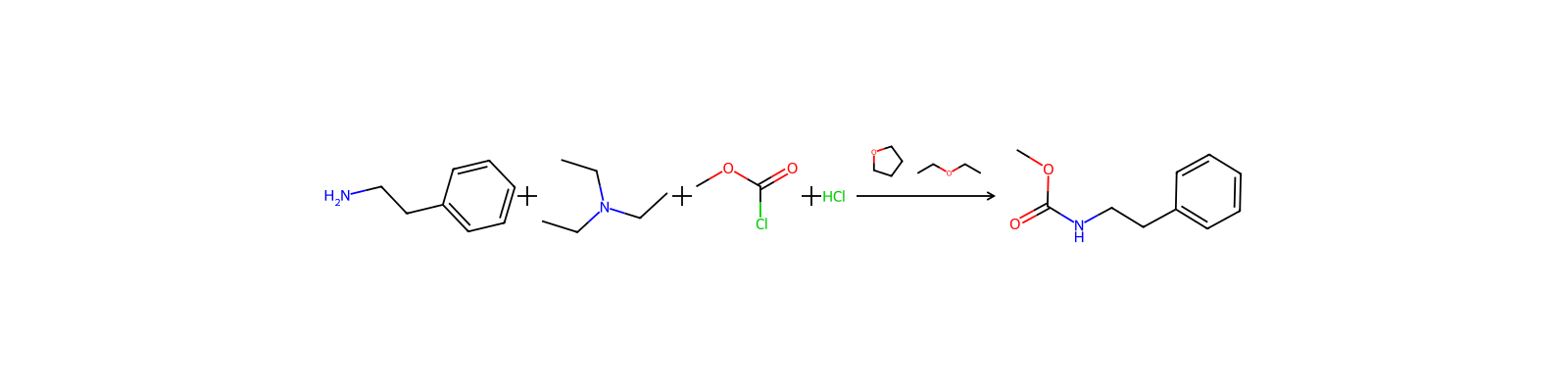
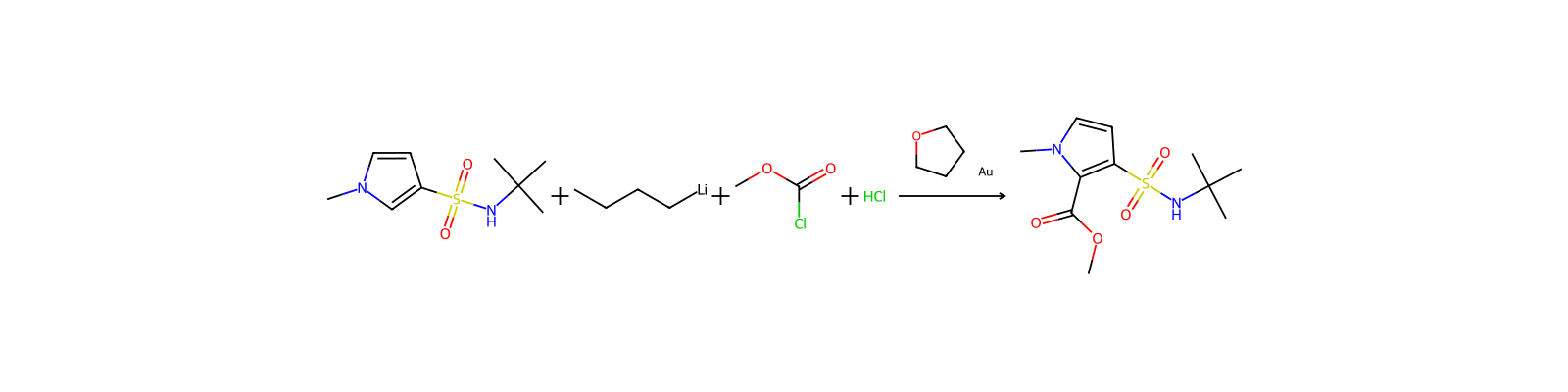
HRID 828 の反応式
HRID 828反応物としてuspto-grants-1998_03
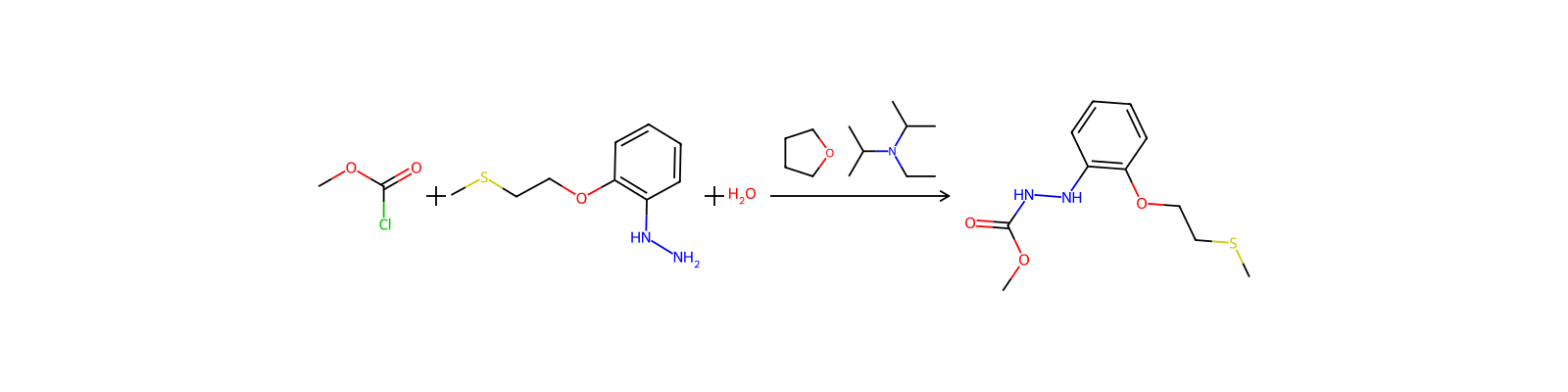
HRID 1593 の反応式
HRID 1593反応物としてuspto-grants-1998_03
HRID 4244 の反応式
HRID 4244反応物としてuspto-grants-1988_02
HRID 4939 の反応式
HRID 4939反応物としてuspto-grants-1993_09
HRID 5448 の反応式
HRID 5448反応物としてuspto-grants-1993_09
HRID 5483 の反応式
HRID 5483反応物としてuspto-grants-1993_09
1 / 447 ページ

化合物ノート

読み込み中…

このページの内容基本情報概要名称と識別子物性安全と法規制化学と産業関連反応化合物ノート
その他の操作
ノートを作成反応を作成見積依頼を出す

160 °F at 760 mmHg (EPA, 1998)

71.0 °C

71 °C

70.5 °C @760 [mm Hg]

DecompositionWHEN HEATED TO DECOMPOSITION, EMITS HIGHLY TOXIC FUMES OF METHYL CHLOROFORMATE AND PHOSGENE.
Melting Point · 3 件

less than -114 °F (USCG, 1999)

Less than -114 °F= less than -81 °C= less than 192 deg K

-61 °C

物理化学的性質

融点
-61 °C · -61°C
沸点
70 · 70-72 °C(lit.)
比重(密度)
1.223 g/mL · 1.223 g/mL at 25 °C(lit.)
蒸気密度
3.26 · 3.26 (vs air)
蒸気圧
4.8 psi · 4.8 psi ( 20 °C)
屈折率
20 · n20/D 1.387(lit.)
闪点
64 °F · 64 °F
貯蔵温度
0 · Store at 0-5°C
溶解性
クロロホルム、酢酸エチル
外見
液体
色
無色透明~薄黄色
臭い (Odor)
刺激的。
水溶解度
加水分解
Merck
13 · 13,6071
Dielectric constant
12.9 · 12.9
安定性
湿気に敏感
CAS データベース
79 · 79-22-1(CAS DataBase Reference)
NISTの化学物質情報
Carbonochloridic acid, methyl ester(79-22-1)
EPAの化学物質情報
Methyl chlorocarbonate (79-22-1)

化学的性質

化学的特性Methyl chloroformate is a colorless liquid with an unpleasant, acrid odor. This is a highly corrosive and flammable material. Decomposed by hot water; stable to cold water. Soluble in methanol alcohol, ether, and benzene.

Fire Hazards · 3 件

This chemical is very dangerous when exposed to heat sources, sparks, flame, or oxidizers. It will react with water or steam to produce toxic and corrosive fumes. Vapors may travel to a source of ignition and flash back. Withdraw immediately in case of rising sound from venting safety device or any discoloration of tank due to fire. Toxic fumes of phosgene are produced when the material is heated to decomposition. Heat or steam should be avoided. (EPA, 1998)

· HIGHLY FLAMMABLE: Will be easily ignited by heat, sparks or flames.

Highly flammable. Gives off irritating or toxic fumes (or gases) in a fire. Vapour/air mixtures are explosive.

Fire PotentialVERY DANGEROUS WHEN EXPOSED TO HEAT SOURCES, SPARKS, FLAME, OR OXIDIZERS.
Health Hazards · 2 件

Methyl chloroformate is highly toxic upon inhalation and upon ingestion. A concentration of 1 mg/liter (190 ppm) has been lethal in 10 minutes. It is corrosive and irritating to skin. (EPA, 1998)

· TOXIC and/or CORROSIVE; inhalation, ingestion or contact (skin, eyes) with vapors, dusts or substance may cause severe injury, burns or death.

Hazards Summary · 1 件

Very toxic by inhalation; Causes burns; [ESIS] A corrosive substance that causes lacrimation and may cause lung edema after inhalation of high concentrations; [ICSC] A concentration of 1 mg/liter (190 ppm) has been lethal in 10 minutes. [CAMEO] Flammable, dangerous fire risk; [Hawley] Very toxic by inhalation and toxic by skin contact and ingestion; Causes burns; Lachrymator; [MSDSonline] See CHLOROFORMATES.

DOT ID and Guide1238 155
Reactive GroupAcyl Halides, Sulfonyl Halides, and Chloroformates
EC ClassificationSymbol: F, T+; R: 11-21/22-26-34; S: (1/2)-14-26-28-36/37-39-45-46-63
UN ClassificationUN Hazard Class: 6.1; UN Subsidiary Risks: 3 and 8; UN Pack Group: I

安全と保護具

Fire Fighting · 2 件

Isolate for 1/2 mile in all directions if tank car or truck is involved in fire. Wear positive pressure breathing apparatus and special protective clothing.

Shut off supply; if not possible and no risk to surroundings, let the fire burn itself out. In other cases extinguish with foam, powder, carbon dioxide, dry sand. In case of fire: keep drums, etc., cool by spraying with water. NO direct contact with water.

First Aid Measures · 4 件

Fresh air, rest. Half-upright position. Artificial respiration may be needed. Refer for medical attention.

Remove contaminated clothes. Rinse and then wash skin with water and soap. Refer for medical attention .

First rinse with plenty of water for several minutes (remove contact lenses if easily possible), then refer for medical attention.

Rinse mouth. Do NOT induce vomiting. Refer for medical attention .

Accidental Release Measures · 2 件

· CALL 911. Then call emergency response telephone number on shipping paper. If shipping paper not available or no answer, refer to appropriate telephone number listed on the inside back cover.

· ELIMINATE all ignition sources (no smoking, flares, sparks or flames) from immediate area.

First Aid · 2 件

Warning: Methyl chloroformate is very irritating and corrosive to the skin, eyes, and mucous membranes. Inhalation exposure for 10 minutes has caused human fatalities at concentrations of 190 ppm. Caution is advised.

General First Aid:

Safe StorageFireproof. Provision to contain effluent from fire extinguishing. Separated from strong oxidants and food and feedstuffs. Dry. Well closed. Keep in a well-ventilated room.
Firefighting HazardsVapor is heavier than air and may travel a considerable distance to a source of ignition and flash back.
Exposure Control and Personal Protection · 3 件

· Wear positive pressure self-contained breathing apparatus (SCBA).

TIH (Toxic Inhalation Hazard) - Term used to describe gases and volatile liquids that are toxic when inhaled. Some are TIH materials themselves, e.g., chlorine, and some release TIH gases when spilled in water, e.g., chlorosilanes. [ERG 2016].

0.2 [ppm]

Fire Fighting Procedures · 2 件

Water, dry chem, foam, carbon dioxide. Cool exposed containers with water.

If material on fire or involved in fire: Do not extinguish fire unless flow can be stopped. Use "alcohol" foam, dry chemical or carbon dioxide. Cool all affected containers with flooding quantities of water. Apply water from as far a distance as possible. Do not use water on material itself. If large quantities of combustibles are involved, use water in flooding quantities as spray and fog. Use water spray to knock-down vapors.

Storage ConditionsOWING TO THE FACT THAT THESE CMPD DECOMPOSE EASILY, STORAGE CONTAINERS SHOULD BE VENTED. /CHLOROFORMATES/
Nonfire Spill ResponseExcerpt from ERG Guide 155 [Substances - Toxic and/or Corrosive (Flammable / Water-Sensitive)]:
Disposal Methods · 3 件

Generators of waste (equal to or greater than 100 kg/mo) containing this contaminant, EPA hazardous waste number U156, must conform with USEPA regulations in storage, transportation, treatment and disposal of waste.

Methyl chloroformate is a waste chemical stream constituent which may be subjected to ultimate disposal by controlled incineration. Incineration, preferably after mixing with another combustible fuel; care must be exercised to assure complete combustion to prevent the formation of phosgene. An acid scrubber is necessary to remove the halo acids produced.

A potential candidate for liquid injection incineration at a temperature range of 650 to 1,600 °C and a residence time of 0.1 to 2 seconds. A potential candidate for rotary kiln incineration at a temperature range of 820 to 1,600 °C and residence times of seconds for liquids and gases, and hours for solids. A potential candidate for fluidized bed incineration at a temperature range of 450 to 980 °C and residence times of seconds for liquids and gases, and longer for solids.

Spillage Disposal · 1 件

Evacuate danger area! Consult an expert! Personal protection: chemical protection suit including self-contained breathing apparatus. Do NOT let this chemical enter the environment. Collect leaking and spilled liquid in sealable containers as far as possible. Absorb remaining liquid in dry sand or inert absorbent. Then store and dispose of according to local regulations. Do NOT wash away into sewer.

毒性情報

Environmental Fate · 3 件

TERRESTRIAL FATE: If methyl chloroformate is released to soil, it should rapidly hydrolyze if the soil is moist, based upon the relatively rapid hydrolysis observed in aqueous solution(1,SRC). Since it rapidly hydrolyzes, biodegradation, adsorption, and volatilization from moist soil are not expected to be significant processes, although no data specifically regarding the fate of methyl chloroformate in soil were located(SRC). Based upon a measured vapor pressure of 108.5 mm Hg at 25 °C(2), volatilization from dry near-surface soil or other surfaces may be a significant process(SRC).

AQUATIC FATE: If methyl chloroformate is released to water, it will be expected to hydrolyze relatively rapidly with a calculated half-life of 34.8 min at 19.6 °C(1,SRC). Since it relatively rapidly hydrolyzes, bioconcentration, volatilization, biodegradation, and adsorption to sediment and suspended solids are not expected to be significant processes(SRC).

ATMOSPHERIC FATE: If methyl chloroformate is released to the atmosphere, it will be expected to exist almost entirely in the vapor phase(1) based upon a measured vapor pressure of 108.5 mm Hg at 25 °C(2). It will be susceptible to photooxidation via vapor phase reaction with photochemically produced hydroxyl radicals. An atmospheric half-life of 74 days at an atmospheric concentration of 5X10+5 hydroxyl radicals per cu cm has been calculated for this process based upon an estimated rate constant(3,SRC).

Adverse EffectsDermatotoxin - Skin burns.
Exposure RoutesThe substance can be absorbed into the body by inhalation of its vapour, through the skin and by ingestion.
Signs and Symptoms · 4 件

Burning sensation. Cough. Laboured breathing. Shortness of breath. Sore throat. Symptoms may be delayed.

Redness. Skin burns. Pain. Blisters.

Redness. Pain. Loss of vision. Severe deep burns.

Abdominal pain. Burning sensation. Shock or collapse.

ICSC Environmental DataThe substance is toxic to aquatic organisms.
EPA IRIS InformationMethyl chlorocarbonate
Soil Adsorption/MobilitySince methyl chloroformate rapidly hydrolyzes in water(1) and presumably in moist soil(SRC), adsorption to soil is not expected to be a significant process(SRC).
Human Toxicity Excerpts · 5 件

... HIGHLY CORROSIVE AND IRRITANT TO SKIN AND EYES ... .

... IT IS HIGHLY IRRITANT AND CORROSIVE BY INGESTION, INHALATION, OR EYE ... CONTACT. CONCN OF 10 PPM (5.28 MG/CU M) HAVE CAUSED LACRIMATION AND A CONCN OF 190 PPM (1 MG/L) HAS BEEN LETHAL IN 10 MIN.

HUMANS EXPOSED TO METHYL CHLOROFORMATE HAVE EXPERIENCED RESPIRATORY TRACT AND EYE IRRITATION, EVEN PERSISTING AFTER CESSATION OF EXPOSURE. SKIN SENSITIZATION MAY OCCUR, ALTHOUGH EMPLOYEES IN CHEMICAL MANUFACTURING PLANT SHOWED NO HEALTH EFFECTS NOR POSITIVE LAB FINDINGS FROM BLOOD AND LIVER FUNCTION TESTS.

A CHEM PRODUCTION WORKER WAS EXPOSED TO METHYL CHLOROFORMATE, 2-3 INHALATIONS. BRIEF INITIAL IRRITATION, BUT MASSIVE SYMPTOMS OCCURRED AFTER 36 HR: HEAVY COUGH, DYSPNEA & LIGHT LIP CYANOSIS. IMPROVEMENT AND RELAPSES OCCURRED DURING NEXT 9 DAYS, WITH EVENTUAL FULL RECOVERY.

COMPARATIVELY, IRRITANT POTENCY MAY BE ABOUT FIVE TIMES THAT OF CHLORINE AND ONE-HALF THAT OF PHOSGENE.

Artificial Pollution Sources · 1 件

Methyl chloroformate may be released to the environment as a result of its manufacture and use as an intermediate in organic synthesis and in the preparation of insecticides(1). It also has been used as a military poison gas in World War I(2).

Environmental Biodegradation · 1 件

No data were located concerning the biodegradation of methyl chloroformate either in natural systems or in laboratory studies(SRC). Since methyl chloroformate hydrolyzes with a calculated half-life of 34.8 min at 19.6 °C(1,SRC), biodegradation probably will not be a significant process in the environment(SRC).

Environmental BioconcentrationSince methyl chloroformate hydrolyzes in water relatively rapidly(1), bioconcentration in aquatic organisms is not expected to be a significant process(SRC).
Volatilization from Water/Soil · 1 件

Since methyl chloroformate hydrolyzes in water relatively rapidly(1), it is not possible to estimate the half-life for volatilization from aqueous media(SRC). Based upon a measured vapor pressure of 108.5 mm Hg at 25 °C(2), volatilization of methyl chloroformate from surfaces and near-surface dry soil may be significant processes(SRC). In a comparison of relative volatility from wet and dry soil, the evaporation rate of methyl chloroformate was estimated to be approx 3.5 times slower than that of carbon disulfide(3). Since carbon disulfide is known to evaporate quickly from soil, evaporation of methyl chloroformate from soil may be a significant process(SRC). The low-boiling chloroformic esters are highly volatile(4); therefore, evaporation from dry surfaces will occur(SRC).

法規制情報

RCRA Requirements · 1 件

U156; As stipulated in 40 CFR 261.33, when methyl chlorocarbonate, as a commercial chemical product or manufacturing chemical intermediate or an off-specification commercial chemical product or a manufacturing chemical intermediate, becomes a waste, it must be managed according to Federal and/or State hazardous waste regulations. Also defined as a hazardous waste is any residue, contaminated soil, water, or other debris resulting from the cleanup of a spill, into water or on dry land, of this waste. Generators of small quantities of this waste may qualify for partial exclusion from hazardous waste regulations (40 CFR 261.5).

CERCLA Reportable Quantities · 2 件

Persons in charge of vessels or facilities are required to notify the National Response Center (NRC) immediately, when there is a release of this designated hazardous substance, in an amount equal to or greater than its reportable quantity of 1000 lb or 454 kg. The toll free number of the NRC is (800) 424-8802; In the Washington D.C. metropolitan area (202) 426-2675. The rule for determining when notification is required is stated in 40 CFR 302.4 (section IV. D.3.b).

Releases of CERCLA hazardous substances are subject to the release reporting requirement of CERCLA section 103, codified at 40 CFR part 302, in addition to the requirements of 40 CFR part 355. Methyl Chloroformate is an extremely hazardous substance (EHS) subject to reporting requirements when stored in amounts in excess of its threshold planning quantity (TPQ) of 500 lbs.

DHS Chemicals of Interest (COI) · 4 件

Methyl chloroformate

1.00

10,000

Flammable chemical that can be released at a facility.

安全データ

F
10-19-21
wgk
2
tsca
TSCA listed
rtecs
FG3675000
ridadr
UN 1238
hs_code
29151300
risk_code
11-21/22-26-34
消防法
危-4-1-II
hazard_code
F,T+
safety_code
14-26-28-36/37/39-45-63-46-28A-39-36/37
hazard_class
6.1
packing_group
I
自然発火温度
485 °C
有毒物質データの
79-22-1(Hazardous Substances Data)

用途有機合成化学において、求核剤にメトキシカルボニル基を導入するのに用いられる。

使用Chloroformic Acid Methyl Ester is used in the synthesis of a new class of potent Cdk4 inhibitors in the treatment of cancer. Also used in the synthesis of Phorboxazole B.

一般的な説明A colorless liquid with a pungent odor. Flash point 54°F. Corrosive to metals and tissue. Vapors heavier than air. Very toxic by inhalation. Used to make other chemicals and insecticides.

調製方法

Prepared from phosgene and methyl alcohol.

上流・下流製品情報

上流原料

ビフェントリンGlass-lined reaction pot

下流製品

シアノカルバミン酸メチルオキシベンダゾール3-(2-メトキシフェニル)-5-メトキシ-2-オキソ-2,3-ジヒドロ-1,3,4-オキサジアゾールセファクロル一水和物Methyl 3-thiophenecarboxylatePiperazine-1,4-dicarboxylic acid tert-butyl ester methyl esterカルバモイルホスホン酸エチルアンモニウムカルバミン酸メチルテニダプ5-ブロモ-L-トリプトファンアシュラムMethyl thiocyanoformate2-(メトキシカルボニルアミノ)-1H-ベンゾイミダゾール(S)-5-メチル-α-アミノ-1H-インドール-3-プロピオン酸3-ブロモチオフェン-2-カルボン酸メチル炭酸アリルメチル[1,2-フェニレンビス(イミノカルボノチオイル)]ビス(カルバミド酸)ジメチル3,4-ジクロロカルバニル酸メチル(3-メチルフェニル)カルバミド酸3-[(メトキシカルボニル)アミノ]フェニルメベンダゾールトロキサトン炭酸 ジメチル2,5-ジヒドロ-2,5-ジオキソ-1H-ピロール-1-カルボン酸メチル2-メチル-4-(2,6,6-トリメチル-1-シクロヘキセニル)-2-ブテナール