
基本情報
- 標準SMILES
CC[N+](=O)[O-]- InChIKey
MCSAJNNLRCFZED-UHFFFAOYSA-N- 分子式
- C2H5NO2
- 平均分子量
- 75.07 g/mol
- 単同位体質量
- 75.0320284
概要
Nitroethane appears as a colorless oily liquid with a pleasant odor. Flash point of 82 °F. Decomposes above 350 °F. Density 1.052 g / cm3. Vapors much heavier than air. and insoluble in water. Vapors may irritate skin, eyes and mucous membranes. Produces toxic oxides of nitrogen during combustion. Used as a propellant and as a solvent.
名称と識別子
- 優先名称
- Nitroethane
- IUPAC
- 1-nitroethane
- 現地名
- ニトロエタン
- 英語名
- Nitroethane
- 分子式
- C2H5NO2
- 分子量
- 75.07
名称と別名
NITROETHANEEthane, nitro-79-24-3NitroetanNitroethanDTXSID80209696KEL3ZAU0VNSC-8800DTXCID80969CHEBI:16268RefChem:6065201-188-9
名称をさらに表示
ニトロエタン1-ニトロエタン2-ニトロエタンモノニトロエタンニトロエタン REAGENT GRADE,≥98.0%C2H5NO2Nitroparaffinnitro-ethan2-NitroethaneEthane,nitro-Nitroethane,99%nitroetan(polish)NITROETHANE,REAGENT
1-NitroethaneNitroetan [Polish]CCRIS 3088HSDB 105UNII-6KEL3ZAU0VNSC 8800EINECS 201-188-9UN2842
データベース識別子
- CAS
79-24-3- PubChem CID
- 6587
- DTXSID
DTXSID8020969- ChEMBL
CHEMBL15625- ChEBI
CHEBI:16268- UNII
- 6KEL3ZAU0V
- EC Number
- 201-188-9
- Nikkaji
- J3.837G
物性
構造計算による物性
- XLogP
- 0.2
- 極性表面積
- 45.8 Ų
- 水素結合供与体数
- 0
- 水素結合受容体数
- 2
- 回転可能結合数
- 0
- 重原子数
- 5
- 形式電荷
- 0
- 複雑度
- 37.4
実験および物理化学的性質
Chemical Classes
Nitrogen Compounds -> Nitros, Aliphatic
Flammable agents - 3rd degree
pHpH of 0.01 M aqueous solution at 25 °C = 6.0
SpringerMaterials PropertiesSchoenflies notation
LogP
log Kow = 0.18
0.2
Odor
Moderate to strong disagreeable odor
Mild, fruity odor
Pleasant odor
Density
1.05 at 68 °F (USCG, 1999) - Denser than water; will sink
1.0448 g/cu cm at 25 °C
Bulk density: 8.75 lb/gal at 20 °C
1.051 g/cm³
Relative density of the vapour/air-mixture at 20 °C (air = 1): 1.03
1.05
Viscosity
0.661 centipoise at 25 °C
0.644 mm²/s at 20 °C
Color/Form
Colorless liquid
Oily liquid
Solubility
Slightly soluble (NTP, 1992)
Solubility of water in nitroethane 0.9% (by wt); specific heat: 138.5 J/(mol-C) at 25 °C; heat of formation: -141.8 kJ/mol at 25 °C; dielectric constant 28.06 at 30 °C
In water, 4.8X10+4 mg/L at 25 °C
Miscible in methanol, ethanol, ethyl ether; soluble in chloroform and aqueous solutions of alkalies
Soluble in acetone
Solubility in water, g/100ml at 20 °C: 4.5
Flash Point
106 °F (NTP, 1992)
28 °C
82 °F (28 °C) (Closed cup)
31 °C (88 °F) (Closed cup)
28 °C c.c.
106 °F
Boiling Point
239 °F at 760 mmHg (NTP, 1992)
114.1 °C
114 °C
239 °F
114 °C @760 [mm Hg]
237 °F
Decomposition
Undergoes thermal decomposition at 335-382 °C.
When heated to decomposition it emits toxic fumes of /nitrogen oxides/.
物理化学的性質
- 融点
- -90 °C · -90 °C
- 沸点
- 114 · 114-115 °C(lit.)
- 比重(密度)
- 1.045 g/mL · 1.045 g/mL at 25 °C(lit.)
- 蒸気密度
- 2.58 · 2.58 (vs air)
- 蒸気圧
- 15.6 mm · 15.6 mm Hg ( 20 °C)
- 屈折率
- 20 · n20/D 1.391(lit.)
- 闪点
- 87 °F · 87 °F
- 貯蔵温度
- Flammables area
- 溶解性
- アセトン: 可溶(lit.)
- 酸解離定数(Pka)
- 8.5 · 8.5(at 25℃)
- 外見
- 無色油状液体
- PH
- 6 · 6 (1g/l, H2O, 25℃)
- 爆発限界(explosive limit)
- 3.4 % · 3.4%(V)
- 水溶解度
- 4.6 g/100mL · 4.6g/100mL(20℃)
- 比熱容量
- 1.79 J/ · Cp(liquid): 1.79 J/(g·K); Cp(gas): 1.05 J/(g·K), at 25℃
- Merck
- 14 · 14,6596
- BRN
- 1209324 · 1209324
- Henry's Law Constant
- 3.5 at · 3.50 at 20.00 °C, 5.86 at 30.00 °C, 9.38 at 40.00 °C, 15.7 at 50.00 °C (inert gas stripping, Bene and Dohnal, 1999)
- Dielectric constant
- 19.7 · 19.7(20℃)
- 安定性
- 特に加熱された場合、多くの物質と接触すると、火災や爆発を引き起こす可能性があります。アミン、強酸、強酸化剤、可燃物、金属酸化物、強塩基、アルカリとは相容れない。
- 化粧品成分の機能
- 溶媒
- LogP
- 0.162 at · 0.162 at 22.4℃
- 表面張力
- 31.9 mN/m · 31.9mN/m at 20°C
- CAS データベース
- 79 · 79-24-3(CAS DataBase Reference)
- NISTの化学物質情報
- Ethane, nitro-(79-24-3)
- EPAの化学物質情報
- Nitroethane (79-24-3)
化学的性質
化学的特性Nitroethane is a colorless, oily liquid with a mild, fruity odor. The Odor Threshold is 163 ppm.
安全と法規制
GHS分類
GHS Classification
Warning
H226: Flammable liquid and vapor [Warning Flammable liquids]
P210, P233, P240, P241, P242, P243, P261, P264, P270, P271, P280, P301+P317, P303+P361+P353, P304+P340, P317, P330, P370+P378, P403+P235, and P501 (click each P-code to see the statement)
Danger
H226 (100%): Flammable liquid and vapor [Warning Flammable liquids]
P203, P210, P233, P240, P241, P242, P243, P261, P264, P270, P271, P273, P280, P301+P317, P303+P361+P353, P304+P340, P316, P317, P318, P321, P330, P370+P378, P403+P233, P403+P235, P405, and P501 (click each P-code to see the statement)
危険有害性情報
Regulatory Information
Chemical: Ethane, nitro-
List I Chemical: A chemical specified by regulation that, in addition to legitimate uses, is used in manufacturing a controlled substance in violation of the Act and is important to the manufacture of a controlled substance. (21 eCFR 1310.02)
Ethane, nitro- is listed on the EPA's Chemical Data Reporting (CDR) system. Manufacturers and importers of Ethane, nitro- are required to report information about their production and use of this chemical to the EPA under the Toxic Substances Control Act (TSCA). (40 eCFR Part 711)
Status: Active Update: 09-11-2021 https://echa.europa.eu/registration-dossier/-/registered-dossier/10513
Ethane, nitro-: HSNO Approval: HSR001205 Approved with controls
The New Jersey Worker and Community Right to Know Act requires public and private employers to provide information about hazardous substances at their workplaces. (N.J.S.A. 34:5A-1 et. seq.)
Other Safety InformationIMAP assessments - Ethane, nitro-: Human health tier I assessment
DOT LabelFlammable Liquid
Fire Hazards
Special Hazards of Combustion Products: Toxic oxides of nitrogen may form in fire. (USCG, 1999)
· HIGHLY FLAMMABLE: Will be easily ignited by heat, sparks or flames.
Flammable. Gives off irritating or toxic fumes (or gases) in a fire. Above 28 °C explosive vapour/air mixtures may be formed. Risk of explosion on contact with many substances. See Chemical Dangers.
Fire Potential
Sudden absorption of the anhydous liquid or gas on activated carbon or Hopcalite may result in flames.
Contact with metal oxides increase sensitivity of... nitroethane... to heat.
Health Hazards
Inhalation causes moderate irritation of respiratory tract. Ingestion causes irritation of mouth and stomach. Contact with liquid causes irritation of eyes and mild irritation of skin. (USCG, 1999)
· May cause toxic effects if inhaled or absorbed through skin.
Hazards Summary
Experimental animals tolerate hours or days of exposures at 500 ppm, but many die at concentrations of 1000 ppm. Pathological examination shows liver damage after lethal exposures. Methemoglobinemia was no greater in animals that inhaled nitroethane than in those exposed only to room air. [ACGIH] Tear drawing. An eye and respiratory tract irritant; Inhalation of high concentrations can cause CNS depression; [ICSC]
DOT ID and Guide
2842 129
2842 129
FDA Requirements
The following chemicals have been specifically designated by the Administrator of the Drug Enforcement Administration as the listed chemicals subject to the provisions of this part and parts 1309 and 1313 of this chapter. Each chemical has been assigned the DEA Chemical Code Number set forth opposite it. Nitroethane (DEA Code: 6724) is included on this list.
Reactive GroupNitro, Nitroso, Nitrate, and Nitrite Compounds, Organic
EC ClassificationSymbol: Xn; R: 10-20/22; S: (2)-9-25-41
UN ClassificationUN Hazard Class: 3; UN Pack Group: III
安全と保護具
Fire Fighting
Excerpt from ERG Guide 129 [Flammable Liquids (Water-Miscible / Noxious)]:
Use powder, foam, carbon dioxide, water spray. In case of fire: keep drums, etc., cool by spraying with water. Combat fire from a sheltered position.
First Aid Measures
Fresh air, rest. Refer for medical attention.
First rinse with plenty of water for at least 15 minutes, then remove contaminated clothes and rinse again. Rinse and then wash skin with water and soap.
First rinse with plenty of water for several minutes (remove contact lenses if easily possible), then refer for medical attention.
Rinse mouth. Do NOT induce vomiting. Give a slurry of activated charcoal in water to drink. Refer immediately for medical attention.
Accidental Release Measures
· CALL 911. Then call emergency response telephone number on shipping paper. If shipping paper not available or no answer, refer to appropriate telephone number listed on the inside back cover.
· ELIMINATE all ignition sources (no smoking, flares, sparks or flames) from immediate area.
First Aid
EYES: First check the victim for contact lenses and remove if present. Flush victim's eyes with water or normal saline solution for 20 to 30 minutes while simultaneously calling a hospital or poison control center. Do not put any ointments, oils, or medication in the victim's eyes without specific instructions from a physician. IMMEDIATELY transport the victim after flushing eyes to a hospital even if no symptoms (such as redness or irritation) develop.
General First Aid:
(General first aid procedures)
Safe StorageFireproof. Well closed. Separated from : see Chemical Dangers.
Firefighting Hazards
Flashback along vapor trail may occur.
Special hazards arising from the substance or mixture: Carbon oxides, nitrogen oxides (NOx).
Exposure Control and Personal Protection
· Wear positive pressure self-contained breathing apparatus (SCBA).
10.0 [ppm]
Fire Fighting Procedures
Fire extinguishing agents not to be used: water may be ineffective. "alcohol" foam is not effective.
Fight fires from a location safe from explosions. Use water with unmanned monitors and hoseholders to keep fire-exposed containers cool. Fires which containers are not exposed, use water spray, dry chemical, foam, or carbon dioxide.
If material on fire or involved in fire: Do not extinguish fire unless flow can be stopped. Use water in flooding quantities as fog. Solid streams of water may be ineffective. Cool all affected containers with flooding quantities of water. Apply water from as far a distance as possible. Use "alcohol" foam, dry chemical, or carbon dioxide.
Suitable extinguishing media: Use water spray, alcohol-resistant foam, dry chemical or carbon dioxide.
For more Fire Fighting Procedures (Complete) data for NITROETHANE (7 total), please visit the HSDB record page.
Storage Conditions
Storage Recommendations: Detached storage preferred. Separate from other flammables and oxidizing materials.
Conditions for safe storage, including any incompatibilities: Keep container tightly closed in a dry and well-ventilated place. Containers which are opened must be carefully resealed and kept upright to prevent leakage.
Cleanup Methods
Remove all ignition sources. Establish forced ventilation to keep levels below explosive limit. absorb liquids in vermiculite, dry sand, earth, peat, carbon, or a similar material, and deposit in sealed containers.
After covering the spill with soda ash, mix and spray with water.
Spill or Leak Procedures: Eliminate all ignition sources. Use water spray to cool and disperse vapors and protect personnel. Control runoff and isolate discharged material for proper disposal.
Accidental Release Measures. Personal precautions, protective equipment and emergency procedures: Use personal protective equipment. Avoid breathing vapours, mist or gas. Ensure adequate ventilation. Remove all sources of ignition. Beware of vapours accumulating to form explosive concentrations. Vapours can accumulate in low areas. Environmental precautions: Prevent further leakage or spillage if safe to do so. Do not let product enter drains. Methods and materials for containment and cleaning up: Contain spillage, and then collect with an electrically protected vacuum cleaner or by wet-brushing and place in container for disposal according to local regulations.
Nonfire Spill ResponseExcerpt from ERG Guide 129 [Flammable Liquids (Water-Miscible / Noxious)]:
Disposal Methods
SRP: The most favorable course of action is to use an alternative chemical product with less inherent propensity for occupational harm/injury/toxicity or environmental contamination. Recycle any unused portion of the material for its approved use or return it to the manufacturer or supplier. Ultimate disposal of the chemical must consider: the material's impact on air quality; potential migration in soil or water; effects on animal and plant life; and conformance with environmental and public health regulations.
For small quantities, absorb on paper towels & burn in suitable combustion chamber which allows burning in an unconfined condition & is equipped with appropriate effluent gas cleaning device. Large quantities ... may be disposed o by diluting with fuel oil & by atomizing in suitable combustion chamber.
Incineration: large quantities of material may require nitrogen oxide removal by catalytic or scrubbing processes.
Waste treatment methods. Product: Burn in a chemical incinerator equipped with an afterburner and scrubber but exert extra care in igniting as this material is highly flammable. Offer surplus and non-recyclable solutions to a licensed disposal company. Contact a licensed professional waste disposal service to dispose of this material. Contaminated packaging: Dispose of as unused product.
SRP: Wastewater from contaminant suppression, cleaning of protective clothing/equipment, or contaminated sites should be contained and evaluated for subject chemical or decomposition product concentrations. Concentrations shall be lower than applicable environmental discharge or disposal criteria. Alternatively, pretreatment and/or discharge to a permitted wastewater treatment facility is acceptable only after review by the governing authority and assurance that "pass through" violations will not occur. Due consideration shall be given to remediation worker exposure (inhalation, dermal and ingestion) as well as fate during treatment, transfer and disposal. If it is not practicable to manage the chemical in this fashion, it must be evaluated in accordance with EPA 40 CFR Part 261, specifically Subpart B, in order to determine the appropriate local, state and federal requirements for disposal.
毒性情報
Interactions
When 3 consecutive generations of Swiss mice were exposed to a mixture of 7.8 ppm diethylhydroxylamine and 11.5 ppm nitroethane for 8.25 hr/day from conception to sexual maturity, no statistically significant differences in any of the litter sizes were found. Furthermore, there were no increases in embryotoxicity or terata in the second and third generations.
Target OrgansSkin, respiratory system, central nervous system, kidneys, liver
Environmental Fate
TERRESTRIAL FATE: Based on a classification scheme(1), an estimated Koc value of 20(SRC), determined from a structure estimation method(2), indicates that nitroethane is expected to have very high mobility in soil(SRC). Some adsorption may occur in high organic-content peat or clay(3,4). Volatilization of nitroethane from moist soil surfaces is expected to be an important fate process(SRC) given a Henry's Law constant of 4.76X10⁻⁵ atm-cu m/mole(5). Nitroethane is expected to volatilize from dry soil surfaces(SRC) based upon a vapor pressure of 20.8 mm Hg at 25 °C(6). Limited biodegradation data suggest that nitroethane may biodegrade under aerobic conditions but not under anaerobic conditions(SRC). Mineralization of nitroethane reached 23.9% in five days using an activated sludge inoculum, but less than 1% of the initial nitroethane was biodegraded in 28 days using the closed bottle test(7). In anaerobic soil, nitroethane was not biodegraded over a 35 day period(7). Nitroethane is expected to undergo direct photolysis on soil surfaces exposed to sunlight(SRC) based on 76.1-83% degradation within 24 hours measured during photodegradation tests(8,9).
AQUATIC FATE: Based on a classification scheme(1), an estimated Koc value of 20(SRC), determined from a structure estimation method(2), indicates that nitroethane is not expected to adsorb to suspended solids and sediment(SRC). Volatilization from water surfaces is expected(3) based upon a Henry's Law constant of 4.76X10⁻⁵ atm-cu m/mole(4). Using this Henry's Law constant and an estimation method(3), volatilization half-lives for a model river and model lake are 18 hrs and 8 days, respectively(SRC). According to a classification scheme(5), a BCF of 1 measured in fish (golden orfe)(6), suggests bioconcentration in aquatic organisms is low(SRC). Limited biodegradation data suggest that nitroethane may biodegrade under aerobic conditions but not under anaerobic conditions(SRC). Mineralization of nitroethane reached 23.9% in five days using an activated sludge inoculum, but less than 1% of the initial nitroethane was biodegraded in 28 days using the closed bottle test(6). In anaerobic soil, nitroethane was not biodegraded over a 35 day period(6). Nitroethane is expected to undergo direct photolysis at water surfaces exposed to sunlight(SRC) based on 76.1-83% degradation within 24 hours measured during photodegradation tests(7,8). Hydrolysis is not expected to be an important environmental fate process since this compound lacks functional groups that hydrolyze under environmental conditions(3).
ATMOSPHERIC FATE: According to a model of gas/particle partitioning of semivolatile organic compounds in the atmosphere(1), nitroethane, which has a vapor pressure of 20.8 mm Hg at 25 deg(2), is expected to exist solely as a vapor in the ambient atmosphere. Vapor-phase nitroethane is degraded in the atmosphere by reaction with photochemically-produced hydroxyl radicals(SRC); the half-life for this reaction in air is estimated to be 110 days(SRC), calculated from its rate constant of 1.50X10⁻¹³ cu cm/molecule-sec at 25 °C(3). Nitroethane is expected to undergo direct photolysis in the atmosphere based on 76.1-83% degradation within 24 hours measured during photodegradation tests(4,5).
Adverse EffectsNeurotoxin - Other CNS neurotoxin
Exposure Routes
The substance can be absorbed into the body by inhalation of its vapour, by ingestion and through the skin.
inhalation, ingestion, skin and/or eye contact
Toxicity Summary
IDENTIFICATION AND USE: Nitroethane is a colorless oily liquid. It is used as solvent, artificial fingernail glue remover; in organic syntheses. It is also used experimentally as liquid propellant. HUMAN EXPOSURE AND TOXICITY: Adverse effects resulting from human exposure to nitroethane have been primarily through accidental ingestion of artificial nail remover products by children. Methemoglobinemia results from accidental oral exposure and can be successfully treated with iv methylene blue therapy. Because methemoglobinemia may be delayed, individuals who ingest nitroethane should be monitored closely for at lease 24 hours after ingestion. if nitroethane is spilled on clothing and allowed to remain, it may cause smarting and reddening of skin. If inhaled will cause coughing or difficult breathing. Liquid: if swallowed will cause nausea and vomiting. Inhalation causes moderate irritation of respiratory tract. Ingestion causes irritation of mouth and stomach. ANIMAL STUDIES: Nitroethane was considered less toxic to rats ip or by inhalation than 1- and 2-nitropropanes. Even in cases of acute intoxication, only low levels of methemoglobin were induced by nitroethane. The 2 year study in male and female rats found no biologically significant effects of nitroethane exposure on organ weights, and no significant difference in the nonneoplastic or neoplastic pathology related to exposure to nitroethane. Developmental study in mice found no effect on the dams and there was no evidence of nitroethane-induced terata, variation in sex ratio, embryotoxicity or inhibition of fetal growth and development. Negative results were obtained from studies of nitroethane in Salmonella typhimurium/mammalian microsome (Ames) test (with and without microsomal activation), and in an in vivo mutagenic (micronucleus) test.
Signs and Symptoms
Cough. Sore throat. Drowsiness. Unconsciousness.
MAY BE ABSORBED! Redness.
Redness. Pain.
Sore throat. Abdominal pain. Blue lips, fingernails and skin. Further see Inhalation.
dermatitis; In Animals: lacrimation (discharge of tears); dyspnea (breathing difficulty), pulmonary rales, edema; liver, kidney injury; narcosis
Ongoing Test Status
EPA has released the first beta version (version 0.5) of the Interactive Chemical Safety for Sustainability (iCSS) Dashboard. The beta version of the iCSS Dashboard provides an interactive tool to explore rapid, automated (or in vitro high-throughput) chemical screening data generated by the Toxicity Forecaster (ToxCast) project and the federal Toxicity Testing in the 21st century (Tox21) collaboration. /The title compound was tested by ToxCast and/or Tox21 assays; See the data in Chemical Explorer/[USEPA; ICSS Dashboard Application; Available from, as of June 27, 2014: http://actor.epa.gov/dashboard/]
The following link will take the user to the National Toxicology Program (NTP) Test Agent Search Results page, which tabulates all of the "Standard Toxicology & Carcinogenesis Studies", "Developmental Studies", and "Genetic Toxicity Studies" performed with this chemical. Clicking on the "Testing Status" link will take the user to the status (i.e., in review, in progress, in preparation, on test, completed, etc.) and results of all the studies that the NTP has done on this chemical.[Available from, as of October 22, 2014: http://ntp-apps.niehs.nih.gov/ntp_tox/index.cfm?fuseaction=ntpsearch.searchresults&searchterm=79-24-3]
Soil Adsorption/Mobility
Using a structure estimation method based on molecular connectivity indices(1), the Koc of nitroethane can be estimated to be 20(SRC). According to a classification scheme(2), this estimated Koc value suggests that nitroethane is expected to have very high mobility in soil. However, laboratory studies indicate that nitroethane may adsorb to some soil types(SRC). Using a high organic-content peat as a model for soil organic matter, nitroethane had a vapor sorption of nearly 80 mg vapor uptake/g dry peat at a relative pressure of 0.3 at 24 °C over a 2 to 3 week period; at a relative pressure of 1, a partition capacity of 272 mg/g peat was calculated(3). The nitro group of nitroethane may promote hydrogen bonding to clay and the polarity of the molecule may also allow hydrophilic-coordinative adsorption(4).
TSCA Test Submissions
Nitroethane was evaluated for chronic inhalation toxicity in groups of 25 male and 18 female Long Evans Hooded rats exposed to atmospheric concentrations of 0 (control) and 10 +/- 1 ppm, 12 hours/day, 6 days/week for a total of 855 hours. At 3 months, 2 each male and female, treated and control rats were given hematological and blood chemistry tests, and were then sacrificed for evaluation of gross or histological changes related to treatment. Other than insignificant depressions in hemoglobin in treated male and female rats and hematocrit in treated males relative to controls, no clinical findings were reported in exposed rats. Blood chemistry determinations for treated rats were comparable to controls at 3-month evaluation. Upon necropsy, a solitary hemangioendothelioma metastasized to regional lymph nodes was observed in a solitary treated male. This observation, unprecedented in historical controls, prompted further investigation of remaining animals with subsequent examinations at 977 hours and again at 1203 hours. No further tumors were noted, however study authors expressed concern relative to this solitary occurrence in a treated rat and plans for study of chronic inhalation exposure to 20 ppm in rats.
Nitroethane was evaluated for dermal absorption and systemic elimination in 2 adult female rhesus monkeys administered single dermal 4.9% 14C-nitroethane applications in 300 ul and 230 ul ether/ethanol solutions, respectively. Treatment applied to 20 cm x cm intact dermal sites under occluded patch was removed 12 hours later and unabsorbed radioactivity in the occlusive patch and cleansing materials was assayed. Blood samples, urine and feces were collected during the 72 hours following treatment and were assayed for radioactivity, as were excised application sites and the adjacent (1 cm) skin and subcutaneous fat tissues at 72 hours. Both treated and untreated skin samples were examined histologically. No overt toxicity including dermal irritation was reported in either animal. Feed and water ingestion were normal throughout 72-hour post-treatment observation and bodyweights remained static. Of the total dose, an average 0.117% or 16.20 ug nitroethane was recovered in excreta within 72 hours of which 77.2% was in collected urine and 22.8% was in fecal samples. The majority (91.4%) of urine radioactivity was collected 48 hours after treatment. Average maximal blood concentrations (41.3 ppb and 16.5 ppb) were attained for respective monkeys at 40 minutes and 1 hour post-treatment. At 4 hours, all traces of radioactivity were gone from the blood. Negligible amounts of the dermal nitroethane doses were recovered in excised skin (0.029%) and subcutaneous fat (far below 0.001%) at 72 hours. The soap/water and acetone swabs from 12-hour cleansing of dermal applications contained 0.021% of the total nitroethane doses and 0.041% was recovered in the occlusive patch. Study authors noted a marked loss (99.79% average in 2 monkeys) of the total nitroethane dose, likely attributable to a very high volatility of the test material and despite an occluded application. Additionally, these data did not account for exhaled radioactivity (nitroethane or the volatile metabolites). These criteria did, however, establish low dermal absorption under the conditions of this study.
Nitroethane was evaluated for primary dermal irritation in 6 albino rabbits (strain unspecified) administered 0.5 mL undiluted applications upon 2 each abraded and intact sites on either side of the middorsal line. The occluded application sites were unwrapped, cleansed of the treatment and immediately assessed for primary dermal irritation after 24 hours. At 72 hours, a solitary rabbit demonstrated slight erythema on both abraded sites at the second evaluation. An Average Irritation Index for 6 rabbits after 24 and 48 hours' observation was 0.1 and study authors deemed nitroethane a nonirritant.
Nitroethane was evaluated for intradermal sensitization potential. Male guinea pigs (10/group) were given 0 and 0.05 mL intradermal injections of 10% nitroethane in saline solution followed 48 hours by 10 successive 0.1 mL injections, administered 2X or 3X/week. Dermal irritation was quantified with erythema and edema indices according to the method of Draize at 24 and 48 hours following the initial injection. Two weeks following induction, or 42 days after the initial injection, control and inducted guinea pigs were challenged intradermally with 0.1 mL at a virgin site. Induction with 10% nitroethane was characterized by inflammatory erythema and edema upon a first injection, as it was upon 2nd and 3rd injections. Protocol was thus amended that the remaining 7 induction injections were administered as 1% nitroethane in saline solution. Following challenge, 24th and 48th hour evaluations found 2 and 1 control guinea pigs, respectively, with mild reactions at the site of injection. None of the induced animals demonstrated sensitization. Study authors concluded that nitroethane may be characterized as a nonsensitizer under the conditions of this study.
For more TSCA Test Submissions (Complete) data for NITROETHANE (6 total), please visit the HSDB record page.
Human Toxicity Excerpts
/HUMAN EXPOSURE STUDIES/ Adverse effects resulting from human exposure to nitroethane have been primarily through accidental ingestion of artificial nail remover products by children. Methemoglobinemia results from accidental oral exposure and can be successfully treated with iv methylene blue therapy. Because methemoglobinemia may be delayed, individuals who ingest nitroethane should be monitored closely for at least 24 hours after ingestion.
/SIGNS AND SYMPTOMS/ Liquid or solid ... if spilled on clothing and allowed to remain, may cause smarting and reddening of skin.
/SIGNS AND SYMPTOMS/ If inhaled will cause coughing or difficult breathing. Liquid: if swallowed will cause nausea and vomiting. Inhalation causes moderate irritation of resp tract. Ingestion causes irritation of mouth and stomach.
/SIGNS AND SYMPTOMS/ ...Exposure typically results in /nervous system disturbances/.
For more Human Toxicity Excerpts (Complete) data for NITROETHANE (6 total), please visit the HSDB record page.
Artificial Pollution Sources
Nitroethane's production and use as a solvent (for chemicals, resins, printing inks and other applications), as a chemical intermediate (for biocides, surfactants and plasticizers) and in blasting agents and rocket fuels(1,2) may result in its release to the environment through various waste streams(SRC). Nitroethane occurs in cigarette smoke(3).
法規制情報
FDA Requirements
The following chemicals have been specifically designated by the Administrator of the Drug Enforcement Administration as the listed chemicals subject to the provisions of this part and parts 1309 and 1313 of this chapter. Each chemical has been assigned the DEA Chemical Code Number set forth opposite it. Nitroethane (DEA Code: 6724) is included on this list.
TSCA Requirements
Pursuant to section 8(d) of TSCA, EPA promulgated a model Health and Safety Data Reporting Rule. The section 8(d) model rule requires manufacturers, importers, and processors of listed chemical substances and mixtures to submit to EPA copies and lists of unpublished health and safety studies. Nitroethane is included on this list. Effective date: 4/13/89?; Sunset date: 12/19/95.
Atmospheric Standards
This action promulgates standards of performance for equipment leaks of Volatile Organic Compounds (VOC) in the Synthetic Organic Chemical Manufacturing Industry (SOCMI). The intended effect of these standards is to require all newly constructed, modified, and reconstructed SOCMI process units to use the best demonstrated system of continuous emission reduction for equipment leaks of VOC, considering costs, non air quality health and environmental impact and energy requirements. Nitroethane is produced, as an intermediate or a final product, by process units covered under this subpart.
安全データ
- OEB
- A
- OEL
- TWA: 100 ppm (310 mg/m3)
- wgk
- 2
- IDLA
- 1,000 ppm
- tsca
- TSCA listed
- rtecs
- KI5600000
- ridadr
- UN 2842
- 毒性
- Acute oral LD50 for mice 860 mg/kg, rats 1,100 mg/kg (quoted, RTECS, 1985).
- hs_code
- 29042090
- risk_code
- 45-10-20/22-68
- 安衛法
- 57,57-2
- 消防法
- 危-4-2-III
- hazard_code
- T,Xn
- safety_code
- 9-23-41-25-45-36/37-53
- hazard_class
- 3
- packing_group
- III
- 自然発火温度
- 778 °F
- 有毒物質データの
- 79-24-3(Hazardous Substances Data)
化学と産業
薬理情報
Metabolism/Metabolites
... Nitroethane is readily converted by glucose oxidase in vitro to acetaldehyde, nitrite, nitrate, hydrogen peroxide and dinitroethane. However, the role of this enzyme in vivo is unknown ... A small amount of a mercapturic acid metabolite /was recovered/ from the urine of rabbits dosed with nitroethane.
A peak blood nitroethane conc of 1.10 mg/mL was recorded after oral administration of 1.26 g/kg to rabbits. Following inhalation exposure of rabbits to about 13,500 ppm or 2700 ppm, peak nitroethane blood conc were 2.70 mg/mL after 360 min, and 0.36 mg/mL after 500 min, respectively. Blood nitrite and nitrate conc increased during the exposures, indicating that nitrite was formed as a result of the metabolism of nitroethane, and was oxidized to nitrate.
Absorption, Distribution and Excretion
Nitroethane was partially excreted by the lungs when given to rabbits iv (1 g) or orally (1 or 2 g/kg). It was eliminated from the blood within 30 hr after the iv dose.
Absorption of nitroethane during inhalation exposure occurs in both the upper and lower respiratory tract of rats. The isolated upper, lower and intact respiratory tract absorbed 65, 71 and 58%, respectively, of the nitroethane presented at a rate comparable to a normal respiratory minute volume for rats. The absorption of nitroethane by the upper respiratory tract was linear over a 10-fold exposure range. During exposures only 2.8 and 2.0% of nitroethane was excreted from the upper and lower respiratory tract, respectively.
...Inhalation exposure reportedly leads to increased nitrite concentrations in the blood of rabbits. Distribution studies of nitroethane in animals showed rapid disappearance from the body. Within 3 hr only 14% of the dose was recovered in rats, and by 30 hr, essentially all of the dose had been cleared from the tissues, the blood, lungs, liver, and muscle.
用途と製造
Uses
Used as a propellant, a solvent for resins and waxes, and an intermediate for organic chemicals; [ACGIH]
Plastic Composites Manufacturing [Category: Industry]
Solvent for cellulose esters, vinyl, alkyd & other resins & waxes.
Solvent, artificial fingernail glue remover; in organic syntheses. Experimentally as liquid propellant.
Principally a propellant for military use; chemical intermediate for a nitroplasticizer for solid propellants, for nitro alcohols.
Solvent for nitrocellulose, cellulose acetate, cellulose acetopropionate, cellulose acetobutyrate, vinyl, alkyd, and many other resins, waxes, fats and dyestuffs, Friedel-Crafts synthesis; propellant research; fuel additive.
U.S. Production
2023: 5,360,646 lb
(1972) PROBABLY GREATER THAN 4.54X10+5 GRAMS
(1975) PROBABLY GREATER THAN 4.54X10+5 GRAMS
Nitroethane is listed as a High Production Volume (HPV) chemical (65FR81686). Chemicals listed as HPV were produced in or imported into the U.S. in >1 million pounds in 1990 and/or 1994. The HPV list is based on the 1990 Inventory Update Rule. (IUR) (40 CFR part 710 subpart B; 51FR21438).
Production volume for non-confidential chemicals reported under the 2006 Inventory Update Rule. Chemical: Ethane, nitro-. Aggregated National Production Volume: 1 to < 10 million pounds.
Non-confidential 2012 Chemical Data Reporting (CDR) information on the production and use of chemicals manufactured or imported into the United States. Chemical: Ethane, nitro-. National Production Volume: Withheld.
Consumer UsesSolvent
Industry UsesWetting agent (non-aqueous)
Methods of Manufacturing
Obtained by vapor phase nitration of ethane with nitric acid.
By reaction of propane with nitric acid under pressure.
Industrial production of nitroethane is by vapor-phase nitration of propane with nitric acid, followed by fractional distillation.
Formulations/PreparationsGRADE: Commercial, 92.5+%
Household ProductsInformation on 5 consumer products that contain Nitroethane in the following categories is provided:
DEA Listed Chemicals
Nitroethane
A chemical specified by regulation that, in addition to legitimate uses, is used in manufacturing a controlled substance in violation of the Act and is important to the manufacture of a controlled substance. (21 eCFR 1310.02)
General Manufacturing Information
Paint and Coating Manufacturing
Ethane, nitro-: ACTIVE
Lab preparation by treating 1.5 moles sodium nitrite with 1 mole sodium ethyl sulfate at 125-130 °C in the presence of 0.0625 moles potassium carbonate.
応用分野
解説ニトロエタン.クロロエタンと亜硝酸銀を加熱するか,工業的には,気相でエタンをNO2でニトロ化すると得られる.無色の液体.融点約-50 ℃,沸点114~115 ℃.d20201.052.n20D1.3917.ほとんどの有機溶剤に可溶,水に難溶,有機溶媒やアルカリ水溶液に可溶.芳香臭を有する.セルロース誘導体,ビニル樹脂などの合成樹脂,染料,油脂などの有機溶剤として工業的に重要である.眼,粘膜などを刺激する.
用途安定剤、農薬原料、溶剤、爆薬、ロケット燃料
使用Solvent, artificial fingernail glue remover; in organic syntheses. Experimentally as liquid propellant.
一般的な説明A colorless oily liquid with a pleasant odor. Flash point of 82°F. Decomposes above 350°F. Density 1.052 g / cm3. Vapors much heavier than air. and insoluble in water. Vapors may irritate skin, eyes and mucous membranes. Produces toxic oxides of nitrogen during combustion. Used as a propellant and as a solvent.
調製方法
Industrial production of nitroethane is by vapor-phase nitration of propane with nitric acid, followed by fractional distillation (Baker and Bollmeier 1978). U.S. production was greater than 454 kg in 1975 (HSDB 1988).
純化方法Purify it as described for nitromethane below. A spectroscopic impurity can be removed by shaking it with activated alumina, decanting and distilling it rapidly. [Beilstein 1 IV 170.]
上流・下流製品情報
上流原料
下流製品
補足説明
定義ChEBI: A nitroalkane that is ethane substituted by a nitro group.
関連反応
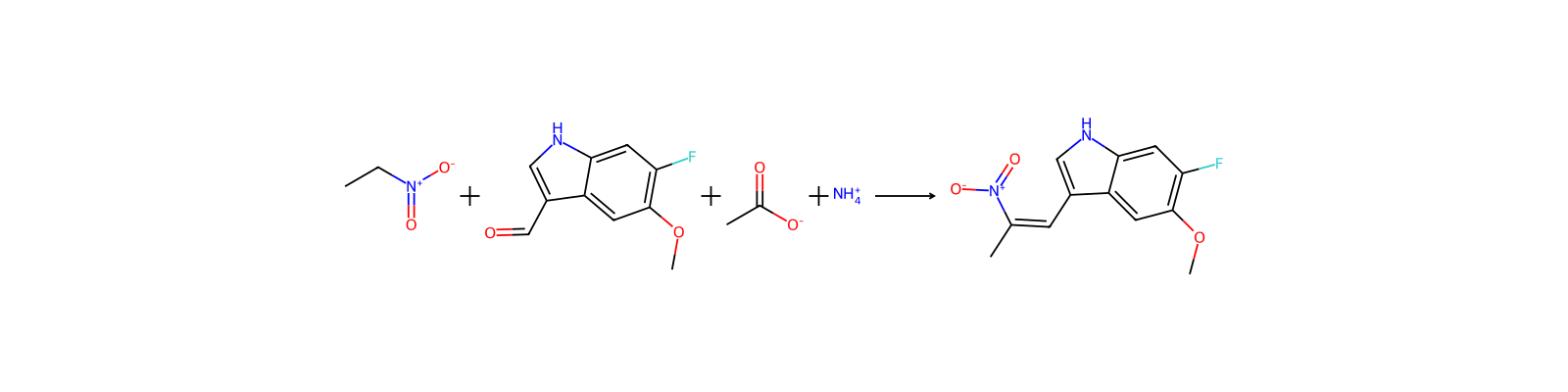
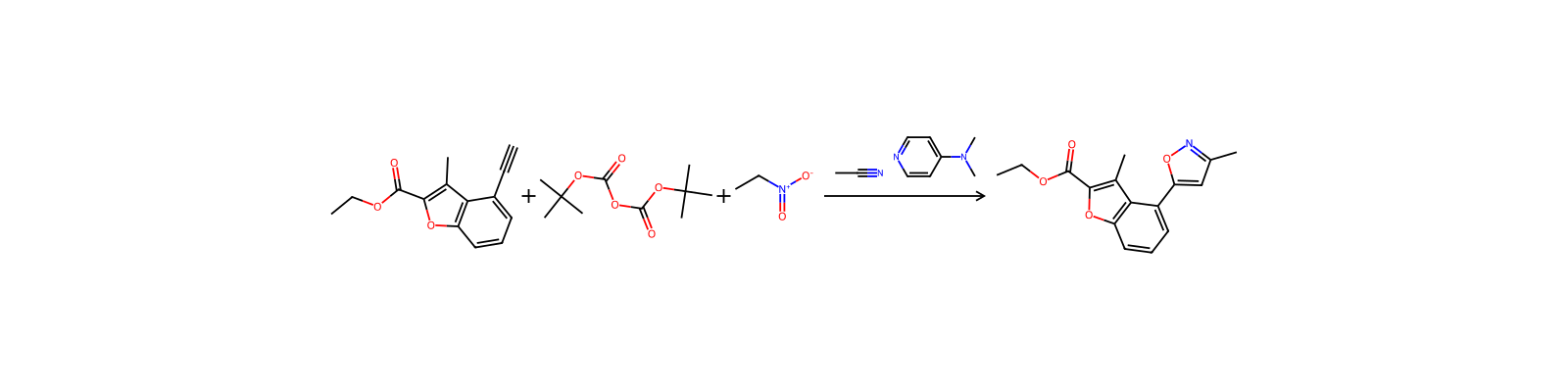
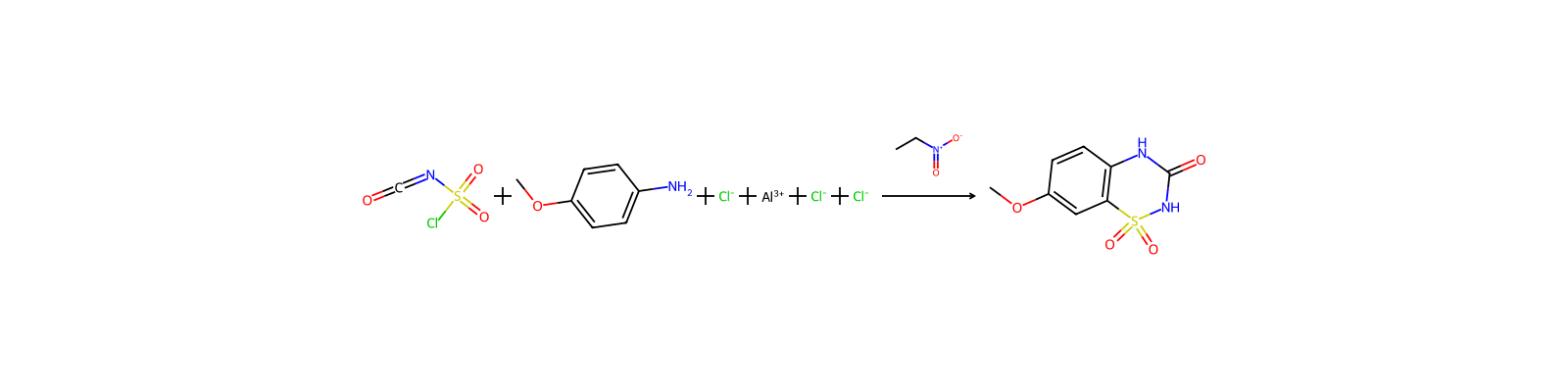
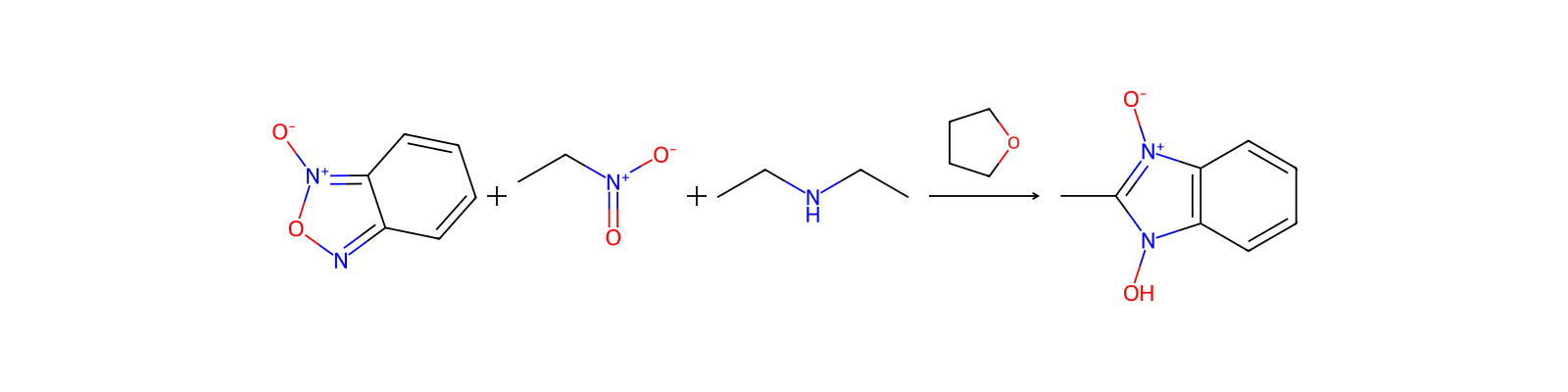
369 件




関連ノート
読み込み中…